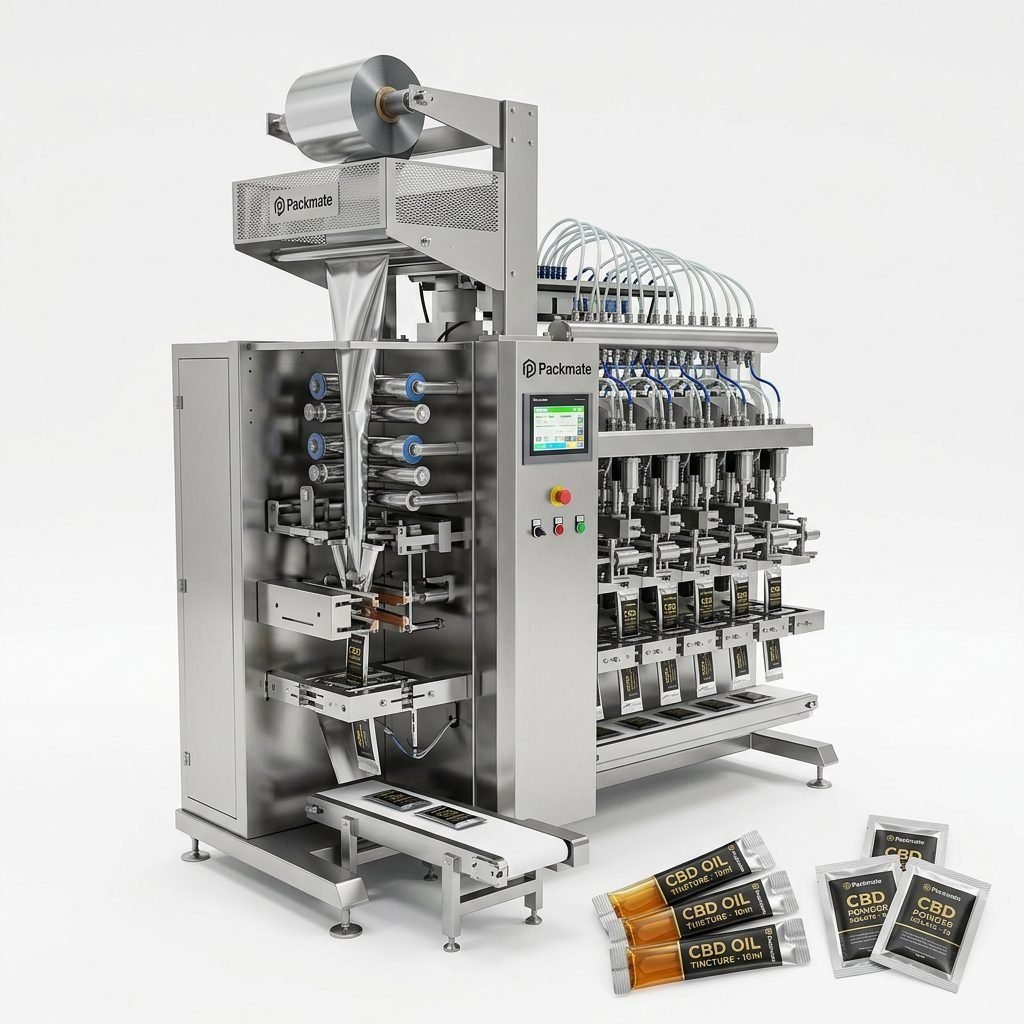
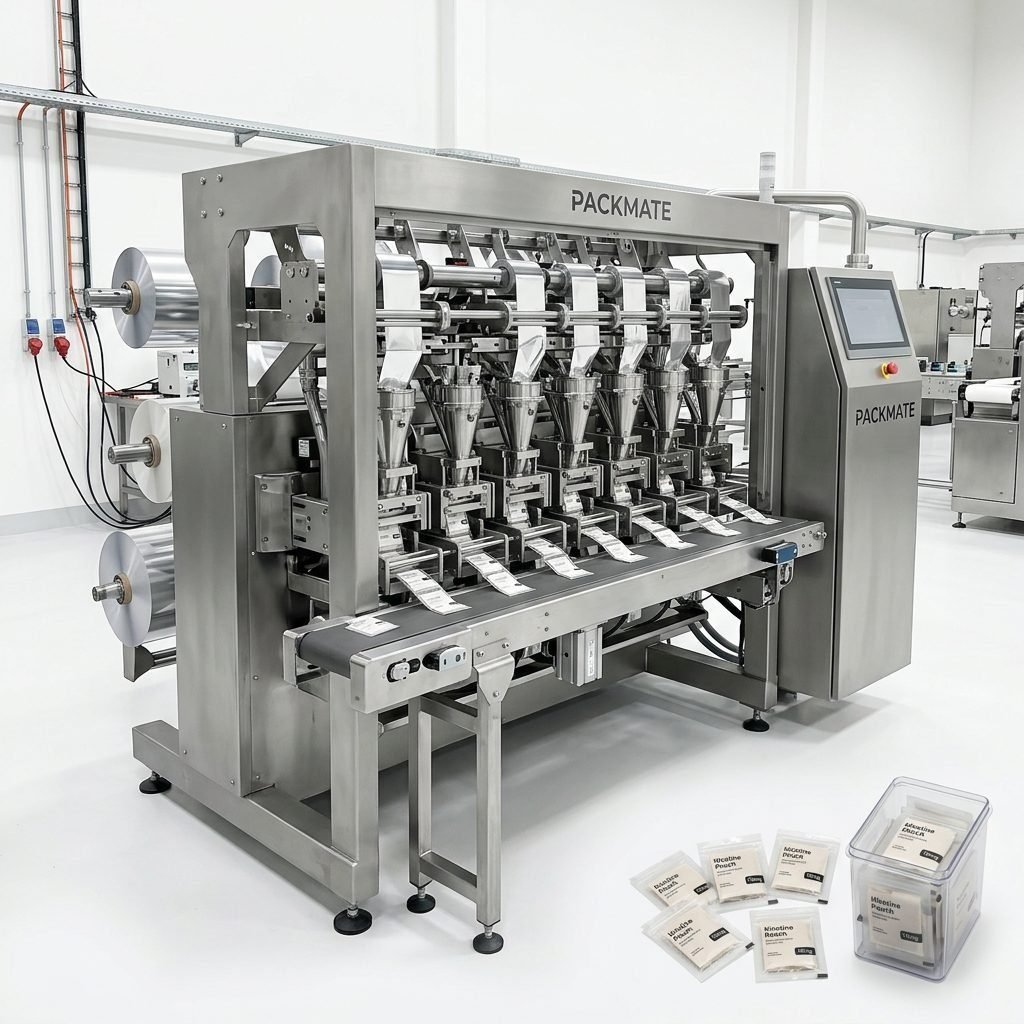
Choosing the right snus packaging machine in Cameroon can determine your product’s market success, production efficiency, and long-term profitability. This buyer’s guide walks you through practical considerations—from machine types and technical specs to supplier selection and after-sales support—so you can make an informed investment tailored to Cameroon’s emerging nicotine pouch market.
Understand the Cameroon Market & Regulatory Context 📌
Before selecting equipment, evaluate local demand, distribution channels, and regulatory requirements. Cameroon’s regulatory environment for nicotine products may be evolving; ensure your packaging solution supports compliance (tamper-evident seals, batch coding, ingredient labels). Partnering with knowledgeable suppliers helps you anticipate regulation-driven design changes.
Key considerations for market fit
• Product format (loose snus, portion pouches, nicotine pouches) • Target production volume (starter lines vs. high-speed) • Distribution formats (retail pouches, multi-packs, sachets) • Local packaging material availability and cost.
Tip: If you plan to export or scale quickly, select machines that support flexible formats and international labeling options.
Machine Types: Choose the Format That Matches Your Product
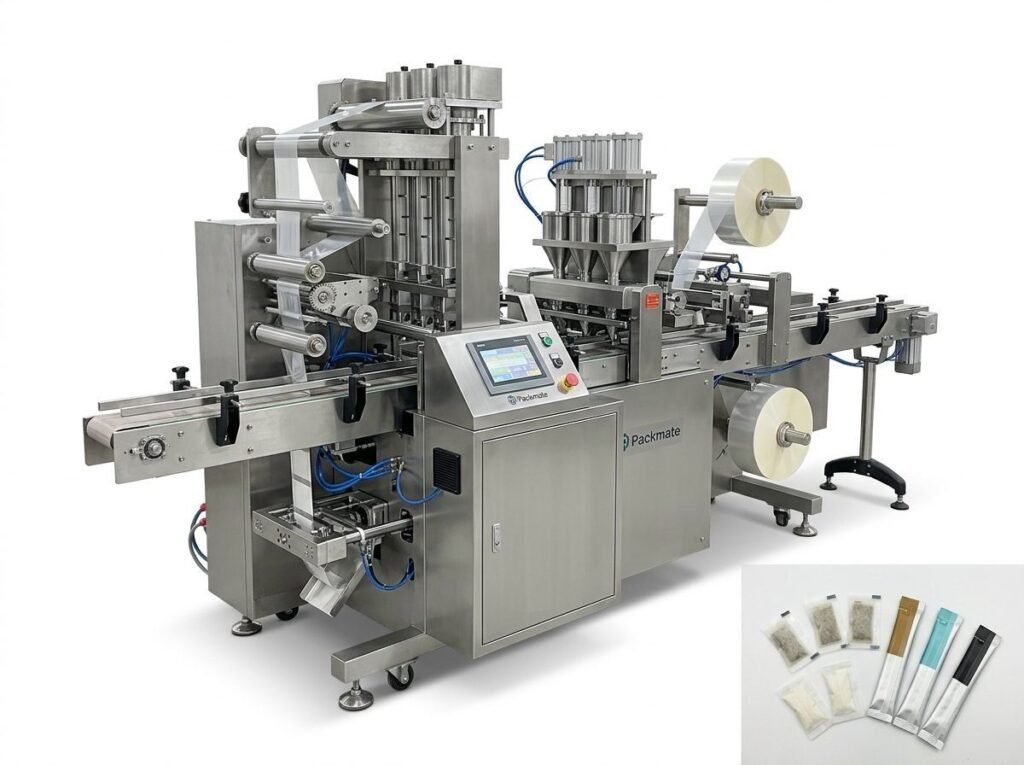
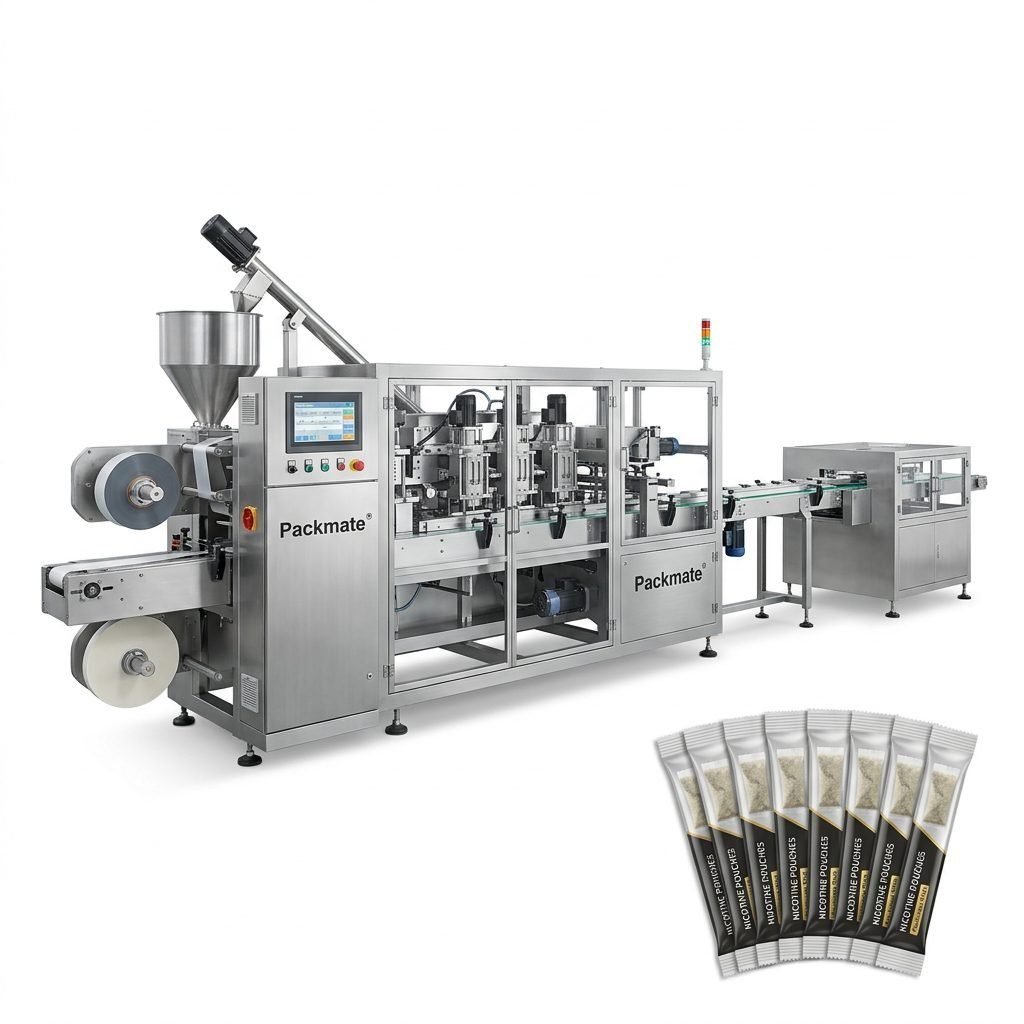
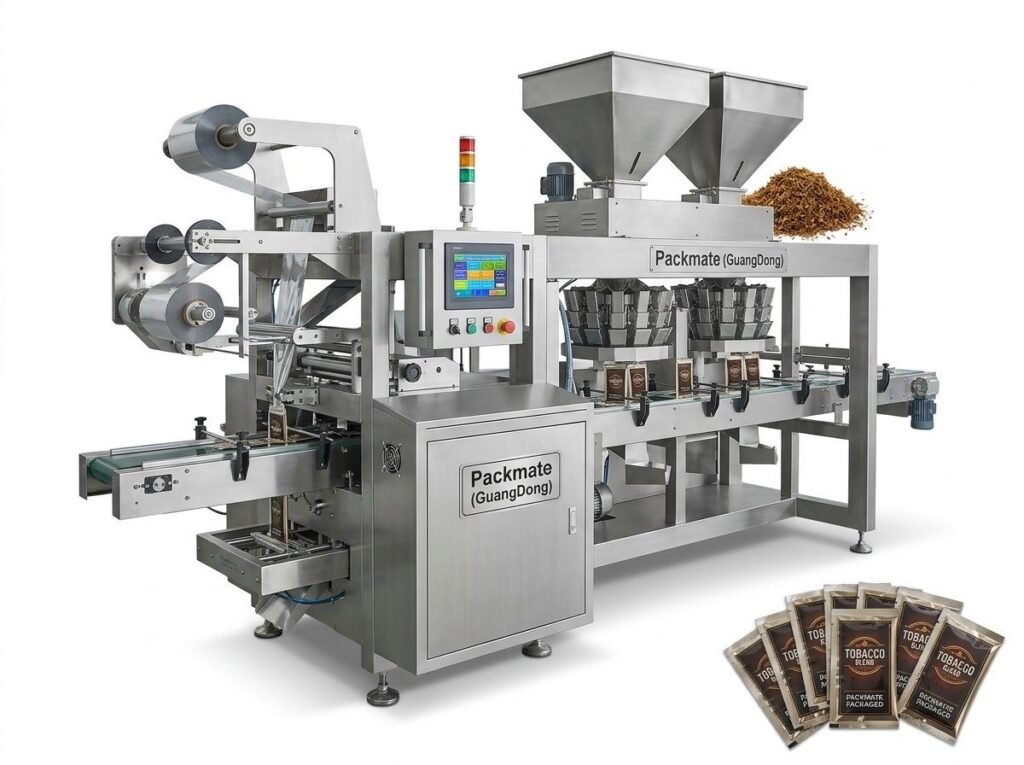
Packaging machines for snus and nicotine pouches come in several configurations. Match machine type to your product and throughput needs:
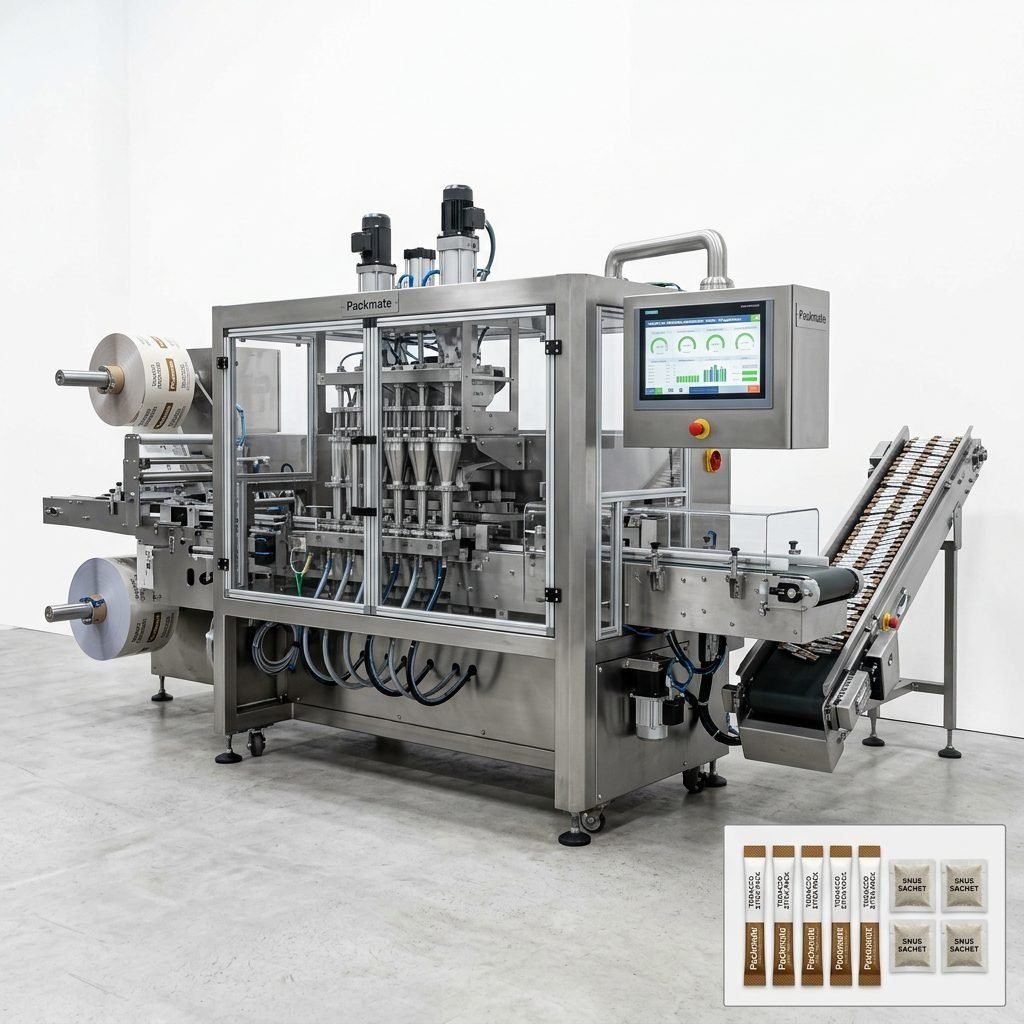
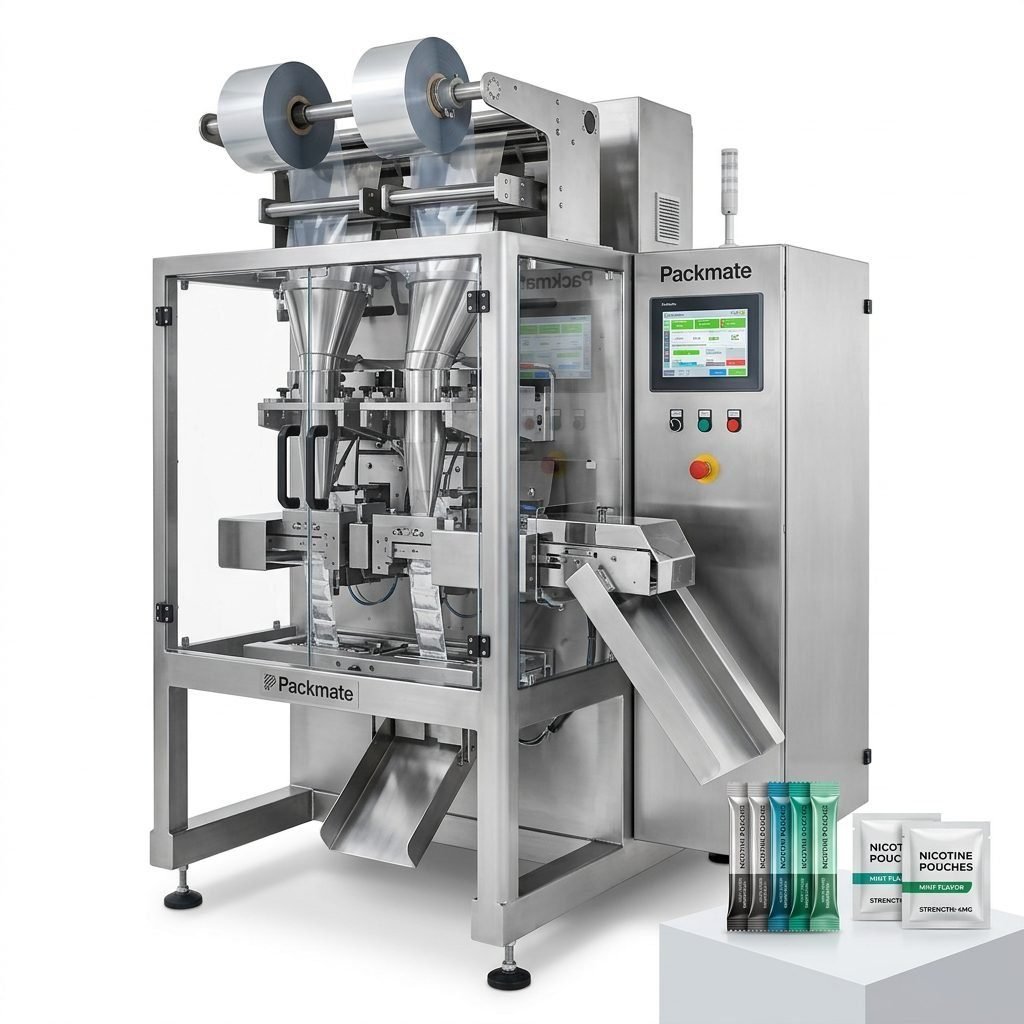
Stick Pack & Sachet Machines
Ideal for single-portion pouches, stick packs and sachet machines offer fast line speeds and compact footprints. They are suitable when you need tight portion control and attractive retail presentation.
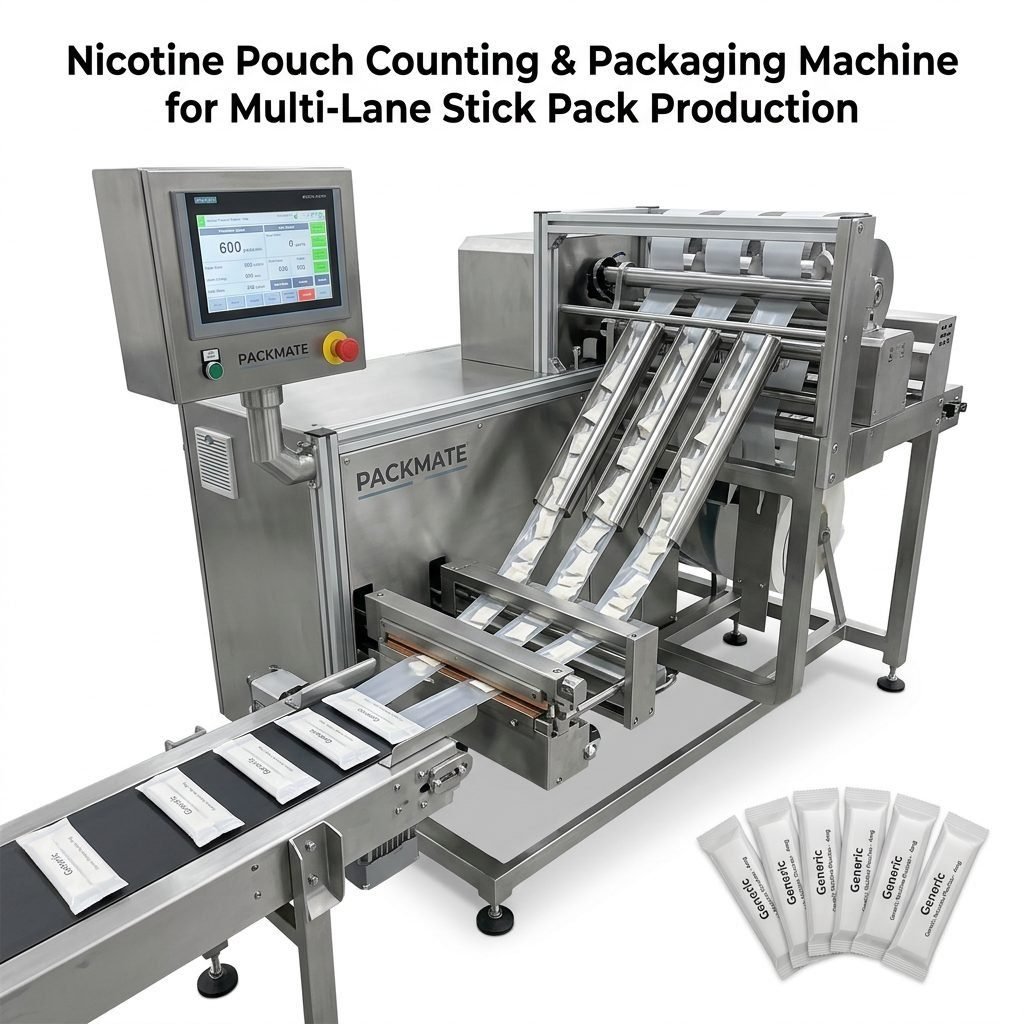
Multi-lane Pouch Lines
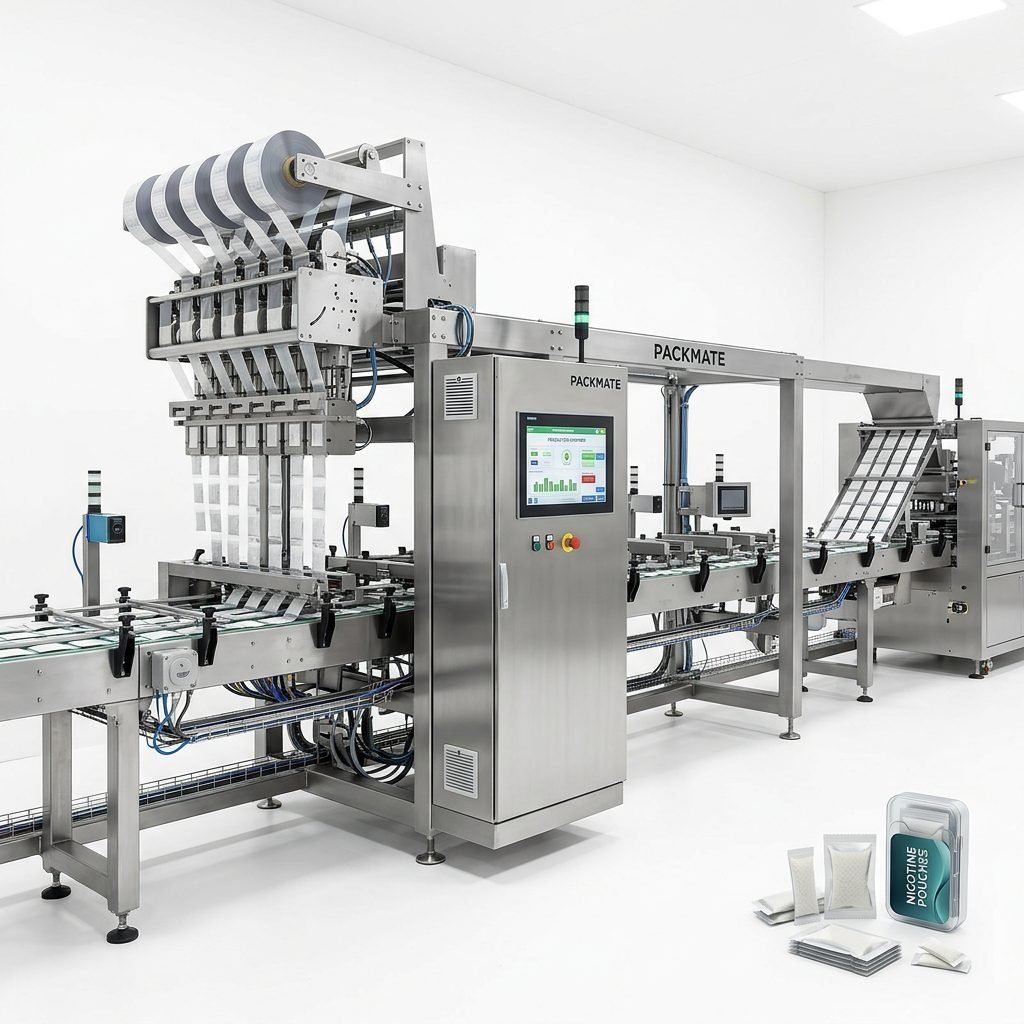
For high-volume producers, multi-lane machines dramatically increase throughput by producing multiple pouches across parallel lanes. They require more sophisticated material handling but deliver higher output per square meter.
Custom & Turnkey Solutions
If you need integrated dosing, filling, sealing, and secondary packaging, look for turnkey lines that combine weighing systems, pouch machines, and case packers. This reduces on-site integration time and minimizes compatibility issues.
Recommended reading: see product families like Snus & Nicotine Packaging Machines and Sachet & Stick Pack Machines.
Technical Specs to Prioritize
Throughput & Scalability
Identify machines that meet your current output needs and offer upgrade paths. A line rated for 120,000 pouches/day might be excessive for a startup, while low-speed machines could become a bottleneck as demand grows.
Dosing Accuracy & Fill Range
Precise dosing minimizes waste and maintains product consistency. Check specifications for weight tolerance (e.g., ±1-3% for powders or nicotine blends) and compatibility with your product’s particle size or moisture content.
Material Compatibility & Sealing
Ensure the machine supports the films you plan to use (mono, laminated, barrier films) and delivers robust sealing (heat or ultrasonic) for shelf-life and regulatory compliance.
Must-check: servo-driven controls, PLC & HMI with multilingual support, and easy-access sanitary design for cleaning.
Supplier Selection: What to Ask Your Vendor
Choosing a supplier is as important as the machine specs. Ask targeted questions to reduce risk and ensure long-term support.
Experience & References
Verify the supplier’s track record in snus and nicotine packaging. A manufacturer with 20+ years of targeted experience brings proven designs and iterative improvements. Review case studies and ask for references from customers in similar climates or regulatory frameworks.
Certifications & Compliance
Confirm CE, ISO, or other relevant certifications. These indicate quality management and adherence to international safety standards.
Spare Parts & Service Network
Availability of spare parts and local or remote service can dramatically reduce downtime. Clarify lead times for critical components and whether on-site installation and training are included.
Example supplier to consider: learn about a specialist at About Packmate and review their Case studies.
Total Cost of Ownership (TCO) & ROI Calculation
Purchase price is only a fraction of TCO. Consider installation, training, spare parts, consumables (films, adhesives), energy consumption, and expected production yield. Calculate ROI based on conservative throughput and margin assumptions.
Hidden costs to include
• Freight, customs, and local duties • Electrical and utility upgrades • Routine maintenance contracts • Downtime risk and contingency parts inventory.
Installation, Commissioning & Training
Proper installation and operator training are essential to reach rated performance. Ensure your supplier includes:
• On-site commissioning by experienced technicians • Operator and maintenance training in English or French as needed • Start-up spares and detailed manuals • Remote support options for ongoing troubleshooting.
Pro tip: schedule training during the first production run so your team gains hands-on experience under expert supervision.
Maintenance & Spare Parts Strategy
Establish a preventive maintenance schedule and keep critical parts on hand. For multi-lane systems, belts, seals, and servo components can become long-lead items—plan accordingly.
Service agreements
Negotiate response times for on-site visits and clarify remote diagnostics capabilities. Some suppliers offer predictive maintenance features that reduce unplanned downtime.
Local Considerations for Cameroon
Cameroon-specific logistics, power stability, and workforce skill levels should influence your choice:
• Opt for robust electrical tolerance or include UPS systems • Choose machines with simple maintenance routines if local technicians are scarce • Confirm spare-part shipping times to Douala or Yaoundé.
Local logistics: maintain an inventory of commonly needed parts to avoid production pauses.
Why Consider Packmate Snus Machine?
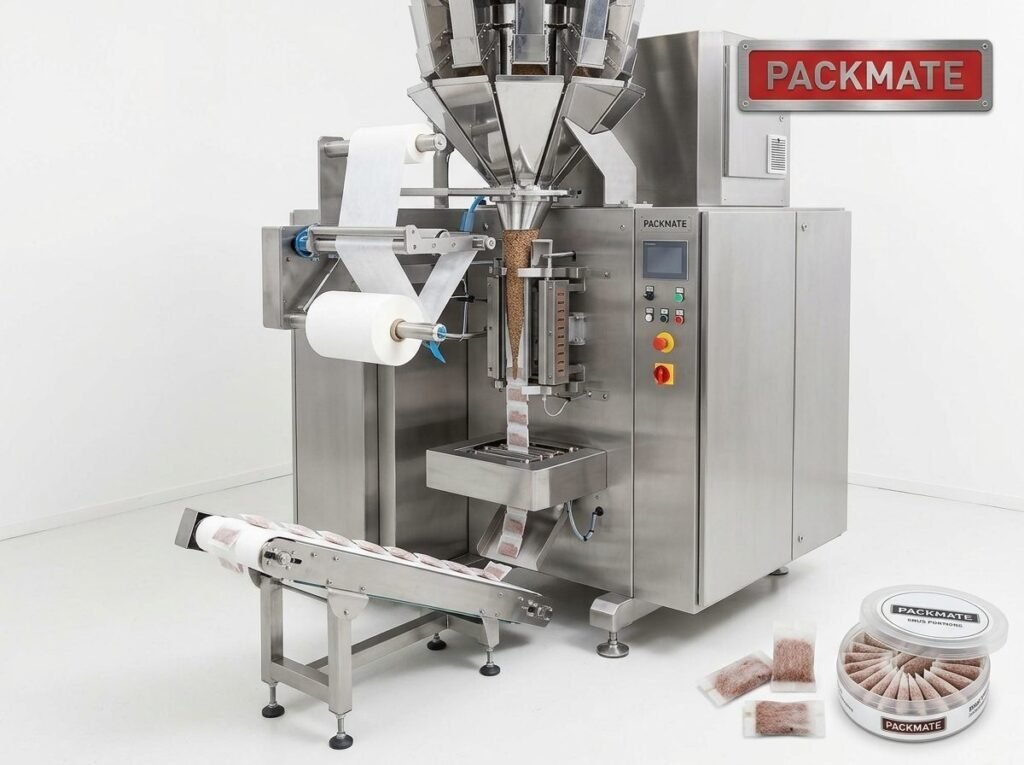
Packmate is a specialist with deep experience in snus and nicotine pouch equipment. Their portfolio covers stick pack, sachet, and multi-lane pouch systems designed for small-dose pouch production and full turnkey lines.
Packmate emphasizes precision engineering, advanced CNC manufacturing, and robust quality control. Explore their product categories like Filling & Packaging Lines and Weighing & Packaging Systems for complete solutions.
Procurement Checklist: Quick Decision Matrix
Use this checklist when evaluating multiple offers:
✅ Throughput vs. projected demand
✅ Dosing accuracy and material compatibility
✅ Warranty, spare parts availability, and service response time
✅ Installation, training, and local language support
✅ TCO projections including consumables and downtime risk
Need fast assistance? Reach out directly via Contact Us for tailored proposals and lead-time estimates.
Installation Timeline & Factory Acceptance
Plan for factory acceptance tests (FAT) before shipment, followed by site installation and commissioning. A typical lead time includes manufacturing (varies by model), FAT, shipping, customs clearance, and on-site setup. Negotiate clear milestones and deliverables in the purchase agreement.
Sustainability & Material Waste Reduction
Efficient dosing, reliable sealing, and optimized changeover procedures reduce material waste and improve yield. Ask suppliers about film-saving technologies and servo systems that minimize overfill and scrap.
Final Recommendation & Next Steps
Start with a clear specification document: product format, target volumes, film types, and regulatory requirements. Request machine demos or video feeds (live FAT), detailed quotations with TCO breakdowns, and reference installations. Consider suppliers who offer turnkey capabilities to reduce integration risk.
Explore product lines: detailed machine descriptions are available for Bag & Pouch Packaging Machines and Auxiliary Packaging Equipment.
Frequently Asked Questions (FAQs)
Q1: How do I choose between a stick pack and a multi-lane pouch machine?
A1: Choose based on projected volume and product format. Stick packs are best for smaller volumes and simple portions; multi-lane lines suit high-volume production and offer better cost-per-unit at scale.
Q2: What lead times should I expect for delivery to Cameroon?
A2: Lead times vary by model and customization. Typical schedules include manufacturing (4–12 weeks), FAT, shipping, and customs. Confirm timelines and include buffer for clearance.
Q3: Are spare parts and service available locally?
A3: Reputable suppliers provide global spare parts shipping and remote diagnostics. Discuss local stocking options and service agreements before purchase.
Q4: Can I upgrade a line later if demand grows?
A4: Yes — select modular designs with upgrade paths (additional lanes, faster dosing systems, or integrated secondary packaging) to scale without full replacement.