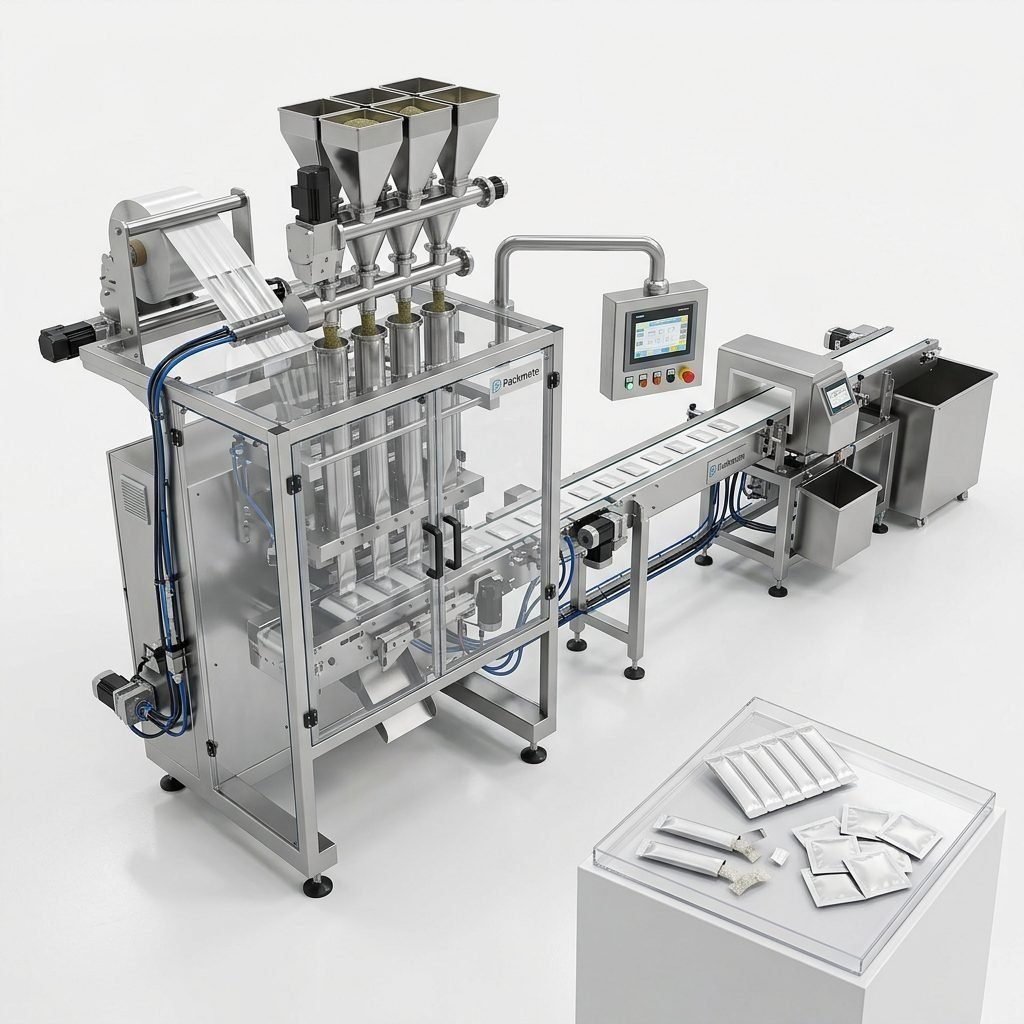
Choosing the right nicotine packaging machinery for a manufacturing line in South Korea requires balancing regulatory compliance, production capacity, product format, and long-term service support. This guide walks you through practical steps and decision points so your investment maximizes uptime, meets local and international standards, and scales with your business. Whether you produce nicotine pouches, snus, sachets, or stick packs, the right equipment can reduce waste, improve consistency, and protect product integrity.
Understand Local and Export Regulations First
Regulatory considerations in South Korea and export destinations should be your starting point. Nicotine and snus products are often subject to strict labeling, child-resistant packaging, and ingredient disclosure requirements. Confirm whether your target markets require tamper-evident seals, specific barrier materials, or serialized batch coding. Machines that support flexible label and coding systems help you adapt quickly as rules change.
Match Machine Type to Your Product Format
Different nicotine formats need different packaging technologies. Key machine families include:
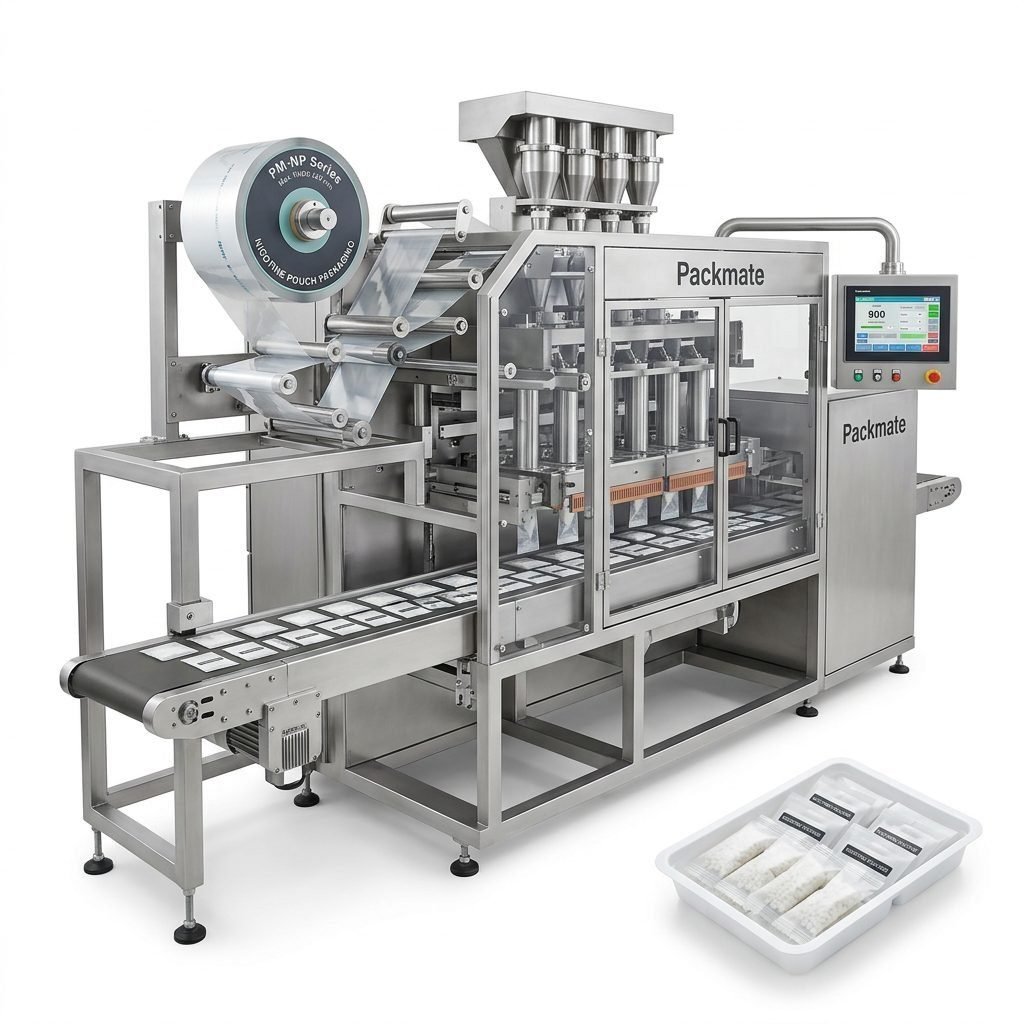
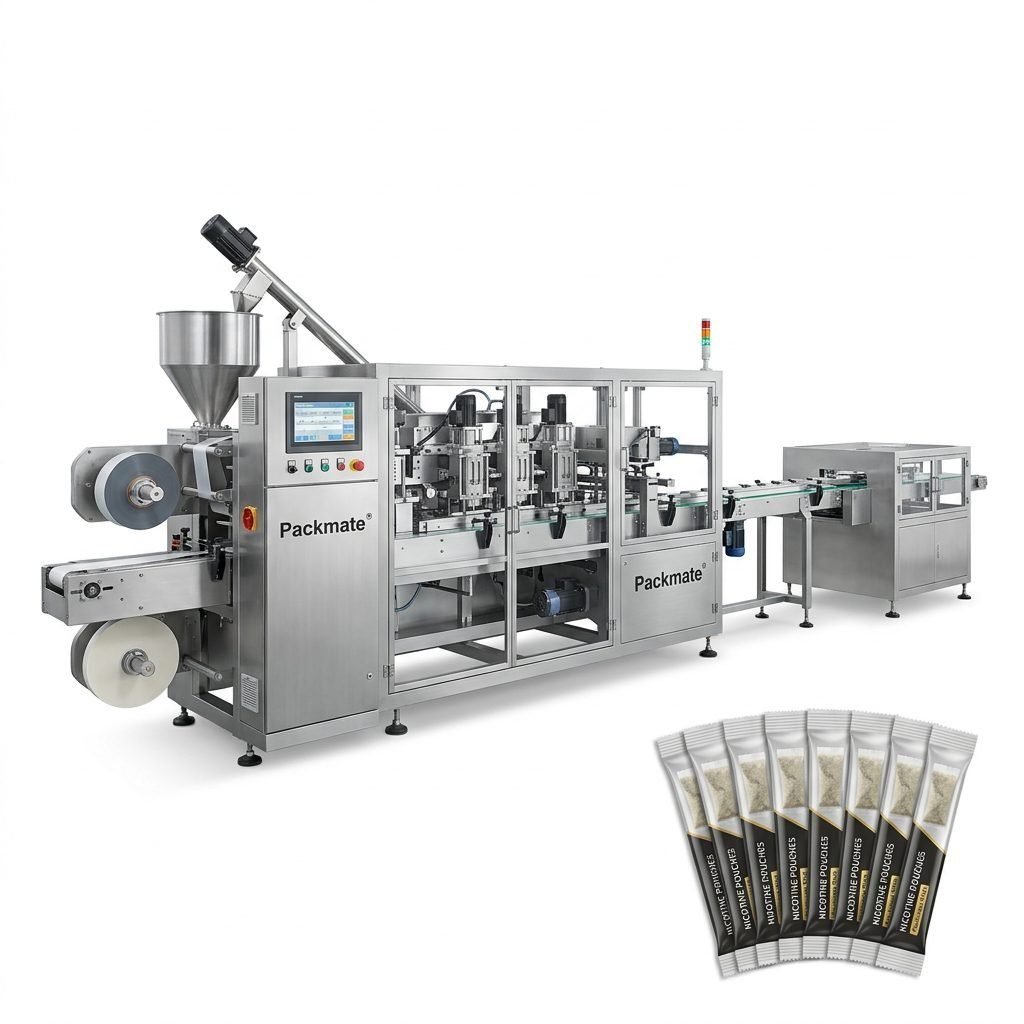
• Stick pack and sachet machines for single-dose formats.
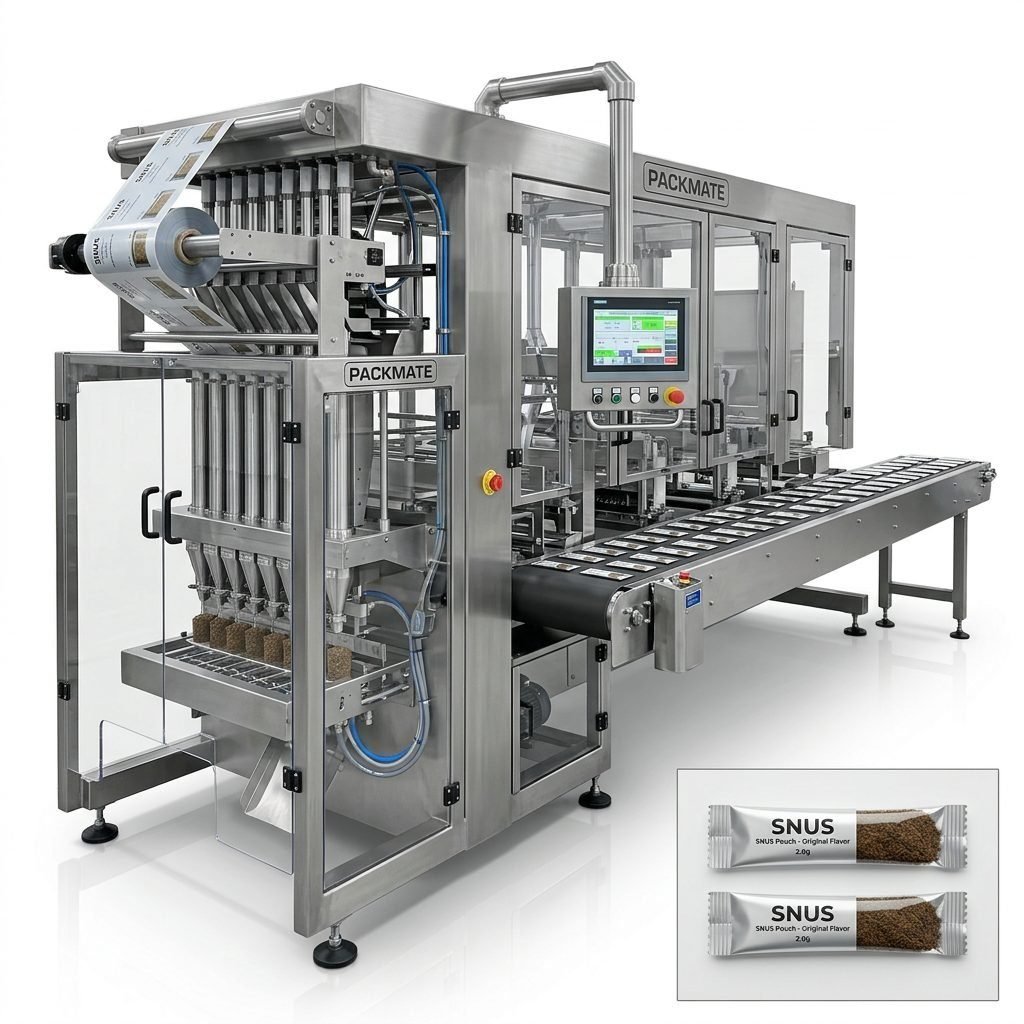
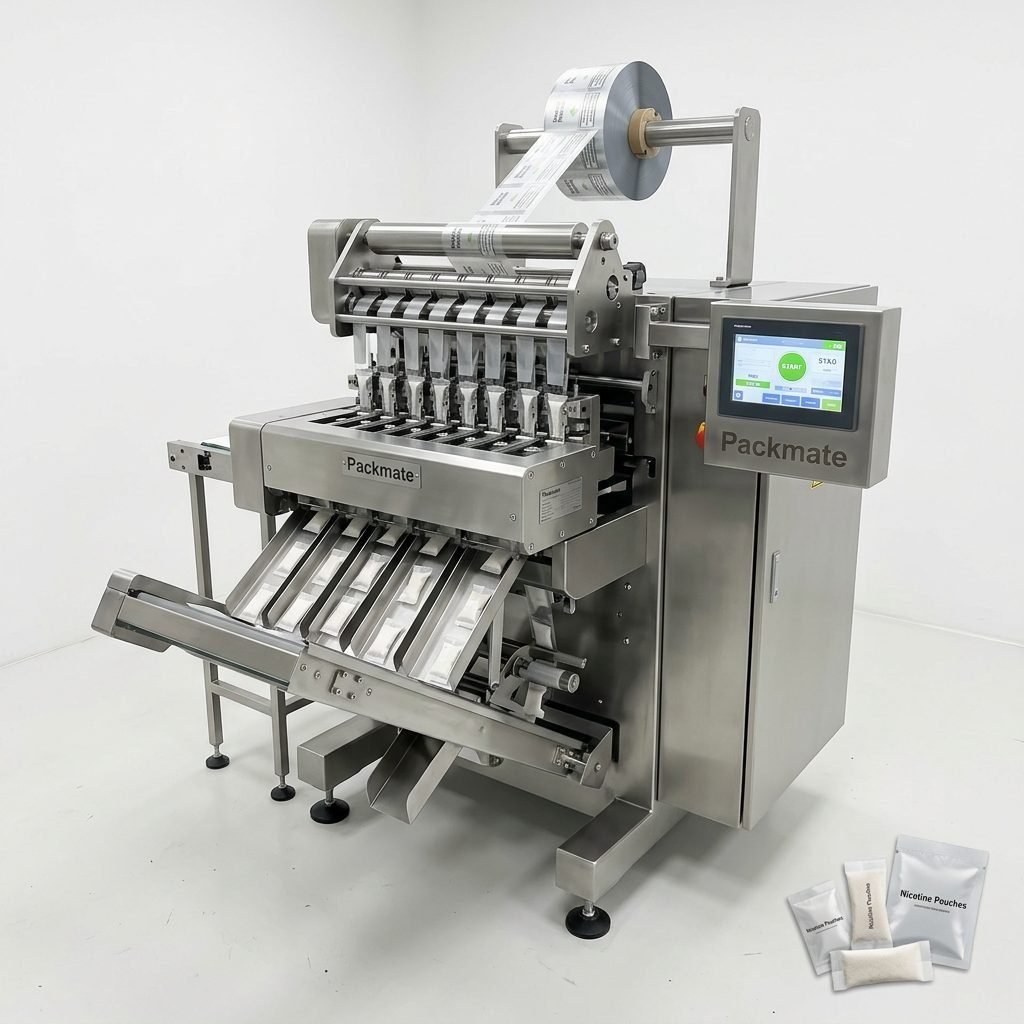
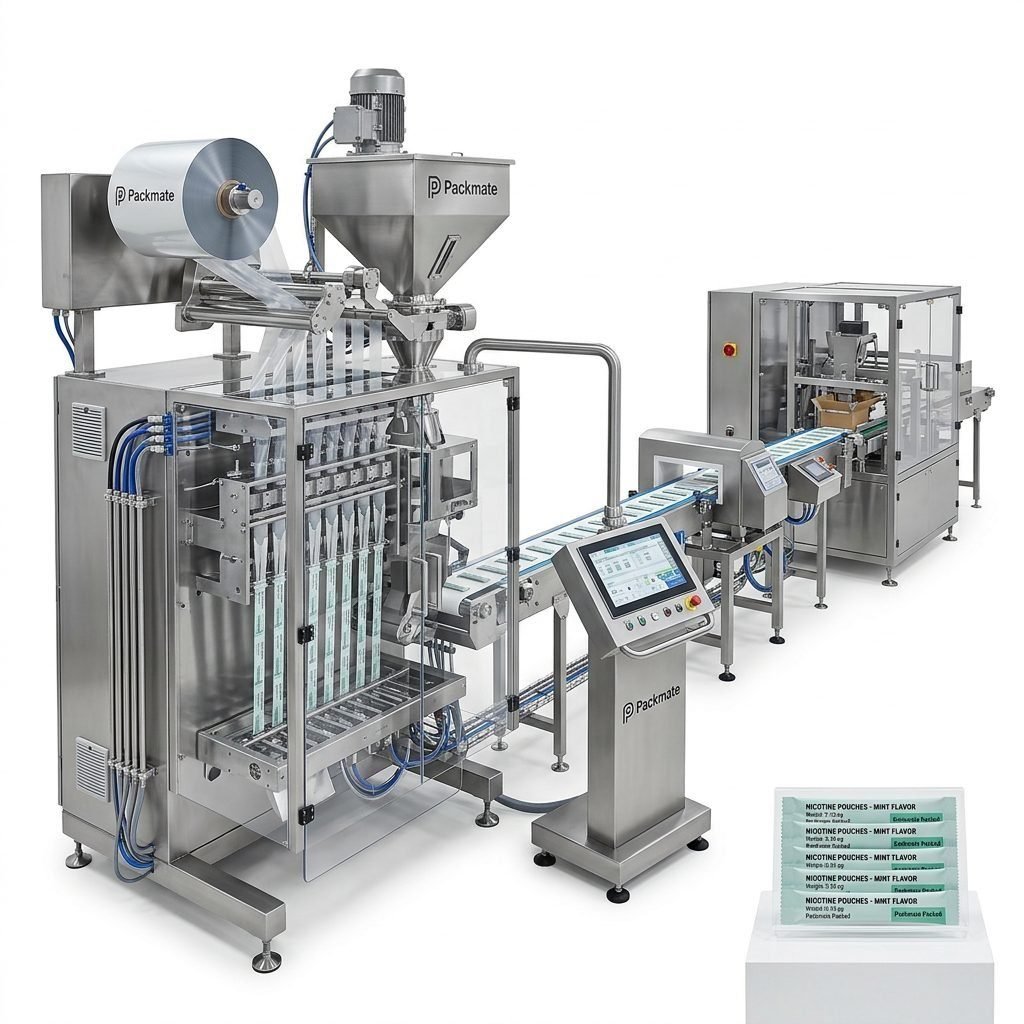
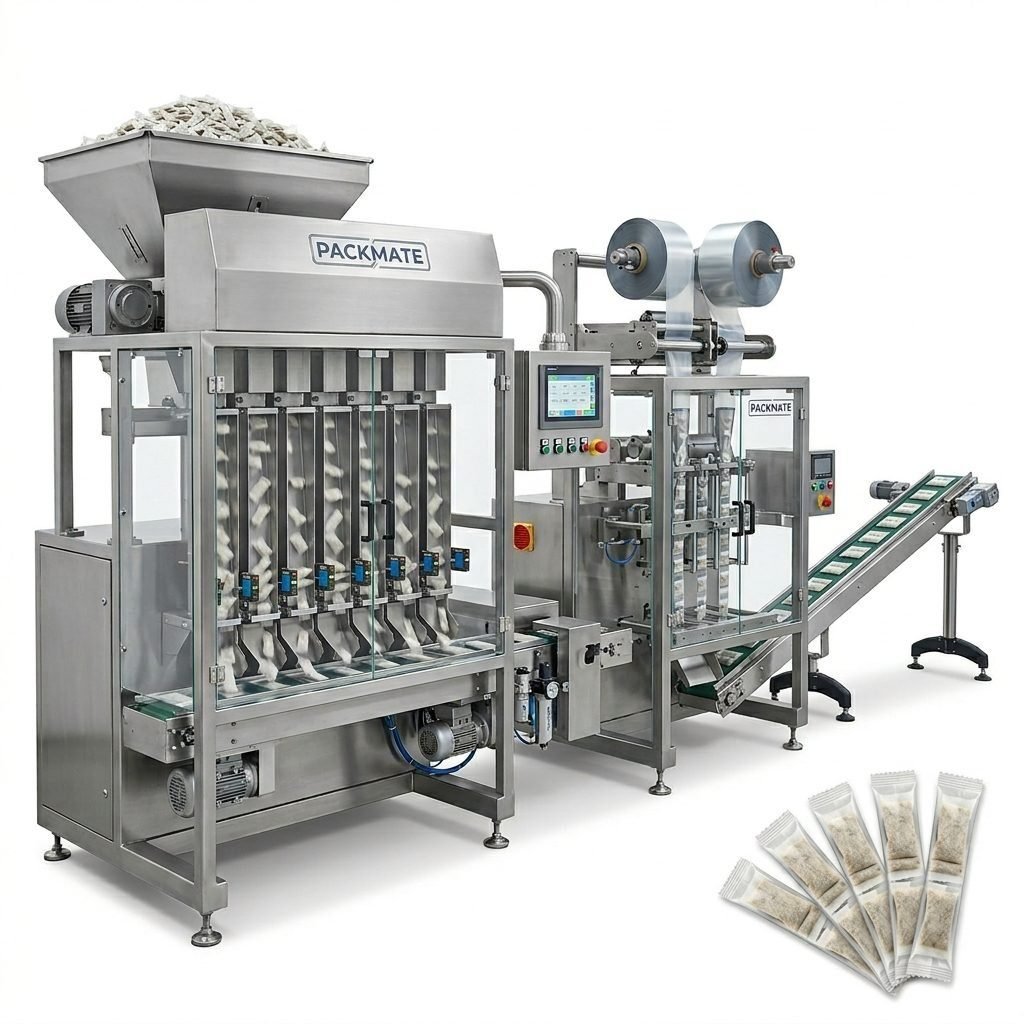
• Multi-lane snus pouch machines for high-speed small-dose production.
• Bag and pouch systems for outer packaging and retail-ready formats.
Selecting the correct base machine reduces retrofit costs and avoids capacity shortfalls.
Why multi-lane systems matter
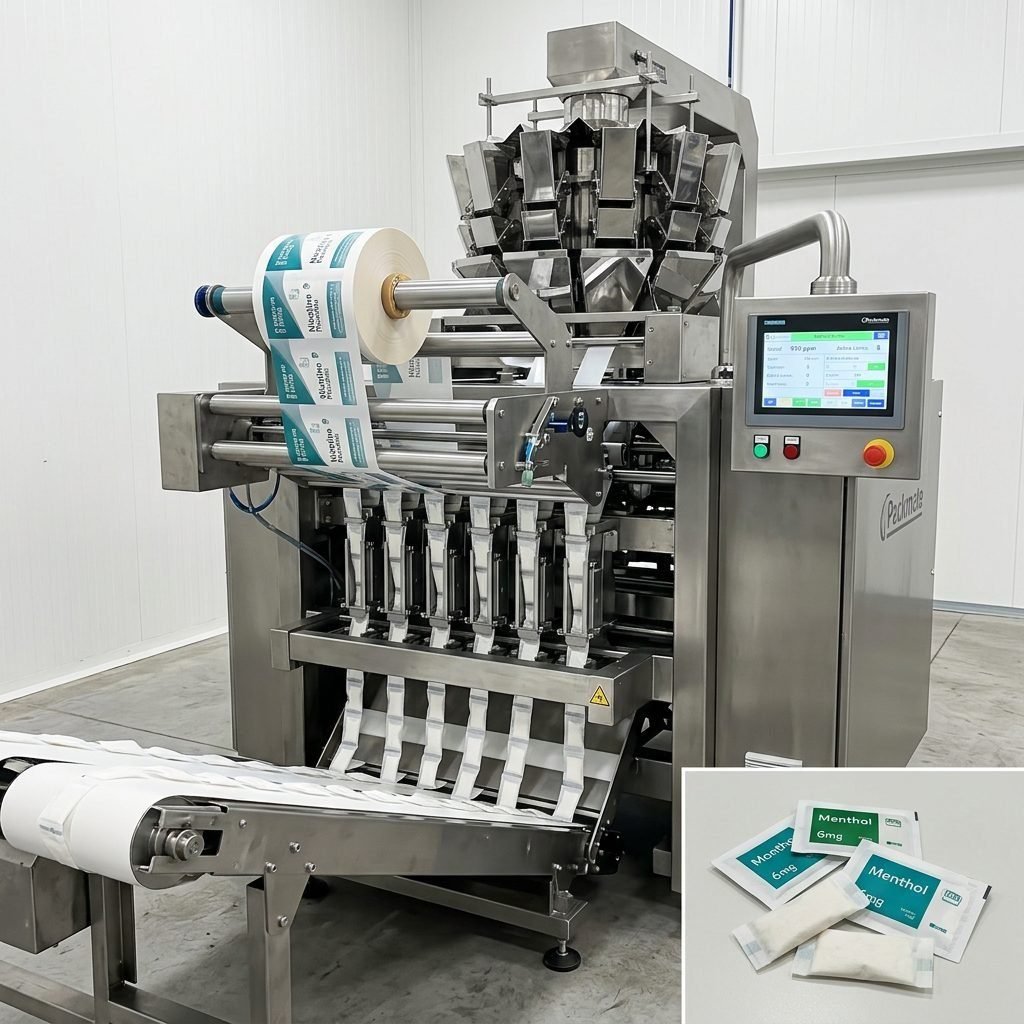
Multi-lane machines are ideal if you need high throughput with small pouch sizes. They allow several lanes to run simultaneously, multiplying output without proportionally increasing floor space. If your product is a nicotine pouch or snus requiring precise fill weights, choose machines with robust multi-head feeding and synchronized lanes to maintain consistency.
📌 Tip: If product touch-points are critical (e.g., hygroscopic powders or moisture-sensitive pouches), prioritize machines with controlled environments or integrated dehumidifying sections to maintain product quality during filling and sealing.
Capacity, Throughput and Line Balancing
Calculate peak and average throughput targets. Machine speed alone is not enough — consider changeover times, upstream filling or dosing rates, and downstream checkweighing or cartoning. A common mistake is picking a high-speed filler but neglecting packaging or cartoning capacity, causing bottlenecks. Use realistic production scenarios (shift patterns, maintenance windows, yield rates) when specifying machine performance.
Automation and integration
Modern lines benefit from PLC control, recipe management, and HMI interfaces that let operators switch formats quickly. Look for machines that offer easy integration with existing MES or line-control systems so you can track OEE and production KPIs. Integration-ready equipment reduces validation time and simplifies troubleshooting.
Material Compatibility and Packaging Materials
Your chosen packaging materials determine sealing methods, speed, and barrier needs. For nicotine pouches, laminated films with specific oxygen and moisture barriers are common. Ensure the machinery can handle your selected film widths, seal types (e.g., fin, back, three-side), and any peelable or resealable features. Machines that provide precise temperature control and adaptive sealing jaws reduce seal failures and rework.
⚠️ Important: Some high-barrier laminates require different sealing energy or dwell times. Test material samples on candidate machines before purchase to confirm seal integrity and runtime stability.
Quality, Validation and Certification
Buyers in South Korea should demand machines built to international standards. CE and ISO compliance indicate adherence to safety and quality management practices. Additionally, make sure electrical and control systems meet local voltage and safety codes. Request FAT/SAT (Factory and Site Acceptance Tests) and documented validation protocols to speed regulatory approval and production ramp-up.
Supplier Reputation and After-Sales Support
Selecting a supplier with proven experience in snus and nicotine pouch packaging is invaluable. Suppliers experienced in this niche provide insights on dosing, pouch integrity, and continuous operation. When evaluating vendors, prioritize:
• Spare parts availability and lead times.
• Local or regional service partners for preventive maintenance.
• Training programs for operators and maintenance staff.
• Support for upgrades and software updates.
Leverage case studies and references
Ask for references and performance metrics from similar installations. Reviewing customer cases can reveal real-world uptime, common adjustments, and total cost of ownership. You can explore documented examples and successful deployments here: Case.
Customization vs. Standard Configurations
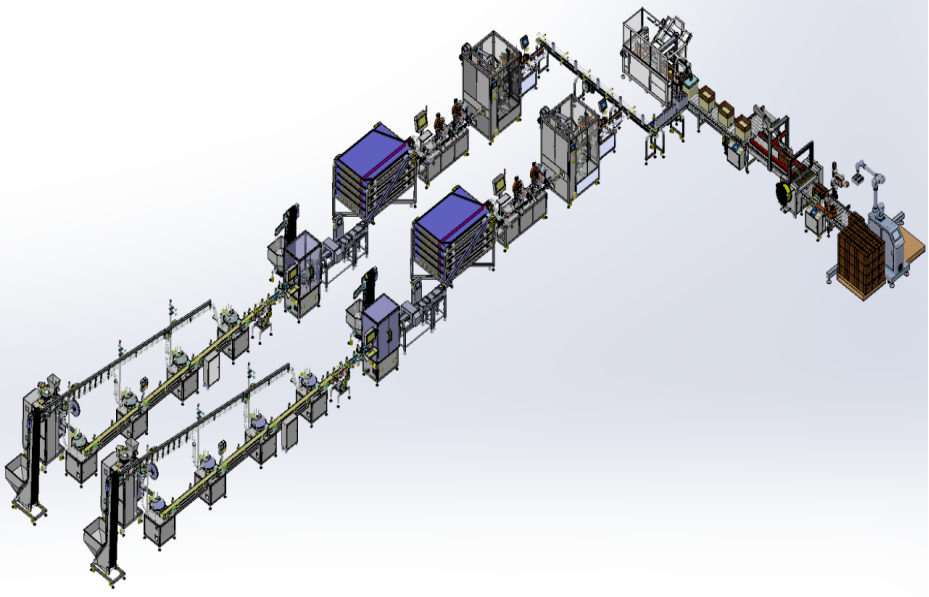
Standard machines reduce lead time and cost, but nicotine pouch products often need customization (different pouch shapes, dosing systems, or multi-lane configurations). Evaluate whether the vendor offers modular options or full turnkey lines that include upstream weighing and downstream cartoning. A trusted supplier will provide scalable solutions that evolve with your product portfolio.
If you need to explore product options, check detailed machine categories such as Snus & Nicotine Packaging Machines and Sachet & Stick Pack Machines.
Total Cost of Ownership (TCO) Considerations
Beyond purchase price, calculate TCO including energy consumption, spare parts, consumables, downtime costs, and expected lifespan. Machines with higher upfront cost but better reliability and lower energy usage often deliver superior TCO. Request lifecycle cost models from vendors to compare machines on more than speed alone.
📌 Quick checklist for evaluating TCO: energy usage, mean time between failure (MTBF), spare parts pricing, warranty length, and upgradeability.
Installation, Commissioning and Training
A smooth installation and strong commissioning plan minimizes time-to-market. Confirm the supplier provides:
• Detailed installation drawings and electrical schematics.
• On-site commissioning and validation support.
• Operator and maintenance training with documentation.
• Remote troubleshooting capability for faster issue resolution.
If you want a supplier with turnkey capabilities and global support, learn more About Packmate and their turnkey offerings.
Common Deployment Pitfalls and How to Avoid Them
Many projects stumble on integration mismatches, inadequate spare parts planning, and unrealistic ramp-up schedules. Avoid these pitfalls by:
• Running FATs with real material and target speeds.
• Securing a spare-parts kit for critical wear items before startup.
• Aligning upstream/downstream equipment capacities.
• Planning operator shifts and preventive maintenance calendars.
Support and service contract considerations
Long-term performance depends on responsive service. Consider service contracts that include remote diagnostics, scheduled maintenance visits, and fast shipping of spare parts. Learn about service offerings and contact options here: Service and Contact Us.
How to Shortlist Vendors in South Korea
Develop a scorecard to shortlist vendors based on: technical fit, regulatory experience, proven references, delivery time, and OEE performance in similar installations. Request videos or remote demonstrations if in-person visits are impractical. Vendors with local representation or partners can accelerate spare parts delivery and support response times.
✅ Vendor shortlist criteria: machine uptime history, spare parts lead time, validation support, training, and ability to supply turnkey lines (weighing, filling, packaging).
Explore product lines for a technical baseline: Filling & Packaging Lines and Auxiliary Packaging Equipment.
Final Selection and Purchase Negotiation
When you reach the negotiation stage, ensure the contract covers acceptance criteria, warranty terms, spare parts pricing, training commitments, and service response windows. Require a clear timeline for delivery, FAT schedule, and penalties for missed milestones where appropriate. Clarify IP and software ownership for HMI recipes and control logic.
Conclusion
Selecting nicotine packaging machinery for a South Korean manufacturing line involves regulatory foresight, precise specification of machine types and materials, and a strong supplier partnership for installation and ongoing service. Prioritize machines that are proven in the snus and nicotine industry, offer flexible integration, and come with full lifecycle support to protect your production investment.
Frequently Asked Questions
Q1: What certifications should I require from a nicotine packaging machine supplier?
A1: Request CE and ISO compliance as a baseline, plus documentation for electrical and safety systems. Ensure the vendor can provide FAT/SAT records and validation protocols for regulatory audits.
Q2: How do I determine if a multi-lane machine is right for my line?
A2: Evaluate your target throughput, pouch size, and floor-space constraints. Multi-lane machines increase output per footprint but require precise synchronization and material handling planning.
Q3: Are turnkey lines necessary for nicotine pouch production?
A3: Turnkey lines simplify integration and validation because the supplier coordinates upstream weighing, filling, and downstream packaging. They are highly recommended for rapid ramp-up.
Q4: How important is local service presence in South Korea?
A4: Very important. Local representation or regional partners shorten response times for spare parts and service, minimizing downtime and protecting production.
Q5: Where can I view product families and request more information?
A5: Review detailed machine categories such as Snus & Nicotine Packaging Machines and contact suppliers for quotes and technical consultations.