Choosing the right snus packaging machinery supplier is a critical step for any business looking to produce snus or nicotine pouches in Honduras. Whether you are a startup launching a new nicotine pouch brand for local convenience stores or an established tobacco processor expanding into multi-lane automated lines, the supplier you select will determine your production reliability, product quality, and regulatory compliance. This guide walks you through practical tips and a buyer checklist tailored to Honduras, helping you make a confident, long-term decision.
Understand the Local Market and Cultural Context
Honduras’ tobacco and smokeless tobacco markets have their own distribution channels and consumer habits. Many products move through small kiosks, bodegas, and local grocery stores, and informal networks still play an important role. Seasonal events and local festivals can create demand spikes, and small-batch production is often useful for product testing. Keep these points in mind when specifying production capacity:
🔍 Local demand patterns: Many buyers prefer affordable, compact formats sold individually or in small packs. Consider machines that support low-to-medium volume flexibility.
⚠️ Compliance & labeling: Regulatory labeling requirements and taxes vary. Choose suppliers familiar with international standards (CE/ISO) and adaptable control software for label fields and traceability.
Key Machine Types and Which One Fits Honduras Operators
The choice of equipment depends on product format, output needs, and budget. Here are common options and why they matter locally:
Sachet & Stick Pack Machines
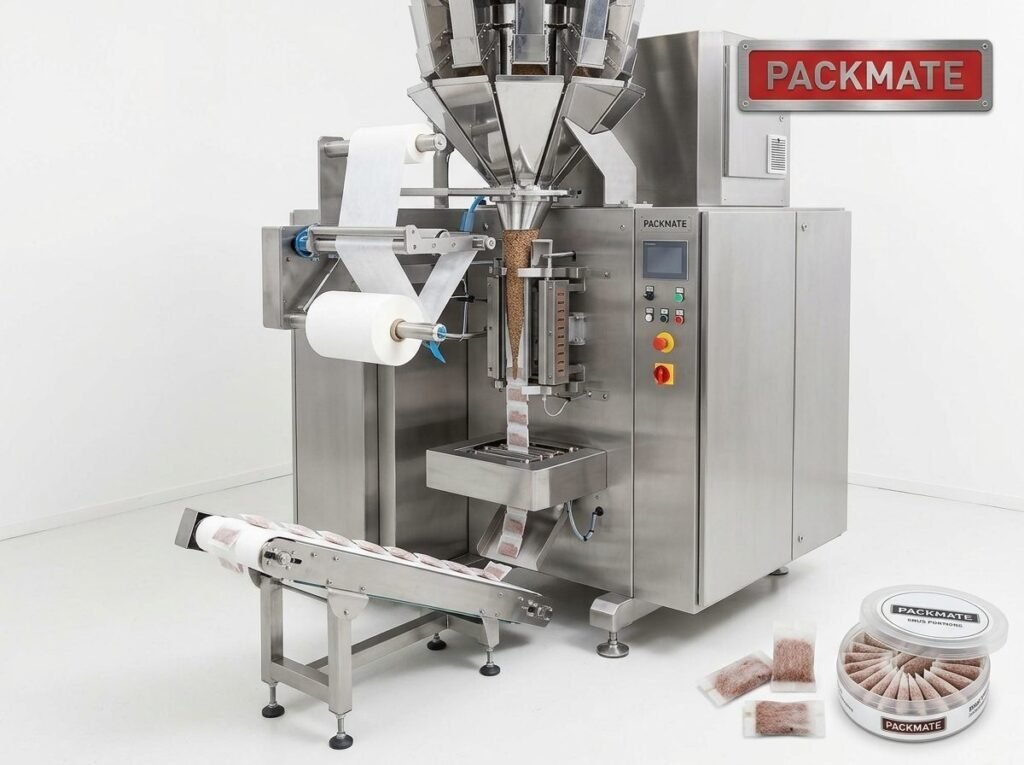
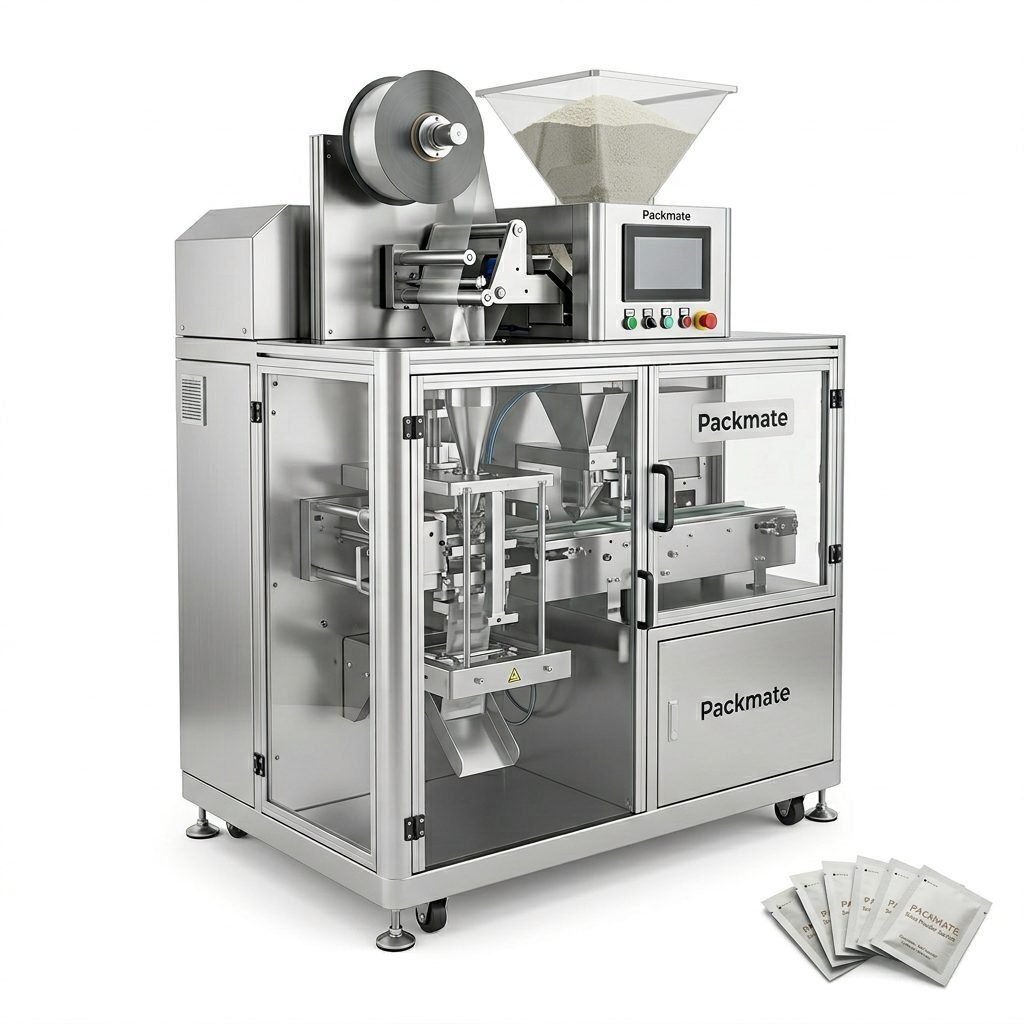
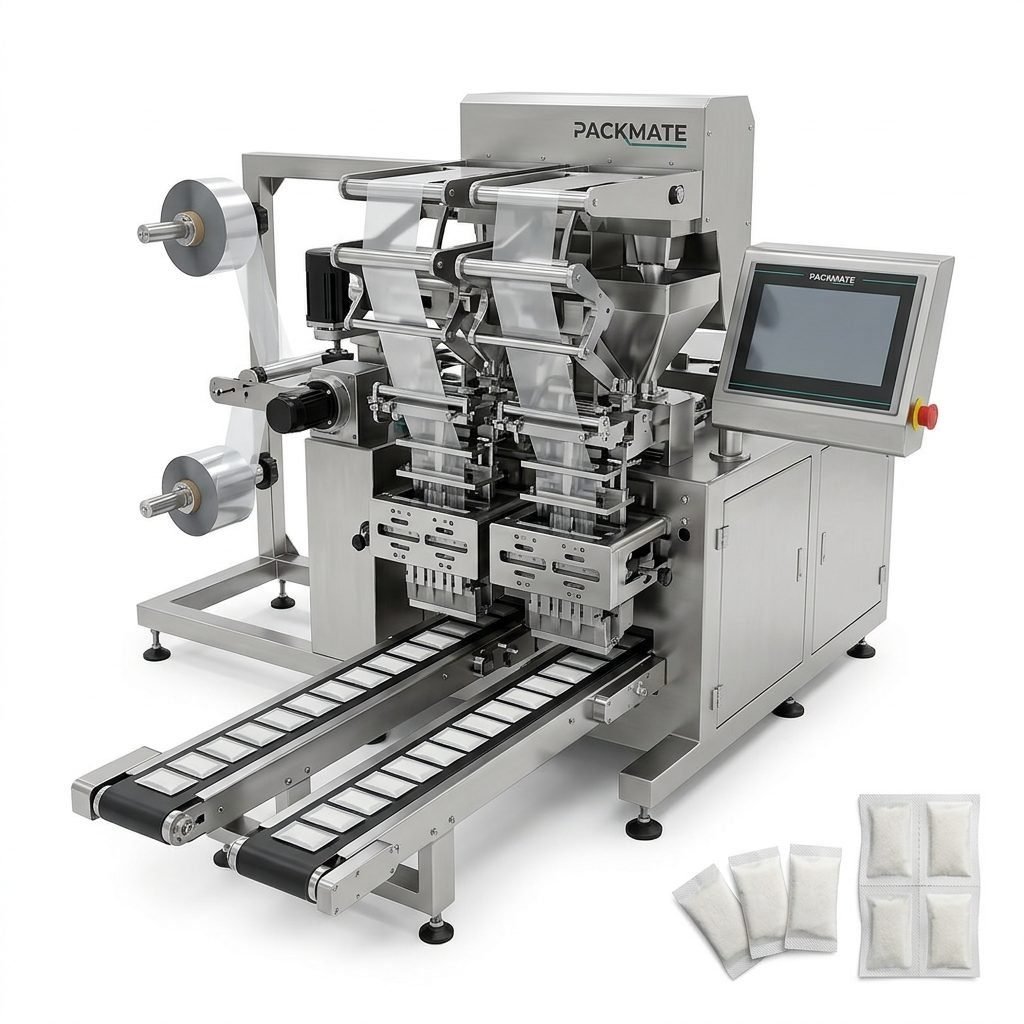
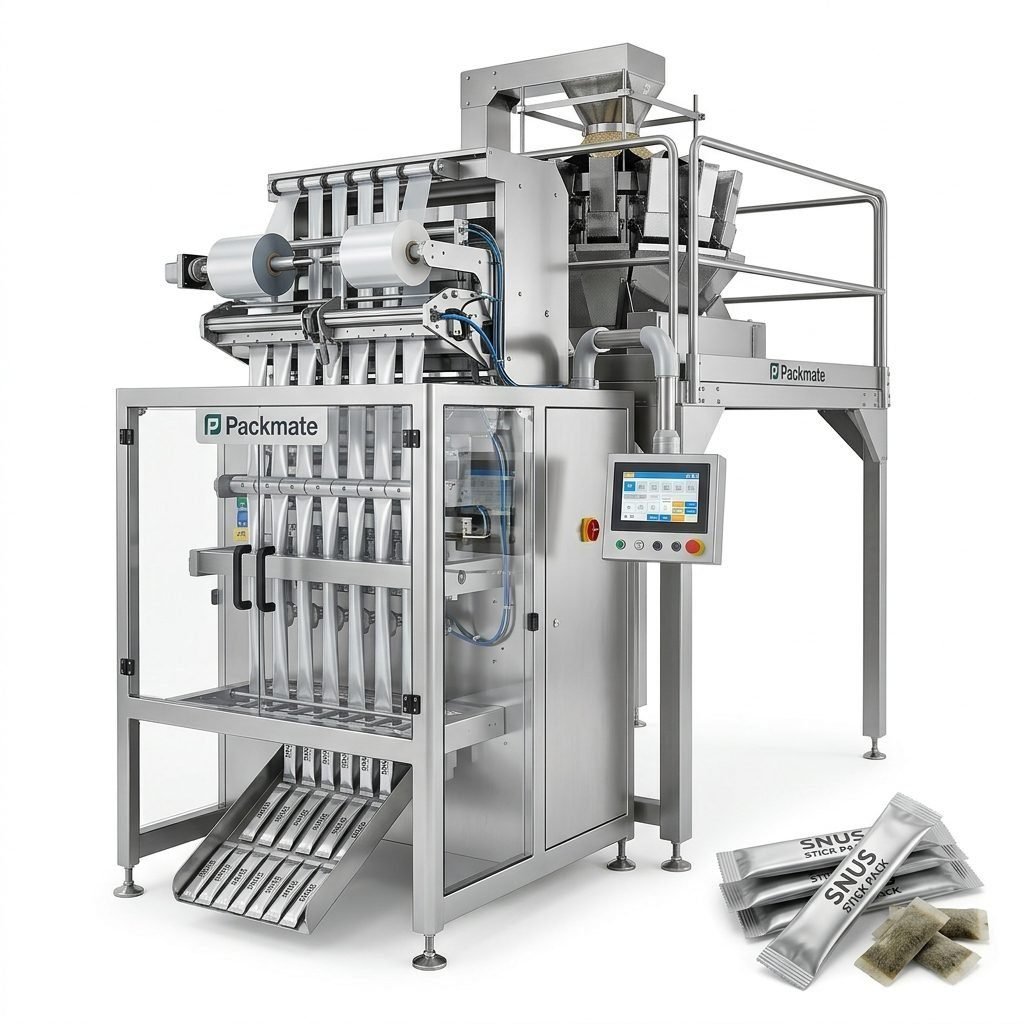
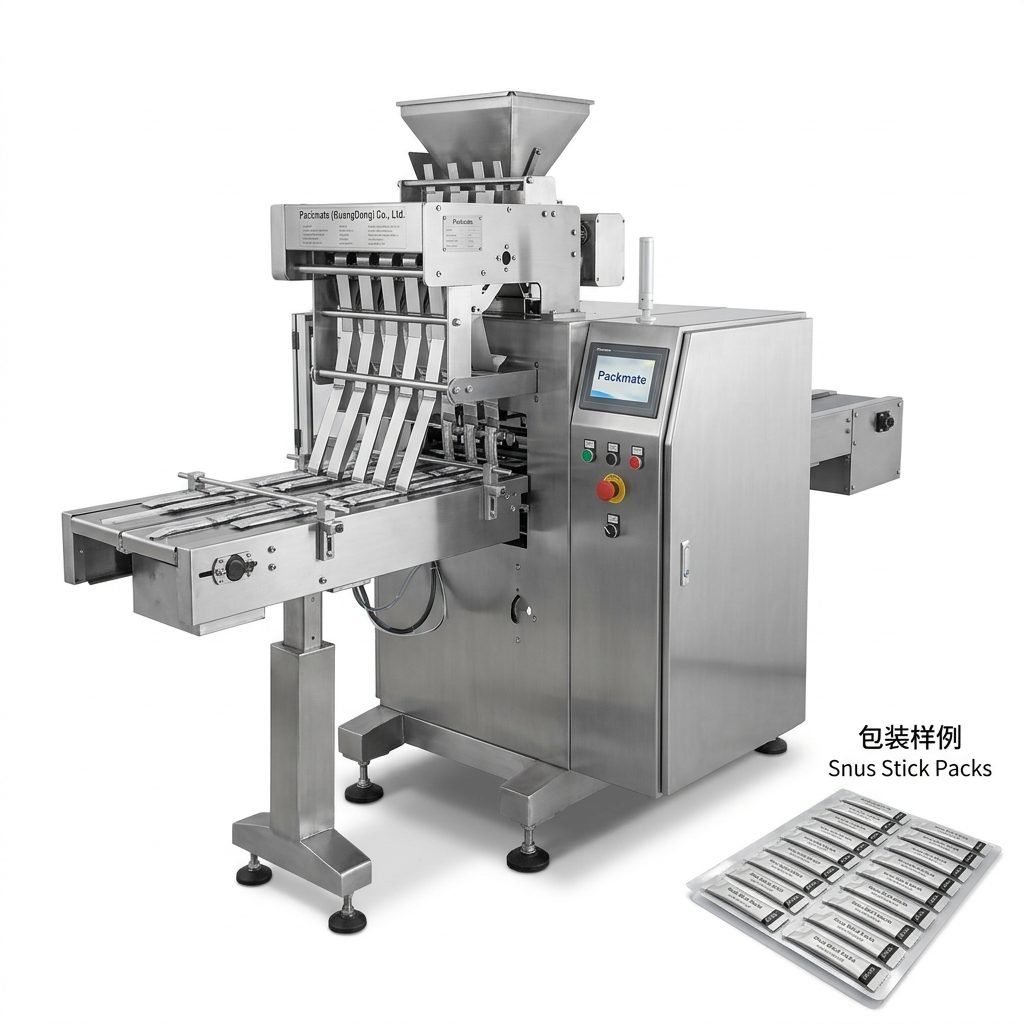
Sachet and stick pack machines are economical for single-portion formats that sell well in convenience outlets. They are ideal for flavored portioned products and offer simple changeovers for different sachet lengths. If your distribution focuses on per-piece sales, a robust stick/sachet system is a good fit. Explore proven equipment at
Sachet & Stick Pack Machines.
Multi-lane Snus / Nicotine Packaging Machines
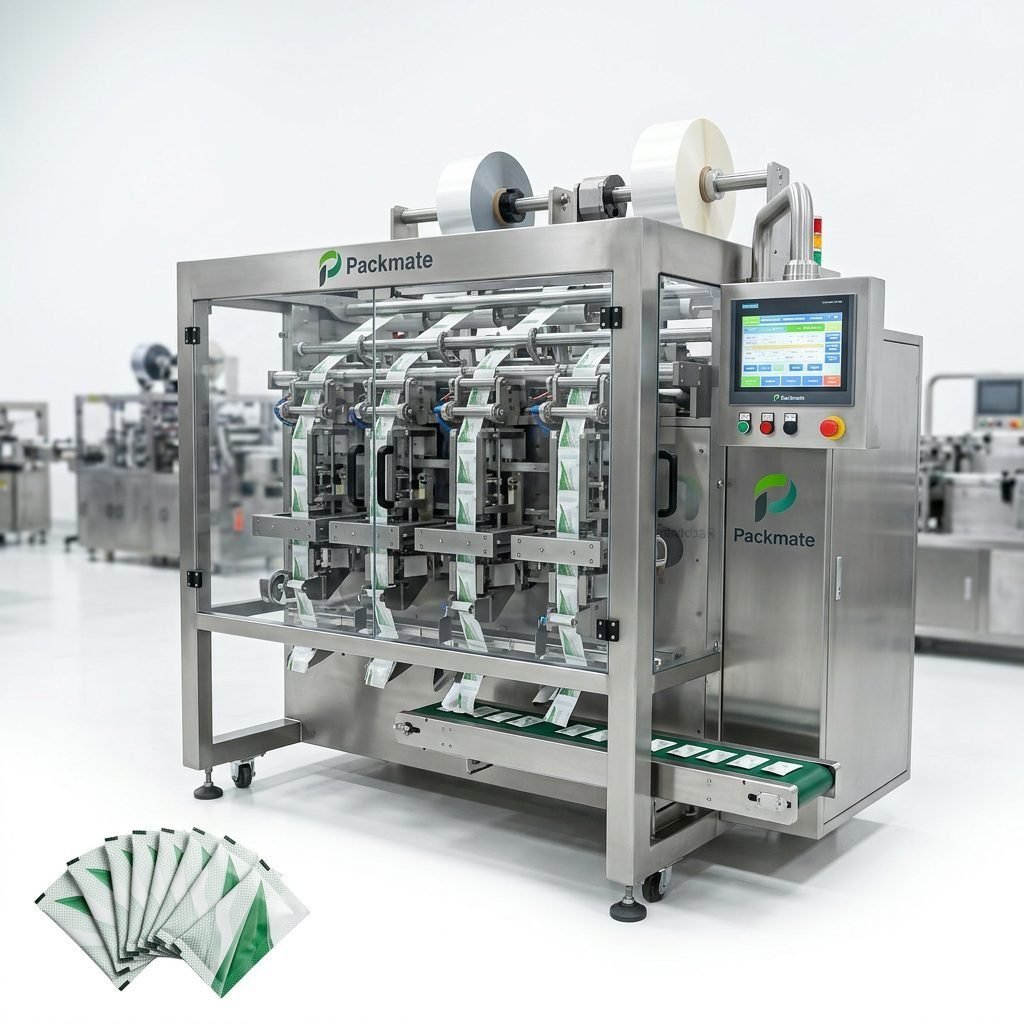
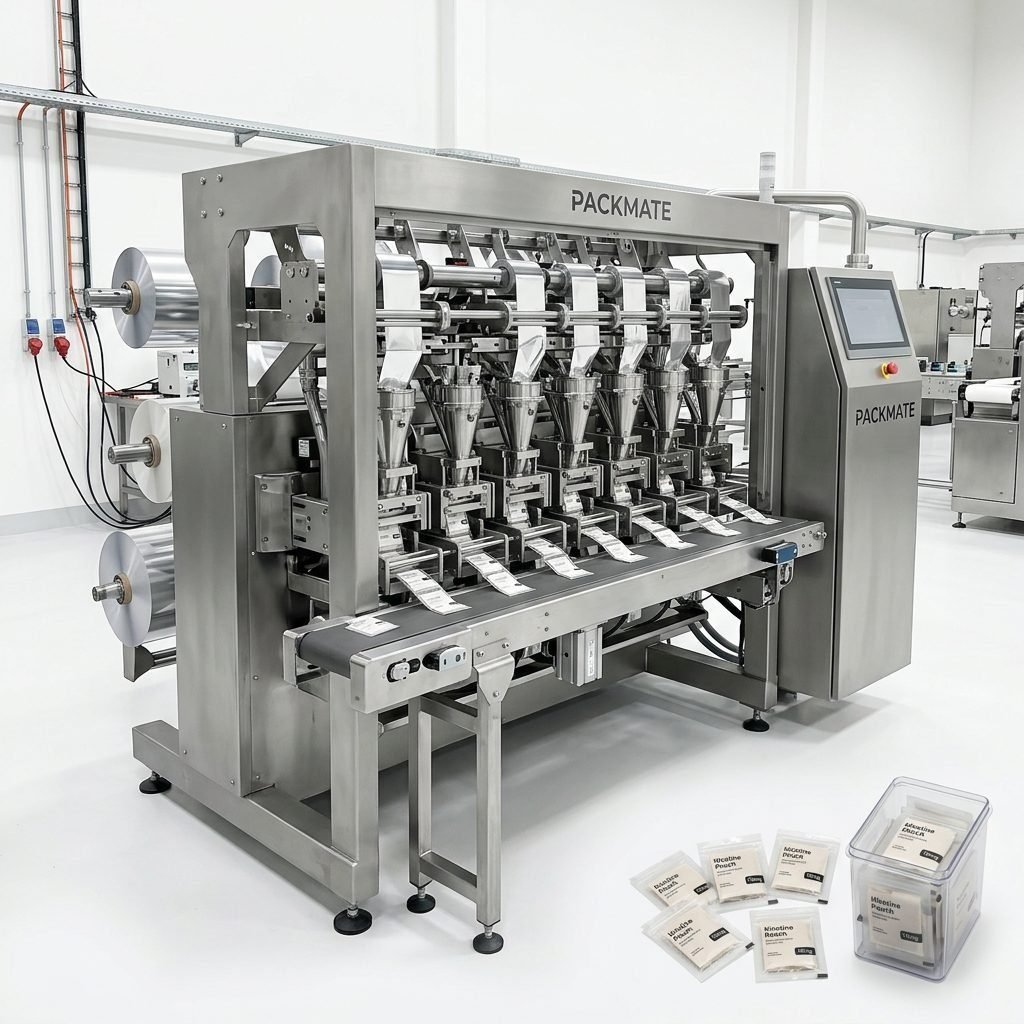
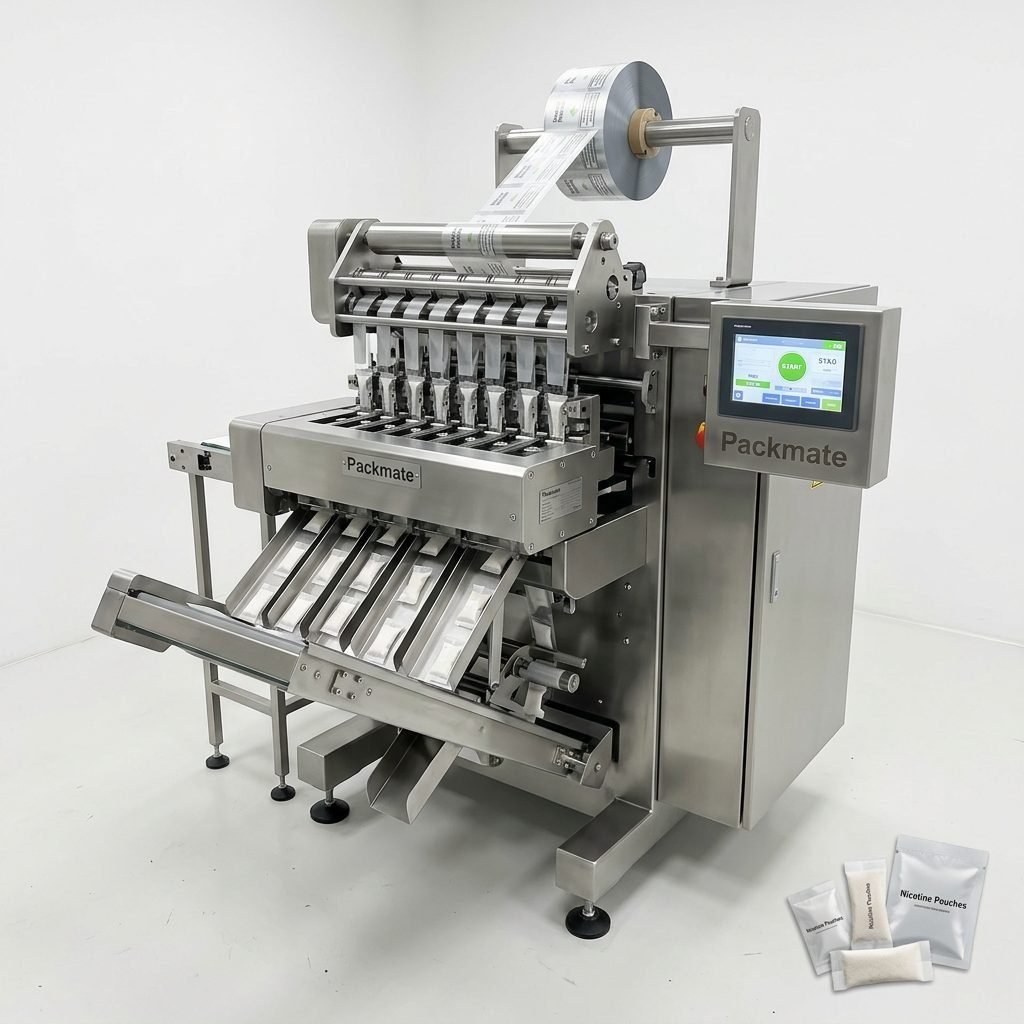
For higher throughput and efficient labor utilization, multi-lane pouch lines are the standard. These systems produce many lanes simultaneously and reduce per-unit cost at scale. They suit businesses targeting national chains or export markets. See multi-lane options in the
Snus & Nicotine Packaging Machines catalogue.
Weighing & Integrated Filling Systems
Accurate dosing is crucial for nicotine pouches. Integrated weighing, dosing, and packaging lines reduce waste and ensure each pouch meets spec. If you plan to control nicotine levels tightly, invest in systems that include precise weighing and vision inspection. Refer to the full offering under
Weighing & Packaging Systems.
Supplier Capabilities: What to Verify
A reputable supplier must demonstrate engineering depth, manufacturing capacity, testing rigour, and after-sales support. Here are the essential verification steps:
✅ Factory scale & tooling: Confirm they have CNC centers and precision assembly lines. Large facilities indicate ability to deliver spare parts and scale projects.
✅ Product range: Choose suppliers offering a variety of models (stick pack, sachet, multi-lane) and turnkey solutions so you can grow without switching vendors.
✅ Certifications: Look for CE and ISO certifications to ensure compliance and safer operation.
Customization and Turnkey Services
Honduras customers often need machines that can adapt to small-batch flavors, varied pouch sizes, or different packing materials. Confirm whether the supplier provides:
- Control system customization for local labeling and languages
- Tooling sets for multiple pouch types
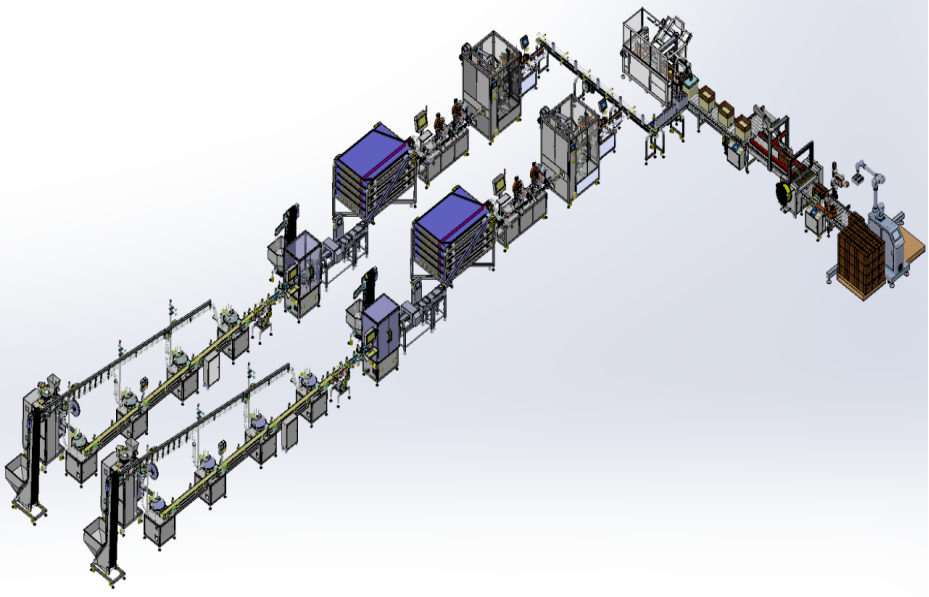
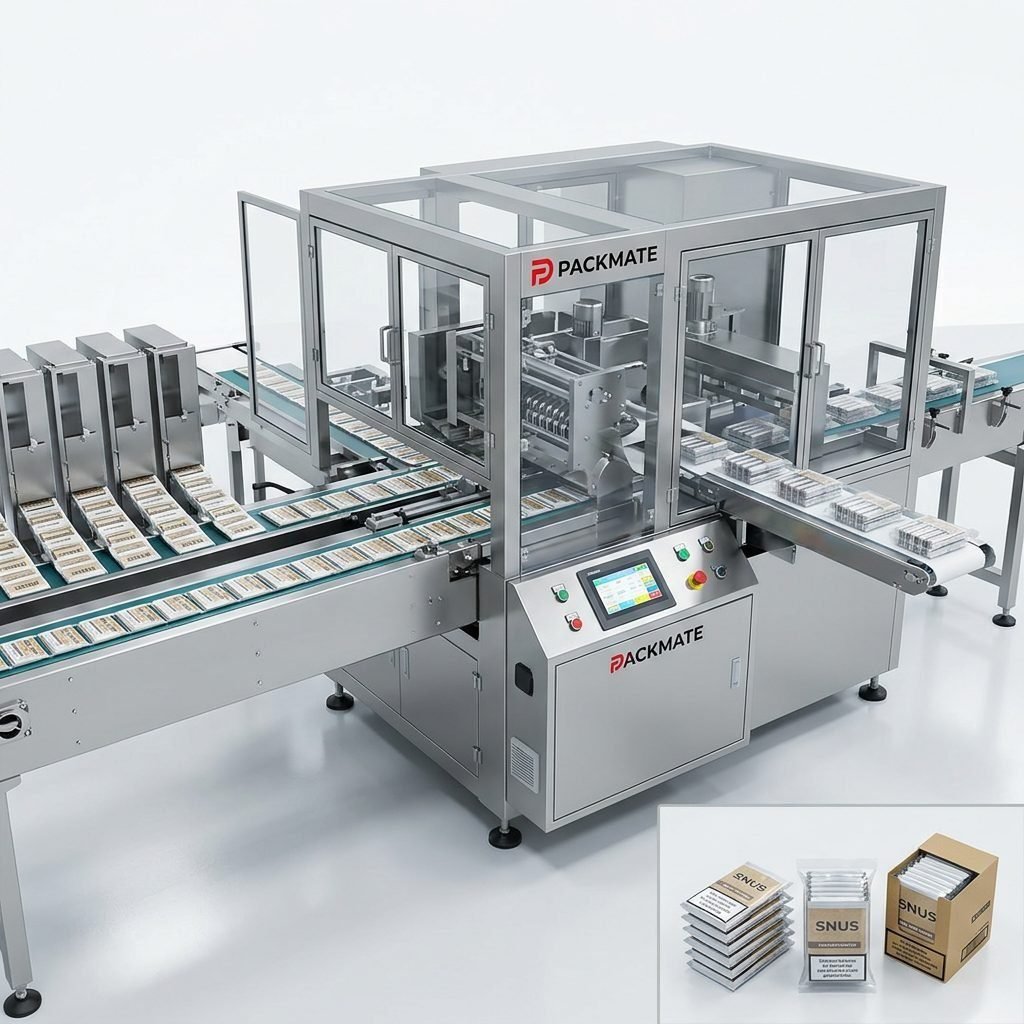
- Turnkey solutions including conveyors, checkweighers, and secondary packaging
Packmate’s experience delivering full lines is an example of a supplier that can handle these needs; you can read more about their scope at
Filling & Packaging Lines.
After-Sales, Spare Parts, and Local Support
Timely support is often the make-or-break factor for manufacturing uptime. Ask for:
🔧 Spare parts availability: Confirm inventory policy and shipping time to Tegucigalpa or your nearest port.
📞 Remote diagnostics & training: Ensure suppliers offer remote troubleshooting and initial operator training in English or Spanish.
🧭 Installation & commissioning: Verify if on-site commissioning is included and the expected timeline for a full line startup.
Quality & Testing: What to Require Before Purchase
Before finalizing the contract, require machine acceptance procedures. Key items:
- Factory Acceptance Test (FAT) with your product or a close simulant
- Performance guarantees (output, reject rate, accuracy)
- Detailed documentation: electrical diagrams, spare parts lists, and user manuals in Spanish if possible
Cost Considerations and Logistics for Honduras
Total cost is more than the machine price. For Honduras, pay attention to:
- Shipping route and port: major ports like Puerto Cortés handle imports; freight times and handling fees vary.
- Import duties, taxes, and customs clearance: work with a local customs broker familiar with machinery imports and any tobacco-specific regulations.
- Electrical standards and onsite utilities: confirm voltage, phase, and compressed air needs; include local installation adapters if needed.
Inspection Checklist for Visiting Supplier or Factory
If you can visit the supplier or attend an exhibition, use this checklist:
📌 Factory tour: Observe CNC machining, assembly areas, and final testing zones.
📌 Live demos: Watch machines running real pouches — verify speed and reject rates.
📌 Reference users: Ask for case studies and customer references; see Packmate cases and exhibitions for real-world examples at
Case and
Our Exhibition.
Negotiation Tips and Contract Items
Protect your investment with clear terms:
- Include performance milestones and penalties for missed delivery or underperformance.
- Agree on spare parts kits and lead times in writing.
- Set warranty coverage and define what voids it (improper power, unauthorized modifications).
- Request training obligations and documentation delivery deadlines.
Preparing Your Facility in Honduras
A smooth installation requires planning. Before machines arrive, verify:
- Power availability (voltage, phase) and stable supply; consider a backup UPS for critical controls.
- Compressed air quality: filtration and stable pressure to avoid packaging faults.
- Floor strength and layout for conveyors and multi-line alignment.
- Operator training schedule and safety procedures in Spanish.
Sustainability and Material Compatibility
Packaging choices (biodegradable films, barrier laminates) may influence equipment settings. Ask suppliers about their machines’ compatibility with various films and their sealing, cutting, and vacuum capabilities. Sustainability matters to retailers and end-users, so ensure your line can handle approved sustainable materials.
How to Compare Final Bids Quickly
When you have multiple quotes, create a side-by-side comparison focusing on operational metrics, not just price:
⚙️ Technical specs: max output (pouches/min), number of lanes, accuracy tolerance.
💸 Total cost of ownership: include spare parts, service, shipping, and customs.
🕒 Lead time & delivery: realistic delivery windows and ramp-up time for production.
Why Choose a Proven Supplier Like Packmate
A supplier with decades of experience, a large factory footprint, and a diverse machine portfolio reduces risk. Packmate’s history of multi-lane systems, CE/ISO compliance, and turnkey lines demonstrates the type of partner to consider. For more details about the company and service offerings, see
About Packmate and the
Service pages.
Practical Next Steps for Honduran Buyers
1) Define your target pouch formats, monthly volume, and budget. 2) Shortlist 2–3 suppliers and request FAT with your product. 3) Obtain detailed quotes including spares and shipping to your port. 4) Plan site readiness and local compliance documentation. 5) Schedule training and post-installation support.
Decision Checklist (Quick)
✅ Performance guarantees & FAT included
✅ Local import and installation plan
✅ Spare parts and remote support commitments
Investing in snus packaging machinery for Honduras requires balancing local market understanding with technical rigor. Prioritize suppliers who can demonstrate factory capabilities, compliance, spare parts readiness, and multilingual support. A carefully negotiated contract and thorough pre-shipment tests will minimize risk and accelerate ramp-up.
Contact and Further Information
When you are ready to request a quote or arrange a factory visit, use direct supplier contact resources to start the conversation and request detailed documentation. For machine catalogs and more product choices, check the full product lines including auxiliary equipment at
Auxiliary Packaging Equipment.
Frequently Asked Questions
Q1: How long does it take to install a snus packaging line in Honduras?
A1: Typical lead time from order to factory acceptance varies by configuration but often ranges from 8 to 20 weeks. Add shipping and customs time — plan for an additional 4–8 weeks. Ensure installation and training are scheduled immediately after delivery to minimize downtime.
Q2: What certifications should I request from a supplier?
A2: Request CE and ISO certifications at minimum. Also ask for FAT reports, material compatibility tests, and documented machine safety features. Spanish documentation is highly recommended for on-site teams.
Q3: Are multi-lane systems overkill for small Honduran operations?
A3: Not necessarily — multi-lane systems reduce labor costs per unit and provide scalability. If you expect quick growth or plan to export regionally, multi-lane lines can be a smart investment. For conservative starts, choose modular machines that allow future upgrades.
Q4: How can I ensure quick spare parts delivery to Honduras?
A4: Negotiate a spare parts kit at purchase, and confirm supplier stocking policies. Work with a local customs broker and shipping partner to expedite clearance. Remote support and clear spare parts lists with part numbers will reduce lead times.