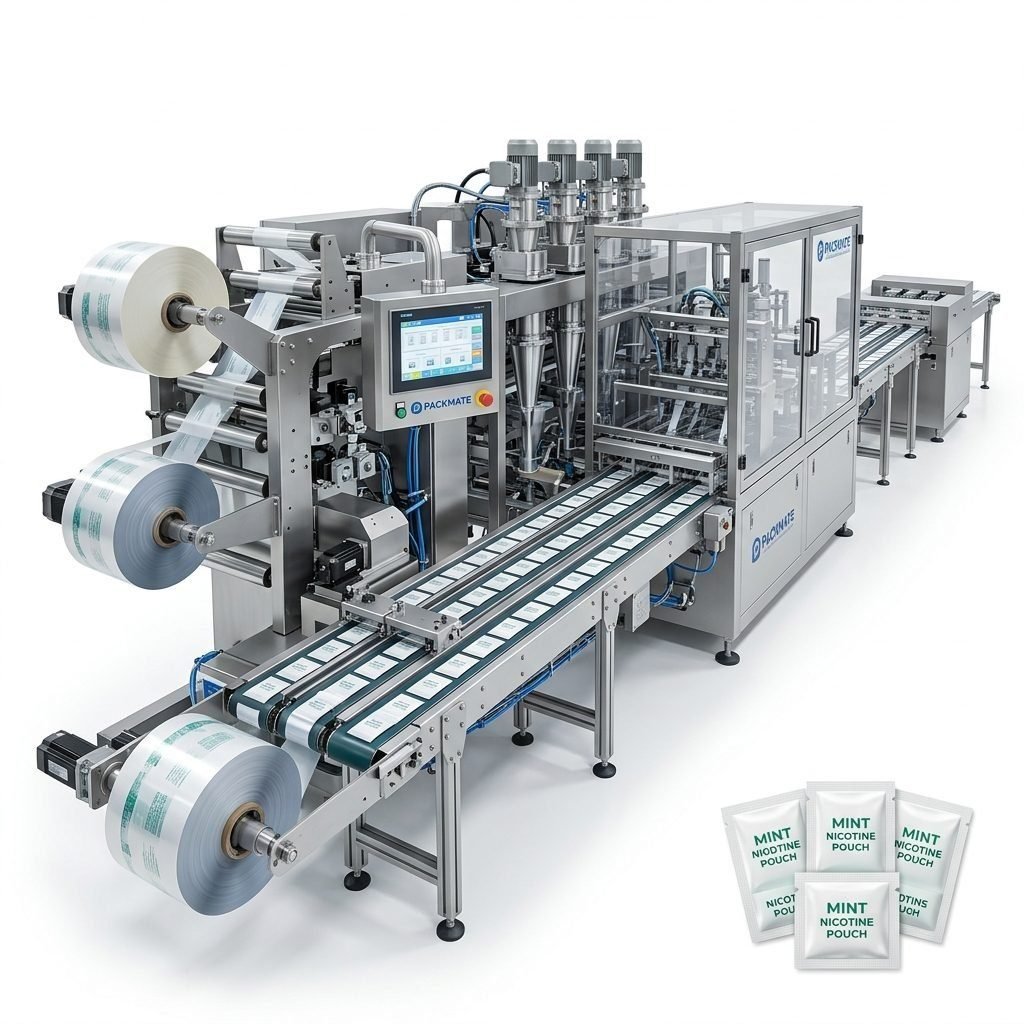
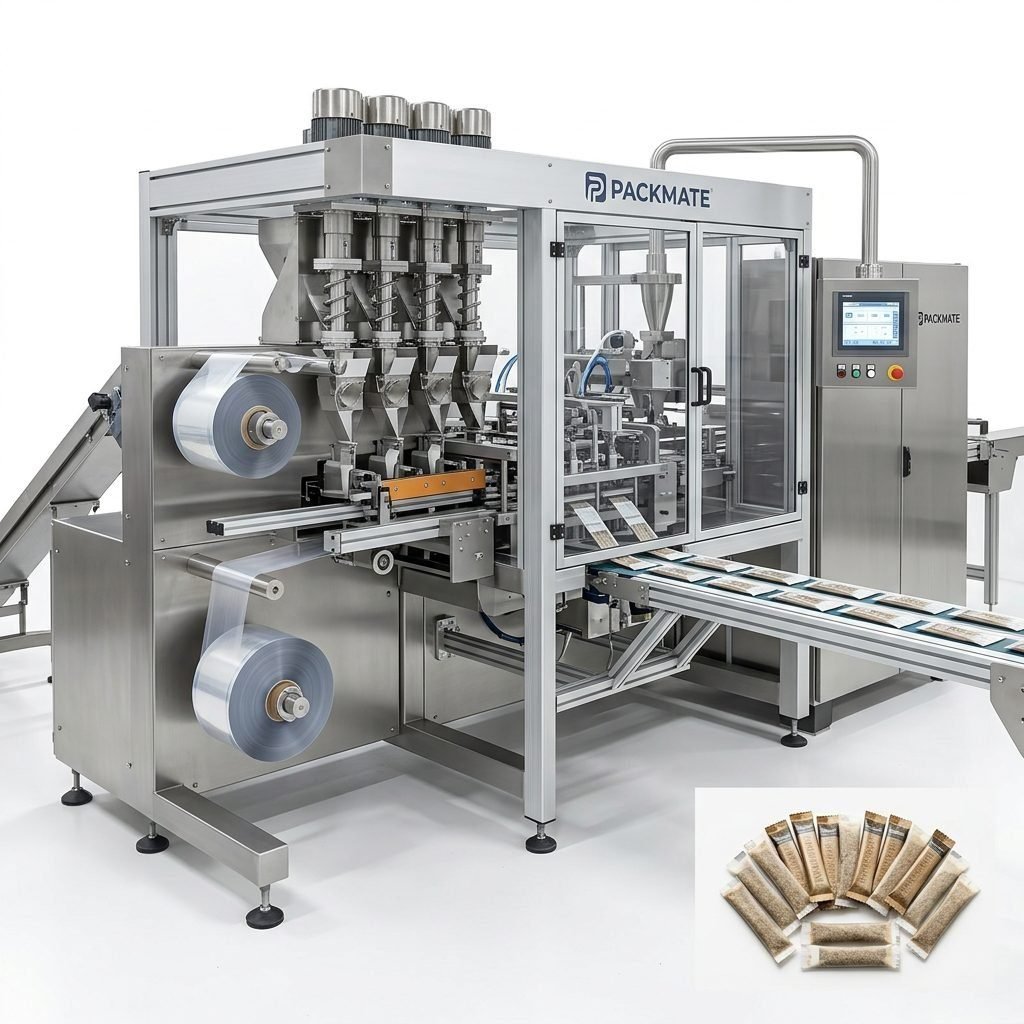
Choosing the best nicotine packaging machine supplier in Botswana requires more than price shopping — it demands a clear understanding of local market traits, regulatory expectations, production goals, and long-term service needs. This guide walks you through practical steps, vendor selection criteria, and specific considerations for operating in Botswana, helping manufacturers, distributors, and entrepreneurs invest confidently in high-performance snus and nicotine pouch packaging equipment.
Understand Botswana’s Market and Regulatory Context
Botswana’s retail landscape is concentrated around major urban centers such as Gaborone and Francistown, with modern supermarkets, convenience stores and a growing e-commerce presence. When sourcing packaging machinery, you should factor in how product packaging will fit local retail formats, shelf space norms, and consumer preferences. Additionally, nicotine products face evolving regulations in many African markets — ensure your packaging solutions enable compliance with labeling, health warnings, and traceability requirements.
Why compliance and certifications matter
A reputable supplier will provide machines certified to international standards (for example CE and ISO). These certifications not only reflect safety and quality but also simplify import approvals and local acceptance. Look for documentation of machine conformity, electrical safety, and materials compatibility to avoid delays at customs or during local validations.
Tip: If you plan to export products elsewhere from Botswana, prioritize suppliers who can provide complete traceability functions and serialization-ready systems to meet stricter markets.
Step-by-step: How to Evaluate Nicotine Packaging Machine Suppliers
Selecting the right supplier is a systematic process. Follow these key steps to reduce risk and improve long-term ROI:
1. Define production requirements
Start by documenting your target daily output, product formats (snus pouch, stick pack, sachet), fill materials (powder, granule, liquid), lane count, and packaging materials (foil, laminate, bag types). This baseline helps you match models — for example, multi-lane snus machines are ideal for high throughput small-dose pouches while sachet machines suit single-serve formats.
2. Check technical capability and model range
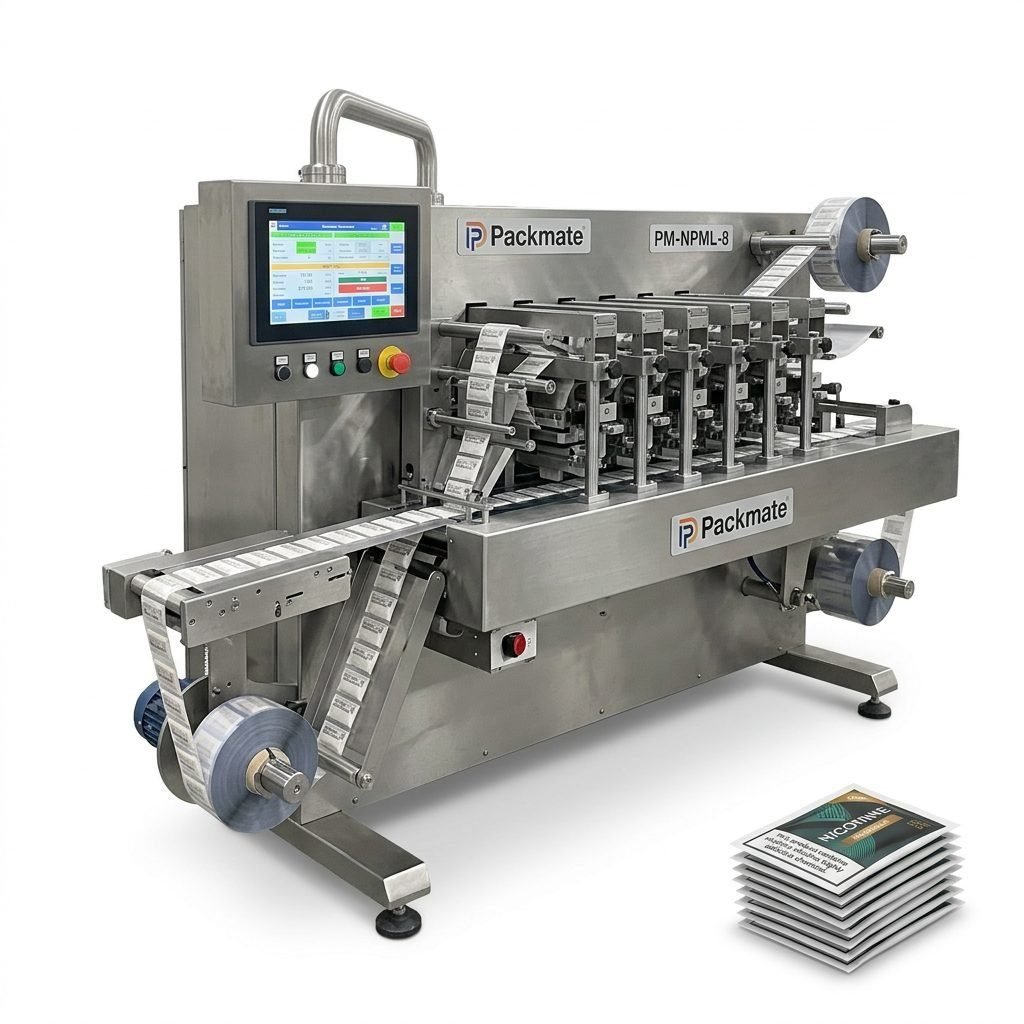
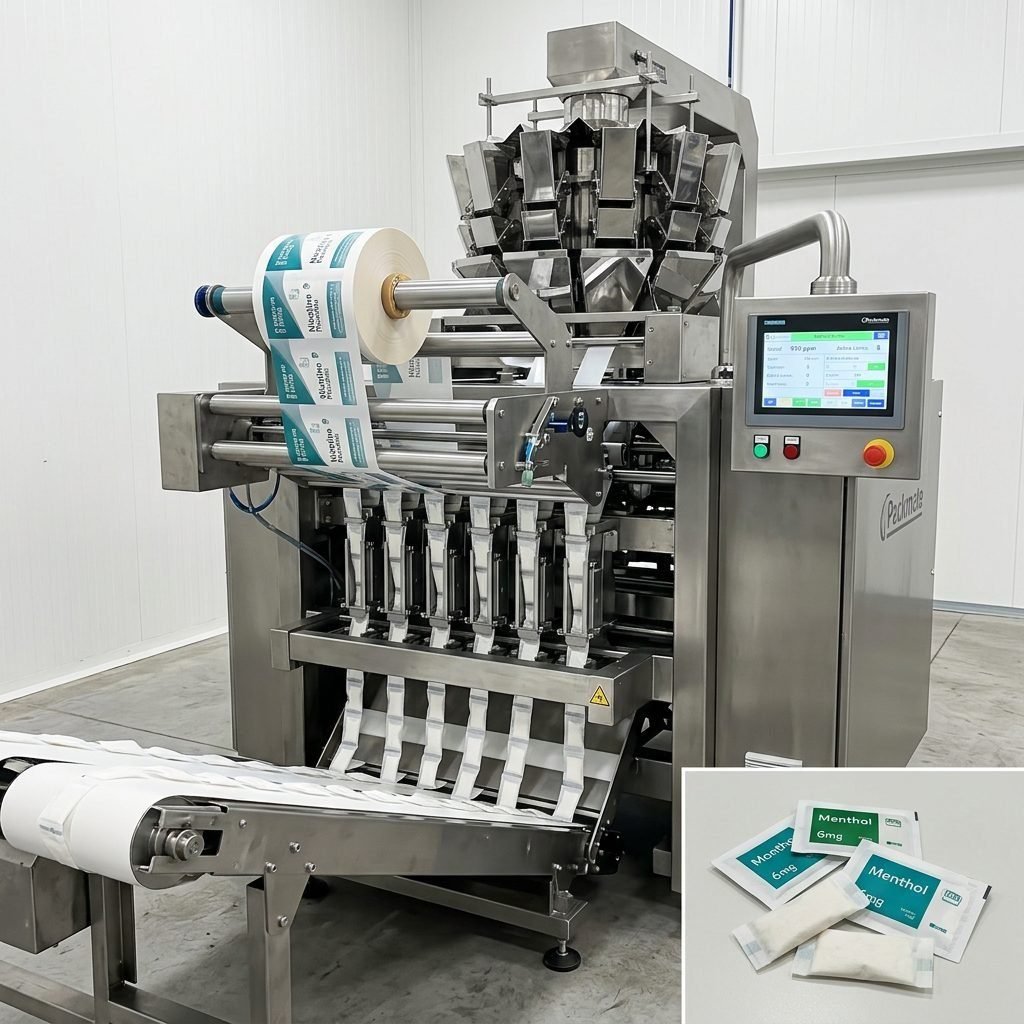
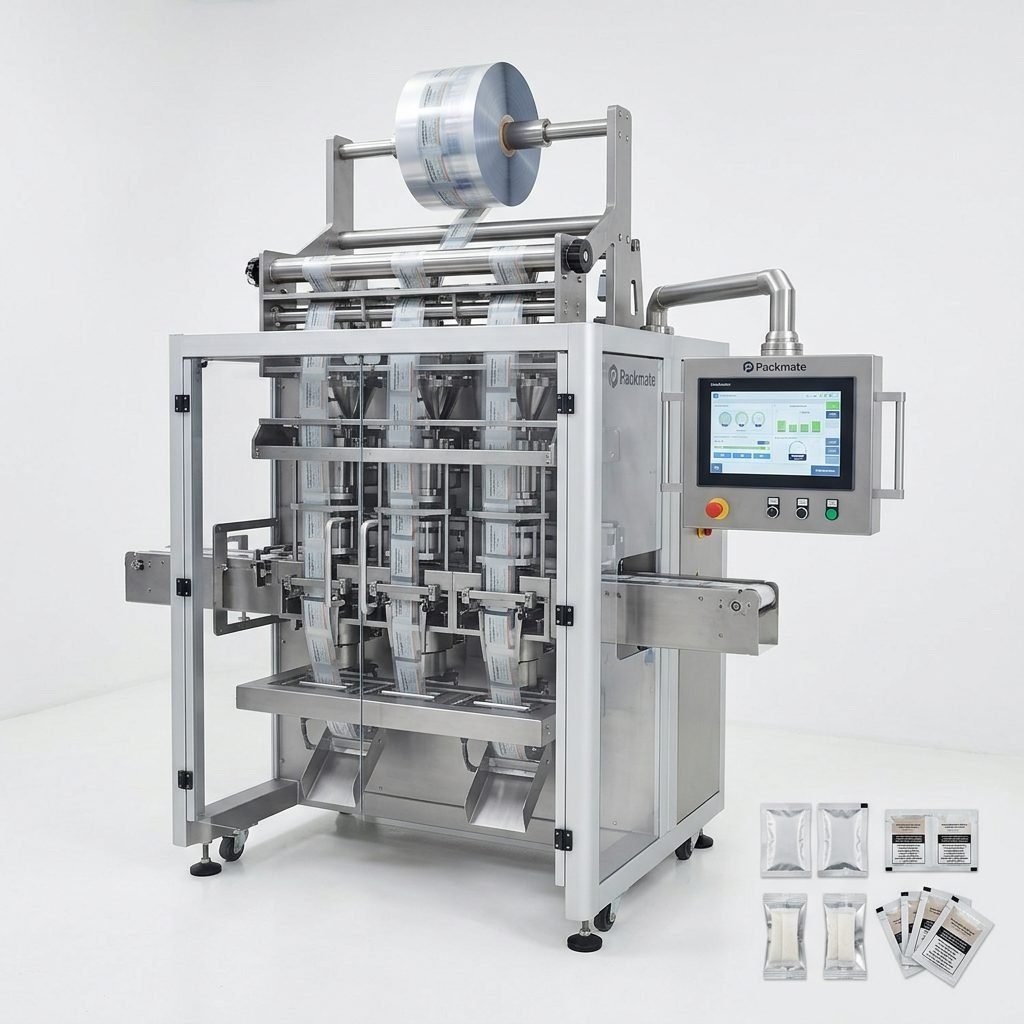
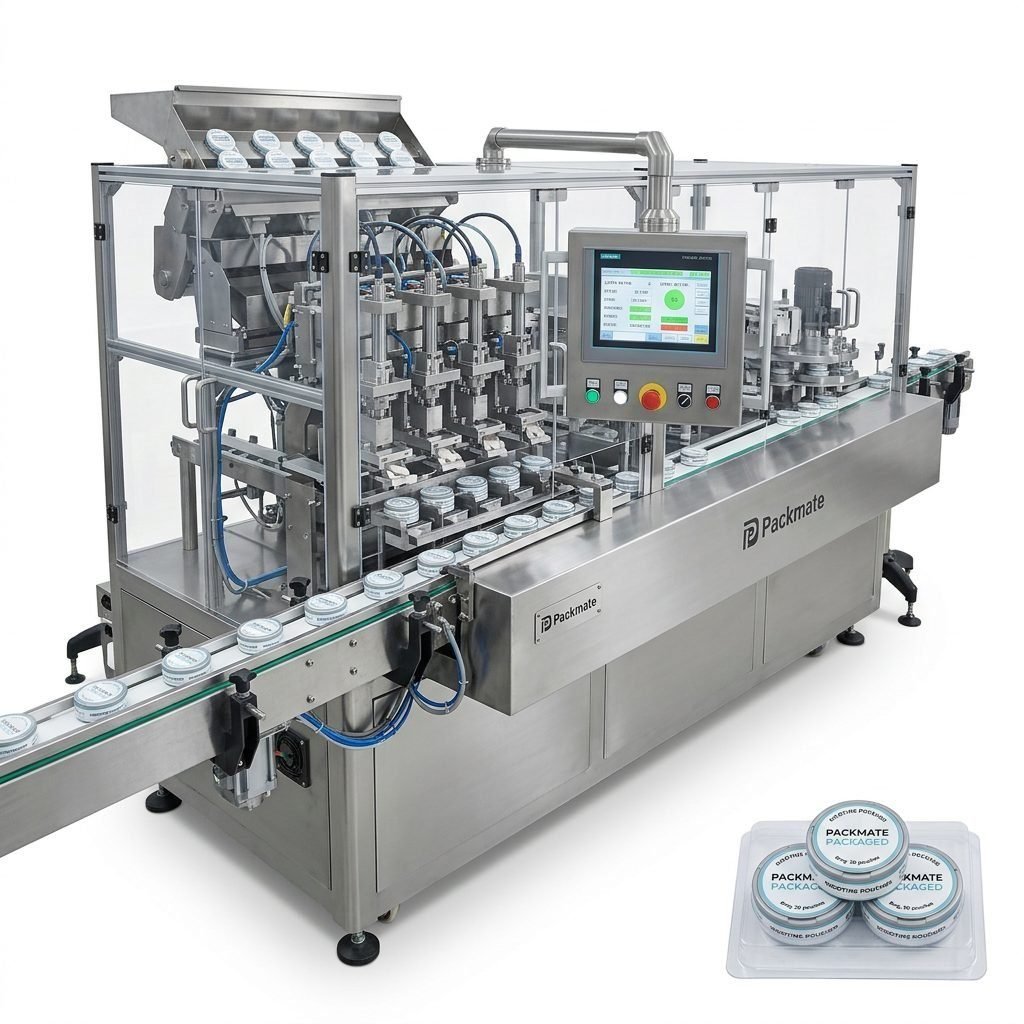
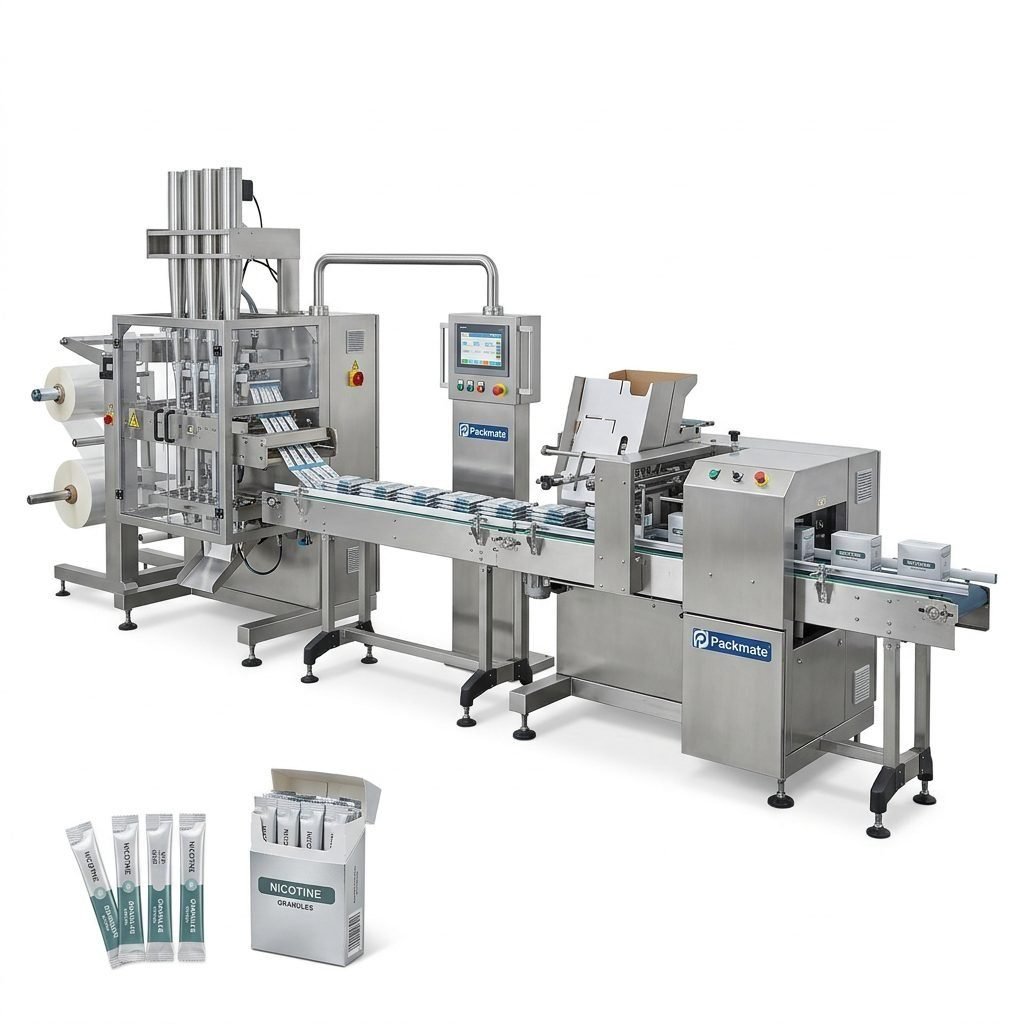
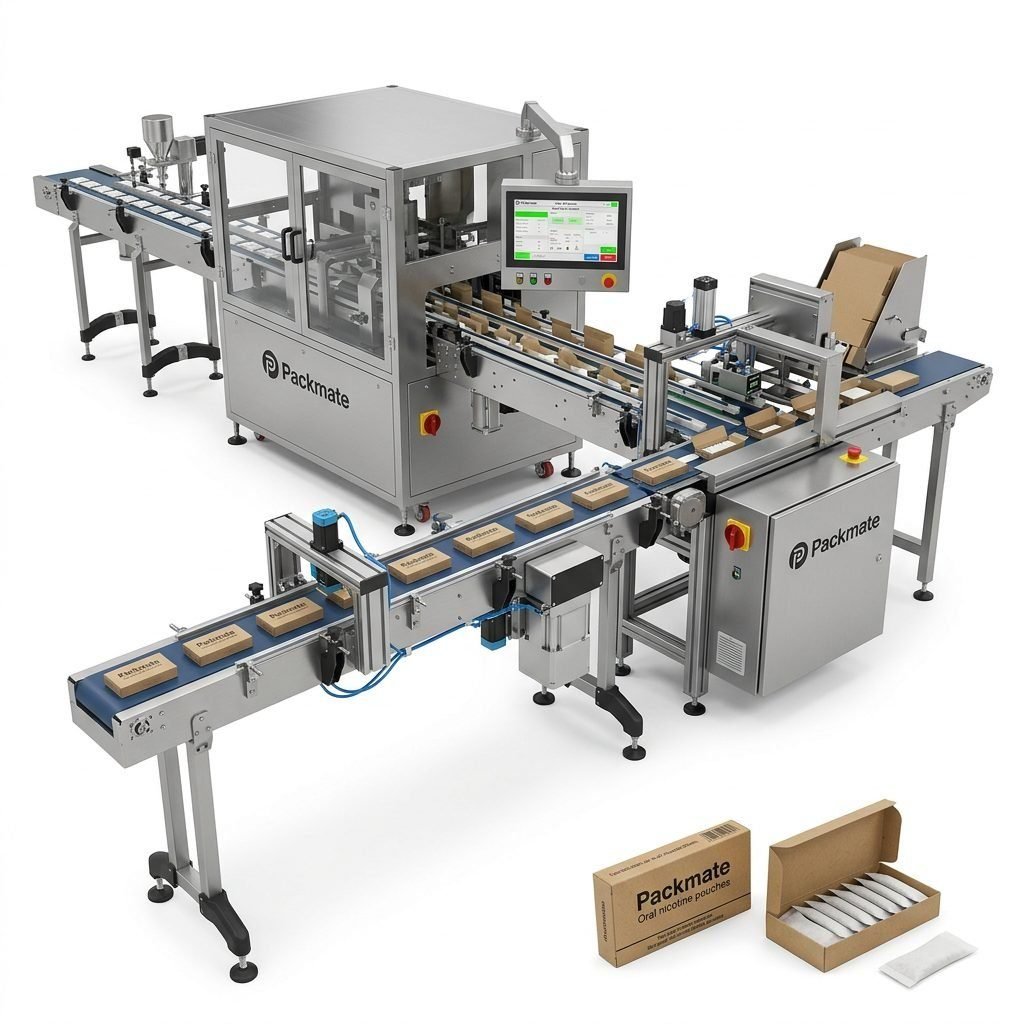
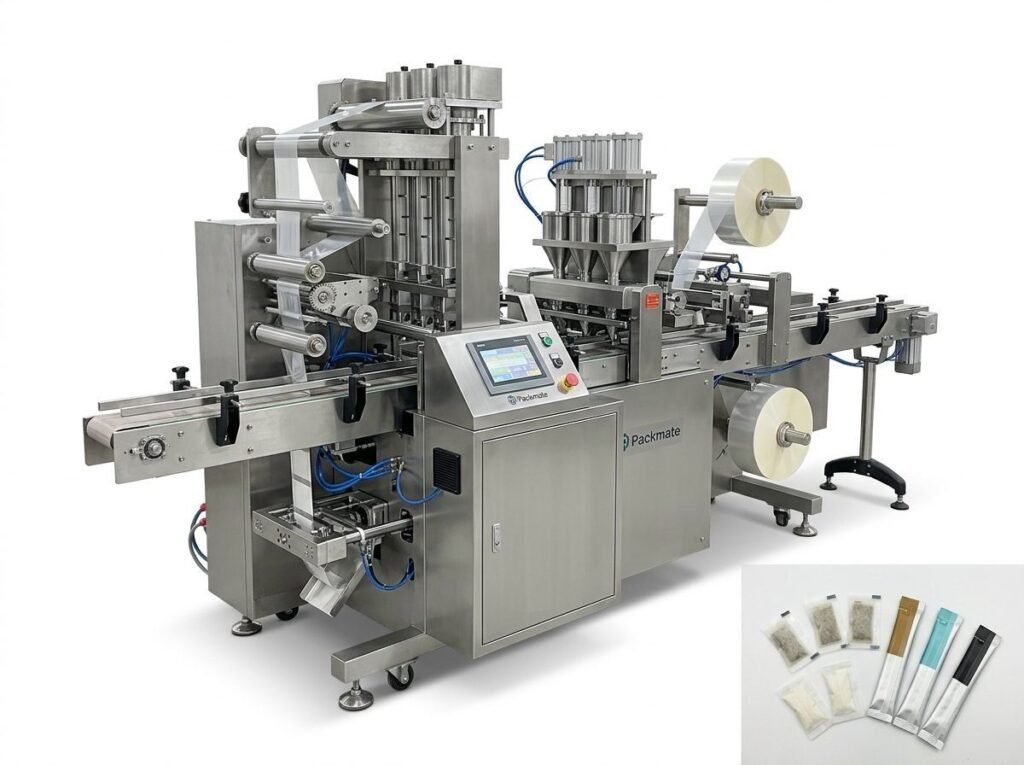
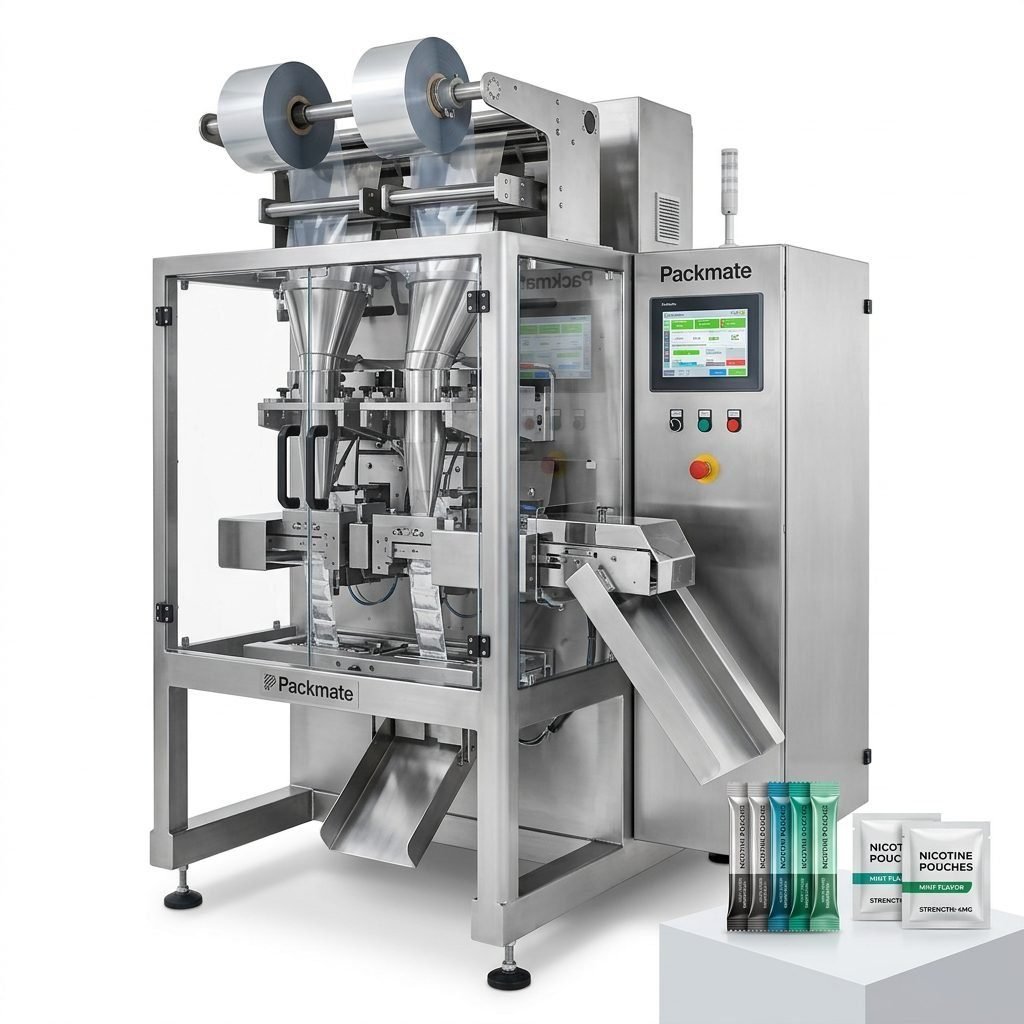
A supplier with a broad product portfolio demonstrates engineering depth. Look for manufacturers offering modular solutions such as snus & nicotine packaging machines, bag & pouch packaging machines, and complementary weighing or filling lines. Having multiple compatible models allows future upgrades without changing core infrastructure.
Recommended exploration: view product families like Snus & Nicotine Packaging Machines and Bag & Pouch Packaging Machines to assess fit with your operations.
3. Inspect manufacturing capability and quality control
Suppliers with in-house CNC machining centers, precision assembly lines, and rigorous test protocols reduce variability and lead times. Ask about factory size, testing procedures, spare parts inventory, and whether they build complete turnkey lines — these factors influence machine reliability and maintenance costs.
Quick check: Verify if the supplier publishes case studies or a gallery of installed machines. Real installations often reveal practical performance and adaptability.
Operational Considerations for Botswana-based Businesses
Besides the core machine specs, local operational factors influence total cost of ownership. Consider electrical standards, available technical skills, spare parts delivery time, and after-sales service. Suppliers that provide remote diagnostics, training, and local spare parts inventories will significantly reduce downtime.
Power and workshop readiness
Confirm machine power requirements and whether your factory offers stable voltage and appropriate grounding. Some modern machines require three-phase power or specific voltage ranges; discuss options for voltage converters or built-in power protections.
Local workforce and training
Botswana businesses often benefit from hands-on supplier training. Request on-site commissioning, operator and maintenance training programs, and access to multilingual manuals. Suppliers committed to training ensure your team can maintain continuous production and perform basic troubleshooting.
Key Supplier Attributes to Prioritize
Not all suppliers are equal. Prioritize vendors that demonstrate:
🔍 Proven engineering experience — ideally decades of focused R&D on snus and small-pouch packaging systems. Experience translates into fewer production issues and more reliable uptime.
✅ Comprehensive model range — from single-lane sachet machines to multi-lane high-speed snus lines, enabling scalable growth.
⚙️ Factory and quality control — look for transparent factory capabilities and quality documentation.
🔧 After-sales service and spare parts — local partners, spare parts lead time, and remote support reduce operational risk.
Case reference and social proof
Ask for references and visit published cases to validate performance. Good suppliers will share installation reports and client feedback. For example, provider case pages and exhibition attendance demonstrate industry presence — see supplier case references and exhibition activities for reassurance.
Explore related resources: Case and Our Exhibition.
Commercial Terms and Total Cost of Ownership
When comparing quotes, look beyond purchase price. Consider installation, training, spare parts kits, warranty length, and extended support contracts. Machines with modular designs can be upgraded later, which is often more cost-effective than replacing the entire line.
Negotiation point: Ask for a spare parts list and recommended inventory levels. Fast-moving items like seals, belts, and sensors should be stocked locally to avoid extended downtime.
Installation and commissioning
Confirm the supplier’s responsibilities for installation, calibration, and trial production runs. A full commissioning package reduces the burden on your team and ensures the machine meets promised output under real conditions.
Evaluating Technology and Future-proofing
The right technology choice allows you to adapt to shifting product trends and regulatory changes. Favor suppliers that build flexible machines with software-upgradeable controllers, modular fillers, and simple format-change procedures.
If your product portfolio includes powders, liquids, and granules, explore suppliers that offer complementary solutions such as weighing & packaging systems and filling & packaging lines for seamless integration.
Useful links: Weighing & Packaging Systems and Filling & Packaging Lines.
Automation and Industry 4.0 readiness
Consider machines offering data collection, remote monitoring, and predictive maintenance. These functions minimize downtime and give visibility into production KPIs — critical for scaling operations in Botswana’s growing markets.
Service, Warranty and Local Partnership Options
A trustworthy supplier will offer clear warranty terms, fast spare parts shipment, and local technical partnerships or authorized service centers. Discuss options for local stocking of critical parts or partnership with a local engineering firm to handle minor repairs.
If available, choose suppliers with regional service networks or those willing to set up training and parts support in Botswana. This approach reduces lead times for repairs and builds local technical capabilities.
Vendor transparency and ongoing communication
Good suppliers provide accessible documentation, user manuals, and clear spare parts catalogs. Regular updates during manufacturing and pre-shipment inspections build confidence and avoid surprises upon arrival.
Why Packmate-style Suppliers Stand Out
Suppliers that combine decades of R&D, a wide model range, and robust factory capabilities typically offer the best value. For example, companies with 20,000㎡ facilities, extensive CNC machining centers, and over 50 machine models are positioned to support complex snus and nicotine pouch production lines with bespoke solutions.
If you want to learn more about a full-service provider, consider reviewing a supplier’s About page and service offerings as part of your due diligence: About Packmate and Service.
Practical Checklist Before You Sign
Use this quick checklist to validate supplier proposals:
• Confirm machine throughput and OEE estimates under real product conditions.
• Obtain full machine specifications, wiring diagrams, and electrical requirements.
• Verify warranty scope, response times, and spare parts lead times.
• Request reference installations and contact details for recent customers.
• Ensure documentation for CE/ISO or other relevant certifications is available.
Remember: A lower initial price can result in higher lifecycle costs if the supplier cannot provide timely service or spare parts to minimize downtime.
Final Steps: Negotiation and Procurement
Once you shortlist suppliers, conduct factory visits or virtual tours, negotiate clear delivery timelines, and secure written acceptance tests (FAT/SAT). Include terms for performance acceptance, penalties for delayed delivery, and defined handover procedures for training and documentation.
A signed contract should cover technical guarantees, spare parts availability, and escalation paths for unresolved technical issues.
Conclusion
Choosing the best nicotine packaging machine supplier in Botswana is a balance of technical fit, local operational readiness, service capability, and proven track record. Prioritize suppliers with strong engineering heritage, extensive model ranges, transparent quality systems, and reliable after-sales support. By following a structured evaluation — from defining production needs to validating certifications and service terms — you can select a partner who supports growth and regulatory compliance in Botswana’s market.
Frequently Asked Questions
Q1: How important are international certifications when importing packaging machines into Botswana?
A1: International certifications such as CE and ISO are important because they demonstrate safety and quality standards that ease customs clearance and local acceptance. Suppliers that provide these certificates typically maintain consistent manufacturing and testing practices.
Q2: What after-sales services should I expect from a reliable supplier?
A2: Expect preventive maintenance plans, spare parts availability, remote diagnostics, commissioning support, and operator training. Clear warranty terms and local or regional service partners are highly valuable.
Q3: Are multi-lane snus machines necessary for small operations in Botswana?
A3: Not always. Multi-lane machines are ideal for high-volume producers. Smaller operations may start with single-lane or modular machines and scale up as demand grows. Choose a supplier offering upgrade paths.
Q4: How can I ensure timely spare parts delivery to Botswana?
A4: Negotiate spare parts stocking agreements, request a recommended spare parts list, and work with suppliers that have global logistics experience or local distributors to minimize lead times.
Q5: Where can I find more detailed product information and contact potential suppliers?
A5: Visit official product and contact pages to request catalogs, technical sheets, and direct consultations. For example, check product categories and contact resources available on supplier sites to start a conversation.