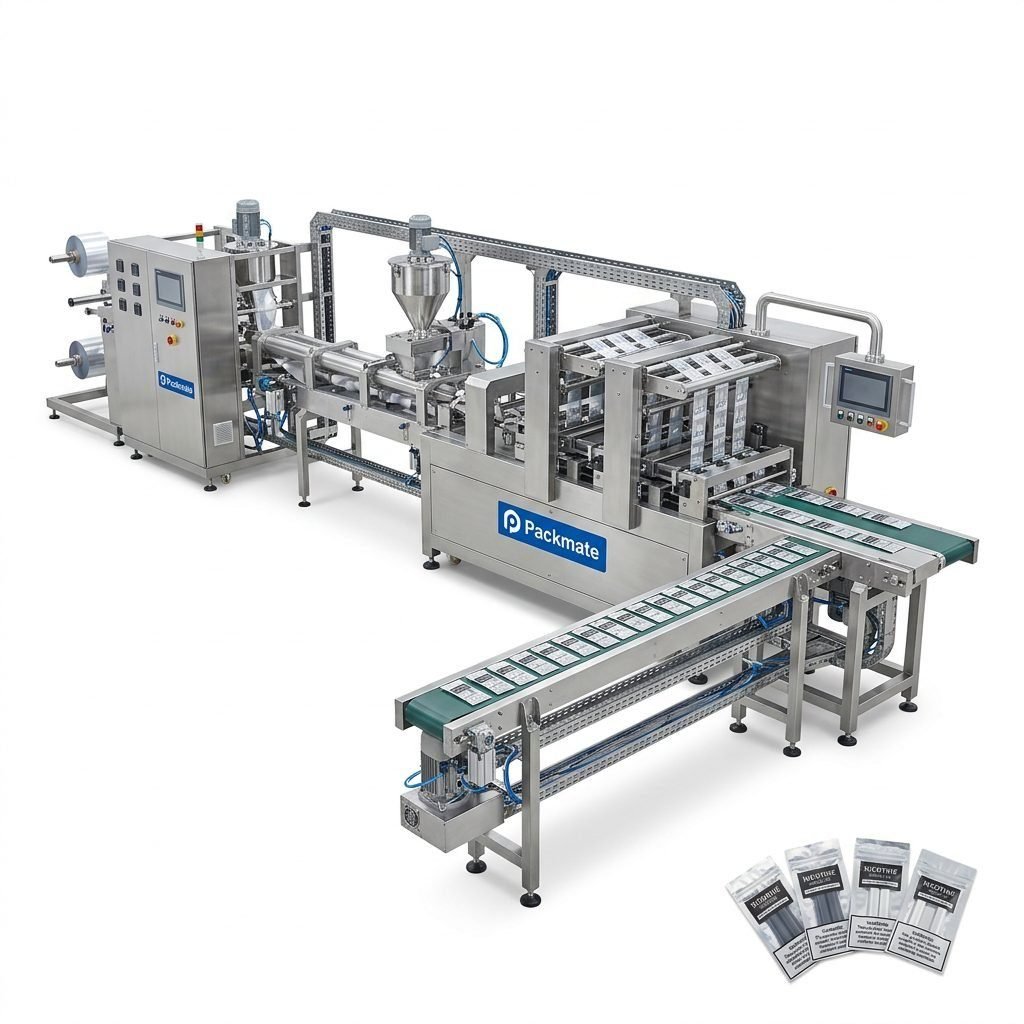
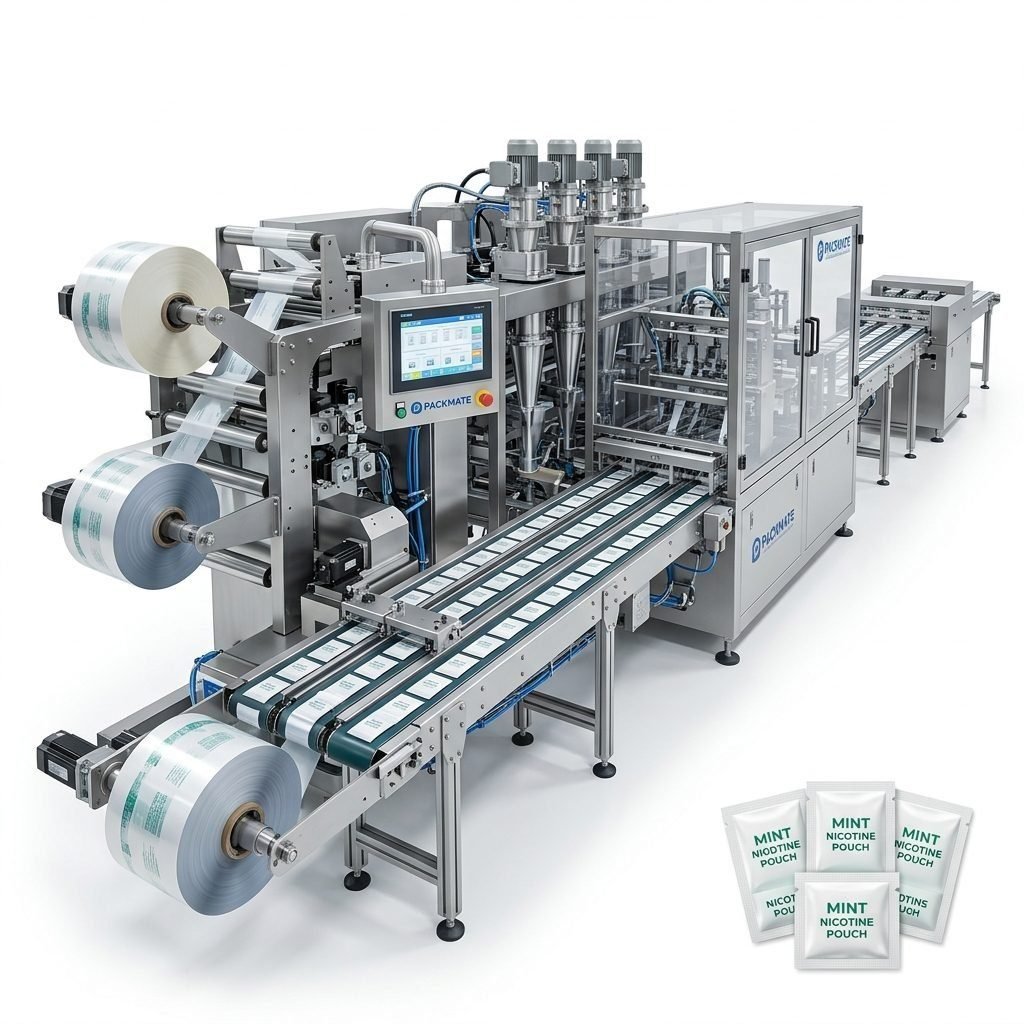
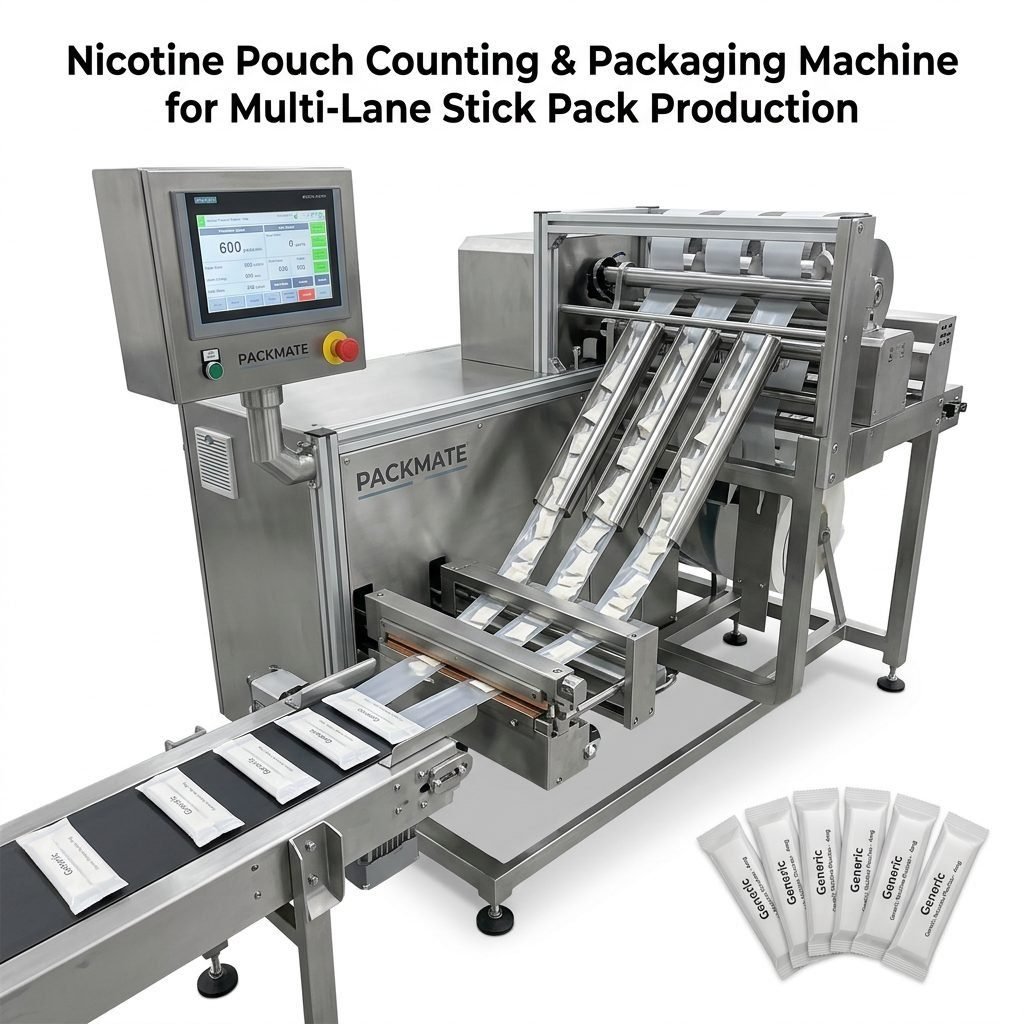
Choosing the right nicotine packaging machine manufacturer in Vanuatu can be a turning point for your business. Whether you are producing nicotine pouches, snus, or other small-dose products, the right equipment affects product quality, regulatory compliance, throughput, and long-term operating cost. This guide helps buyers, production managers, and procurement teams evaluate manufacturers with a practical, business-focused approach. You will learn what questions to ask, which technical and commercial criteria matter most, and how to compare offers to make a confident decision that supports growth and product consistency.
Understand Your Packaging Needs
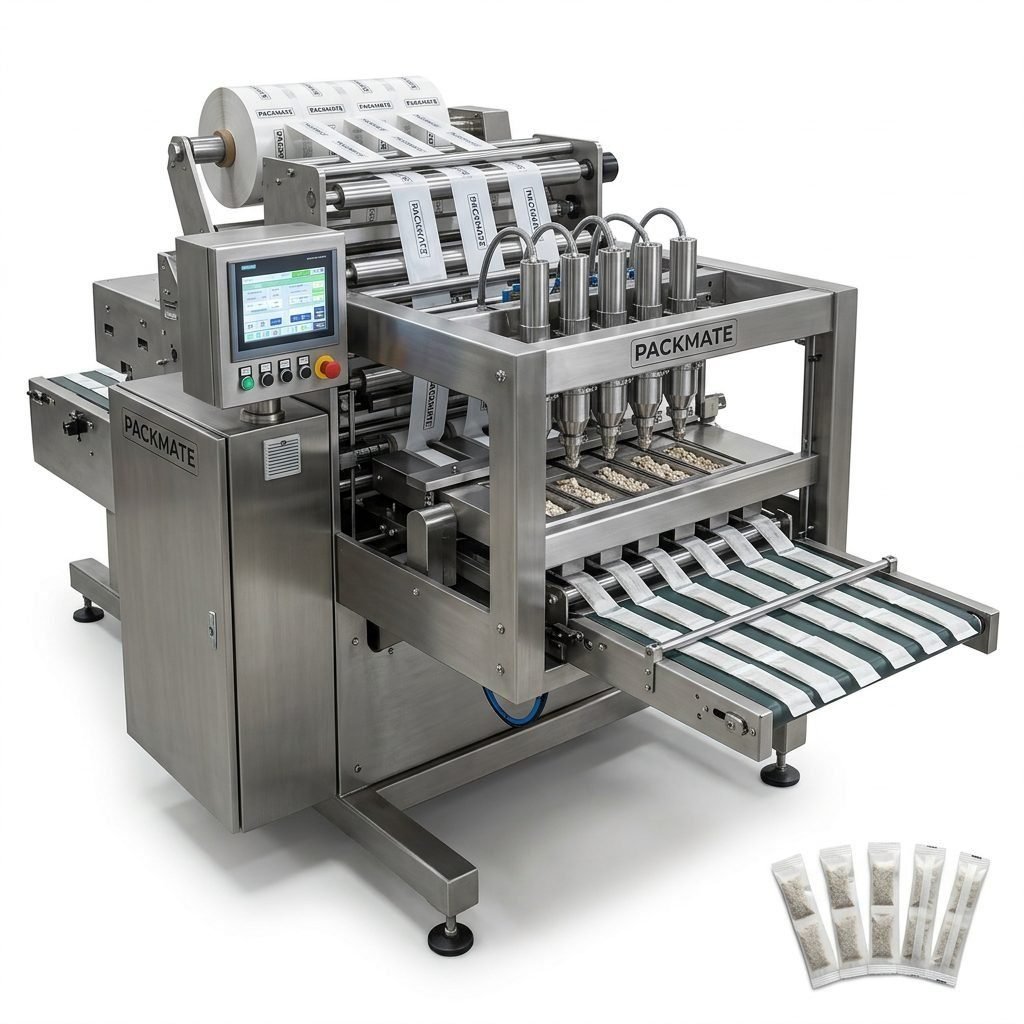
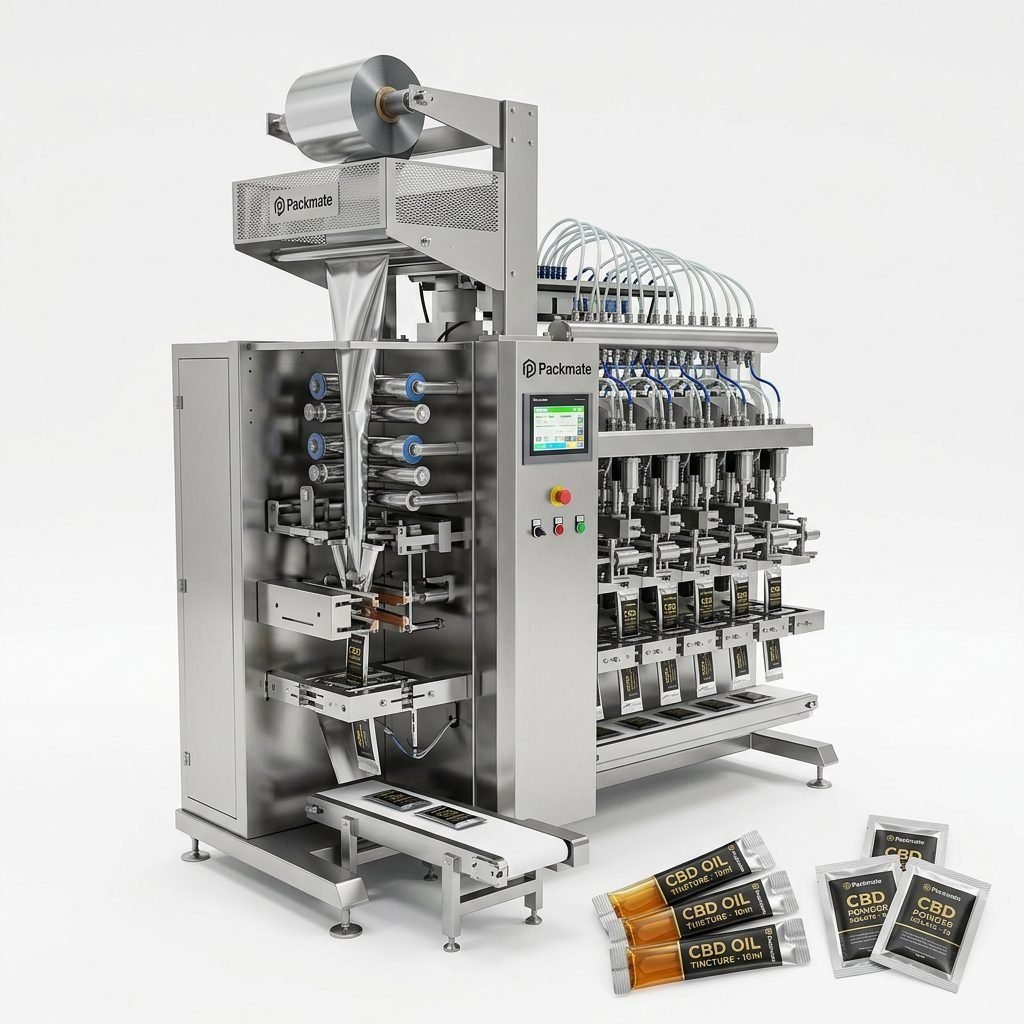
Start by documenting the exact product characteristics and production targets. Small differences in product format or ingredients can demand different machine types. Key variables include: product form (powder, granule, wet granule, liquid), pouch or stick format, single-lane vs multi-lane requirement, desired speed (pouches/min), and future scalability. A clear specification reduces ambiguity during technical discussions and speeds up accurate quotations.
Quick product checklist 🔍
• Product format: nicotine pouch / snus / powder / granule / liquid
• Pouch type: stick, sachet, pillow, multi-lane pouches
• Target output: pouches per minute & daily capacity
Why Manufacturer Capabilities Matter
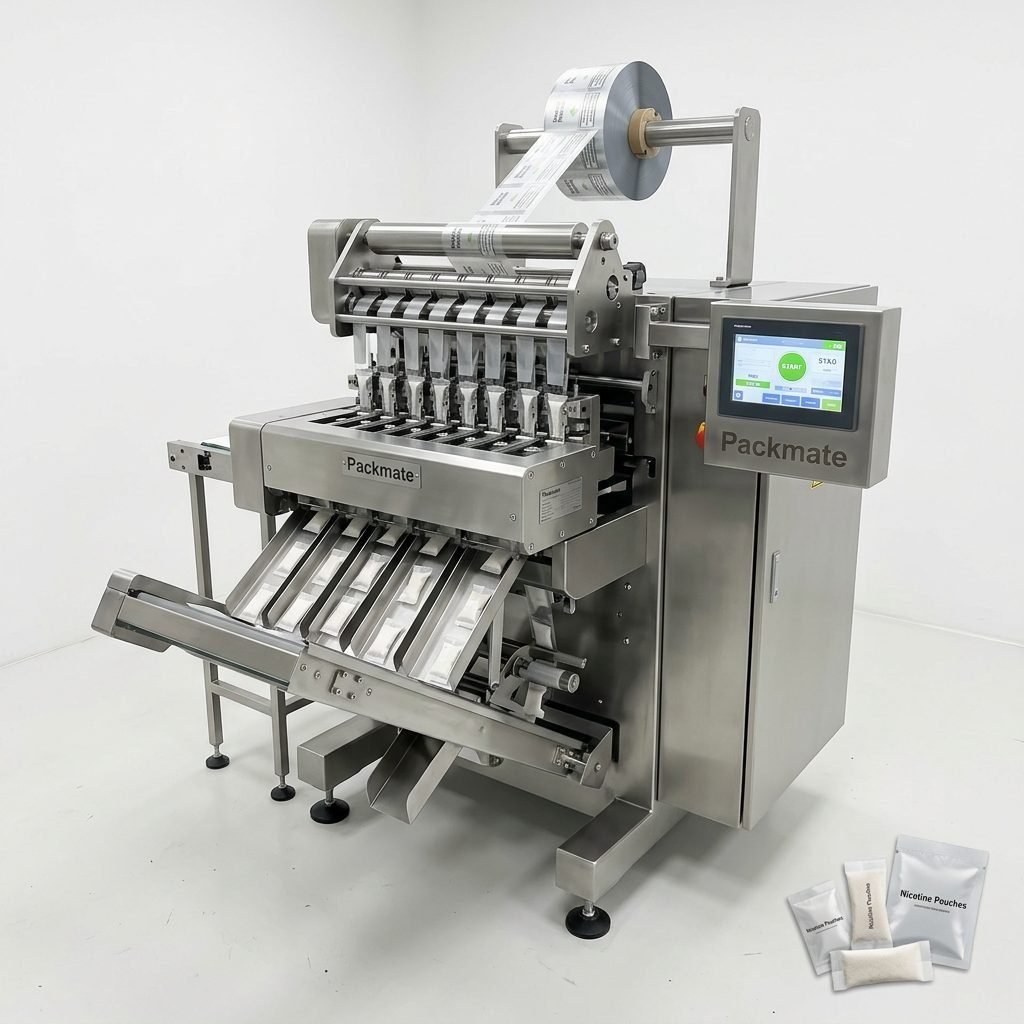
Not all packaging machine manufacturers deliver the same level of engineering, quality control, or after-sales support. A manufacturer with deep expertise in snus and nicotine packaging will better understand dosing accuracy, anti-static handling, humidity control, and hygienic design. Look for a partner with a history of delivering similar lines — for example, a supplier experienced with Snus & Nicotine Packaging Machines can fast-track development and reduce risk.
Factory Strength & Production Capacity
Evaluate the supplier’s factory size, machining capabilities and assembly processes. Manufacturers with advanced CNC centers, precision assembly lines, and dedicated quality-testing areas typically produce more reliable equipment. When a company states numbers such as a 20,000㎡ facility and 50+ machine models, this often indicates mature production capabilities and a broad product portfolio to choose from.
Certifications & Compliance
Compliance matters in nicotine product packaging. Ask for CE, ISO and any country-specific certificates relevant to your market. Certifications demonstrate a commitment to global standards and make customs clearance and market entry smoother. A supplier that lists certificates and has a track record of exporting to regulated markets is a stronger candidate for long-term cooperation. See their verification pages like Certificate and relevant export references.
Factory indicators to verify 🏭
✅ Workshop area and dedicated assembly lines
✅ In-house CNC machining and parts traceability
✅ Quality control lab and testing records
Technical Specifications You Must Check
Technical details determine whether a machine will meet your operational needs. Below are the most critical specifications to confirm:
- Speed and throughput at your target format and weight per pouch.
- Pouch format flexibility — can the machine handle different sizes without complete retooling?
- Filling accuracy and dosing technology — essential for nicotine products where dosage consistency is critical.
- Hygienic design and material contact parts — stainless steel grade and surface finish.
- Automation and PLC/SCADA options for production tracking and remote diagnostics.
Multi-lane vs Single-lane
If your strategy is high-volume production of small-dose pouches, multi-lane machines reduce footprint and lower per-unit cost. However, they require stricter process control and more sophisticated maintenance. Single-lane or few-lane systems can provide flexibility for varied SKUs and faster changeovers. Discuss current and future SKU plans with suppliers to match machine topology to growth projections.
Assessing Manufacturer Reliability and Reputation
Track record is a powerful indicator. Ask for references, case studies, and examples of similar systems delivered globally. A strong supplier will provide documented case studies, video demonstrations, and client contact details. If available, review their exhibition participation and customer testimonials — these signal market presence and ongoing support activities (Case, Our Exhibition).
Reputation checklist ✅
• Delivery track record to your region
• Availability of spare parts and fast technical response
• Clear warranty and service scope
After-sales Support & Spare Parts
After-sales service can make or break operations. Clarify warranty terms, response times, support channels (phone, email, remote access), and spare parts logistics. A supplier with global logistics experience and a parts distribution plan reduces downtime. Confirm lead times for critical wear parts and whether they can supply consumables or replacement modules quickly.
Service & Training
Good vendors offer on-site commissioning, operator and technician training, and documented standard operating procedures. Some provide extended support packages and annual maintenance contracts. Review their service page and support offerings — strong suppliers list comprehensive service options and training resources (Service).
Total Cost of Ownership (TCO): Look Beyond the Purchase Price
The cheapest machine upfront might cost more across its lifetime. TCO includes energy consumption, maintenance frequency, spare part pricing, required tooling, and downtime costs. Request a breakdown of predictable consumables and their expected lifetimes. Ask suppliers to provide estimated operating costs for your intended production profile.
Energy & Consumables
Energy-efficient drives and intelligent control systems can reduce operational expenses. Also verify consumable parts—seals, dosing nozzles, belts—and their replacement cycles. Some manufacturers design machines for easier maintenance which reduces labor costs and downtime.
Factory Acceptance Test (FAT) & Site Acceptance Test (SAT)
Insist on a detailed Factory Acceptance Test that demonstrates performance at agreed speeds and accuracy using your product or a close simulation. FAT should include electrical and safety checks, PLC logic review, and sample-run verification. After shipping, a Site Acceptance Test verifies installation, integration with upstream/downstream equipment, and final performance.
FAT & SAT essentials 📄
• Agree on test protocols and acceptance criteria before manufacturing
• Require video and measurement records during FAT
• Confirm on-site commissioning timeframe and responsibilities
Customization, Integration & Turnkey Solutions
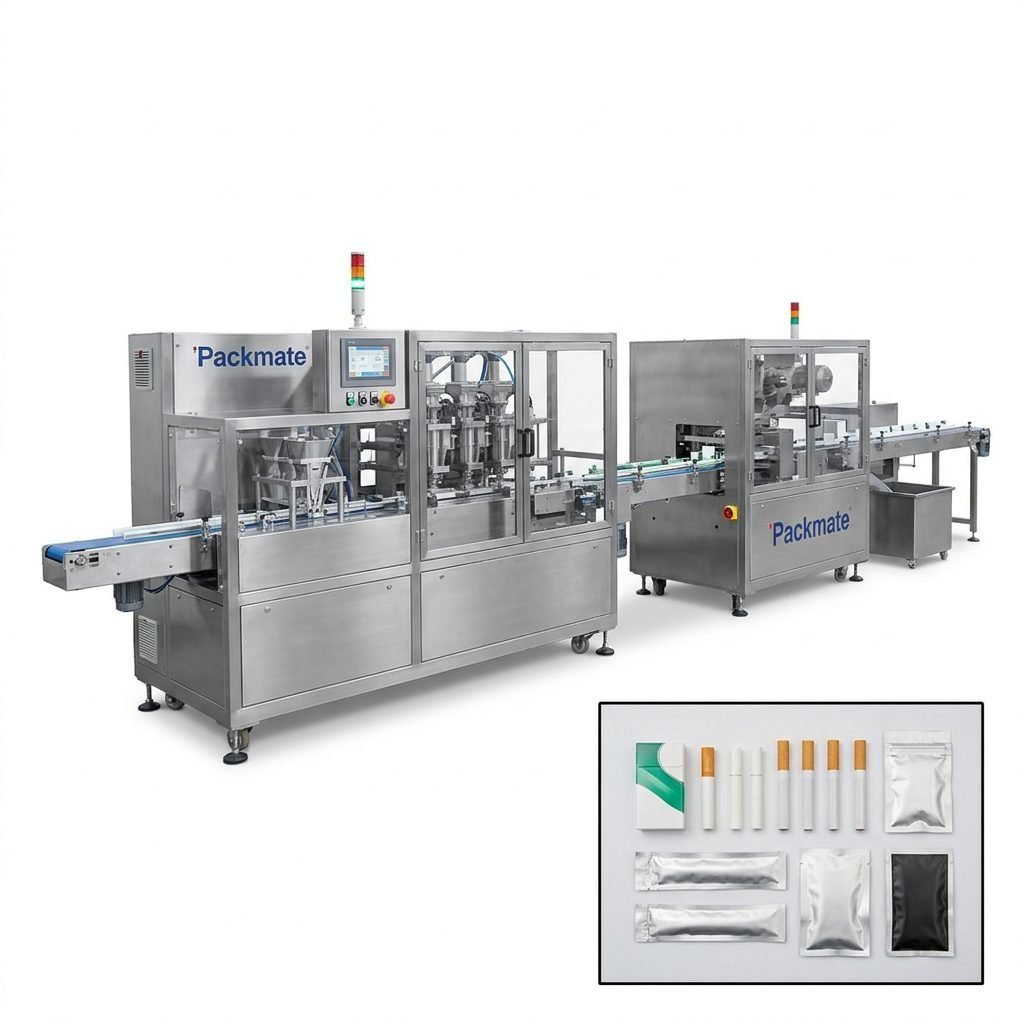
If you need a complete production line — from dosing and weighing to packaging and secondary packing — choose a supplier that offers turnkey systems. Integration capability is critical: packaging machines must work seamlessly with fillers, conveyors, vision inspection, and cartoning systems. Look for companies that provide systems like Filling & Packaging Lines or modular solutions to scale as demand grows.
Customization examples
Custom features might include special dosing modules for hygroscopic powders, integrated nitrogen flushing for product stability, or multi-lane synchronization for very high output. Ensure that any customization is documented with clear performance guarantees.
Commercial Terms & Negotiation Tips
Commercial clarity prevents disputes. Essential contract items: delivery lead time, payment schedule, warranty scope, acceptance criteria, penalty clauses for missed delivery, and spare parts pricing. Negotiate a trial period or phased payments tied to FAT and SAT completion. Where possible, secure a parts kit with the initial shipment to avoid early downtime.
Documentation to request
Request detailed manuals, electrical schematics, PLC code documentation, spare parts lists, and a maintenance schedule. These documents are vital for local technicians to maintain uptime.
How to Engage with Manufacturers in Vanuatu
When evaluating manufacturers for supply to Vanuatu, consider logistics, import regulations, and availability of local technical resources. Ask prospective suppliers about prior shipments to island nations and whether they provide shipping documentation and assistance with customs. Some manufacturers partner with local agents for installation and after-sales support, which can be decisive for remote locations.
For more technical product lines and auxiliary options, review their product ranges like Bag & Pouch Packaging Machines, Sachet & Stick Pack Machines, and Weighing & Packaging Systems to understand available configurations and compatibility with your processes.
Supplier communication checklist 📞
• Provide clear product samples or detailed product drawings
• Share FAT video evidence and performance data
• Offer contact for references and completed project details
Requesting a Quote: What to Include
To get accurate quotes, provide: product spec sheet, target output, preferred machine format, expected uptime, desired degree of automation, any integration requirements, and preferred delivery timeframe. Ask for itemized pricing including machine cost, tooling, spare parts kit, training, and shipping. Clarify lead times and payment milestones. A transparent quote enables apples-to-apples comparisons between suppliers.
Sample email checklist ✅
Include attachments with product photos, target pouch dimensions, average weight per pouch, and a short video of your product if helpful. Request FAT dates and estimated production lead time.
Final Selection: Making the Decision
Rank suppliers based on technical fit, factory capability, references, commercial terms, and TCO. Consider the risk profile: a slightly higher upfront investment in a trusted supplier often reduces long-term risk and ensures continuous production. Prioritize suppliers that demonstrate transparency, provide detailed documentation, and have a proven track record with nicotine pouch lines.
Decision matrix example
Create a simple scoring grid with criteria such as performance, price, support, lead time, and references. Assign weights based on your priorities and select the supplier with the highest weighted score.
Next Steps & Contact
Once you’ve narrowed your shortlist, arrange technical calls, request FAT schedules, and, if practical, plan a factory visit or virtual factory tour. Suppliers that welcome visits and demonstrate open production processes are typically more reliable partners. For more background on company history and mission, review the manufacturer’s profile and corporate information (About Packmate).
Conclusion
Selecting the best nicotine packaging machine manufacturer in Vanuatu requires a balanced assessment of technical capability, factory strength, certifications, support and realistic total cost of ownership. Prioritize suppliers that deliver clear documentation, demonstrate relevant experience with nicotine pouch lines, offer robust after-sales support, and can meet your specific throughput and format needs. A methodical procurement process — supported by FAT/SAT, references, and clear contracts — minimizes risk and positions your operation for consistent, compliant production.
Common Questions
Q1: How long does it take from order to delivery for a snus packaging line?
A1: Lead times vary by customization and factory backlog. Typical delivery ranges from 12 to 28 weeks including FAT, with turnkey lines at the higher end. Confirm exact timelines in the contract.
Q2: What key certifications should I request for nicotine pouch packaging machines?
A2: Ask for CE and ISO certificates, plus compliance documentation related to electrical safety, machine guarding, and, if relevant, local import requirements. Certificates demonstrate adherence to international standards and make regulatory approvals simpler.
Q3: Can a manufacturer provide a FAT using our product?
A3: Reputable manufacturers will offer FAT using your product or a close simulation. This ensures performance metrics are validated before shipment and reduces surprises during installation.
Q4: How do I ensure spare parts availability in Vanuatu?
A4: Request an initial spare parts kit with the machine and confirm lead times for consumables. Choose suppliers with global shipping experience and recommended stock levels for critical parts to minimize downtime.
For further information or to request detailed specifications and quotations, contact the manufacturer directly via their contact page (Contact Us) or review their product catalog (Catalog).