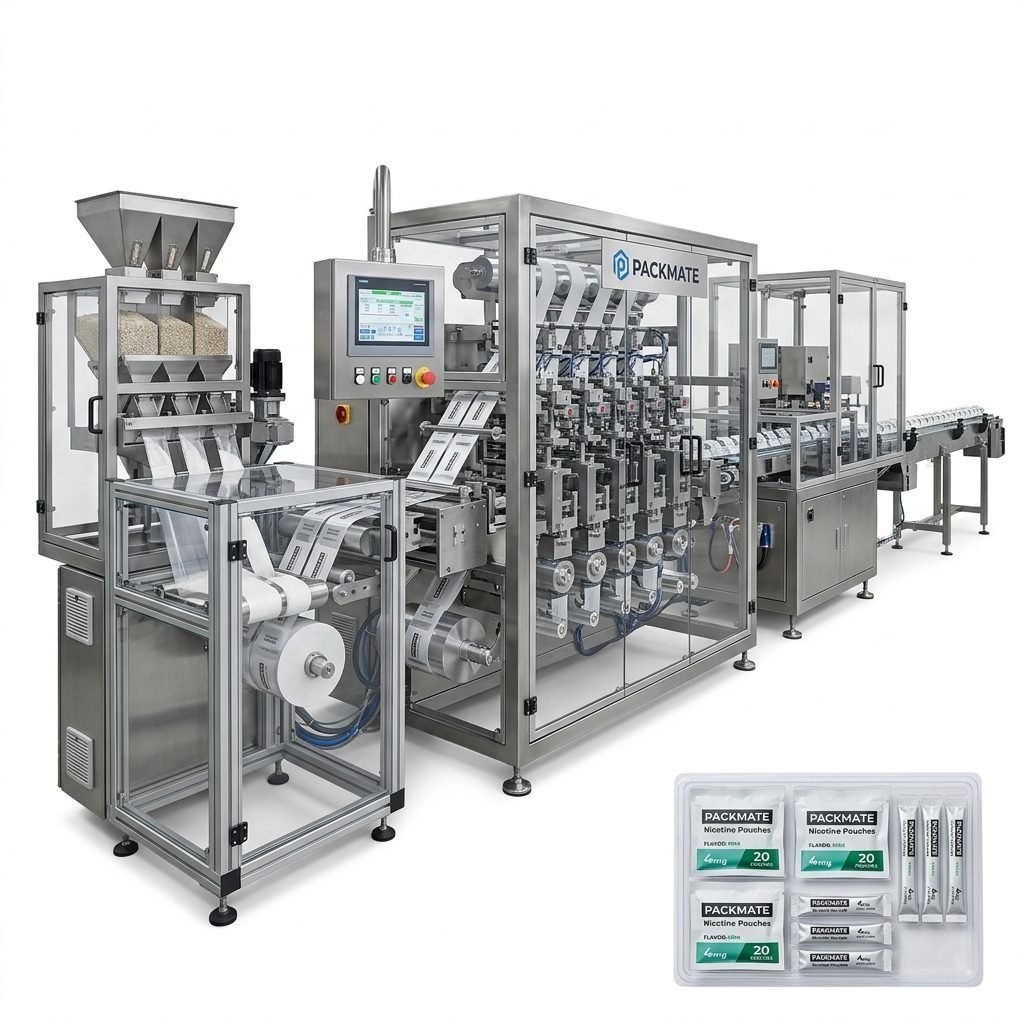
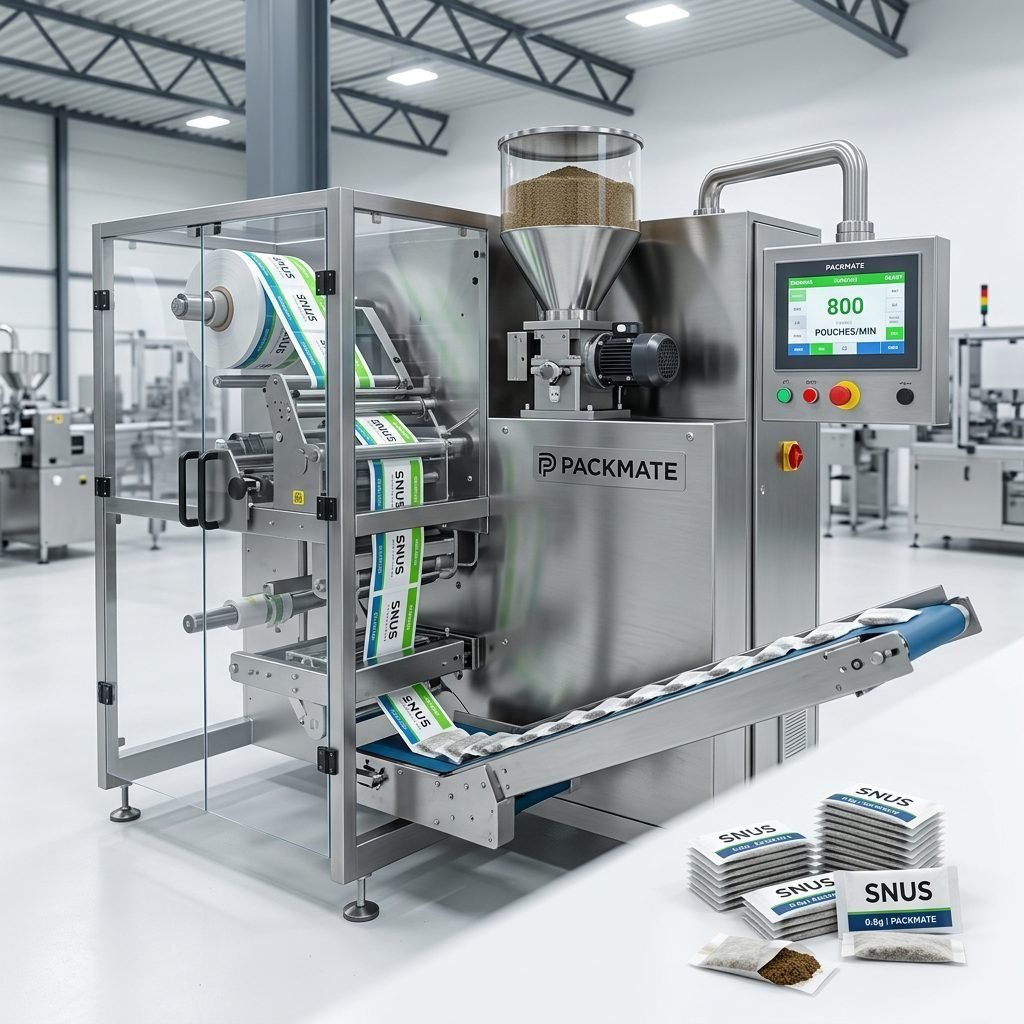
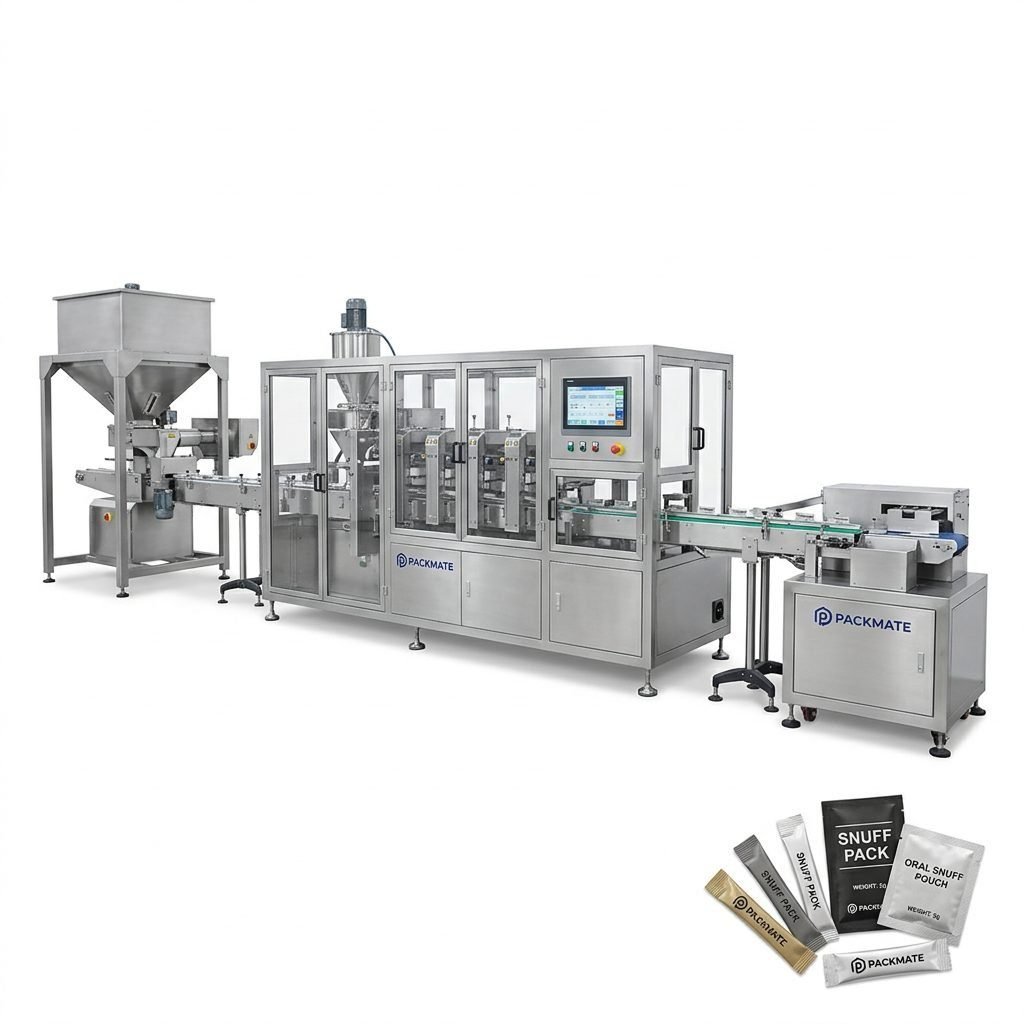
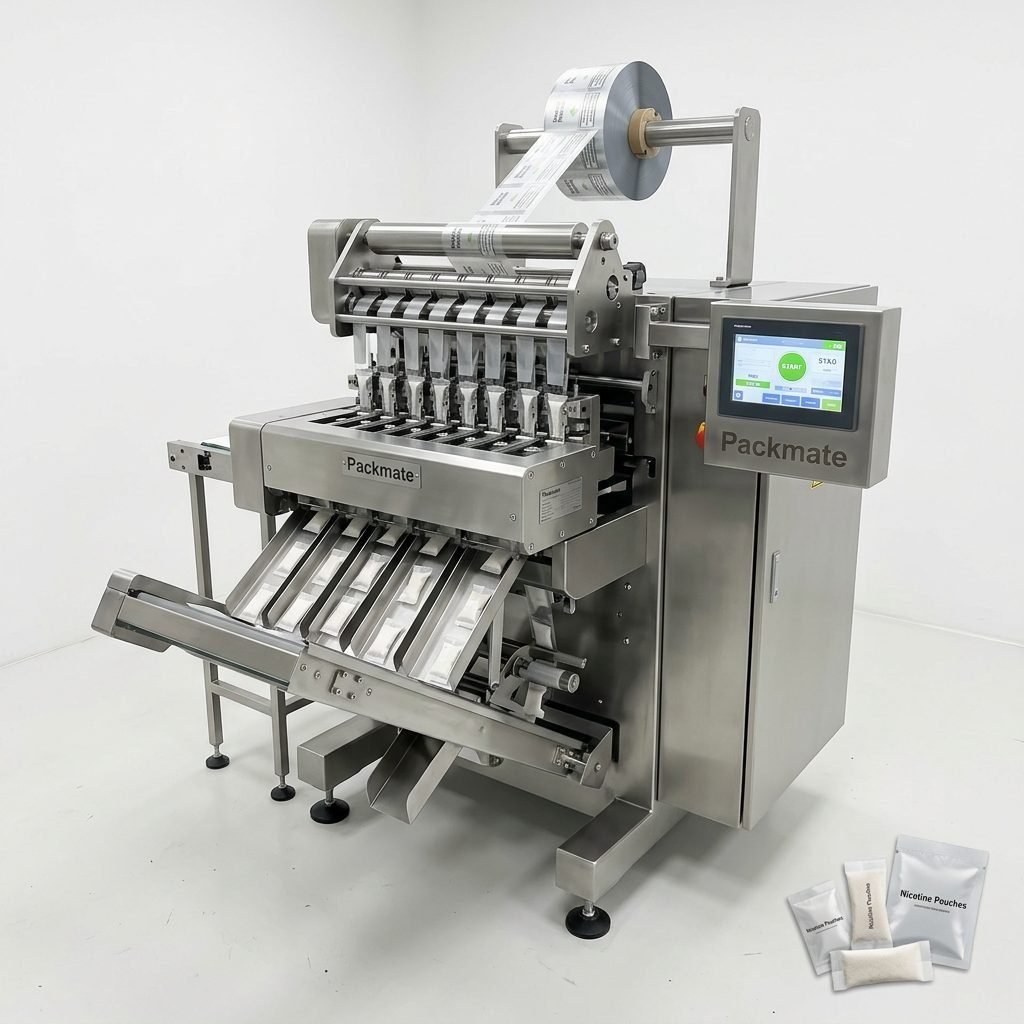
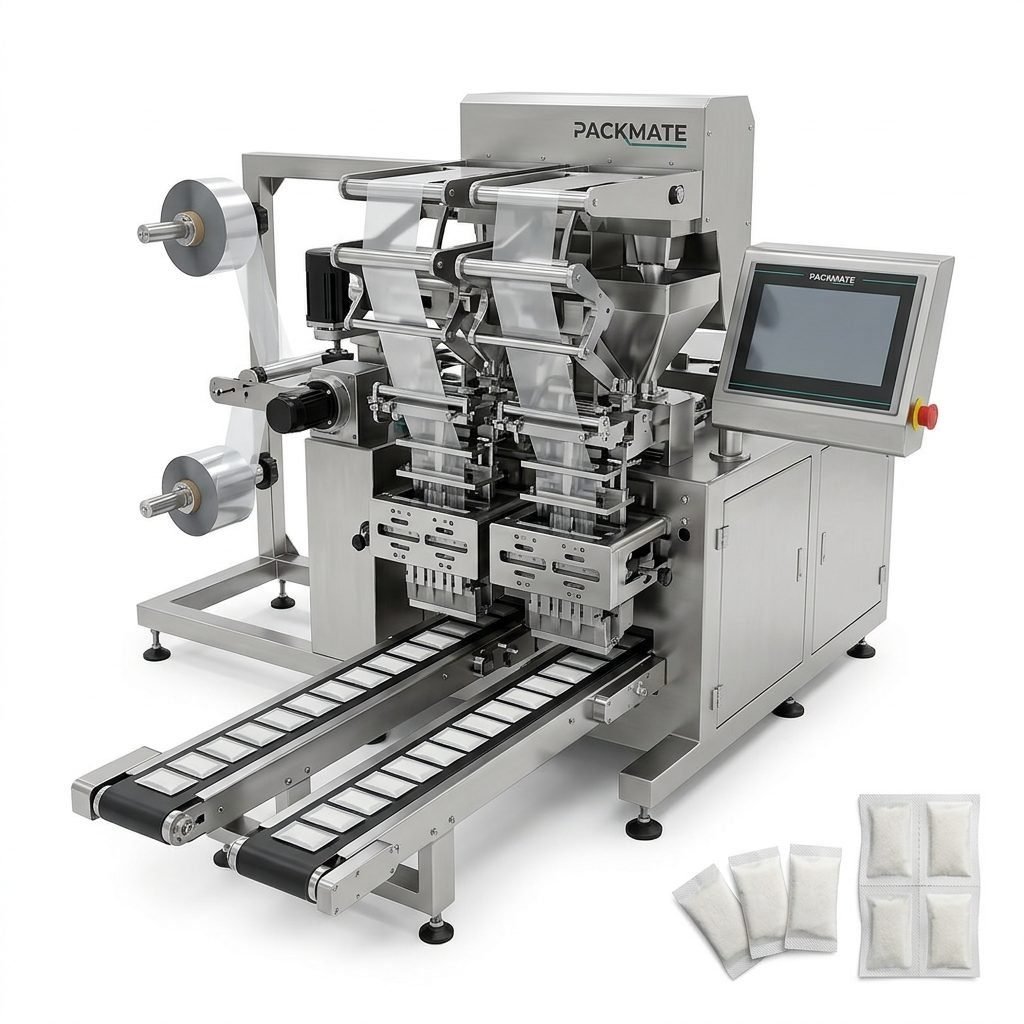
Choosing the right nicotine pouch filling machine is a pivotal decision for manufacturers seeking a balance of precision, throughput, and long-term reliability. In an industry where product consistency and regulatory compliance are paramount, modern automatic filling systems deliver the accuracy and speed needed to scale production while protecting brand quality. This article walks through the leading automatic solutions, core features to evaluate, and practical guidance for integrating high-performance nicotine pouch filling machines into your production line.
Why Precision Matters for Nicotine Pouches
The nicotine pouch market demands consistent dosing for safety, consumer experience, and legal compliance. Small variances in powder or granule weight can lead to significant product quality issues and regulatory risk. High-precision filling head technology minimizes weight deviation, reduces rework, and maintains product integrity across high-speed production runs. Modern systems use advanced weighing modules or volumetric filling combined with real-time feedback loops to ensure each pouch meets defined tolerances.
Core Precision Technologies
– Multi-head weighing systems for micro-dose accuracy and rapid lane throughput.
– Servo-driven volumetric fillers with closed-loop position control to reduce mechanical drift.
– Inline check-weighers and automatic rejection systems to maintain batch integrity without halting the line.
✔ Tip: Prioritize machines with modular weighing heads so you can scale lanes as market demand grows without replacing the entire base machine.
Automatic Solutions: Types of Nicotine Pouch Filling Machines
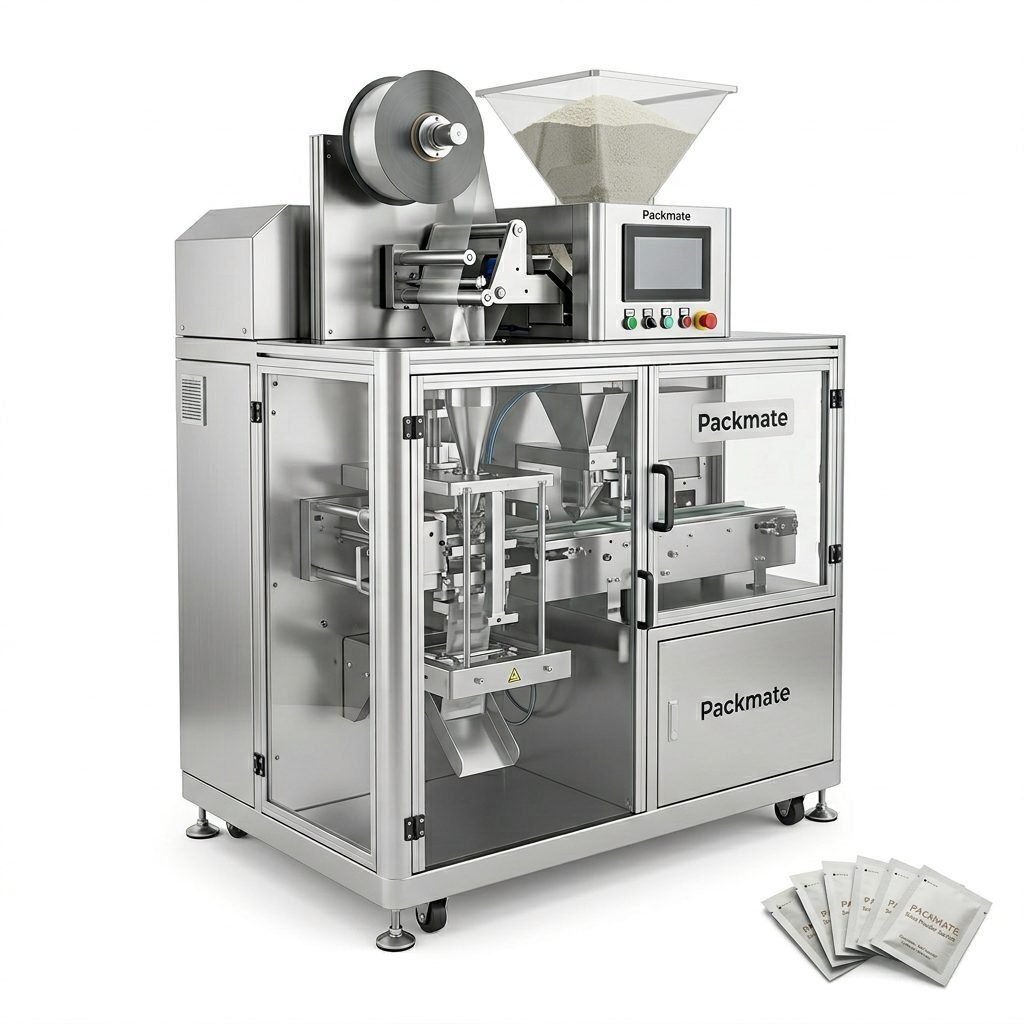
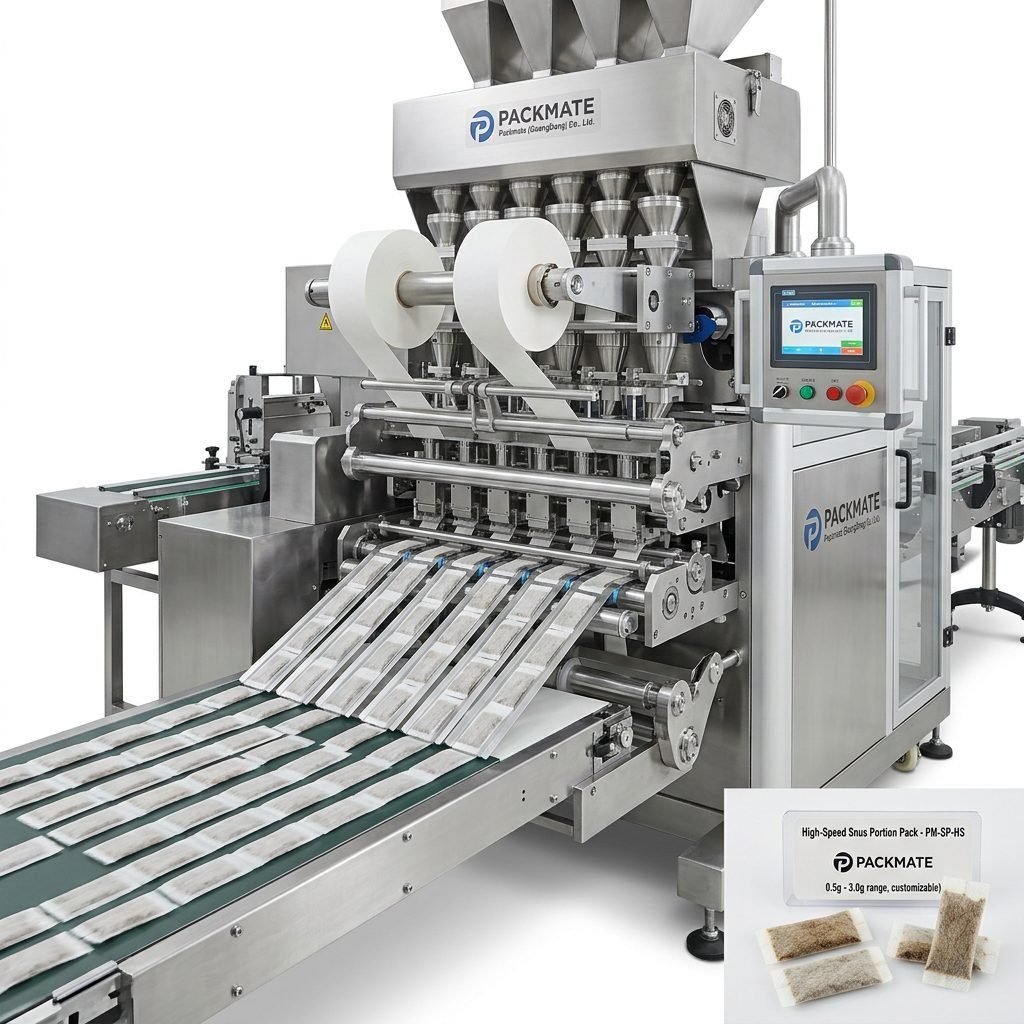
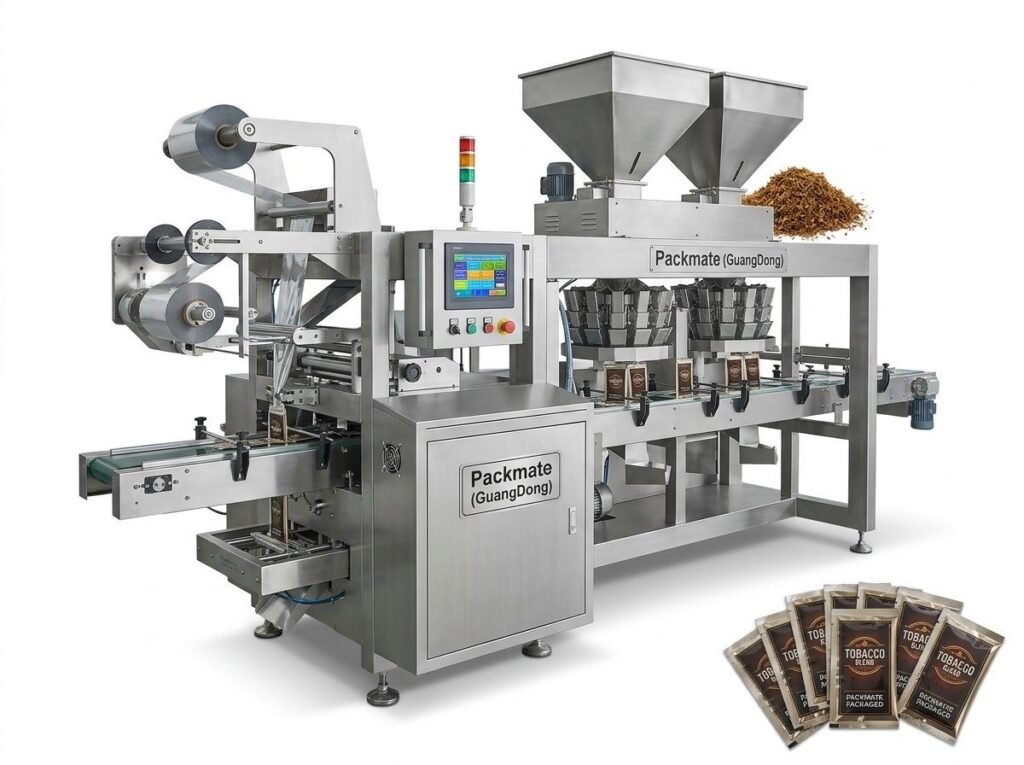
Automatic nicotine pouch filling machines come in several configurations to match production capacity, pouch format, and product characteristics. Understanding the differences helps you choose the right solution for your factory layout and product roadmap.
Multi-lane Pouch Fillers
Multi-lane machines are engineered for high-volume output and small-dose consistency. They run multiple filling channels in parallel, offering linear scaling of capacity while sharing a single control platform. These systems are ideal when your product requires many small pouches per minute with strict weight control.
Single-lane Precision Fillers
Single-lane fillers provide exceptional flexibility for specialty flavors, limited runs, or R&D. They are easier to clean and changeover, and they reduce product loss during formulation changes. For startups or niche product lines, a single-lane automatic filler is often the most economical entry point.
Integrated Filling & Packaging Lines
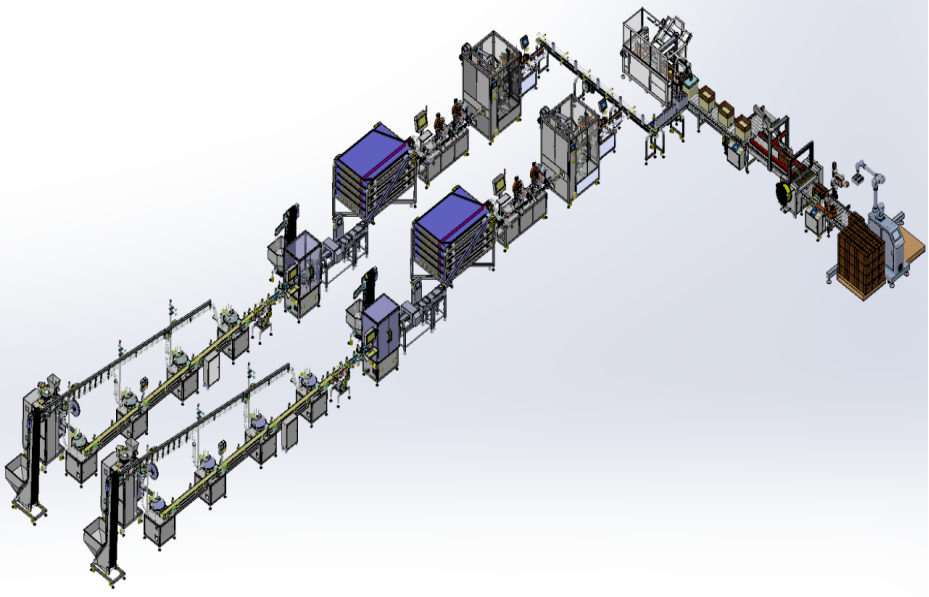
For turnkey production, integrated filling and packaging lines combine pouch filling, sealing, labelling, and cartoning into a continuous workflow. This approach minimizes manual handling, speeds up production, and offers a single vendor support path—ideal for scaling manufacturers who value seamless integration and consistent uptime.
Explore a range of engineered options tailored to nicotine and snus production needs at Snus & Nicotine Packaging Machines.
Key Performance Indicators: Throughput, Accuracy, Stability
When evaluating machines, focus on three KPIs that directly affect product cost and consistency: throughput (pouches/min), dosing accuracy (mg deviation), and operational stability (uptime percentage). A machine that delivers high speed but poor accuracy can be more costly than a slower, precise system due to waste and regulatory issues.
⚙ Performance snapshot: A modern multi-lane nicotine pouch line can achieve thousands of pouches per hour with dosing deviations often under ±2% of target when properly calibrated and maintained.
What to Look For: Technical Features and Build Quality
Strong mechanical design and quality components are non-negotiable. Look for stainless steel contact surfaces, hygienic machine layout, easy-to-access components for cleaning, and internationally-certified electrical and control elements. Reputable manufacturers will provide CE and ISO certifications, detailed documentation, and spare parts availability.
Control Systems and User Interface
Modern HMI panels with recipe management, remote diagnostics, and alarm logs reduce setup time and help maintain product consistency across shifts. Choose systems that support data export for traceability and batch records.
Hygiene and Cleanability
Manufacturing nicotine pouches often requires strict cleaning regimes. Machines with quick-release hoppers, tool-less access panels, and smooth welds accelerate changeovers and reduce contamination risk. Prioritize designs that simplify CIP (cleaning-in-place) or quick disassembly.
To review equipment categories and machine models, see Bag & Pouch Packaging Machines and Filling & Packaging Lines.
Integration: Upstream and Downstream Equipment
A high-performing production line integrates upstream dosing and downstream packaging. Consider complementary equipment such as precision packers, automatic pouch feed systems, sealing units, date coders, and cartoners. Scalable integration reduces manual labor and syncs output across stages for predictable throughput.
▶ Pro advice: Validate synchronization tolerances between filling heads and sealing modules to prevent jams and reduce pouch defects on high-speed lines.
Maintenance, Spare Parts and Service
Long-term machine uptime depends on preventive maintenance and rapid access to spare parts. Work with vendors who maintain a clear parts catalog, offer preventive maintenance plans, and provide remote support. A reliable supplier will also support commissioning, operator training, and periodic audits to keep performance within specification.
Spares and Consumables
Critical spares typically include dosing screws, seals, sensors, belts, and electrical components. Maintain an inventory based on production risk analysis to avoid costly downtime during peak demand.
Regulatory Compliance and Safety
Nicotine-containing products are tightly regulated in many jurisdictions. Your filling equipment must support batch traceability, hygienic manufacturing standards, and compliance with local packaging and labeling laws. Safety features like interlocked guards, emergency stop functions, and compliant electrical installations are essential for workforce protection and regulatory inspections.
Cost of Ownership and Return on Investment
Assess not just purchase price but the total cost of ownership: installation, commissioning, training, spare parts, utilities, and downtime risk. A higher initial investment in precise, stable machinery often yields lower waste, fewer recalls, and faster payback through improved yield and reduced labor costs.
Evaluating ROI
Estimate ROI based on expected throughput, scrap reduction, labor savings, and regulatory compliance risk reduction. Vendors with turnkey solutions and proven case studies can provide real-world performance numbers to support projection models.
For case studies and real-world installations, review provider references at Case and technical certifications at Certificate.
Selecting a Supplier: Questions to Ask
When comparing suppliers, ask about customization capabilities, local support, warranty terms, spare parts lead times, and references from similar-scale manufacturers. A strong partner provides not only the machine but also process expertise to adapt your formulation and packaging format.
✔ Essential checklist: Machine uptime SLA, spare part availability, onsite commissioning, operator training, and in-line quality verification tools.
Why Packmate Snus Machine Is a Consideration
Packmate Snus Machine brings more than 30 years of packaging engineering experience and a strong track record in snus and nicotine pouch machinery. With a 20,000㎡ factory, advanced CNC production, and a broad portfolio of products including multi-lane pouch systems, sachet and stick pack machines, Packmate delivers turnkey solutions tailored to high-precision, small-dose production needs.
Their product portfolio spans Snus & Nicotine Packaging Machines, Weighing & Packaging Systems, and complementary Auxiliary Packaging Equipment—making them a practical partner for manufacturers seeking integrated lines and long-term service.
Installation, Commissioning and Operator Training
A successful deployment includes site preparation, mechanical and electrical installation, process validation, and operator training. Vendors offering pre-shipment testing (FAT) and clear commissioning plans (SAT) reduce implementation risk and accelerate time-to-market.
Final Considerations Before Purchase
– Confirm product compatibility with your formulation and pouch material.
– Verify spare parts lead times and local service options.
– Request performance data from similar installations and insist on factory acceptance testing.
– Consider modular and upgradable systems to protect future investment.
🔍 Checklist reminder: Production target, accuracy requirement, lane scalability, service plan, and budget for lifecycle costs.
Next Steps
Begin by defining your target throughput and acceptable dosing tolerance, then contact manufacturers for tailored proposals, FAT videos, and references. If you need a full, integrated packaging solution, consult turnkey providers who can deliver synchronized filling, sealing, and secondary packaging lines.
Find more about the company background and global exhibitions at About Packmate and Our Exhibition.
Common Questions
Q1: How do I choose between a single-lane and a multi-lane filling machine?
A1: Choose single-lane for flexibility, small runs, and rapid changeover. Choose multi-lane for high-volume production where parallel lanes scale capacity while maintaining consistent dosing across channels.
Q2: What dosing accuracy should I expect from modern nicotine pouch fillers?
A2: Modern precision fillers typically achieve dosing deviations under ±2-3% when properly calibrated and maintained; multi-head weighing systems can provide even tighter control for micro-doses.
Q3: How important is supplier support and spare parts availability?
A3: Extremely important. Fast access to certified spare parts and responsive technical support minimizes downtime and protects production targets—prioritize suppliers with documented service networks and clear spare parts catalogs.
Q4: Can these machines handle different pouch sizes and formulations?
A4: Most modern machines are designed for flexibility, offering recipe management and modular tooling to support multiple pouch sizes and product formulations. Confirm specific format ranges and changeover times with the supplier.
Q5: What certifications should I request from a supplier?
A5: Request CE and ISO certifications for safety and quality systems, plus detailed inspection reports and FAT records. For food and pharmaceutical-grade lines, verify materials and hygienic design documentation.