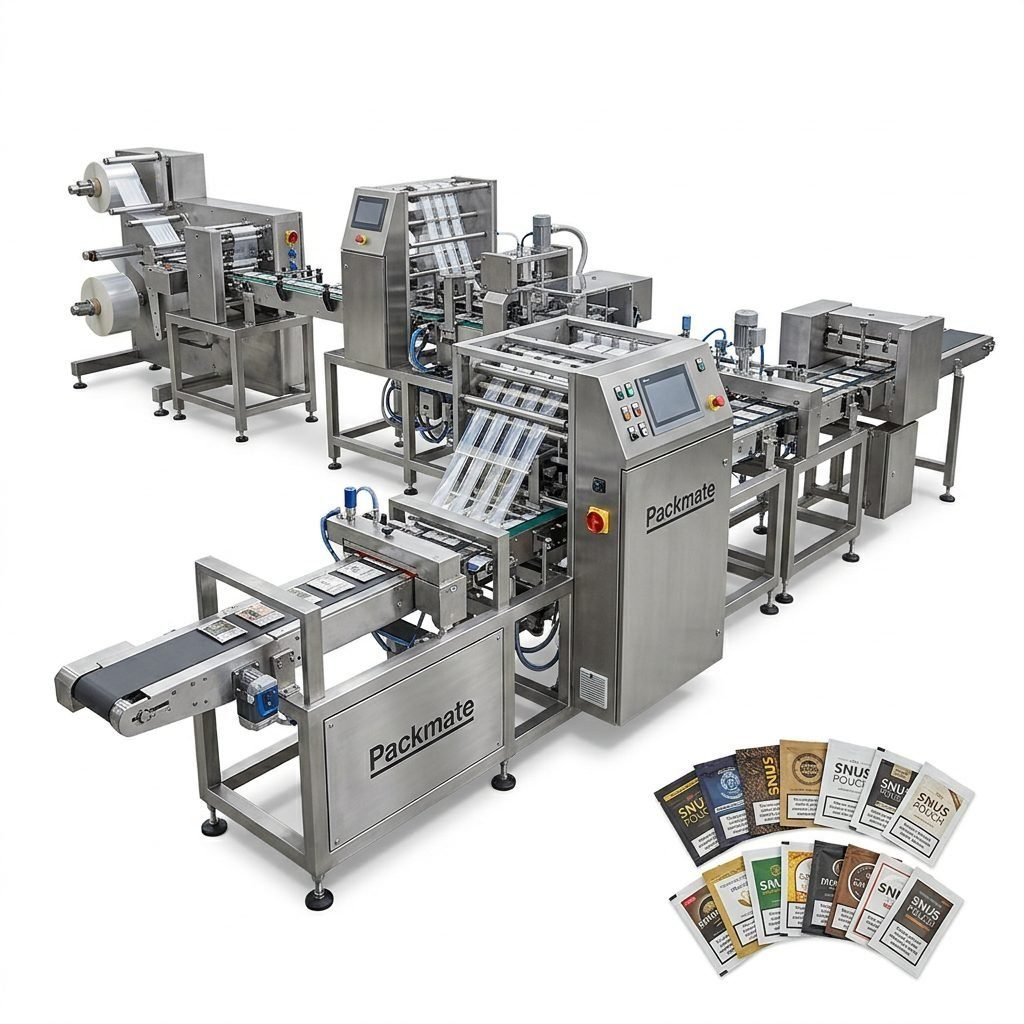
Choosing the right snus packaging machine in Benin is a strategic decision that affects product quality, regulatory compliance, production cost, and market speed. Whether you are producing nicotine pouches, traditional snus, or other small-dose pouches, the correct machine can help you scale efficiently while maintaining consistent output. This guide explains the key factors to evaluate, the common machine types, customization and after-sales considerations, and practical purchasing tips tailored for Benin’s market and logistics environment.
Understand Your Product and Production Goals
The first step in selecting a packaging machine is to clearly define your product attributes and production targets. Ask precise questions: What is the pouch type (cut-cut pouch, stick pack, sachet)? What are the product formats (powder, granule, liquid, nicotine pouches)? What daily output do you need (pieces per minute or per hour)? The answers determine whether you need a single-lane, multi-lane, or fully automated line.
Key decision point: If you expect high-speed small-dose production, consider multi-lane snus packaging machines that increase throughput without multiplying floor footprint.
Match Machine Type to Product
Different packaging formats need different technologies. Typical options include:
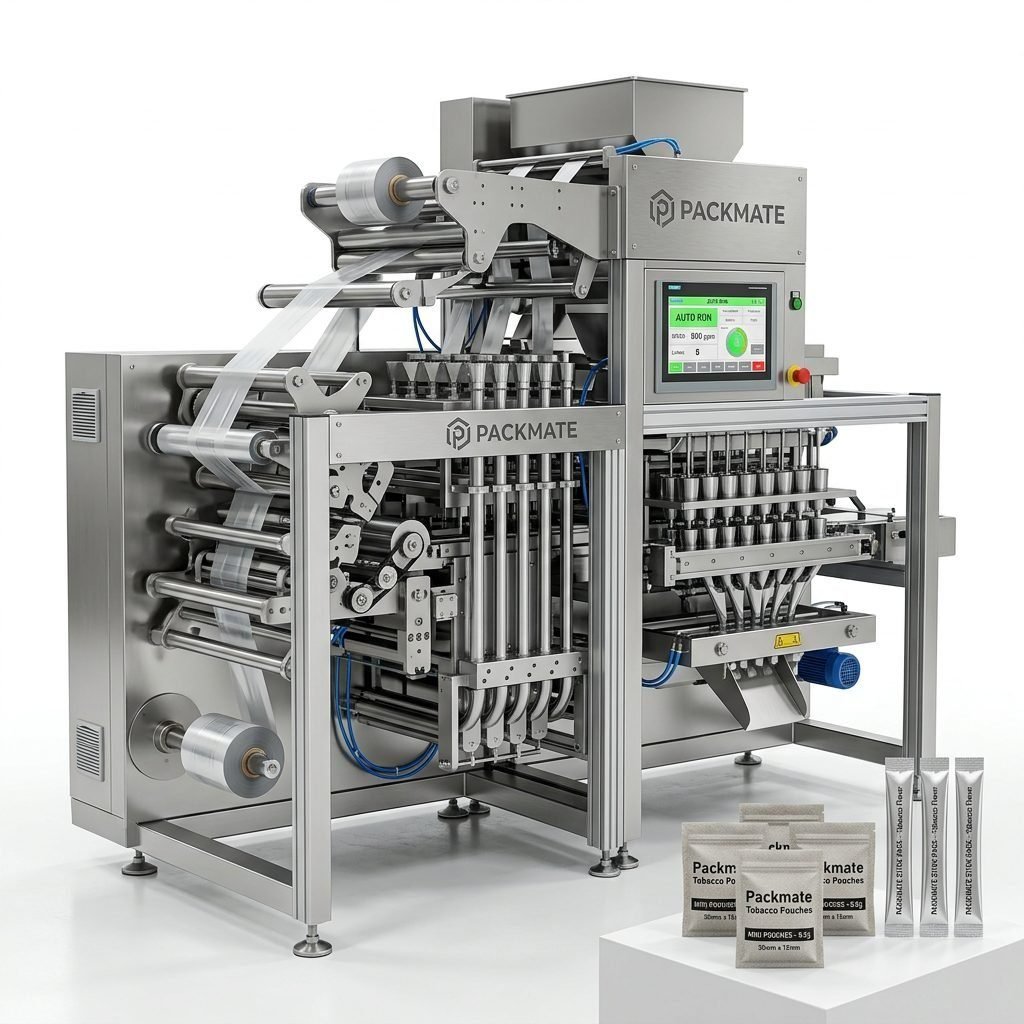
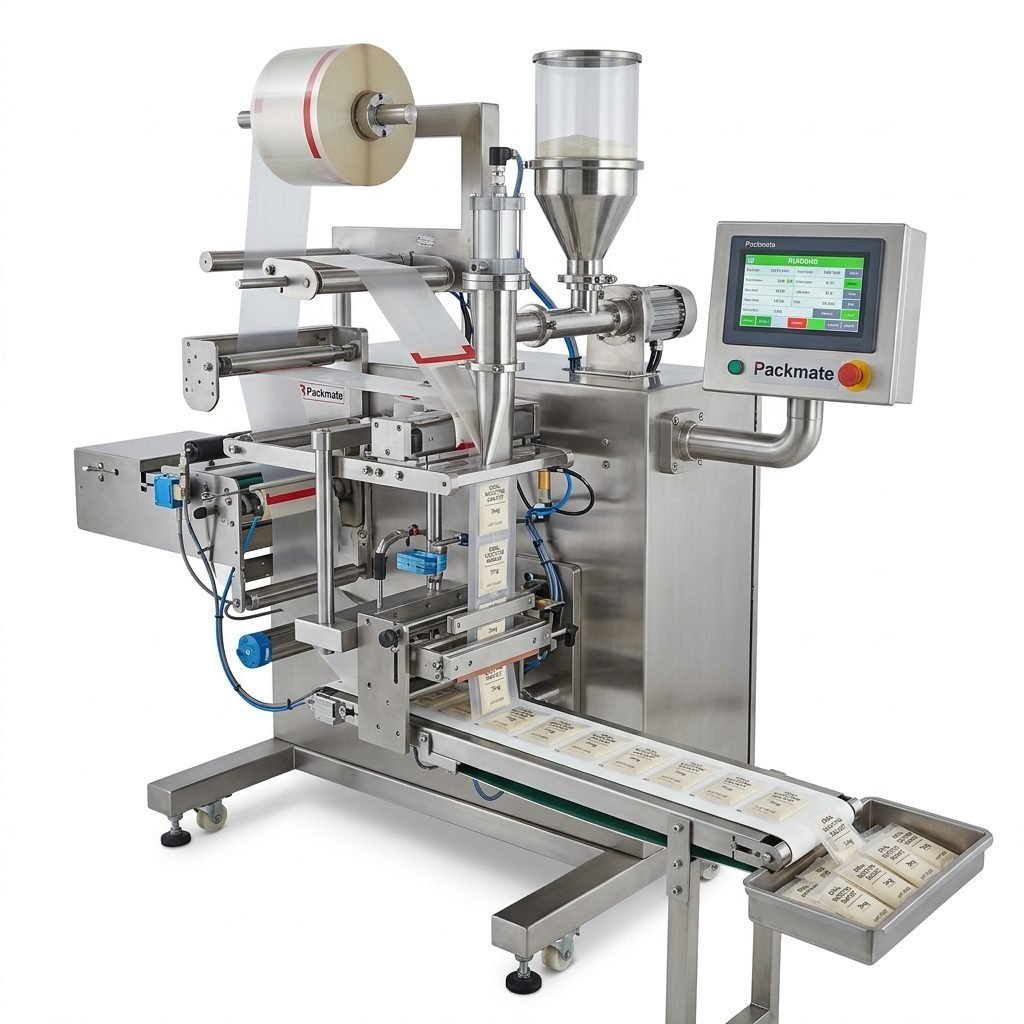
• Stick pack machines — ideal for single-dose sticks and elongated sachets. Good for rapid portions and products that require a narrow form factor. See typical models in the sachet & stick pack range.
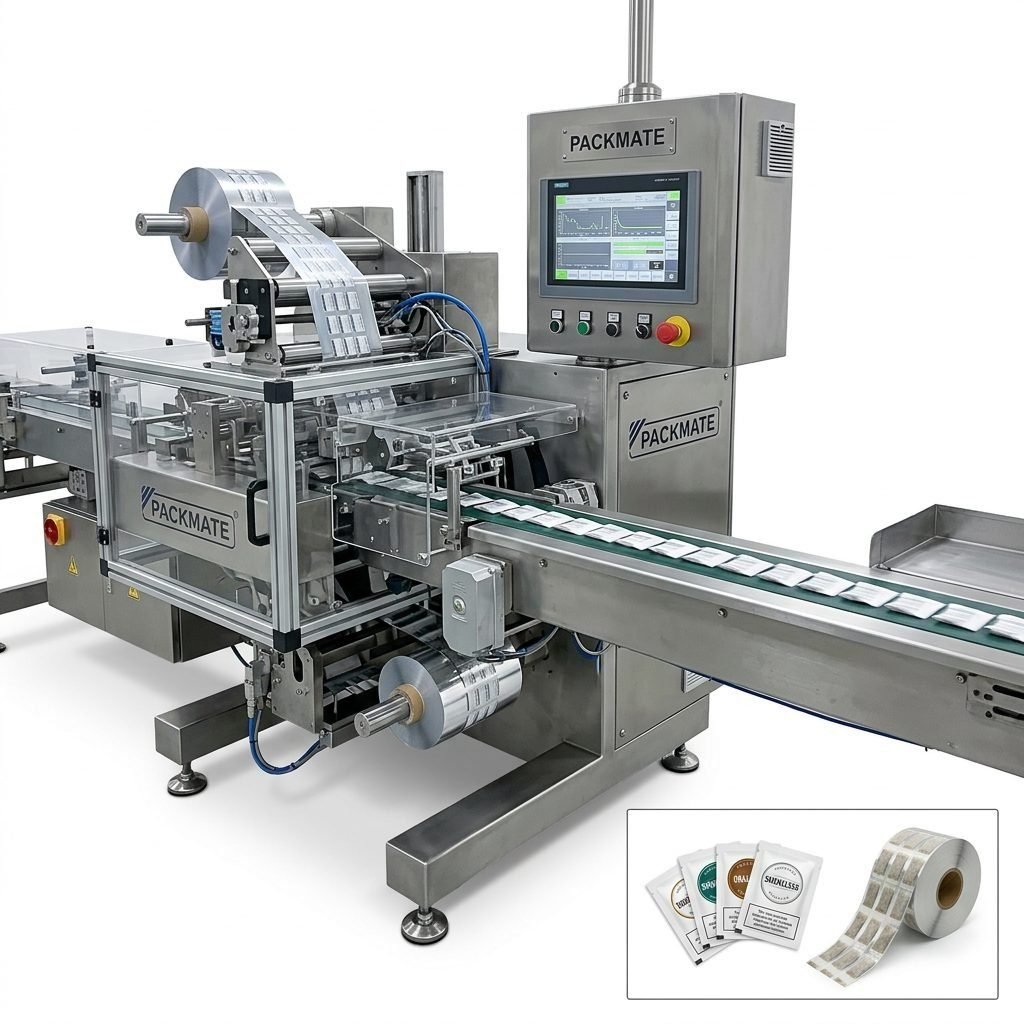
• Sachet and pouch machines — versatile for flat sachets and pillow packs, suitable for powders, granules, and nicotine pouches.
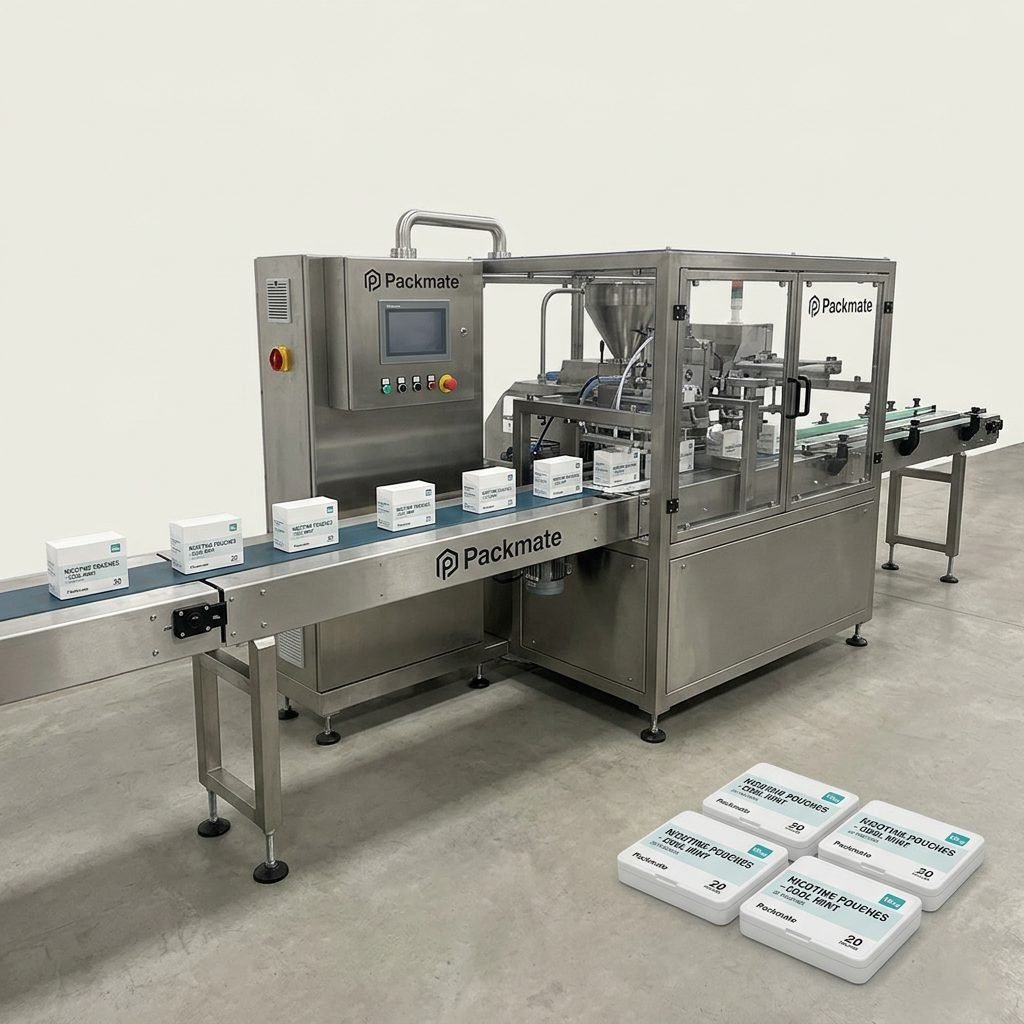
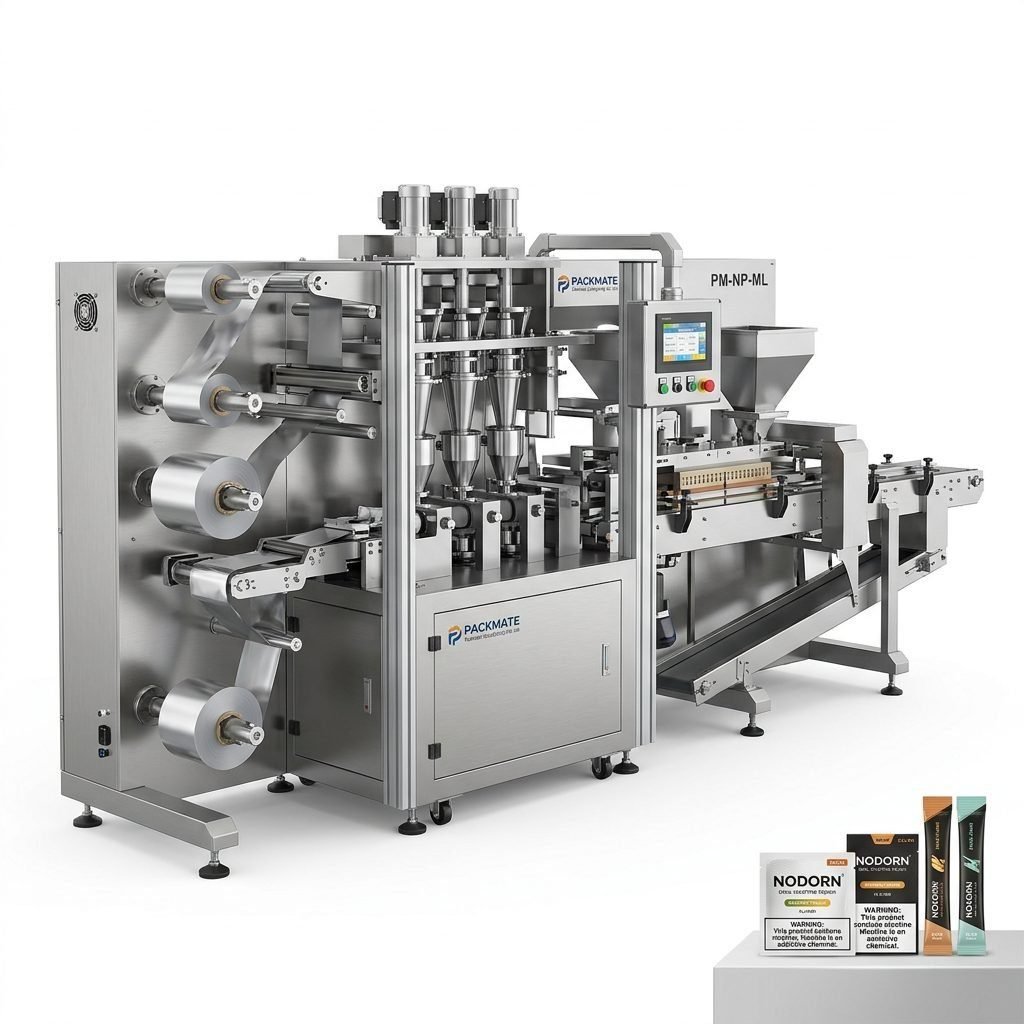
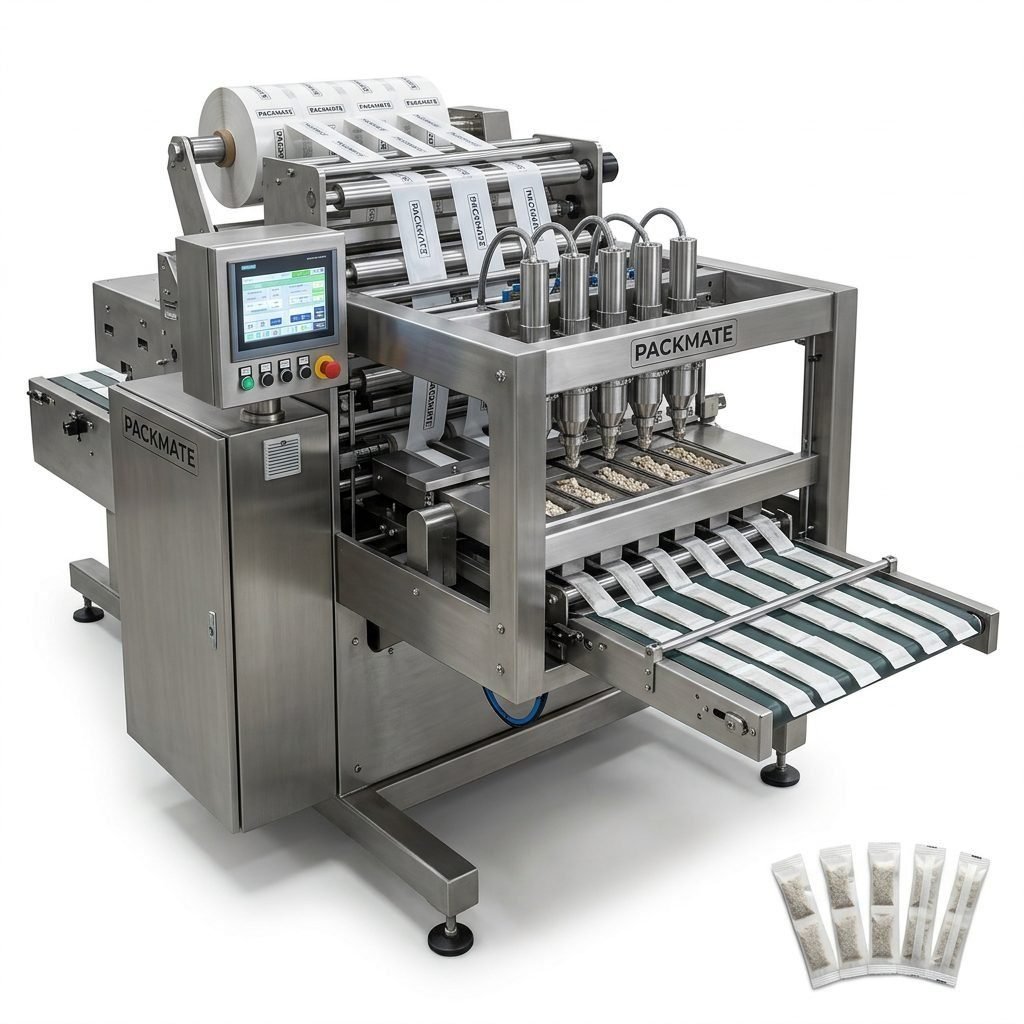
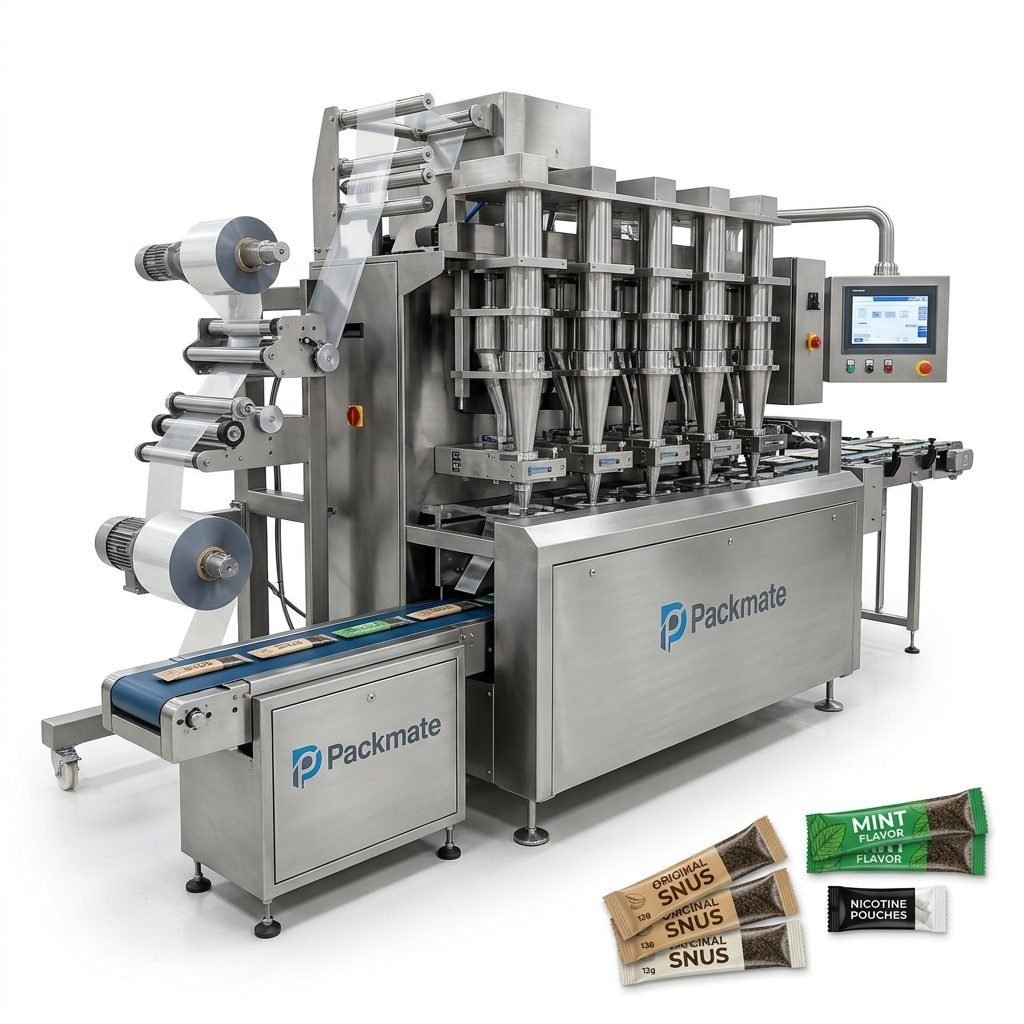
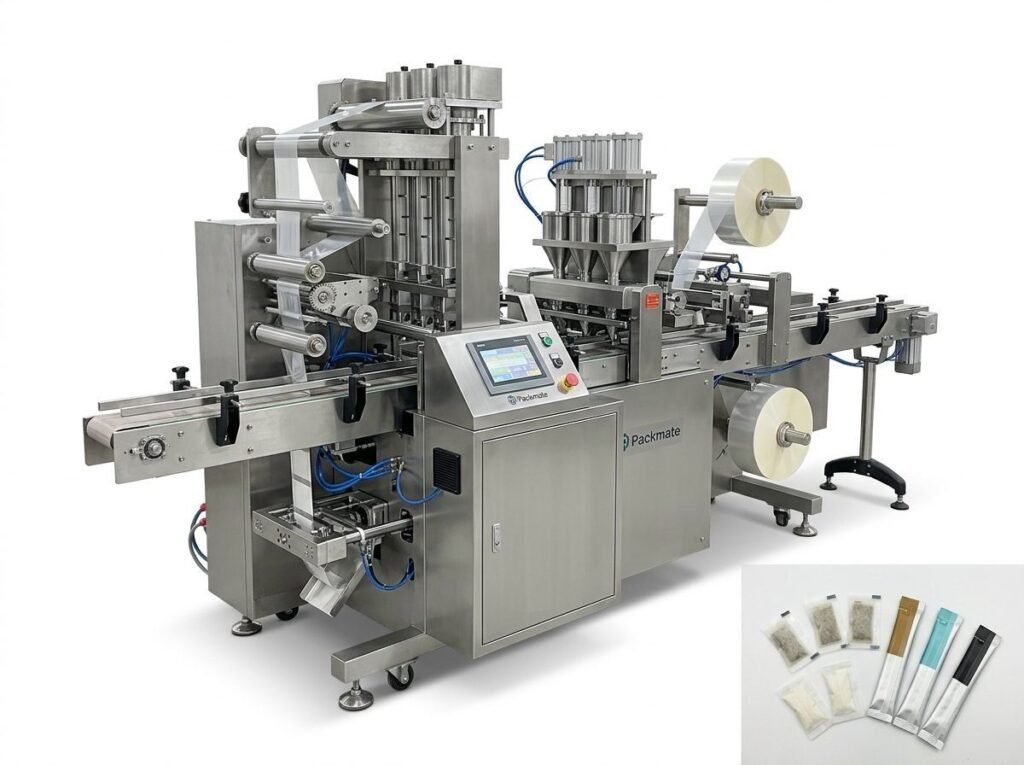
• Multi-lane snus packaging machines — designed specifically for small-dose snus and nicotine pouches, these systems multiply lanes to achieve high rates while maintaining dosing precision. Explore specialized snus & nicotine packaging machines for more details.
Capacity, Speed, and Scalability
Set your target capacity realistically. Consider planned growth over the next 2–5 years: machines that handle 50–100 pouches/minute per lane can be scaled by adding lanes or integrating multiple machines. Multi-lane options are often the most space-efficient path to higher throughputs.
Practical tip ⚙️: Choose machines with modular designs to allow future capacity upgrades without replacing the entire line.
Accuracy and Dosing Systems
For nicotine pouches and small-dose formats, dosing accuracy is critical for regulatory compliance and customer satisfaction. Weighing & packaging systems with precision dosing or multi-head weighers provide repeatable fills, while volumetric or auger systems can suit powders and granules depending on flow characteristics.
Material Compatibility and Machine Construction
Machine contact parts should be constructed from food-grade stainless steel (commonly 304 or 316 depending on corrosiveness) and designed for easy cleaning. If your product contains oils or sticky components, consider special coatings or enhanced cleaning cycles.
Durability matters: robust frame, precision CNC-machined components, and reputable electrical controls reduce downtime and extend machine life. Manufacturer experience and factory capabilities—such as Packmate’s advanced CNC and assembly systems—are indicators of build quality.
Automation, Integration, and Controls
Modern snus packaging lines offer PLC-based controls, HMI touchscreens, recipe management, and remote diagnostics. Integration with upstream filling systems and downstream sealing, cartoning, or case packing equipment creates a continuous automated line that reduces manual handling and increases yield.
Integration checklist 🛠️:
Does the supplier provide turnkey lines (filling, dosing, pouch forming, labeling)? Can the PLC integrate with your factory MES? Is remote support available?
Regulations and Certifications
Packaging machines used for nicotine products must align with local and international safety and hygiene standards. Look for CE and ISO certifications as baseline assurances. Machines with traceability features and easy-to-document changeovers will simplify compliance and audits.
Local Support, Spare Parts, and After-Sales Service
In Benin, timely access to spare parts and technical service is essential. Choose suppliers that provide global support networks or local partners. Evaluate the vendor’s training programs, spare parts availability, and warranty terms. Packmate’s global exhibitions and service pages often highlight support capabilities and real-world case performance; check their Service and Case references when evaluating suppliers.
Logistics and Installation Considerations in Benin
Shipping large machines to Benin may involve multi-modal transport, customs clearance, and local installation teams. Confirm supplier experience with African shipments, typical lead times, and whether the equipment is shipped as modules for easier inland transport. Installation, commissioning, and on-site training are critical services to include in the purchase contract.
Total Cost of Ownership (TCO)
Evaluate beyond the machine price; consider energy consumption, maintenance frequency, consumables, and expected lifetime. A slightly higher upfront investment in a more reliable machine can produce lower TCO through reduced downtime, better yields, and less frequent part replacements.
Cost tip 📦: Ask for a breakdown of spare part costs and a preventive maintenance schedule. Machines designed for easy tool-free cleaning and quick mold changes lower labor costs and shorten changeover downtime.
Customization and Flexibility
Your brand or product mix might require custom pouch sizes, special sealing patterns, or integrated printing and serialization. Select a supplier who offers customization and demonstrates prior experience with similar requirements. Look at their product catalog and case studies to confirm capabilities; Packmate’s product categories such as Filling & Packaging Lines and Bag & Pouch Packaging Machines provide relevant examples.
Factory Acceptance Test (FAT) and Site Acceptance Test (SAT)
A FAT conducted at the manufacturer’s facility verifies machine performance before shipping. Ensure the FAT covers speed, dosing accuracy, and packaging integrity. After installation in Benin, SAT confirms performance in actual production conditions. Document acceptance criteria and penalties for missed targets to protect your investment.
Choosing the Right Manufacturer
Evaluate the vendor’s track record: years in industry, factory size, quality systems, and global references. Consider visiting the manufacturer or requesting virtual factory tours. Packmate’s 30+ years of engineering experience and 20,000㎡ manufacturing facility indicate strong in-house production and R&D capability. You can learn more About Packmate to assess alignment with your needs.
Payment Terms, Lead Times, and Contract Details
Negotiate clear payment milestones (deposit, pre-shipment, and final payment after SAT). Confirm lead times for standard machines versus custom designs. Include clauses for delays, spare parts supply, and training. A clear contract reduces risks and keeps your project on schedule.
Real-World Examples and Use Cases
Successful projects often combine suitable machine technology with strong supplier support. Look for case studies where suppliers handled multi-lane snus lines, turnkey filling and packaging solutions, and long-term service commitments. Reviewing real cases helps you understand expected outcomes and potential pitfalls — explore supplier Case pages for reference.
Quick checklist ✓
Define product specs, set capacity targets, select machine type, confirm dosing accuracy, verify materials and certifications, evaluate TCO, arrange FAT/SAT, and secure local support.
Where to Start: Practical Next Steps for Benin Buyers
1) Prepare a clear specification sheet listing product attributes, pouch sizes, desired speed, and environmental conditions. 2) Request quotes from multiple suppliers and compare not only price but also lead time, warranty, spare parts strategy, and service options. 3) Ask for references in similar markets and request a FAT demonstration. 4) Plan for installation logistics, customs, and local training.
Useful supplier resources
Browse product categories to match technology to your needs: Snus & Nicotine Packaging Machines, Sachet & Stick Pack Machines, and Filling & Packaging Lines. For supplier background and capabilities, see About Packmate. When you’re ready to discuss specifics, use the Contact Us page to request quotes and FAT arrangements.
Final Selection Tips
– Prioritize machines with a proven track record for snus and nicotine pouch production.
– Favor modular designs and robust local support.
– Ensure the machine supplier agrees on clear acceptance criteria and provides comprehensive documentation and training.
– Consider total lifecycle costs and plan for spare parts and preventive maintenance.
Bottom line: Selecting the best snus packaging machine for Benin requires aligning product needs, throughput goals, regulatory compliance, and after-sales support. Investing time in planning and supplier due diligence pays off with reliable production and reduced long-term costs.
Frequently Asked Questions
Q1: What machine type is best for small nicotine pouches?
A1: Multi-lane snus packaging machines are typically best for small nicotine pouches because they offer high throughput and precise dosing while saving floor space.
Q2: How important is FAT before shipping?
A2: FAT is essential. It proves machine performance under manufacturer conditions and prevents surprises at installation. Always define acceptance criteria and test with your product if possible.
Q3: Are customizations expensive?
A3: Customization adds cost but provides product-fit and efficiency. Choose modular vendors who can offer phased upgrades to manage costs.
Q4: How do I ensure spare parts availability in Benin?
A4: Negotiate spare parts lead times and local stocking options in your contract. Prefer manufacturers with global logistics and regional partners.
Q5: What certifications should I look for?
A5: CE and ISO certifications are important baselines. Also check hygiene and food-safety compliance relevant to nicotine and consumable packaging.