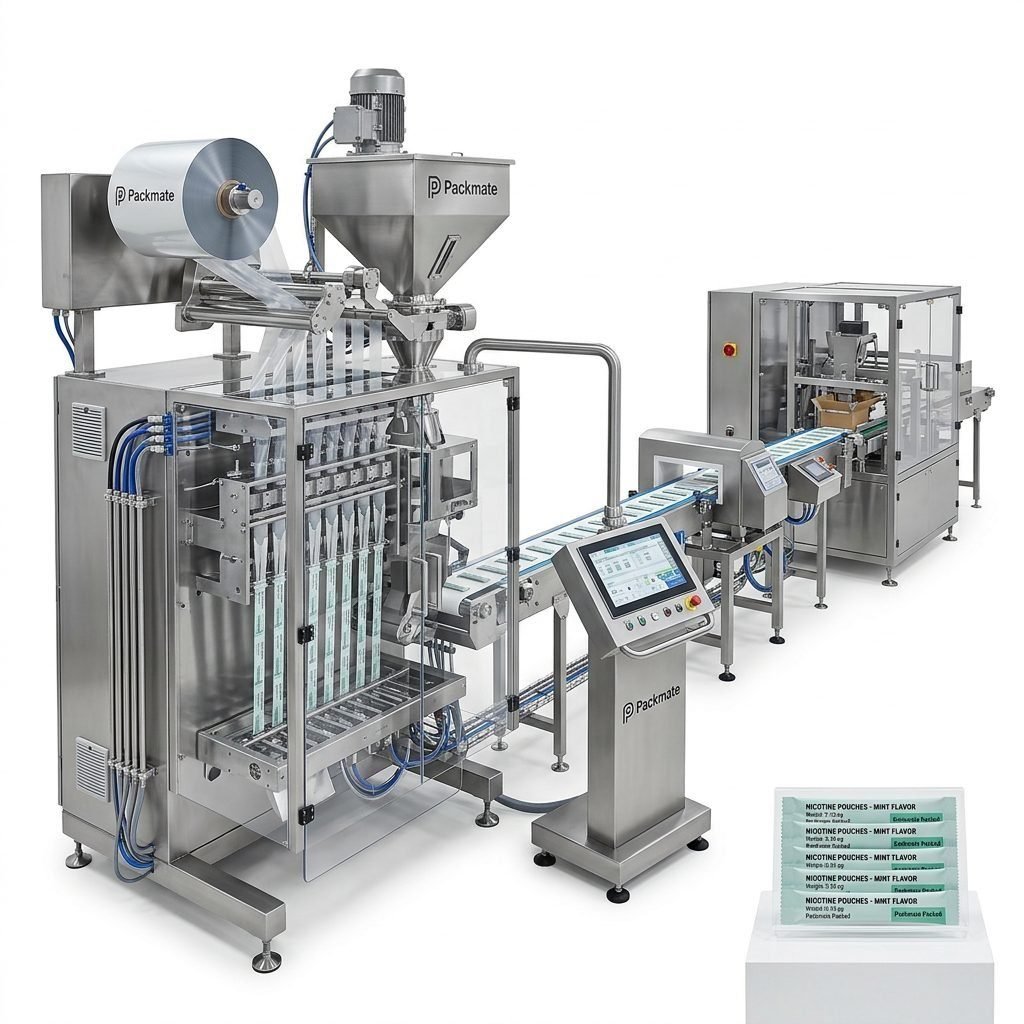
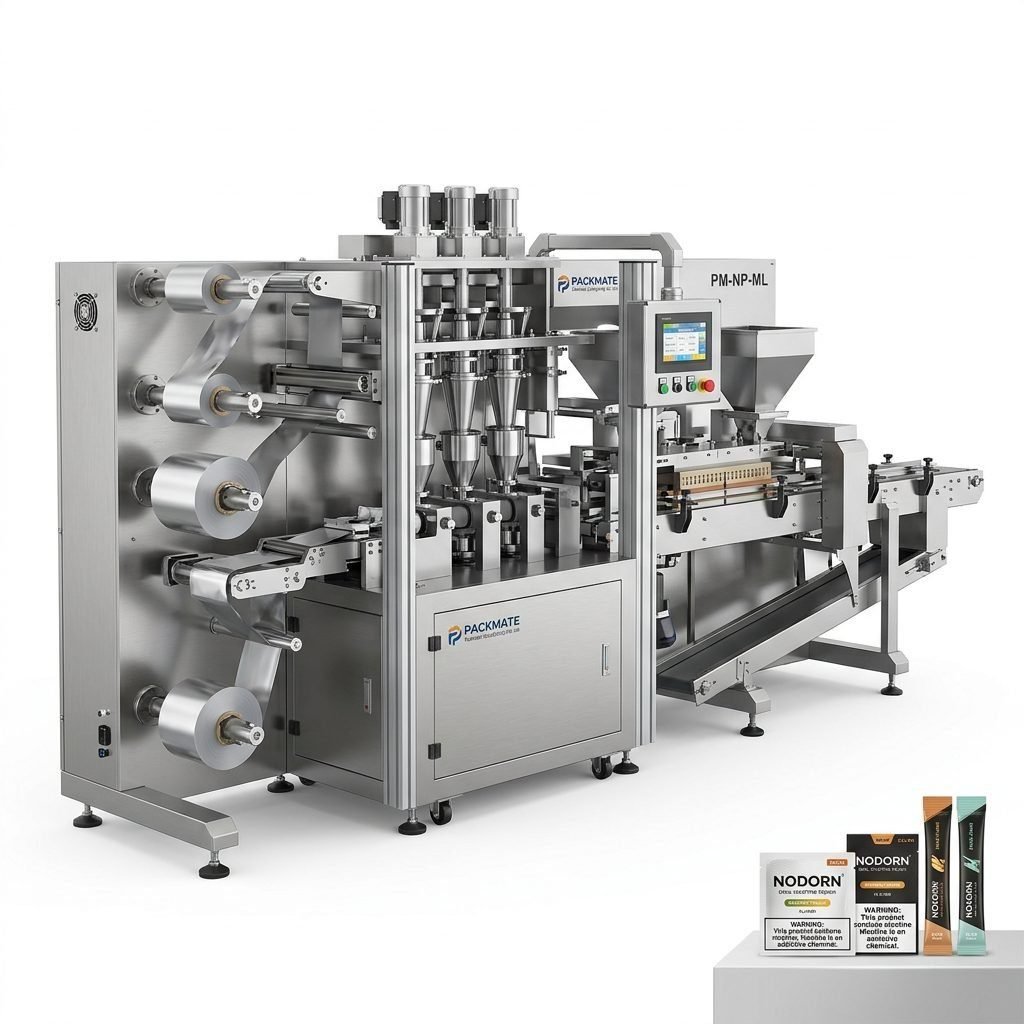
Choosing the right snus packaging machine manufacturer for your business in Russia is one of the most important decisions you will make when scaling production. A well-chosen partner not only supplies reliable equipment, but also reduces downtime, improves product quality, and optimizes your total cost of ownership. This guide will walk you through practical, actionable steps to evaluate manufacturers, compare proposals, and select a supplier that aligns with your technical needs and business goals.
Why the Manufacturer Choice Matters
In the snus and nicotine pouch market, packaging precision, machine uptime, and regulatory compliance are non-negotiable. A reliable manufacturer delivers machines that run consistently at target speeds, ensures consistent pouch weight and seal quality, and supports compliance with international standards. Choosing the wrong supplier can lead to frequent production stoppages, expensive repairs, and delayed market deliveries.
Top outcomes of picking the right partner
✅ Faster time-to-market with turnkey solutions
⚙️ Higher equipment reliability and longevity
📈 Better ROI through optimized production layouts and energy-efficient designs
Key Factors to Evaluate When Choosing a Manufacturer
Use the checklist below to compare manufacturers objectively. Each point represents an area where differences in engineering, service, and corporate strength will affect your long-term operations.
1. Industry Experience & Specialization
Look for manufacturers with proven experience in snus, nicotine pouches, and small-dose pouch packaging. A supplier with decades of product-specific engineering will have solved many production challenges already. For example, a company with 20,000㎡ factory capacity and over 30 years of engineering background demonstrates scale and maturity.
2. Product Range & Customization
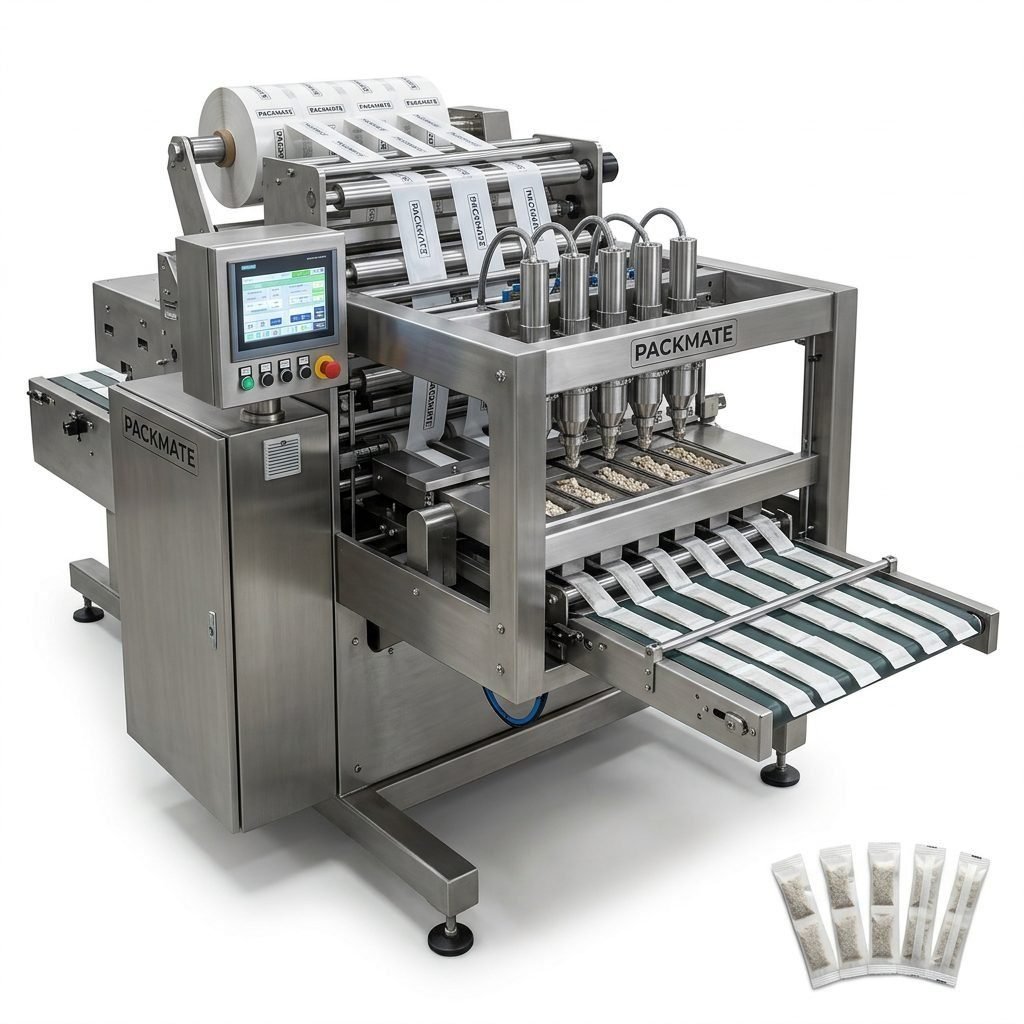
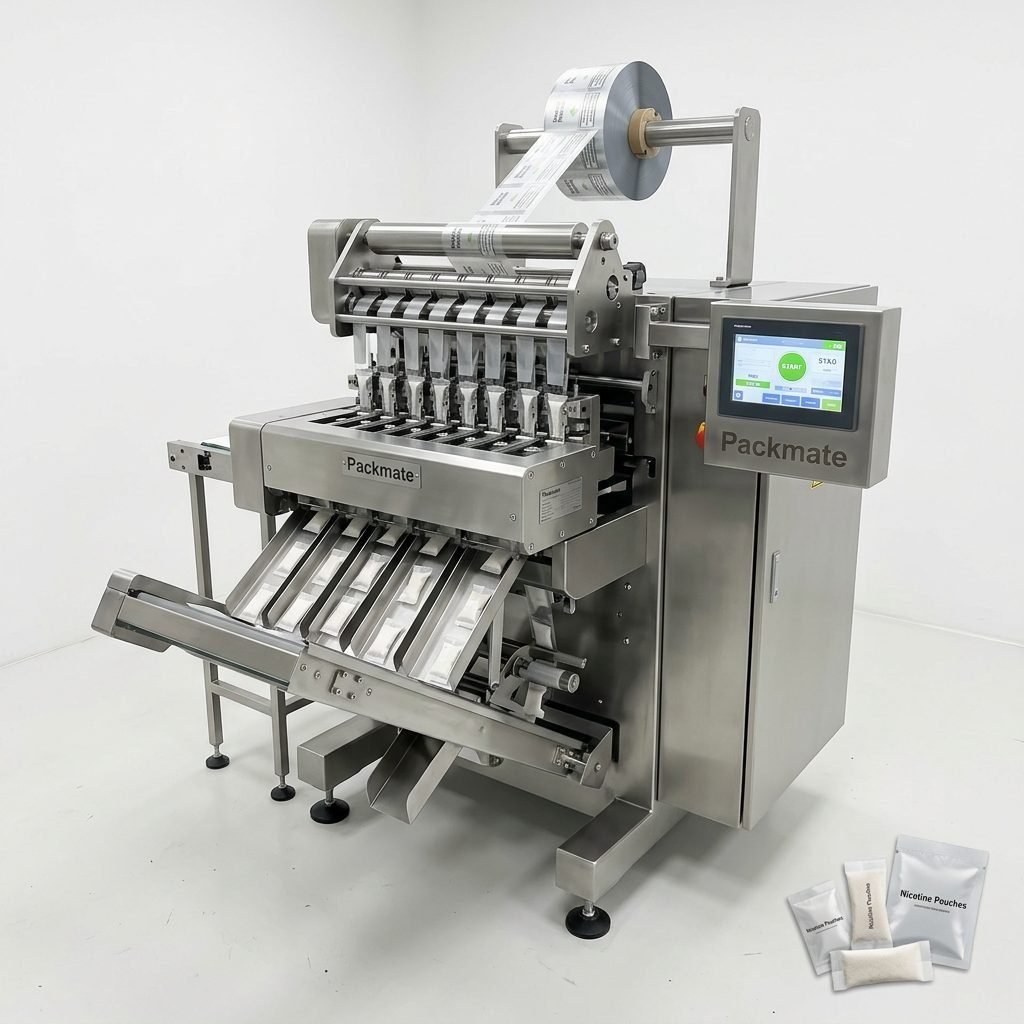
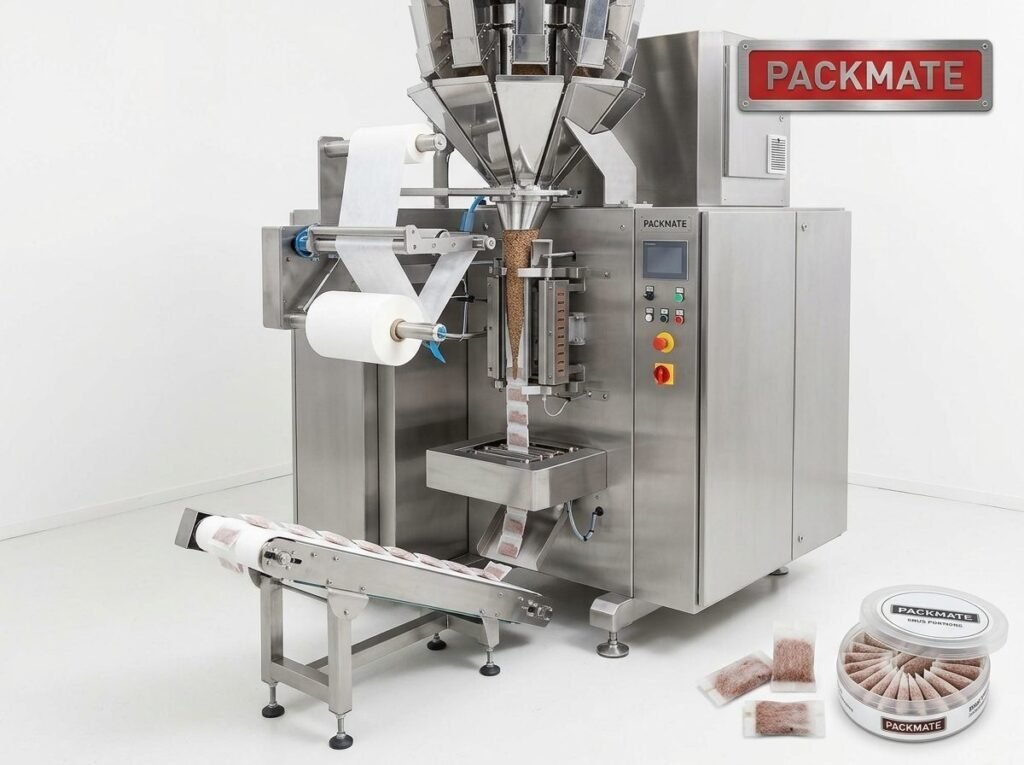
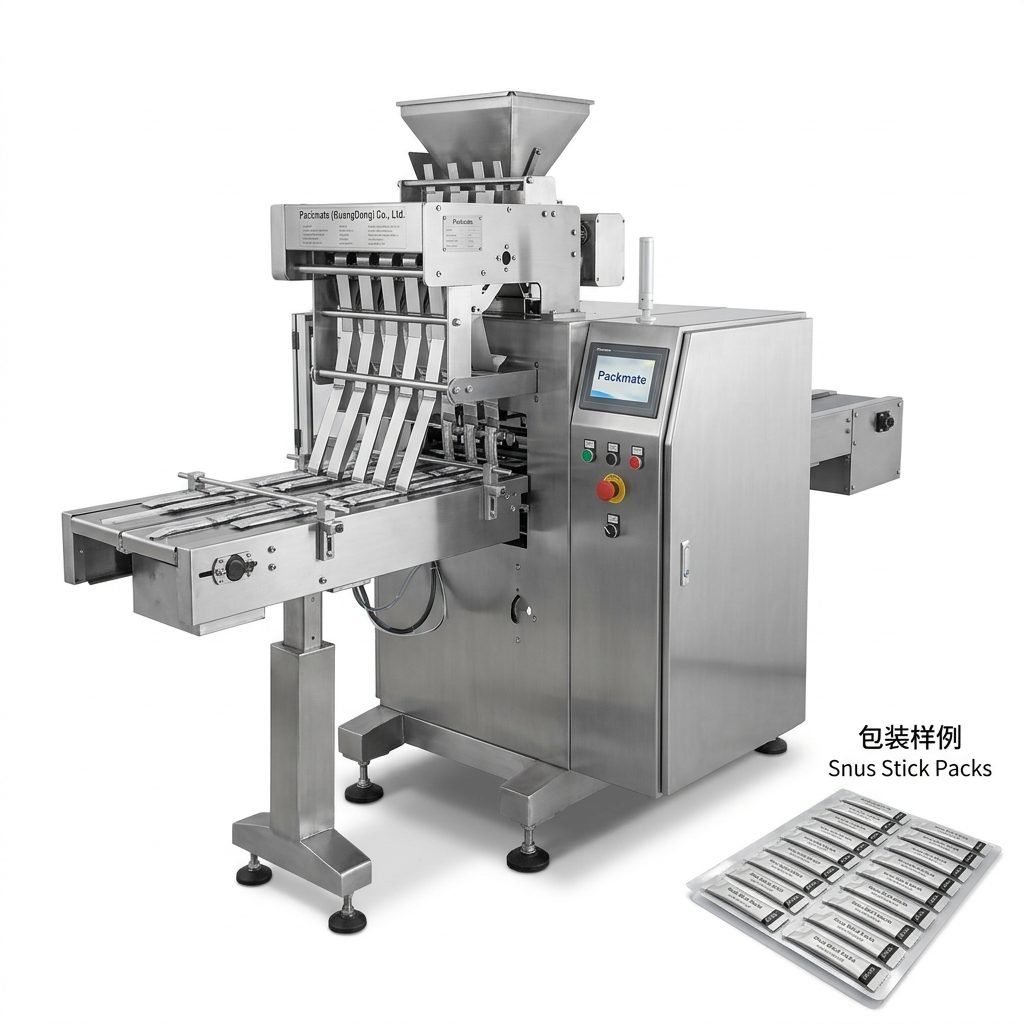
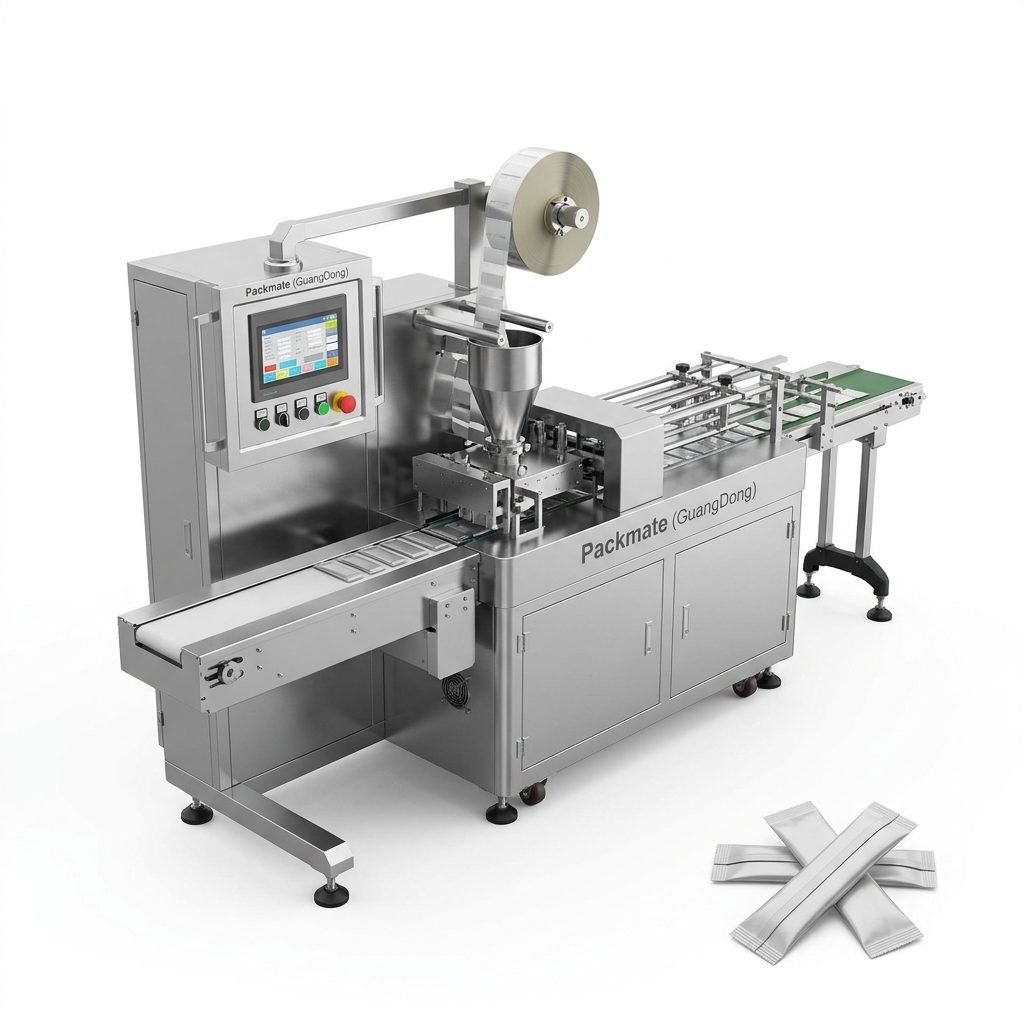
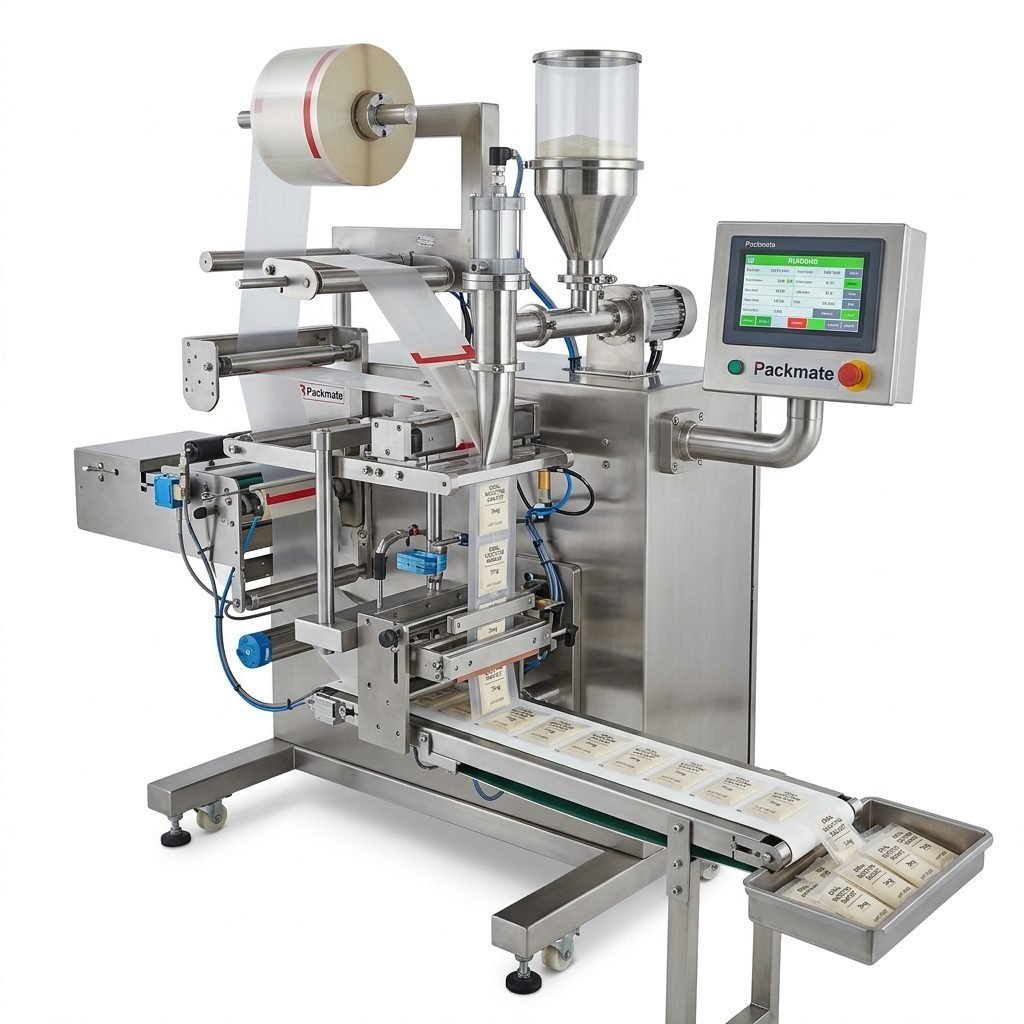
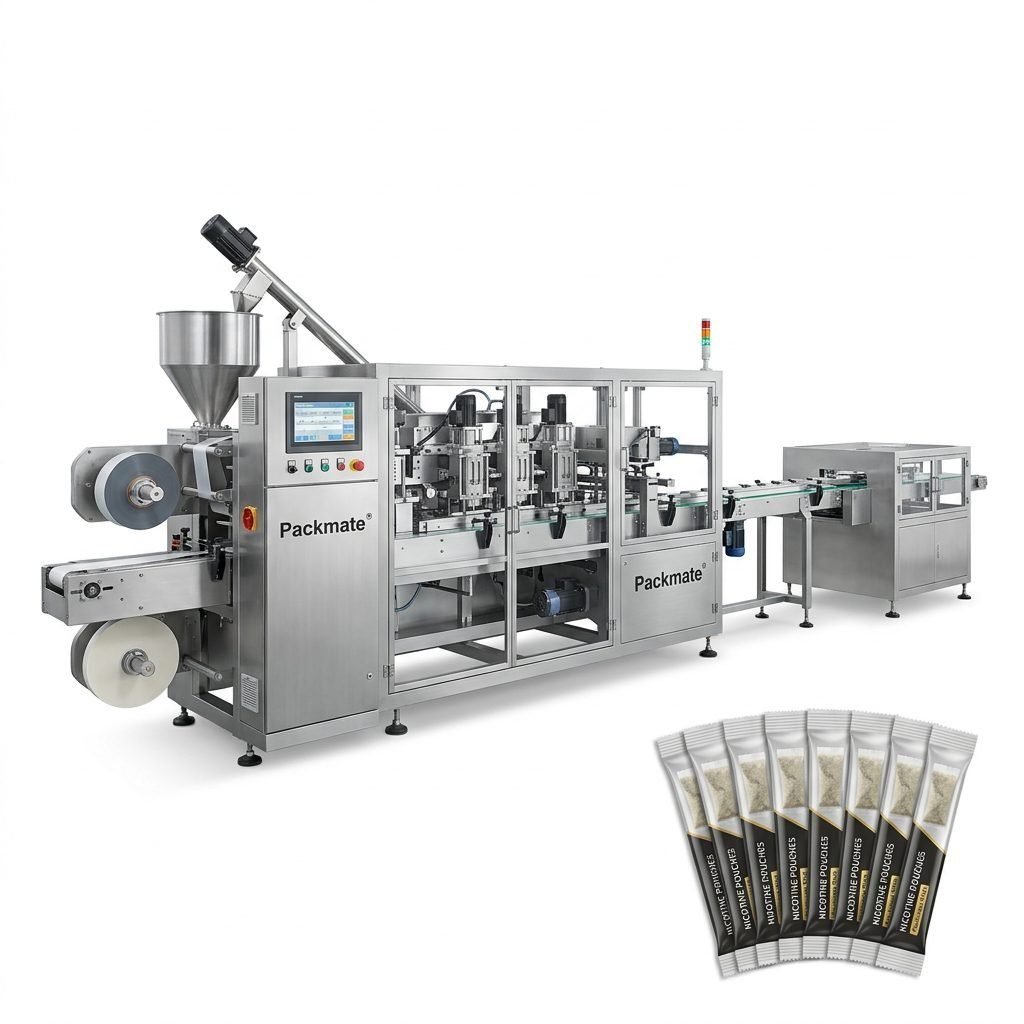
Ensure the supplier offers a range of machine types (stick pack, sachet, multi-lane systems) and can customize machine configurations for your pack formats and production speeds. Review the manufacturer’s model lineup and ask for case examples of similar installations. Useful links: Snus & Nicotine Packaging Machines, Bag & Pouch Packaging Machines.
3. Factory & Manufacturing Strength
Inspect the manufacturer’s production capabilities: CNC machining centers, assembly lines, testing zones, and production space. A well-equipped factory ensures consistent part quality and timely assembly. If possible, request a virtual factory tour or recorded walkthrough of assembly processes and quality checks.
4. Certifications & Compliance
International certifications such as CE and ISO indicate adherence to safety and quality standards. These are important for importing machines into Russia and for keeping insurance and compliance paperwork straightforward. Ask for copies of certificates and ask whether machines can be adapted for local regulations.
5. After-Sales Service & Spare Parts
Confirm availability of service engineers, spare parts lead times, and training options. A strong supplier offers remote troubleshooting, local technical partners, and spare parts kits. Verify service SLA commitments and whether they provide installation supervision and operator training.
Technical Criteria to Compare
When evaluating technical proposals, focus on performance metrics that determine production stability and final product quality.
Speed & Throughput
Confirm nominal and guaranteed throughput at your specific pouch format and filling weights. Ask for in-line testing data and real-case throughput from existing clients. Beware of quoted top speeds that are not achievable with your product characteristics.
Accuracy & Consistency
Check dosing precision, pouch weight variance, and seal integrity rates. Small-dose products require precise dosing systems — look for multi-head weighers or volumetric solutions optimized for nicotine pouches.
Changeover & Flexibility
For businesses with multiple SKUs, short and user-friendly changeovers reduce downtime. Evaluate tooling costs, changeover time, and whether the control system stores multiple recipes for rapid transitions.
Important: Request a demonstration video of the exact machine model running the same pouch format and product weight you’ll use. Videos plus data logs are the most reliable proof of machine capability.
Commercial & Contract Considerations
Beyond technical specs, the commercial terms shape long-term satisfaction and financial outcomes.
Total Cost of Ownership (TCO)
Compare initial price with running costs: energy consumption, maintenance hours per month, spare parts pricing, and expected lifetime. A higher upfront investment from a reputable supplier can mean lower TCO through fewer failures and higher uptime.
Warranty & Service Contracts
Clarify warranty scope, reporting procedures, remote support availability, and costs for extended service contracts. A clear escalation path and defined SLA response times are essential. Confirm whether installation and commissioning are included.
Payment Terms & Lead Times
Negotiate payment milestones tied to milestones such as FAT (factory acceptance test), shipping, and commissioning. Understand realistic lead times — including machining, assembly, and testing — and build contingency into your project schedule.
How to Verify a Manufacturer Remotely (When Travel Is Limited)
Remote verification can be thorough if you request the right evidence and use structured checks.
- Ask for detailed video demos including close-ups of critical subsystems (dosing, sealing, cut/trim).
- Request FAT documentation and machine electrical & pneumatic diagrams.
- Check references and ask to speak with past customers (ideally in similar markets).
- Review case studies and photos of installed lines. Example: Case.
- Request a list of spare parts included at handover and recommended spare parts inventory levels.
Making the Final Selection: A Practical Checklist
Use this buyer checklist to make a final decision:
🔍 Technical demo with your product simulated or shipped test sample
📄 Signed FAT procedure and acceptance criteria
📦 Spare parts list and recommended inventory
🛠 Warranty and service SLA details in the contract
💬 Customer references and documented case studies
Why Packmate Snus Machine Is a Strong Candidate
When evaluating suppliers, you can consider manufacturers that combine deep snus-specific experience with factory capacity and full-line offerings. For example, a mature supplier in this field typically provides:
- 30+ years of engineering experience and a broad model range
- 20,000㎡ manufacturing footprint with advanced CNC and assembly systems
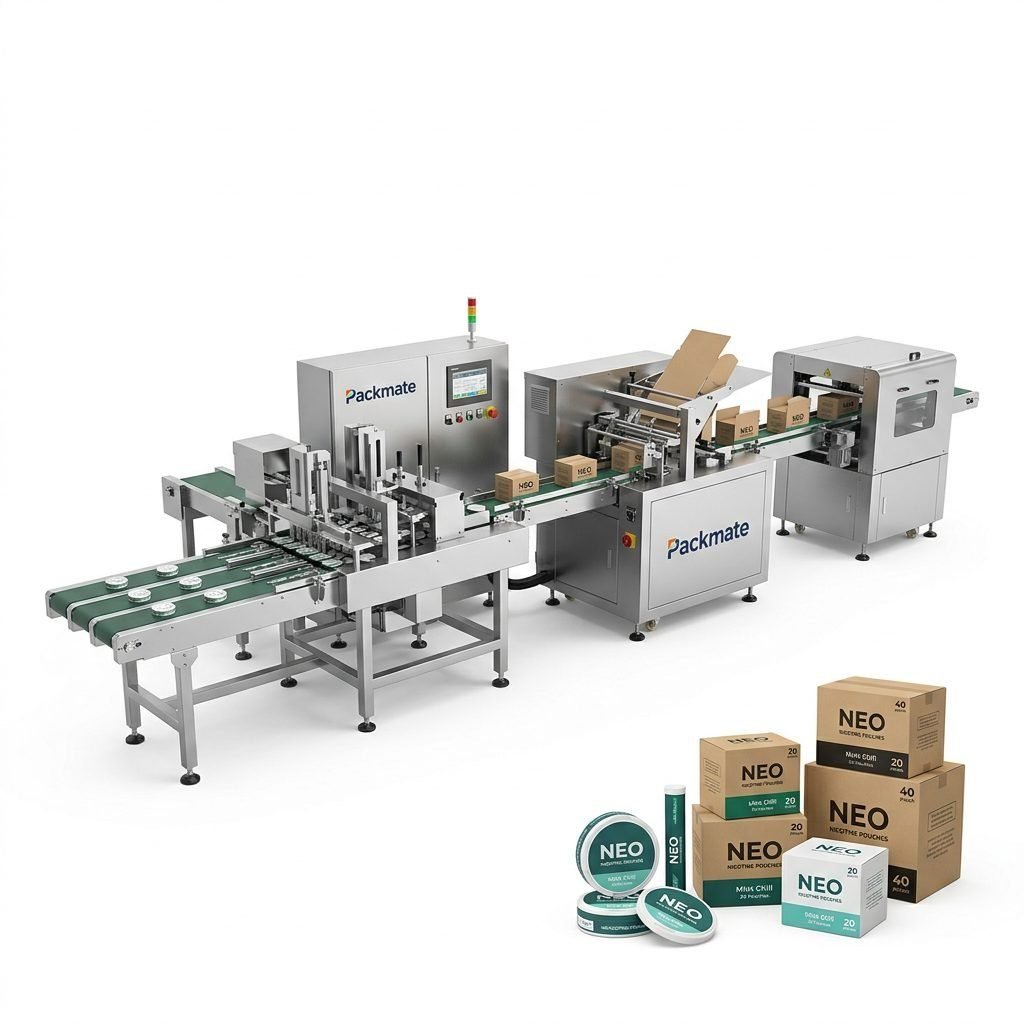
- Turnkey lines including stick pack, sachet, multi-lane solutions and auxiliary equipment
- CE/ISO compliance and documented global installations
Explore detailed product categories such as Snus & Nicotine Packaging Machines, Sachet & Stick Pack Machines, and About Packmate for manufacturer background and product specifications.
Negotiation Tips & Red Flags
Negotiate with clarity on deliverables and avoid hidden costs. Watch for warning signs that can predict future problems:
- Red flag: Vague warranty terms or no clear service commitments.
- Red flag: Refusal to demonstrate machine performance with your product.
- Good practice: Tie a portion of payment to FAT pass and successful commissioning.
- Good practice: Include spare parts and operator training in the contract.
Implementation & Commissioning Best Practices
Plan installation and commissioning with clear responsibilities. Recommended steps:
- Pre-shipment FAT with recorded video and signed checklist.
- Initial site readiness evaluation (utilities, floor loading, emissions).
- On-site commissioning with supplier engineer and local technician training.
- Production ramp-up plan with sample approval and quality checks.
- Post-commissioning support schedule and spare parts delivery timeline.
📞 Need a quick next step? Contact the supplier to request a FAT checklist and a list of nearby installations you can reference — this will speed your decision-making and reduce risk.
Conclusion
Selecting the best snus packaging machine manufacturer for your Russian operation requires a mix of technical verification, commercial diligence, and careful planning for commissioning and service. Prioritize suppliers with proven snus expertise, robust manufacturing capabilities, clear certificates, and a transparent after-sales ecosystem. By using a structured checklist — technical demos, FAT records, references, and clear SLAs — you can reduce risk and choose a partner that supports your growth for years to come.
Frequently Asked Questions (FAQs)
1. How long does it typically take from order to commissioning?
Typical lead times vary by machine complexity and customization, but expect anywhere from 16 to 28 weeks for standard lines including FAT. Custom turnkey projects can extend beyond that — always confirm a detailed schedule in your contract.
2. What documents should I ask for before purchase?
Request the machine specification sheet, FAT procedure, CE/ISO certificates, electrical and pneumatic diagrams, spare parts list, and references from recent installations. If remote, ask for recorded FAT and machine demo videos.
3. Can manufacturers run tests with my actual snus or nicotine pouch formulation?
Many manufacturers will run tests with shipped samples or simulate the product if shipping is restricted. Confirm sample testing procedures and whether test runs are recorded and shared as part of FAT documentation.
4. What after-sales support should I require?
Require remote technical support, spare parts availability within agreed lead times, optional on-site service, and operator training. Include clear SLA response times and escalation paths in the purchase agreement.
5. Where can I find more product and company information?
Explore product categories, case studies, and company background at the manufacturer’s site — for example, review detailed product lines such as Filling & Packaging Lines or reach out via the Contact Us page for a tailored consultation.