Choosing the right snus packaging machinery for production in Iceland requires balancing product quality, local regulation, production volume, and long‑term operational costs. This guide will walk you through the practical steps and decision points to select the best machine or complete production line for snus and nicotine pouches — from single‑lane sachet systems to high‑speed multi‑lane lines — with targeted advice for Icelandic producers and importers.
Understand the Icelandic Market and Regulatory Context
Iceland’s market for snus and nicotine pouches is shaped by strict tobacco and nicotine regulations, public health policies, and a relatively small domestic population. Before selecting machinery, confirm the legal classification of your product, labeling requirements, and any specific packaging material restrictions imposed by Icelandic authorities. Machines that support accurate ingredient labeling, batch code printing, and tamper‑evident options are often required to meet compliance and retailer expectations.
Key considerations
✔️ Production scale: Are you planning small‑batch artisanal production or continuous high‑volume output?
✔️ Compliance features: Does the equipment support serialization, batch printing, and traceability?
✔️ Material choices: Can the machine handle the pouch films and barrier laminates suited for nicotine pouches?
Match Machine Type to Product Format
Snus and nicotine pouches may be packaged in pouches, stick packs, sachets, or multi‑pouch trays. Selecting the right machine depends on the pouch type and presentation you want to achieve.
Sachet and Stick Pack Machines
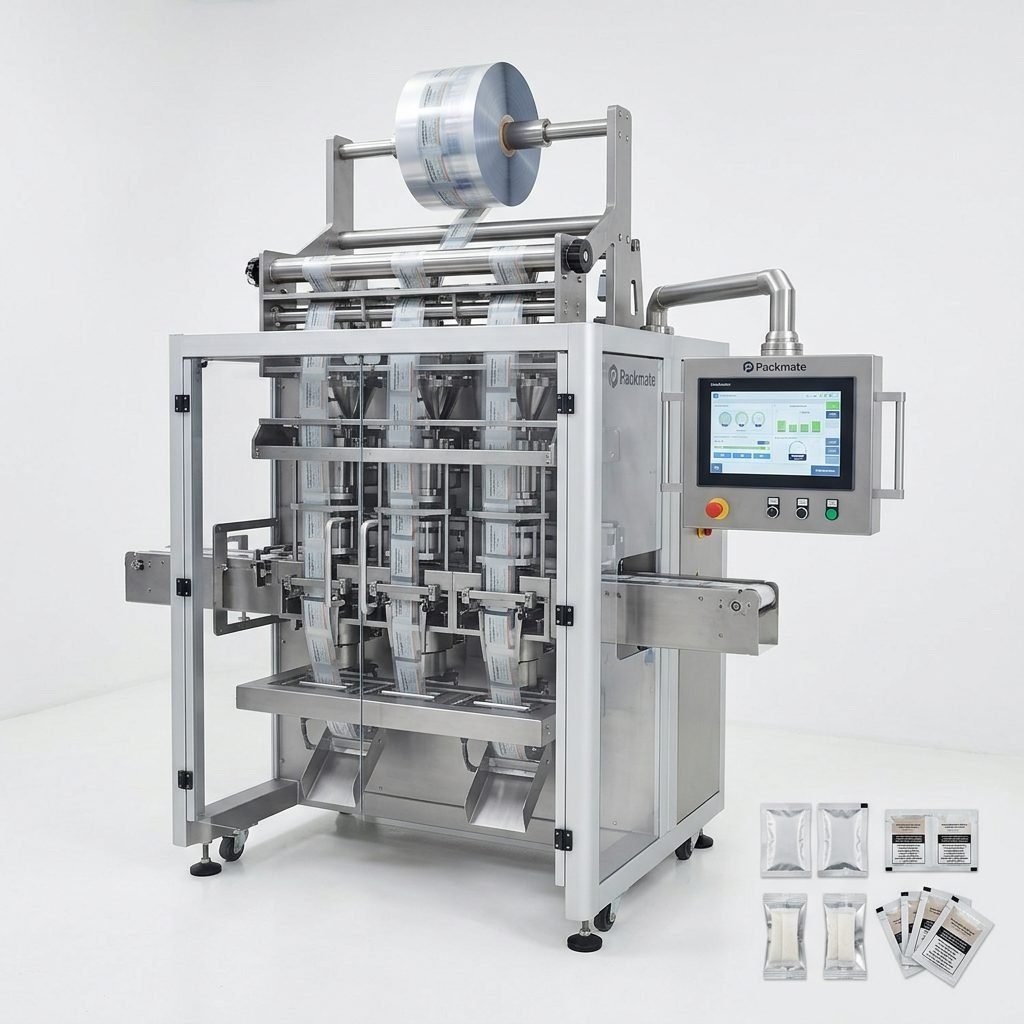
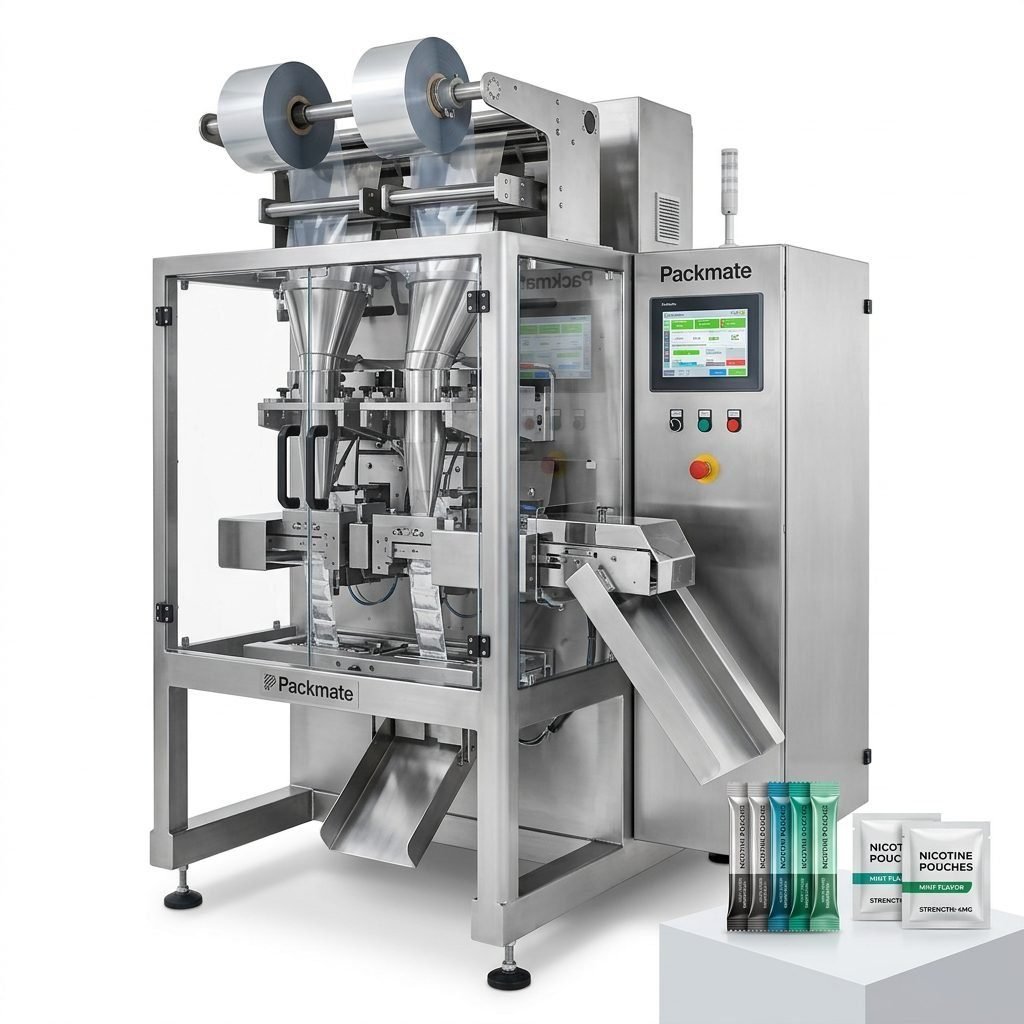
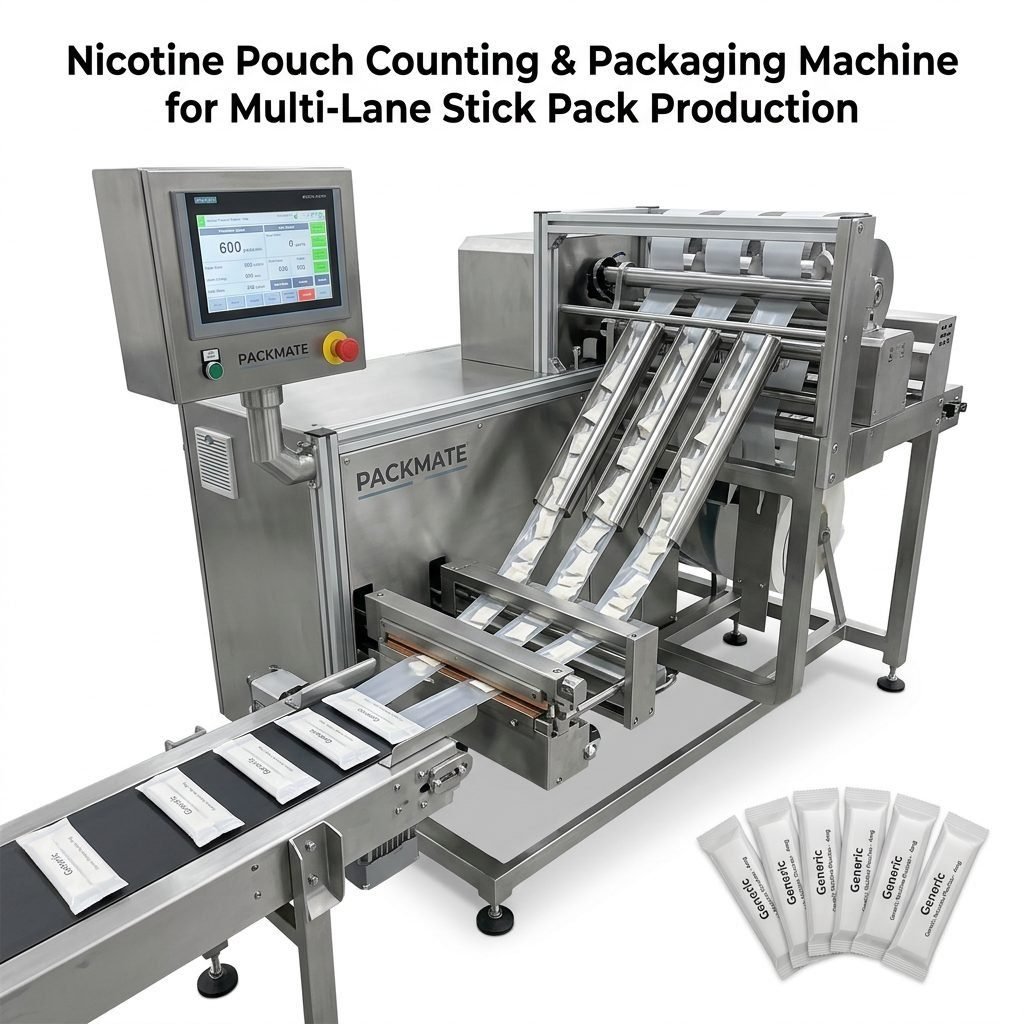
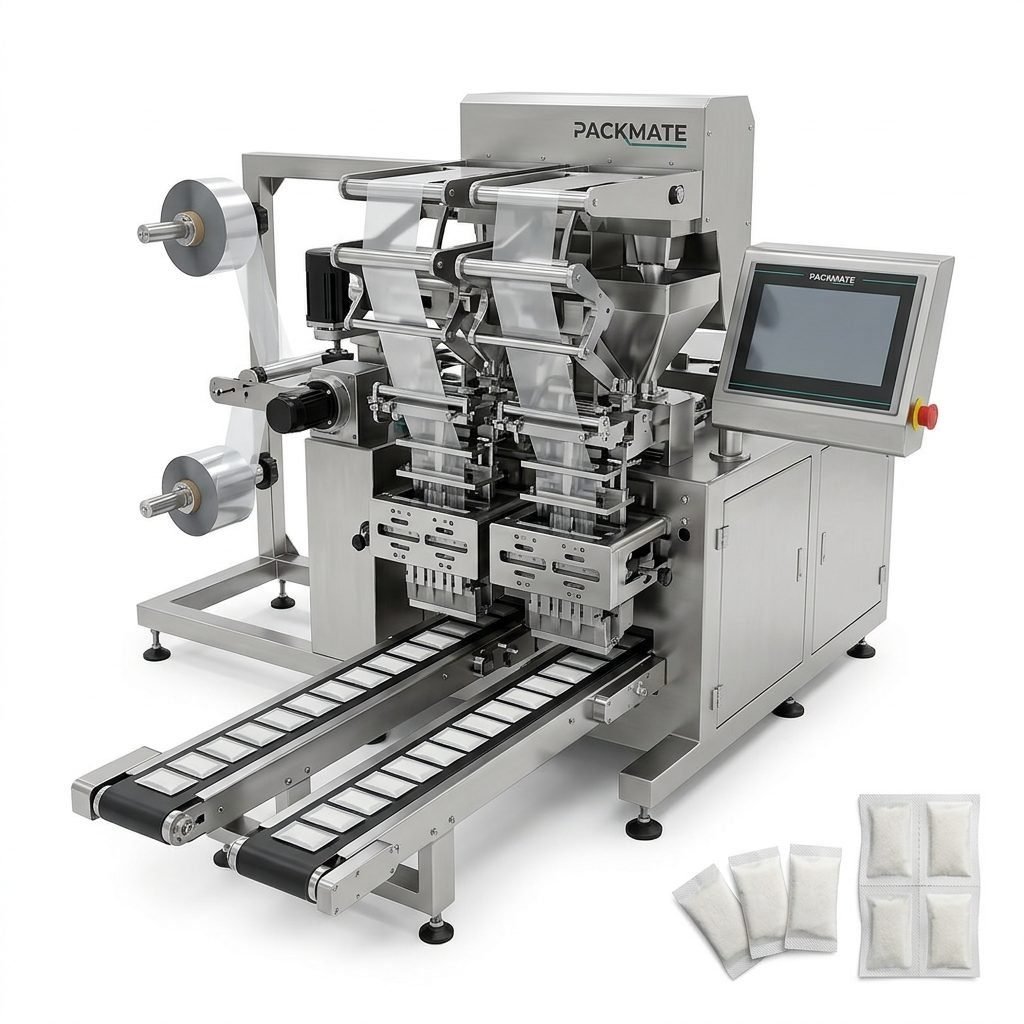
For single-dose or stick style presentation, sachet and stick pack machines are compact and flexible. They are ideal for low to medium speed production and provide precise dosing for powders and micro‑dose nicotine formulations. If you need versatile formats, evaluate sachet & stick pack machines that allow rapid changeovers.
Multi‑Lane High Speed Pouch Lines
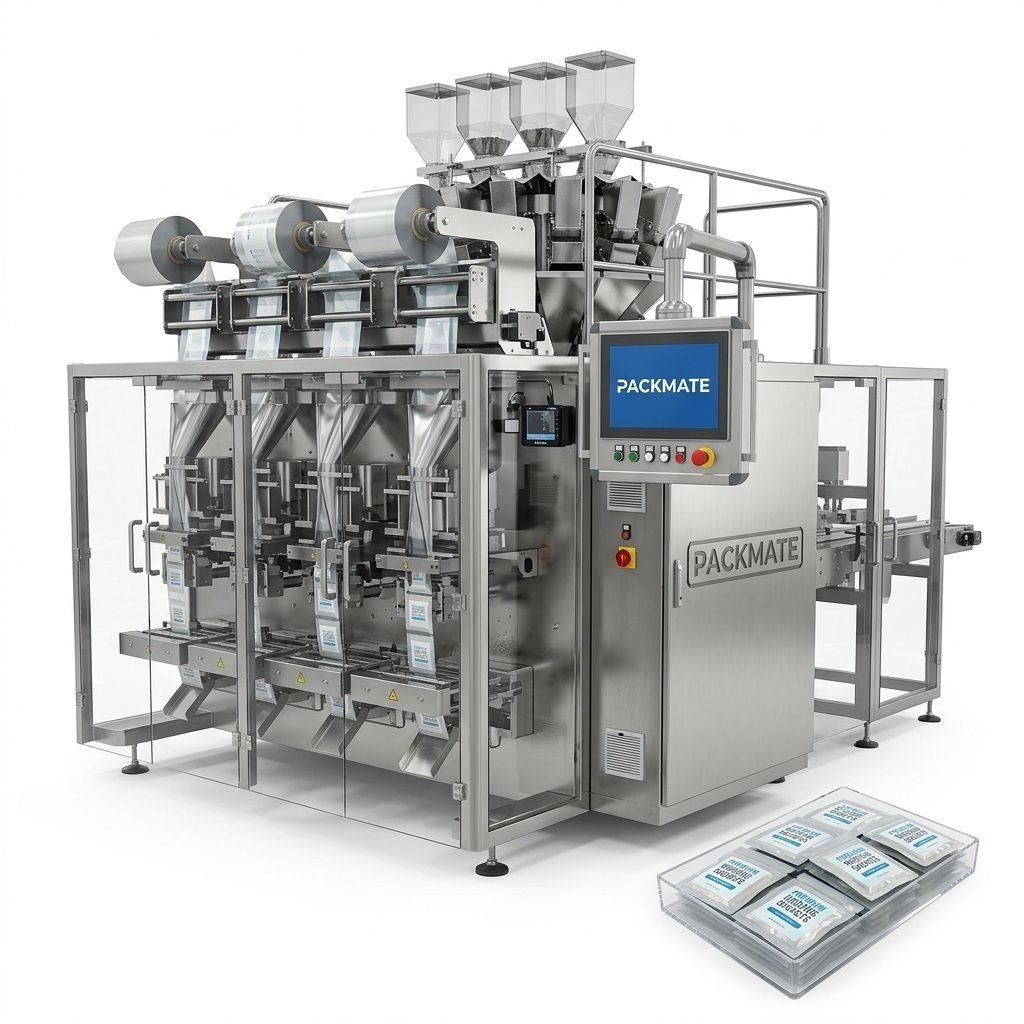
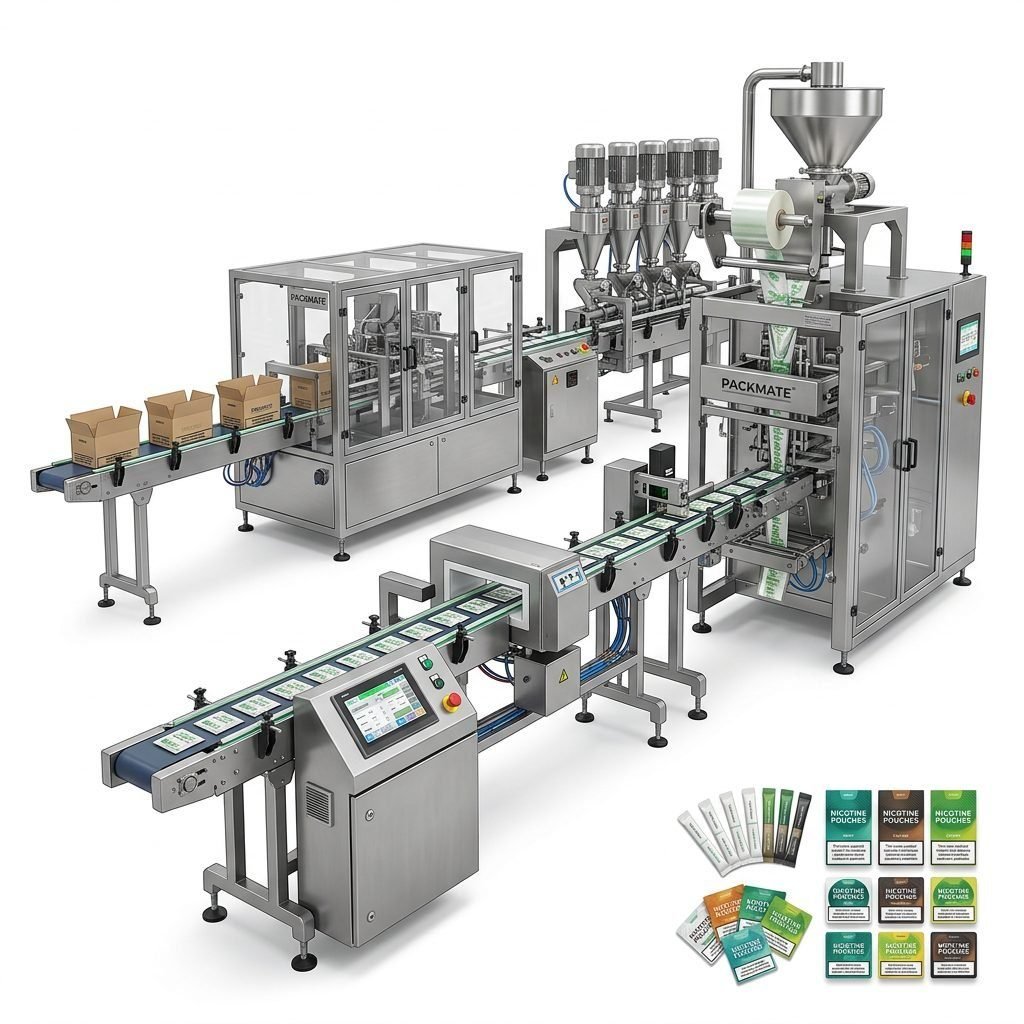
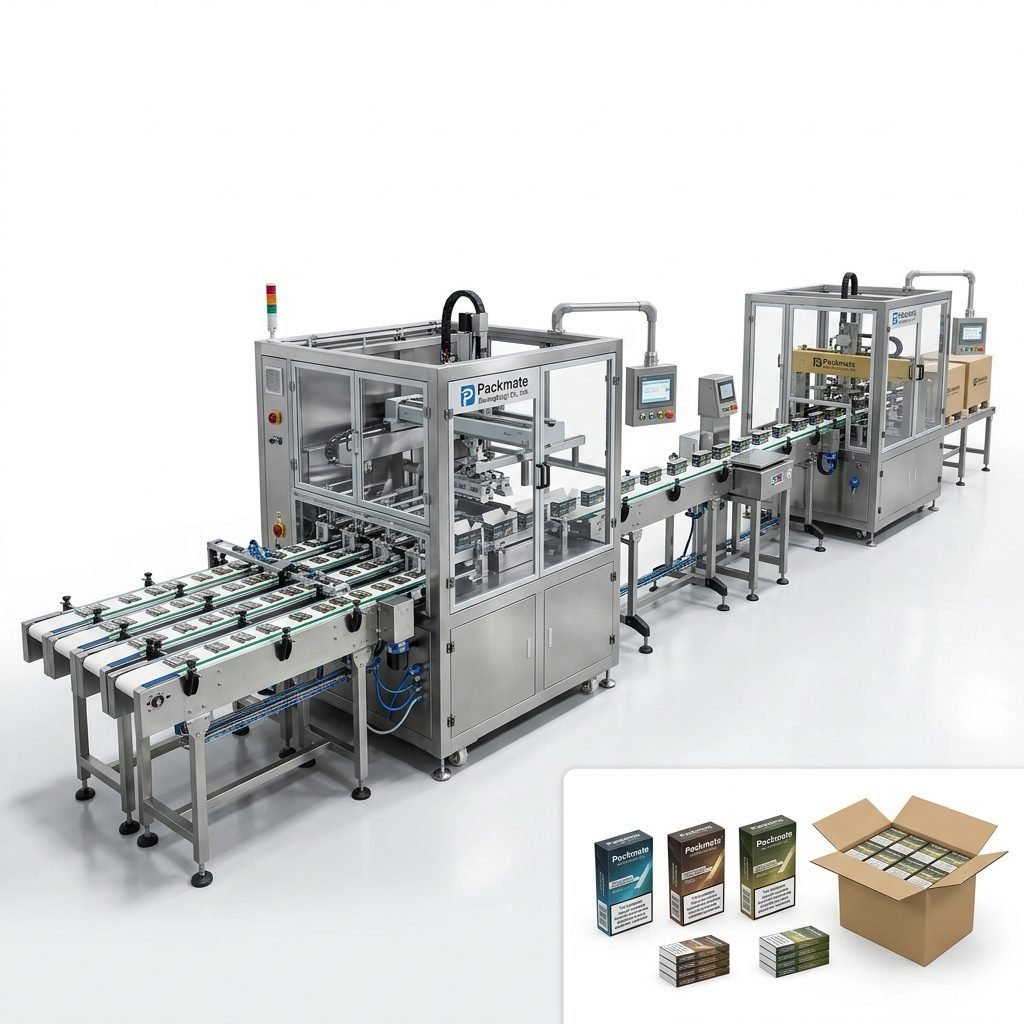
For high output, multi‑lane systems deliver multiple pouches simultaneously and significantly increase throughput. These systems are well suited for established brands scaling up production. Look for robust servo controls, synchronized feeding, and quality inspection stations.
Critical Performance Metrics to Evaluate
Focus on the machine’s real performance rather than just advertised speeds. Key metrics include:
• Throughput (pouches per minute): Consider realistic throughput under your product’s fill, seal, and material conditions.
• Filling accuracy: For nicotine pouches, dosing precision is essential for regulatory compliance and consumer safety.
• Downtime and changeover time: Fast cleaning and part changeovers save labor costs in small batch runs.
• Waste rate: Minimize scrap from sealing defects or misfeeds to maintain margins.
Material Compatibility and Seal Integrity
Packaging materials for snus must provide excellent barrier properties to preserve flavor and moisture profile. Confirm the machine supports your chosen laminate thickness, heat seal window settings, and has precise temperature control for consistent seal quality. Machines with real‑time sealing force monitoring and integrated leak detection can greatly reduce failed packs and recalls.
Automation, Integration and Industry 4.0 Readiness
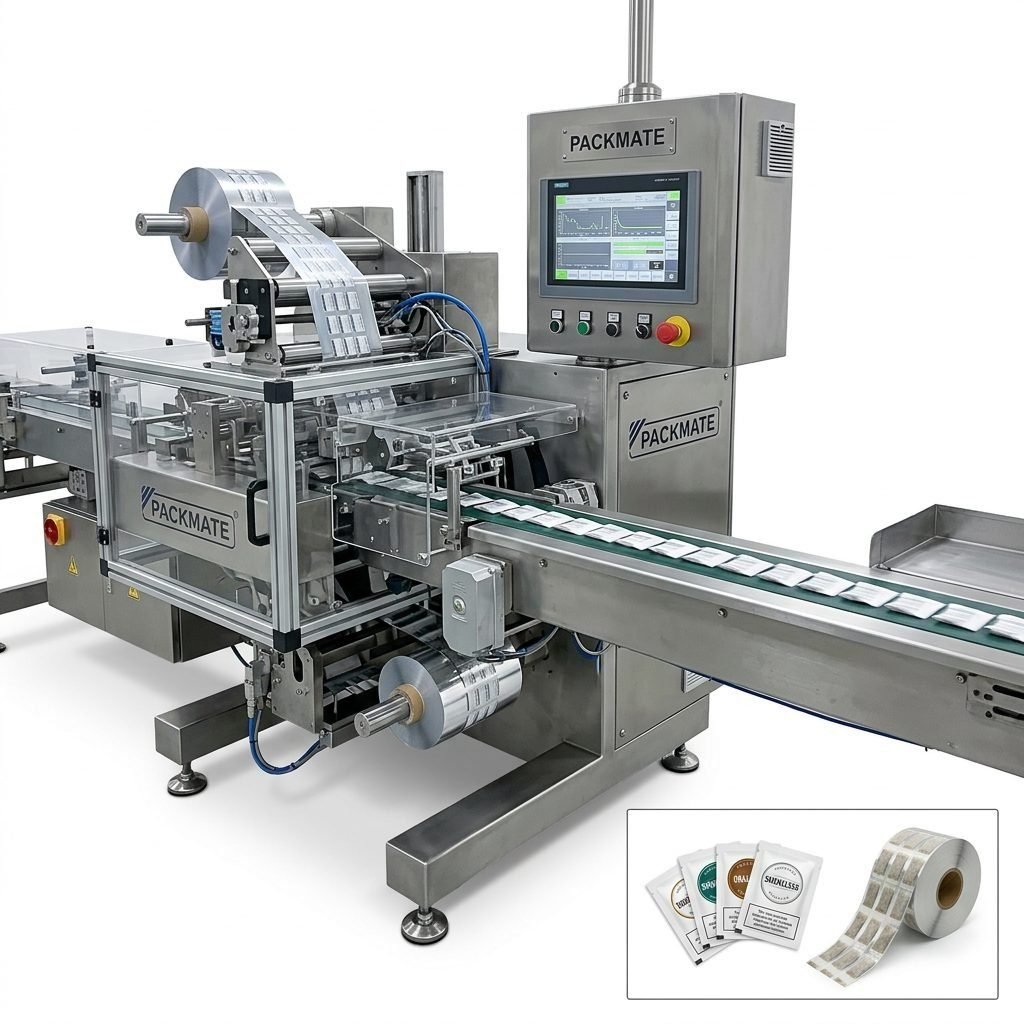
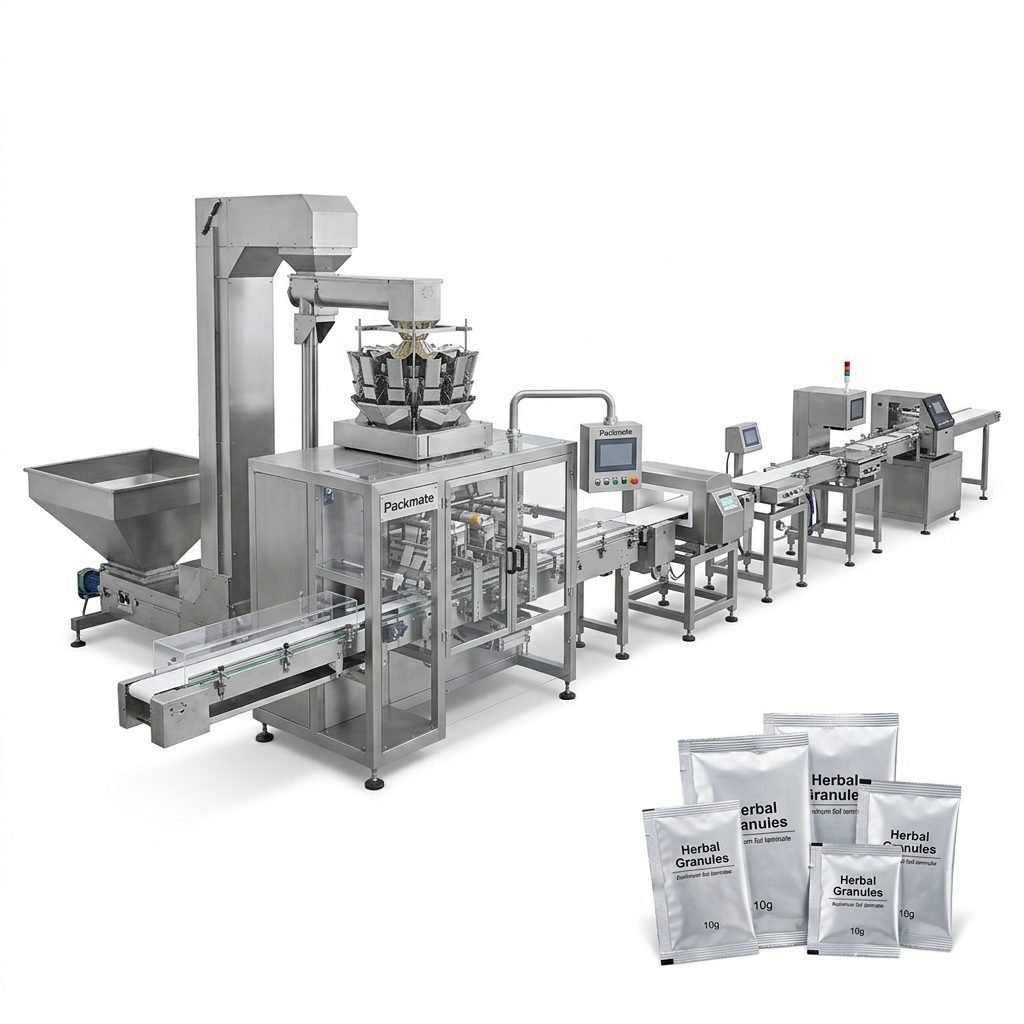
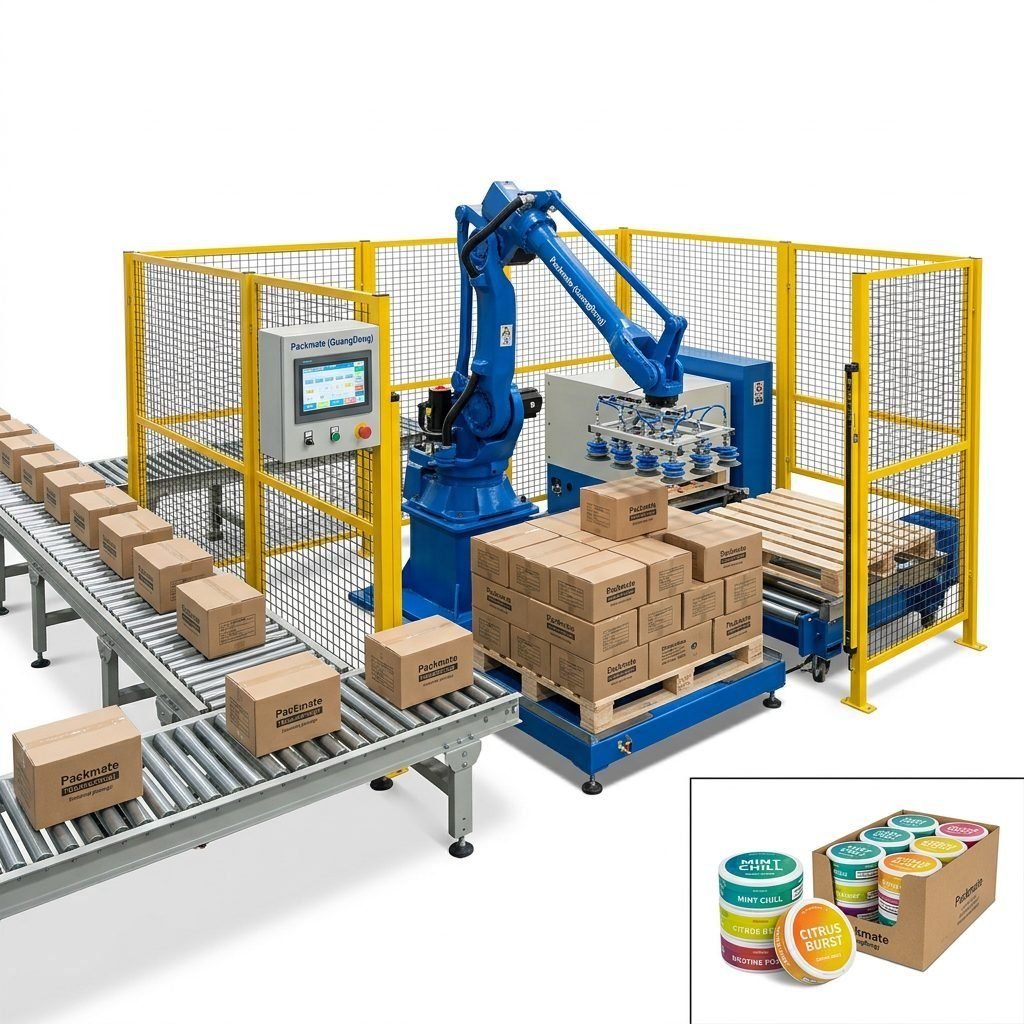
Modern packaging lines integrate with upstream fillers, weighers, and downstream cartoners to streamline production. When planning a line for Icelandic production, prioritize equipment that can communicate via standard industrial protocols (e.g., Ethernet/IP, OPC UA) and offer remote diagnostics. This is critical for minimizing on‑site technical visits on a geographically remote island.
Why remote service capabilities matter
Iceland’s remote location can make spare parts and technician visits costly and time‑consuming. Choose suppliers that provide:
🔧 Remote troubleshooting via secure VPN,
📦 A logical spare parts kit, and
⚙️ Clear preventive maintenance schedules.
Quality Assurance, Certifications and After‑Sales Support
Ensure machines carry relevant international certifications (CE, ISO) and that the manufacturer has a proven QA process. Packmate Snus Machine, for example, emphasizes CE and ISO standards across its product range and offers global support from an established manufacturing base. Visit the certificate and about Packmate pages to inspect credentials and manufacturing capabilities.
Total Cost of Ownership (TCO) and Return on Investment
Evaluate machines on TCO, not just purchase price. Consider:
- Energy consumption and utilities.
- Spare parts price and availability in Iceland or nearby hubs.
- Labor required for operation and maintenance.
- Expected production yield and waste percentage.
💡 Tip: Ask for a complete TCO breakdown and a projected breakeven analysis under your production schedule.
Space, Utilities and Installation Requirements
Confirm floor space, ceiling height, and access routes before ordering. Multi‑lane systems may require reinforced flooring and specific utility hookups. Detailed installation drawings should be provided by the supplier to avoid surprises. Also clarify whether on‑site installation and training are included, or if virtual commissioning is available.
Customization and Turnkey Solutions
If your product requires custom pouch shapes, special printing, or integrated feeding systems, choose a manufacturer experienced in turnkey deployments. Companies with deep experience in snus packaging — offering stick pack, sachet, and multi‑lane systems — can deliver end‑to‑end solutions that reduce integration risk. Browse relevant product categories like Snus & Nicotine Packaging Machines or Bag & Pouch Packaging Machines to compare feature sets.
Supplier Selection Checklist
Use this checklist when requesting quotes and proposals:
- Provide a full technical proposal with performance guarantees.
- Request references and case studies from the supplier’s international customers (case).
- Confirm spare parts lead times and local stocking options.
- Verify after‑sales service, training options, and warranty terms.
- Ask about software updates, remote diagnostics, and compatibility with future upgrades.
Practical Example: From Pilot Line to Full Production
A common path for Icelandic producers is to start with a pilot or medium‑speed sachet line, validate recipes and shelf life, then scale to a multi‑lane line once demand stabilizes. Pilot lines reduce initial capital outlay and allow staff training while supporting market testing. When upgrading, plan the transition to minimize downtime and reuse components where possible.
Sample scaling roadmap
1) Start with a flexible sachet/stick pack unit for R&D and small orders.
2) Refine pouch materials and seals.
3) Move to a multi‑lane filler/sealer and automated cartoning when monthly volumes justify the investment.
Why Choose an Experienced Manufacturer
Experienced manufacturers bring proven designs, spare parts inventories, and mature service networks. With over 30 years of engineering experience, Packmate Snus Machine provides a range of machines and turnkey solutions, supporting everything from single machines to complete automated lines. You can review product catalogs and service details on their catalog and service pages.
✅ Decision anchor: Prioritize suppliers who demonstrate real snus packaging expertise, documented performance, and fast spare parts delivery to Iceland or nearby logistics hubs.
Negotiating Terms, Delivery and Support
When finalizing a purchase, clarify lead times, CIF/FOB terms, installation scope, training hours, and spare parts kits. Ask for a list of consumables, recommended preventative maintenance frequency, and a contact for emergency support. If the supplier has exhibition history or live demos, attending a demonstration can shorten your evaluation cycle — see their exhibition records for upcoming shows.
Final Checklist Before You Buy
Before signing a contract, confirm the following:
- Performance tested with your actual product and packaging material.
- Detailed warranty and spare parts commitments.
- Installation and training plan with timeline.
- Remote diagnostic capabilities and software license terms.
- Compliance documentation and certificates provided with delivery.
Conclusion — Make an Informed, Scalable Choice
Selecting the best snus packaging machinery for Iceland involves understanding local regulations, matching machine capabilities to product format, and planning for serviceability in a remote location. Prioritize machines that provide accurate dosing, reliable sealing, and robust automation with remote support. Work with experienced suppliers that offer verified case studies, spare parts availability, and turnkey integration services to minimize startup risk and maximize uptime.
Next steps
Reach out to experienced suppliers, request product demonstrations, and ask for performance data using your exact materials. If you need a starting point, explore specialized lines on the Packmate site and contact their team for tailored proposals via the Contact Us page.
Common Questions
Q1: What is the minimum production volume to justify a multi‑lane line?
A1: It depends on product specs and margins, but generally when monthly production consistently exceeds what a single‑lane or stick pack machine can handle (often several hundred thousand pouches), a multi‑lane investment becomes economical.
Q2: How do I ensure compliance with Icelandic labeling and traceability?
A2: Choose machines with integrated printing and serialization modules, maintain batch records, and work with suppliers who provide documentation and support for regulatory audits.
Q3: What spare parts should I stock in Iceland?
A3: Keep critical consumables such as sealing jaws, PTFE coverings, dosing augers, sensors, and commonly replaced electronic components. Ask your supplier for a recommended spare parts kit tailored to your machine model.
Q4: Can I start with a pilot machine and upgrade later?
A4: Yes. Many manufacturers support modular upgrades or offer trade‑in programs to scale from pilot units to full production lines while preserving key components and control systems.
Q5: How important is remote service for Icelandic operations?
A5: Extremely important. Remote diagnostics, virtual commissioning, and clear spare parts pathways reduce downtime and the cost of on‑site visits in geographically remote regions like Iceland.