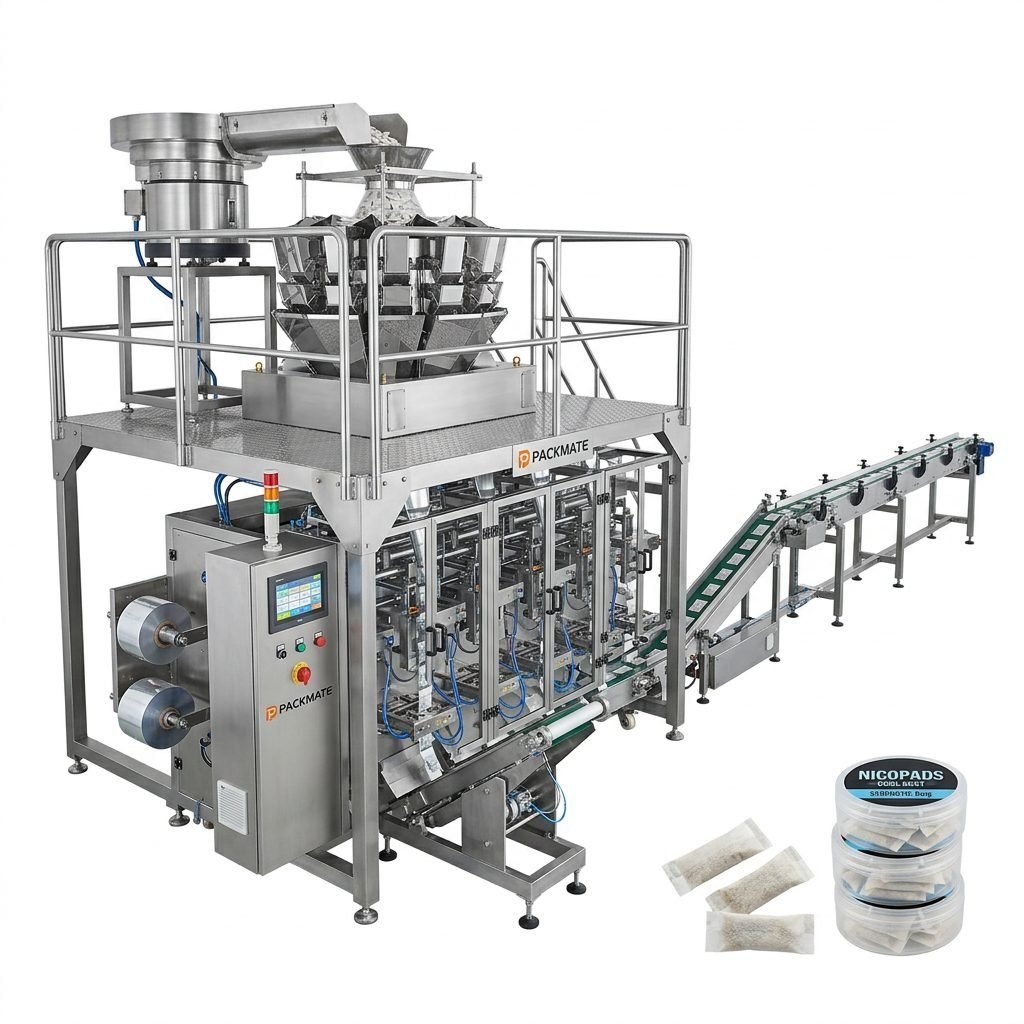
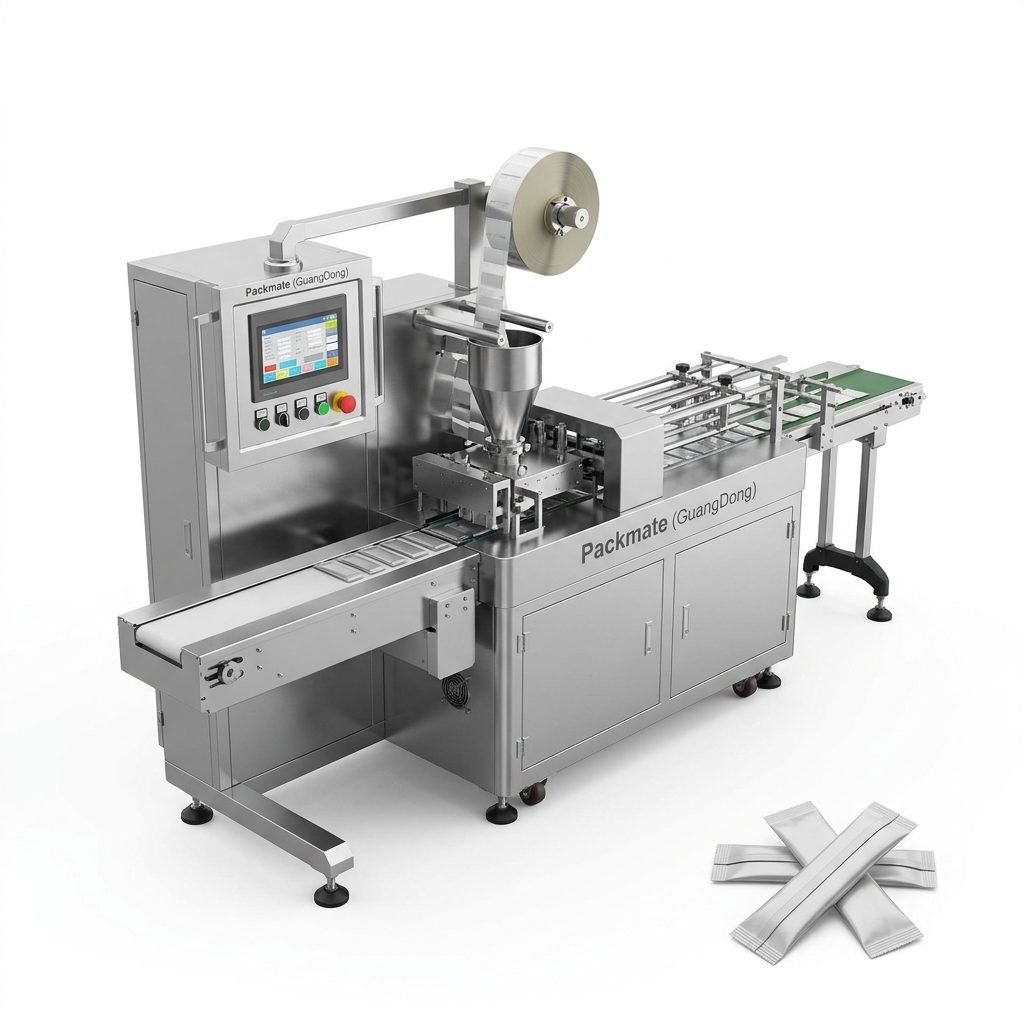
Entering the nicotine pouch or snus market in Yemen requires more than a good product concept — it demands the right packaging partner. Choosing a reliable nicotine packaging machine supplier affects product quality, regulatory compliance, production speed, and long-term operating costs. This guide explains how to select the best supplier for your business in Yemen, combining practical supplier-evaluation criteria, local considerations (climate, cultural norms, import logistics), and actionable steps to secure a turnkey packaging solution.
Why the right supplier matters
A well-chosen supplier does more than deliver a machine: they provide reliable engineering, spare parts, training, installation and compliance documentation. For businesses in Yemen, where shipping lead times and after-sales support can be more challenging, picking a supplier with global shipping experience and proven field service is essential. Look for partners with long-term track records and transparent production capabilities.
Tip ⚠️ — Yemen’s high temperatures and dust-prone environment mean you should prioritize machines with robust sealing systems, dust protection covers, and cooling considerations to ensure consistent pouch quality.
Key supplier selection criteria
1. Experience and product portfolio
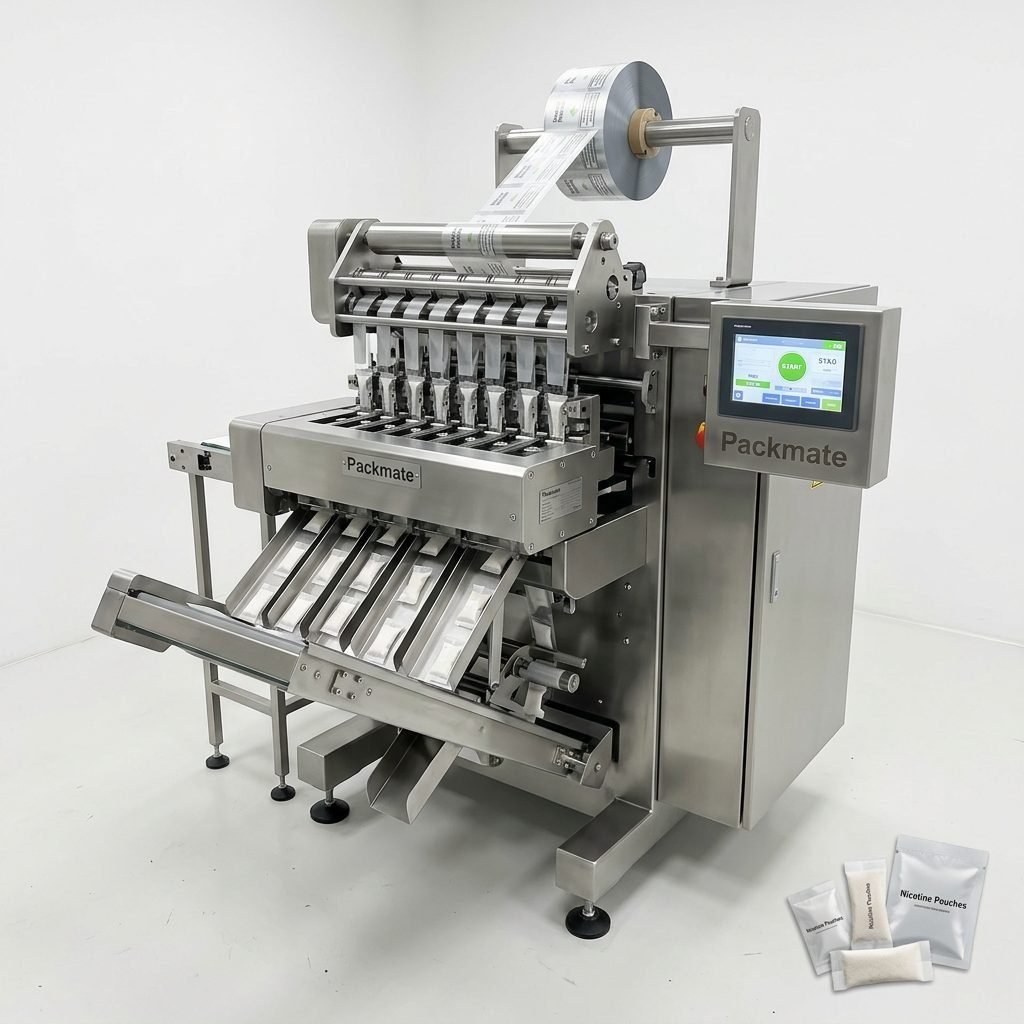
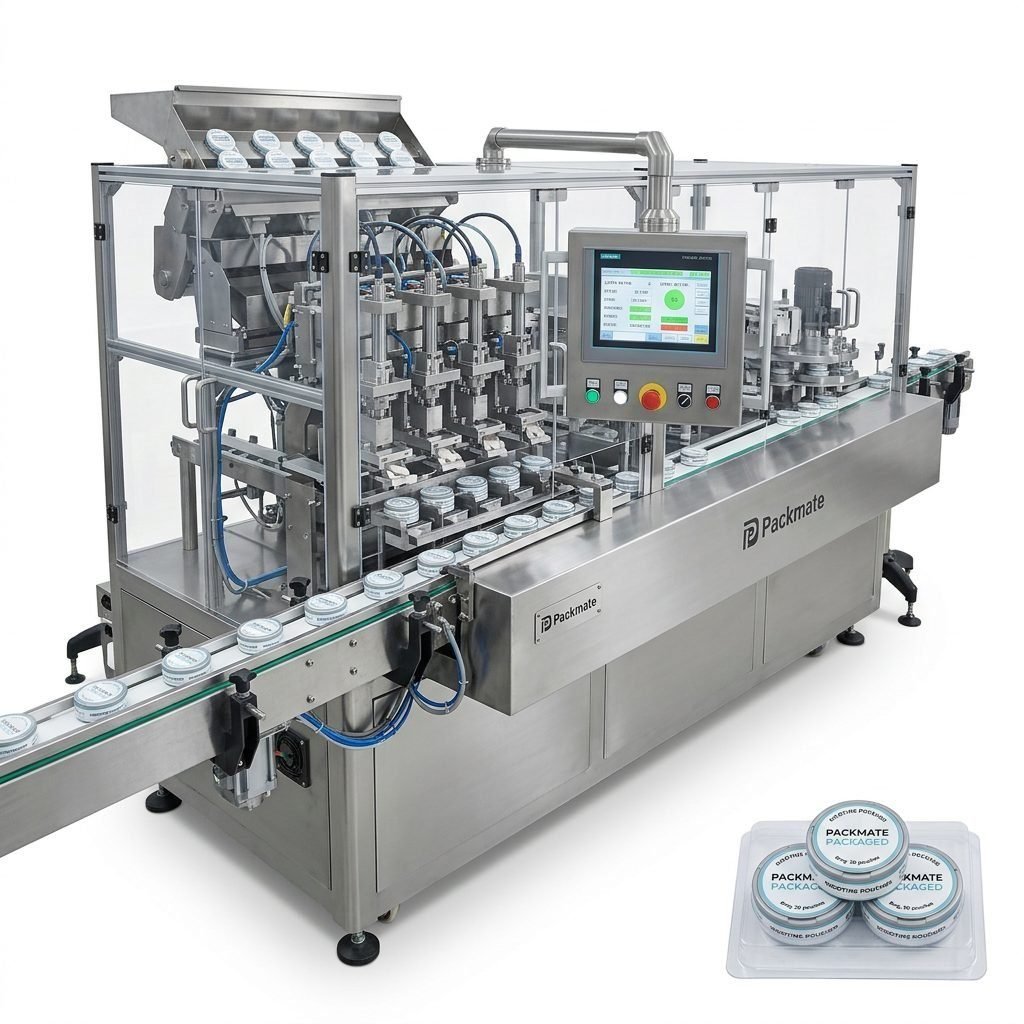
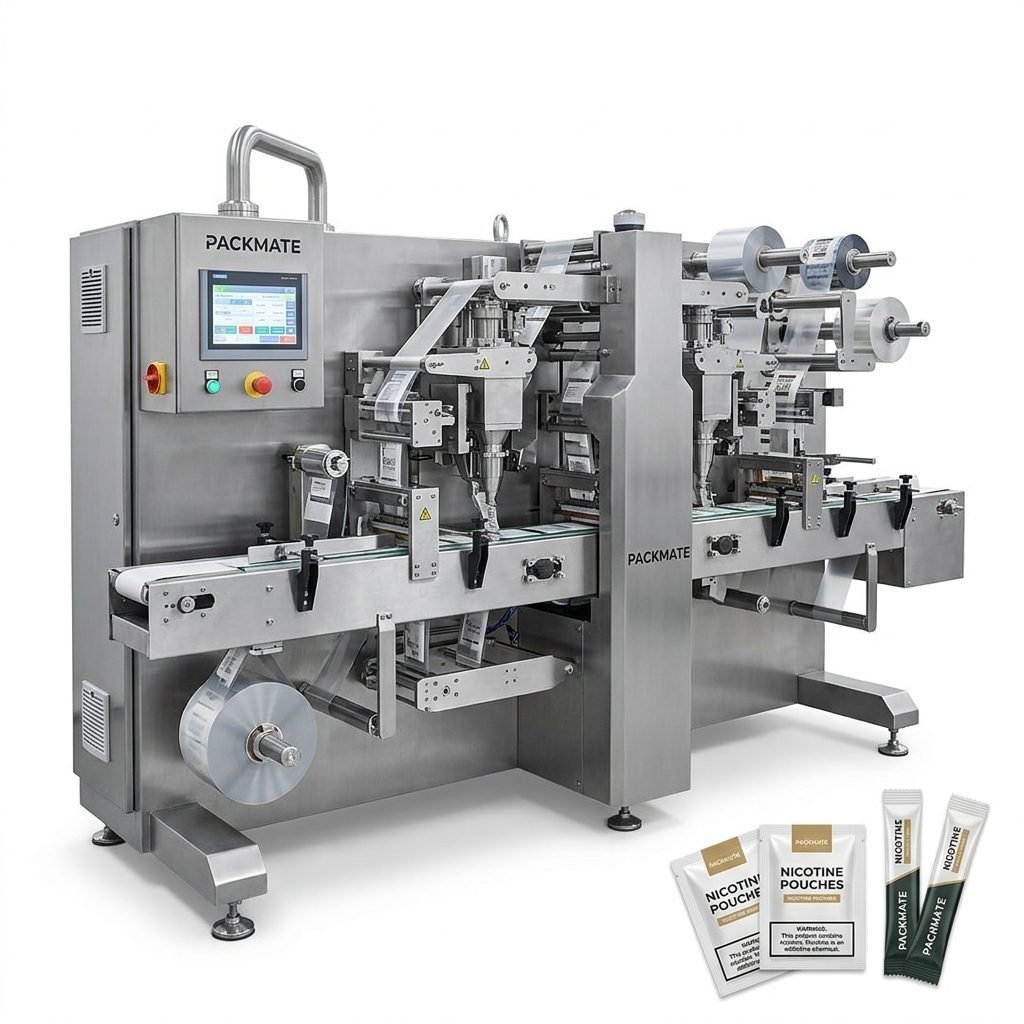
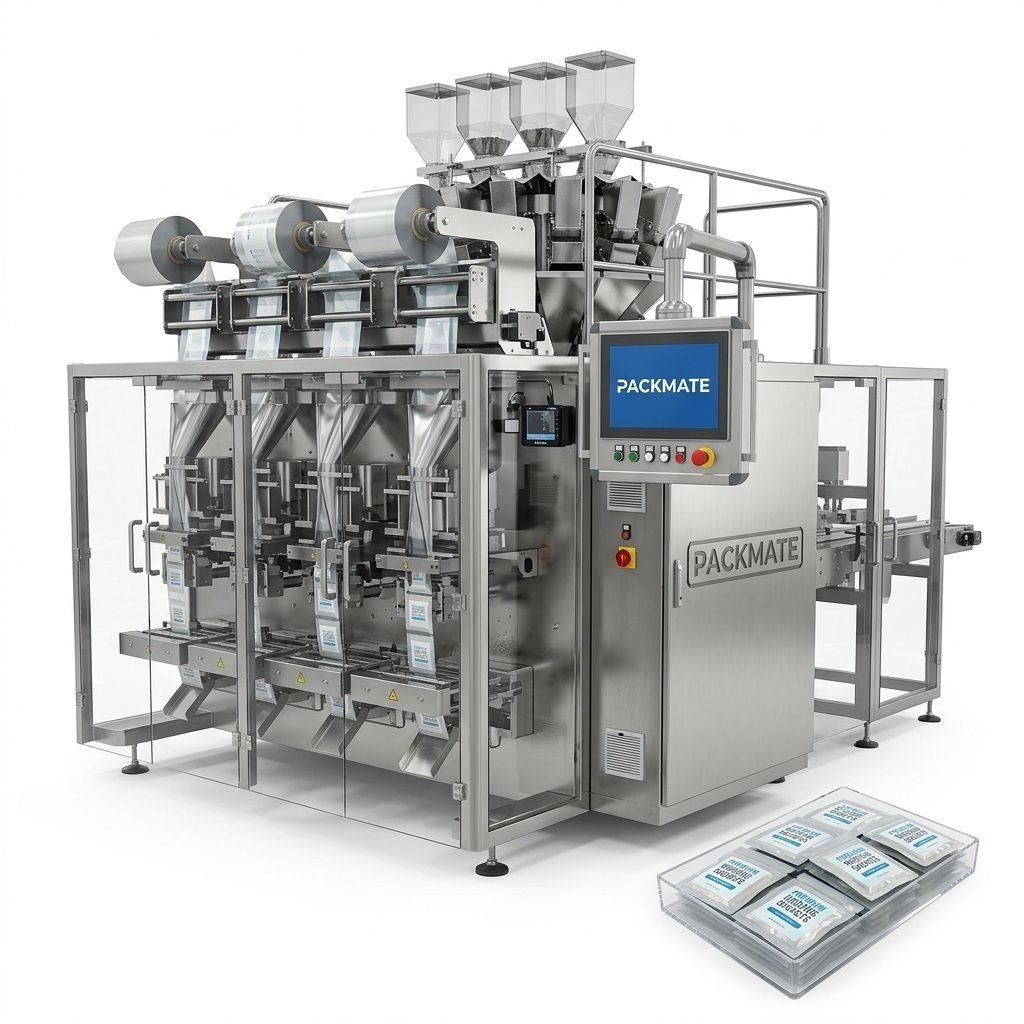
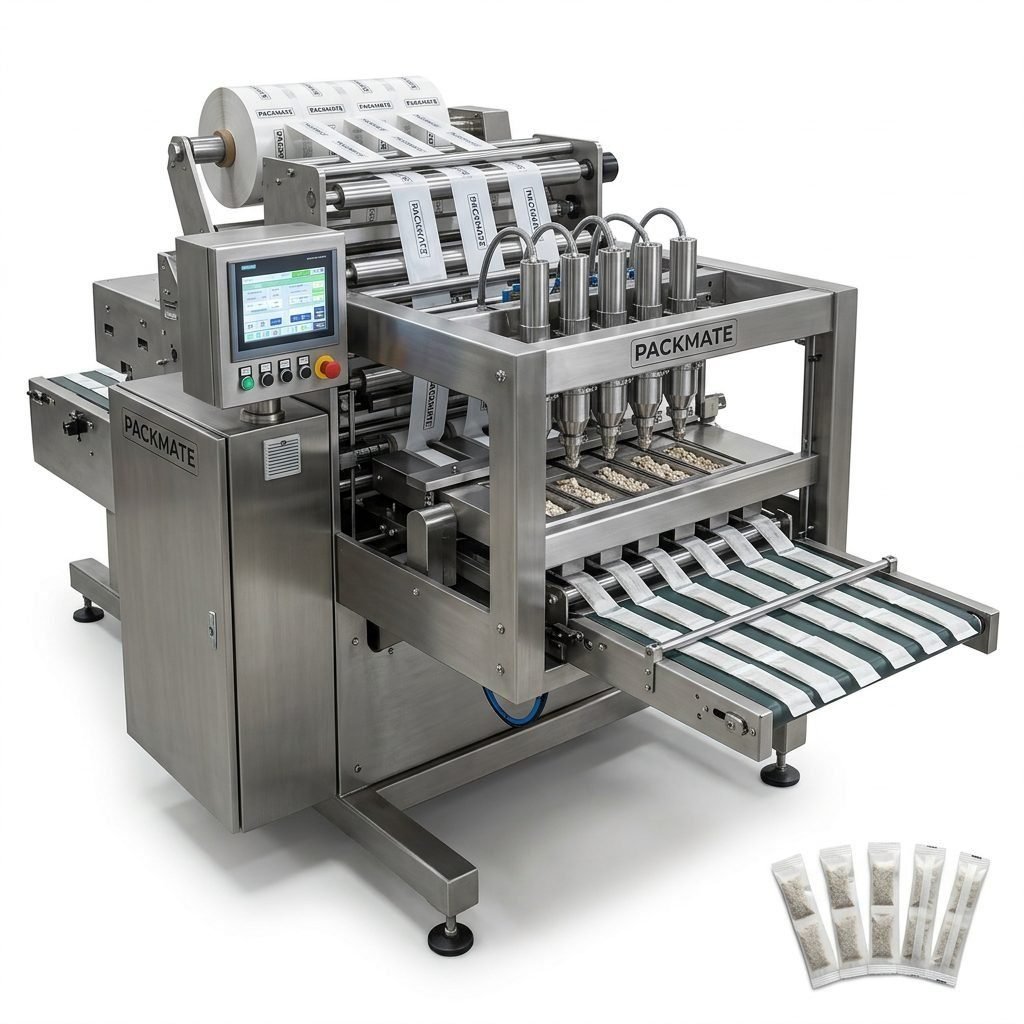
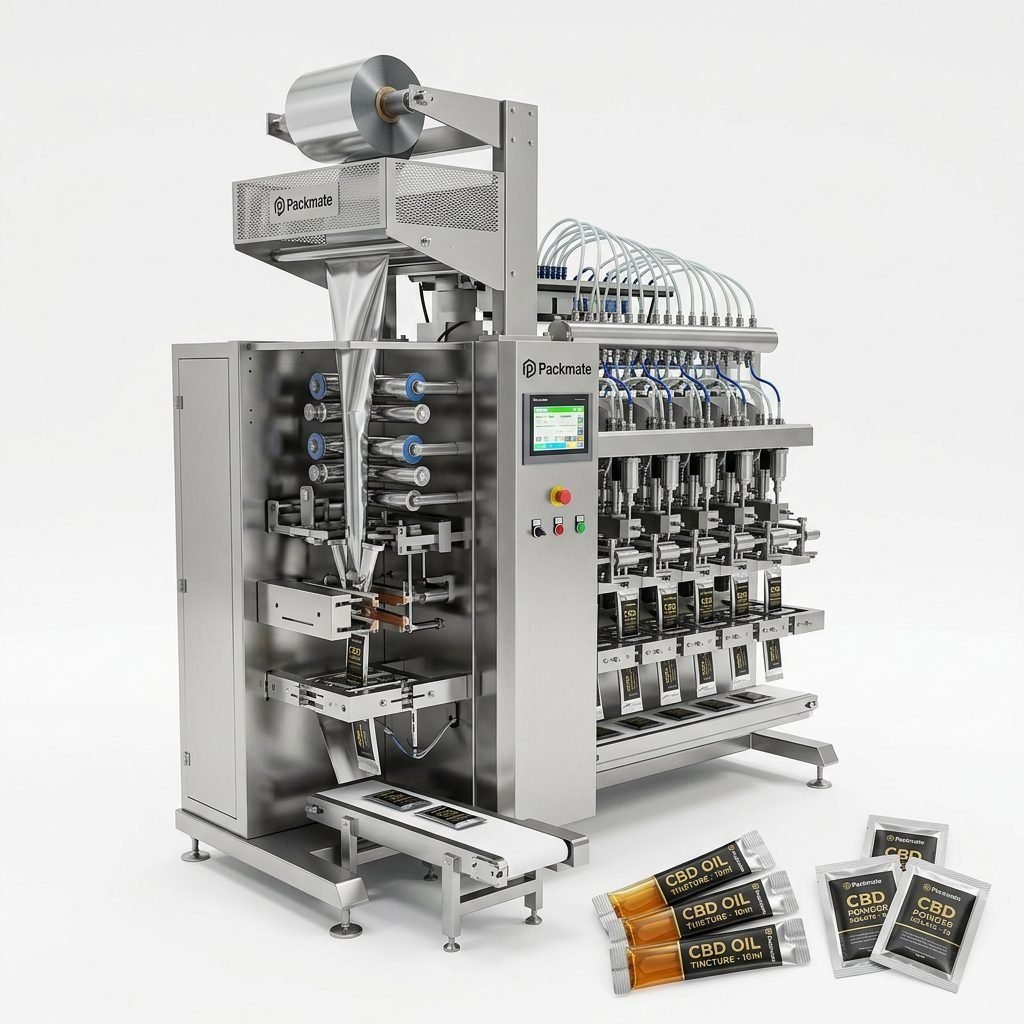
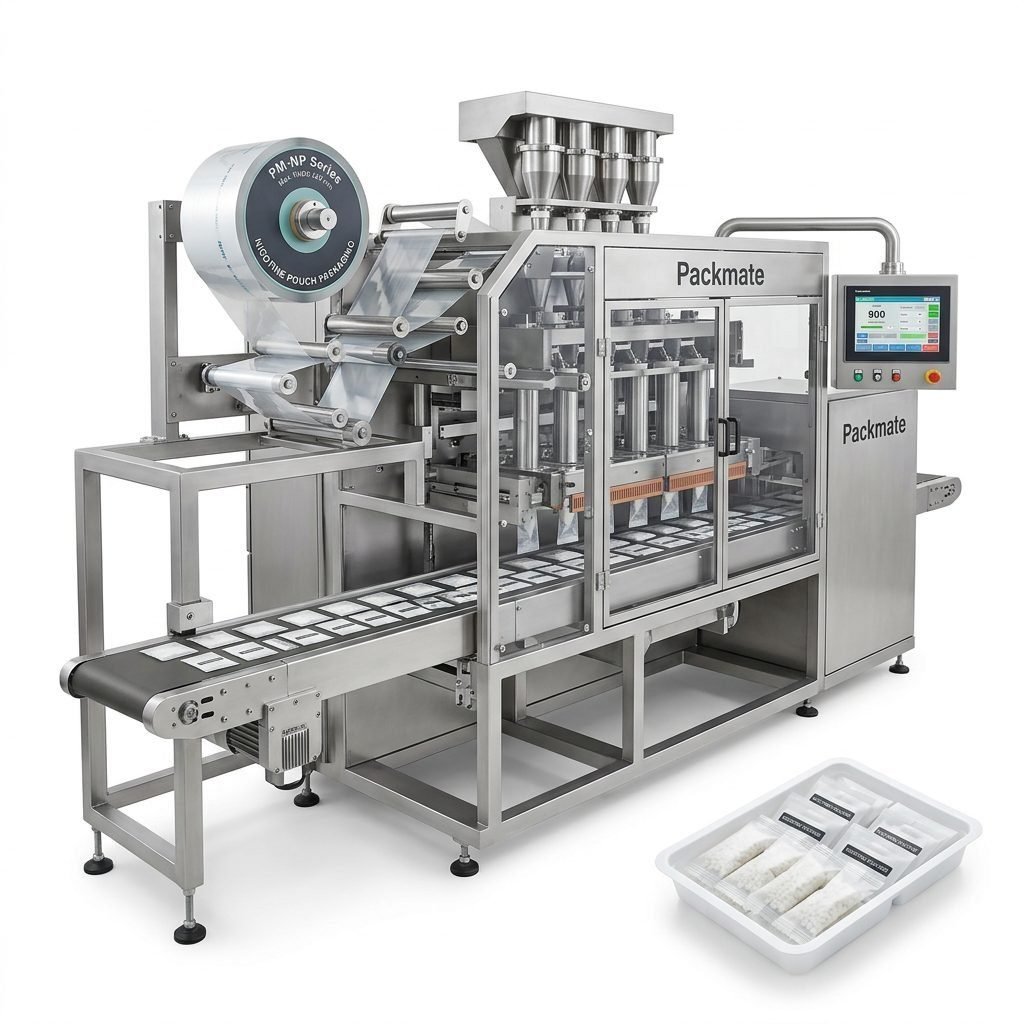
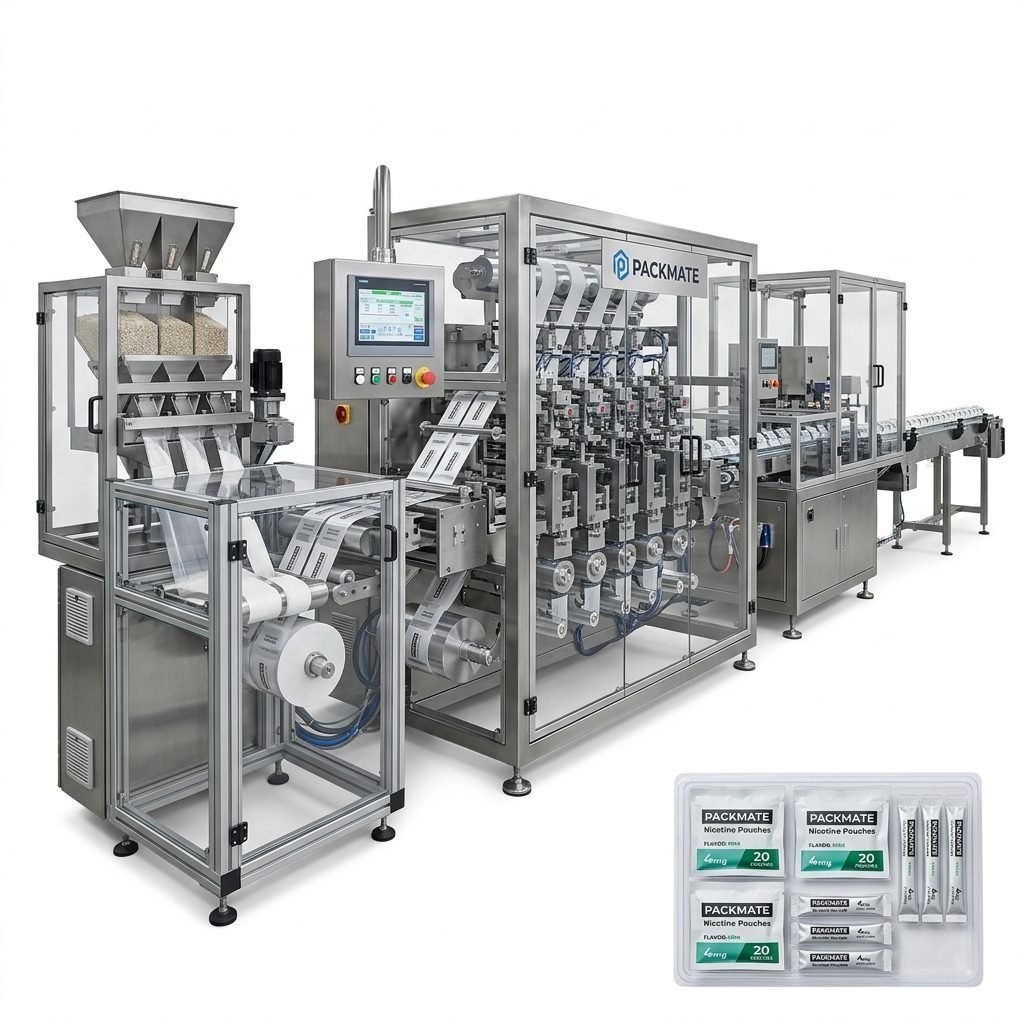
Choose suppliers who specialize in snus and nicotine pouch packaging machines. Experience with multi-lane systems, stick packs, sachets, and small-dose pouches means the supplier understands dosing precision and lane synchronization — critical for nicotine pouch production. A company with a wide model range and custom engineering capabilities can adapt machines to your specific pouch size and packaging materials.
2. Manufacturing capacity and quality control
Evaluate the supplier’s factory scale and machining capabilities. A supplier with advanced CNC centers, dedicated assembly lines, and systematic quality checks delivers better consistency. Ask for factory photos, technology descriptions, and ISO/CE certifications to confirm manufacturing standards.
3. Certifications and compliance
International certifications such as CE and ISO demonstrate adherence to safety and quality standards. For Yemen, confirm that documentation is available for customs clearance. A compliant supplier will provide complete machine certificates and test reports to ease import procedures.
4. After-sales support and spare parts
After-sales service in Yemen can be difficult due to distance and limited local technical teams. Select a supplier that offers remote support, video training, spare parts shipment options, and on-site installation if available. Long-term warranties and rapid parts dispatch are major advantages.
5. Local market understanding and cultural fit
Suppliers who understand the Yemeni market will advise on packaging formats preferred by local consumers, labelling requirements that respect cultural norms, and distribution channels (for example, small retailer networks and traditional markets). Sensitivity to local customs, religious considerations such as Ramadan seasonal demand fluctuations, and discreet packaging preferences can shape product success.
Important 🔎 — Verify the supplier’s export experience to the Middle East and their knowledge of Yemeni import regulations to avoid delays at customs.
Practical steps to evaluate and shortlist suppliers
Step 1: Define your production needs
Start with clear production targets: daily output, pouch sizes, lane count, materials (laminate or paper), and desired automation level. These specs determine whether you need a single-lane sachet machine, a multi-lane snus packing line, or a fully integrated filling-and-packaging line. Precise requirements help suppliers give accurate quotations and technical proposals.
Step 2: Request detailed technical documentation
Ask for machine layouts, specs (speed, lane count, accuracy), electrical and pneumatic requirements, and spare parts lists. Request videos of the exact model running your product type. Reviewing technical sheets reduces surprises during installation and commissioning.
Step 3: Factory audit and references
If possible, visit the factory or invite a third-party inspection. Ask for client references, especially from companies in similar climates or neighbouring regions. Review case studies and exhibition appearances to verify real-world performance — Packmate’s case studies and exhibition records are examples of verifiable proof from a single supplier.
Comparing quotes: what to look for
When comparing quotes, align each item: machine scope, core components, optional accessories, warranty terms, training, spare parts included, installation services, and shipping terms (EXW, FOB, CIF). Lower initial price often shifts costs to maintenance and downtime — prioritize complete lifecycle cost.
Checklist ✓ — Ensure each quote includes:
- Machine model and capacity
- Full electrical and downstream requirements
- Warranty period and coverage
- Lead time and shipping terms
- Training and commissioning plan
Technical features to prioritize for Yemen operations
Durable sealing systems and dust protection
Yemen’s dry, dusty environment and high daytime temperatures require machines with sealed control cabinets, dust guards and robust film handling. These features reduce maintenance intervals and ensure consistent seal integrity.
Electrical tolerance and local power compatibility
Confirm voltage compatibility and provide stabilizers or converters if local supply is unstable. Suppliers who include voltage adaptation and surge protection help avoid electronic failures.
Low-maintenance design and local spare parts
Machines designed for easy maintenance and with common wear-part lists enable local technicians to perform routine work. Ask suppliers to recommend spare-parts inventory levels for continuous production.
Negotiation and contract tips
Negotiate clear acceptance tests, FAT (Factory Acceptance Test) videos, and predefined performance metrics. Include penalties or remediation steps for missed deadlines. Ensure a clear spare parts delivery SLA and request documented training sessions during installation.
After purchase: installation, training and ramp-up
A successful installation includes FAT, SAT (Site Acceptance Test), operator training, and a ramp-up plan. Plan for multilingual manuals and training materials — ideally in English and Arabic — and remote support channels for fast troubleshooting.
Where to find verified suppliers and resources
Browse specialized packaging machine pages and supplier profiles. For example, product lines and detailed machine descriptions are available on supplier sites that focus on snus and nicotine packaging. Review case studies and exhibition records to verify global deliveries and support.
Suggested links for further reading and direct supplier references:
Local business and cultural considerations in Yemen
Respect for cultural norms and religious practices is crucial. Packaging designs that are discreet and respectful will perform better in conservative markets. Expect seasonal sales fluctuations during Ramadan and plan inventory accordingly. Distribution relies heavily on local wholesalers and small retail outlets, so flexible carton sizes and secondary packaging that support small-batch retail are advantageous.
Local logistics 🚚 — Partner with freight forwarders experienced with Yemen ports and customs to reduce import delays and additional costs.
Final checklist before signing
Use this pre-order checklist:
- Detailed technical specification and FAT approval procedure
- Clear warranty, spare parts list and lead times
- Training schedule and operator manuals (English/Arabic)
- Shipping terms and customs documentation
- References and recent case studies in similar markets
Conclusion
Selecting the best nicotine packaging machine supplier for Yemen blends technical evaluation with practical knowledge of local conditions. Prioritize suppliers with proven snus/nicotine expertise, strong manufacturing capabilities, robust after-sales support, and real export experience to the Middle East. A thorough evaluation process, clear contract terms, and a focus on long-term support will safeguard your investment and position your product for success in the Yemeni market.
Frequently Asked Questions
Q: How do I verify a supplier’s claims about machine performance?
A: Request FAT videos of the exact model running your product, ask for client references, and whenever possible perform a third-party factory inspection.
Q: What spare parts should I stock locally for a nicotine pouch line?
A: Keep a supply of belts, sealing elements, sensors, fuses, PLC modules, and common fast-wear components. Your supplier should provide a suggested spare parts kit tailored to your machine model.
Q: Can suppliers help with packaging material selection for Yemen’s climate?
A: Yes. Reputable suppliers advise on film laminates and barrier properties suitable for high-heat, humid and dusty conditions and can test sample runs to optimize seal settings.
Q: How long does it take to receive and commission a multi-lane snus packing line?
A: Lead times vary by model and customization but expect several weeks to a few months for production plus shipping time. Include time for FAT, shipping, customs clearance, and on-site commissioning.
Q: Where can I find more product information and case studies?
A: Explore dedicated product pages and cases to compare machines and real-world deployments. Useful resources include product and case pages that illustrate machine models and turnkey solutions.