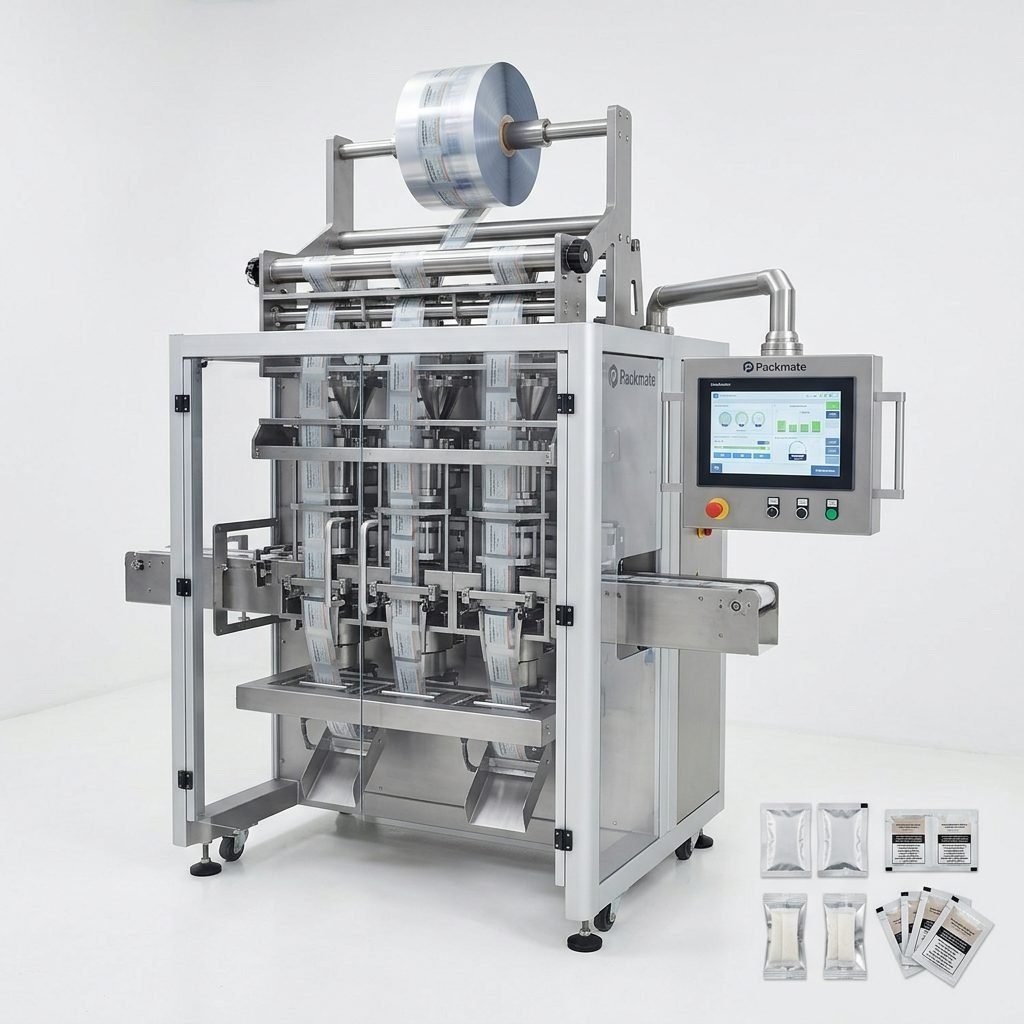
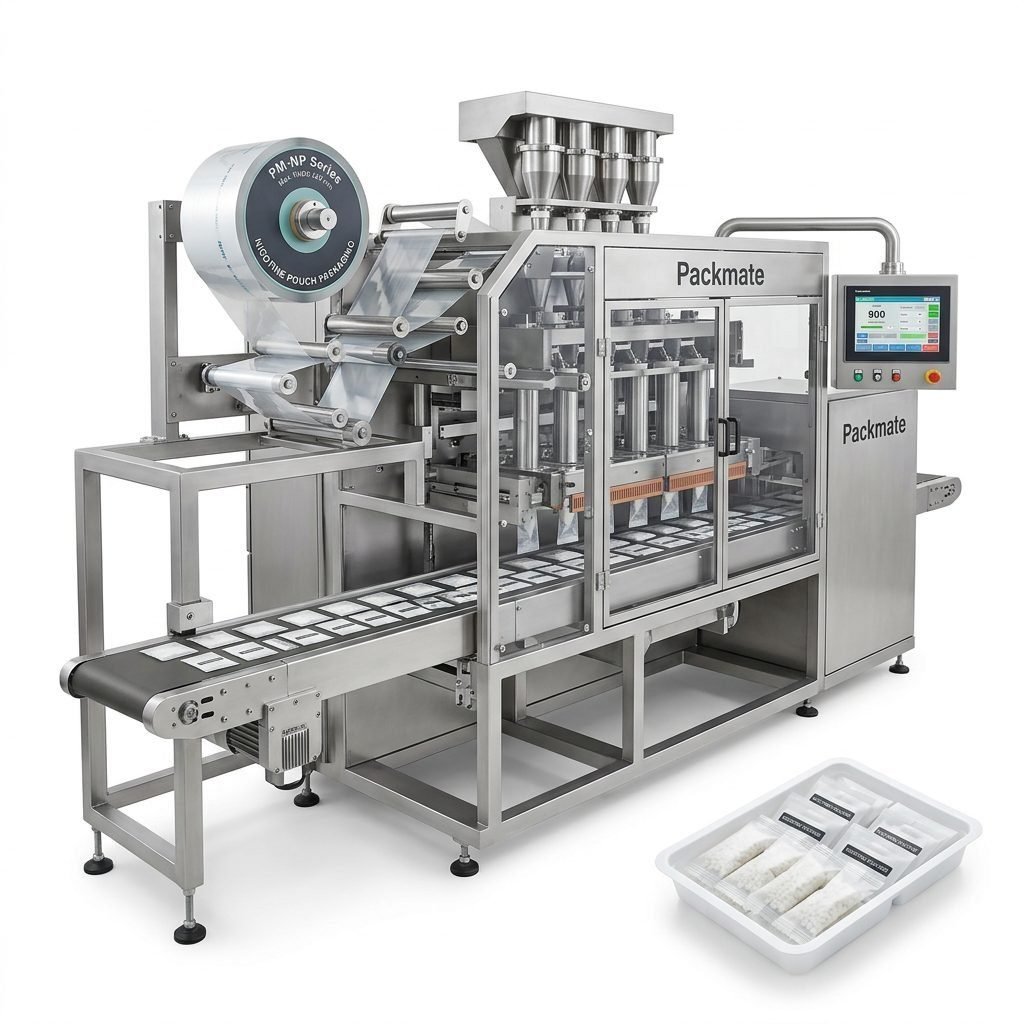
Choosing the right nicotine packaging machinery manufacturer in Tonga can determine the long-term efficiency, compliance, and profitability of your snus or nicotine pouch operation. This guide walks you through the practical steps, technical considerations, and commercial questions that will help you select a supplier who delivers reliable equipment, strong after-sales support, and a clear path to scale.
Understand Your Product and Production Requirements
Begin by mapping out your product specs and target output. Nicotine pouches and snus items vary by dose, pouch size, material, and auxiliary packaging (stick packs, sachets, or multi-pouch formats). Your choice of machine must match:
• Production capacity (pieces per minute or per lane) — forecast both current and 2–3 year demand.
• Pouch format & materials — paper, non-woven, or hybrid films require different feeders and sealing systems.
• Dosing accuracy — nicotine pouches require precise dosing; look for systems that achieve consistent weigh ranges.
✅ Tip: Document your SKU mix (sizes, flavors, formats). A clear SKU matrix helps manufacturers propose the correct single- or multi-lane systems and avoids costly rework later.
Evaluate Machine Types and Technological Fit
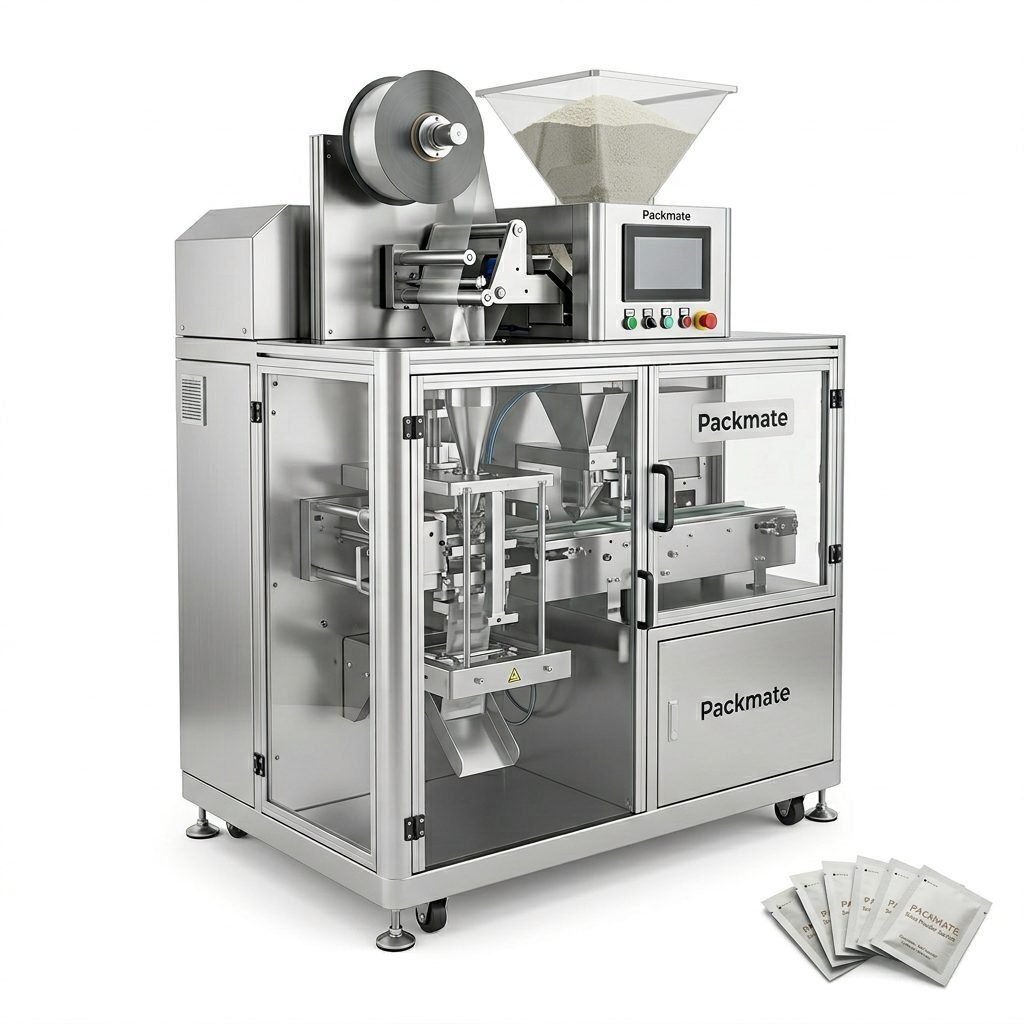
Packaging solutions range from compact single-lane pouch machines to high-speed multi-lane production lines that can serve large-scale operations. Common machine categories include:
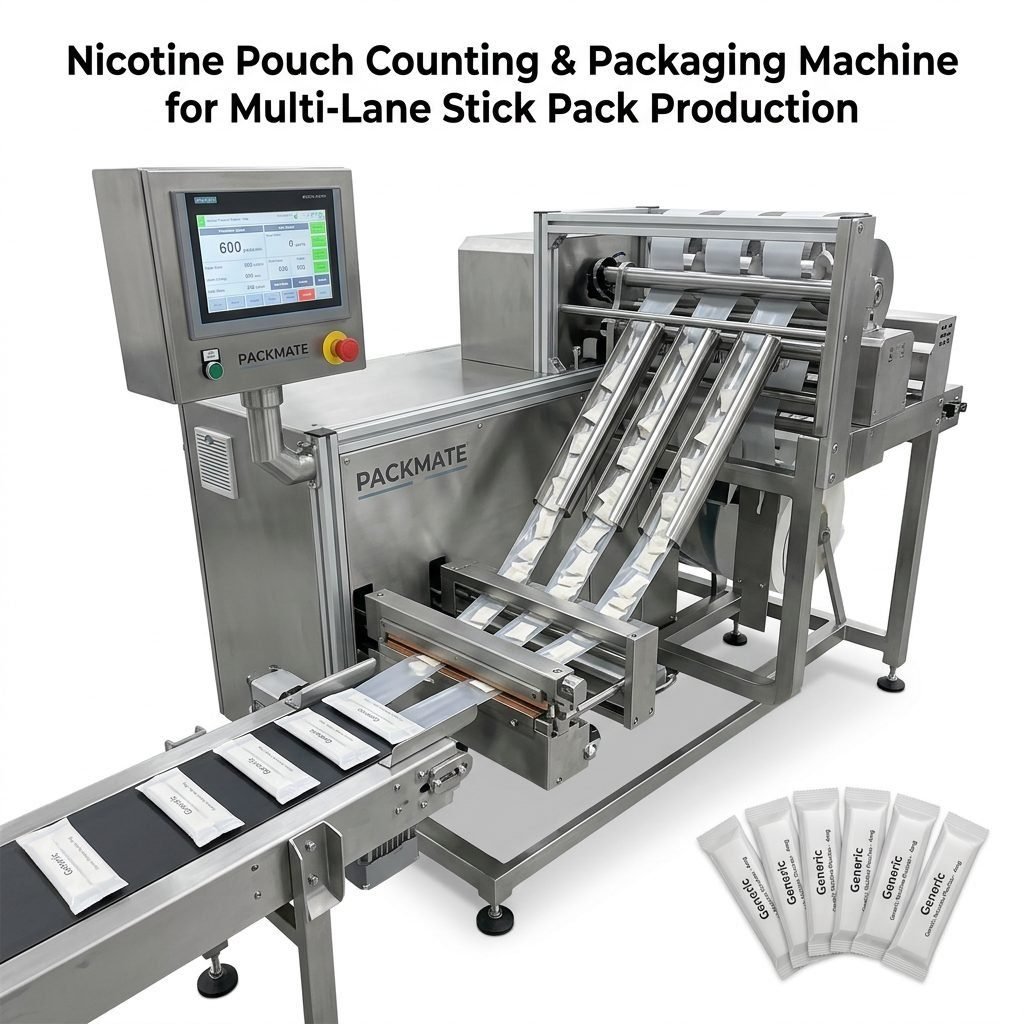
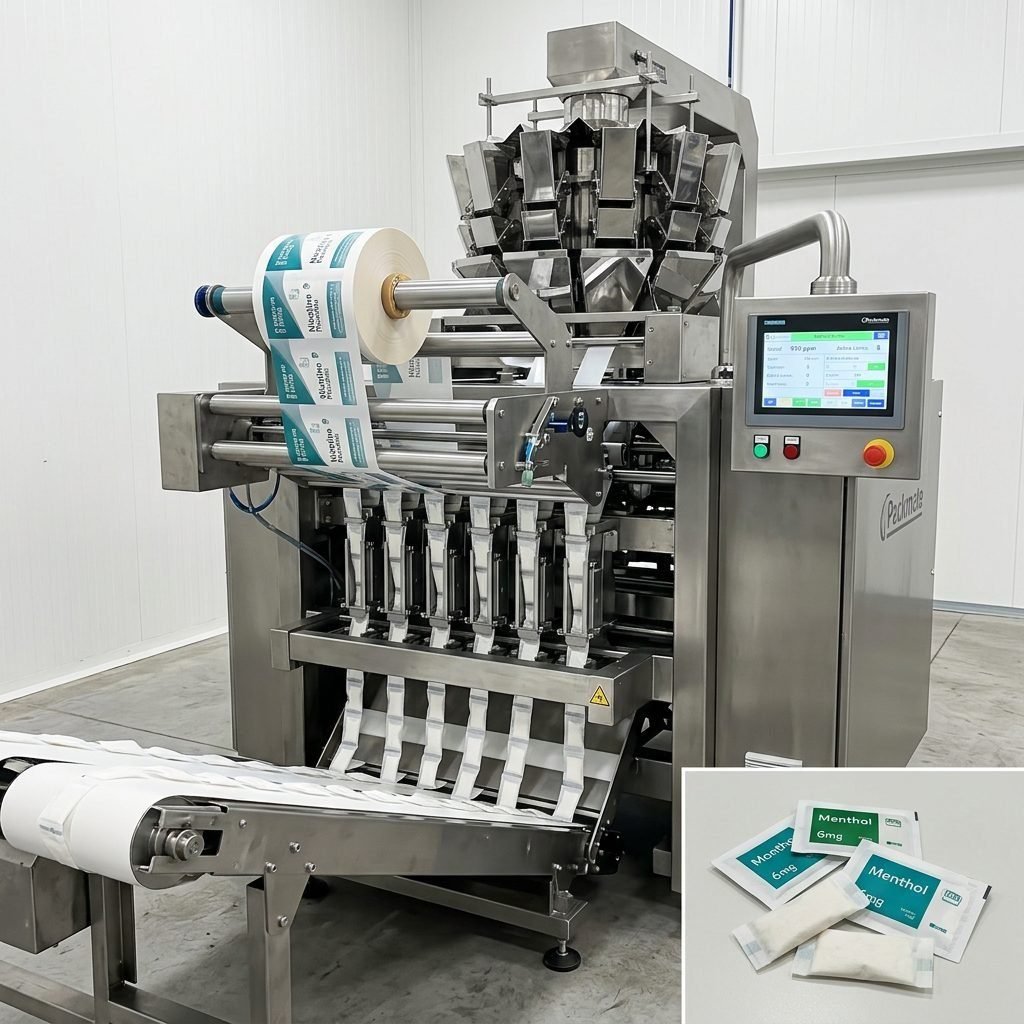
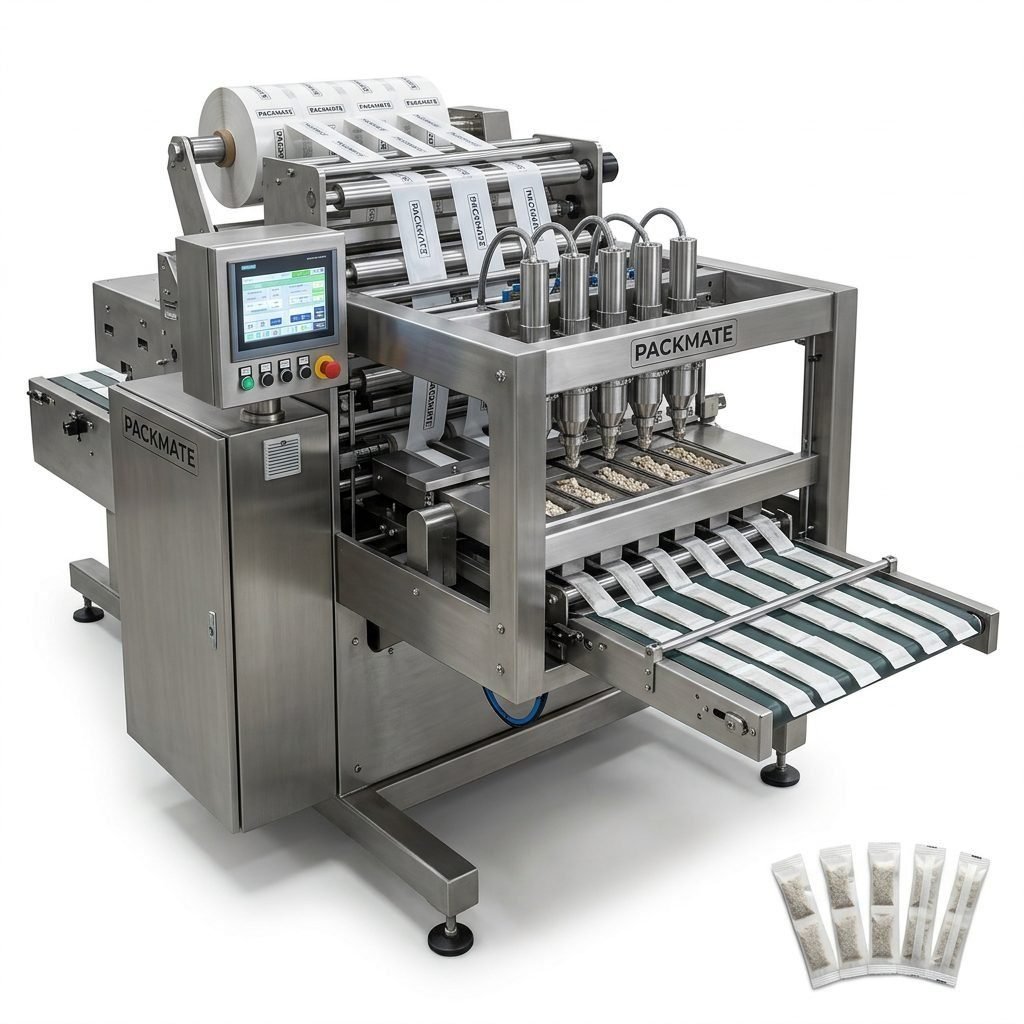
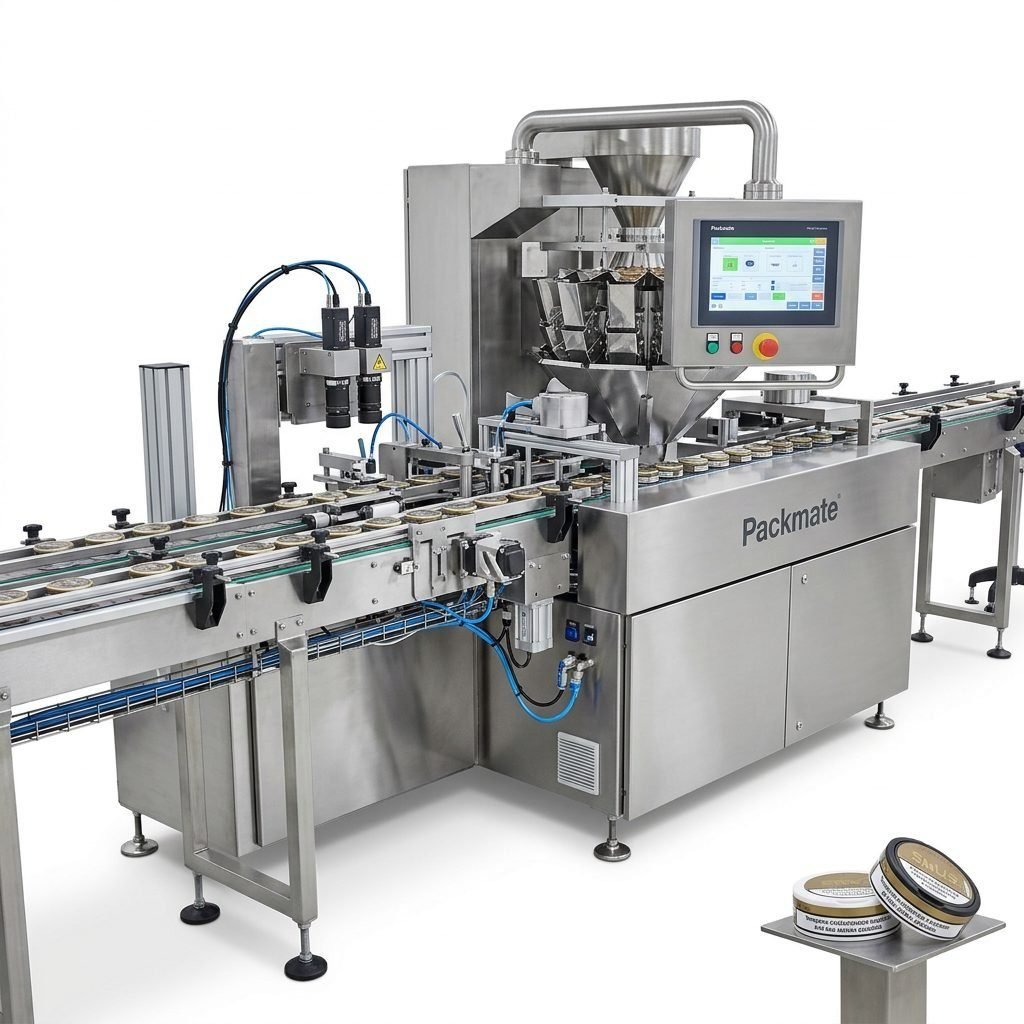
• Snus & Nicotine Packaging Machines (stick packs, sachets, multi-lane pouch lines) — ideal for nicotine pouches and snus style products. See examples of advanced systems at Snus & Nicotine Packaging Machines.
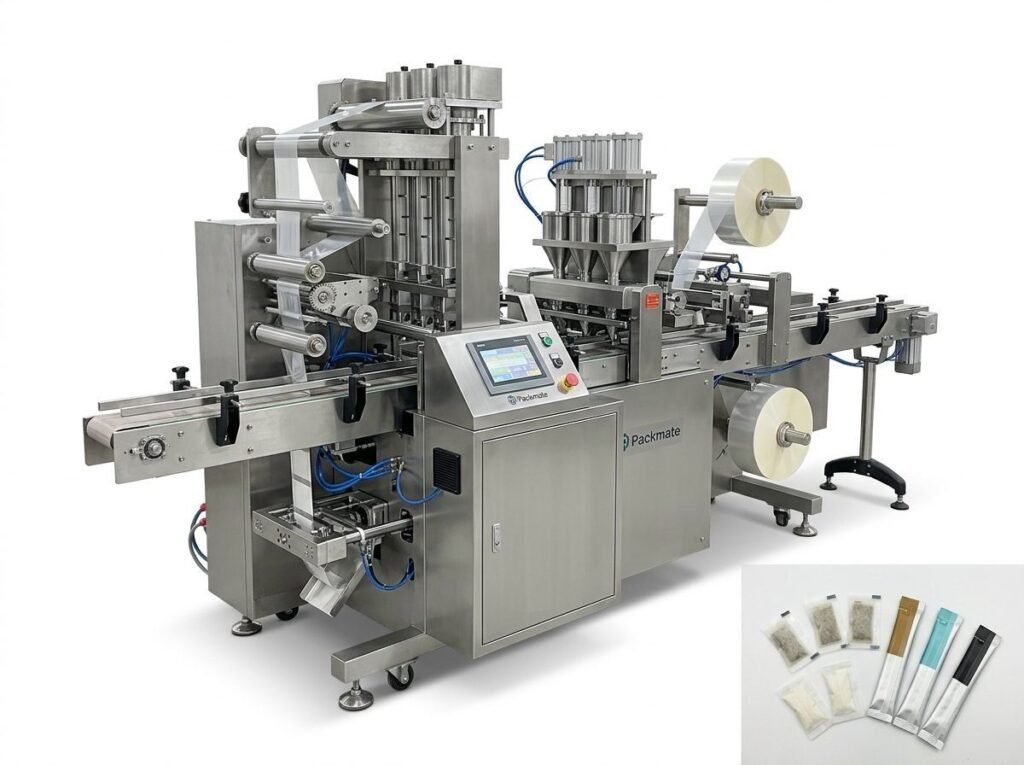
• Sachet & Stick Pack Machines for single-dose consumer packs: flexible for sampling and retail. More at Sachet & Stick Pack Machines.
When evaluating technology, prioritize:
– Servo-driven systems for repeatability and speed control.
– Hygienic design with easy-clean parts if you handle hygroscopic or sticky formulations.
– Interchangeable tooling for quick format changes if you plan multiple SKUs.
🔧 Technical checklist: servo drives, PLC/HMI controls, format change time, dosing method (volumetric vs. weighing), and material handling compatibility.
Assess Factory Strength and Manufacturing Capacity
The manufacturer’s workshop and production systems signal their ability to deliver quality equipment reliably. Key indicators:
– Registered factory area and dedicated assembly lines. For instance, a 20,000㎡ facility with advanced CNC machining centers and precision assembly lines demonstrates scale and capability.
– Evidence of robust quality control and testing procedures to reduce commissioning time at your site.
– A broad machine portfolio (50+ models) and customization options indicate experience across product types.
Certifications and Compliance
International certifications (e.g., CE, ISO) show adherence to global safety and quality standards—essential if you plan to export or meet regulatory audits in Tonga.
Turnkey Solutions, Integration and Customization
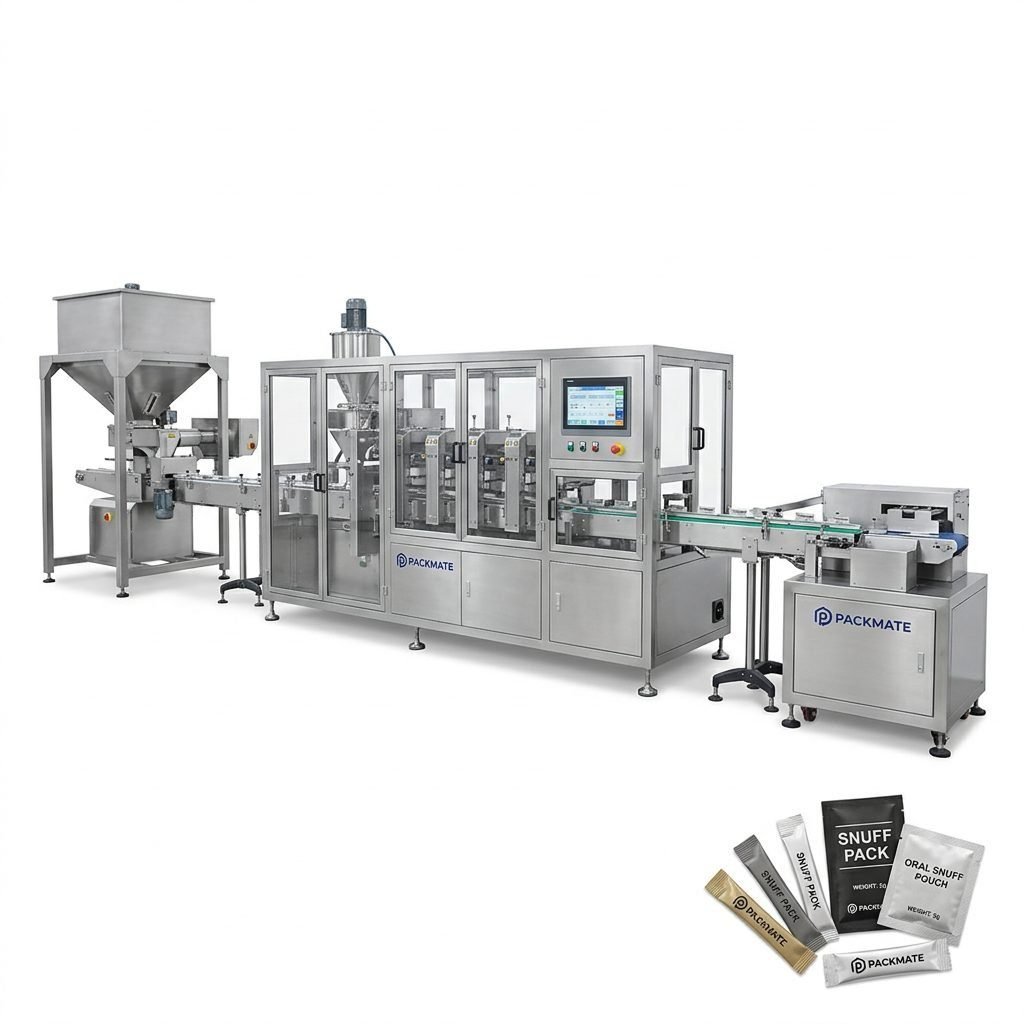
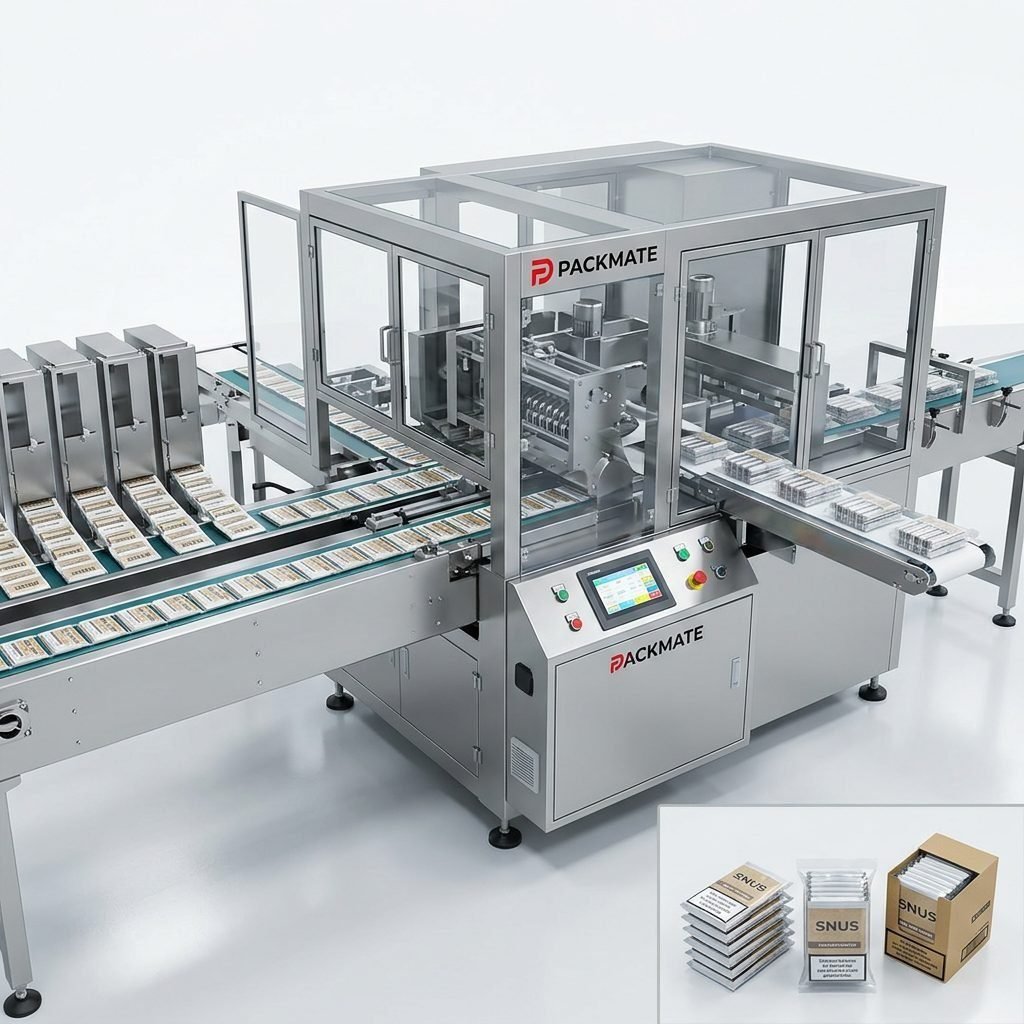
A supplier that offers turnkey packaging lines (from dosing and filling to carton packing and palletizing) reduces integration risk. Look for:
– Experience building full lines for nicotine pouch production, including weighing & packaging systems and filling & packaging lines. Useful references can be found at Weighing & Packaging Systems and Filling & Packaging Lines.
– Custom engineering for special pouch geometries or multilane synchronization.
📦 Why turnkey matters: It simplifies supplier coordination, accelerates startup, and provides single-source accountability for line performance.
After-sales Service, Spare Parts and Training
After-sales support is a critical differentiator. Consider:
– Response time for technical support and service engineers.
– Availability of spare parts and recommended spare parts kits.
– On-site commissioning, operator training, and detailed operation manuals.
– Remote diagnostics and software update procedures to minimize downtime.
Local Support in Tonga
For Tonga-based operations, ask whether the manufacturer has local agents, distributors, or service partners who can respond quickly. If there is no local presence, confirm the lead times for sending technicians and shipping spare parts internationally.
Price, Total Cost of Ownership and ROI
Initial purchase price is only one part of the equation. Evaluate total cost of ownership (TCO):
– Energy consumption and consumables (seals, nozzles, cutters).
– Expected uptime and mean time between failures (MTBF).
– Maintenance skill level required and typical maintenance intervals.
– Resale value and upgradeability.
⚠️ Buyer caution: Low-cost machines with poor accuracy often increase reject rates and labor costs—impacting your margins much more than a higher-quality initial investment.
Logistics, Export and Compliance for Tonga
Shipping heavy machinery to Tonga requires careful planning:
– Confirm export packaging standards and whether the machine arrives pre-assembled or in modules.
– Verify documentation required for customs clearance in Tonga, including certificates of origin and compliance paperwork.
– Ask about recommended local freight forwarders and insurance options.
Factory Visits, References and Live Demos
Visiting a factory or watching a live demo builds confidence. If a trip is not feasible, request a live virtual demonstration and ask for:
– Video of the exact machine model running with similar materials.
– References from existing customers, ideally with similar product requirements. Packmate’s global cooperation cases provide insights into real-world deployments: Case.
What to Inspect During a Visit
– Assembly quality and component brands (motors, PLCs, sensors).
– Test records and QA paperwork.
– Operator ergonomics and accessibility for maintenance.
Questions to Ask Potential Manufacturers
Use a standardized questionnaire to compare vendors. Important questions include:
1. What is the guaranteed output (pouches/min) for my specific pouch format and material?
2. What is your standard warranty and what does it cover?
3. Can you provide references and a factory acceptance test (FAT) report?
4. What spare parts are recommended on site and what is the delivery lead time?
5. Do you offer turnkey installation and training in Tonga or remote commissioning?
ℹ️ Must-have documents: FAT report, CE/ISO certificates, detailed electrical and pneumatic schematics, and a spare parts list.
Real-world Case Studies and Proven Suppliers
Look for suppliers with demonstrable experience in nicotine pouch packaging. Suppliers who started as engineering teams in the 1990s and evolved into specialized providers show long-term commitment and iterative improvement. For more about a long-established supplier, explore About Packmate.
Why Packmate Snus Machine Could Be a Fit
Packmate Snus Machine is a specialist in snus and nicotine pouch packaging equipment, with 30+ years of experience and a large factory footprint. Their capabilities include:
– A broad model range (50+ machine models) and custom turnkey lines.
– Advanced machining and assembly infrastructure (CNC centers, precision assembly).
– Global project experience and exhibition presence where you can review live demos. Learn more about their global exhibitions at Our Exhibition.
📌 Key facts: 30+ years industry experience, 20,000㎡ factory, CE & ISO compliance, and strong turnkey capability.
Negotiation and Contracting Tips
– Get detailed quotes that separate machine cost, commissioning, spare parts, and training fees.
– Define acceptance criteria clearly (performance metrics, QA thresholds).
– Include penalties or remediation steps for missed delivery or underperformance.
– Confirm intellectual property clauses if custom tooling or PLC recipes are developed.
Start-up Checklist for Tonga Operations
Before the first machine arrives:
– Prepare utility hookups (power, compressed air) to agreed specifications.
– Allocate a commissioning team and schedule training days.
– Plan spare parts inventory and identify local service partners if available.
– Ensure regulatory compliance for nicotine product production in Tonga, including labeling and packaging laws.
Next Steps and Contacting Suppliers
Create a shortlist of 3–4 vendors, request formal proposals, and schedule demonstrations. If you wish to contact a specialized supplier with turnkey nicotine pouch solutions, visit Contact Us for direct inquiries or to request a catalog at Catalog.
✅ Action plan: define product specs, shortlist suppliers, run FAT or virtual demo, and finalize terms with clear acceptance criteria.
Conclusion
Selecting the best nicotine packaging machinery manufacturer in Tonga requires balancing technical fit, manufacturing credibility, after-sales support, and total cost of ownership. Prioritize suppliers with demonstrable snus/nicotine experience, robust factory capability, and proven turnkey delivery to minimize risk and accelerate your market entry.
Frequently Asked Questions
Q1: What machine types are best for small-batch nicotine pouch production?
Small-batch operations often start with single-lane or low-capacity multi-lane snus/nicotine pouch machines that offer quick format changes and lower capital cost. Look for machines with modular tooling and easy-to-adjust dosing systems to handle multiple SKUs without long downtime.
Q2: How important are certifications like CE and ISO?
Certifications are important for safety, quality assurance, and export compliance. CE indicates adherence to European safety standards, while ISO demonstrates consistent quality management. These certifications also ease customs clearance and reassure buyers and auditors.
Q3: Should I choose a turnkey supplier or assemble the line from multiple vendors?
Turnkey suppliers reduce integration risk and provide a single point of accountability. If you have procurement experience and local system integrators, a multi-vendor approach can be cost-effective but requires strong project management skills.
Q4: What spare parts should I stock for nicotine pouch machines?
Essential spares typically include sealing jaws, cutting blades, dosing nozzles, belts, sensors, and common PLC/servo spares. Ask your supplier for a recommended spare parts kit based on expected production volumes.
Q5: Where can I see real examples and contact reliable suppliers?
Review supplier case studies and exhibition appearances to validate performance. For specialist nicotine pouch solutions and company information, explore Packmate resources such as Case, About Packmate, and contact details at Contact Us.