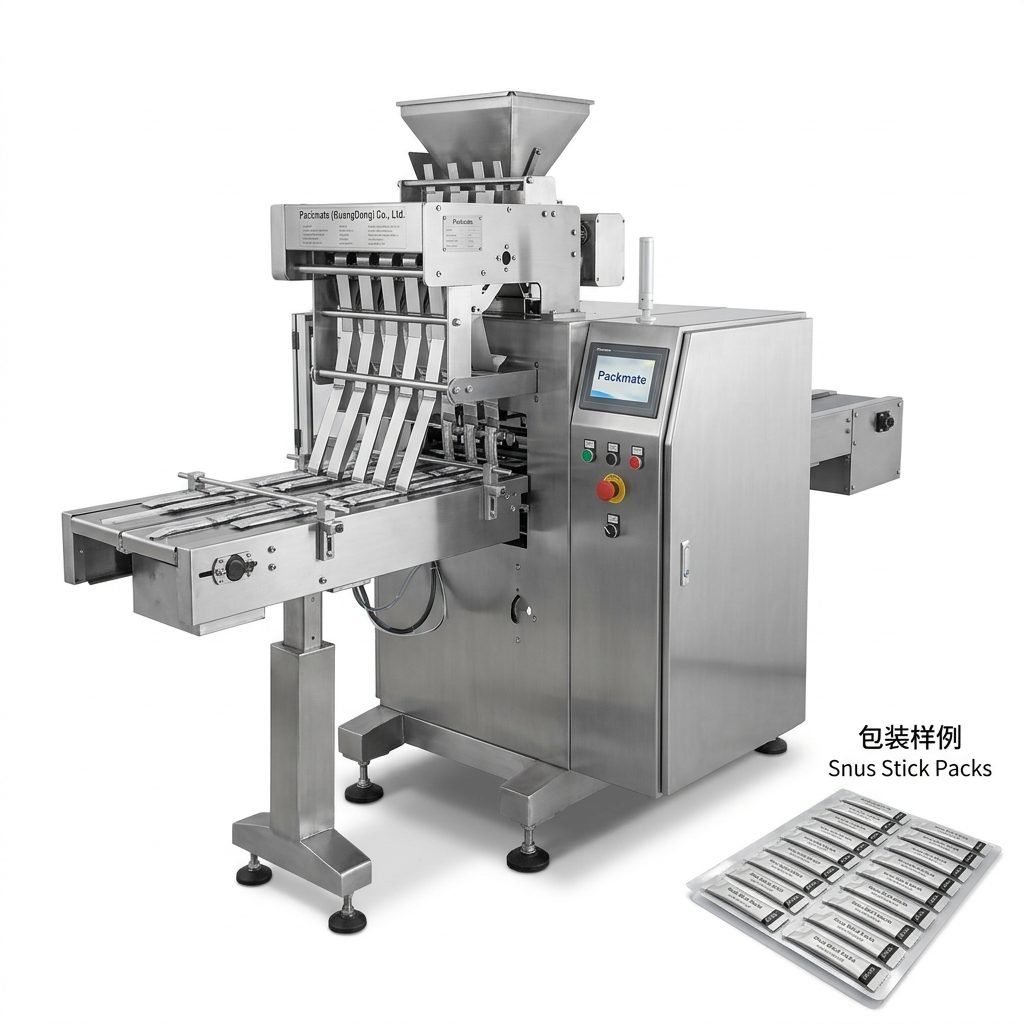
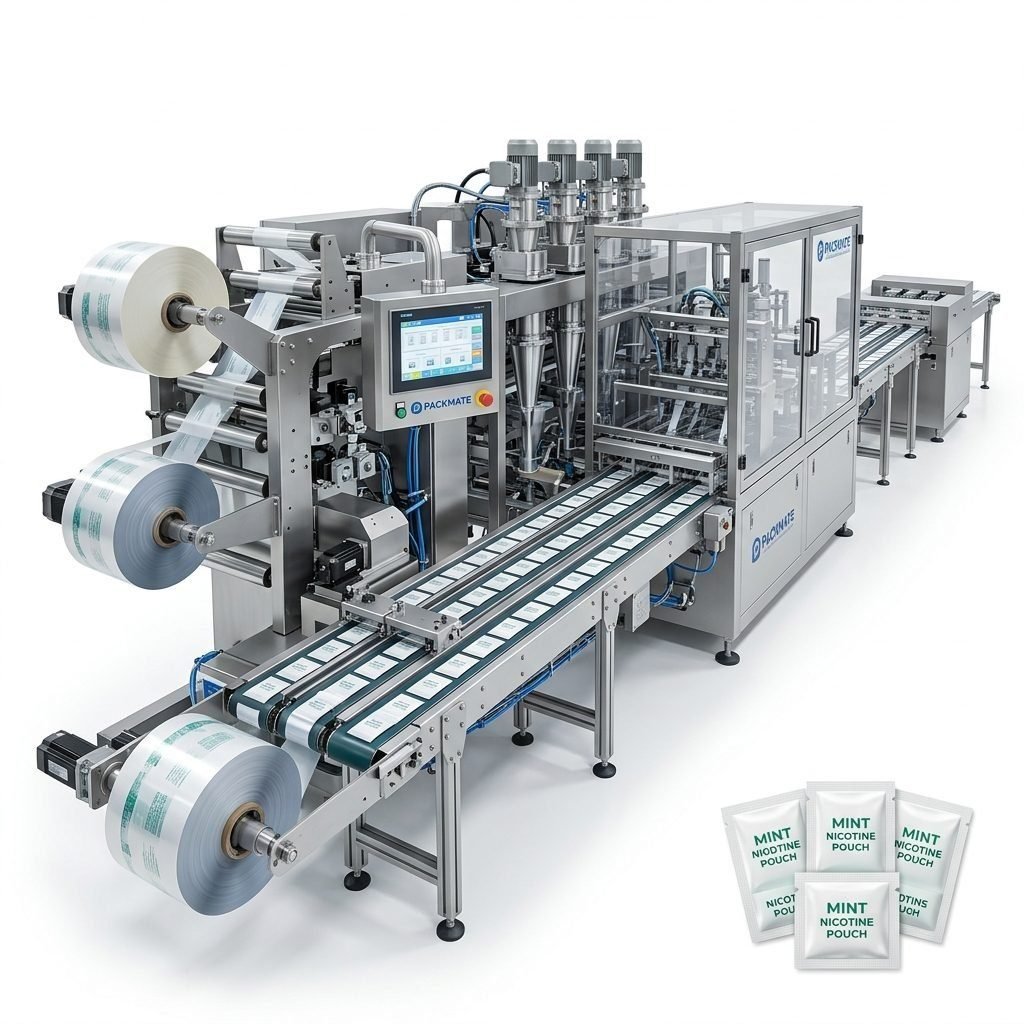
Choosing the right nicotine packaging machine for a small market like Saint Kitts and Nevis is a strategic decision that affects product quality, regulatory compliance, and long-term costs. This guide walks you through the most important technical, operational, and business considerations so you can select a machine that fits your production goals, local market requirements, and growth plans.
Understand the Nicotine Product and Local Requirements
Before evaluating equipment, clarify the exact product you plan to pack: nicotine pouches, snus, sachets, stick packs, or multi-dose pouches. Each format demands different filling, sealing, and material-handling systems. In Saint Kitts and Nevis, consider import regulations, labeling requirements, and potential age-restrictions or excise rules that affect packaging formats and batch traceability.
Key product questions to answer
- Is the product powder, granule, paste, or liquid?
- What is the target pouch size and single-dose weight tolerance?
- Which secondary packaging (cartons, display boxes) will be used?
- Do you need multi-lane output for higher throughput or a compact single-lane system?
For nicotine pouches, precision dosing and gentle product handling are critical to maintain consistency and avoid dust generation.
Match Machine Type to Production Needs
There are several common machine categories for nicotine products:
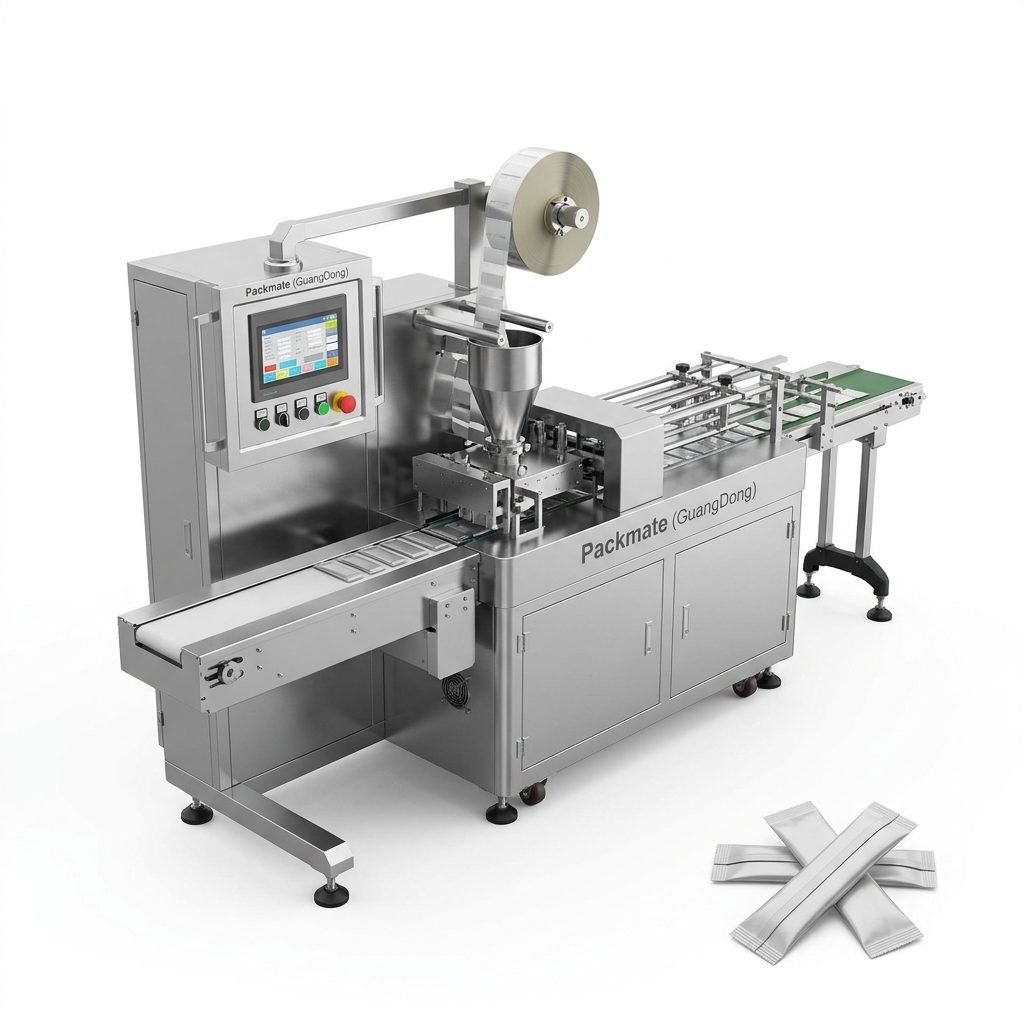
Sachet & Stick Pack Machines
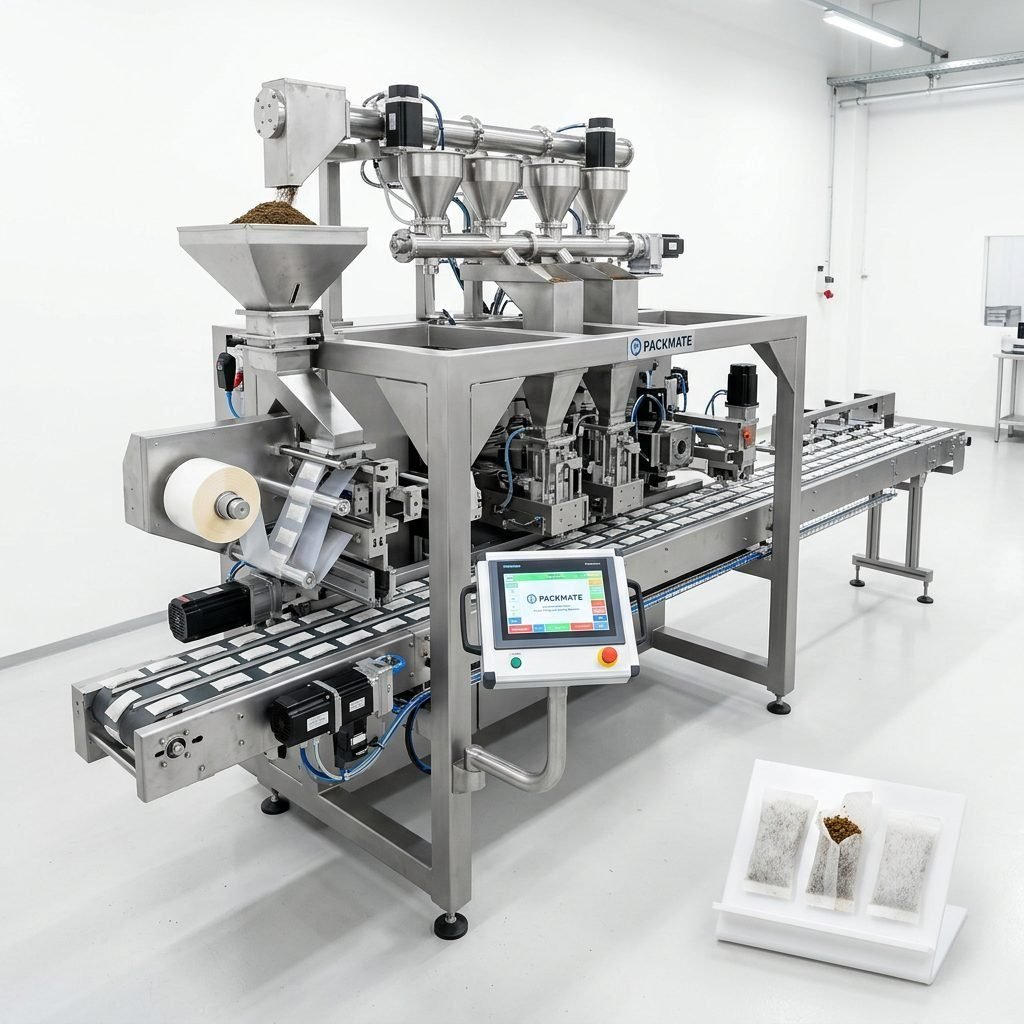
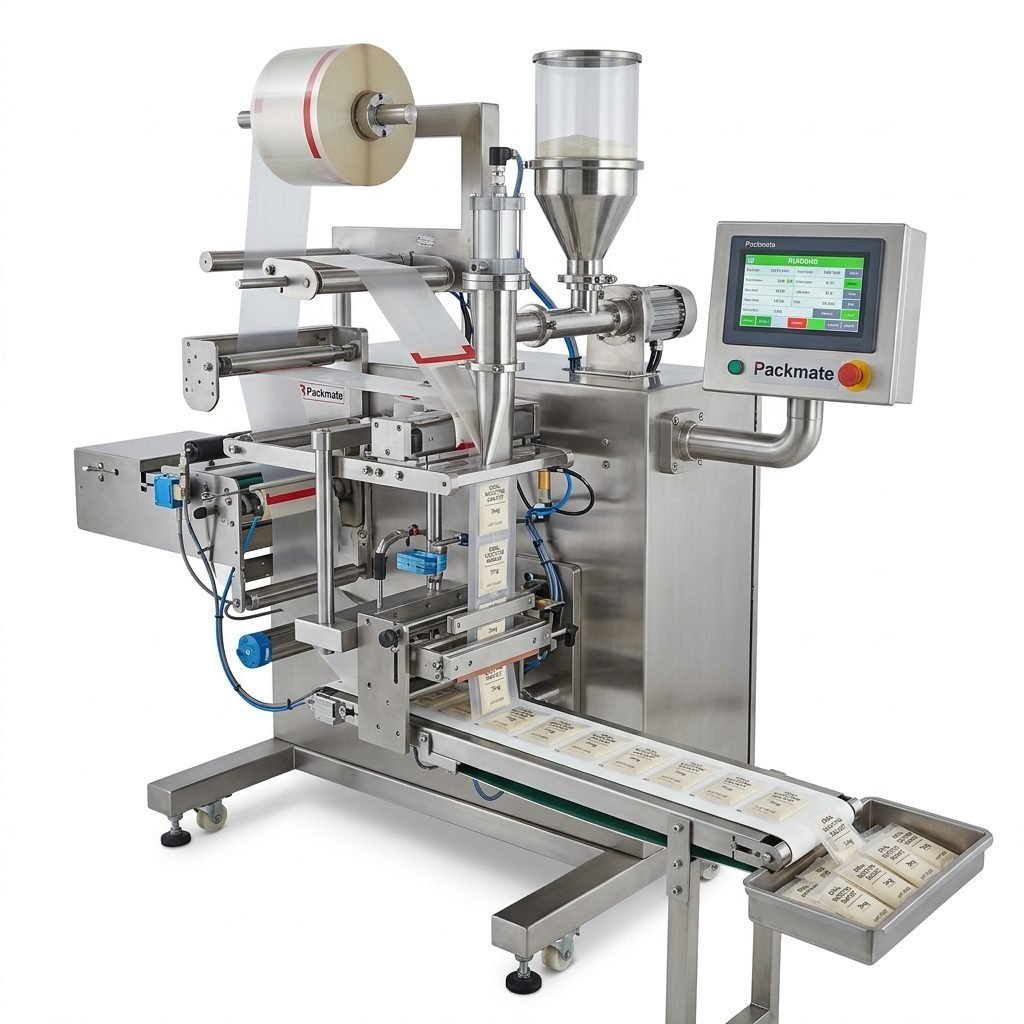
Ideal for single-serve stick or powder sachets. These machines excel at compact, low-to-medium volume runs and are often cost-effective for new brands or limited runs. See typical models and capabilities at
Sachet & Stick Pack Machines.
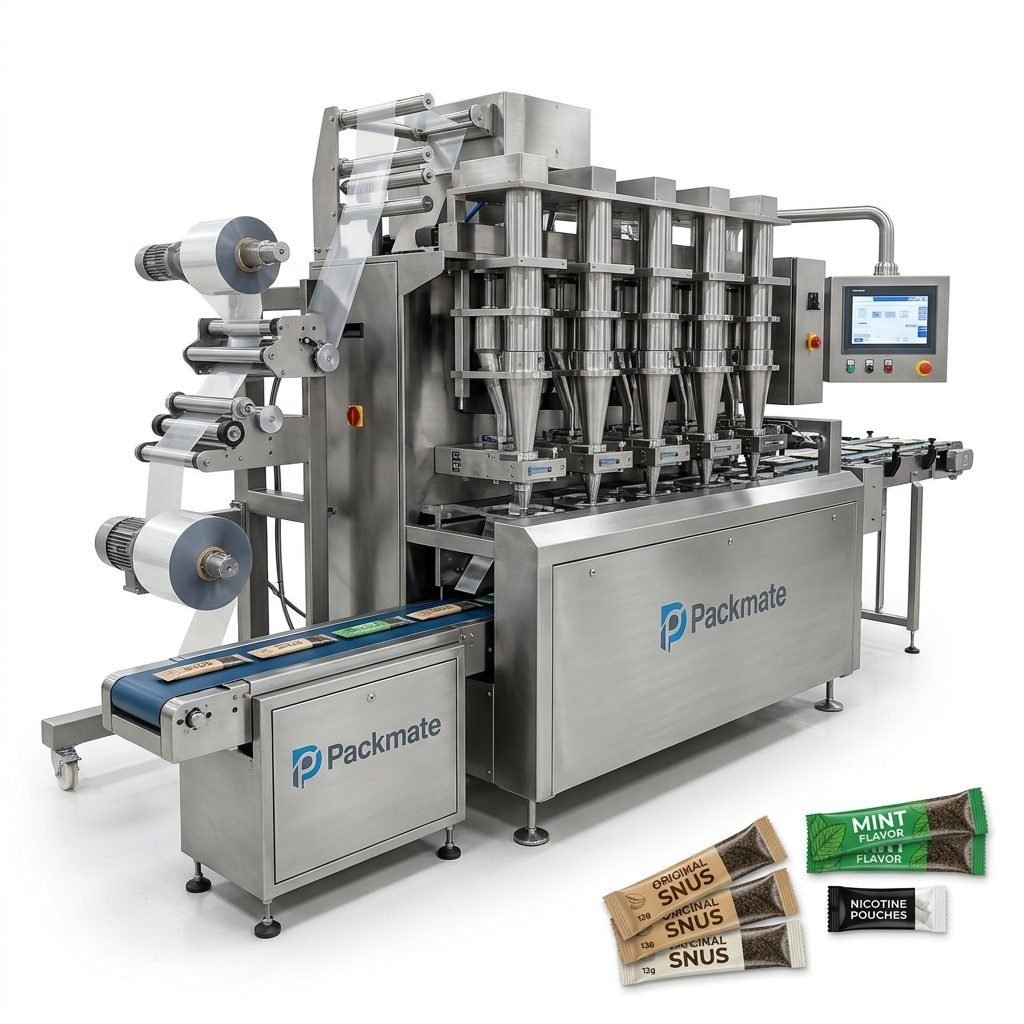
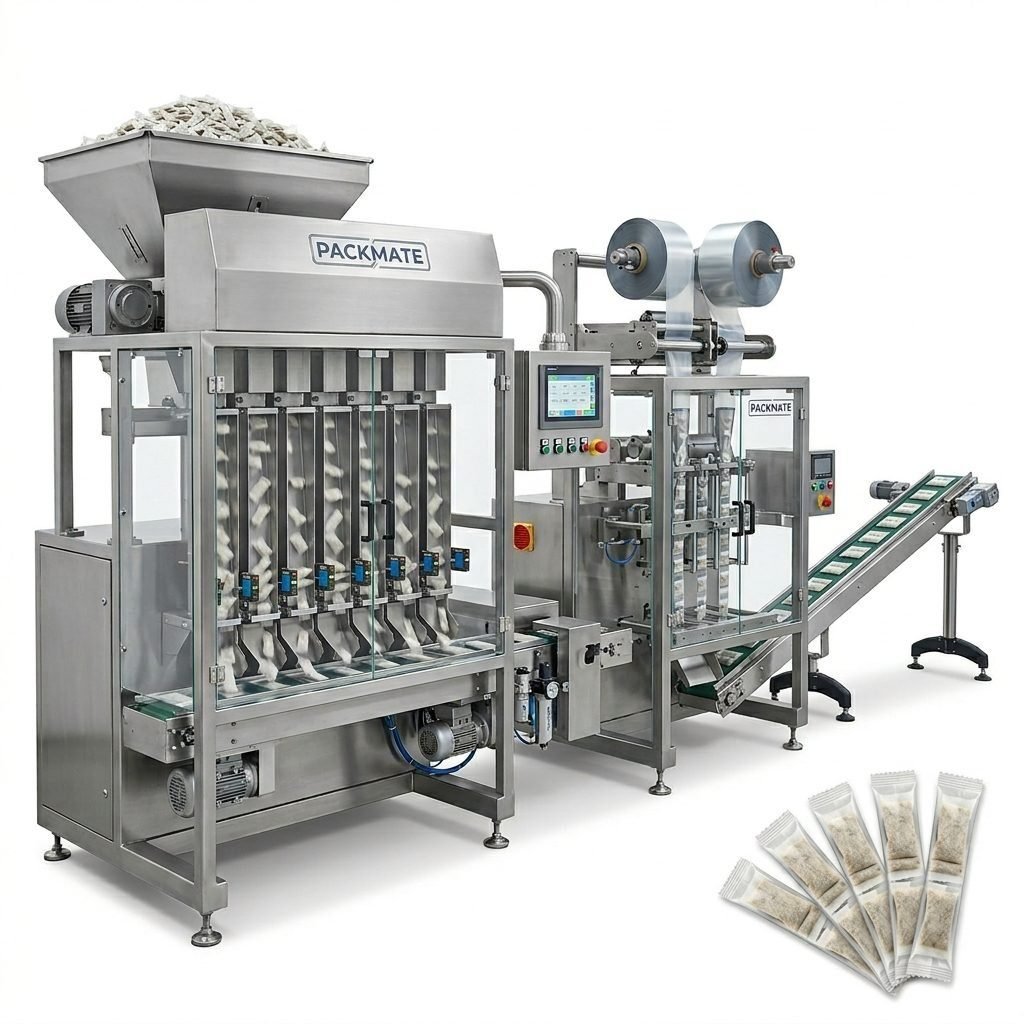
Snus & Nicotine Pouch Machines
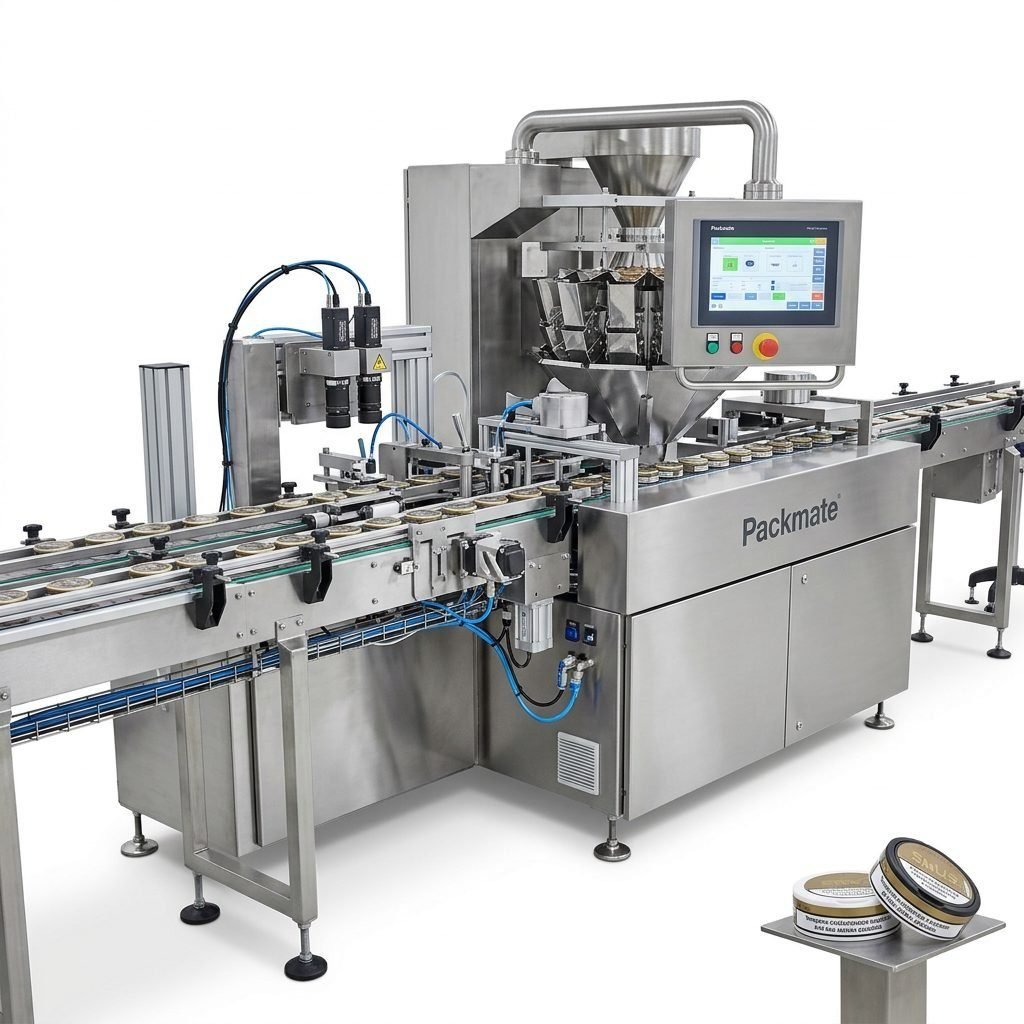
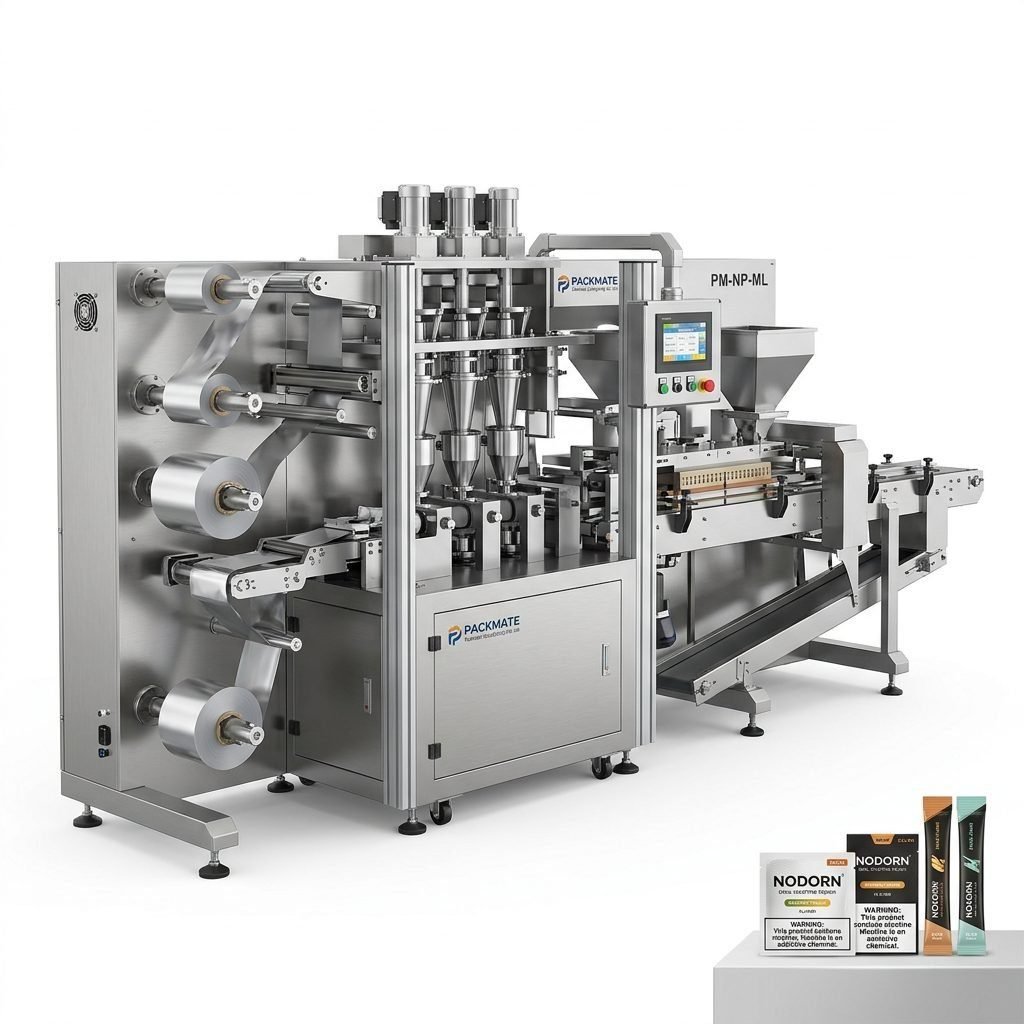
Purpose-built for nicotine pouch production (including multi-lane systems). These lines support precise pouch forming, filling, and sealing with minimal operator intervention. For a deep dive into specialized equipment, visit
Snus & Nicotine Packaging Machines.
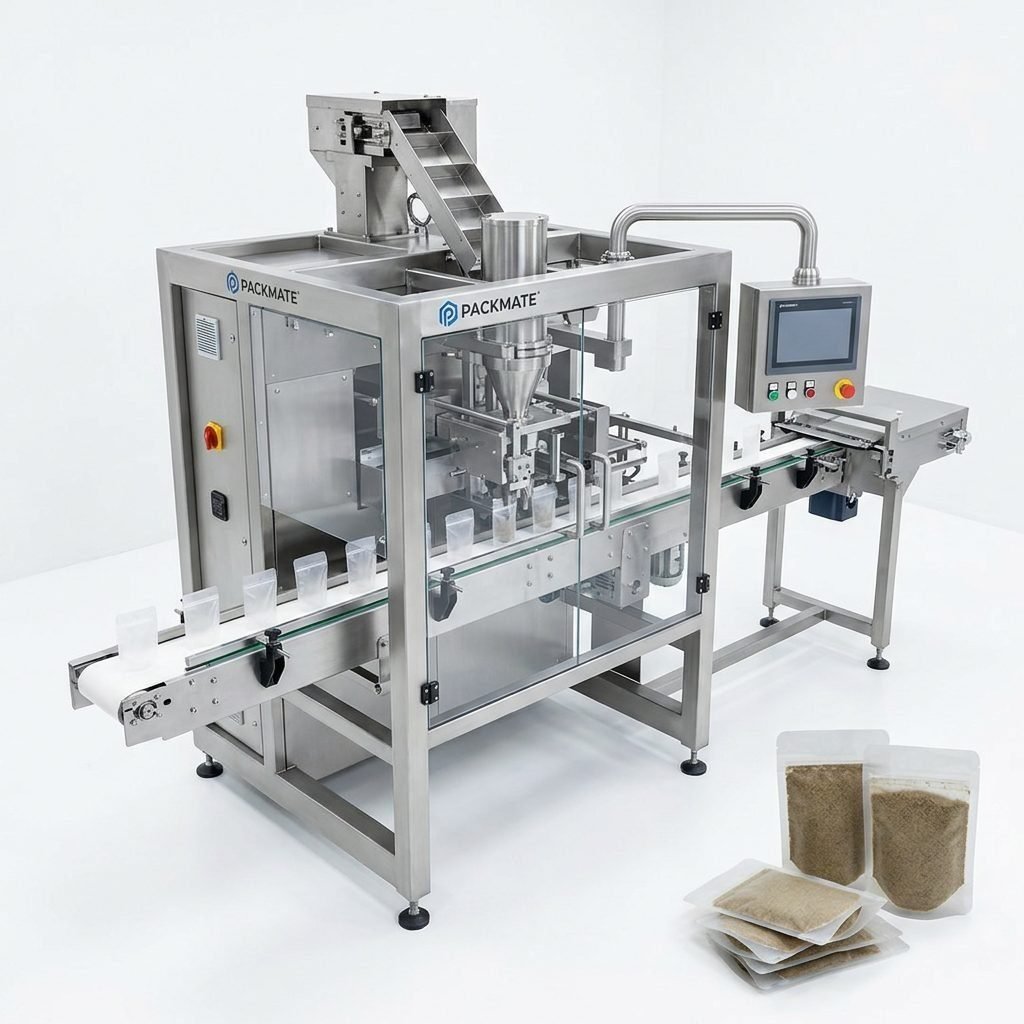
Bag & Pouch Packaging Machines
When secondary packaging (pouches, resealable bags) is required for retail presentation or moisture protection, choose flexible bagging systems that integrate with upstream pouch or stick lines. More models and configurations are available at
Bag & Pouch Packaging Machines.
- Stick/Sachet: Low footprint, good for test markets
- Snus pouch lines: Higher throughput, precise dosing
- Bag machines: Best for retail-ready packaging
Production Capacity, Speed, and Scalability
Estimate your daily and monthly production targets, factoring in peak demand and seasonality. Machines are typically rated in pouches per minute or packs per hour. For small island markets, a modular or multi-lane machine that can scale up by adding lanes or auxiliary modules is often the best investment.
Consider downtime for maintenance and changeovers. Machines with quick-change tooling and recipe storage reduce lost production time when switching SKUs.
Performance metrics to evaluate
- Nominal speed (pouches/min) and real-world CPH (cases per hour) with quality margins
- Yield percentage and expected scrap/waste rate
- Mean time between failures (MTBF) and mean time to repair (MTTR)
Accuracy, Fill Systems, and Product Handling
For nicotine pouches, dose accuracy is non-negotiable. Look for high-precision auger fillers, multi-head weighers, or combination systems depending on your product’s physical properties. Auger and volumetric dosing are common for powder; multi-head weighers provide the highest accuracy for small-dose pouches.
Gentle product handling and dust control (dust extraction, enclosed filling) are essential for worker safety and consistent product quality.
Materials, Film Compatibility, and Barrier Requirements
Choose machines that support the films and laminates you plan to use — heat-sealable films, high-barrier laminates, or resealable zippers. Confirm temperature ranges for sealing, tear notch placement, and compatibility with biodegradable or specialty films if sustainability is a priority.
Always request sample seals and test runs with your exact film structure to validate seal integrity and appearance.
Hygiene, Cleaning, and Maintenance
Machines used for nicotine products must be easy to clean to avoid cross-contamination and maintain product safety. Look for stainless steel contact parts, open-access designs for inspection, and CIP (clean-in-place) capability where applicable.
Automation, Controls, and Ease of Use
Modern machines include intuitive HMI touchscreens, recipe management, remote diagnostics, and PLC controls. These features reduce operator training time and help with consistent production across shifts. Remote support or cloud-connectivity can shorten troubleshooting times, which is valuable when technical service is distant.
Service, Spare Parts, and Local Support in Saint Kitts and Nevis
For island operations, supplier support and spare parts availability are critical. Confirm lead times for spare parts, whether the manufacturer offers regional warehouses, and if the vendor provides remote commissioning or on-site training. A vendor with a global service network and documented training programs reduces operational risk.
Packmate (GuangDong) Co., Ltd. emphasizes international support and turnkey solutions; learn more about the company background and capabilities at
About Packmate.
Certifications, Compliance, and Quality Standards
Verify that machines comply with CE, ISO, and other relevant international standards. Certifications demonstrate a baseline of safety and build quality, which simplifies import clearance and lends credibility when seeking retailer partnerships.
Total Cost of Ownership and ROI
Upfront purchase price is only part of the cost. Calculate the total cost of ownership (TCO), including installation, freight, customs duties, spare parts, consumables, energy use, maintenance labor, and expected downtime. A higher-quality machine with lower downtime often delivers a faster ROI in the long run.
Cost checklist
- Machine price + shipping + taxes
- Installation and commissioning
- Training and documentation
- Spare parts kit and minimum on-hand inventory
- Energy consumption and consumables
Factory Acceptance Tests and On-site Trials
Insist on Factory Acceptance Tests (FAT) and ask for video or on-site demonstrations with your product or a close surrogate. FAT reduces surprises during commissioning and helps validate machine speed, dosing accuracy, and film performance before shipment.
- Run at target speed for a minimum agreed period
- Measure dosing accuracy and weight variance
- Test all film types and sealing parameters
- Confirm HMI recipes and alarm handling
Integration with Upstream/Downstream Equipment
Consider the full production line: feeders, labelers, check-weighers, metal detectors, cartoners, and case packers. Choosing compatible interfaces and synchronized communication protocols simplifies automation and reduces integration costs. For comprehensive system options, review related modules under
Weighing & Packaging Systems and
Filling & Packaging Lines.
Selecting a Trusted Supplier
Choose suppliers with proven sector experience, transparent references, and strong after-sales support. Review case studies, exhibition presence, and certification documentation. Packmate’s long history in snus and nicotine machine manufacturing provides a relevant example of an established supplier with global turnkey capabilities — explore real-world examples at
Case.
Practical Considerations for Saint Kitts and Nevis
Operating on a small Caribbean island presents unique logistics and workforce factors:
- Plan spare parts inventory for longer lead times and possible shipping delays.
- Train local technicians through the supplier’s structured training to reduce dependency on visiting engineers.
- Consider compact footprints and noise restrictions in shared industrial spaces.
- Factor in humidity control and storage for hygroscopic raw materials and final products.
Coordinate with customs brokers early to avoid clearance delays. Consider consolidated shipments for machine and spare parts to reduce costs.
Trial Runs, Pilot Orders, and Scaling Up
If you are a new entrant, start with a pilot line or rental/demo program to validate market demand and operational workflows. Once validated, scale to multi-lane or integrated solutions. This phased investment reduces initial capital risk while allowing real-market feedback to refine product specs.
Final Selection Checklist
Use this concise checklist when comparing quotes and proposals:
- Verified dosing accuracy and production speed with your product
- Complete FAT report and video evidence
- Spare parts list and recommended initial kit
- Training scope and after-sales SLA
- Energy consumption and footprint details
- Warranty terms and options for extended support
For tailored advice on machine models and turnkey solutions, you can contact manufacturers directly to get machine specifications and price proposals. If you would like supplier contact information or technical datasheets, check the manufacturer’s contact page:
Contact Us.
A reliable vendor delivers tested machines, documentation, spare-part availability, and training — all essential for uninterrupted production in an island market. Confirm certifications like CE/ISO and request references from similar projects.
Additional resources
If you need complete line solutions, auxiliary equipment and weighing systems are available to build a full automated production line. Explore options under
Auxiliary Packaging Equipment.
Summary: Practical Steps to Choose the Best Machine
1) Define product, formats, and target volumes. 2) Shortlist machine categories (sachet/stick, snus pouch, bag machines). 3) Require FAT and sample runs with your product. 4) Evaluate TCO, spare-part strategy, and local service availability. 5) Start with a pilot if unsure, then scale with modular machines.
Common Questions
Q1: How do I know which machine capacity I need for Saint Kitts and Nevis?
A: Estimate realistic monthly sales, factor in safety stock and lead times, and plan for growth. Then match these numbers to machines’ real-world throughput (not just theoretical max).
Q2: Are snus machines easy to maintain locally?
A: Basic maintenance is straightforward with proper training and a stocked spares kit. For complex repairs, remote diagnostics and scheduled visits from certified engineers reduce downtime.
Q3: What is the best way to validate a machine before purchase?
A: Require a Factory Acceptance Test (FAT) with your product or a close substitute, ask for performance records, and confirm warranty and spare-part commitments in writing.
Q4: Can I upgrade from a single-lane to multi-lane system later?
A: Many manufacturers offer modular machine platforms where lanes or auxiliary modules can be added later. Confirm upgrade paths and compatibility before purchase.
Q5: Where can I find trusted suppliers and more information?
A: Review manufacturer catalogs, certifications, and case studies. For complete product ranges and service details, visit the manufacturer’s product pages and FAQ:
FAQs | Catalog.