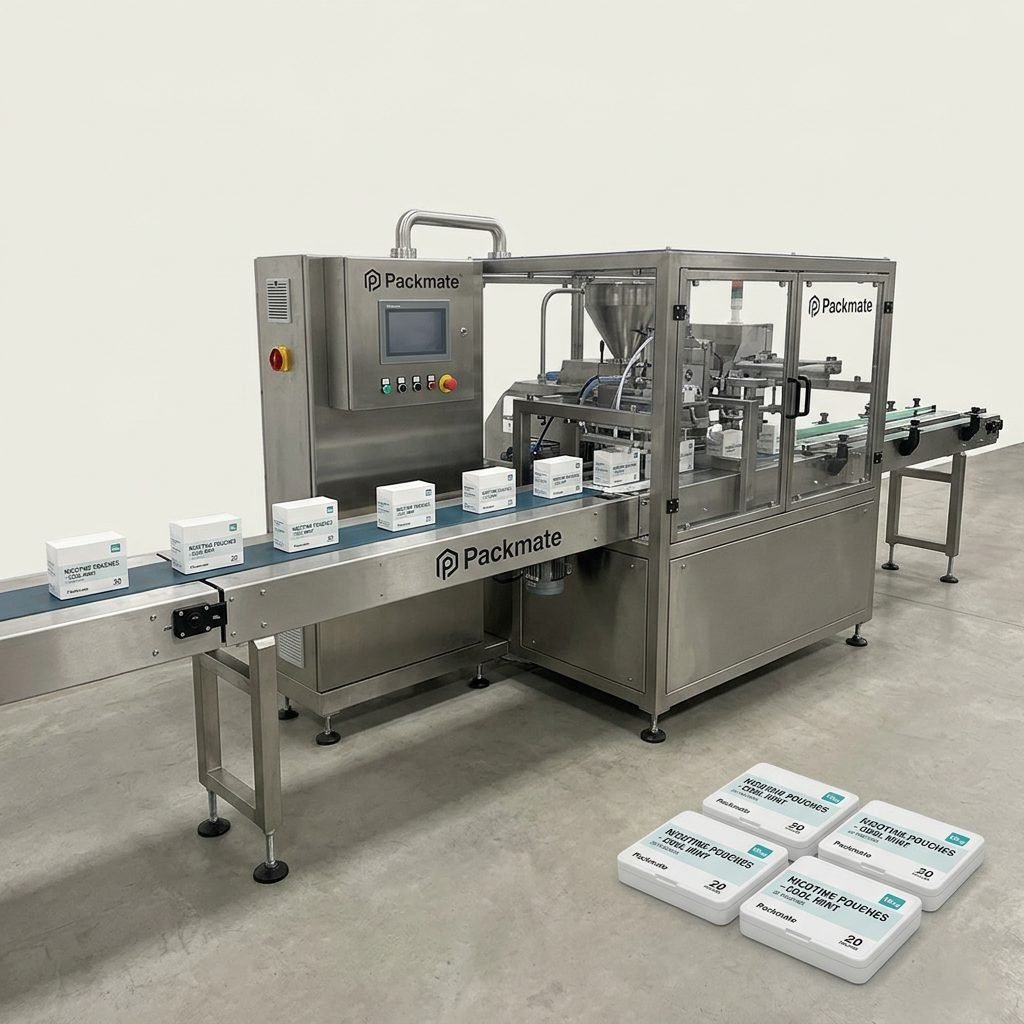
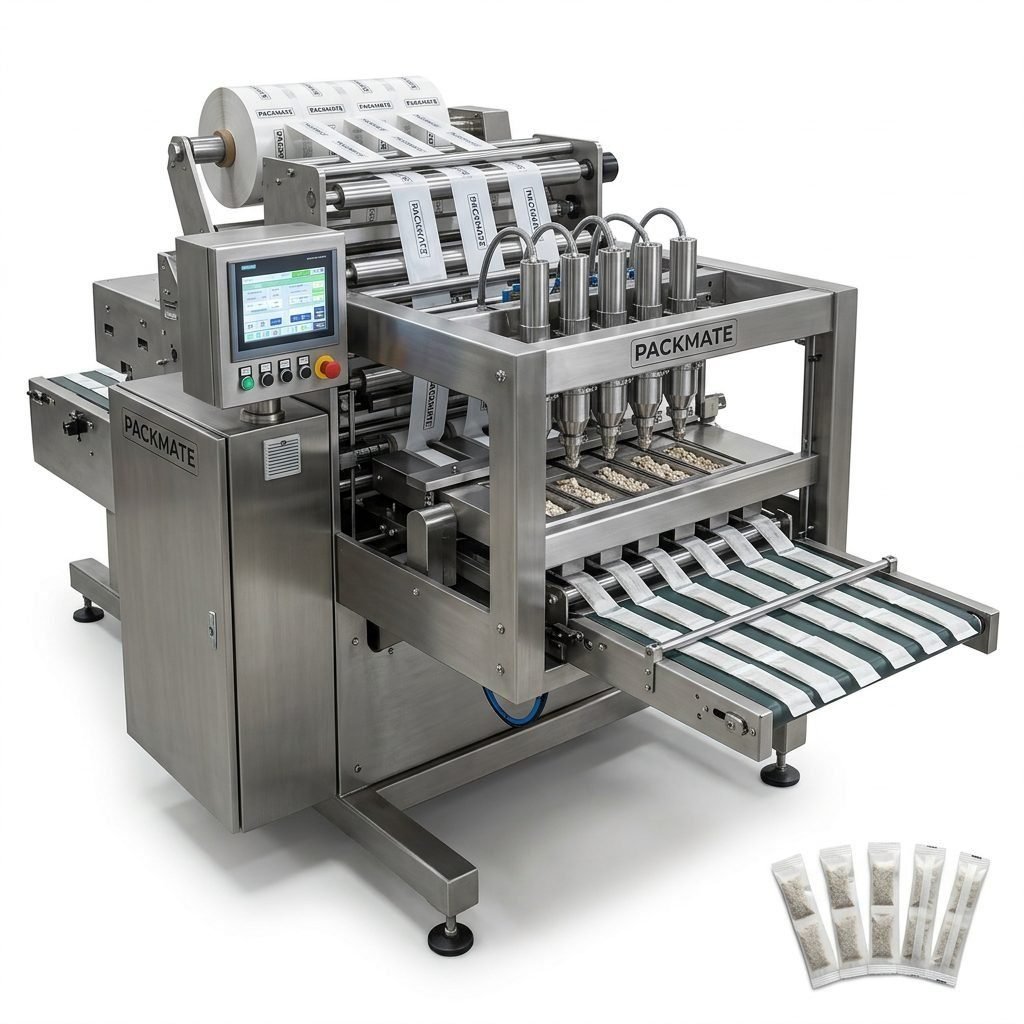
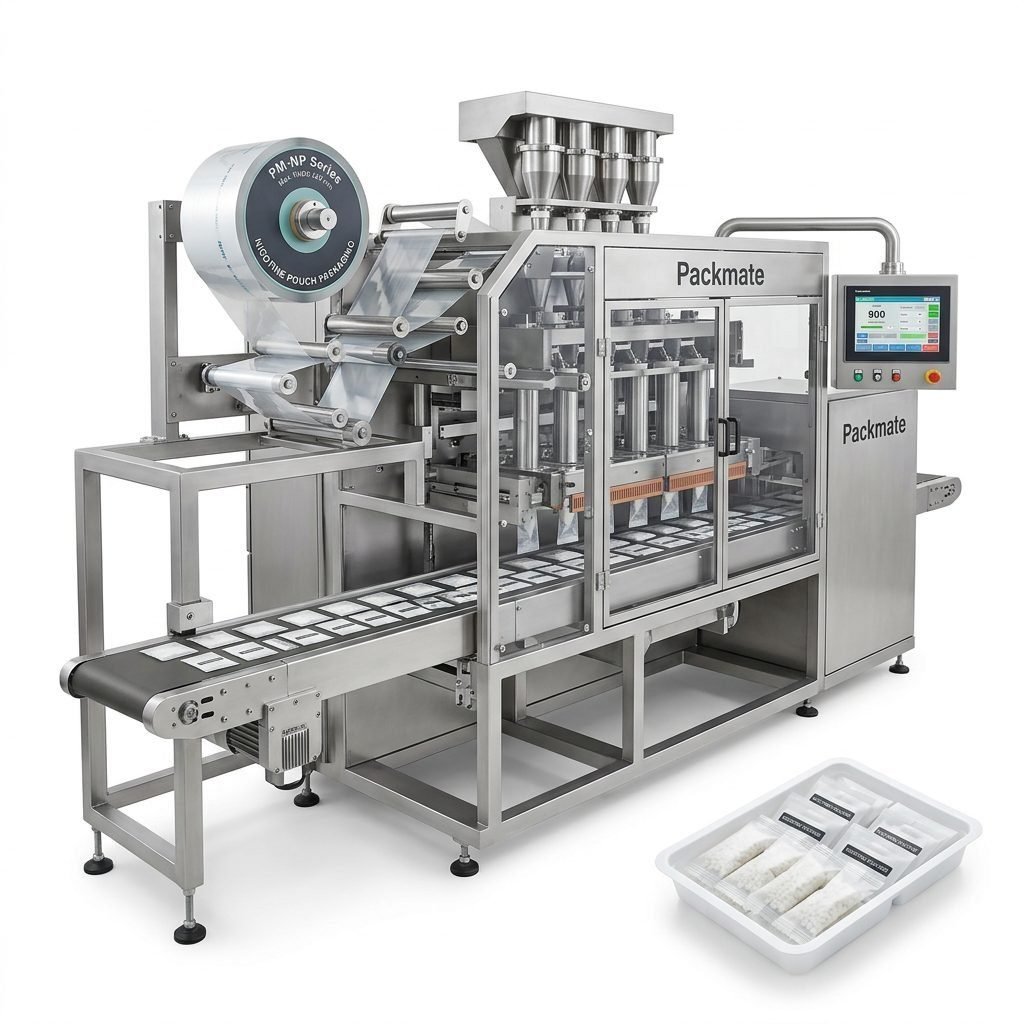
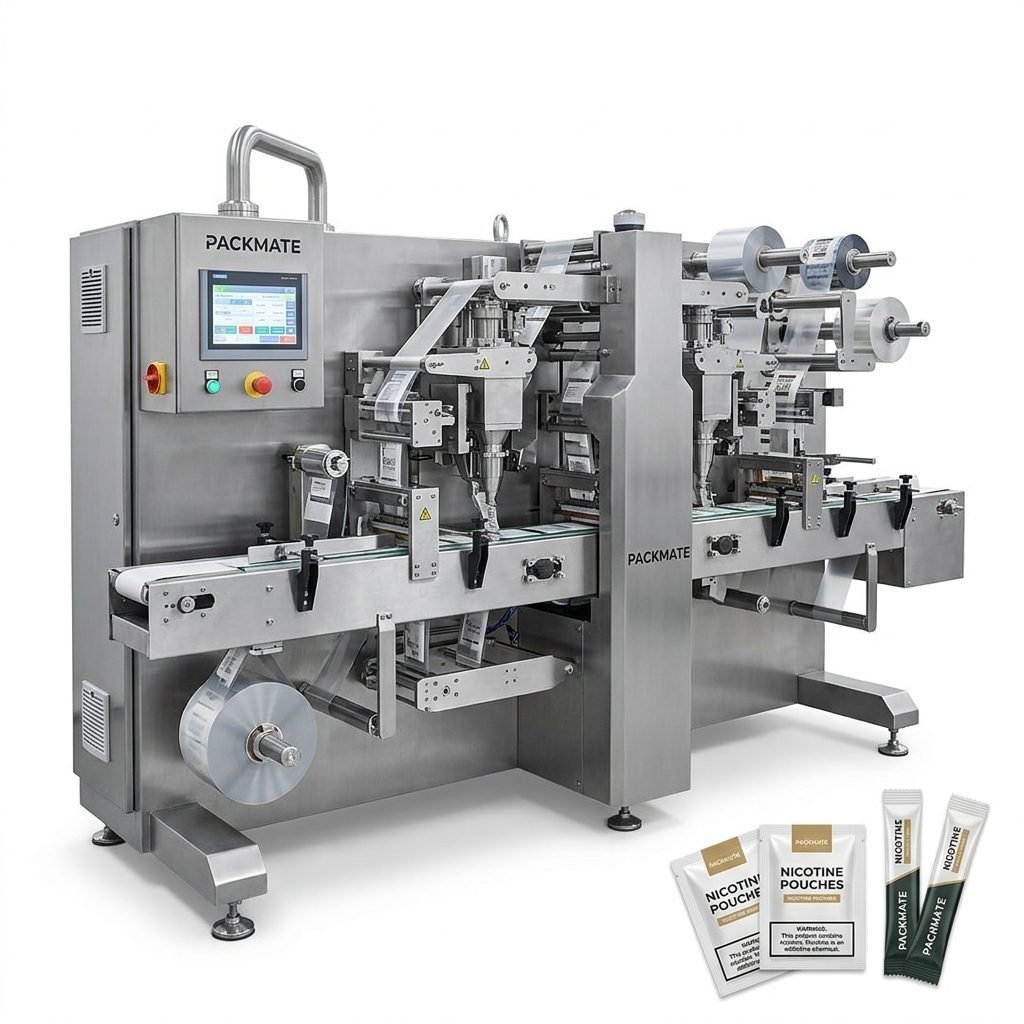
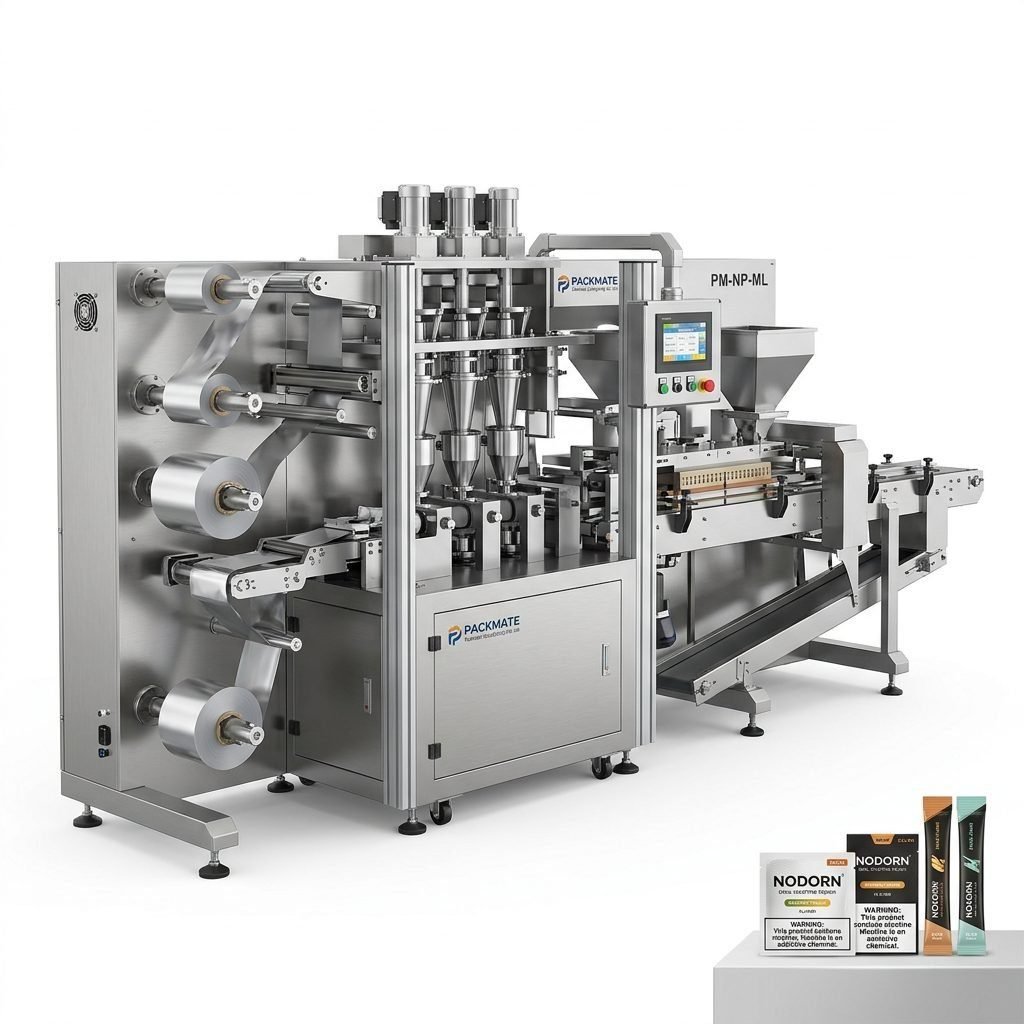
Niger’s snus and nicotine pouch market is evolving quickly, driven by changing consumer preferences and increasing interest in alternative tobacco products. If you’re evaluating packaging equipment for snus or nicotine pouches, choosing the right machine is a critical step that affects product quality, regulatory compliance, throughput, and overall profitability. This guide breaks down the key factors to consider and offers practical steps to select a snus packaging machine that fits your production goals in Niger.
Understand Your Product and Packaging Format
The first question is simple but decisive: what type of snus product are you packaging? Nicotine pouches and snus can come in different formats — loose pouches, portioned pouches, mini pouches, or stick sachets. Each format requires specific filling, sealing, and handling technologies. Match the machine to the pouch format to avoid wasted time and costly retrofits.
Quick tip: For multi-portion products choose multi-lane or portion-dedicated systems to maximize output without sacrificing portion accuracy.
Machine Types and What They Offer
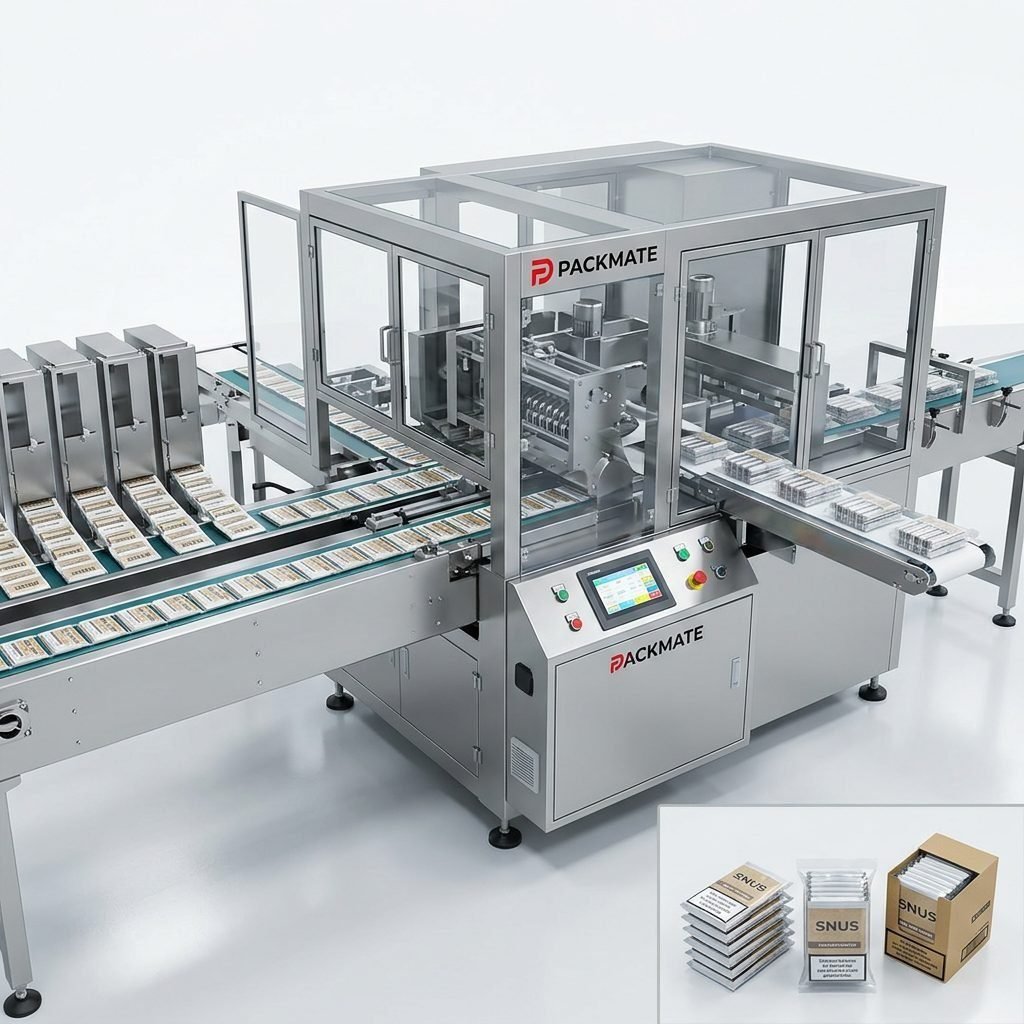
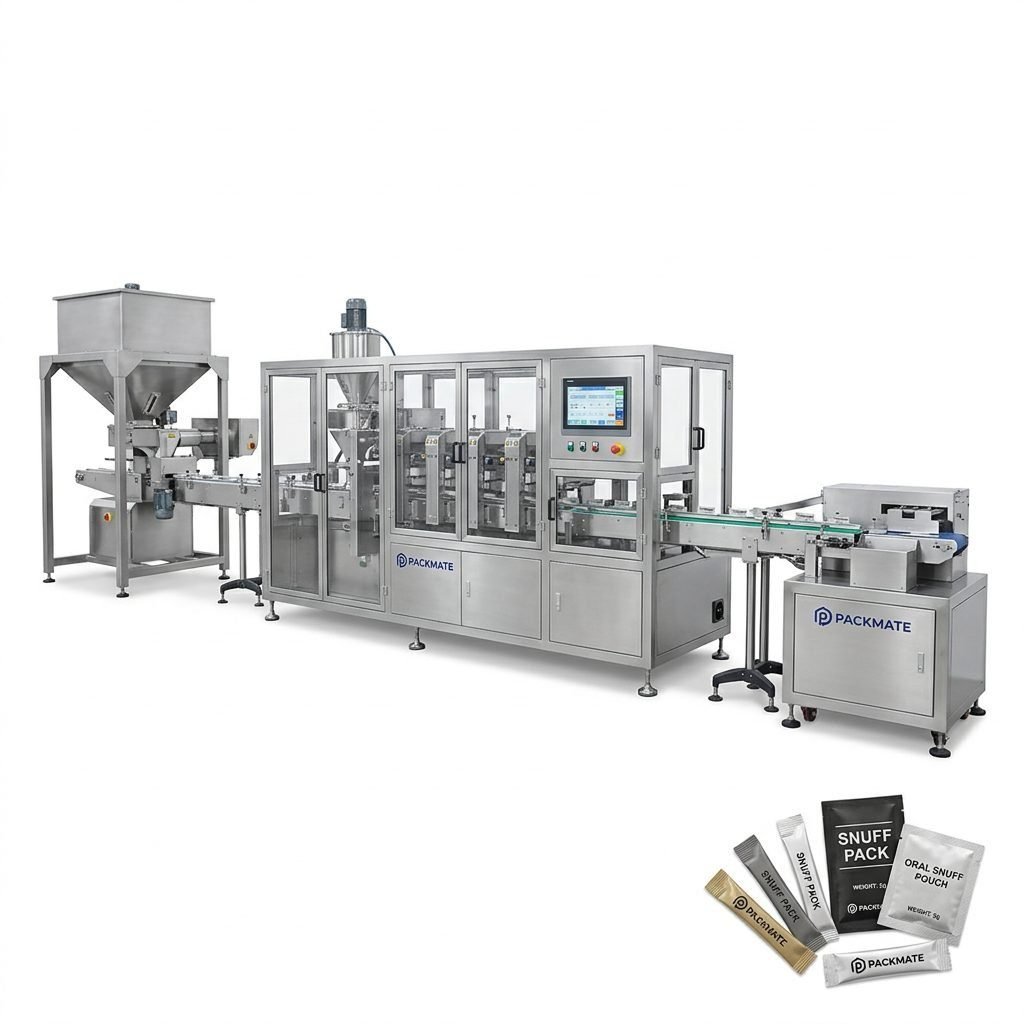
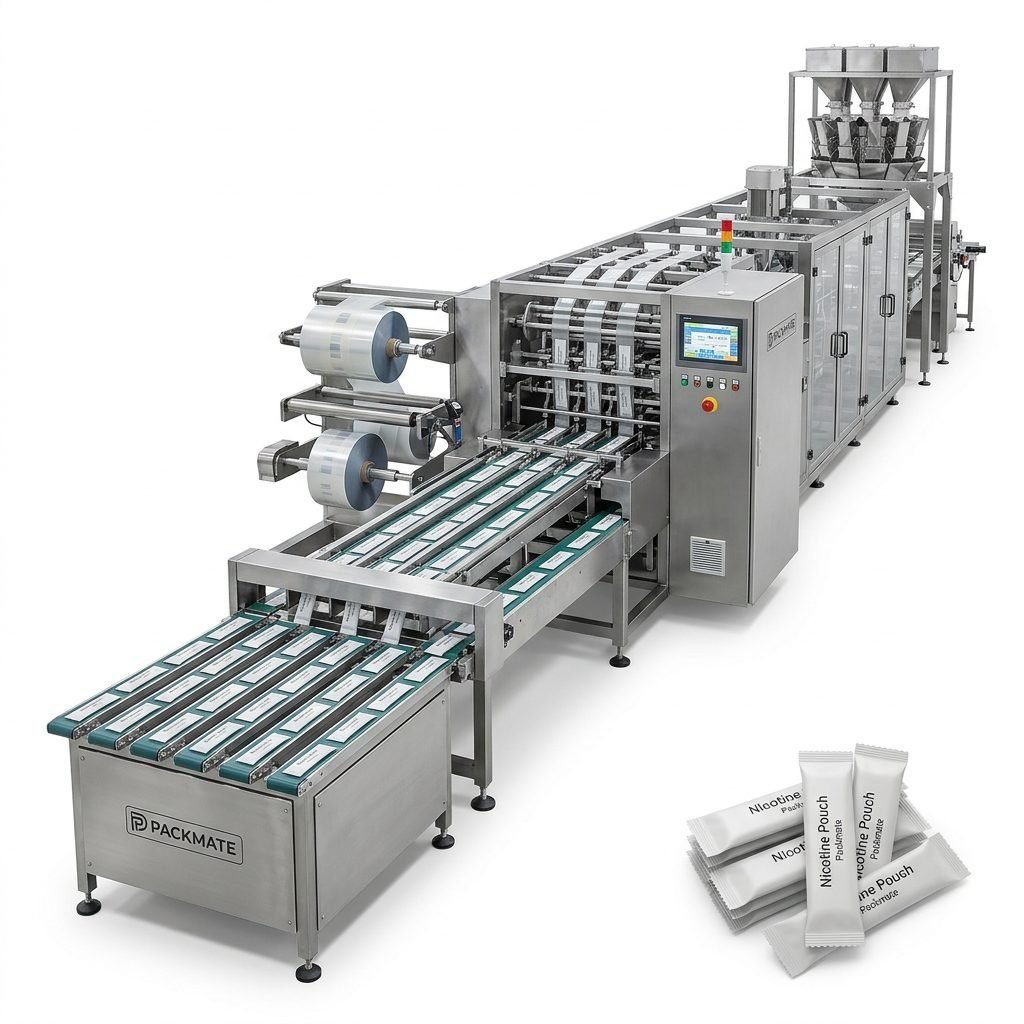
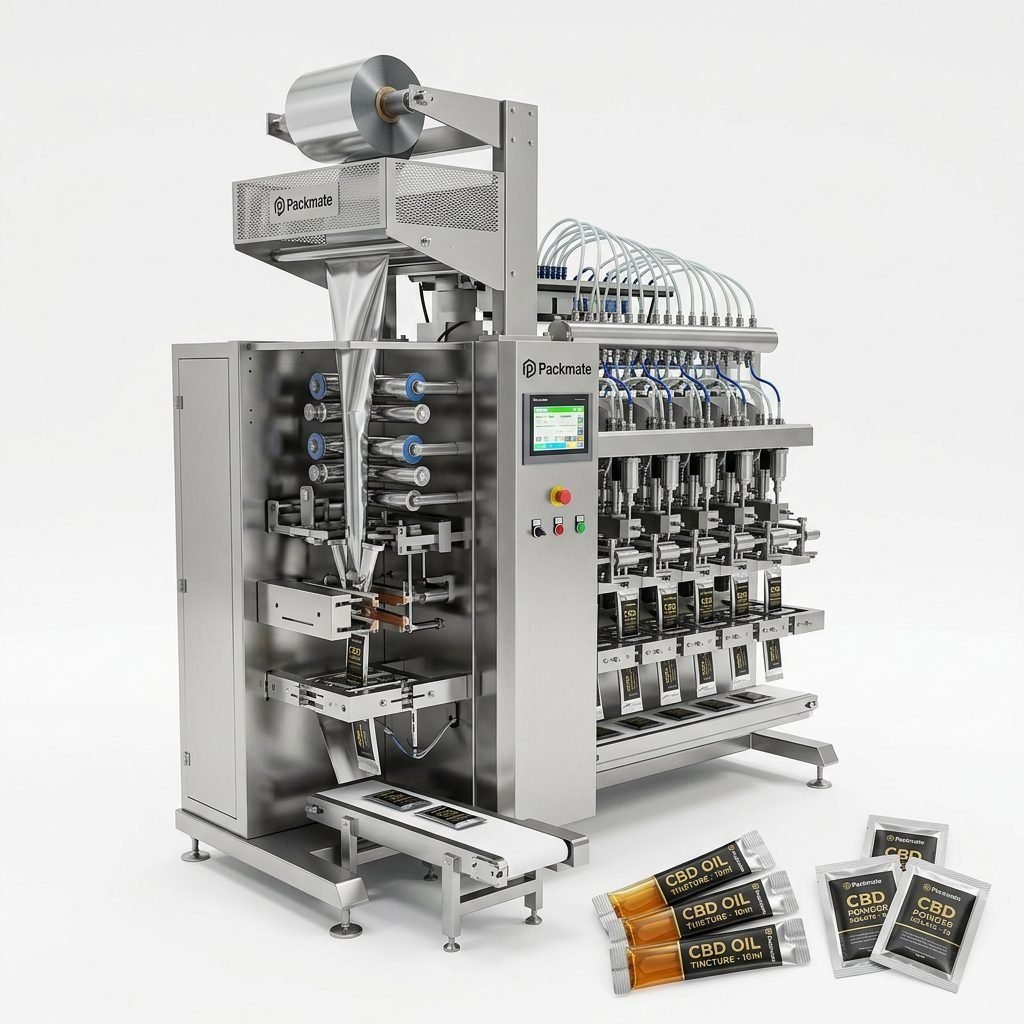
Common machine categories for snus packaging include stick pack machines, sachet machines, pouch machines, and multi-lane high-speed lines. Each category has trade-offs:
Stick pack machines excel for single-portion stick formats — compact, efficient, and cost-effective for small sachets. Sachet & pouch machines are more flexible, handling various pouch shapes and sizes. Multi-lane systems dramatically increase throughput for high-volume runs and smaller portion sizes.
Recommended Links for Machine Types
Explore product families and technical specifications before contacting suppliers:
• Snus & Nicotine Packaging Machines
• Sachet & Stick Pack Machines
• Bag & Pouch Packaging Machines
Production Capacity & Scalability
Estimate your required throughput in portions per minute and daily production target. Machines range from low-speed pilots to high-speed multi-lane lines that deliver thousands of pouches per minute. Select equipment that meets current needs but also offers headroom for growth. Investing in modular systems or machines that support additional lanes can lower long-term costs when demand rises.
Production planning icon: 🔧 • Consider peak vs. average demand and schedule for maintenance downtimes to calculate true effective capacity.
Accuracy, Hygiene and Compliance
Precision filling matters for nicotine products due to regulatory limits and consumer safety. Choose machines with reliable dosing systems and low variance. Stainless steel contact parts, hygienic design, and easy-to-clean surfaces are essential to meet food and pharmaceutical-grade hygiene. Verify that the supplier’s equipment complies with international standards (CE, ISO) and can support documentation for market registration.
Must-have features: accurate dosing (weighing or volumetric), positive sealing, minimal product contact points, and cleanability.
Integration with Upstream and Downstream Systems
Packaging lines rarely operate in isolation. Consider how the machine will integrate with feeding systems, weighing systems, capping, cartoning, secondary packaging, and labeling. Seamless integration reduces manual handling, speeds production, and improves traceability. Ask for references or case studies showing full-line implementations similar to your production scenario.
View turnkey examples for inspiration: Filling & Packaging Lines and Weighing & Packaging Systems.
Material Compatibility and Film Options
Packaging film type influences machine selection. Barrier films, laminated foils, and biodegradable options each behave differently during sealing and forming. Ensure the machine supports the film thickness and sealing temperatures required by your chosen material. If you plan to offer premium or eco-friendly packaging, confirm the supplier’s track record with such films.
Automation, Controls, and User Interface
Modern packaging machines use PLCs, touchscreen HMIs, and servo-driven motors for precise control. A friendly interface reduces operator training time and improves changeover speed. Look for features like recipe management (for quick format changes), remote diagnostics, and fault alarms. Remote support capabilities can be especially valuable when sourcing equipment for Niger — they speed troubleshooting and reduce downtime.
Remote service reminder: ✅ Ask about remote HMI access and spare parts lead times to avoid long production stops.
Supplier Reputation and Manufacturing Strength
Choose a supplier with proven experience in snus packaging and robust manufacturing capabilities. A reliable manufacturer will provide technical documentation, spare parts lists, validation support, and training. Packmate Snus Machine, for example, highlights 30+ years of engineering, a 20,000㎡ manufacturing facility, and 50+ machine models — factors that indicate solid production and customization capability.
For company background and certifications, view vendor resources such as About Packmate and their Certificate pages.
Service, Spare Parts and Local Support in Niger
After-sales service is essential. Ask potential suppliers about spare parts availability, recommended spare parts kits, and estimated shipping times to Niger. Training for operators and maintenance teams should be part of the purchase package. If the supplier has local agents or partners near West Africa, your machine will return to production faster during faults.
Total Cost of Ownership and ROI
Evaluate purchase price alongside installation costs, spare parts, consumables (film), energy consumption, and expected downtime. A cheaper machine can cost more over time if it requires frequent maintenance or has poor uptime. Build a simple ROI model based on expected throughput, yield rate, and operating costs to justify the investment.
Financing, Warranties, and Lead Times
Clarify production lead times and shipping windows. Ask about payment terms, warranty coverage, and extended service agreements. Some manufacturers provide turnkey solutions, including line installation and validation — a major advantage when commissioning complex multi-lane systems.
Factory Acceptance Testing and Site Acceptance
Factory Acceptance Testing (FAT) gives you confidence that the machine performs to spec before shipping. Request FAT reports and, if feasible, attend in person or via livestream. After installation in Niger, a thorough Site Acceptance Test (SAT) ensures the machine integrates with your infrastructure and meets throughput targets.
Practical Buying Checklist
Checklist icon: 📦 • Use this checklist when discussing options with suppliers:
– Required pouch format and size ranges
– Target throughput (portions/minute and daily output)
– Film/material compatibility and sealing requirements
– Accuracy and dosing tolerances
– Integration needs (weighers, cartoners, labellers)
– Spare parts lead times and support model
– Warranty, FAT/SAT arrangements, and training plans
Case Study Snapshot
A mid-size manufacturer in West Africa upgraded to a multi-lane snus packing line to serve rising demand. By selecting a qualified vendor with turnkey installation experience, they improved yield, reduced manual labor, and scaled daily output threefold within six months. Documented FAT and remote commissioning helped shorten the start-up window and ensured immediate production stability.
For further examples and success stories, browse Case references from experienced manufacturers.
How to Proceed — A Simple Buying Process
1) Define product and daily targets clearly.
2) Shortlist machine types and request detailed specs and videos.
3) Ask for FAT invitations and references from similar projects.
4) Compare total cost of ownership and warranty/service terms.
5) Confirm spare parts availability and training schedule before signing.
Final Notes on Choosing the Right Partner
Selecting a snus packaging machine is as much about the supplier as it is about the hardware. Choose a partner with deep experience in snus and nicotine pouch equipment, strong manufacturing capability, and clear commitment to after-sales service. This reduces risk and speeds your time-to-market in Niger.
If you want direct supplier contact and product catalogs, view the Catalog and Contact Us pages to request quotes, videos, and FAT arrangements.
Frequently Asked Questions
Q1: What machine speed do I need for a small start-up in Niger?
A1: For pilot or small-scale production, a machine capable of several hundred portions per minute is common. Choose one with modular options to scale up as demand grows.
Q2: Are multi-lane machines suitable for small pouch sizes?
A2: Yes. Multi-lane systems are ideal for small-dose pouches and high throughput; they must be configured correctly for pouch size and film handling.
Q3: How important is FAT before shipment?
A3: Very important. FAT verifies performance and reduces the risk of surprises during installation. Request video or remote attendance if you cannot be onsite.
Q4: What certifications should I look for?
A4: CE and ISO compliance are baseline; also check documentation for material traceability and hygiene standards suitable for nicotine and food-contact applications.
Q5: How can I ensure fast spare parts delivery to Niger?
A5: Ask suppliers about regional distributors, recommended spare parts kits, and typical lead times. Establish a spare parts contract to reduce risk of extended downtime.