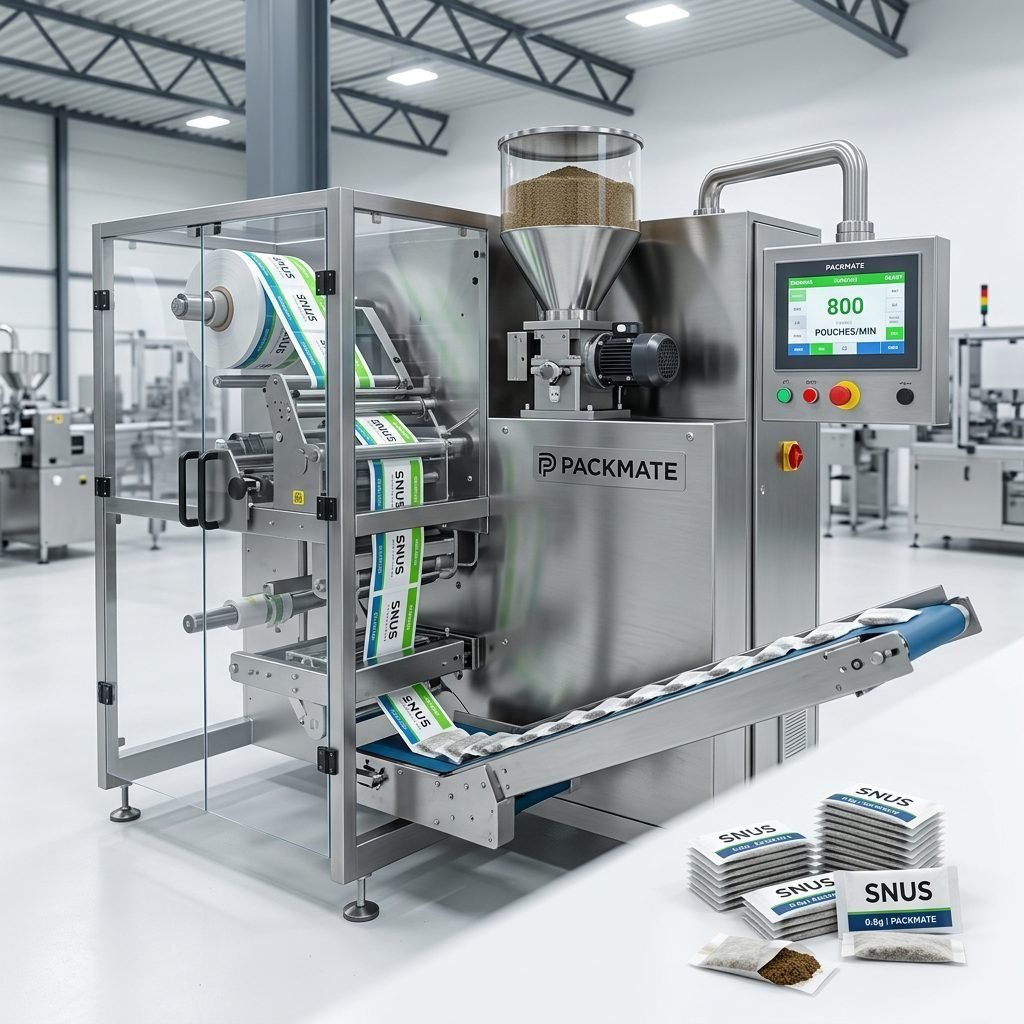
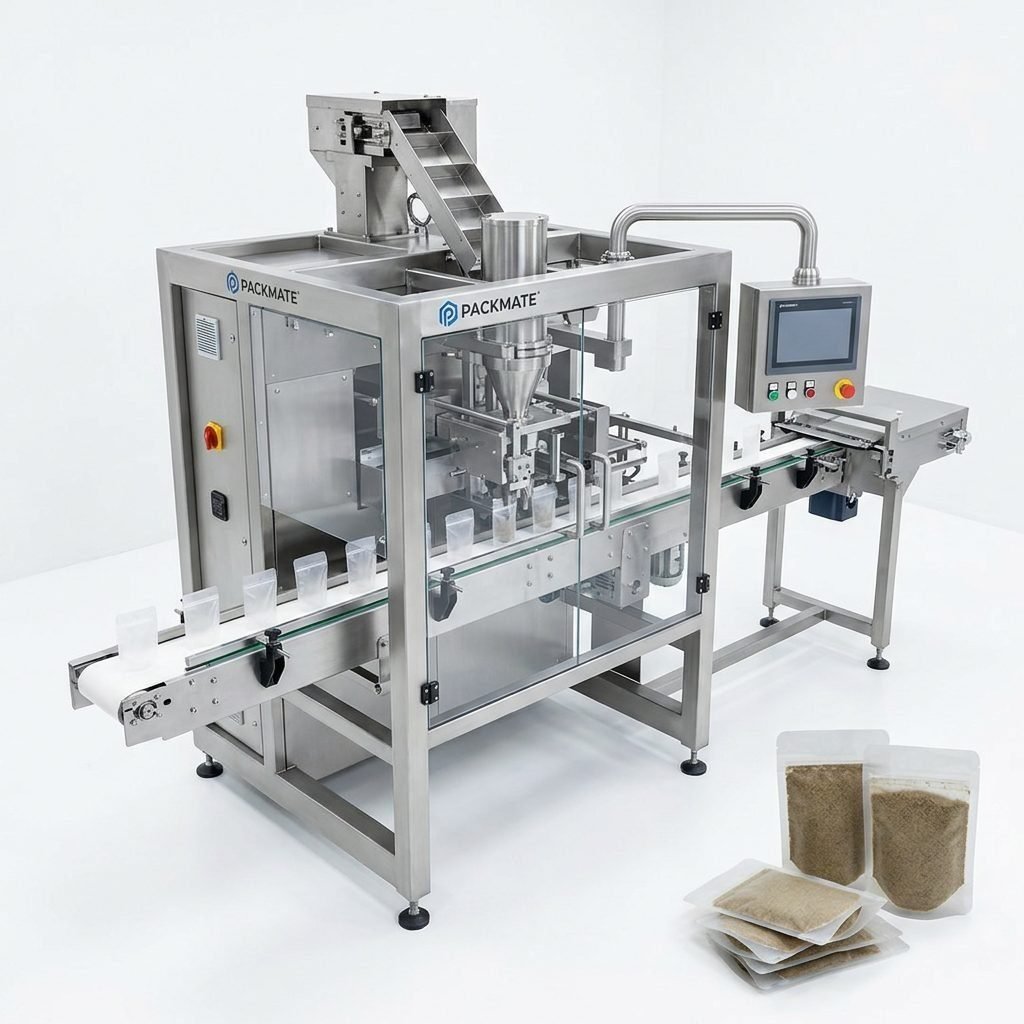
Entering or expanding in Bolivia’s nicotine pouch and snus market means choosing the right packaging machine partner. Selecting a reliable manufacturer affects production stability, product appearance, regulatory compliance, and long-term costs. This guide walks you through practical steps to evaluate and choose the best nicotine packaging machine manufacturer for your Bolivian business, focusing on machine types, factory capabilities, certifications, after-sales support, customization, and cost-per-output trade-offs.
Understand the Packaging Requirements for Your Product
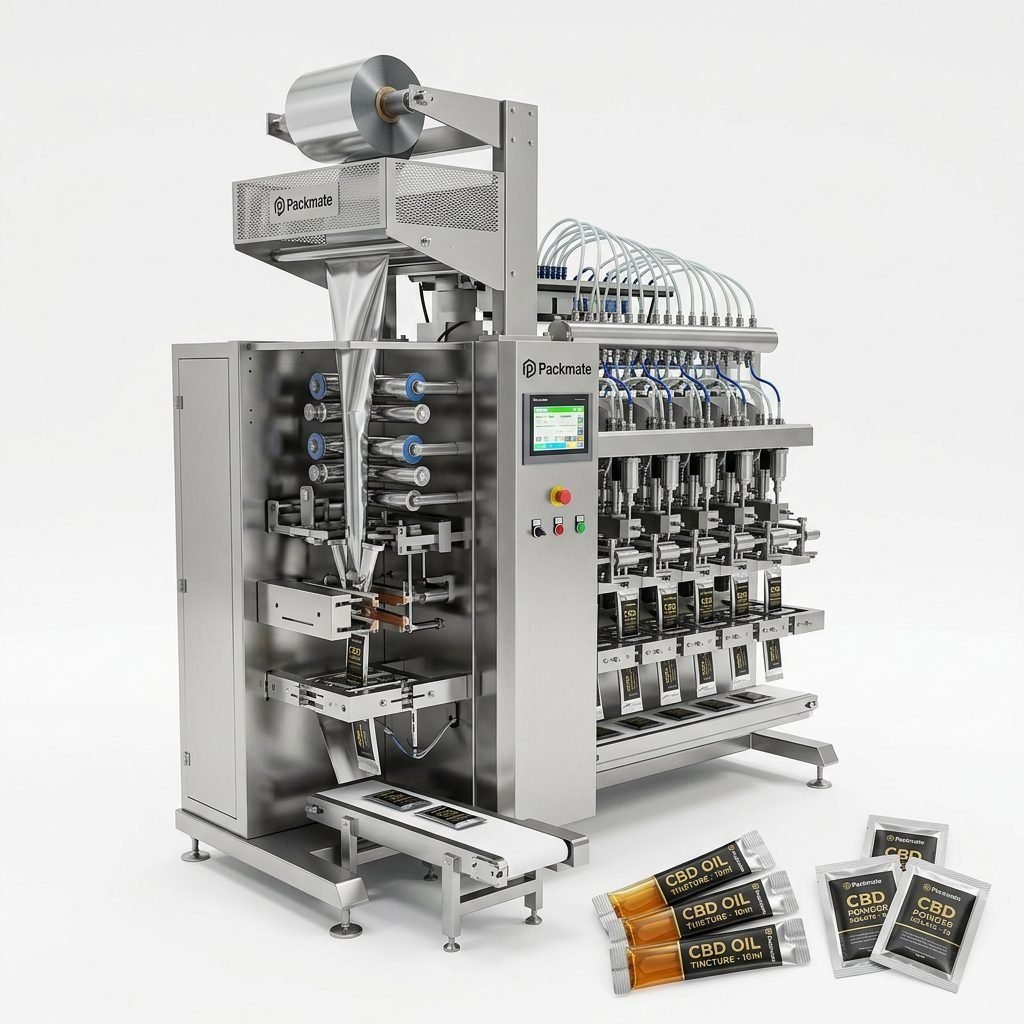
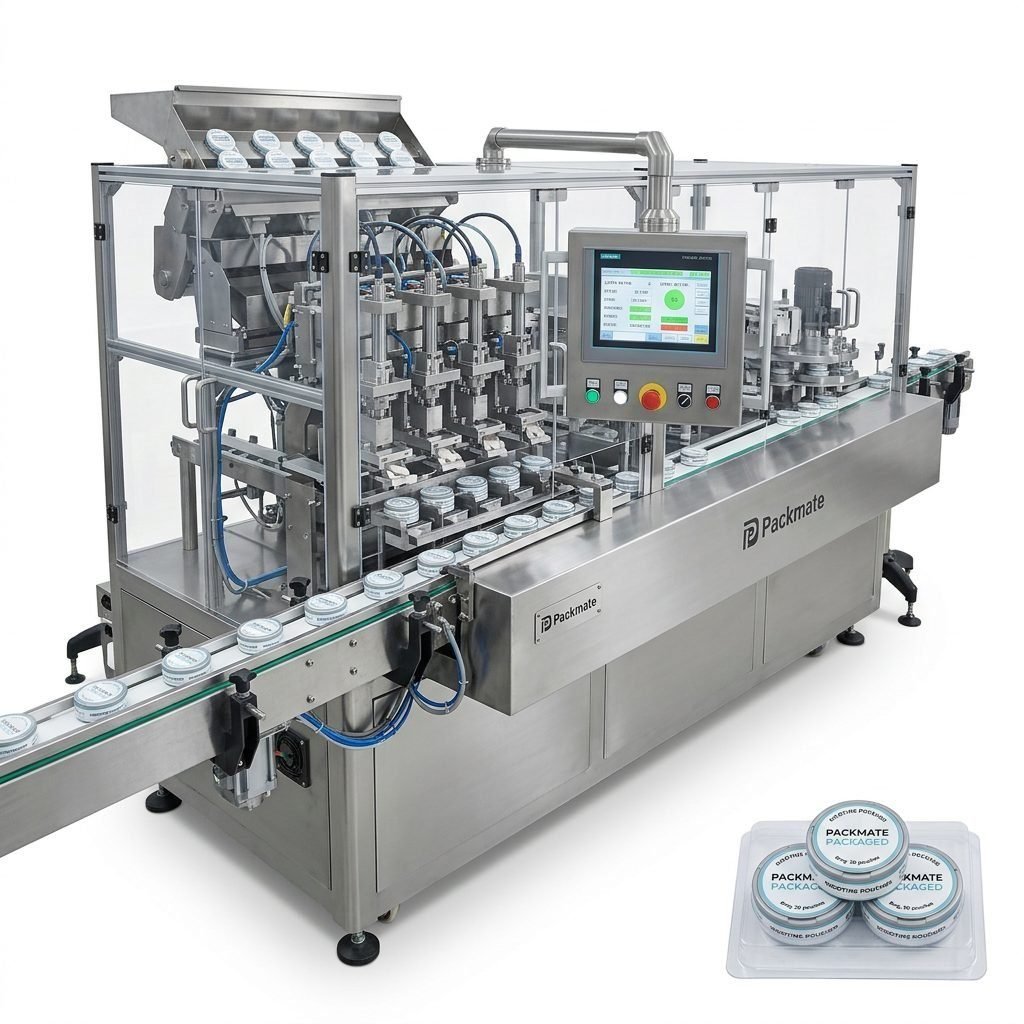
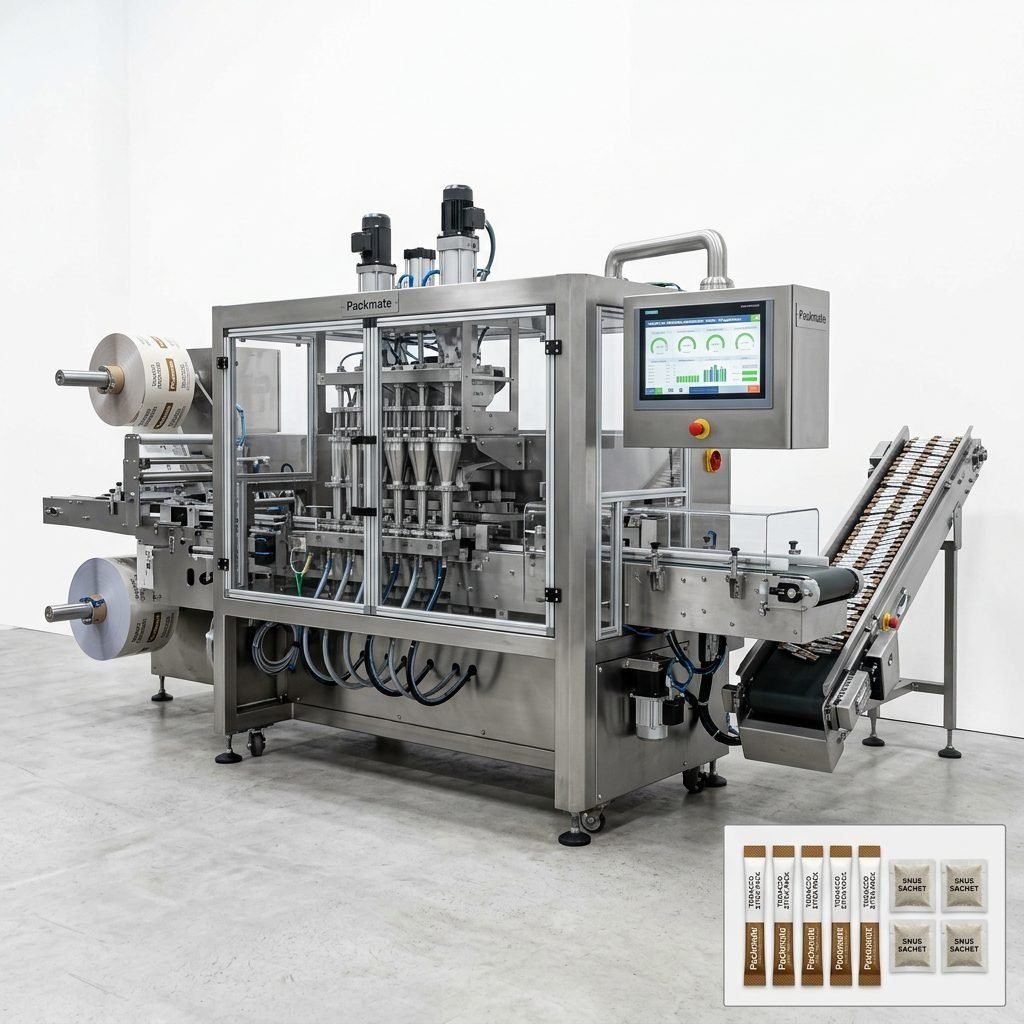
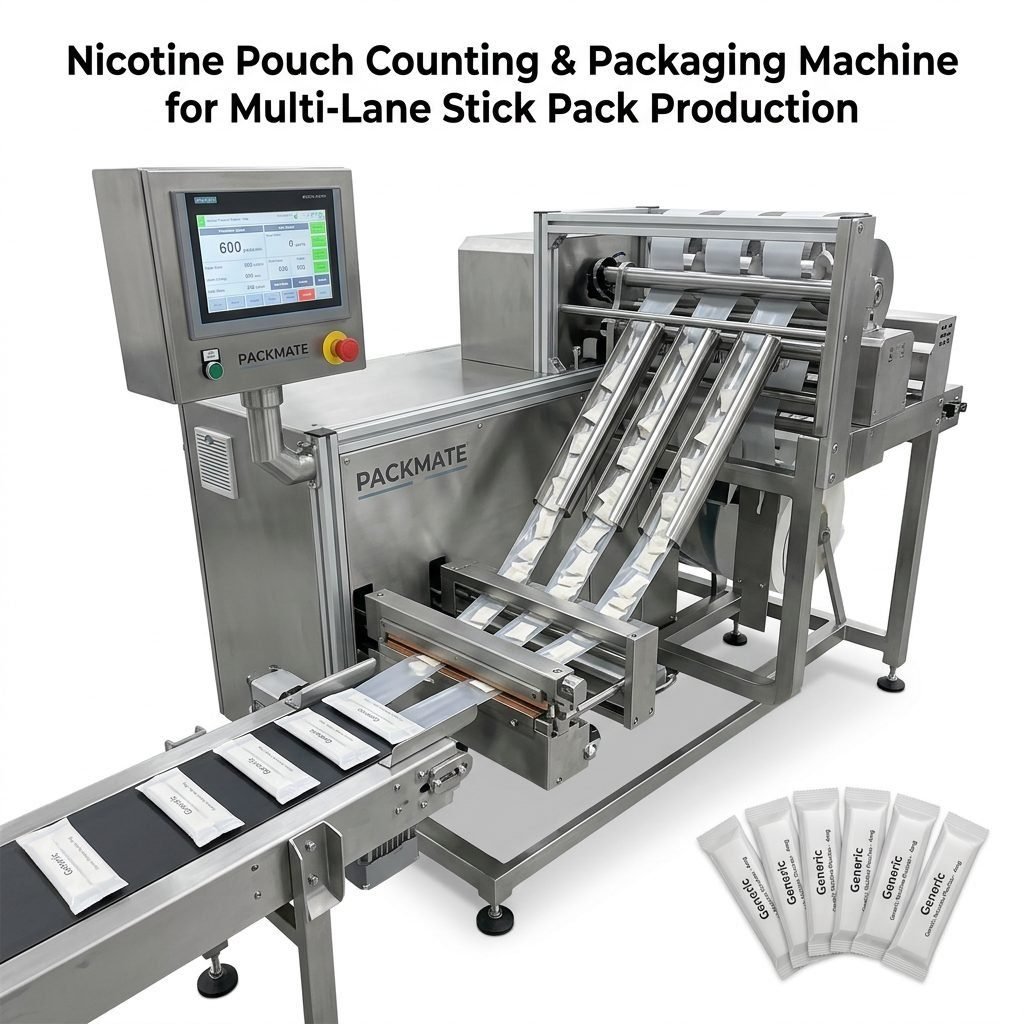
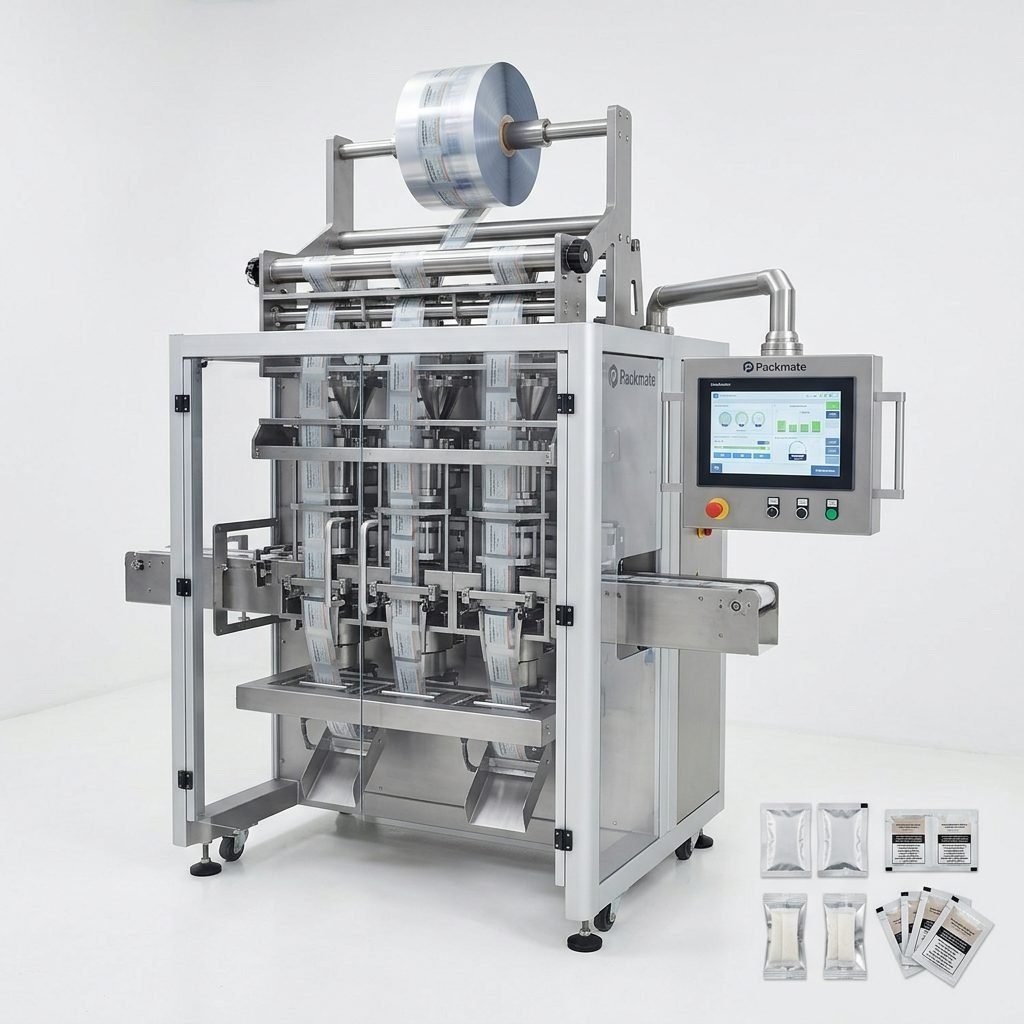
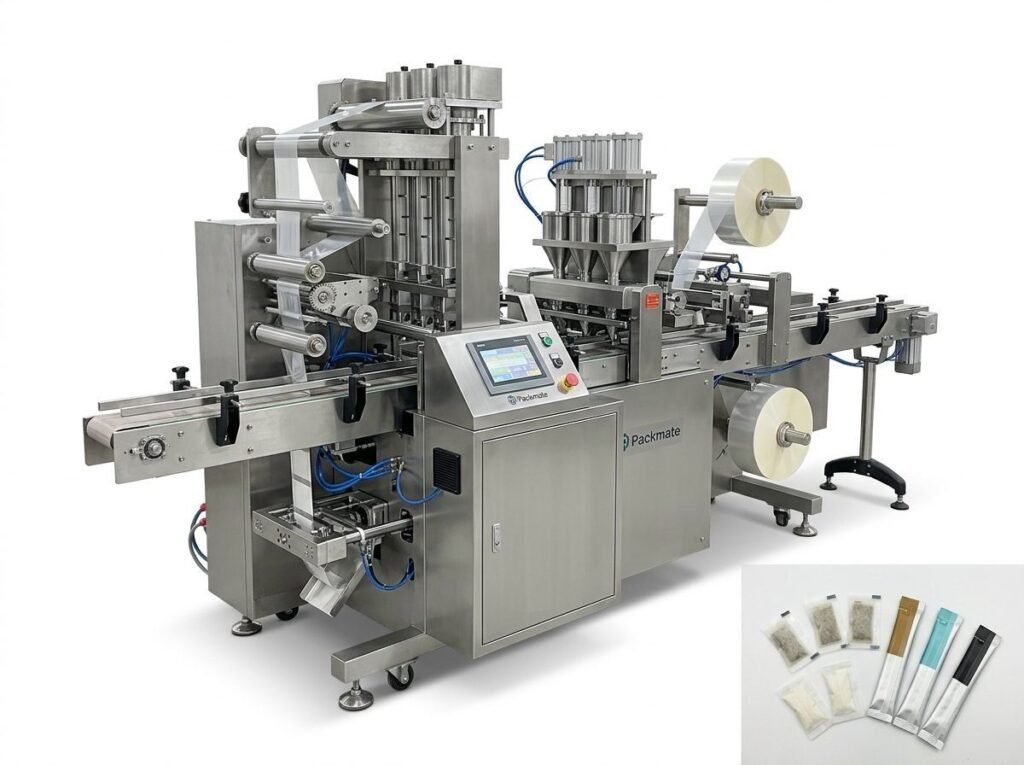
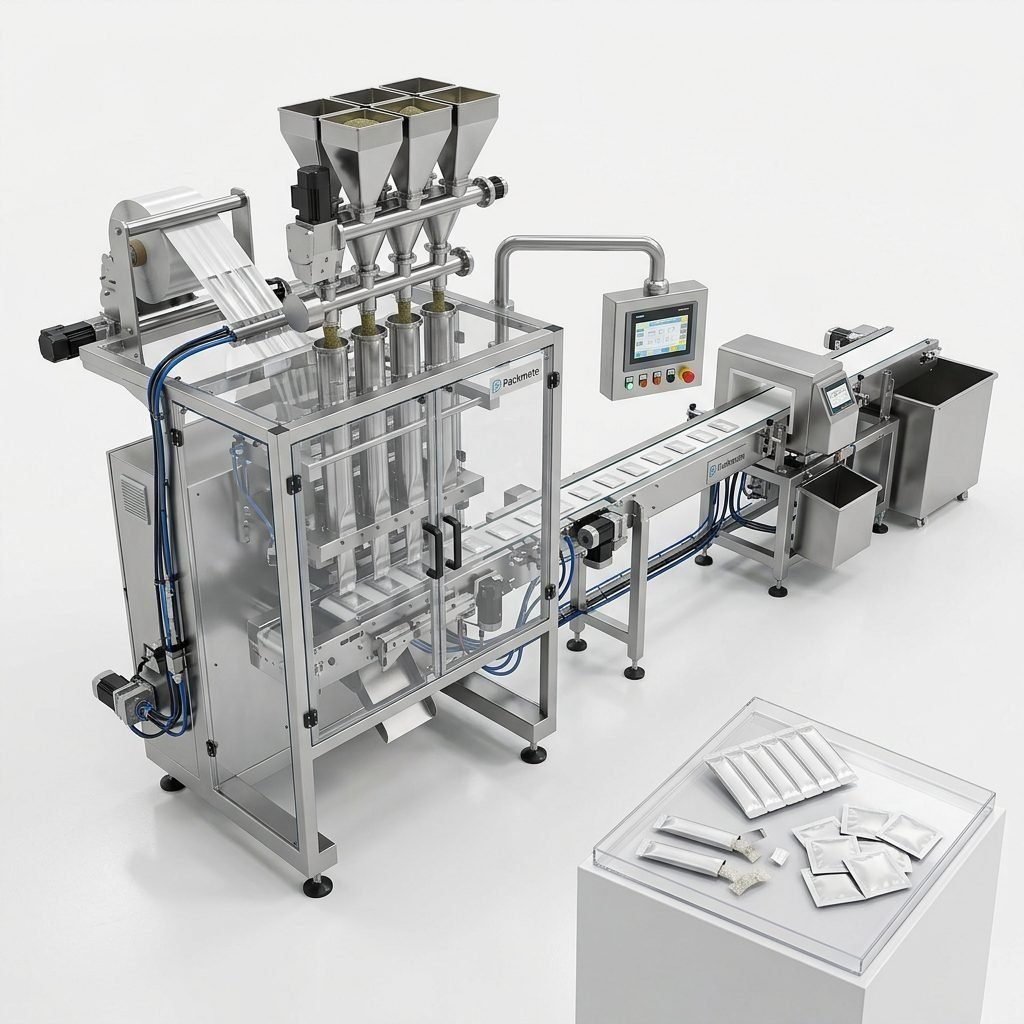
Different nicotine products demand different packaging technology. Decide whether you need single-dose sachets, stick packs, multi-lane pouches, or custom-format snus tins. Each format has specific filling tolerances, sealing technologies, and material compatibility requirements. For small-dose nicotine pouches, look for high-precision multi-lane systems designed to handle tiny volumes reliably. If you are unsure about the ideal format, consult manufacturers who offer multiple solutions such as Snus & Nicotine Packaging Machines and Sachet & Stick Pack Machines.
Key Performance Indicators to Compare
When comparing suppliers, measure machines against clear KPIs: throughput (pouches per minute), filling accuracy, rejection rate, changeover time, and OEE (Overall Equipment Effectiveness). Pay attention to proven performance data and request videos or onsite demonstrations. A manufacturer with 30+ years of engineering experience and a wide model range is more likely to provide machines that meet tight accuracy specs and consistent uptime.
Request actual production data and references from existing customers to validate claimed throughput and accuracy.
Factory Capacity and Manufacturing Strength
The manufacturer’s production capacity influences lead times, customization ability, and spare parts availability. Check whether the factory has advanced CNC machining centers and precision assembly lines. For example, a facility with a 20,000㎡ manufacturing area and rigorous quality testing systems typically delivers more stable machines and faster aftermarket support. Look for suppliers that publicly describe their factory and development timeline and can show evidence of capacity for volume orders.
What to Ask About Production Facilities
Ask for details on machining equipment, assembly processes, acceptance testing protocols, and the number of engineers dedicated to R&D and service. Manufacturers that emphasize precision engineering, like those who evolved from small R&D workshops into full-scale producers, often provide more reliable and serviceable machines.
Certifications and Compliance — Don’t Overlook This
Regulatory compliance is crucial for both machine safety and product legality. Ensure the manufacturer’s equipment complies with international standards such as CE and ISO. Confirm that the company can provide documentation and certification evidence. Suppliers that participate in global exhibitions and maintain visible certification pages are typically more transparent and compliant.
Customization and Turnkey Solutions
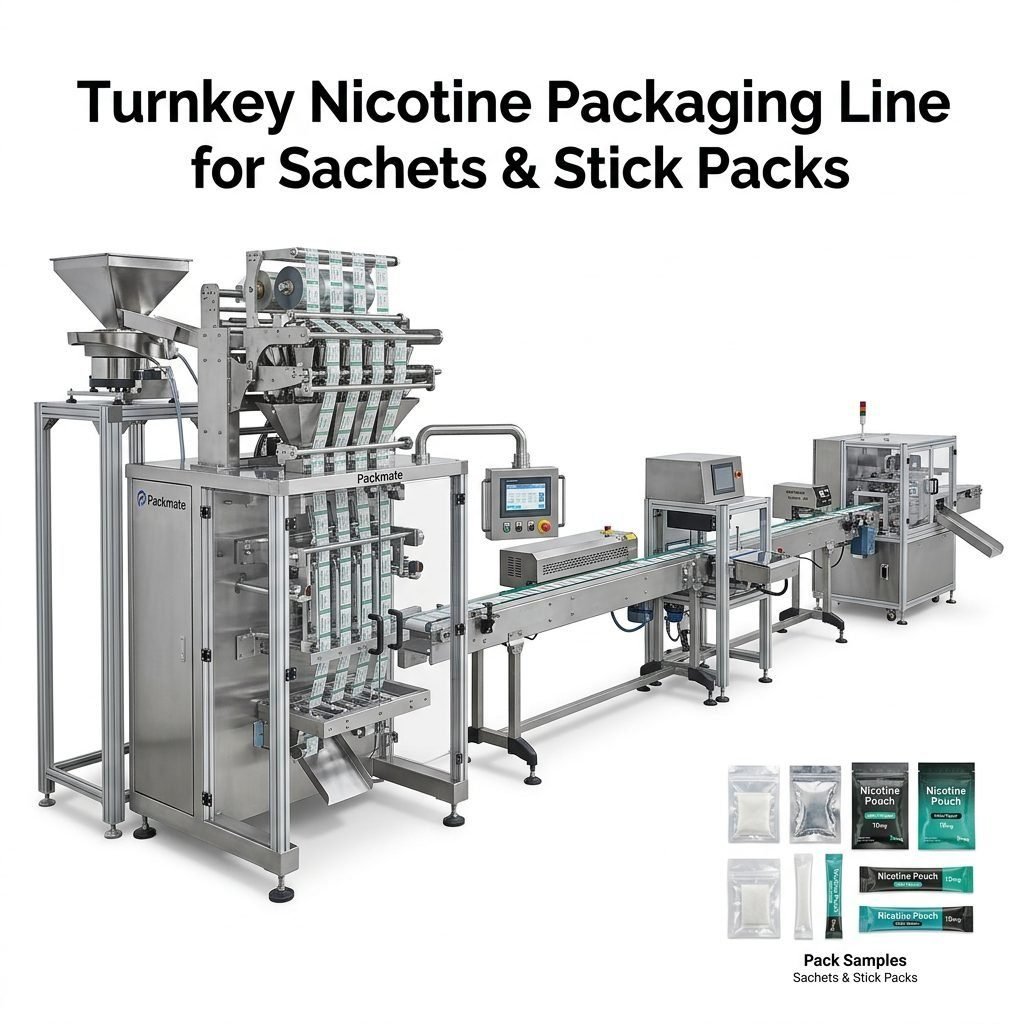
Your product specification may require specific solutions: multi-lane fillers, integrated weighing systems, custom sachet shapes, or special materials handling. Choose a manufacturer capable of delivering turnkey solutions — including upstream filling, weighing, and downstream packaging integration. Explore suppliers that offer complete production lines like Filling & Packaging Lines and auxiliary equipment to ensure seamless line integration.
Modular designs reduce downtime and simplify upgrades — request modular options if you plan to scale SKUs or increase capacity later.
After-Sales Service and Local Support Options in Bolivia
After-sales service is often the deciding factor between two otherwise similar suppliers. Ask about warranty terms, remote diagnostics, spare parts lead times, and availability of local technicians. If the manufacturer does not have a local office in Bolivia, ensure they provide clear logistics and training plans. Manufacturers that supply global turnkey solutions usually have established service procedures and can ship spare parts quickly or dispatch technicians for commissioning.
Service Agreements and Training
Negotiate a Service Level Agreement (SLA) covering response times, parts shipping, and optional on-site training. Ensure the supplier provides technical documentation in English and Spanish where possible, and ask for operator and maintenance training during installation.
Quality Control and Testing Procedures
Strong QC processes reduce production interruptions. Ask for the manufacturer’s quality control checklist, acceptance test reports, and the criteria used during FAT (Factory Acceptance Testing). Reliable vendors allow buyers to witness FAT and provide trial runs with your materials. Reference cases and customer testimonials offer tangible proof of consistent machine performance.
Total Cost of Ownership vs. Upfront Price
Avoid selecting solely on lowest purchase price. Consider energy consumption, spare parts costs, expected mean time between failures (MTBF), and potential downtime costs. Calculate the total cost of ownership (TCO) over 3–5 years. Manufacturers who provide transparent performance data and spare-parts price lists make TCO comparisons easier and more accurate.
Financing, Warranties, and Payment Terms
Explore financing options, warranty extensions, and staged payment plans. Some suppliers offer favorable financing for turnkey projects and extended warranties that can reduce long-term risk. Balance payment terms with delivery and acceptance milestones to protect your investment.
Reputation, Case Studies, and Exhibition Presence
Investigate the supplier’s track record through case studies and exhibition participation. Companies that exhibit internationally and publish customer cases are more likely to be stable partners. Check the manufacturer’s case collections and exhibition history to verify they have experience delivering similar projects globally. For example, review product and case materials such as Case and exhibition pages to validate real-world outcomes.
Visit a supplier booth or schedule a factory tour where possible. Real machines in operation provide insights that datasheets cannot.
Spare Parts Supply Chain and Local Warehousing
Guarantee quick access to critical spare parts. Find out if the manufacturer maintains regional warehouses or can ship express spare parts to Bolivia. Reduced lead time for spares significantly improves production resilience. Ask suppliers for a recommended spare parts list and estimated consumption for your expected production volume.
Communication, Language, and Cultural Fit
Clear communication during project planning and beyond prevents misunderstandings. Verify the vendor’s ability to communicate in Spanish or provide bilingual staff. A manufacturer that values long-term partnerships will assign a dedicated project manager and maintain regular progress updates.
How to Run a Vendor Evaluation Checklist
Create a scoring matrix covering: machine performance, QC and testing, certifications, factory capabilities, after-sales, spare parts policy, TCO, and references. Score each vendor and request clarifications for low-scoring categories. This data-driven approach makes the decision transparent and repeatable.
Why Packmate Snus Machine Might Be a Suitable Choice
Manufacturers with deep experience in snus and nicotine pouch equipment often provide focused engineering and proven production lines. For example, companies that evolved from early R&D workshops into large-scale operations and now offer 50+ machine models, advanced CNC capabilities, and global turnkey solutions can cover a wide range of client needs. If you seek to explore specific snus machine models or factory capabilities, see About Packmate and product pages such as Bag & Pouch Packaging Machines.
Next Steps After Shortlisting Suppliers
Once you shortlist vendors, request a formal proposal that includes machine specs, FAT procedures, lead times, warranty, spare parts list, training plan, and references. Negotiate a contract with clear acceptance criteria and milestones. Plan to attend FAT or hire a third-party inspector if you cannot attend in person.
- Machine suitability and KPI proof
- Factory capacity and QC records
- Certifications (CE, ISO) and compliance
- After-sales SLA, spare parts, and training
- Transparent TCO and contract milestones
How to Contact and Verify the Manufacturer
After you complete assessments, contact the manufacturer to request quotes, lead times, and references. Use dedicated contact portals or service pages to start a formal inquiry. For companies with public contact and service information, check their service and contact pages such as Service and Contact Us to begin the conversation.
Conclusion
Choosing a nicotine packaging machine manufacturer for Bolivia requires balancing product needs, machine performance, factory strength, certification, and strong after-sales support. Use data-driven vendor evaluations, insist on FAT and references, and secure clear service agreements. Prioritize manufacturers with proven snus packaging expertise, turnkey capabilities, and transparent spare parts policies to minimize risk and ensure long-term production success.
Frequently Asked Questions
Q1: What certifications should I demand from a packaging machine manufacturer?
A1: Request CE and ISO certifications as a baseline for machine safety and quality management. Also ask for FAT documentation and any industry-specific compliance evidence relevant to nicotine product regulations.
Q2: How important is Factory Acceptance Testing (FAT)?
A2: FAT is critical — it verifies machine performance with your materials before shipment. Attend FAT or appoint a representative to avoid surprises and confirm acceptance criteria are met.
Q3: What spare parts should I stock initially?
A3: Stock critical wear parts (seals, belts, cutters), sensors, and a few electrical components. The manufacturer’s recommended spare parts list tailored to your production volume is the best starting point.
Q4: Can I get multilingual documentation and on-site training?
A4: Reputable manufacturers provide technical documentation and training in multiple languages, including Spanish. Confirm language support before signing the contract to ensure smooth commissioning and operator training.