Choosing the right nicotine packaging machine in Papua New Guinea requires a balance of technical knowledge, regulatory awareness, and practical business planning. This guide breaks down the most important factors—machine types, production capacity, quality standards, local service, and total cost of ownership—so you can make an informed decision that supports your growth and ensures reliable, compliant production.
Market and Regulatory Overview in Papua New Guinea
Papua New Guinea’s market for nicotine pouches and snus is evolving. Local regulations, import controls, and labeling requirements can influence the choice of equipment. It’s essential to verify customs classifications, local health authority rules, and any age-restriction packaging requirements before purchasing. Plan compliance checks early to avoid delays in commissioning.
Key considerations
📌 Market size & distribution: Estimate monthly volume and distribution channels (pharmacies, retail, or export).
⚖️ Regulatory compliance: Labeling, ingredient declaration, and local tobacco/nicotine laws.
🔧 After-sales service: Local or regional technical support and spare parts availability.
Machine Types and Which One Fits Your Business
Nicotine packaging machines come in several configurations. Selecting the correct type depends on pouch style, production speed, and product characteristics.
1. Snus & Nicotine Pouch Machines
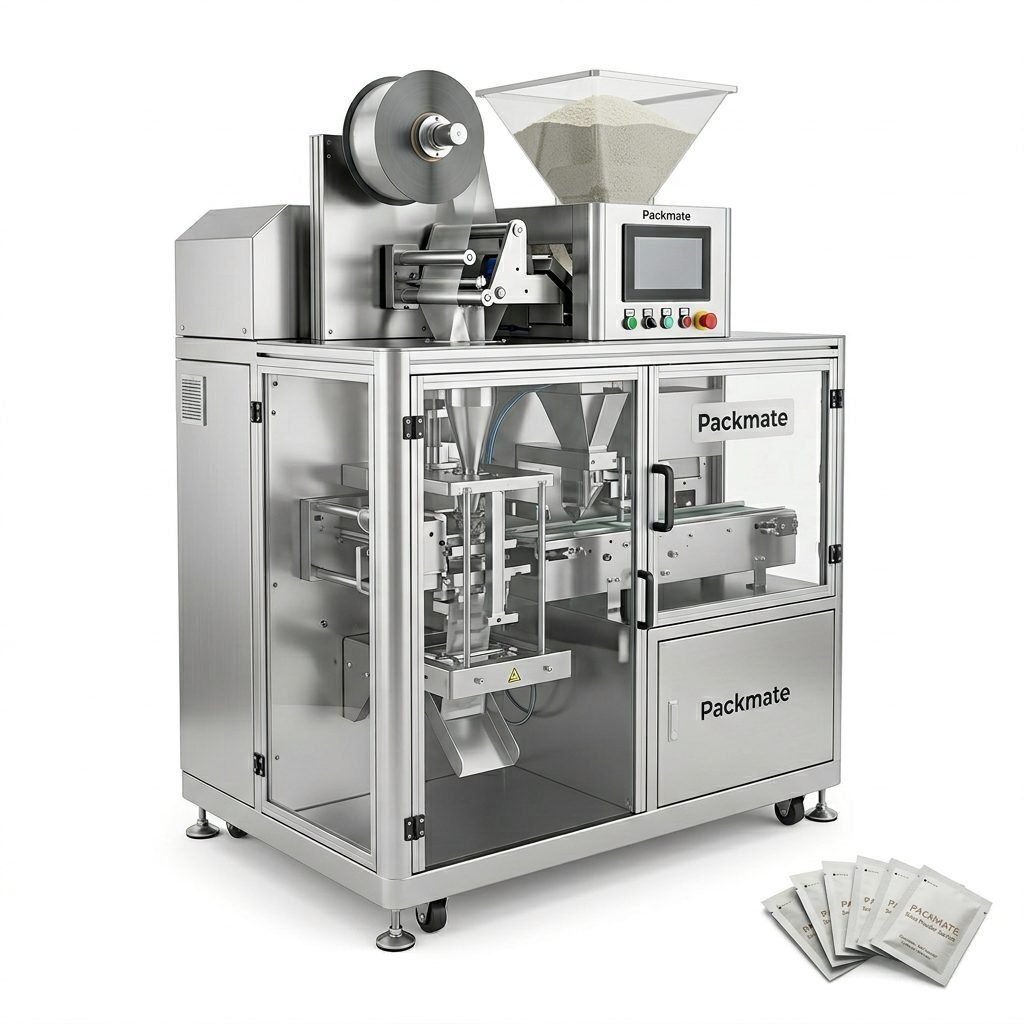
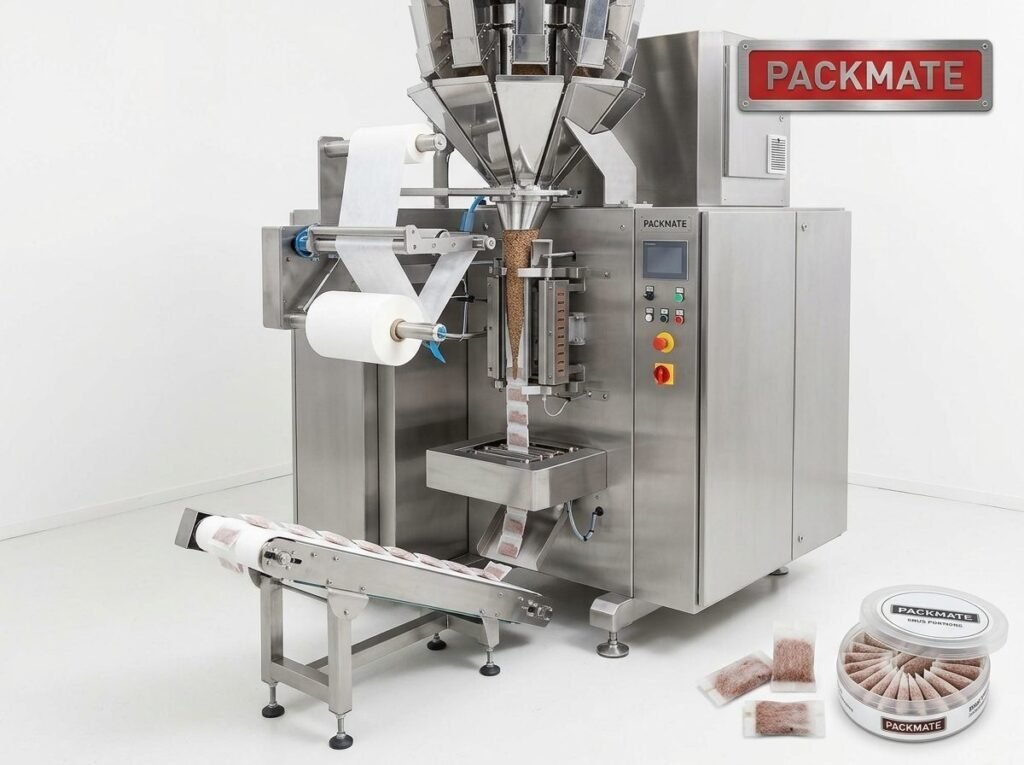
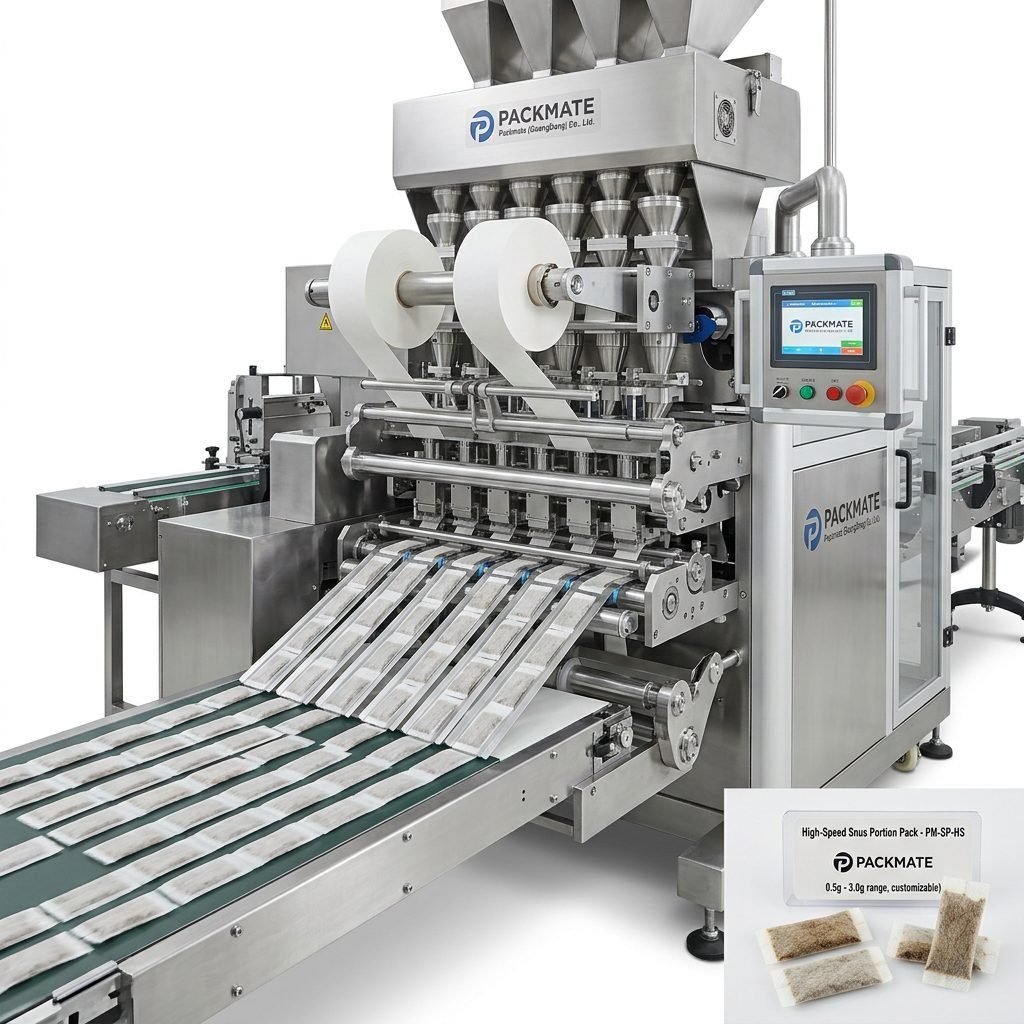
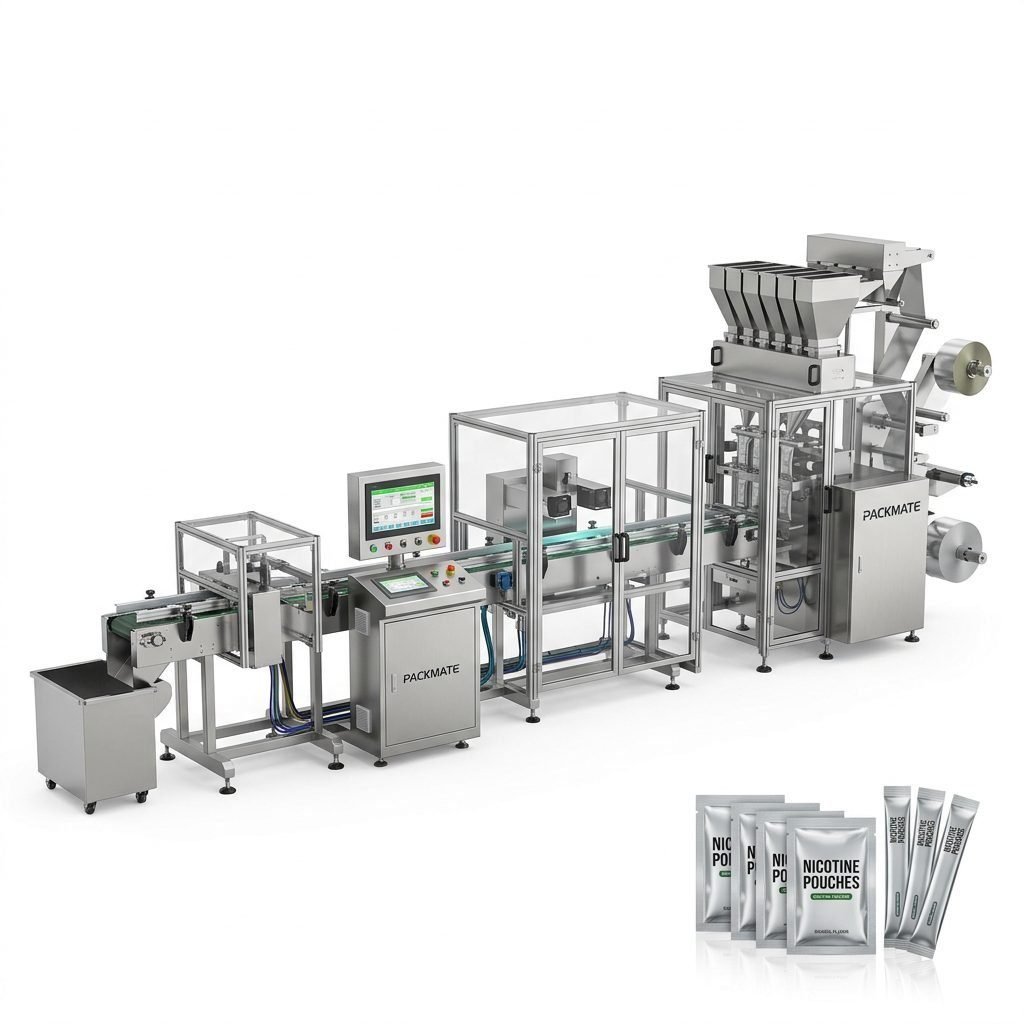
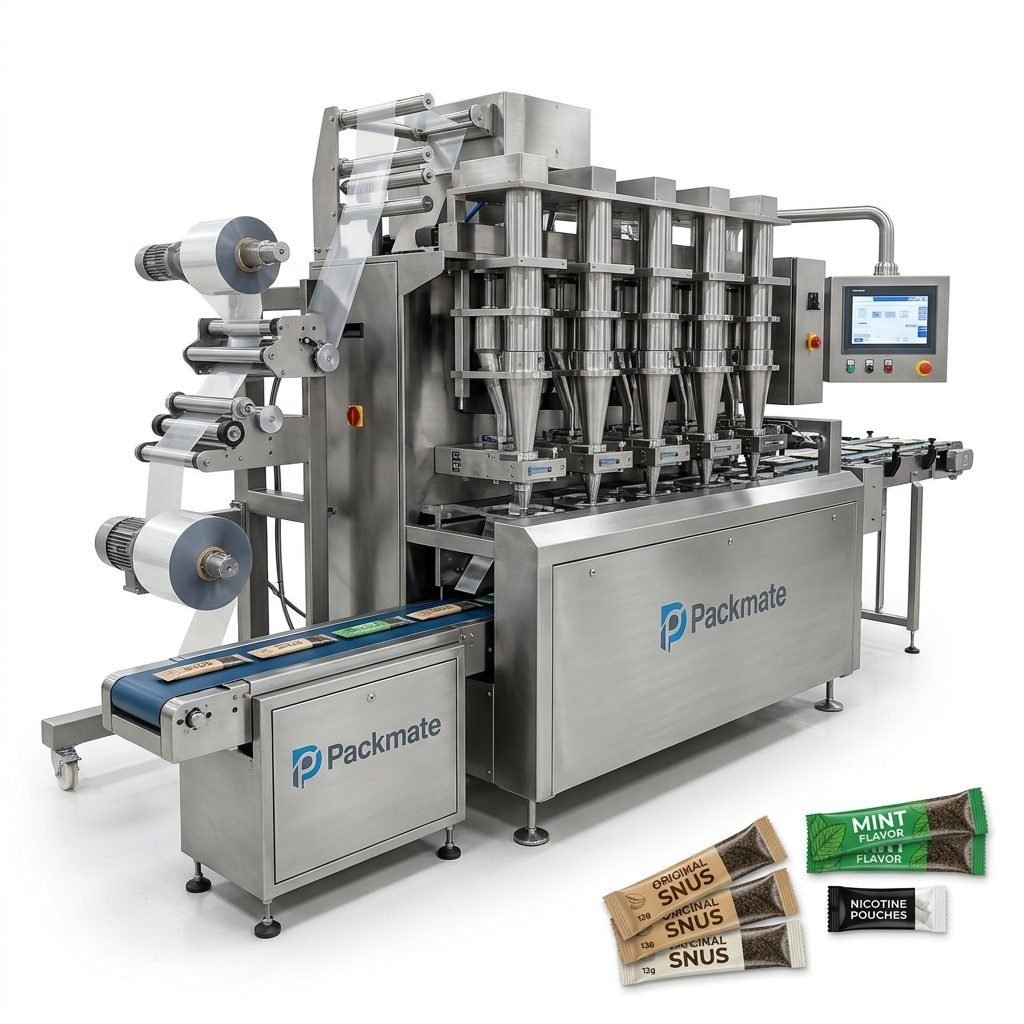
Designed specifically for small-dose nicotine pouches and snus, these systems handle delicate portions and consistent dosing. If your product is a standard pouch or snus format, choose a dedicated snus packaging line for improved accuracy and reduced product damage. See product options: Snus & Nicotine Packaging Machines.
2. Sachet and Stick Pack Machines
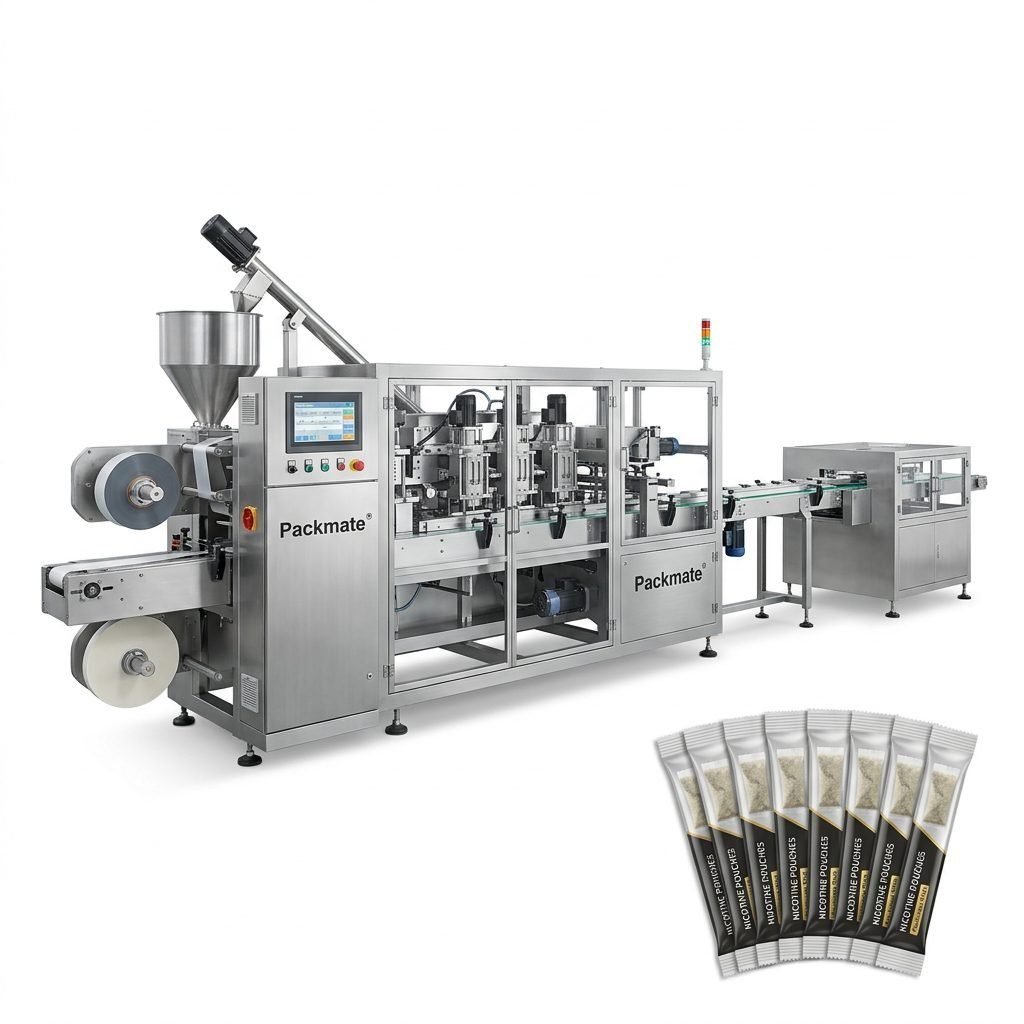
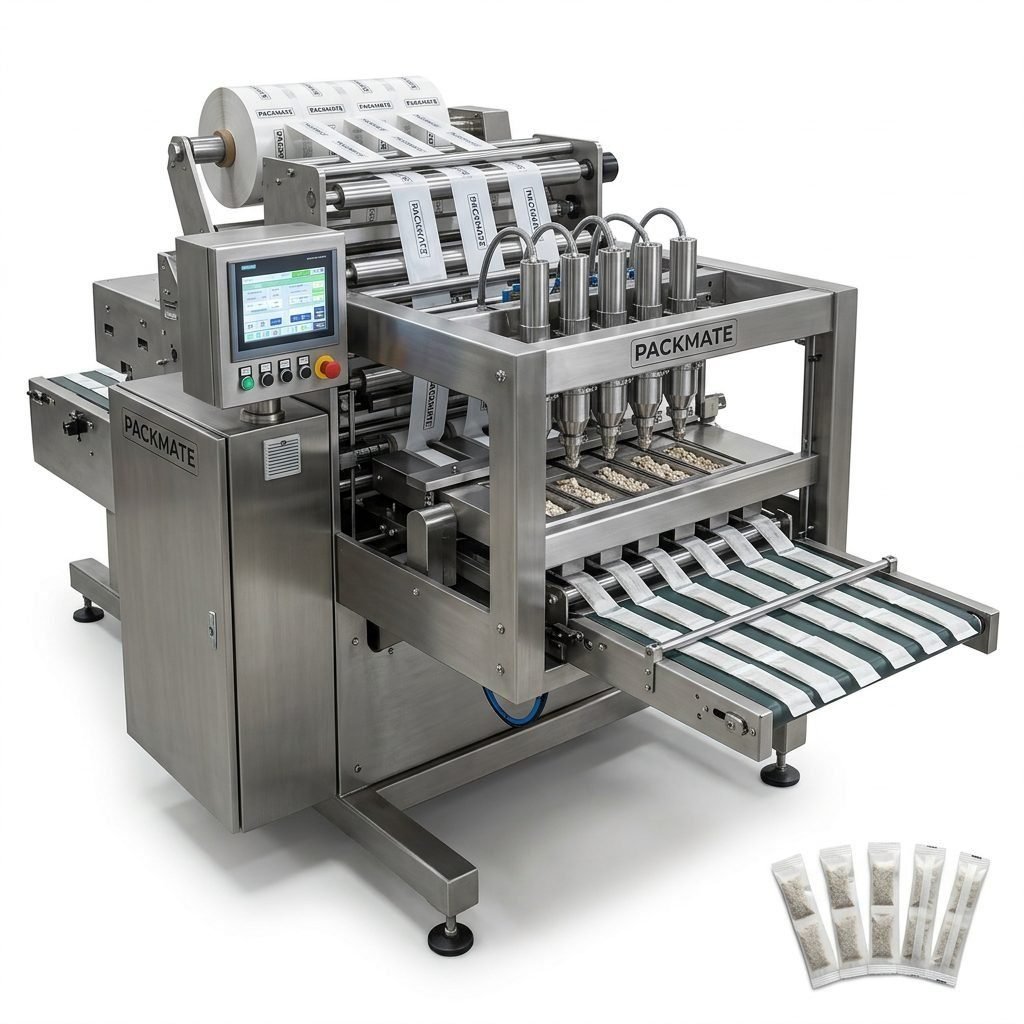
For single-serve or stick-style formats, sachet and stick pack systems offer fast, cost-effective packaging with flexible dosing. Ideal for flavored or single-portion pouches. Explore options: Sachet & Stick Pack Machines.
3. Multi-lane Systems
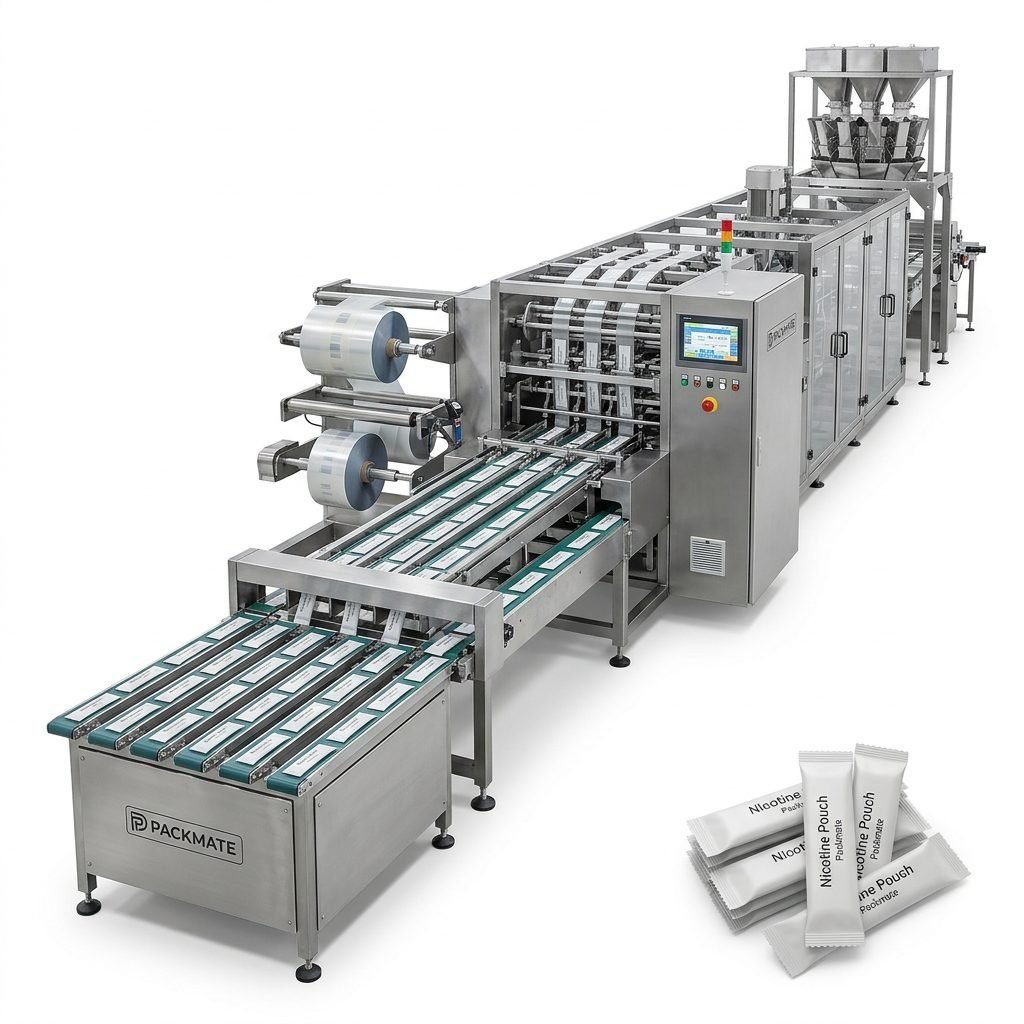
When scaling up, multi-lane packaging lines multiply throughput while maintaining small footprint. These are recommended when you expect rapid growth or have high production targets.
Key Technical Specifications to Compare
When you request quotations, compare these technical parameters closely. They determine your line efficiency, product integrity, and long-term operating cost.
✓ Speed (packs/min): Align machine speed with realistic working shifts and downtime expectations.
✓ Lane count & format flexibility: More lanes increase throughput; check changeover time between formats.
✓ Dosing accuracy: Critical for nicotine products—precision weighing or volumetric dosing matters.
✓ Material compatibility: Pouch film types, barrier requirements, and resealable options.
✓ Hygiene & cleanability: Stainless steel contact parts and CIP-friendly design where needed.
Production Capacity vs. Future Growth
Choose a machine that meets your current demand and allows for expansion. Buying slightly above current need can be more cost-effective than replacing equipment within a few years. If you expect exports or seasonal spikes, favor modular systems or multi-lane machines that scale.
Quality, Certifications, and Supplier Track Record
Working with a manufacturer that holds international certifications and has proven global cases reduces risk. Look for CE and ISO compliance, documented case studies, and references. Packmate Snus Machine provides CE/ISO-certified solutions and global turnkey experience that can be helpful for companies entering new markets. Learn more about the manufacturer: About Packmate.
Integration with Downstream & Auxiliary Equipment
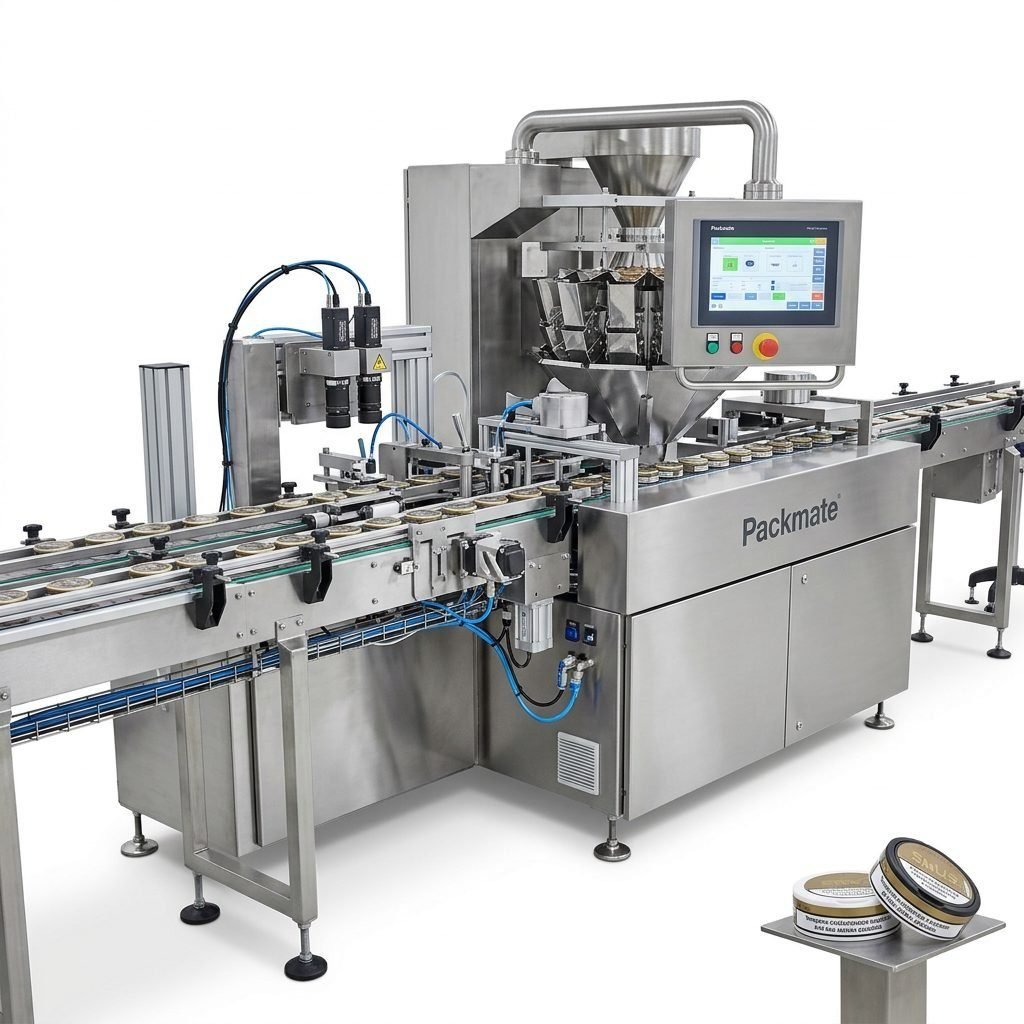
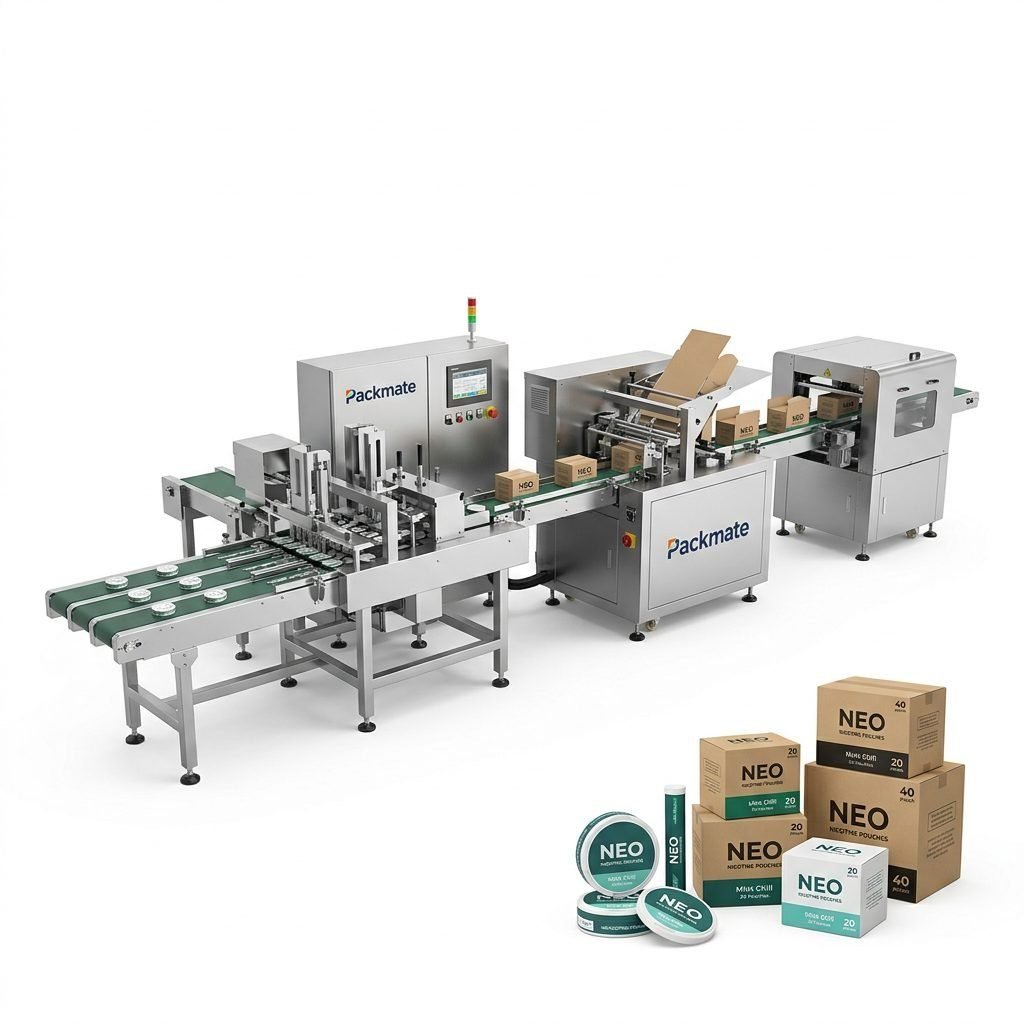
Consider how the main packaging machine will integrate with upstream dosing/weighing and downstream secondary packaging or cartoning lines. Common auxiliary systems include feeders, checkweighers, metal detectors, and case packers. A complete approach reduces compatibility headaches and saves commissioning time. Check complementary lines: Weighing & Packaging Systems and Auxiliary Packaging Equipment.
Local Service, Spare Parts, and Training
After-sales support is a top priority. Evaluate supplier commitments for spare parts availability, remote troubleshooting, on-site support, and operator training. In Papua New Guinea, ensure the supplier can ship parts quickly or has regional partners. A strong training program minimizes operator errors and reduces downtime.
ℹ️ Tip: Request a spare parts kit and a scheduled preventive maintenance plan as part of your contract.
Total Cost of Ownership (TCO) and Return on Investment (ROI)
TCO includes purchase price, installation, training, spare parts, energy consumption, and anticipated downtime costs. Calculate ROI based on increased production, reduced labor, and lower scrap rates. Higher initial cost for precision equipment can lead to faster ROI if it ensures consistent dosing and low waste.
Site Requirements and Installation Considerations
Plan your production floor layout, utilities, and CE/international safety compliance. Check for electrical supply, compressed air quality, exhaust/ventilation, and material handling space. Confirm delivery logistics and customs clearance procedures for equipment imports into Papua New Guinea.
Commissioning checklist
Include site acceptance testing (SAT), on-site validation runs with your material, staff training, and documentation handover in the supplier agreement. A clear acceptance protocol ensures the machine meets promised specs upon delivery.
Case Studies and Proven Solutions
Ask suppliers for case studies in similar markets or product types. Packmate’s global projects demonstrate performance in diverse environments and provide examples of turnkey lines that include snus machines, stick pack systems, and full filling & packaging lines: Case and Filling & Packaging Lines.
Practical Procurement Checklist
Use this checklist to compare vendors and reduce procurement risks:
1. Machine type & model, production speed, and lane count.
2. Dosing method and accuracy guarantees.
3. Materials compatibility and packaging format flexibility.
4. Certifications (CE, ISO) and documented case studies.
5. Warranty, spare parts provisioning, and local/regional service plan.
6. Installation, training, and acceptance testing details.
7. TCO estimate and ROI calculation assumptions.
Maintenance Best Practices
Preventive maintenance is essential. Implement scheduled cleaning, lubrication, inspection routines, and maintain a log of uptime and fault codes. Use OEM parts when possible and follow the manufacturer’s maintenance intervals to keep dosing accuracy and mechanical reliability high.
Negotiation & Contract Tips
Negotiate clear delivery terms, warranty coverage, training hours, spare parts kits, and penalty clauses for missed performance targets. Include an acceptance test plan with measurable KPIs to avoid misunderstandings at delivery.
Why Work with an Experienced Manufacturer?
Experienced suppliers reduce risk: they understand material handling nuances, dosing challenges, and regulatory needs for nicotine products. A manufacturer with a broad product range—like snus packaging machines, bag & pouch lines and stick pack systems—can provide tailored turnkey solutions that evolve with your business. Explore product categories: Bag & Pouch Packaging Machines.
Local presence & exhibitions
Check if the supplier participates in international exhibitions and offers demonstration footage or machine trials. This verifies reliability and gives insight into machine performance under real operating conditions. See exhibitions: Our Exhibition.
Final Recommendations
Start with a clear forecast of volumes and formats. Prioritize dosing accuracy, after-sales support, and certified quality. Consider modular multi-lane systems if you expect growth. Negotiate an acceptance testing protocol and spare parts lead times. Partner with a manufacturer experienced in snus and nicotine packaging to reduce commissioning time and accelerate market entry.
Frequently Asked Questions
1. What machine type is best for small-batch nicotine pouches?
For small batches, a single-lane snus pouch machine or a compact sachet/stick pack system offers better flexibility and lower upfront cost. Look for models with fast format changeovers.
2. How important is dosing accuracy for nicotine products?
Extremely important. Precise dosing ensures compliance and customer safety. Choose dosing systems with proven accuracy and request validation data during evaluation.
3. What after-sales support should I expect?
Expect warranty coverage, spare parts availability, remote troubleshooting, and on-site training. Verify local or regional support to minimize downtime in Papua New Guinea.
4. Can machines be customized for specific pouch materials?
Yes. Many suppliers customize sealing temperature control, film feed systems, and cutters to match barrier films, laminates, or resealable materials. Confirm material trials before purchase.
5. How do I calculate ROI on a new packaging line?
Calculate ROI by comparing increased throughput, reduced labor cost, lower scrap, and improved product consistency versus total investment (purchase, installation, training, spare parts). Include downtime risk and maintenance costs for a complete view.