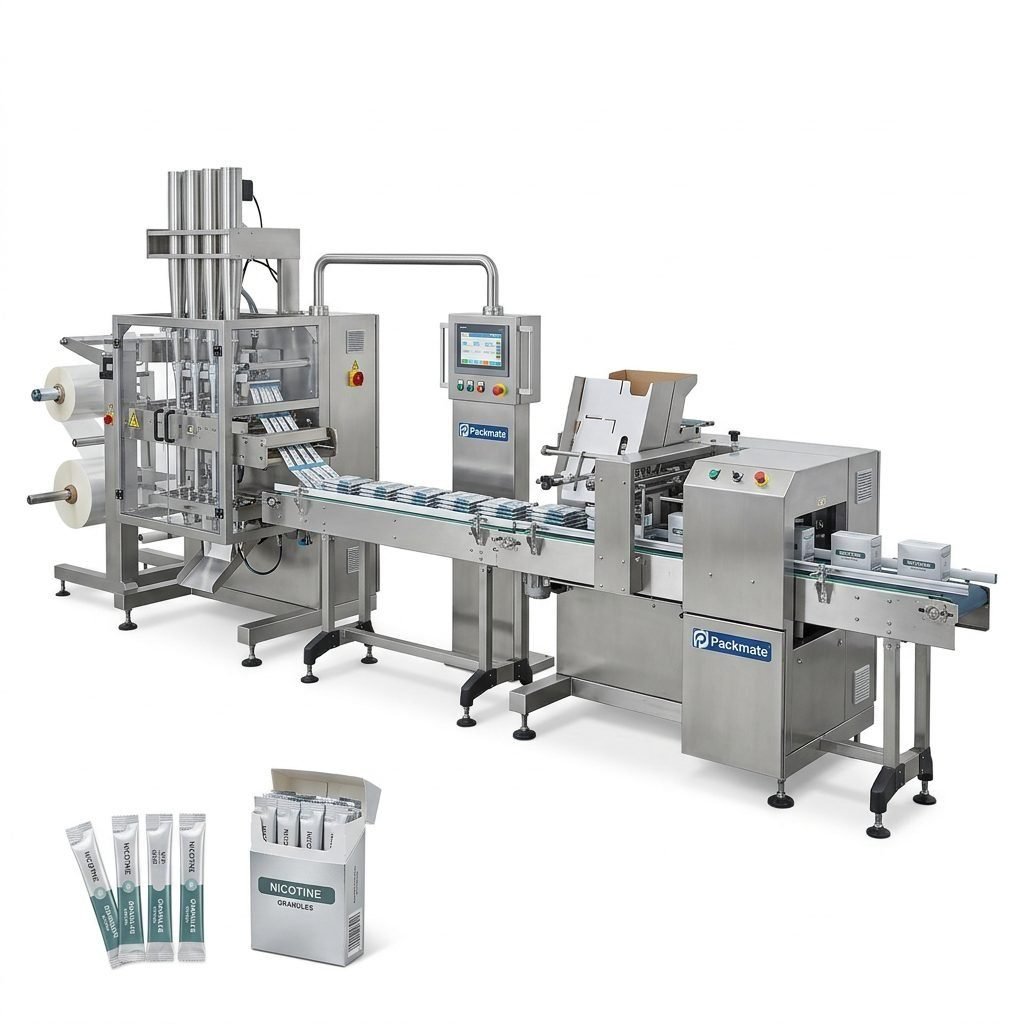
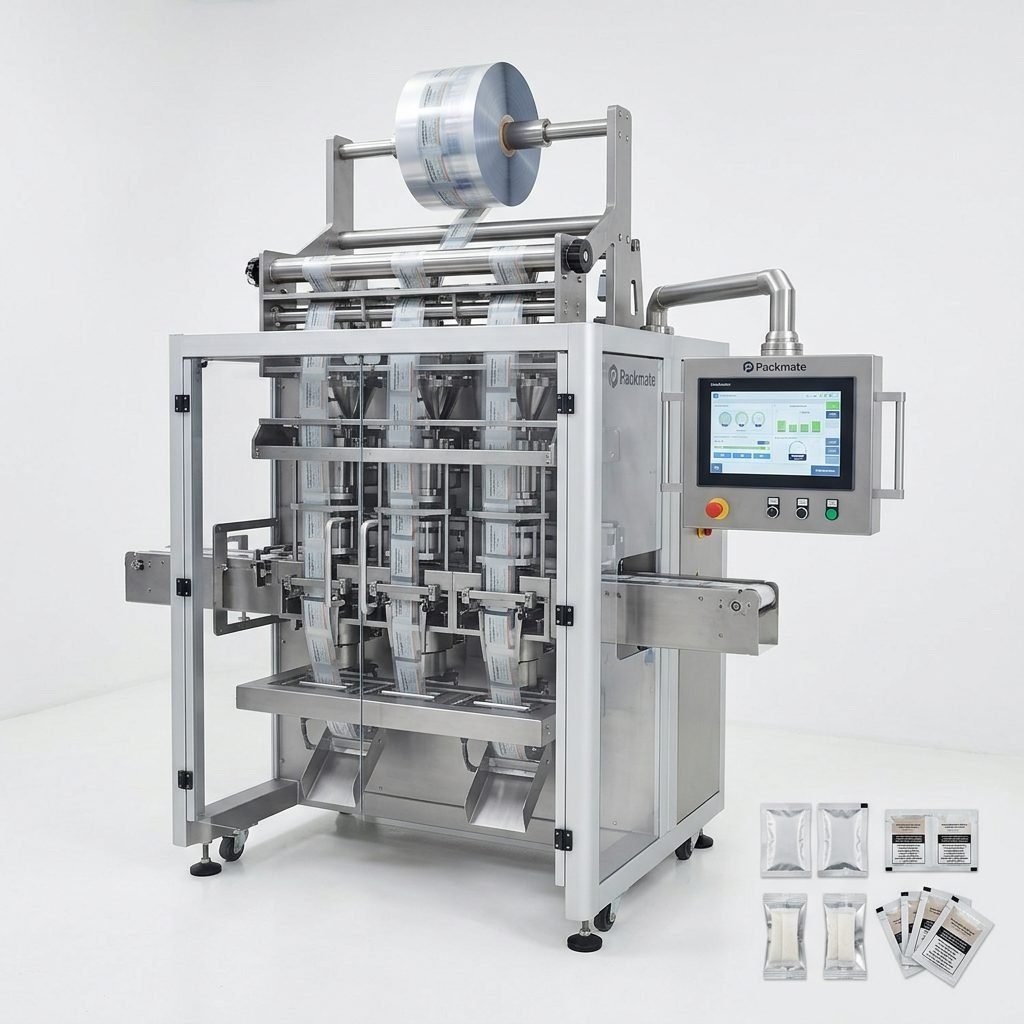
Choosing the right nicotine packaging machine for production in Mauritius requires an understanding of local market dynamics, regulatory restrictions, production volume goals, and machine technology options. Whether you plan to produce nicotine pouches, snus, or related products, selecting the correct equipment will determine your production efficiency, product consistency, and return on investment. This guide walks you through practical criteria, machine types, supplier selection, and after-sales considerations to confidently select the best packaging system for your operation.
Understand Your Product and Market Requirements
Start by defining the specific product you intend to pack. Nicotine products vary in material, shape, and dosing format — small-dose nicotine pouches differ significantly from tea, powder, or granule-based products. Important variables include pouch size, fill weight tolerance, moisture sensitivity, desired packaging style (snus pouch, stick pack, sachet, or multi-lane pouches), and shelf-life requirements.
Key questions to answer:
✔ What pouch format will you use?
✔ What is your target daily/monthly output?
✔ Are there specific regulatory or labeling rules in Mauritius affecting packaging?
Match Machine Type to Product
Different machines are optimized for specific packaging styles:
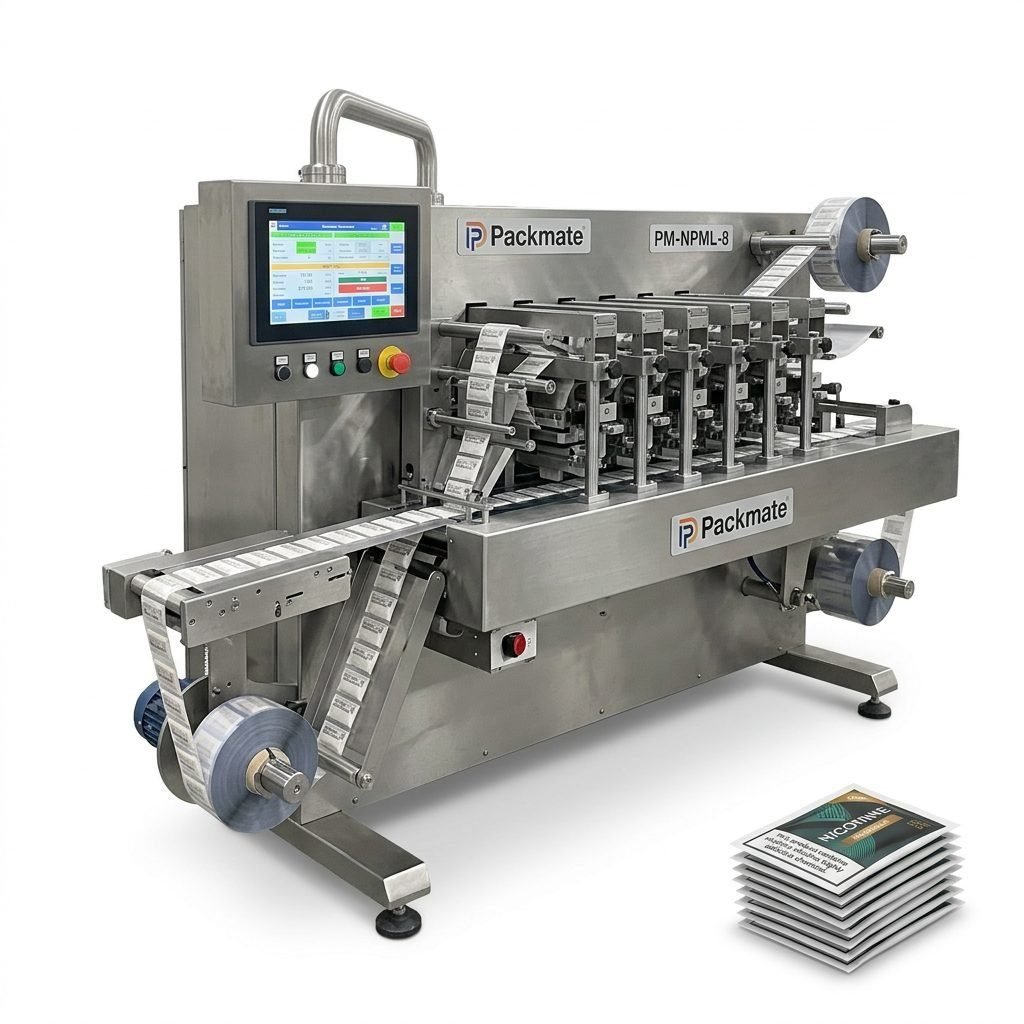
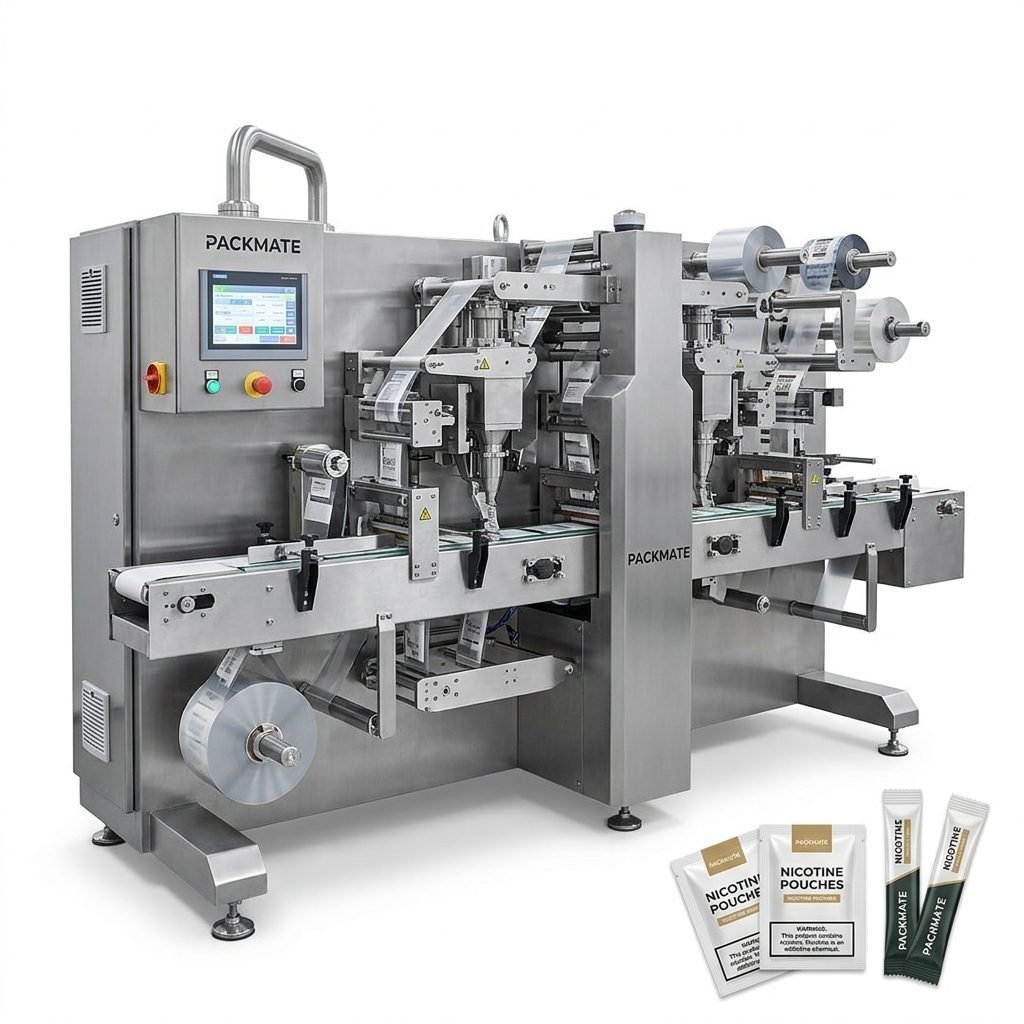
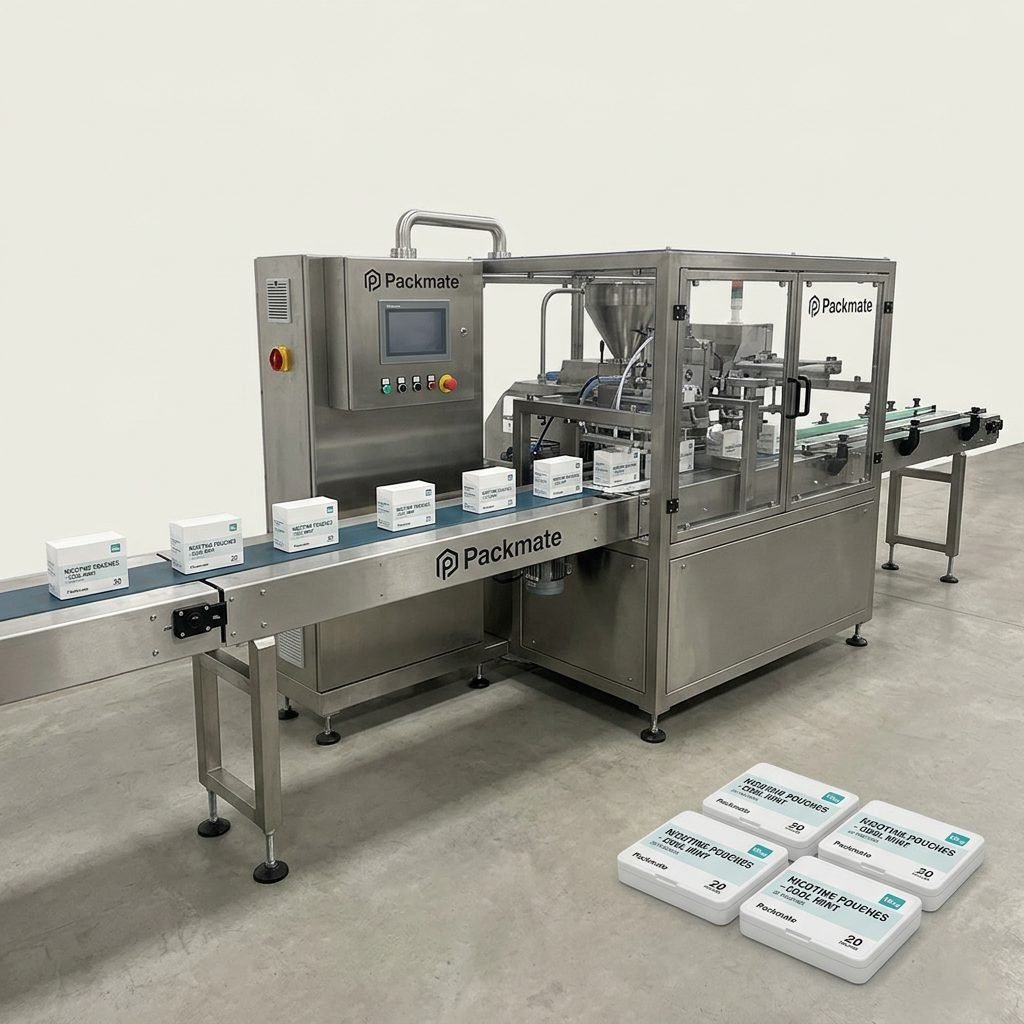
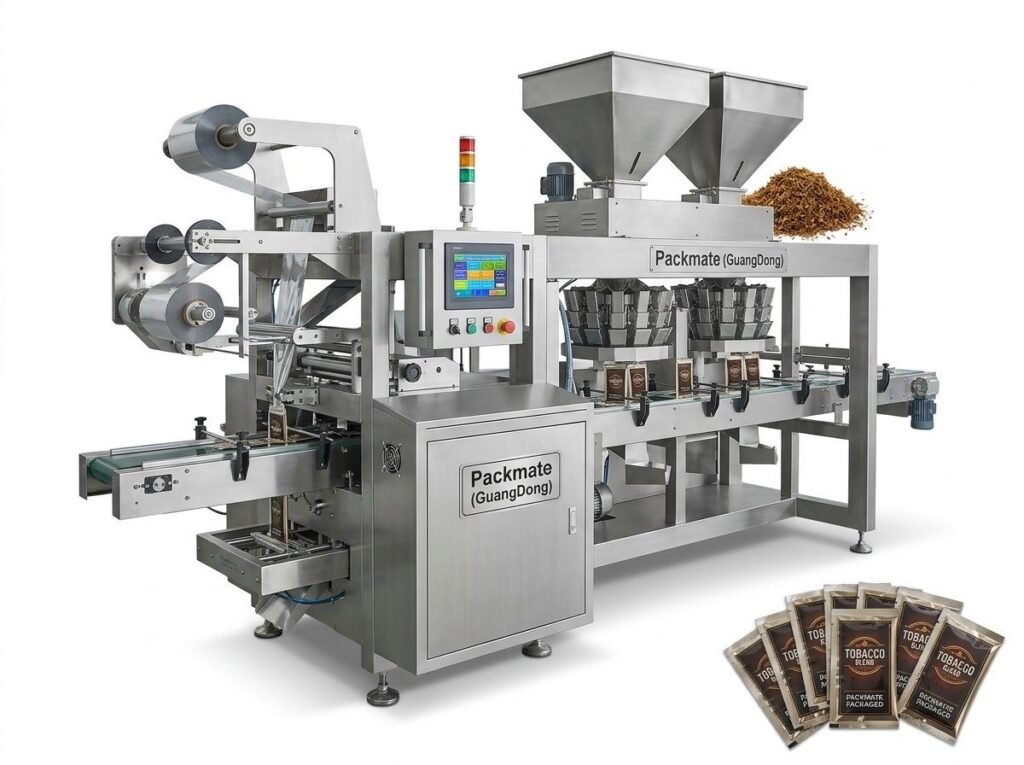
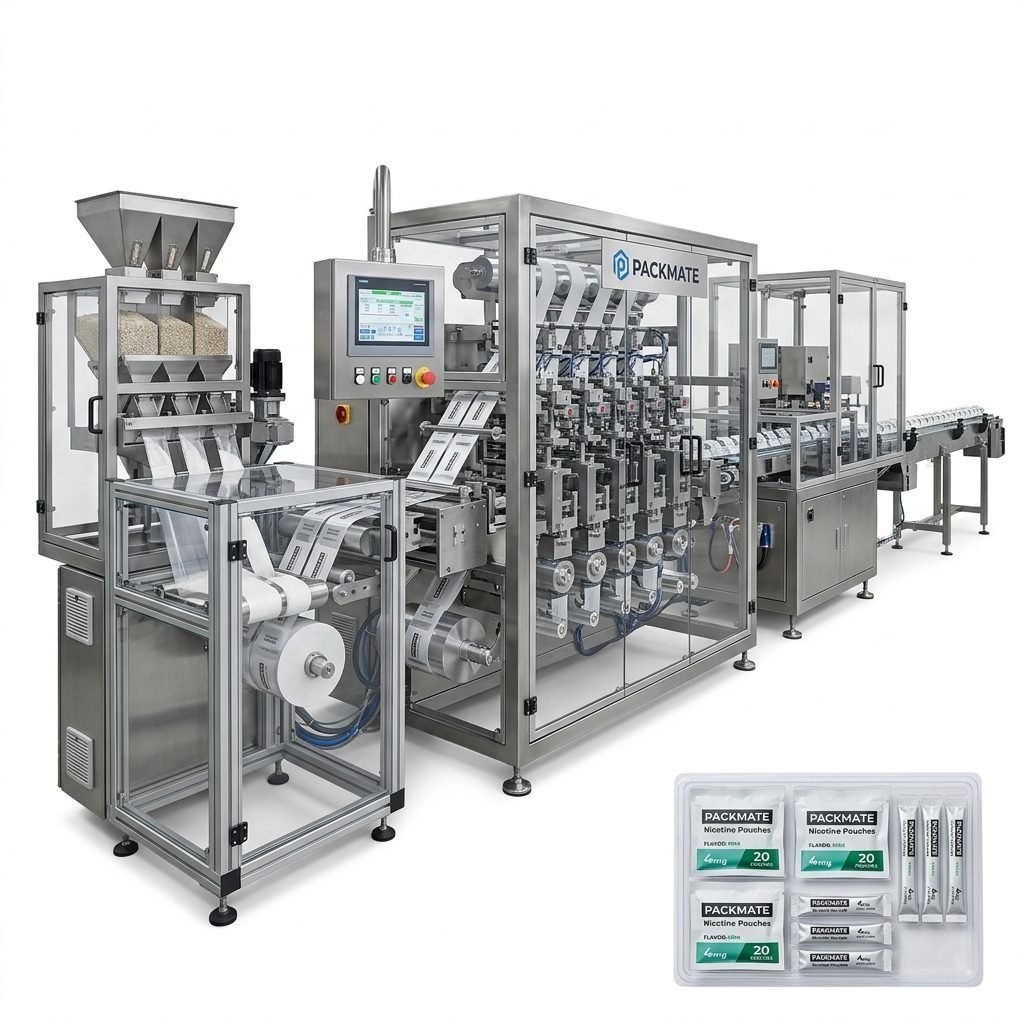
⚙️ Snus & Nicotine Pouch Machines — Designed for small-dose pouches, high precision dosing, and multi-lane options for small pieces per pouch. Ideal for nicotine pouches and snus.
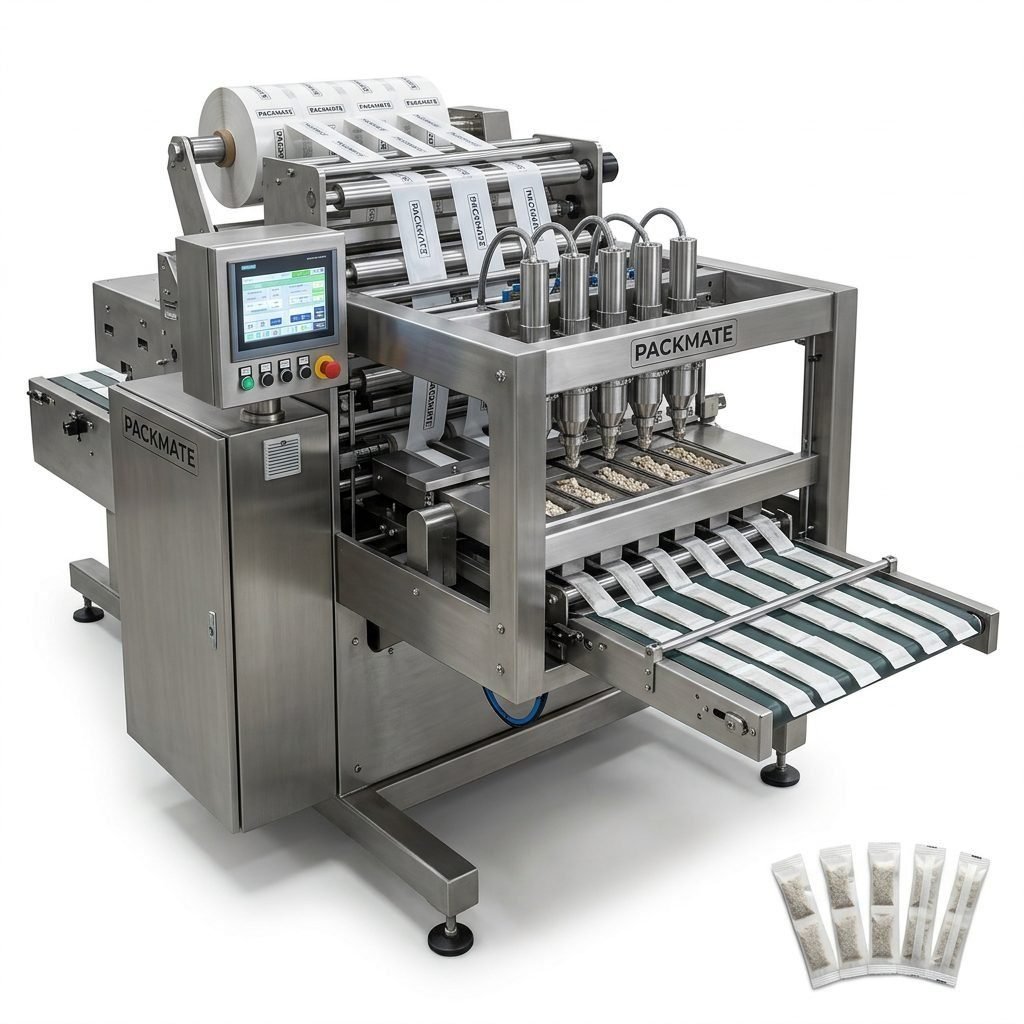
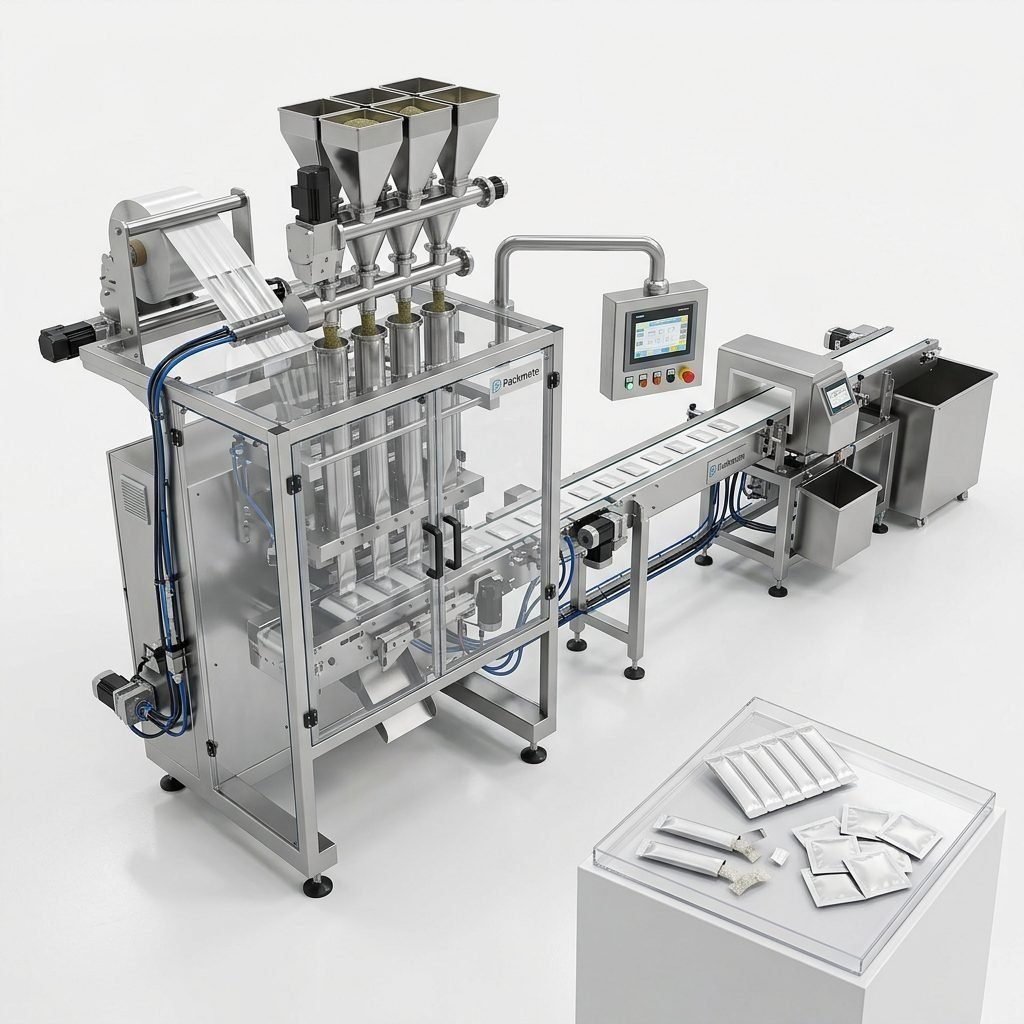
📦 Sachet & Stick Pack Machines — Suitable for single-serve stick packs or sachets; good when you need simple one-piece pouches with fast changeover.
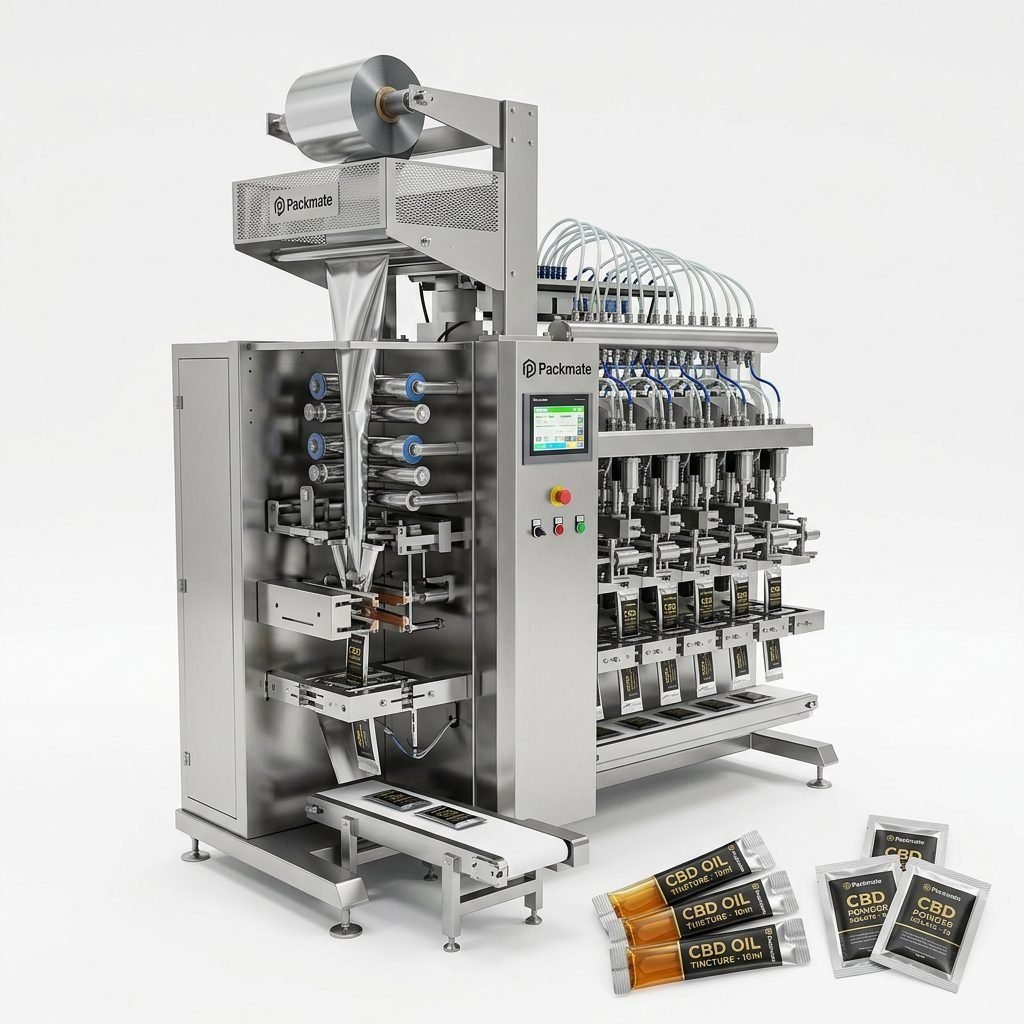
🔧 Filling & Packaging Lines — Integrated systems that include weighing, filling, sealing, and secondary packaging for turnkey production.
Capacity and Scalability: Plan for Today and Tomorrow
Assess your expected production volumes and choose a machine that matches current demand while allowing room to grow. In Mauritius, market volumes can scale quickly if export opportunities or local demand increase. Multi-lane machines and modular lines provide scalability: start with fewer lanes and add capacity later or choose a model that supports higher speeds without compromising the pouch integrity.
Throughput metrics to evaluate
Consider these figures when comparing machines:
• Cycle speed (pouches per minute)
• Number of lanes (single vs multi-lane)
• Changeover time between SKUs
• OEE (Overall Equipment Effectiveness) projections
Accuracy, Filling Technology and Product Handling
For nicotine pouch production, dosing accuracy is critical for compliance and customer safety. Evaluate the filling technology: auger, volumetric, vibratory feeders, or precision weighing modules. Packmate’s solutions emphasize high-precision multi-lane dosing designed for small-dose pouches, which reduces product giveaway and ensures consistency.
📈 Precision matters: even slight overfill adds cost while underfill risks regulatory non-compliance. Prioritize machines with reliable dosing controls and feedback systems.
Compliance, Certifications and Safety
Verify the machine complies with international standards relevant to Mauritius and your export markets. CE and ISO certifications are common benchmarks for safety and quality. Machines used for nicotine or controlled substances may require additional documentation for hygienic design, material traceability, and cleanability.
When discussing options with suppliers, request:
• Certificates (CE, ISO) and compliance documentation
• Material safety and contact surface details (food-grade stainless steel, etc.)
• Risk assessment and safety interlocks
Automation, Integration and Turnkey Solutions
Consider whether you need a standalone machine or a fully integrated line. Turnkey solutions that combine weighing, filling, sealing, and secondary packaging reduce integration risk and speed time-to-market. If you plan to automate material handling, labeling, or cartoning, choose a supplier experienced with complete lines and PLC/HMI integration.
Packmate offers tailored turnkey systems spanning weighing & packaging systems through filling & packaging lines, enabling easier deployment and consistent performance across stages.
Controls, HMI and Data Collection
Modern machines provide digital controls and data capture for traceability. Look for user-friendly HMIs with recipe management, remote diagnostics capability, and production reporting to monitor yields, downtime, and maintenance needs.
Supplier Reliability, Local Support and Spare Parts
Choosing a reputable supplier with reliable after-sales service is as important as the machine specifications. Suppliers with global reach and local support in the region reduce downtime and maintenance risks. Evaluate supplier credentials: factory size, experience, references, and spare parts availability.
🏭 Factory strength: a supplier with advanced CNC machining centers and a 20,000㎡ facility typically provides better quality control and faster bespoke parts manufacturing.
🤝 After-sales: verify training, installation support, commissioning, and local parts inventory to minimize potential disruption in Mauritius.
Cost Considerations and Total Cost of Ownership (TCO)
Purchase price is only part of the story. Consider the total cost of ownership: energy consumption, maintenance labor, spare parts, downtime, consumables, and expected product yield. High-precision machines that minimize giveaway and improve uptime often deliver a faster return on investment.
Use a simple ROI model:
• Estimate increased revenue from higher throughput and accuracy
• Subtract operational costs (energy, labor, maintenance)
• Compare payback period across machine options
Footprint, Utilities and Plant Requirements
Confirm the machine footprint, weight, and utility requirements (power, compressed air, vacuum, water) to ensure compatibility with your production facility in Mauritius. Plan for adequate space around the machine for maintenance, material loading, and operator access.
Practical installation checklist
• Floor loading capacity and mounting requirements
• Electrical supply specifications and safety grounding
• Compressed air quality and pressure
• Exhaust or ventilation for dusty products
• Material supply logistics and operator flow
Customization and Flexible Configurations
Nicotine packaging often demands custom features: special pouch shapes, unique sealing profiles, or integration with dosing systems. Work with a supplier able to deliver customized solutions and prototypes, reducing time-to-market and achieving the desired product appearance and performance.
Explore supplier catalogs and product families such as Snus & Nicotine Packaging Machines and Sachet & Stick Pack Machines to identify baseline models that can be adapted to your needs.
Factory Acceptance Test (FAT) and Site Acceptance Test (SAT)
Insist on a thorough FAT to validate machine performance with your product before shipment. FAT reduces the risk of surprises during installation and verifies key metrics like dosing accuracy, speed, sealing integrity, and reject handling. After installation in Mauritius, perform a SAT to confirm line performance under real operational conditions.
Warranty, Spare Parts and Training
A clear warranty and a supply chain for spare parts are essential. Request a spare-parts list, recommended inventory, and lead times. Ensure the supplier provides operator and maintenance training, documentation, and remote support options.
📚 Training: operator, mechanic, and electrical training reduces downtime and ensures safe operation.
🔁 Spare parts: plan on critical spares for bearings, sensors, sealing jaws, and PLC modules to minimize MTTR.
Choose a Trusted Supplier: Experience & Global Presence
Suppliers with decades of experience and a strong global footprint provide greater confidence. Packmate Snus Machine, for example, combines 30+ years of engineering experience and a large manufacturing facility with multi-lane packaging expertise. Their presence at global exhibitions and a portfolio of turnkey projects can be useful references when evaluating fit for Mauritius operations. Learn more about Packmate and view real-world case studies.
Selecting the right partner: checklist
• Proven track record in nicotine pouch machinery
• Comprehensive FAT/SAT procedures
• Local or regional service and spare parts availability
• Clear warranty and training programs
• References from similar projects and exhibition presence
Practical Steps to Procure Your Machine in Mauritius
1. Define product specifications and expected volumes.
2. Shortlist machine types and request technical datasheets.
3. Ask for site layout drawings, utility requirements, and FAT videos.
4. Compare TCO and payback scenarios with supplier quotes.
5. Finalize contracts with clear delivery timelines, installation, and training clauses.
Key Takeaways
Selecting the right nicotine packaging machine for Mauritius is a balance of product fit, throughput needs, regulatory compliance, supplier reliability, and long-term support. Focus on precision dosing, scalability, and supplier after-sales capabilities to ensure your manufacturing operations run smoothly and profitably.
Useful Resources & Next Steps
If you are ready to explore specific models and turnkey lines, review product families and technical catalogs such as Bag & Pouch Packaging Machines, Auxiliary Packaging Equipment, and the catalog for detailed specifications and options.
Next actions
• Prepare a product tech sheet and target production schedule.
• Contact suppliers for quotes and FAT schedules.
• Plan plant layout and utility upgrades if necessary.
• Schedule a factory visit or request demonstration footage for shortlisted machines.
Frequently Asked Questions (FAQs)
Q1: How do I determine whether a multi-lane machine is right for my operation?
A1: Multi-lane machines are ideal when you need high throughput with small-dose pouches. Evaluate your hourly output needs and budget: multi-lane lines reduce per-unit cost at higher volumes but may require higher initial investment.
Q2: What certifications should I request from a nicotine packaging machine supplier?
A2: At minimum, request CE and ISO certifications, hygienic design documentation, and material traceability. For export, check target market-specific regulatory requirements and ensure the supplier can provide compliant documentation.
Q3: How long does installation and commissioning usually take?
A3: Installation timing depends on complexity. A standalone machine can often be installed in days, while a full turnkey line with integration and validation may take several weeks. Factor in FAT and SAT time as well.
Q4: What spare parts should I stock initially?
A4: Start with critical wear parts: sealing jaws, belts, bearings, sensors, and electrical fuses. Your supplier should provide a recommended spare-parts list based on expected throughput and machine type.
Q5: Where can I find real-world examples and technical catalogs?
A5: Review supplier case studies and catalogs to compare configurations and performance. Useful links include Case examples and the manufacturer About Packmate page for company background.