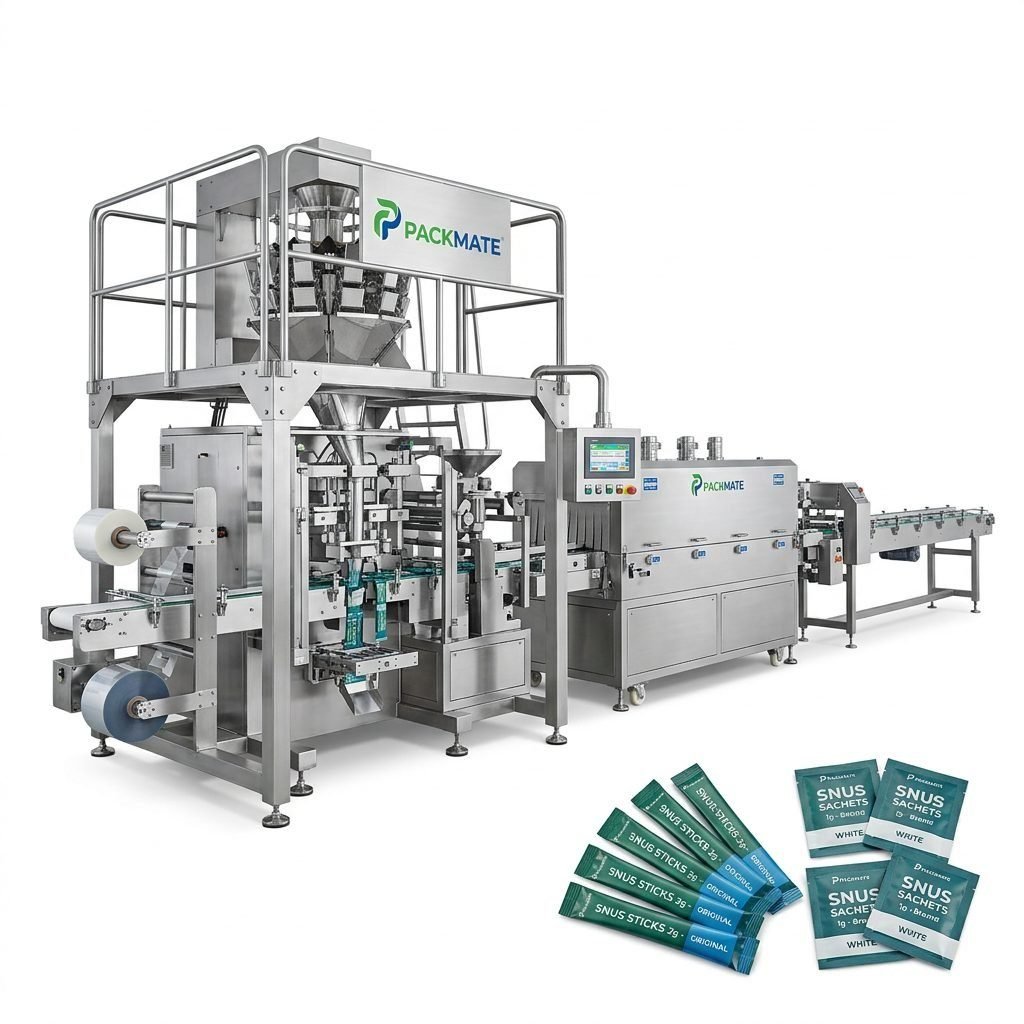
Choosing the right snus packaging machine manufacturer can be the difference between a production line that hums reliably and one that creates constant downtime and headaches. If you’re operating in Africa and planning to scale up nicotine pouch or snus production, this guide will walk you through the most important factors to evaluate so you can select the best partner for your business.
Understand Your Production Needs First
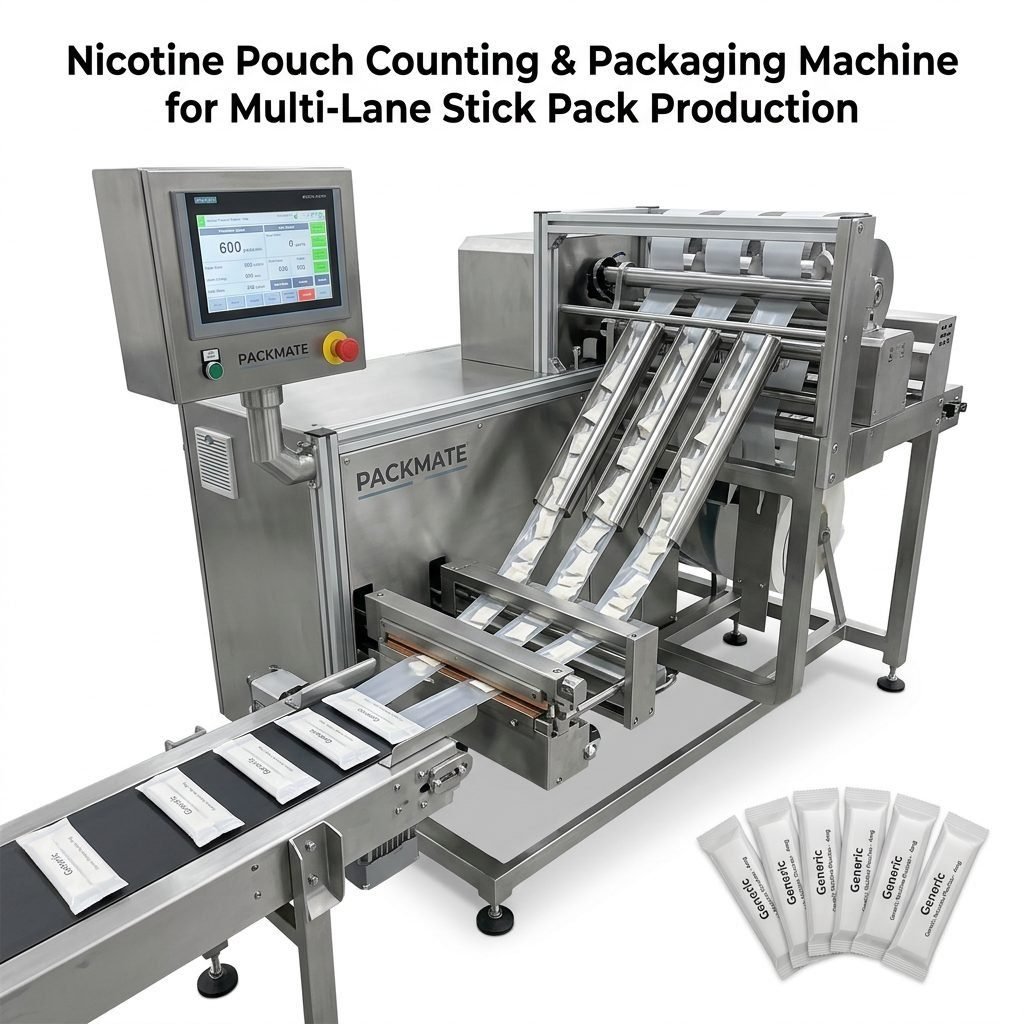
Before you compare vendors, clarify your product profile and production targets. Key details include pouch format (round, flat, stick, sachet), pouch weight range, desired speed (pouches per minute), and the materials you plan to use for films or lids. These variables dictate whether you need a single-lane high-precision unit, a multi-lane system for small-dose pouches, or a complete turnkey production line.
Checklist: Production Parameters
• Target output per shift and per day
• Pouch type and dimensions
• Filling materials (powder, granules, paste, liquid)
• Film and packaging material types and thicknesses
• Integration needs (weighing, capping, cartoning)
Why Manufacturer Experience Matters
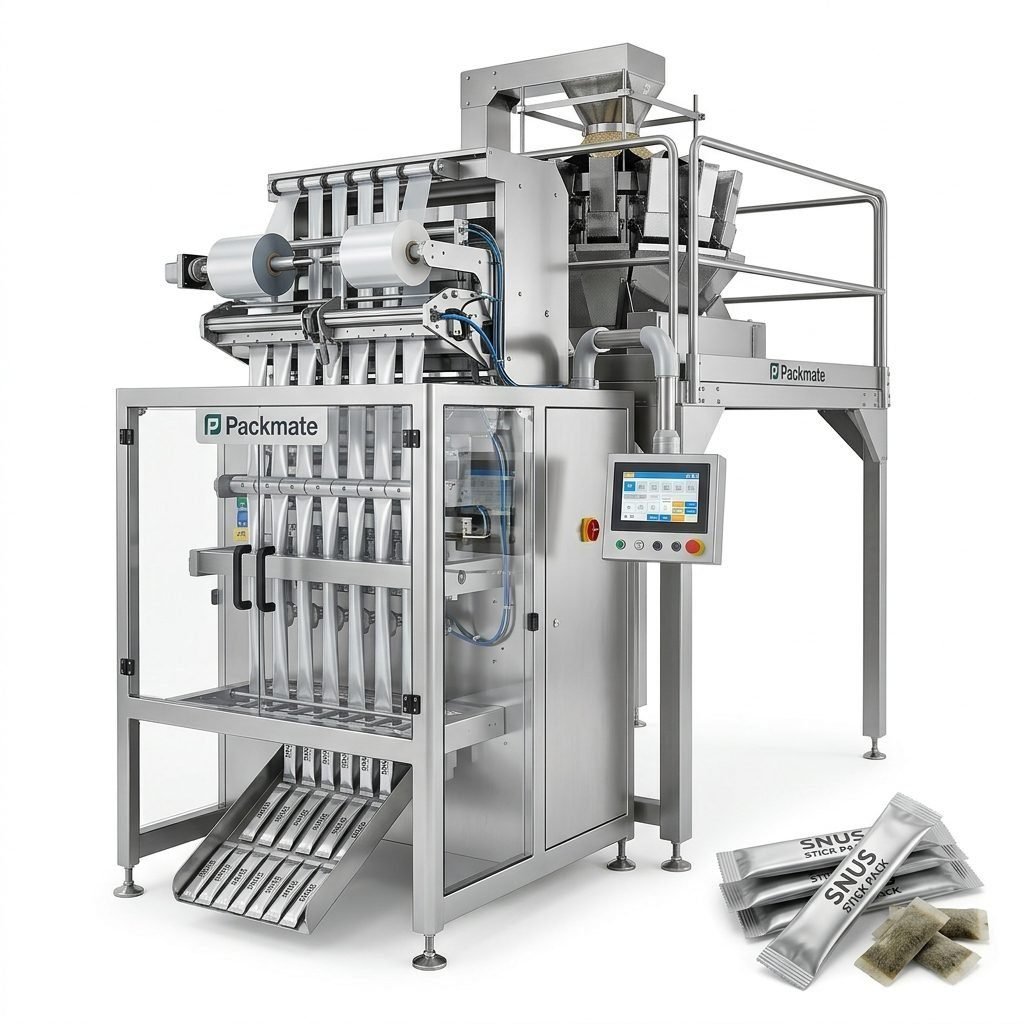
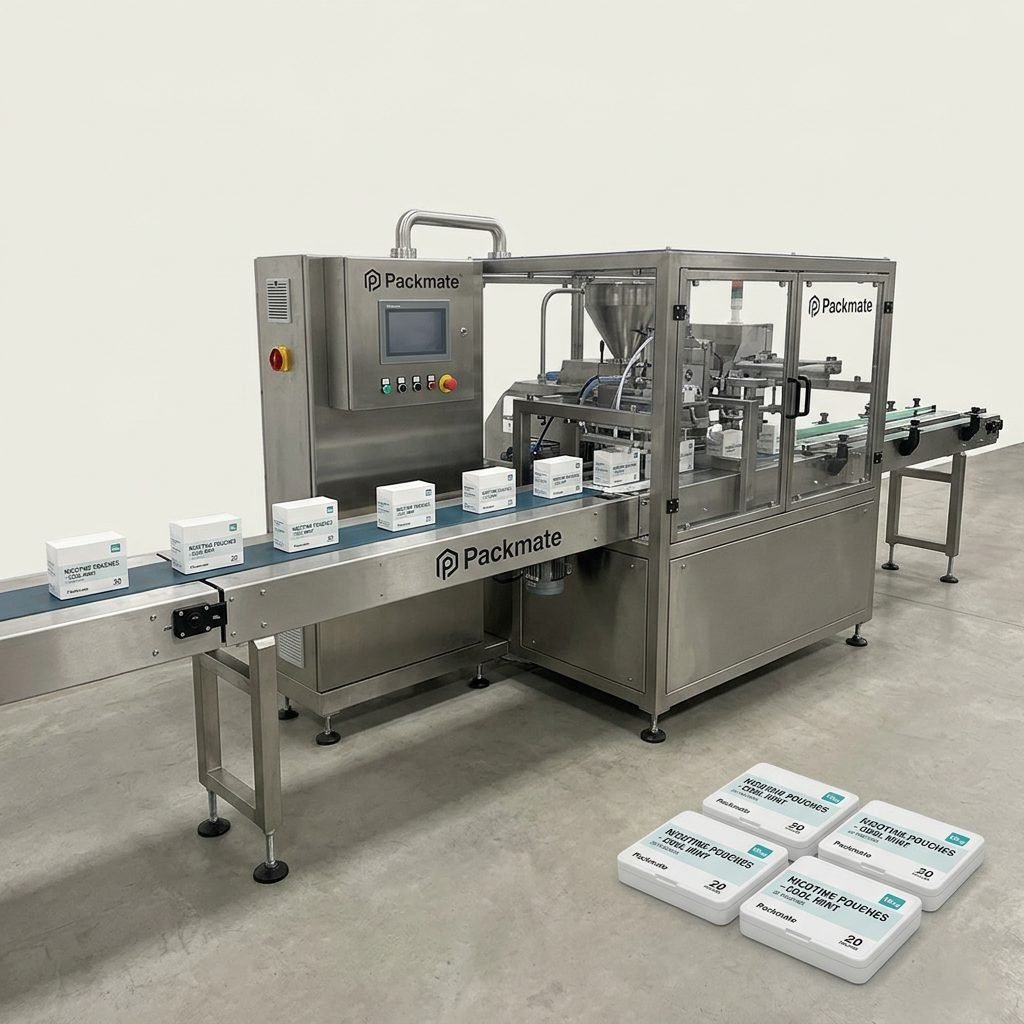
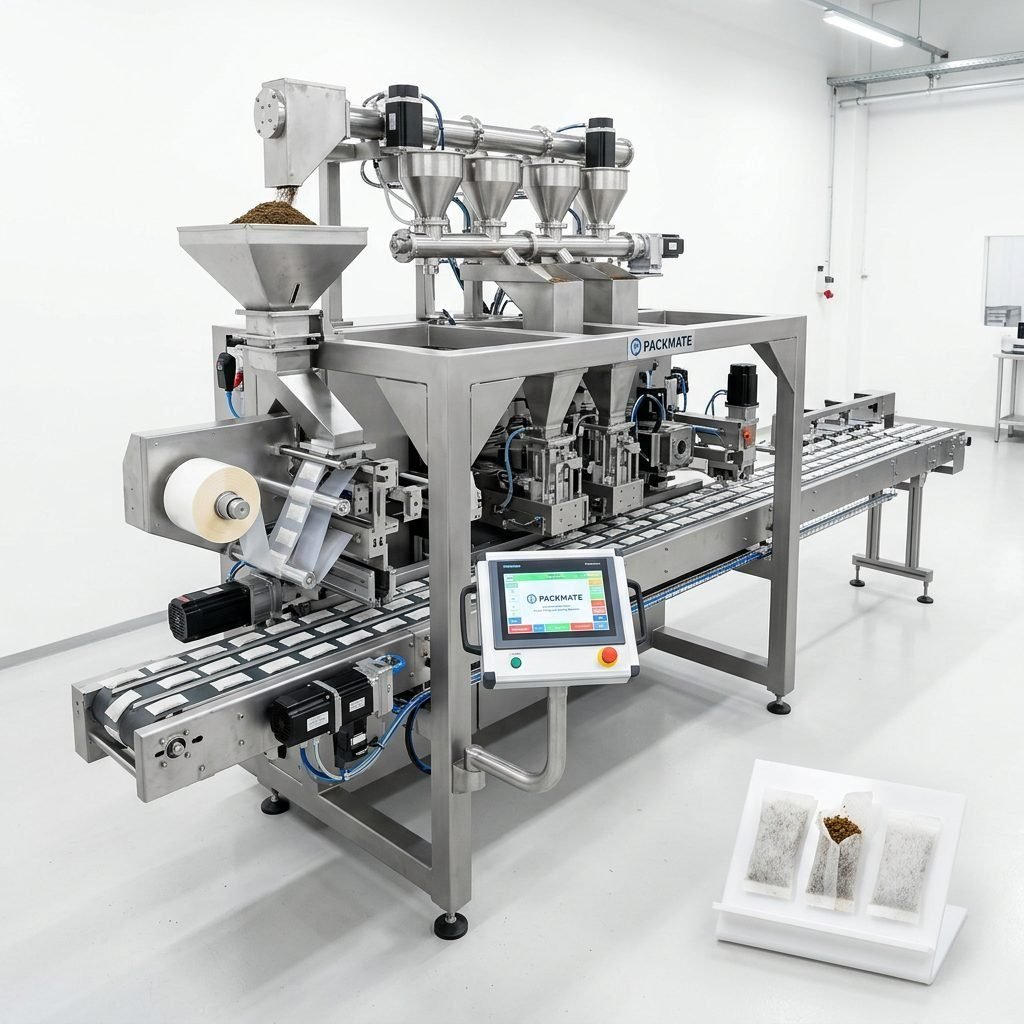
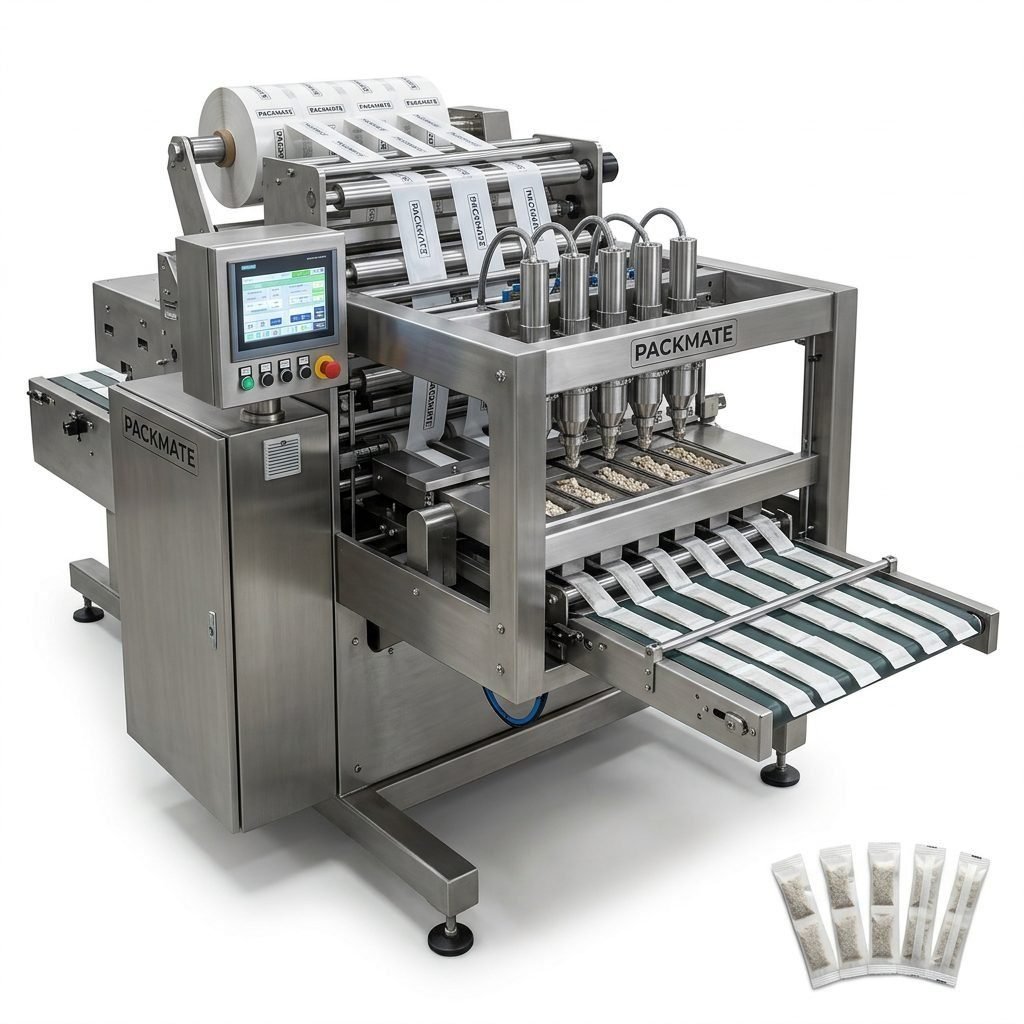
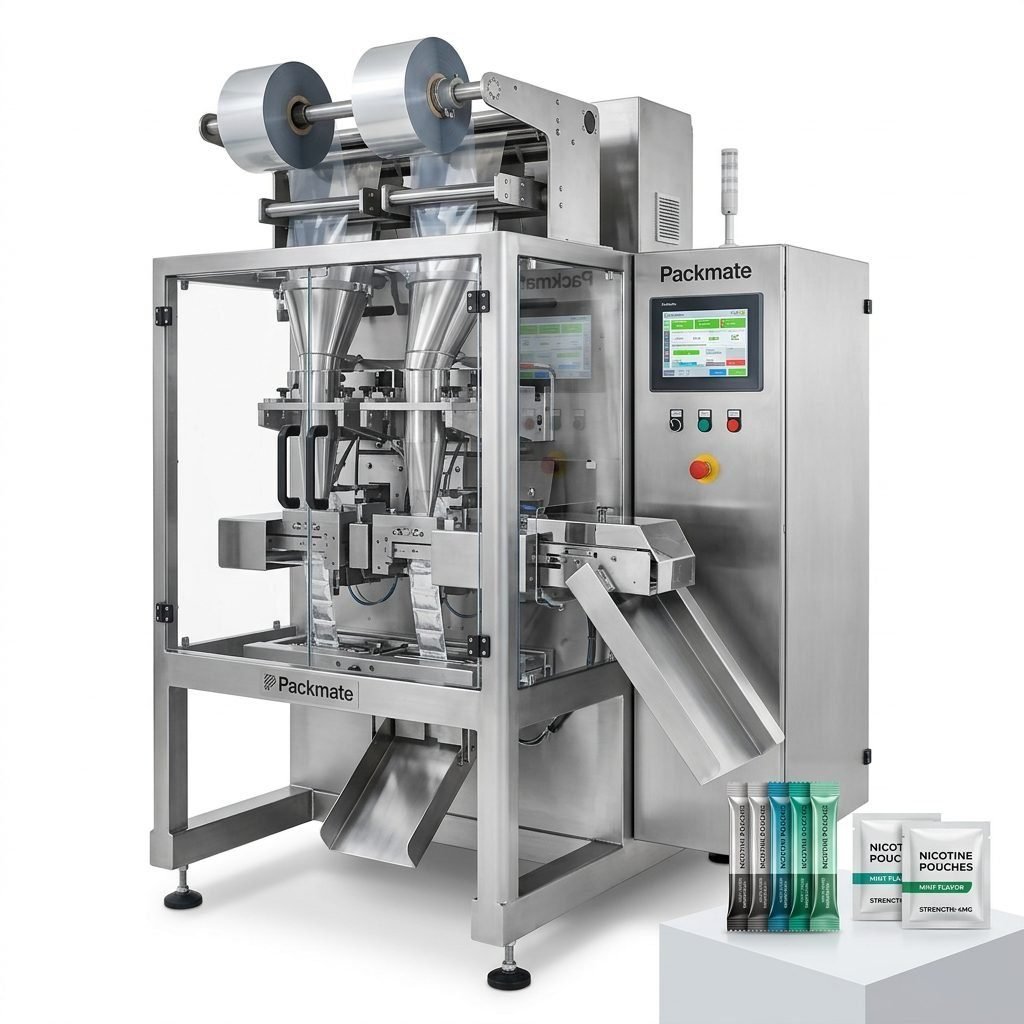
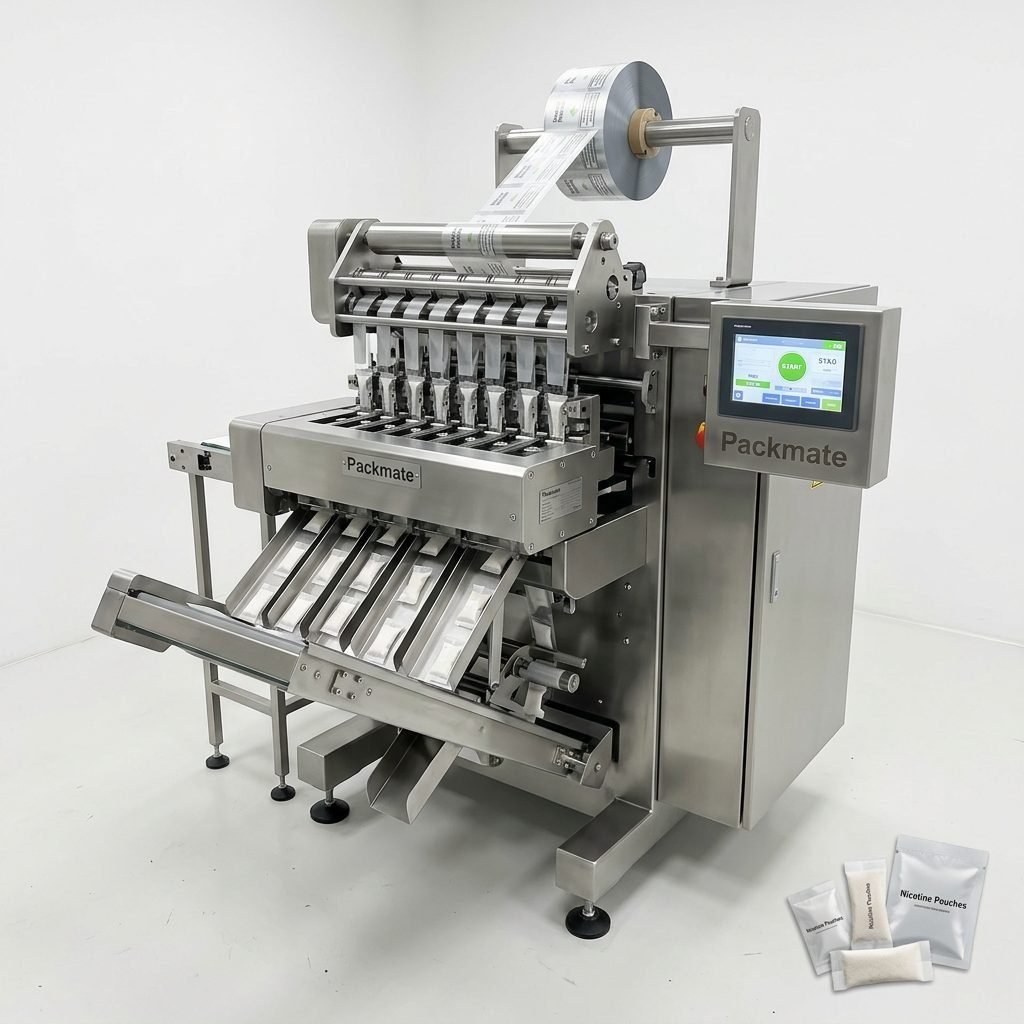
Experience is not just a number. A manufacturer with decades in packaging engineering has often solved a wide range of real-world challenges. Look for companies with proven competency in snus and nicotine pouch packaging, because these products require particular precision for small-dose filling and tamper-proof seals. For example, Packmate Snus Machine leverages over 30 years of engineering experience, supplying both single-lane and advanced multi-lane systems tailored for nicotine pouches.
Pro tip: Manufacturers that have dedicated R&D for snus/nicotine packaging are more likely to offer stable solutions for small-dose, multi-lane production and can better customize machines to your workflow.
Assess Factory Strength and Quality Control
A robust factory footprint and modern production facilities are signs of a manufacturer that can deliver consistent machine quality and spare parts availability. Check for:
• Factory area and production capacity
• CNC machining centers and precision assembly lines
• Standardized testing procedures and QA systems
• Availability of spare parts and regional support
For instance, companies with a large manufacturing area (such as a 20,000㎡ facility) and advanced CNC centers are better positioned to ensure high-performance machine components and rapid component replacement.
Certifications and Compliance
Regulatory compliance is critical when choosing equipment that will be used in a market with evolving safety standards. Look for internationally recognized certifications like CE and ISO, which indicate that machinery complies with global safety and quality norms. Certification details also reveal the manufacturer’s commitment to standardized production and documentation.
Range of Product Lines and Customization
A manufacturer that offers a broad portfolio—such as snus & nicotine packaging machines, stick pack machines, sachet lines, and supporting weighing & filling systems—can provide better system-level integration. This minimizes compatibility issues and simplifies maintenance when components are designed to work together. If you need a turnkey solution, confirm whether the manufacturer can deliver integrated lines including auxiliary equipment.
Explore specific product categories like Snus & Nicotine Packaging Machines and Sachet & Stick Pack Machines to understand available configurations and performance metrics.
Service, Spare Parts and After-Sales Support
After-sales support is often the determining factor for long-term satisfaction. Evaluate the supplier’s service network, responsiveness, training options, and spare parts logistics. Critical questions to ask:
• Do they offer local or regional technicians in Africa?
• What are lead times for spare parts?
• Is remote support available for diagnostics?
• Do they provide operator training and maintenance manuals?
Important: A supplier with a documented global presence and experience serving international clients often has better logistics and support workflows, especially for exporters and importers.
Technical Features to Compare
When comparing machine specs, focus on features that directly impact your throughput, product quality, and flexibility:
• Precision dosing systems and accuracy for small-dose pouches
• Multi-lane synchronization and lane-to-lane consistency
• Servo-driven motion control for repeatability
• HMI interface and recipe management for quick changeovers
• Hygiene-friendly design for easy cleaning and maintenance
Case Study Snapshot
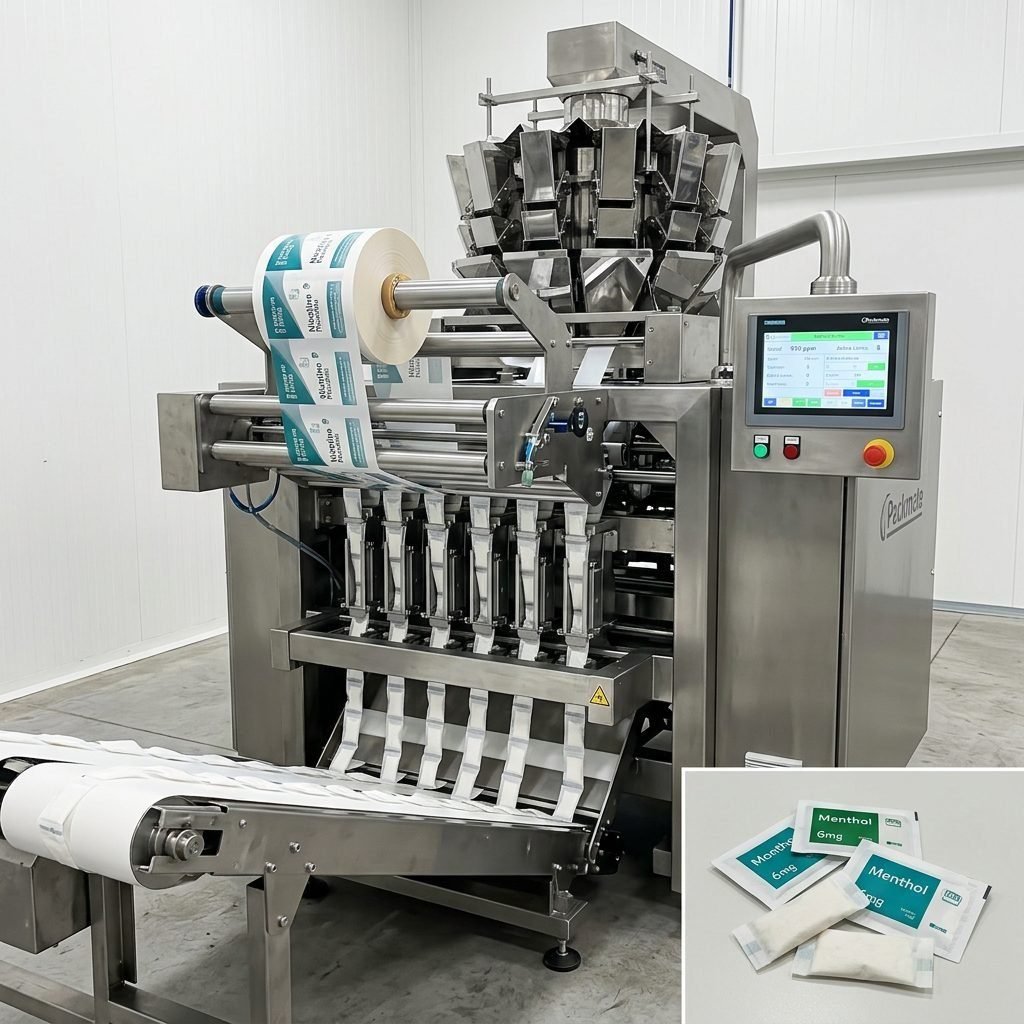
Consider a manufacturing partner that has demonstrated success in delivering high-efficiency snus lines to diverse markets. Real-world cases show how multi-lane systems dramatically increase throughput for small-dose nicotine pouches while maintaining consistent fill weight and seal integrity. Learn from their documented examples to anticipate the ROI and ramp-up timeline for your own operations. See relevant cases here: Case Studies.
Total Cost of Ownership (TCO) vs. Purchase Price
The lowest initial quote is not always the cheapest option over the life of the machine. Factor in:
• Energy consumption and utility demands
• Spare parts pricing and availability
• Expected maintenance intervals and downtime risk
• Software updates and control upgrades
• Resale value and upgrade paths
Request a detailed TCO analysis from shortlisted manufacturers to compare realistic lifetime costs rather than just equipment price.
Factory Acceptance Testing and FAT Protocols
A thorough Factory Acceptance Test (FAT) demonstrates machine performance before shipping. Ensure the manufacturer offers a FAT that includes:
• Running at rated speed with your product or a representative material
• Dosing accuracy and weight checks
• Seal integrity and leak tests (if applicable)
• HMI recipe creation and changeover demonstration
• Documentation of all test results and acceptance criteria
Logistics and Local Regulations in Africa
Shipping large machinery to African ports requires careful planning. Confirm the manufacturer’s experience with export documentation, packaging for sea freight, and customs support. Also evaluate any local electrical standards and the availability of compatible spare parts locally. A manufacturer experienced with global exports can smooth this process significantly.
How to Vet Potential Manufacturers
Use this practical vetting approach:
1. Ask for references from customers in similar markets and with similar product types.
2. Request a detailed machine specification sheet and performance data.
3. Visit the factory if possible, or ask for a live video tour and FAT demo.
4. Clarify warranty, spare parts policy, and training offerings.
5. Compare multiple quotes and TCO analyses rather than only equipment cost.
Note: A reliable supplier will welcome site visits, provide verifiable references, and present a clear service roadmap for aftermarket support.
Integration and Future-Proofing
Think long term: choose equipment that can be upgraded, integrated with downstream cartoning, and connected to Industry 4.0 systems. An intelligent HMI, modular design, and the ability to scale from single-lane to multi-lane setups are valuable features that protect your investment as demand grows.
Why Choose a Specialist for Snus Packaging?
Snus and nicotine pouches require specialized handling because of their small size, regulatory sensitivity, and the need for consistent dosing. Working with a specialist—one that focuses on snus packaging lines and offers validated solutions—reduces risk and accelerates your time to market. Learn more about dedicated providers and their offerings here: About Packmate.
Making the Final Decision
When all technical and commercial factors are considered, prioritize partners who demonstrate:
• Transparent documentation and test results
• Strong factory capability and QA systems
• Clear service agreements and spare parts strategies
• Positive customer references and export experience
To initiate a conversation, reach out directly to suppliers that meet your criteria and request customized proposals that include FAT, installation, and training. If you need support locating suitable machinery categories, explore product lines such as Filling & Packaging Lines and Auxiliary Packaging Equipment.
Summary and Next Steps
Selecting the best snus packaging machine manufacturer for your African operation is a strategic decision. Focus on proven experience in snus and nicotine pouch packaging, robust factory capabilities, international certifications, comprehensive after-sales service, and a clear total cost of ownership. Prioritize partners who can demonstrate real-world performance through FAT and customer references, and who provide scalable, upgradeable systems to future-proof your investment.
Contact and Further Information
When you are ready to request quotes or factory details, use the manufacturer’s contact portal to get tailored proposals and technical data sheets: Contact Us.
Frequently Asked Questions
Q1: How quickly can a snus packaging machine be delivered to Africa?
A1: Delivery depends on machine complexity, factory lead times, and shipping logistics. Standard single-lane machines may ship in weeks, while customized multi-lane turnkey lines often require months for design, FAT, and export preparation.
Q2: What certifications should I demand for equipment used in nicotine pouch production?
A2: Look for CE and ISO certifications as a baseline for safety and quality. Additionally, request documentation of material compatibility and hygiene design if your product has regulatory requirements.
Q3: Can machines be adapted for different pouch sizes and materials?
A3: Yes—many modern machines are modular and support recipe-based changeovers. Confirm the extent of customization and changeover times with your supplier.
Q4: What post-sale services are most critical to ensure uptime?
A4: Fast spare parts availability, remote diagnostic support, scheduled maintenance programs, and on-site technician visits are crucial for maintaining continuous operation.
Q5: Where can I see real examples of snus packaging lines in operation?
A5: Ask for case studies and video demonstrations from the manufacturer. Many suppliers maintain a portfolio of installations and live demos—review those to validate performance and reliability.