Entering the nicotine pouch and snus market in North Macedonia requires more than just a good product idea — it demands the right packaging partner. Choosing the best nicotine packaging machinery supplier will affect your production efficiency, compliance with international standards, product appearance, and long-term profitability. This guide walks you through practical evaluation steps and local considerations so you can make an informed choice for your business.
Why the right packaging supplier matters
Selecting a reliable supplier is not only about machine price. The right partner delivers stable production, easy maintenance, rapid spare parts supply, and compliance documentation that helps with local and export regulations. A strong supplier will also support process optimization, reducing downtime and improving yield — critical when margins are tight.
📌 Key outcome: A trusted supplier becomes a strategic partner — improving product consistency, ensuring regulatory documentation (CE/ISO when needed), and enabling scale-up when demand grows.
Understand North Macedonia’s market & local business culture
Business in North Macedonia and the broader Balkan region often emphasizes relationships, trust, and face-to-face interaction. Buyers typically value suppliers who visit local sites, demonstrate machines in person, and provide clear timelines. Language can be a factor — while many technical teams use English, offering Macedonian-language manuals or local service contacts can be a competitive advantage.
From a consumer perspective, packaging aesthetics and clear labeling (including translations where needed) help products stand out. Also be mindful of local regulatory frameworks: nicotine products have evolving rules, so confirm import, labeling, and advertising requirements with local authorities and legal counsel before large-scale procurement.
Technical criteria: what your machinery must deliver
When evaluating machines, prioritize capabilities that match your product format and throughput goals. Essential technical criteria include:
⚙️ Production speed & lanes: Determine required output per shift and ask about multi-lane options for small-dose nicotine pouches.
🔧 Filling accuracy: For nicotine products, precision dosing is critical for safety and regulatory compliance.
🔄 Changeover time: Fast, tool-free changeovers reduce downtime when switching sizes or recipes.
🔌 Integration capability: Ability to connect to upstream dosing/weighing systems and downstream cartoners or case packers for turnkey lines.
✔️ Tip: If you plan to export across Europe, request machines with CE and ISO documentation and ask for traceable calibration records.
Quality control & certifications
High-quality stainless steel surfaces, reliable PLC controls, and robust servo systems increase uptime and hygienic compliance. Look for suppliers who provide:
• Machine CE certificates and ISO production records.
• Test reports from factory acceptance tests (FAT) and clear validation documentation.
• Long-term parts availability and clear spare parts lists with lead times.
After-sales support & training
After-sales service is often the decisive factor in real-world operations. Evaluate suppliers on:
📞 Response times: How quickly can they troubleshoot remotely or dispatch field engineers?
📦 Spare parts logistics: Do they have regional warehouses or authorized distributors near the Balkans or Europe?
🎓 Operator training: On-site commissioning and operator training in your language reduces mistakes and improves uptime.
Commercial considerations: cost, ROI and financing
Machine price is important, but calculate the total cost of ownership (TCO). Factors to include:
• Installation and commissioning costs.
• Expected energy and maintenance expenses.
• Spare parts pricing and typical replacement intervals.
• Supplier warranty, extended support packages, and optional service contracts.
💡 Financial tip: Ask suppliers about leasing, phased payment plans, or pilot machine trials to spread initial investment risk.
How to vet and compare suppliers step-by-step
Use a structured evaluation process to compare offers objectively:
1) Document review: Request machine specs, FAT reports, certifications, references, and spare parts lists.
2) Factory visit or virtual tour: Inspect assembly areas, quality control, and finish standards.
3) References & case studies: Speak with existing customers, particularly those exporting to Europe.
4) Trial runs and sample production: Request sample production of your exact pouch type to evaluate consistency and cosmetic quality.
Visiting the factory: what to look for
A factory visit reveals more than papers. Check assembly precision, component brands (motors, PLCs, servos), testing rigs, warehousing, and the availability of skilled technicians. Verify their CNC and fabrication capabilities if you plan to order custom tooling or modifications.
Integration & turnkey capabilities
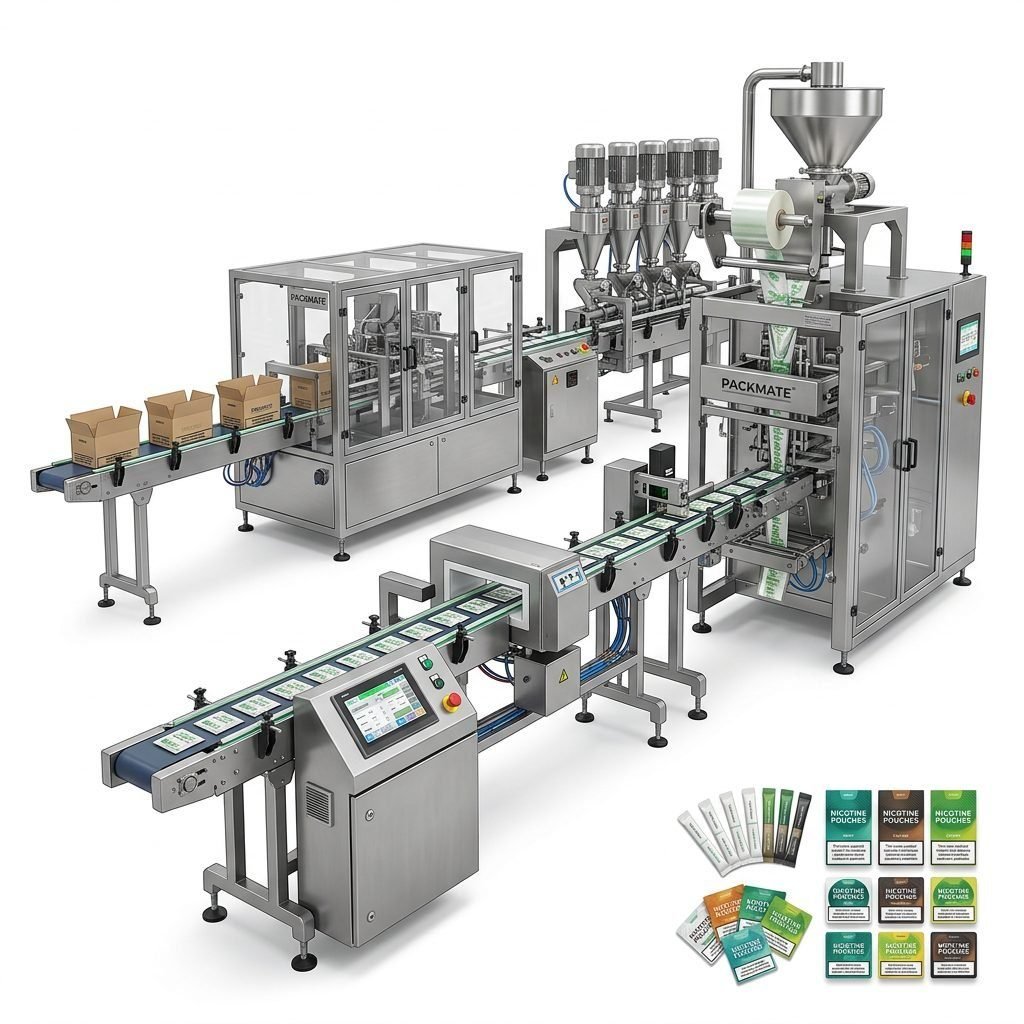
For many buyers, a turnkey solution (weighing, filling, primary packaging, cartoning) simplifies procurement and reduces integration risk. Confirm the supplier can deliver and commission a full line, provide PLC communication protocols, and supply documentation for integration into your production control systems.
Why Packmate Snus Machine is worth considering
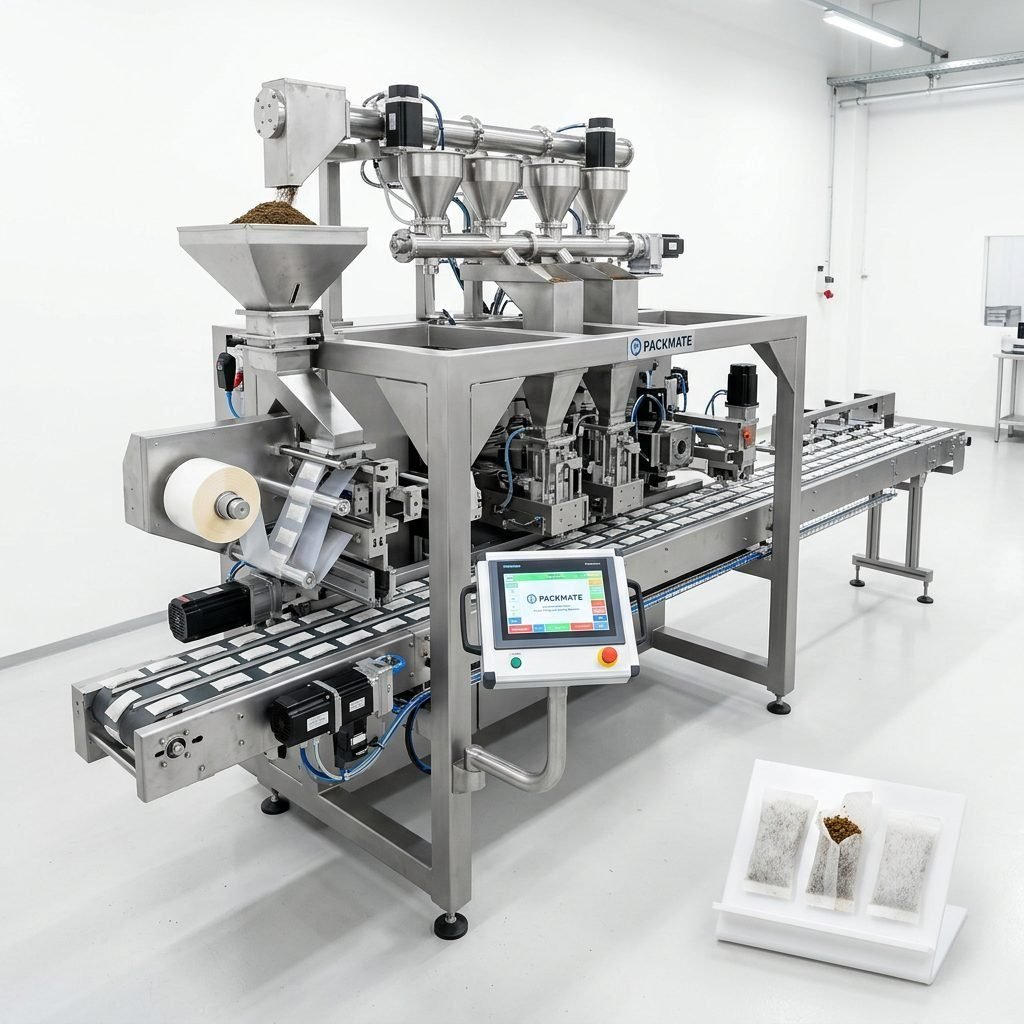
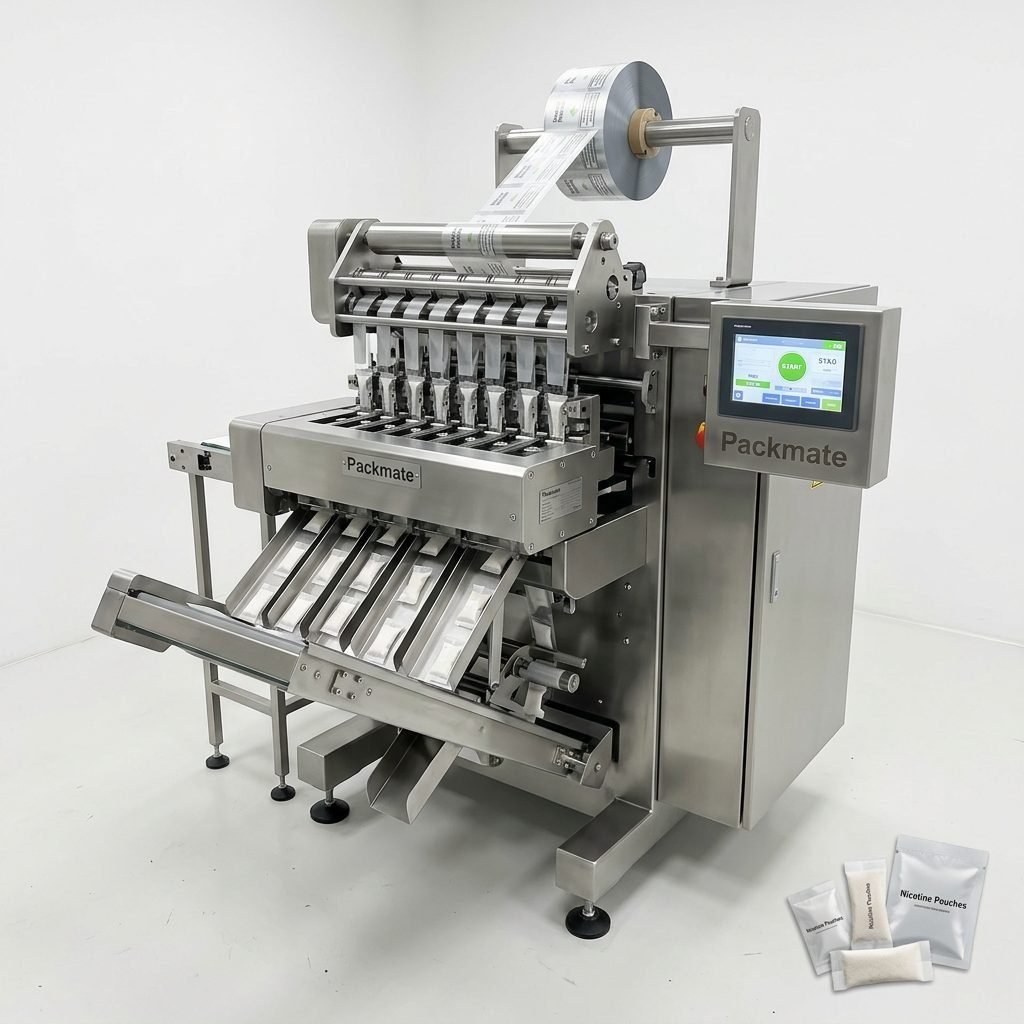
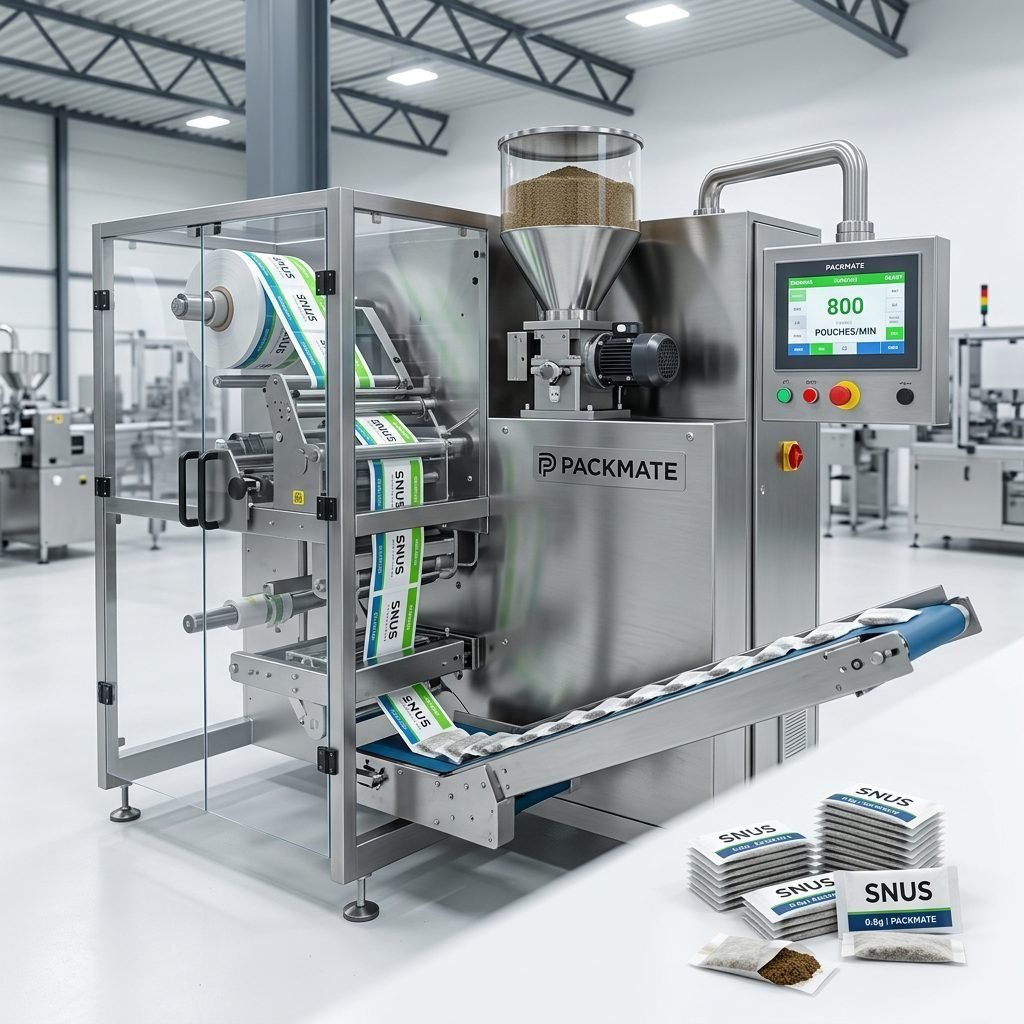
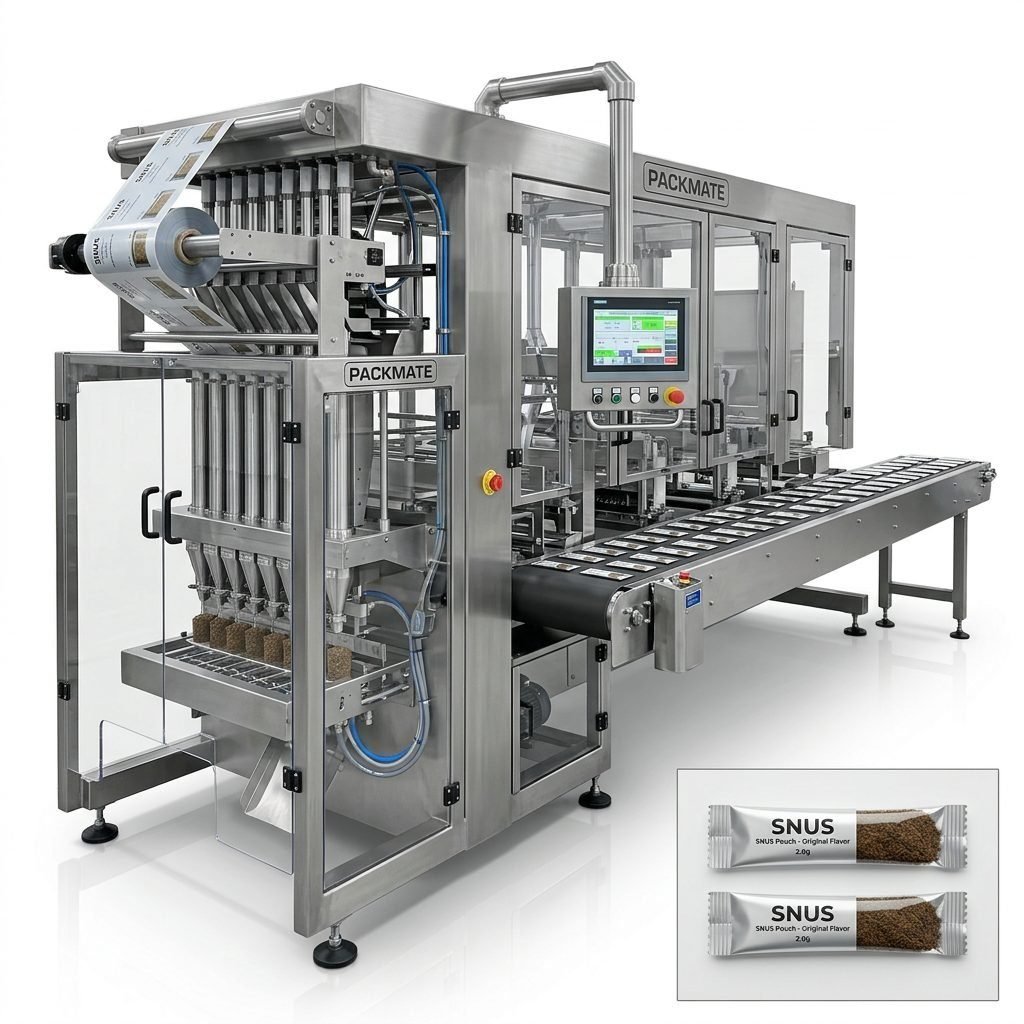
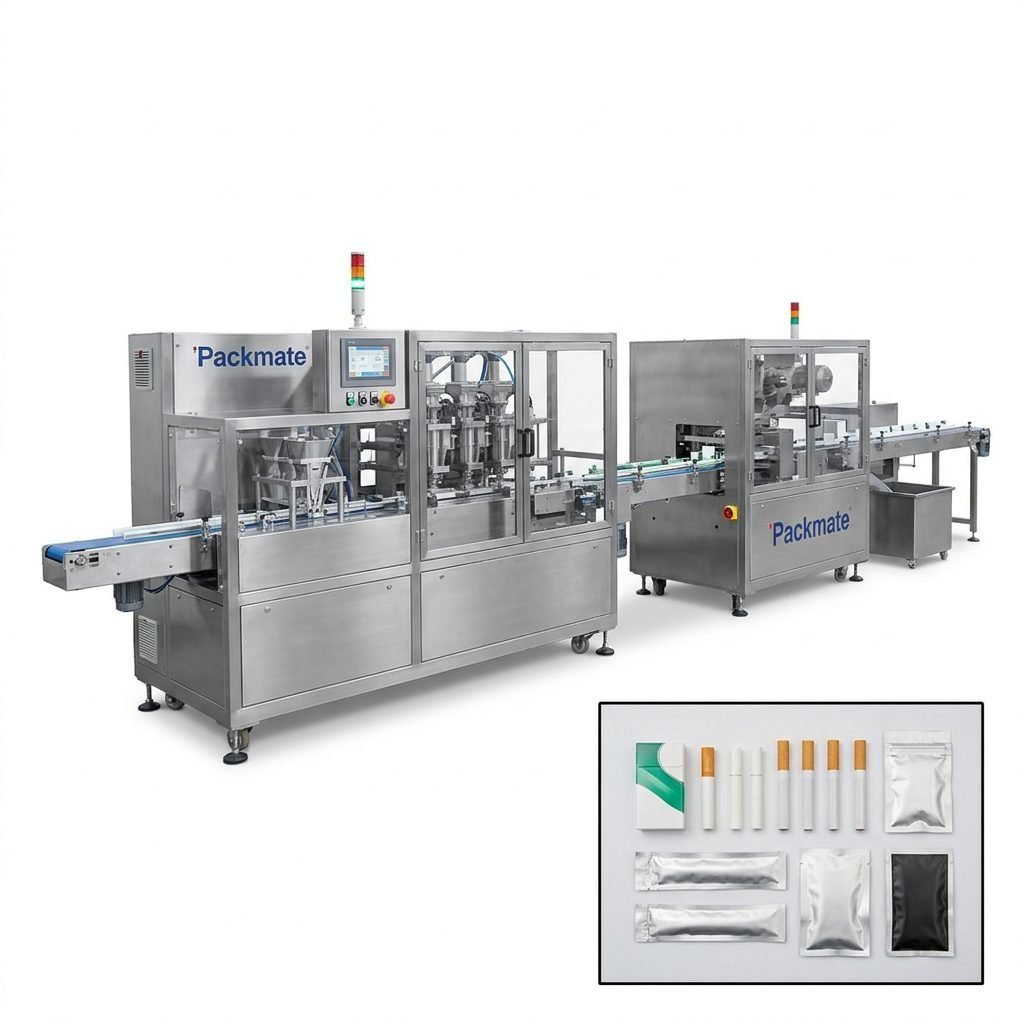
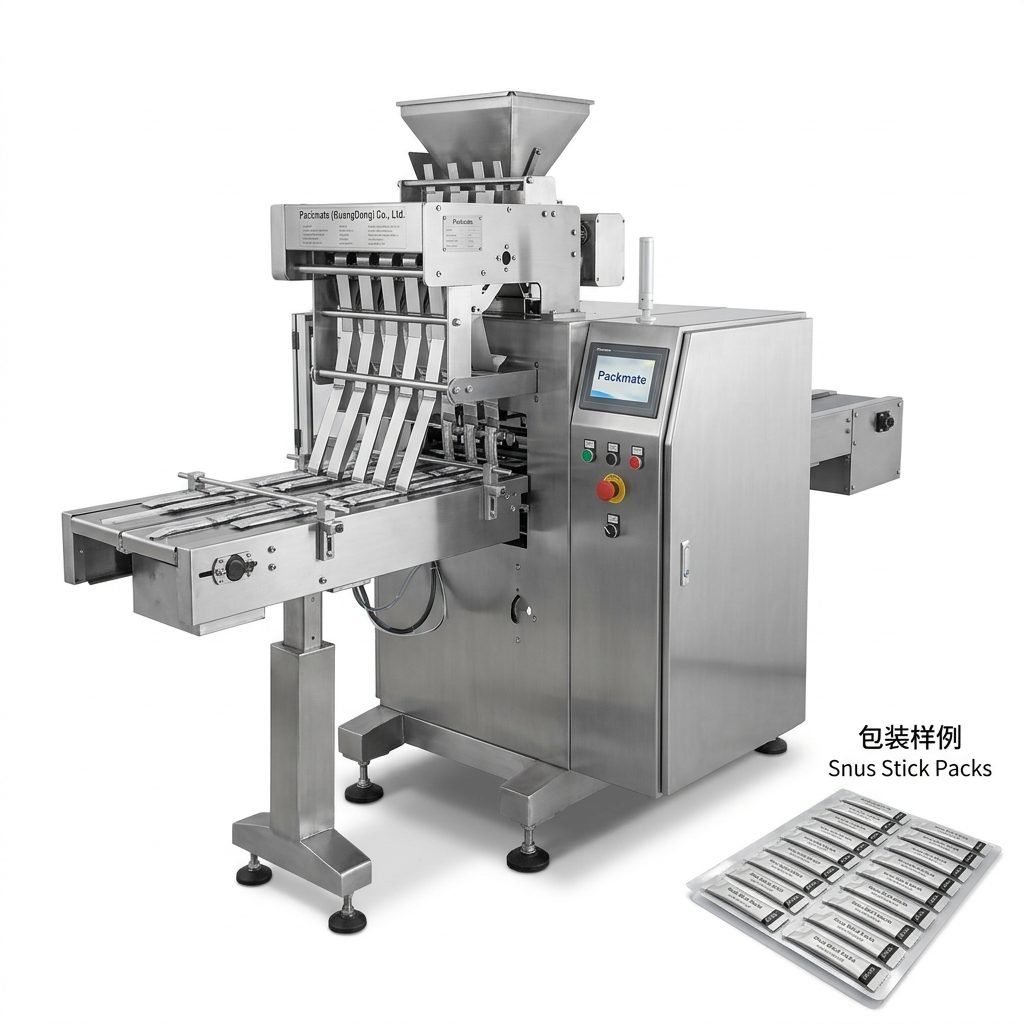
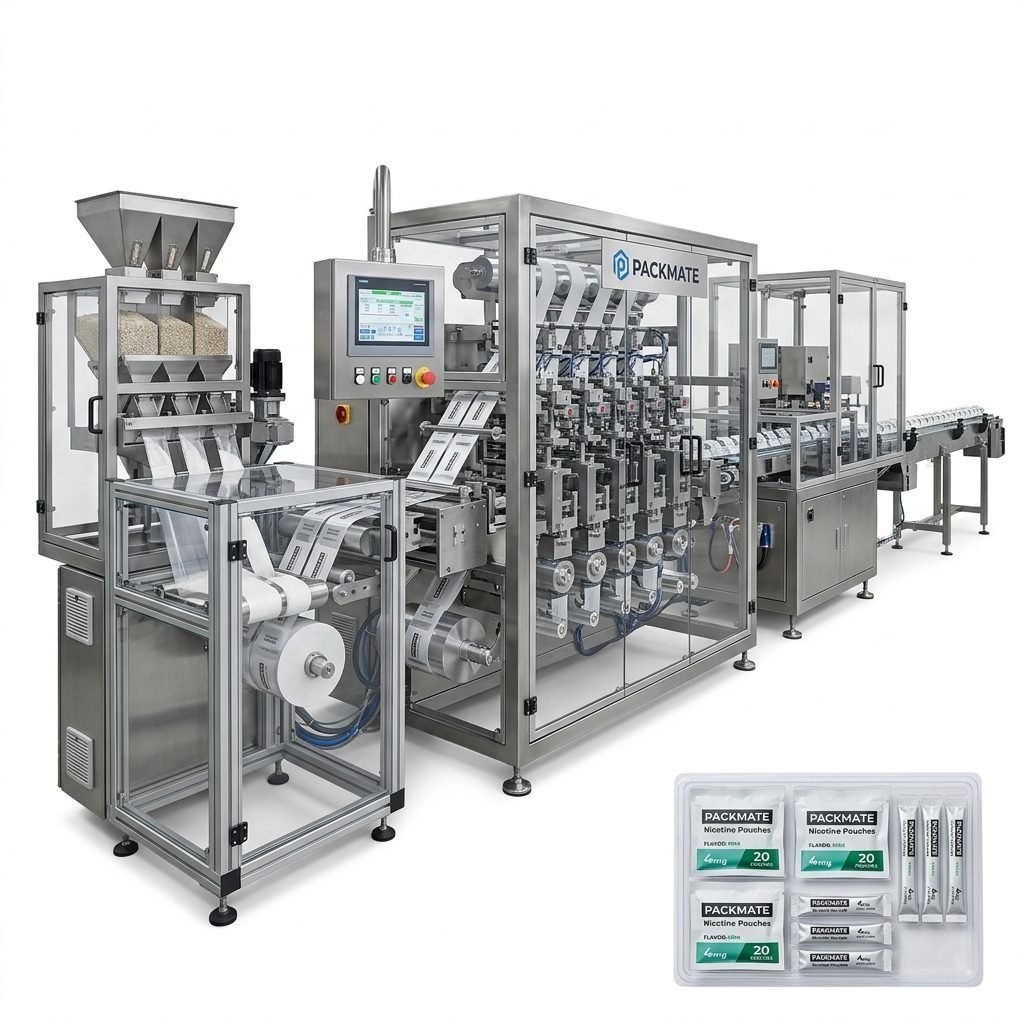
With over 30 years of engineering experience and a 20,000㎡ manufacturing facility, Packmate Snus Machine focuses on high-performance snus pouch lines, including multi-lane solutions tailored for small-dose nicotine pouches. Their product range and turnkey capabilities make them a strong candidate for businesses in North Macedonia aiming to scale or export.
Explore relevant product lines and documentation:
🔗 Snus & Nicotine Packaging Machines
🔗 Bag & Pouch Packaging Machines
🔗 Case Studies & Global Deployments
Negotiation & contracting tips for North Macedonia
Negotiating terms that protect your operation is essential. Consider:
• Clear acceptance criteria during FAT and SAT (site acceptance test).
• Warranty periods and defined SLAs for response and repair times.
• Payment milestones tied to documented progress (design, FAT, shipment, commissioning).
• Training, documentation in Macedonian if needed, and spare parts kits included with initial shipment.
Practical checklist before placing an order
📋 Pre-order checklist
✔️ Contract with FAT/SAT acceptance criteria and delivery schedule.
✔️ Spare parts list with minimum one-year stock or immediate supply path.
✔️ On-site commissioning plan, training schedule, and warranty terms.
✔️ Regulatory & labeling requirements confirmed with local authorities/legal counsel.
Final considerations
The best supplier for your North Macedonian nicotine pouch business balances cost, quality, service, and compliance. Prioritize long-term partnership potential over a marginally lower upfront price — packaging reliability and regulatory support often pay for themselves many times over.
Frequently Asked Questions
Q1: How do I confirm a supplier’s machine performance before purchase?
A1: Request a factory acceptance test (FAT) with your product or a close sample, review video demonstrations, and ask for client references who run similar recipes.
Q2: What certifications should I ask for when importing machines to North Macedonia?
A2: Commonly requested documents include CE declaration of conformity, machine manuals, electrical schematics, and ISO production certifications. Always verify with local customs and regulatory bodies for any additional requirements.
Q3: Is it better to buy single machines or a turnkey line?
A3: If you need fast time-to-market and minimal integration risk, turnkey solutions are preferable. If budgets are constrained or your process is evolving, modular purchases allow staged investment.
Q4: How important is local spare parts availability?
A4: Very important — local or nearby warehouses reduce downtime. Ask suppliers about authorized distributors in Europe or the Balkans and shipping lead times for critical parts.
Q5: Where can I see real-world examples of similar installations?
A5: Review supplier case studies and exhibition records to see machine demos and deployments. For example, Packmate publishes detailed case studies and exhibition histories that demonstrate global installations and operational performance.