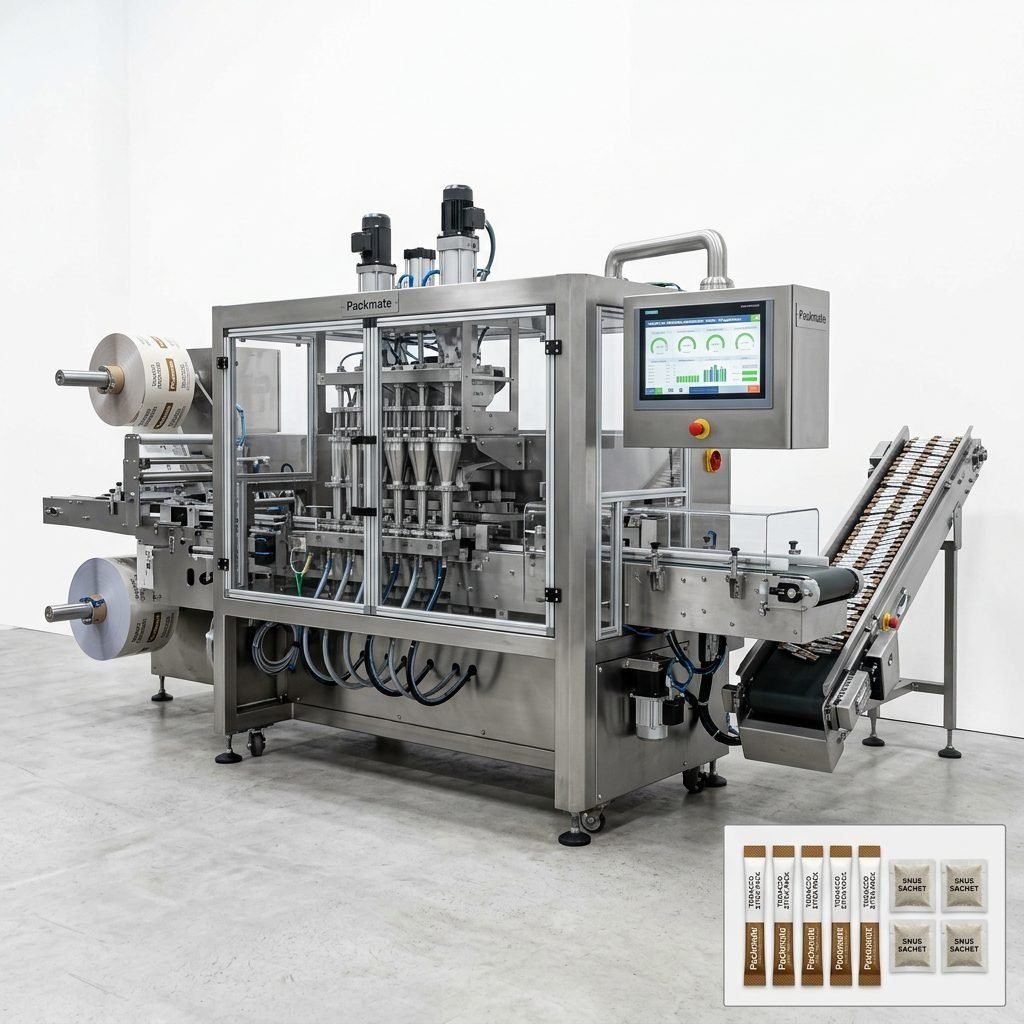
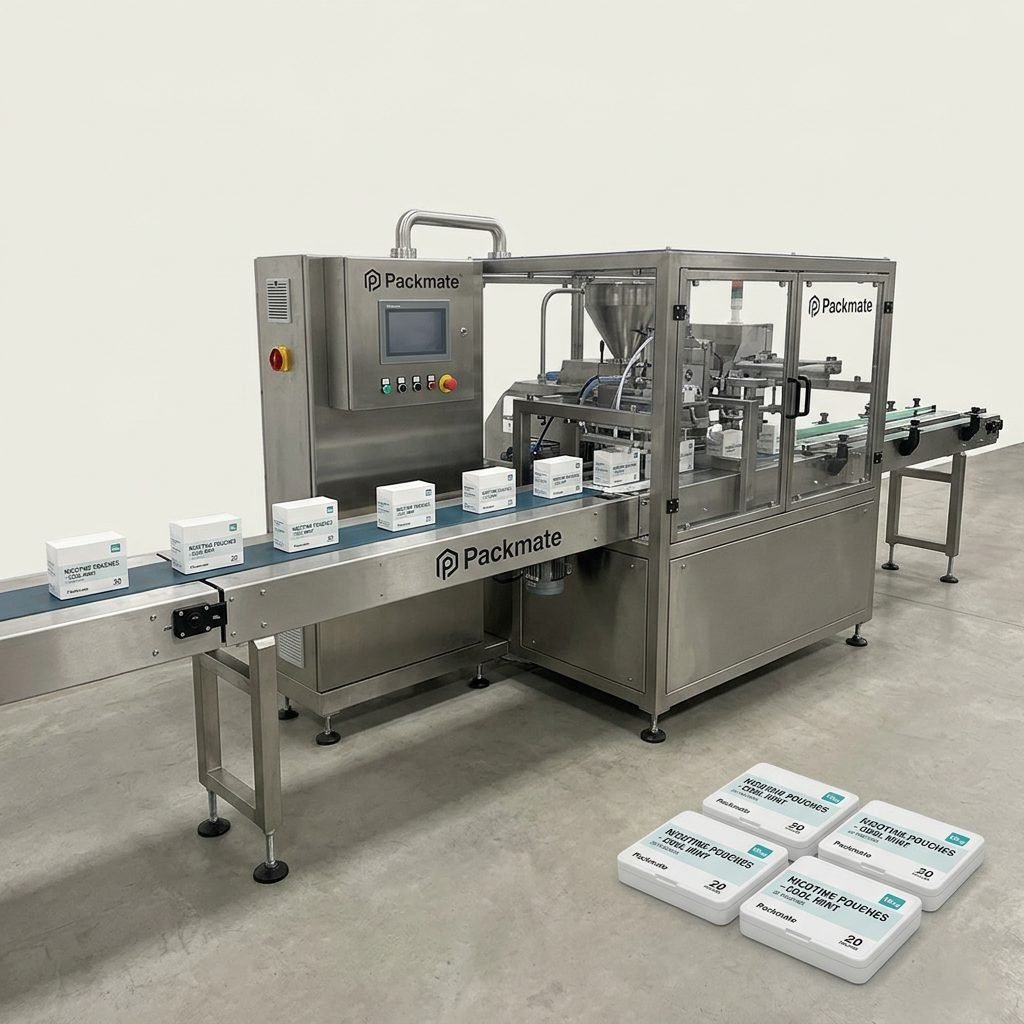
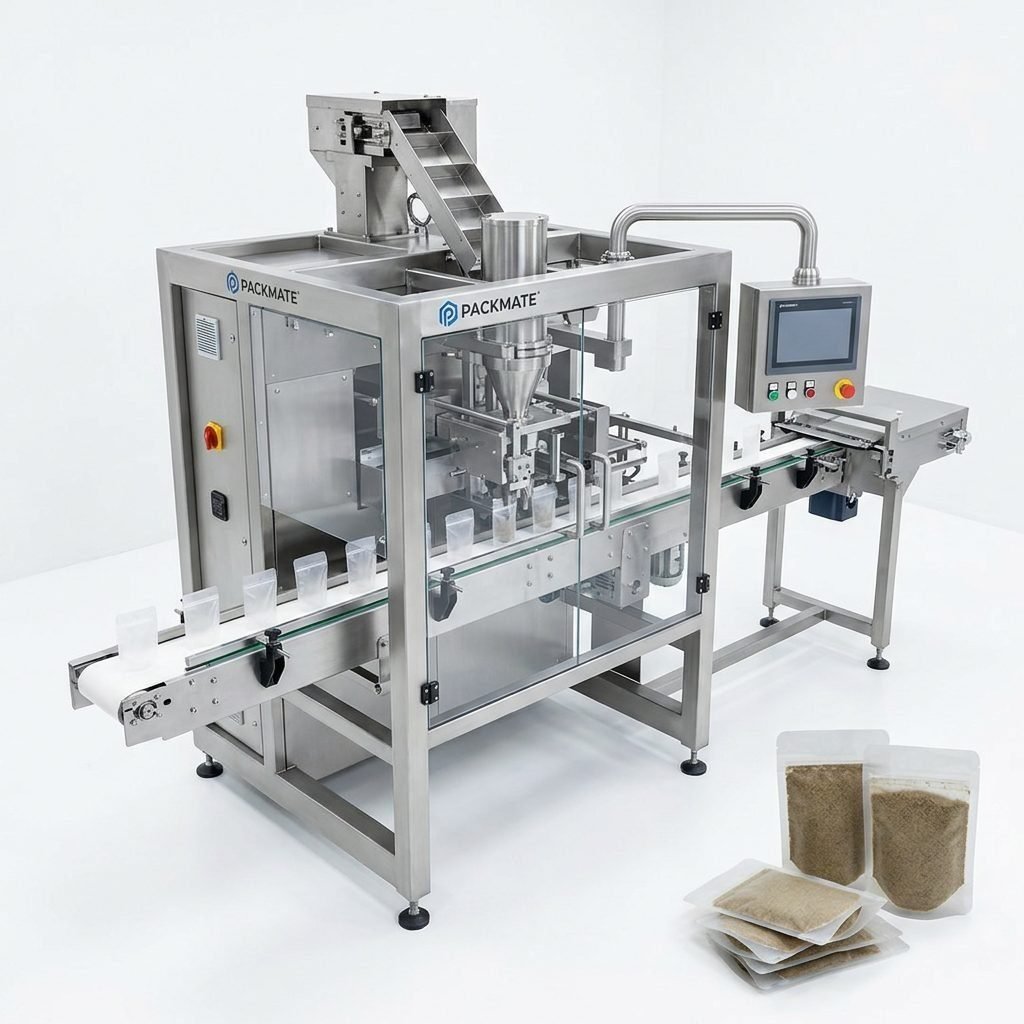
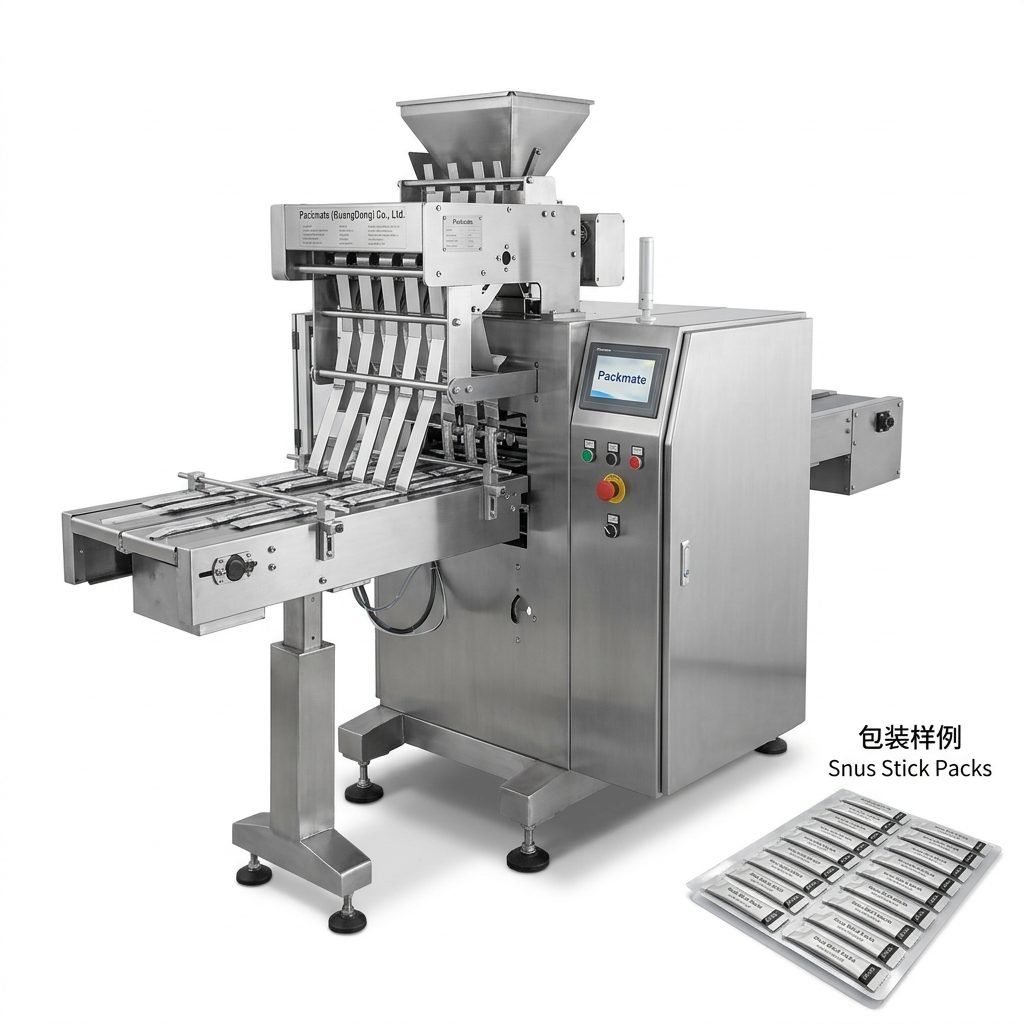
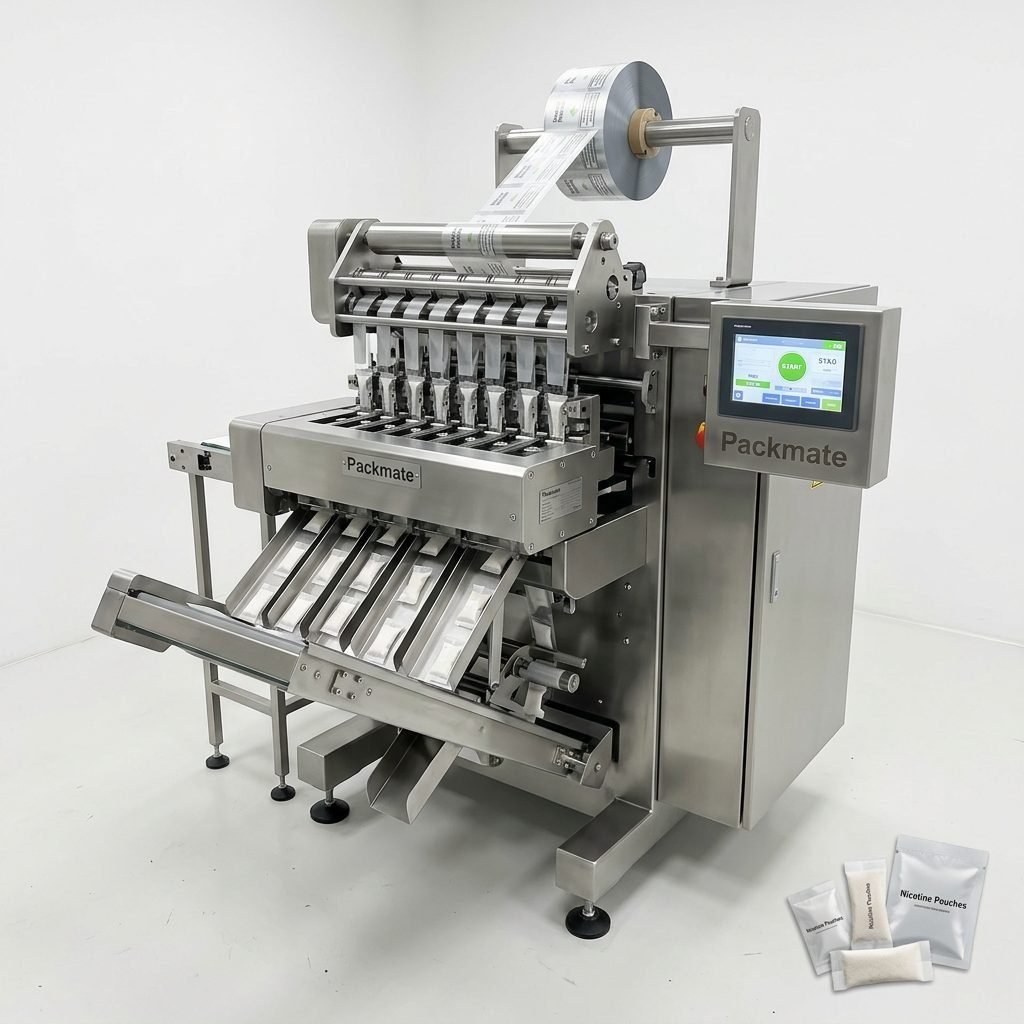
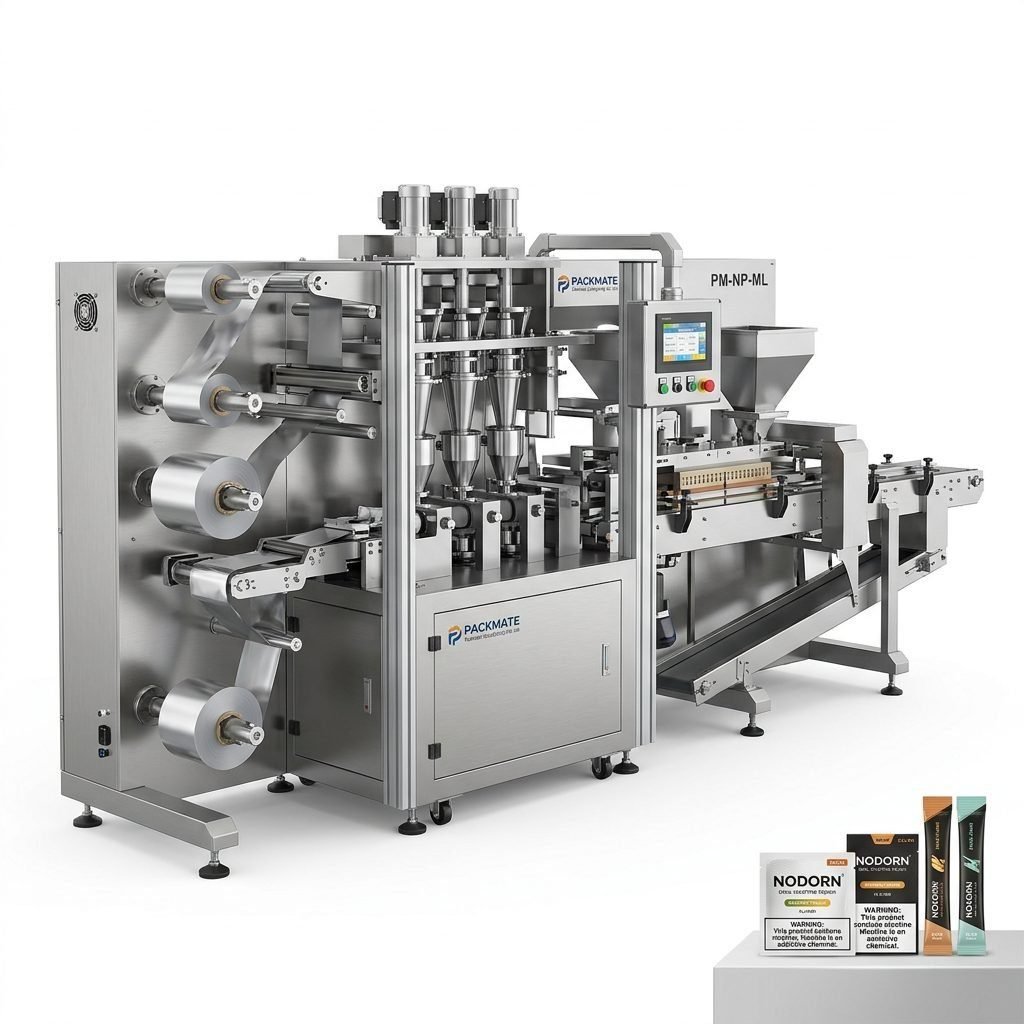
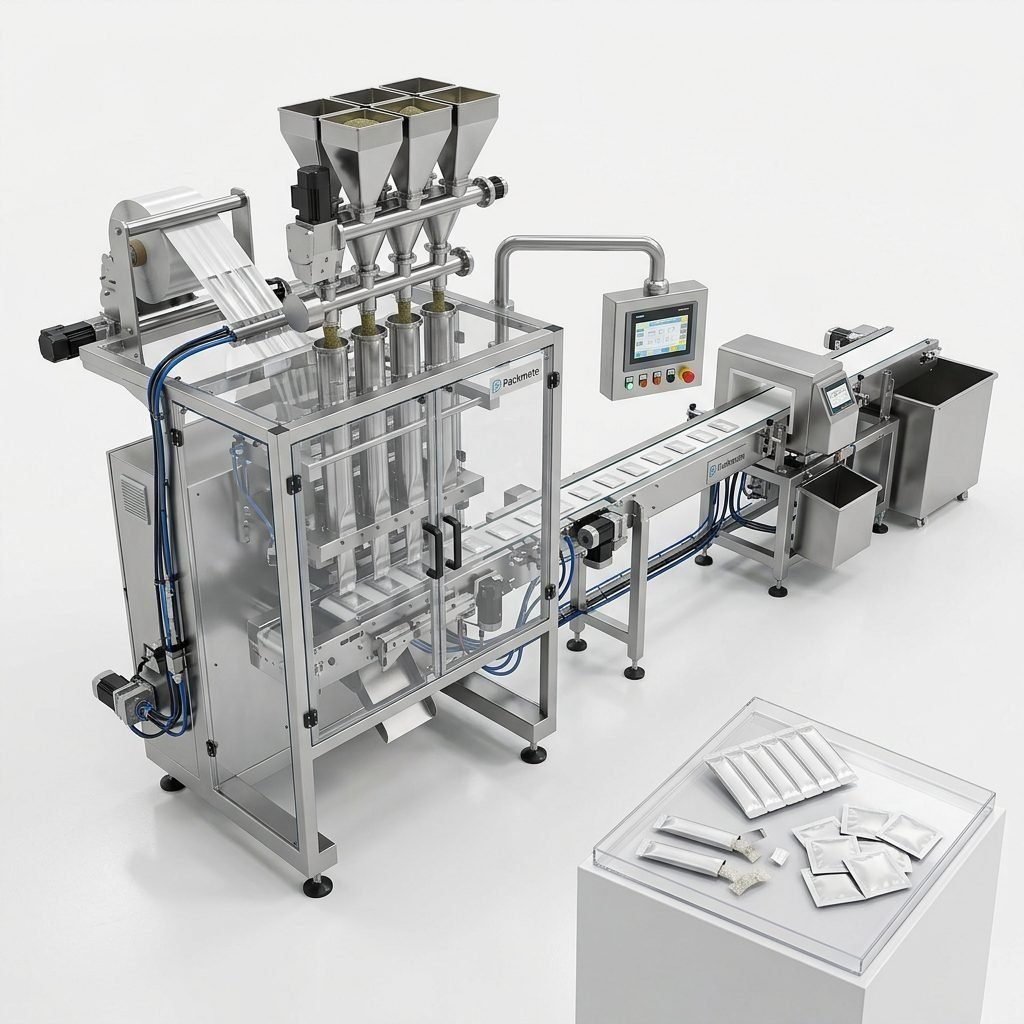
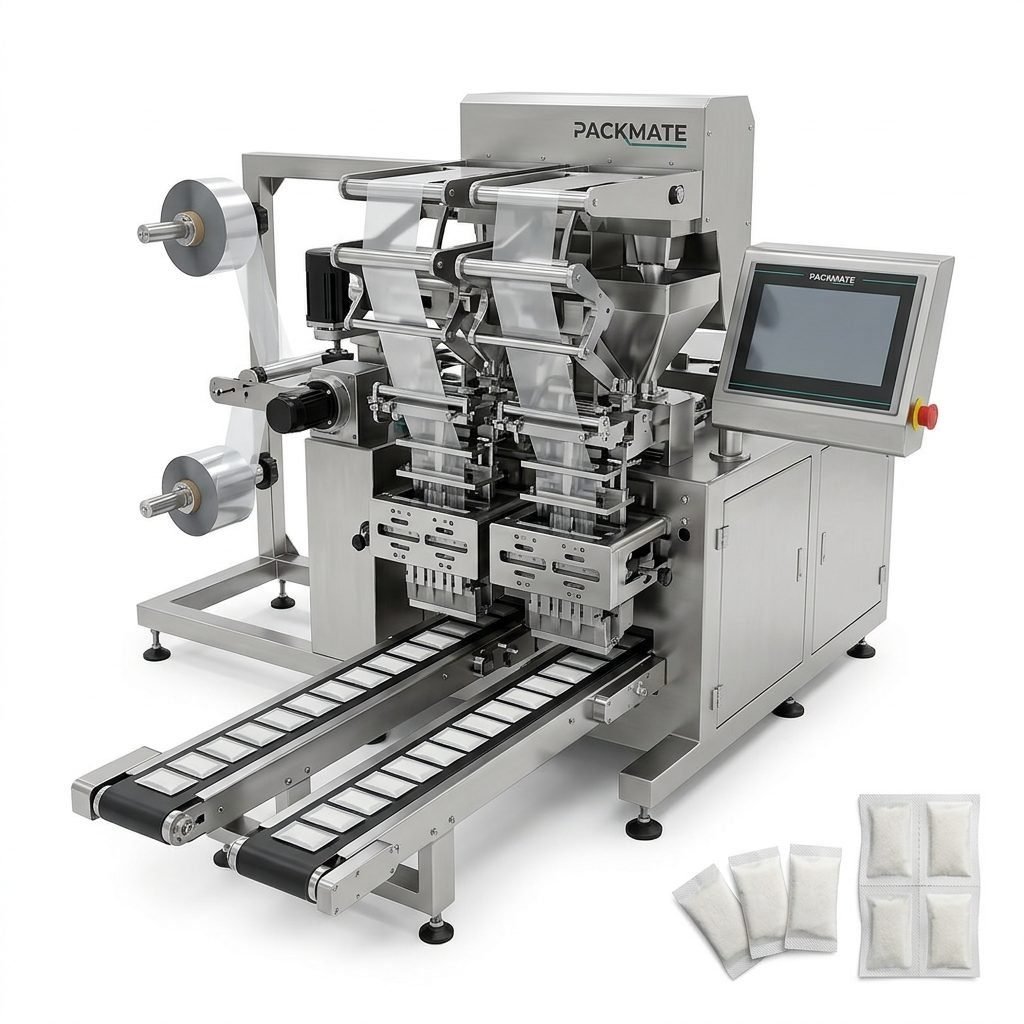
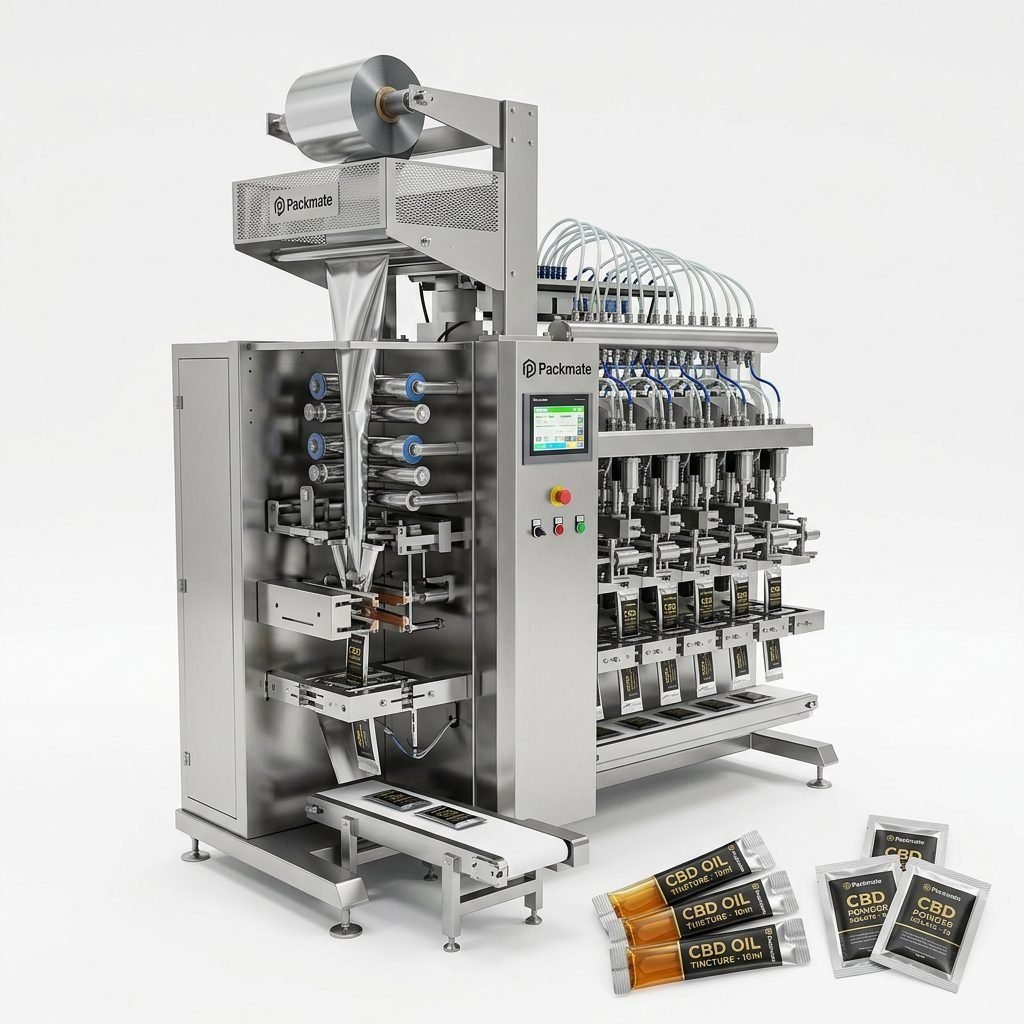
In today’s fast-growing nicotine pouch market, manufacturers need packaging solutions that combine speed, accuracy and reliability to meet regulatory demands and consumer expectations. This article explains how a Nicotine Pouch Packaging Machine — especially fully automatic, high-speed pouch packing systems — transforms production lines, improves consistency, and lowers operating costs while supporting a range of pouch formats and materials.
Why Fully Automatic Nicotine Pouch Packaging?
Manufacturers of nicotine pouches and snus need machines that run reliably for long shifts, reduce human error, and handle delicate small-dose products. Fully automatic systems deliver:
⚙️ Consistent output at high speeds — multi-lane machines can produce thousands of pouches per minute across lanes.
✅ Precise dosing and sealing to maintain product integrity and ensure regulatory compliance.
🚀 Turnkey integration with upstream weighing/filling and downstream cartoning for a complete automated line.
Core Components of a High-Performance System
A robust nicotine pouch packaging line typically includes multiple synchronized modules. Each element plays a crucial role in speed and quality:
• Feeding and lane alignment: reliable metering and lane guidance ensure pouches are processed without jams.
• Precision filling/weighing: for powders or granules, integrated weighing systems maintain dose accuracy and minimize waste. (See related solutions like Weighing & Packaging Systems.)
• Form, fill & seal unit: forms pouches, dispenses product, and seals with controlled temperature and pressure for airtight packaging.
• Multi-lane synchronization & indexing: essential for maintaining uniform production across lanes and enabling high throughput.
• Quality inspection & rejection: vision or weight checks remove faulty pouches to protect brand reputation and reduce recalls.
Key Features to Evaluate
High-speed multi-lane capability — choose a model that matches your production targets and can scale by adding lanes or modular modules.
Precision dosing and gentle handling — small nicotine pouches require accurate fill weights and gentle transfer to avoid damage. Look for machines with programmable dosing and servo-controlled feeders.
Material compatibility — the system should handle foil, composite laminates, or paper pouches with reliable sealing profiles and adjustable tension control.
Hygienic design & easy cleaning — stainless steel frames, removable guards, and tool-free disassembly reduce downtime and support GMP practices.
Performance & Reliability: The Engineering Behind It
Manufacturers with decades of experience build in stability through precise mechanical design and modern control systems. Packmate Snus Machine, for example, brings over 30 years of engineering to its machines, combining CNC precision components with tested assembly and quality checks across a 20,000㎡ facility. For more details on product lines, explore Snus & Nicotine Packaging Machines.
Customization and Turnkey Solutions
Every nicotine pouch brand has unique packaging, labelling, and regulatory needs. Leading manufacturers provide customizable solutions:
• Tailored pouch formats and sealing profiles to meet barrier requirements.
• Integration of upstream filling systems and downstream cartoning or pouch-counting modules to create a single production flow. (See Filling & Packaging Lines for examples.)
• Automated traceability options — serialization, date/lot printing, and vision verification for compliance.
Case Study Snapshot
⚡ A European snus manufacturer increased capacity by 3x after upgrading to a 6-lane pouch packing line with integrated checkweighers and vision systems. The turnkey approach reduced changeover time and improved average fill accuracy by 22%.
Quality, Standards & Certifications
Choose equipment that meets international certifications such as CE and ISO to ensure safety, reliability and acceptance across global markets. Suppliers that document testing, material traceability and provide factory acceptance tests (FAT) shorten commissioning times and reduce risk.
Packmate Snus Machine emphasizes strict quality control and advanced machining centers to deliver stable equipment backed by global service and spare parts networks. Learn more about the company’s background and global presence at About Packmate.
Installation, Commissioning & After-Sales
Successful installation is more than placing a machine on the floor. Leading suppliers provide:
• On-site commissioning and operator training to accelerate production ramp-up.
• Remote diagnostics and spare part kits to minimize downtime.
• Scheduled maintenance contracts and upgrades to keep lines current with new pouch designs and regulatory needs. For service inquiries, visit Service or Contact Us.
Selecting the Right Machine: Practical Checklist
✔ Define your target output (pouches/min and lanes) and product types (powder, granules, wet pouch).
✔ Verify dose accuracy tolerance and choose an appropriate weighing/filling system.
✔ Inspect sealing quality and run material samples with the vendor to confirm compatibility.
✔ Ask about spare parts lead times, local support, and available upgrades for vision systems or serialization.
Operational Tips to Maximize ROI
• Standardize pouch materials where possible to reduce changeover time.
• Schedule preventive maintenance and train multiple operators to reduce single-point failures.
• Leverage data from machine controls to optimize speed settings and detect trends that precede faults.
Integration with Ancillary Equipment
A complete production line often includes auxiliary units such as pouch loaders, conveyors, cartoners and case packers. Check compatibility with auxiliary equipment and supplier modules like Auxiliary Packaging Equipment to create a streamlined manufacturing cell.
Sustainability and Material Efficiency
Modern pouch packing machines support material-efficient designs and optimize pouch size and weight to reduce waste. Consider recyclable or mono-material films if local recycling infrastructure supports them. Efficient machine settings and accurate dosing also reduce product giveaway and raw material waste.
Global Reach & Case Examples
Producers worldwide have adopted automated nicotine pouch lines to meet growing demand. From initial small-batch trials to large-scale multi-lane implementations, manufacturers report faster scale-up, better consistency and simplified regulatory reporting when partnering with experienced suppliers. For real-world examples, see the company’s project references at Case.
Common Pitfalls and How to Avoid Them
• Underestimating integration complexity — involve suppliers early to design interfaces with your upstream/downstream equipment.
• Skipping material trials — always run your real pouch material and product through the machine before purchase.
• Ignoring service network — choose suppliers with local support or reliable remote maintenance to avoid long downtimes.
Making the Investment Decision
Evaluate total cost of ownership: initial capital, spare parts, energy consumption and expected uptime. A well-engineered multi-lane packaging solution often pays back through lower labor costs, reduced waste and higher consistent throughput. For a full product overview and technical catalogues, visit Catalog.
Summary: How Fully Automatic Nicotine Pouch Packing Adds Value
Investing in a fully automatic nicotine pouch packaging machine delivers measurable benefits: higher throughput, precise dosing, reduced labor dependency and better quality control. By selecting experienced manufacturers with strong engineering, quality systems and global support, producers can scale reliably while meeting safety and regulatory demands.
Frequently Asked Questions
Q1: What output can I expect from a multi-lane nicotine pouch machine?
A1: Output depends on lanes and product specifics; modern multi-lane systems often reach thousands of pouches per minute cumulatively. Discuss your target speed and pouch format with suppliers to match equipment.
Q2: How do I ensure accurate dosing for very small nicotine pouches?
A2: Use integrated precision weighing or volumetric dosing systems paired with servo control and in-line checkweighers to maintain tight tolerances.
Q3: Can these machines handle different pouch materials and formats?
A3: Yes, quality machines support a variety of films and pouch styles with adjustable sealing modules; always run material trials during selection.
Q4: What service and spare part support should I expect?
A4: Choose suppliers offering commissioning, operator training, spare parts packages and remote diagnostics. For direct inquiries, consult the manufacturer’s service or contact pages like Service and Contact Us.
Q5: How do I begin the procurement process?
A5: Start with a requirements list (pouch type, output, product form), request a technical proposal and material trial, and evaluate references or factory visits where possible.