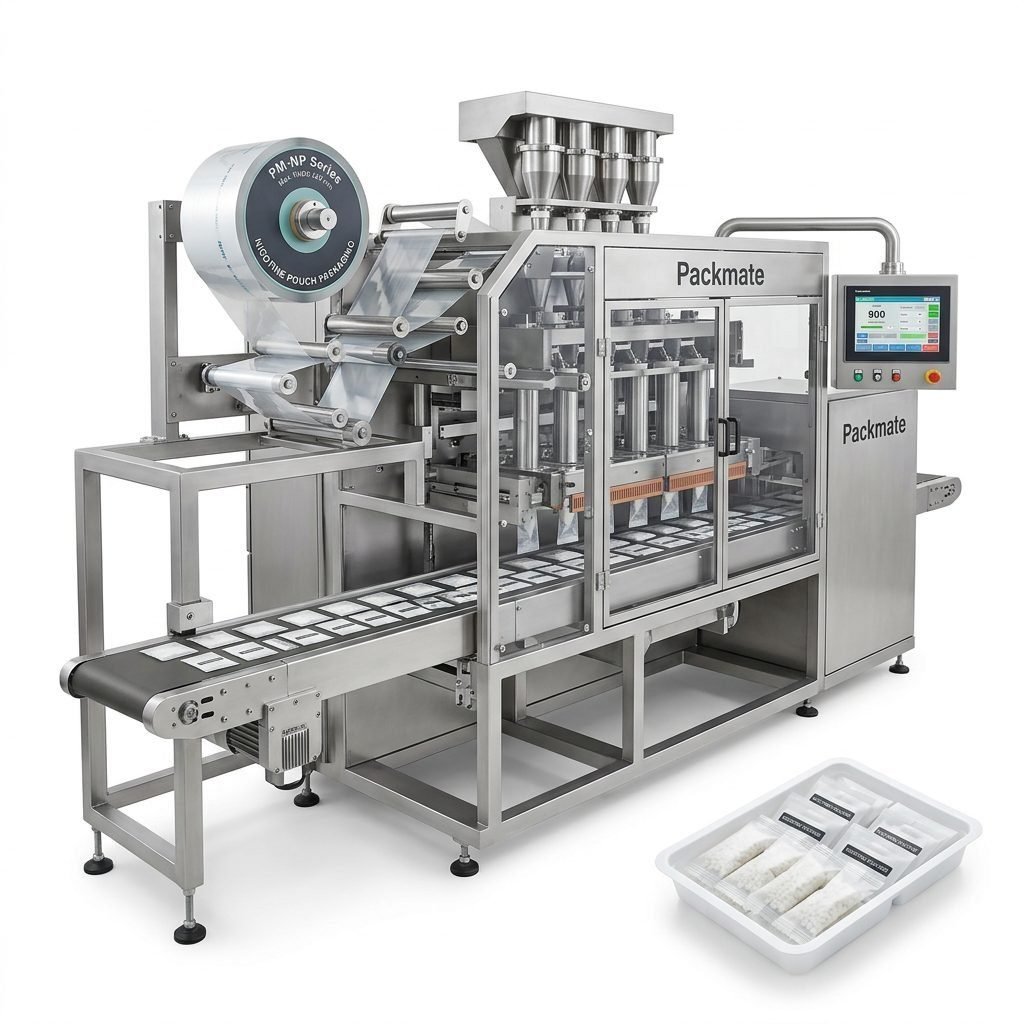
Choosing the right snus packaging machine for your production needs in the Comoros islands requires more than technical specification matching — it demands an understanding of local market size, cultural habits, environmental challenges, and logistical realities. This guide walks you through practical steps and key decisions to help you select a reliable, efficient snus or nicotine pouch packaging solution that suits Comoros’ climate, customer preferences, and business goals.
📍 Understanding the Comoros market and cultural context
Comoros is a small island nation in the Indian Ocean with a predominantly Muslim population. Local customs and social norms influence product presentation and distribution channels. For manufacturers and packers considering snus and nicotine pouch production, two practical realities stand out:
• Retail chains and kiosks tend to prefer discreet, compact packaging formats that are easy to display and store.
• Import procedures and distribution across islands introduce logistical complexity: smaller, robust equipment that minimizes downtime and maintenance is often preferred to heavy industrial lines.
🔧 Key technical factors to prioritize
When evaluating machines, focus on these technical aspects which directly affect performance in Comoros’ environment and market:
📌 Material & corrosion resistance: Choose machines built from high-grade stainless steel (304/316) and with sealed electronics to withstand humidity and salty air.
📌 Power flexibility: Prefer equipment tolerant of voltage fluctuations (voltage stabilizers or wide-range power supplies) because island grids can be unstable.
📌 Compact footprint & modularity: Modular, multi-function lines let you scale from small batches to larger output without requiring a large factory footprint.
Machine speed vs. production needs
High-speed multi-lane machines are attractive for volume, but in Comoros a mid-speed, highly reliable machine may deliver better ROI if your market is small or demand fluctuates seasonally. Evaluate true throughput (finished pouches/hour) and match it with realistic sales forecasts.
Format flexibility
Ensure the machine supports the pouch formats you plan to use — portion pouches, sachets, stick packs, or small cans. Machines that switch between formats with simple tooling changes reduce long-term cost and increase product line variety.
🧩 Common machine types and which suits Comoros best
Below are common packaging machine types with practical guidance on suitability for Comoros operations:
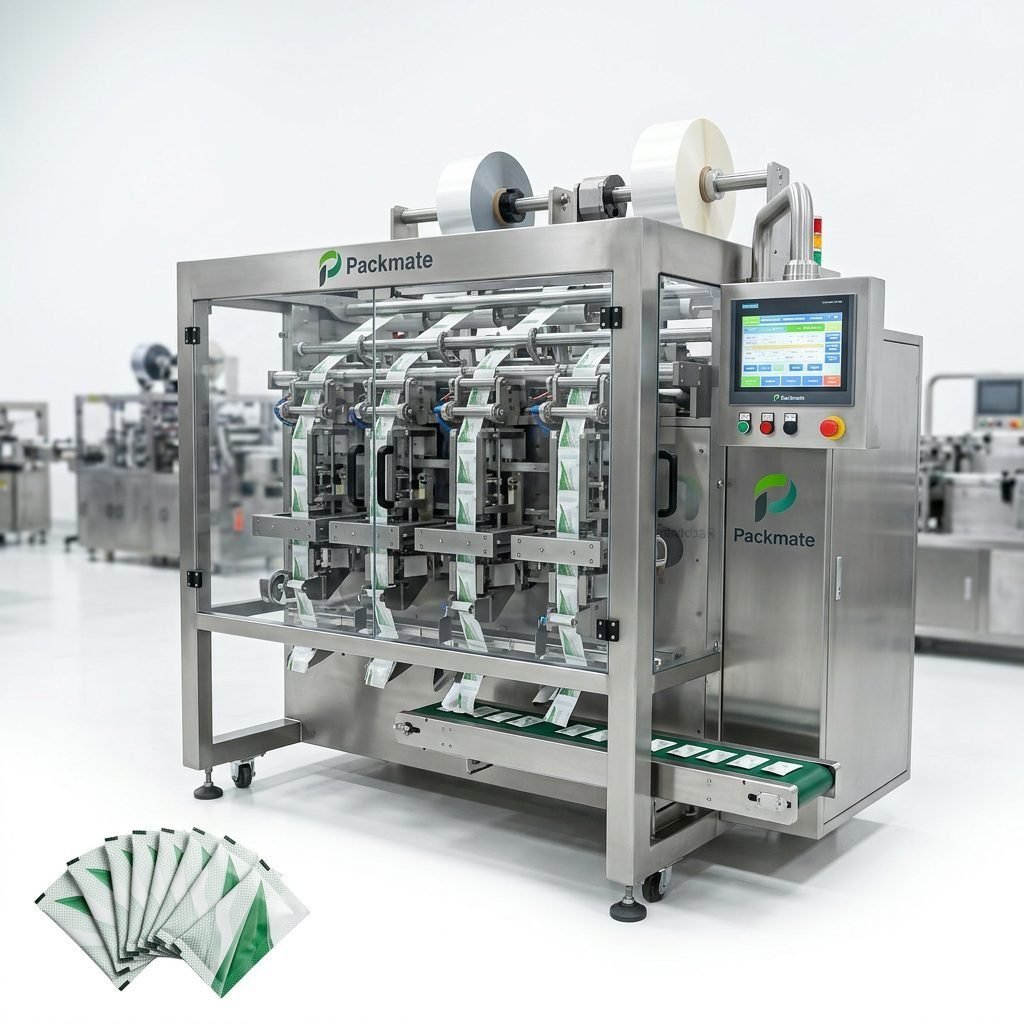
Sachet & stick pack machines
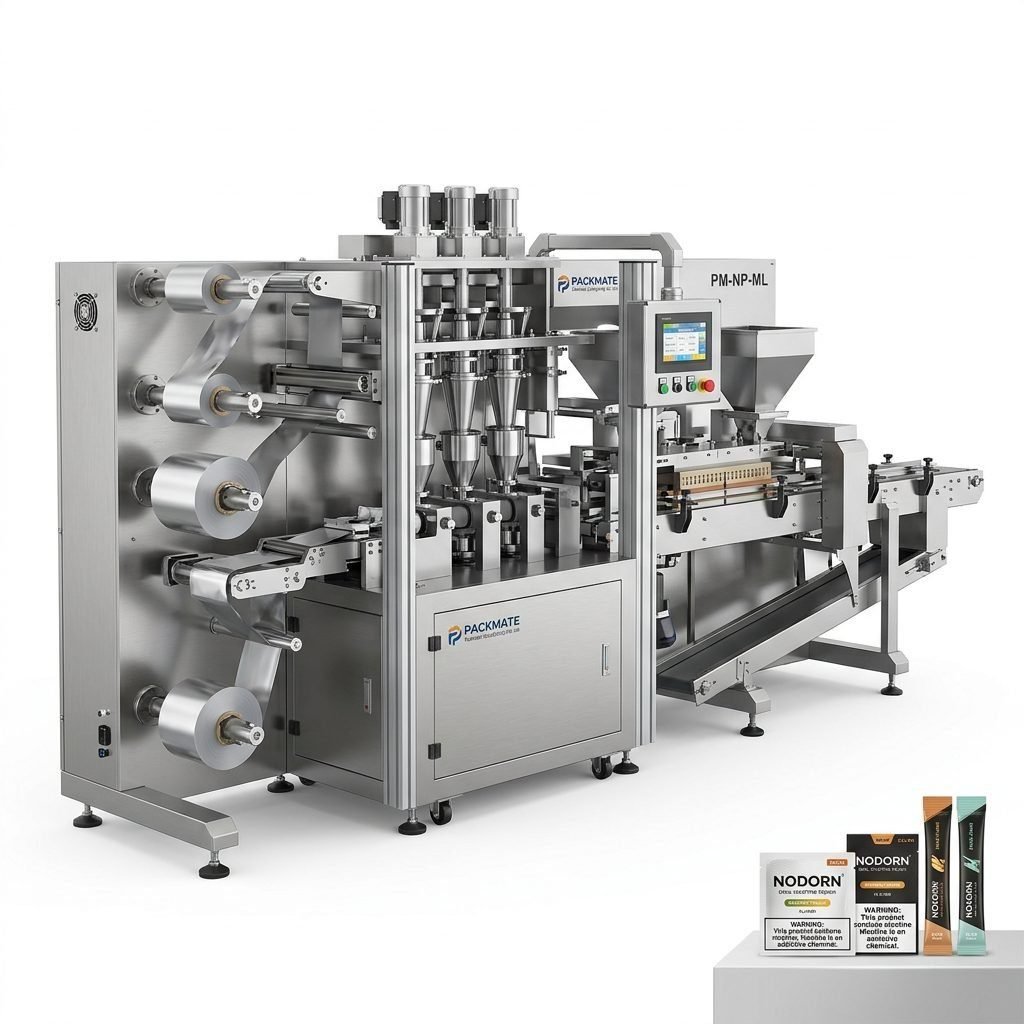
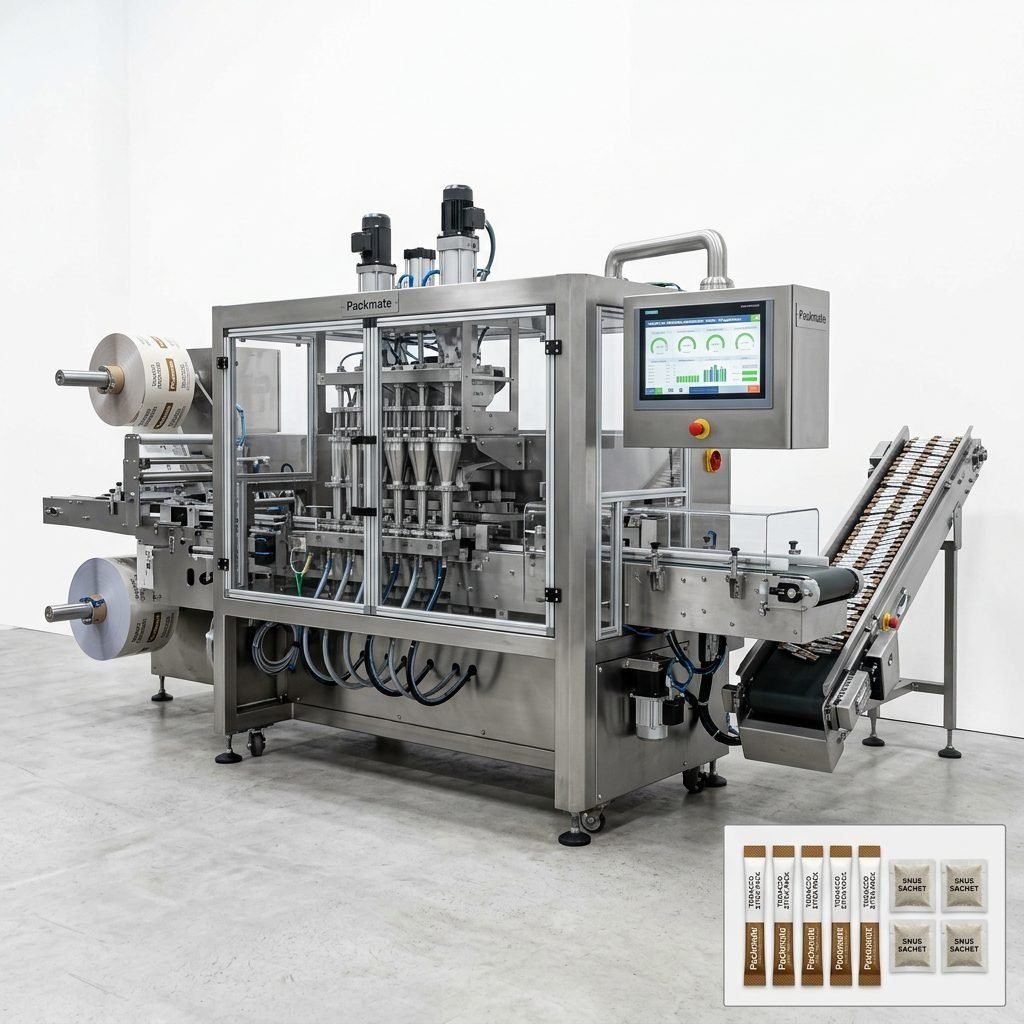
Best for single-portion nicotine pouches and stick-style products. These machines are typically compact, cost-effective, and flexible. Ideal for small to medium producers who need low to medium speeds and easy changeovers.
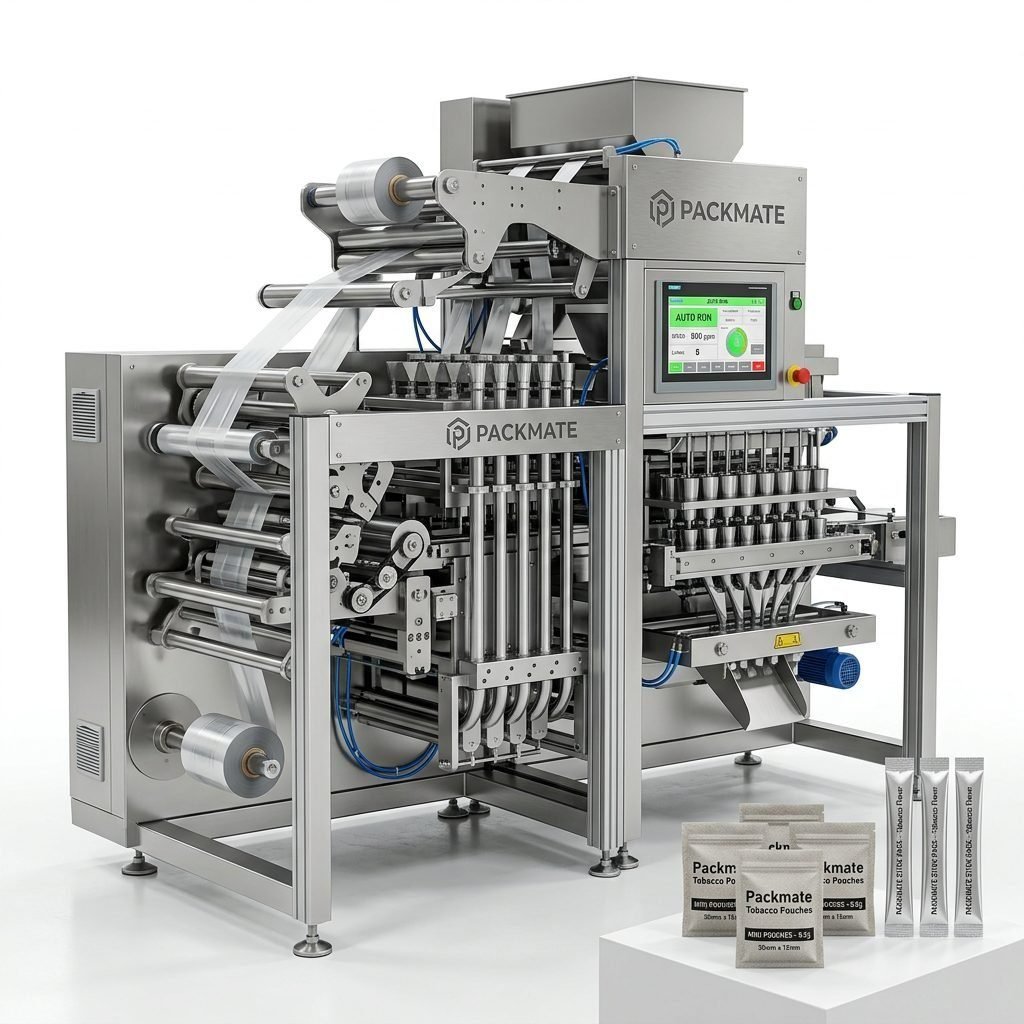
Pouch & multi-lane snus packaging machines
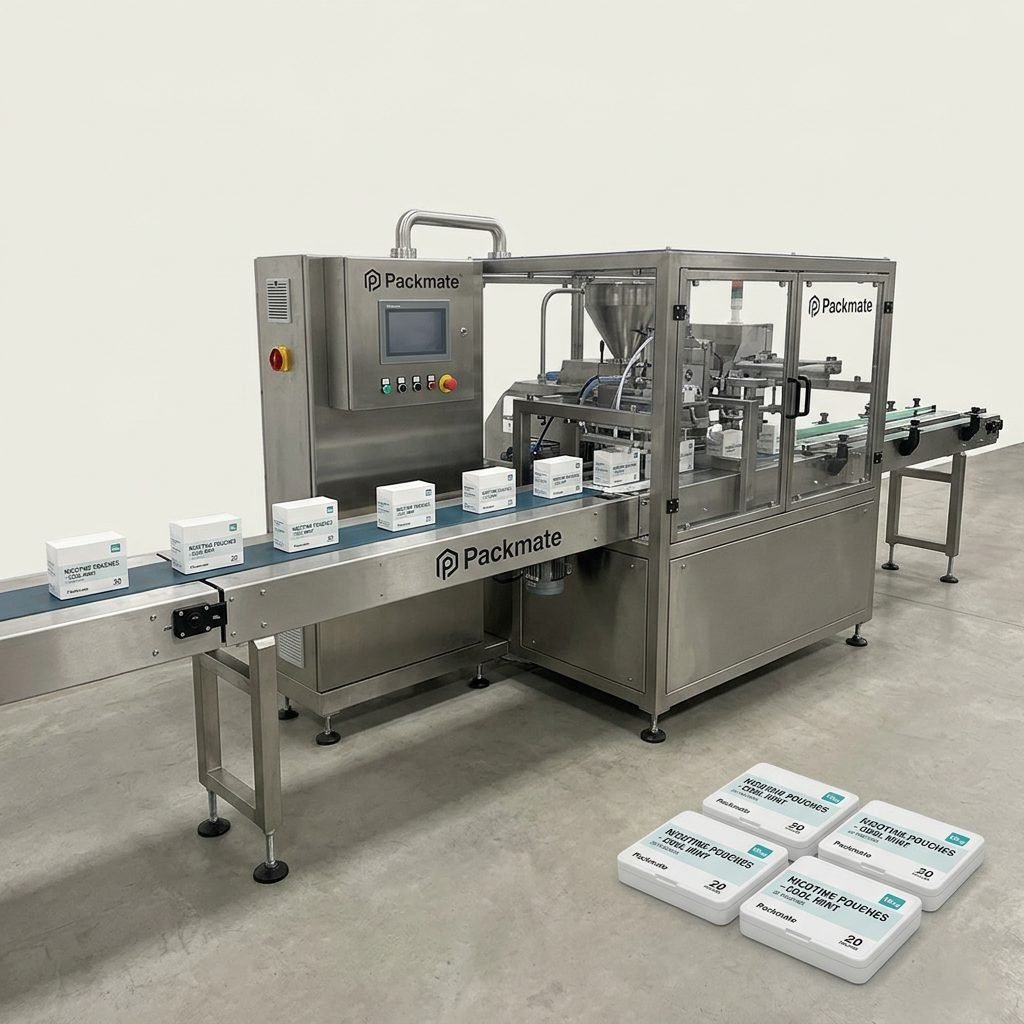
Multi-lane systems deliver higher throughput and are suitable if you plan to expand across islands or export to nearby markets. Consider multi-lane only if you can assure steady demand and reliable technical support.
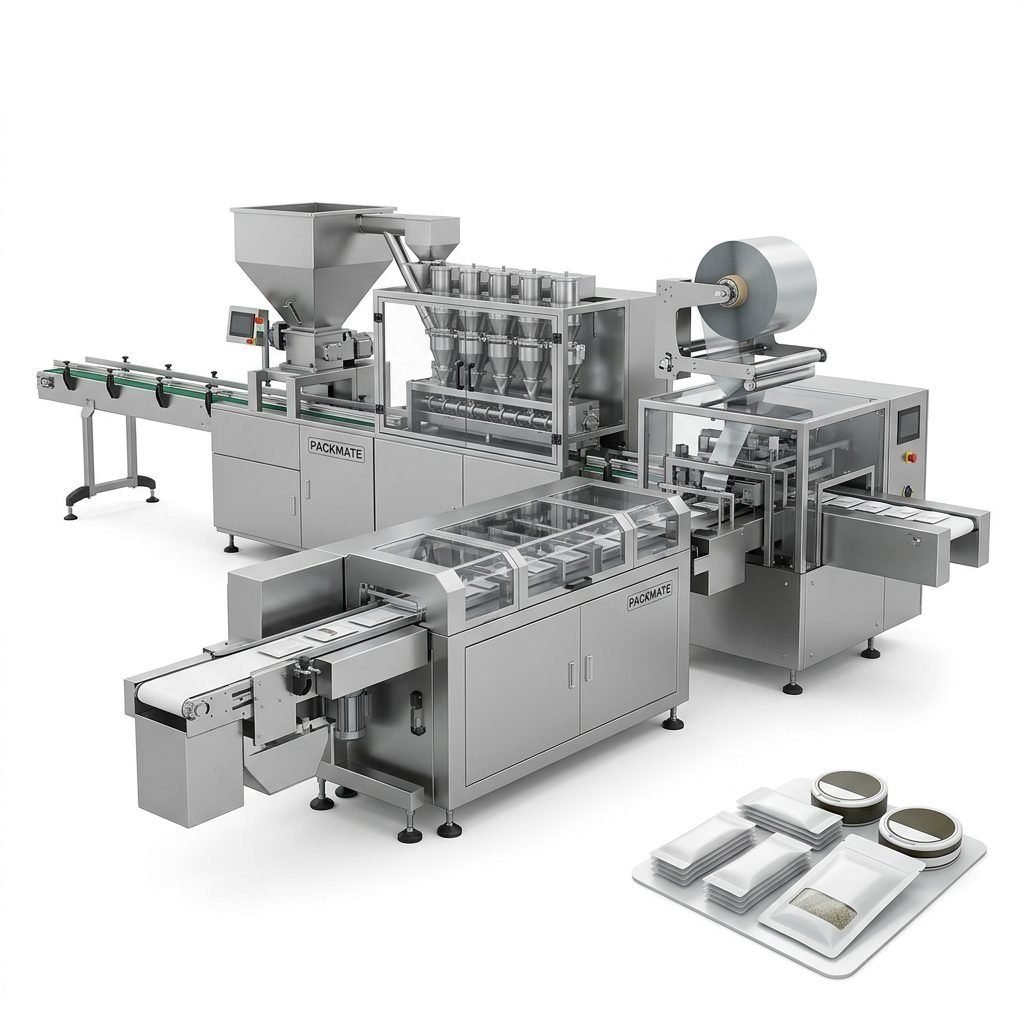
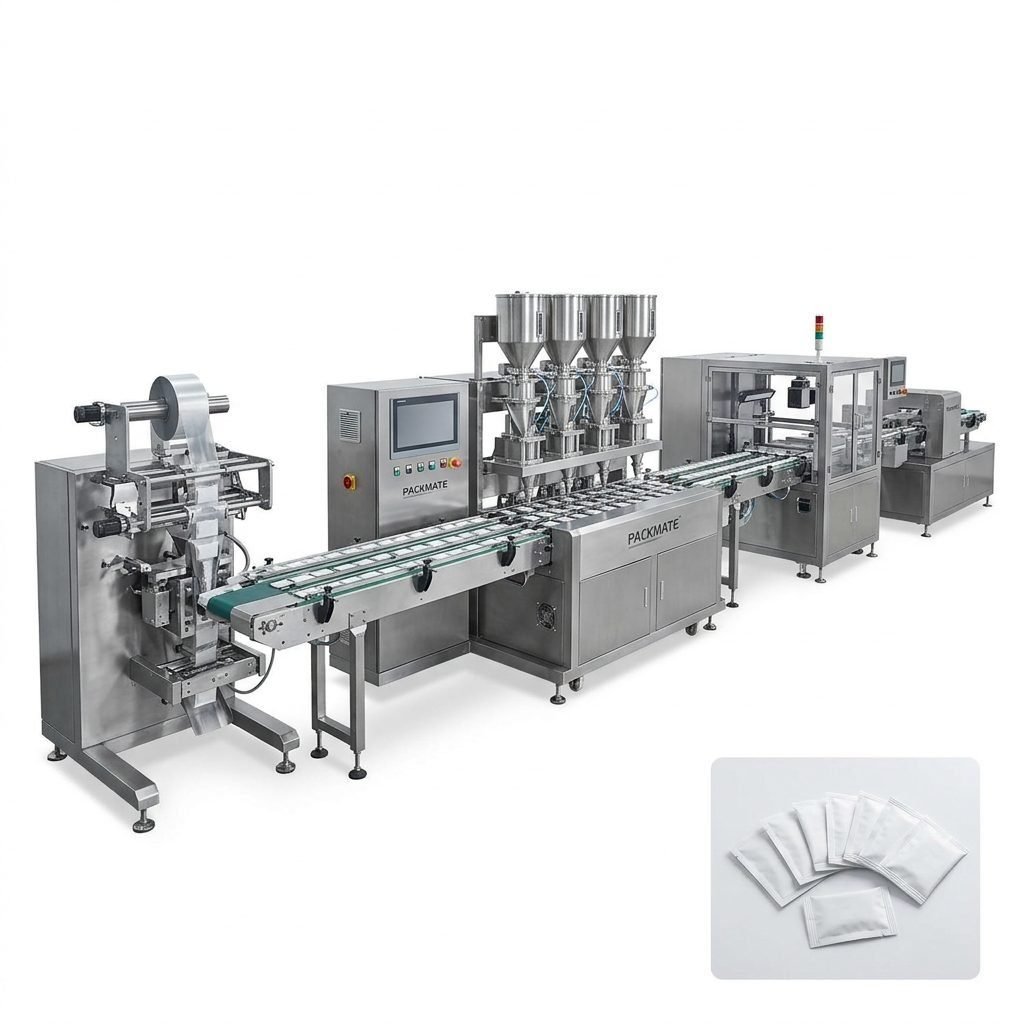
Complete filling & packaging lines
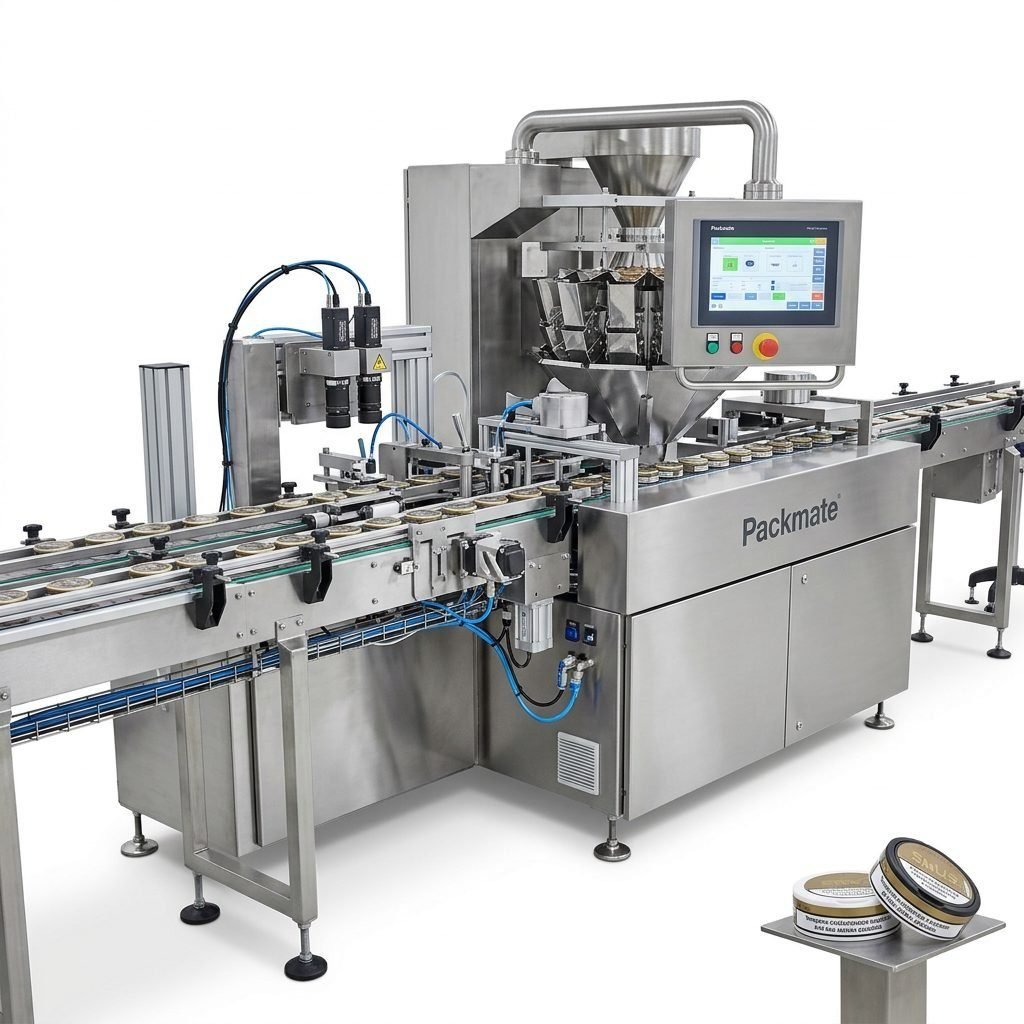
Turnkey lines integrate weighing, pouch forming, filling, sealing, and secondary packaging. These are ideal for producers targeting scale, but require greater investment, factory space, and skilled maintenance.
✅ Practical selection checklist for Comoros producers
🔎 Assess local demand: Realistic sales projections prevent over-investment in speed-capable lines.
🔎 Climate-proof construction: Stainless steel and sealed control panels reduce maintenance costs in humid, salty conditions.
🔎 After-sales & spare parts: Verify local or regional support, shipment times for spare parts, and remote service capability.
🔎 Regulatory compliance: Ensure equipment and materials comply with export/import rules and labeling requirements for Comoros.
🔎 Energy & utility fit: Check power rating, compressed air needs, and cooling requirements — match machine needs to local utilities or plan for in-line systems like UPS/air dryers.
💡 Operational considerations and local adaptations
Integrating a packaging line in Comoros often requires adaptations to local conditions and business practices:
• Packaging aesthetics: Respect cultural preferences for discreet, modest designs. Clear labeling, small unit sizes, and modest graphics are often more acceptable in local retail settings.
• Distribution across islands: Opt for modular machines that can be partially operated or easily relocated to smaller facilities. Smaller lines allow you to establish local micro-facilities near major population centers like Moroni.
• Training and staffing: Select manufacturers who provide comprehensive on-site training, multilingual documentation, and remote troubleshooting assistance to reduce dependency on external technicians.
Hygiene, safety and labeling
Ensure your packaging process supports hygienic production standards. Machines should be easy to clean and maintain, with minimal crevices that trap product. Labeling must respect local regulatory language requirements and health warnings.
🔎 Why supplier choice matters: reliability, service and compliance
Selecting a supplier with industry experience and global support is crucial. Look for:
• Proven track record in snus and nicotine pouch equipment, including multi-lane and sachet solutions. Suppliers with extensive product lines reduce the risk of compatibility issues when you scale. For reference, explore specialist product ranges like Snus & Nicotine Packaging Machines and Bag & Pouch Packaging Machines.
• Local service and training offerings. Confirm whether the manufacturer provides commissioning, operator training, and spare parts logistics — details often found under supplier service pages such as Service.
• Transparent compliance with international standards (CE, ISO) and clear documentation to streamline import and regulatory approvals.
🧭 Steps to evaluate and buy
Follow a structured process to minimize risk and ensure the machine you select meets long-term needs:
1) Define product formats, daily output targets, and potential expansion plans.
2) Request detailed specifications, video demonstrations, and client references from manufacturers. If possible, arrange a live demo or factory visit to observe machine operation. Discover the manufacturer background at their company page such as About Packmate.
3) Compare total cost of ownership, not just purchase price: consider spare parts lead time, energy consumption, consumables, and maintenance intervals.
4) Confirm warranty, commissioning and training commitments in writing. Ensure clear channels for remote troubleshooting and spare parts orders.
⚙️ Installation, commissioning and service in Comoros
Practical tips to ensure smooth machine start-up and reliable production:
🔧 Plan for a qualified technician on-site during commissioning to adapt to local utilities (power, compressed air) and to train core operators.
📦 Keep a minimum spare parts inventory (seals, belts, sensors) to reduce potential downtime caused by long international shipments.
🖥️ Ensure remote diagnostic capabilities (PLC logs, camera-assisted troubleshooting) so suppliers can assist quickly without long travel delays.
📈 Scaling strategy for Comoros and nearby markets
If you plan to grow beyond local island demand, consider machines that allow incremental upgrades: add lanes, integrate automatic feeding, or upgrade weighing modules. Export to neighboring countries can quickly increase volume, making modular multi-lane systems a future-proof investment.
🔗 Helpful supplier resources
Before final purchase, consult supplier case studies and exhibition presence to verify experience and real-world performance. For example, review supplier cases and contact channels at Contact Us and supplier case pages to evaluate installations in similar markets.
Conclusion: finding the best fit for Comoros
The best snus packaging machine for your Comoros operation balances reliability, corrosion-resistant construction, compact modular design, and reliable after-sales support. Prioritize suppliers with a proven snus/nicotine packaging track record, clear spare-parts policy, and the ability to provide training and remote assistance. Start with a realistic production forecast, choose a flexible format, and ensure your selected machine can adapt as your business grows across the islands and beyond.
Frequently Asked Questions
Q1: What machine materials resist Comoros’ humid, salty climate?
A1: Choose 304 or 316 stainless steel frames, IP-rated electrical enclosures, and corrosion-resistant coatings on exposed parts to extend machine life.
Q2: How much should I plan to invest for a reliable starter line?
A2: Investment varies with speed and automation level; mid-range sachet/stick-pack machines typically suit small Comoros producers. Always consider total cost of ownership, including training and spares.
Q3: Are turnkey lines necessary for small markets?
A3: Not always. Turnkey lines are ideal for predictable high-volume demand. For smaller markets, modular machines with easy expansion give better flexibility.
Q4: How do I ensure quick spare parts delivery?
A4: Work with manufacturers who maintain regional stock or expedited shipping options and provide clear spare parts lists. Ask for recommended local distributors or partners before purchase.