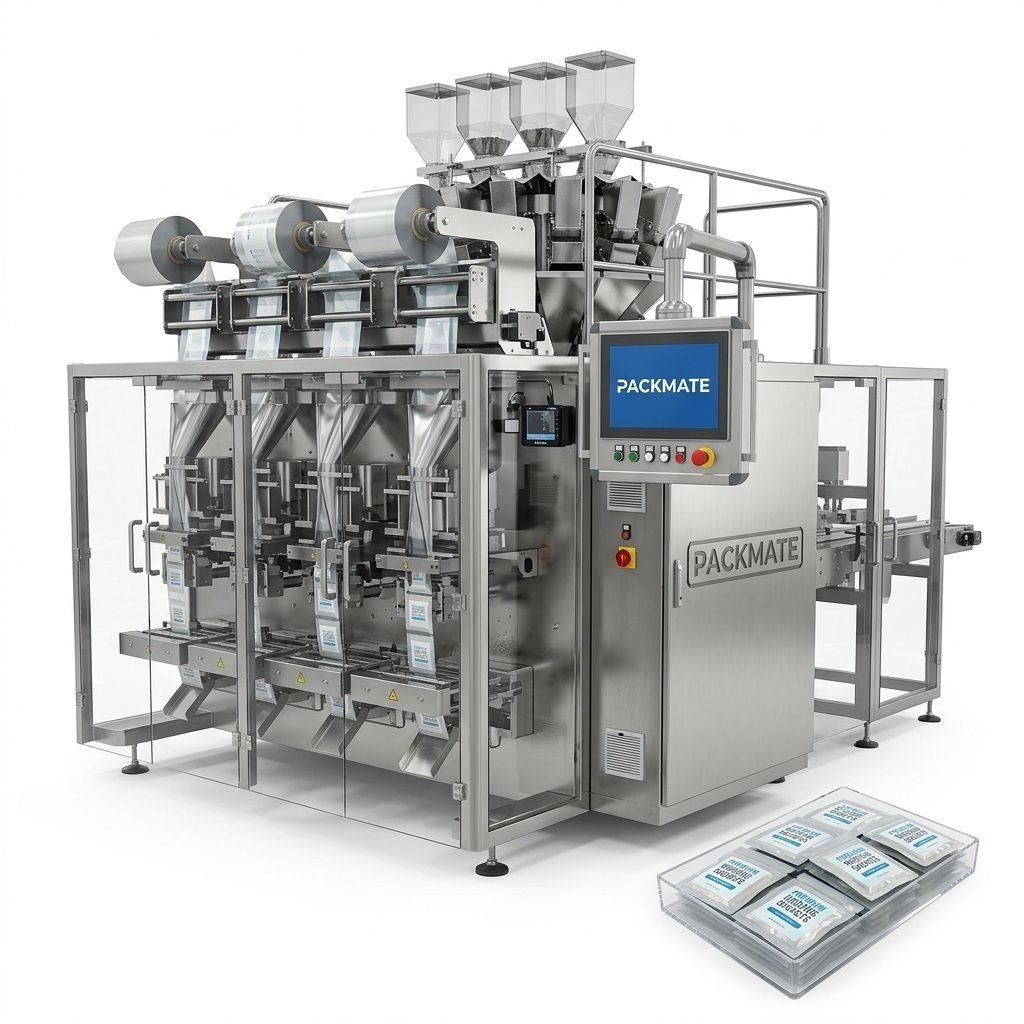
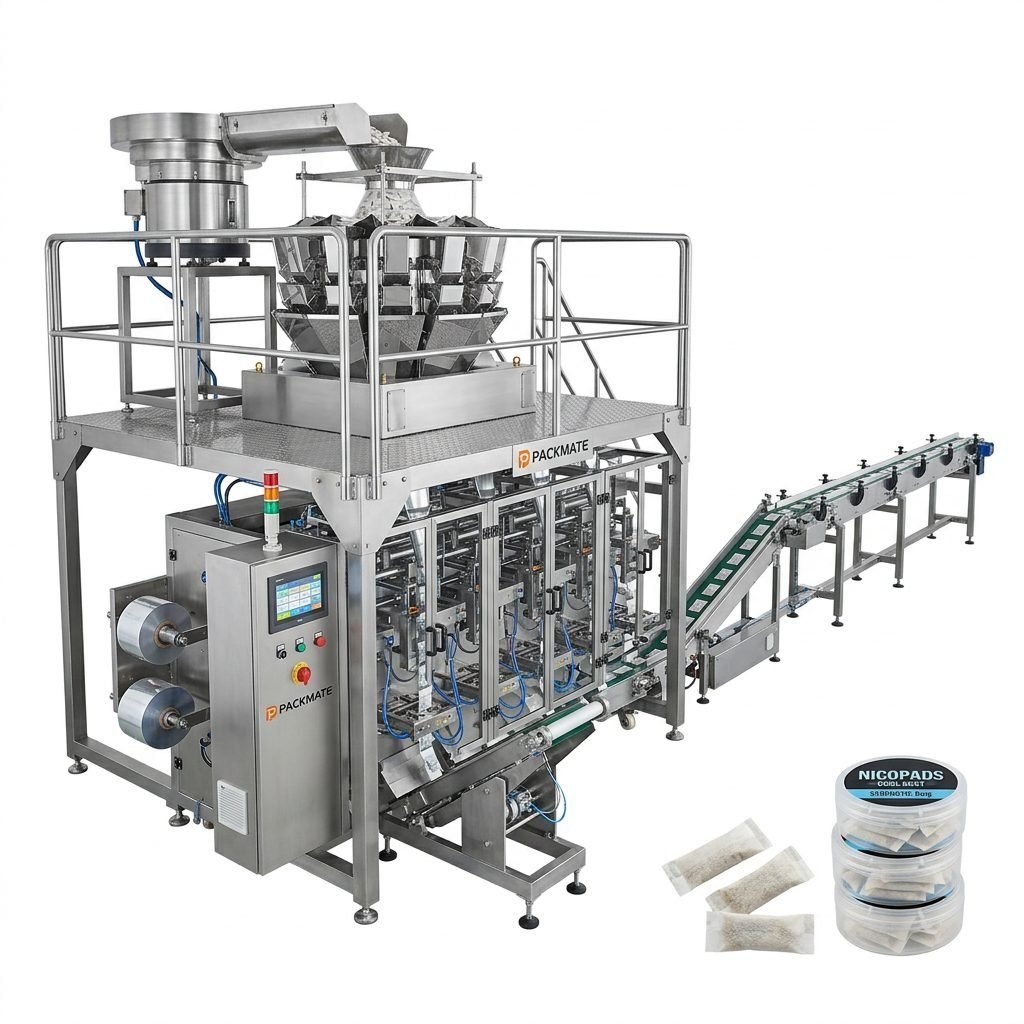
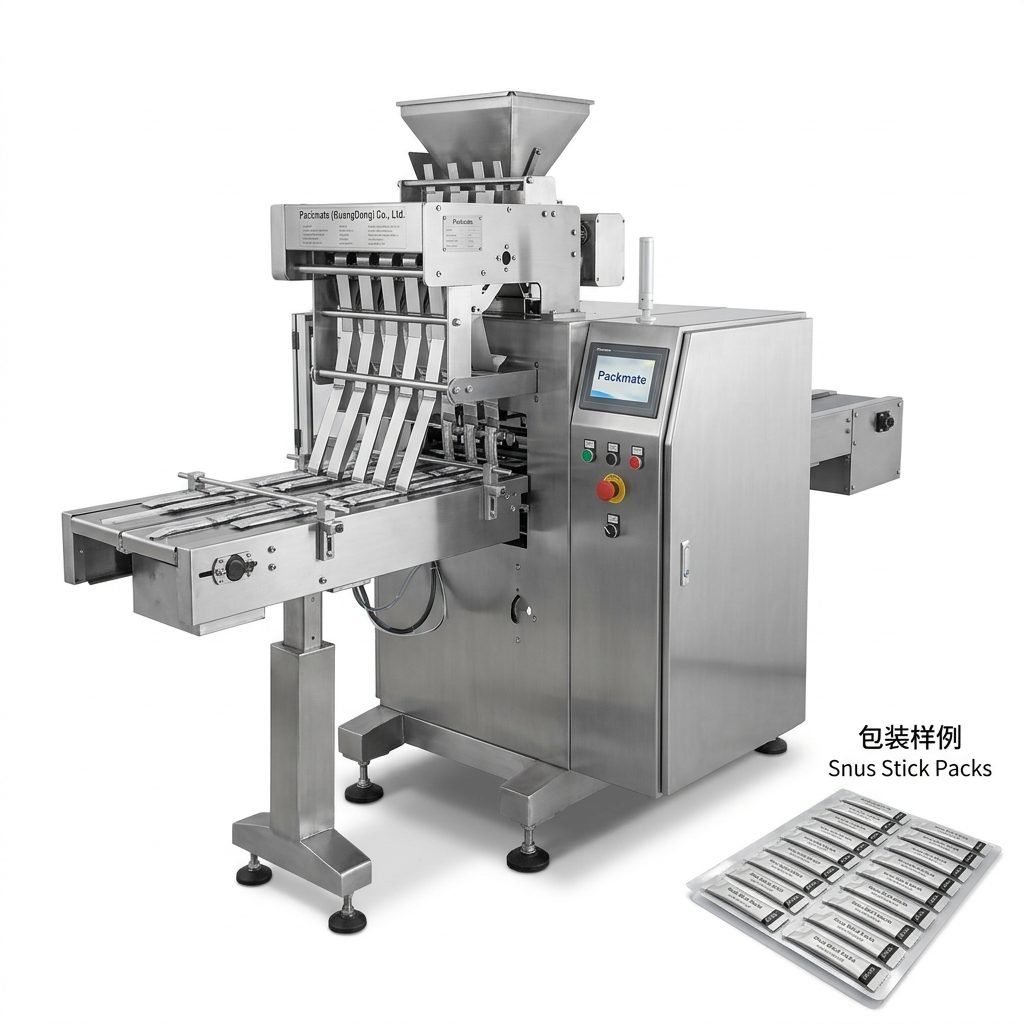
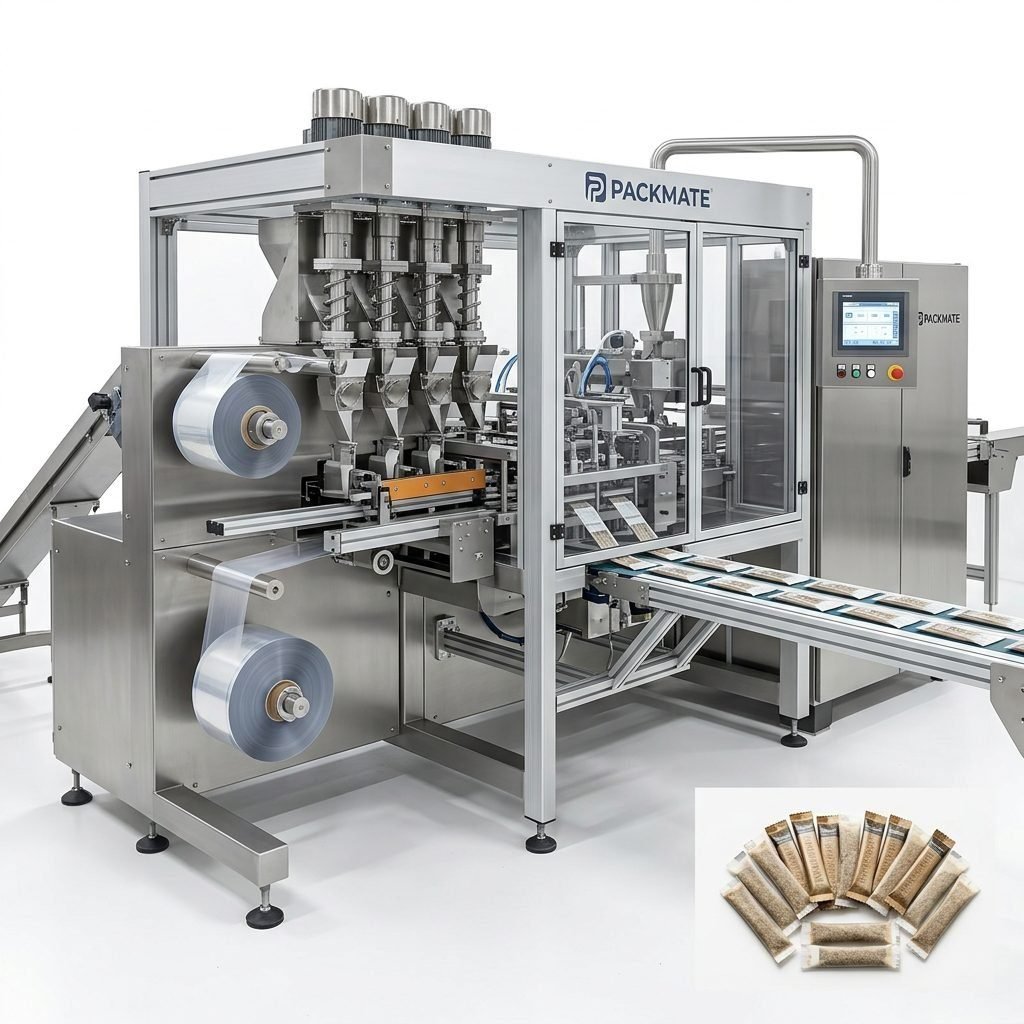
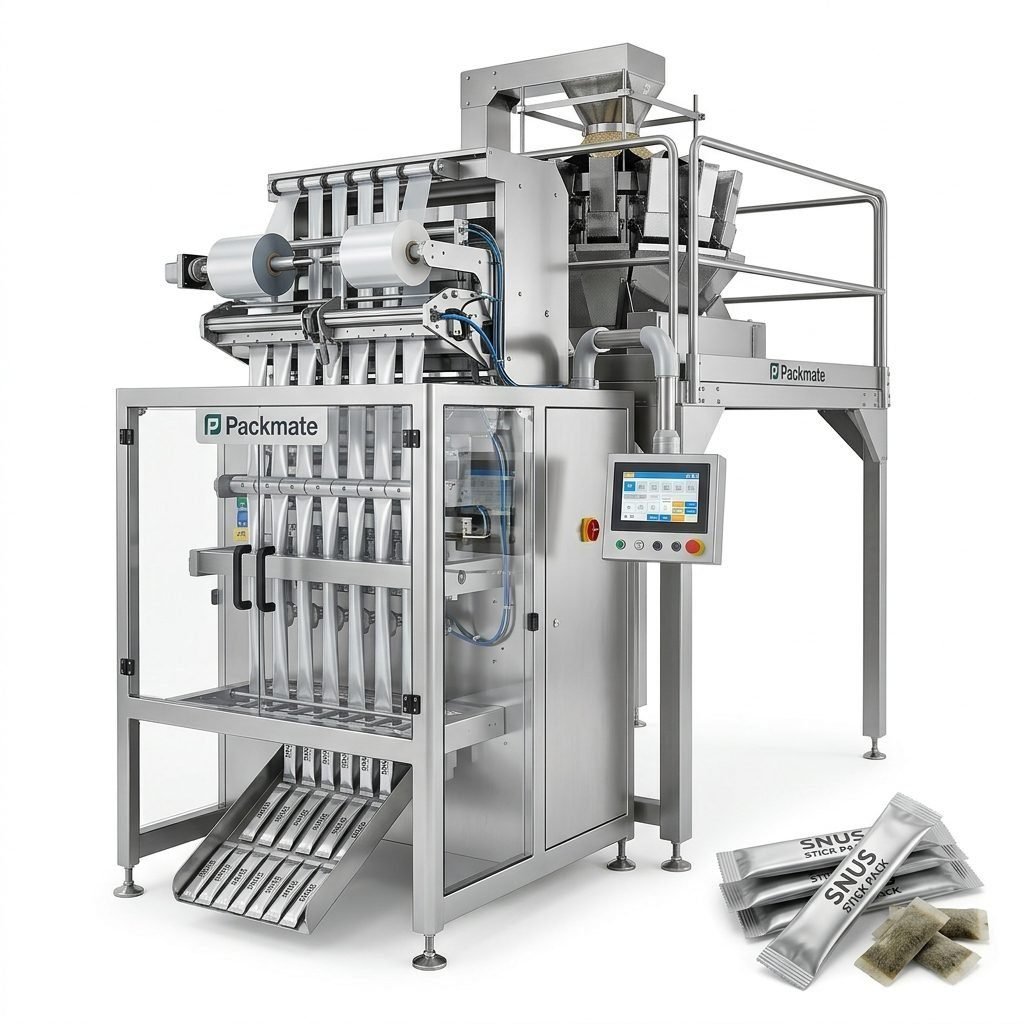
As demand for high-quality snus and nicotine pouch products grows worldwide, packaging efficiency, hygiene, and regulatory compliance become essential. This article explores modern snus production equipment and turnkey solutions from an experienced manufacturer with decades of engineering heritage. You will learn how integrated lines, precision machinery, and professional services help modernize production, reduce costs, and scale operations reliably.
Why Invest in Specialized Snus Packaging Machines?
The snus market requires precise dosing, tight sealing, and gentle handling to preserve product integrity. General-purpose machines often fail to address specific needs such as small-dose nicotine pouches, multi-lane filling, or trayless stick packs. Investing in specialized equipment delivers measurable benefits:
🔧 Increased accuracy — Multi-head weighing and PLC-controlled dosing ensure consistent pouch weights and uniform product quality.
✅ Higher throughput — Multi-lane and continuous motion systems dramatically increase output without compromising accuracy.
⚙️ Compliance-ready design — Materials and finishes that meet food and pharmaceutical hygiene standards minimize contamination risk.
Packmate’s Manufacturing Strength and Experience
With over 30 years of engineering experience and a 20,000㎡ manufacturing facility, Packmate builds reliable, high-precision snus packing machines. Their production capabilities include advanced CNC machining centers and precision assembly lines that support over 50 machine models and fully customized turnkey solutions.
Core Machine Types for Snus & Nicotine Pouch Production
Choosing the right machine configuration depends on product format, capacity goals, and regulatory constraints. Key machine classes include:
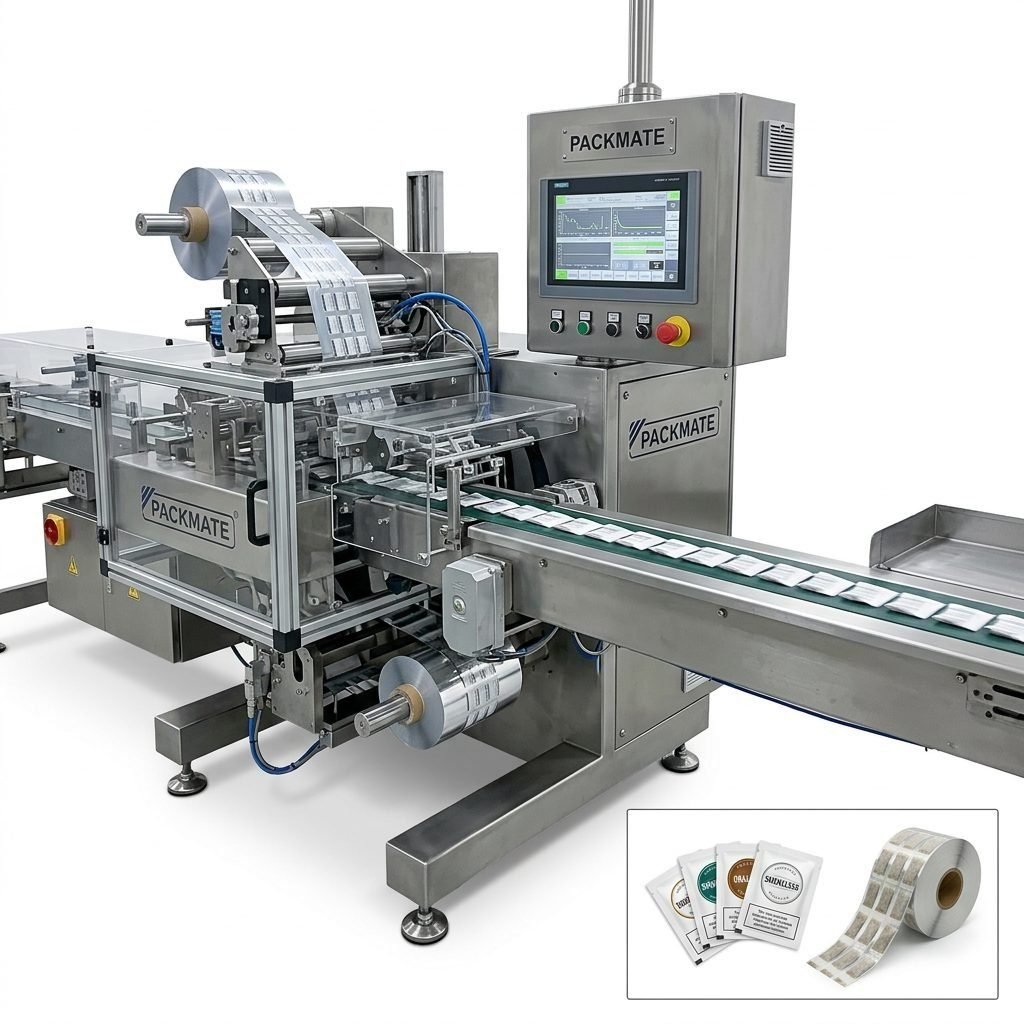
Sachet & Stick Pack Machines
Stick packs are ideal for single-portion nicotine pouches and consumer convenience formats. These machines deliver fast sealing speeds, consistent film handling, and flexible length control. Browse detailed models in the Sachet & Stick Pack Machines collection.
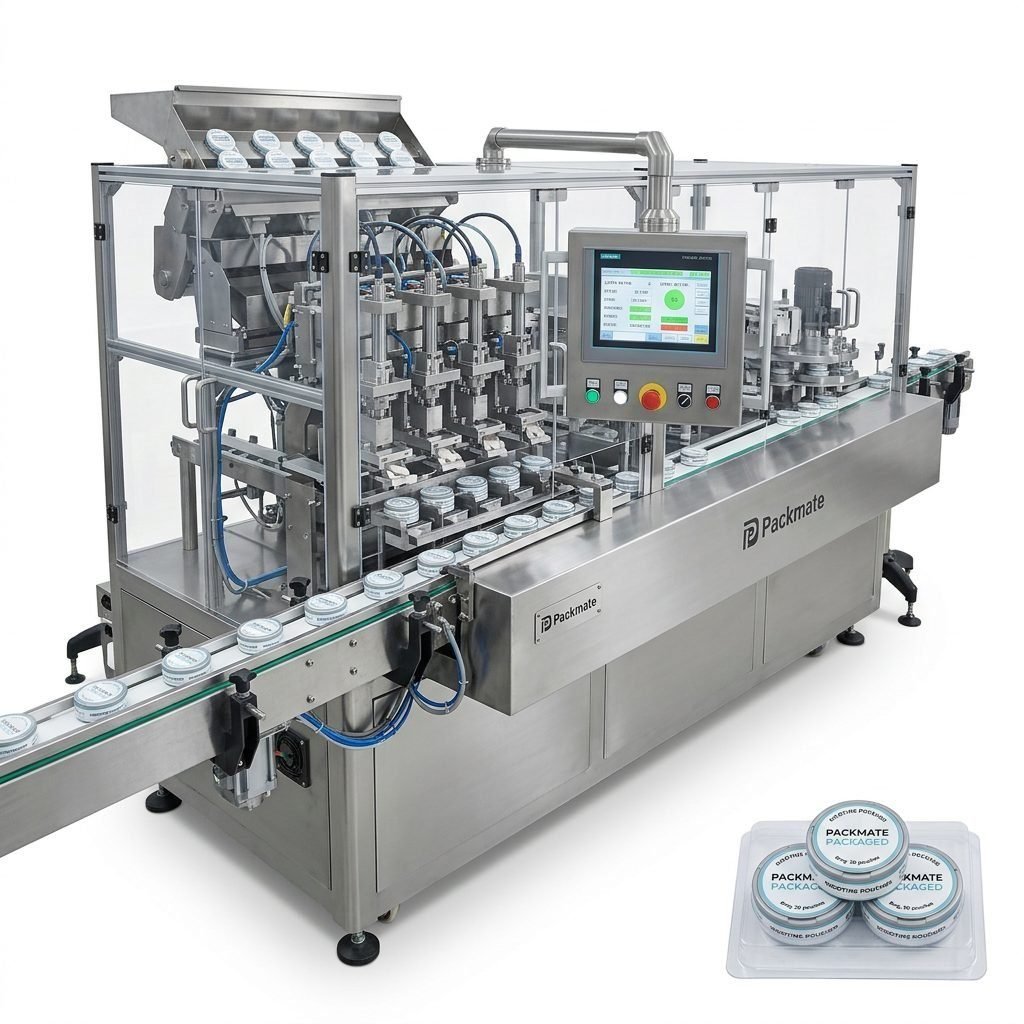
Snus / Nicotine Packaging Machines
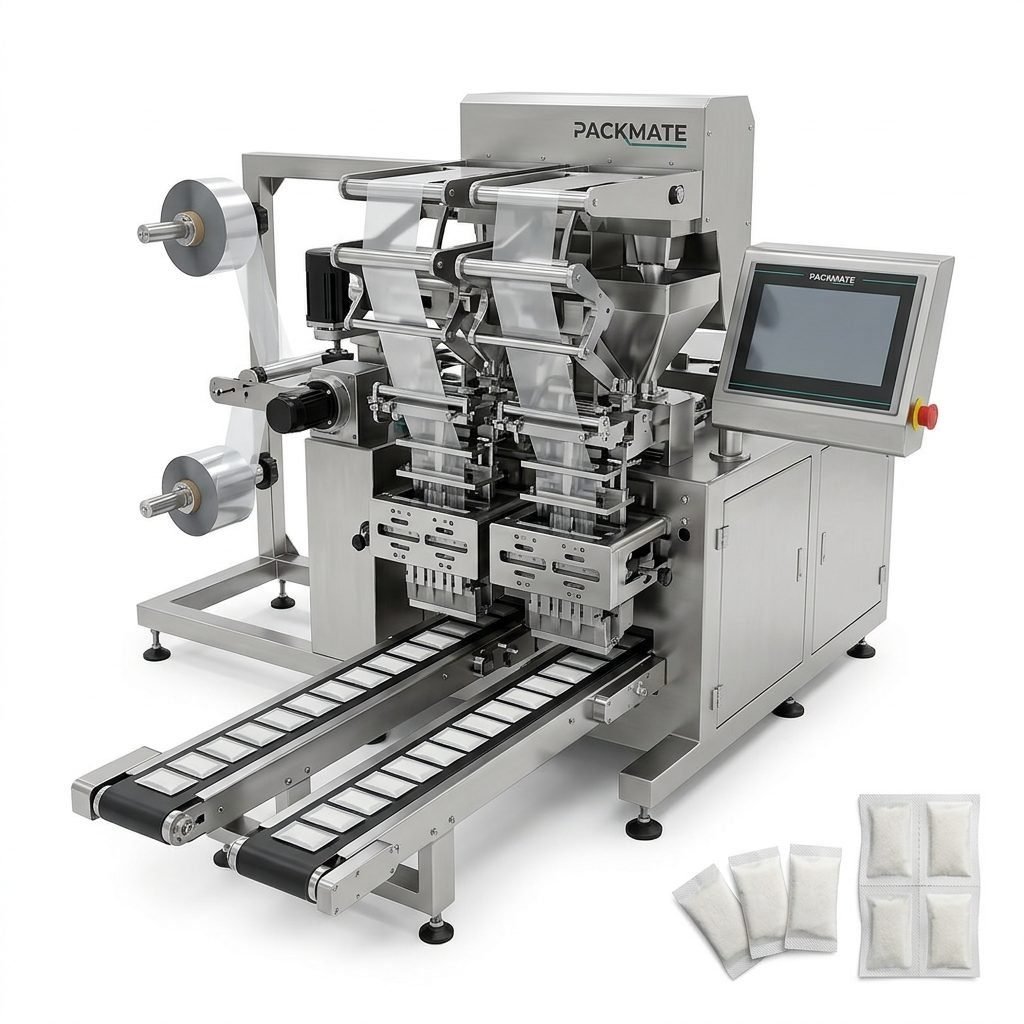
Specialized snus packing machines include multi-lane pouch formers, rotary filling heads, and precision sealing technologies designed for tobacco alternatives and nicotine substrates. These systems handle powders, granules, and pre-formed pouches with minimal changeover time. See examples at Snus & Nicotine Packaging Machines.
Weighing & Integrated Filling Systems
High-precision multi-head weighers and auger fillers are essential for low-dose pouches. Integration with packaging machines reduces product handling and provides synchronous control for accurate fill-to-fill consistency. Explore integrated solutions at Weighing & Packaging Systems.
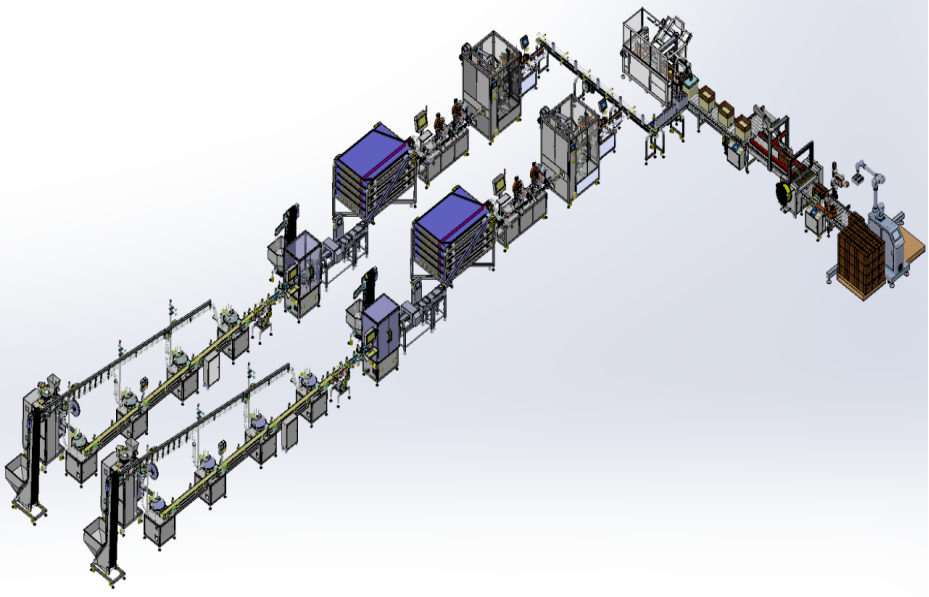
Turnkey Production Lines: From Filling to Case Packing
A turnkey approach allows manufacturers to source a validated, end-to-end production line that includes upstream dosing, pouch forming, sealing, inspection, labeling, and case packing. Benefits include reduced integration risk, faster ramp-up, and single-vendor responsibility for performance guarantees.
Key turnkey components: multi-head weighing, rotary fillers, multi-lane form-fill-seal machines, inline metal detectors, checkweighers, automated case packers, and PLC-based line orchestration.
Quality Control and Regulatory Compliance
Ensuring compliance with CE, ISO, and local regulatory frameworks is critical. Packmate’s equipment is designed to meet international standards, minimize contamination risk with hygienic design, and support traceability through integrated data logging and MES connectivity. For certification details, see Certificate.
Customization and Flexible Production for Market Variability
Market trends and regional preferences drive frequent product format changes. A reputable manufacturer offers modular systems with quick-change tooling, software recipe management, and scalable machine architectures. This enables:
– Rapid SKU changeover without major downtime.
– Multi-lane upgrades to increase capacity as demand grows.
– Custom control panels and HMI localization for local operators.
Case Studies and Field-Proven Solutions
Manufacturers often rely on field-proven designs that have been deployed across Europe, Asia, and the Americas. Packmate’s global footprint includes multiple installations where clients achieved improved yield, reduced scrap, and simplified maintenance. Learn more about real-world deployments in the Case portfolio.
After-Sales Service, Spare Parts and Training
A dependable after-sales program is as important as machine reliability. Look for manufacturers that offer:
● Remote diagnostics to minimize downtime; ● Localized spare parts stocking for quick replacement; ● Operator and maintenance training to ensure safe, efficient production.
Packmate provides ongoing field support, commissioning, and training services. For details on service offerings and customer support, visit Service and Contact Us.
Sourcing and Lead Times
Lead times can vary with customization level and market demand. Standard models typically ship faster, while turnkey lines require engineering, FAT (Factory Acceptance Test), and coordinated logistics. Planning procurement with realistic lead time buffers ensures on-time project delivery.
Sustainable and Efficient Operation
Modern snus production prioritizes energy efficiency and minimized material waste. Look for features such as servo-driven film handling, optimized sealing profiles, and intelligent recipe management to reduce film usage and energy consumption. Sustainable practices also help with brand positioning in eco-conscious markets.
Choosing the Right Partner
The ideal equipment partner offers proven technology, strong manufacturing capabilities, and clear communication. Packmate’s development timeline—from workshop R&D in 1993 to a global supplier today—highlights deep engineering roots and continuous improvement. Learn more about the company’s history and mission at About Packmate and Mission & Vision.
Pro tip: Request an on-site or virtual demonstration to verify machine performance with your product formula before committing to a full line purchase.
Final Considerations Before Purchase
Before finalizing a procurement, evaluate production forecasts, regulatory environment, and integration with existing factory systems. Verify spare parts availability and the vendor’s track record for global installations and exhibition demonstrations at Our Exhibition.
Key Questions to Ask Vendors
– What are typical yields and scrap rates for similar products?
– What is included in commissioning and training?
– How quickly are critical spare parts supplied?
– Can the line be expanded for additional lanes in future?
Conclusion
Selecting the right snus production equipment is a strategic decision that impacts product quality, operational costs, and time-to-market. Working with an experienced manufacturer that offers modular, compliant, and service-backed solutions accelerates your path to reliable, high-volume production. Whether you need stick pack machines, multi-lane nicotine pouch lines, or integrated weighing and filling systems, a comprehensive turnkey approach reduces risk and supports sustainable growth.
Common Questions
Q1: What is the typical lead time for a turnkey snus packaging line?
A1: Lead times vary by customization level; standard modules may ship in weeks, while fully customized turnkey lines can require several months for engineering, FAT, and logistics. Early planning and clear specifications shorten the timeline.
Q2: How do manufacturers ensure dose accuracy for small nicotine pouches?
A2: Accuracy is achieved with precision multi-head weighers, auger fillers, and closed-loop control systems. Calibration protocols and inline checkweighers help maintain consistent dosing and reduce rejects.
Q3: Can existing lines be upgraded to multi-lane configurations?
A3: Many modular systems support lane-addition upgrades. Discuss mechanical layout, PLC capacity, and upstream/downstream synchronization with your vendor to confirm upgrade feasibility.
Q4: What after-sales services should I expect?
A4: Expect remote support, commissioning, operator training, spare parts provision, and preventive maintenance programs. Confirm response times and local support networks before purchase.
Q5: Where can I see machine demos or request documentation?
A5: Request live demonstrations at trade shows or factory visits, and download catalogs and technical documentation from the manufacturer’s online resources, such as the Catalog and FAQs.