Expanding or starting a nicotine pouch or snus business in Canada demands careful selection of a packaging machinery supplier. The right partner delivers consistent production, regulatory compliance suited to the Canadian market, dependable after-sales service, and long-term value. This guide helps Canadian buyers evaluate suppliers — from technical capability and quality control to cultural fit and local logistics — so you can choose the best nicotine packaging machinery supplier for your business.
Understand Canada’s Market & Regulatory Context
Canada has unique consumer preferences and strict regulations around nicotine products. Your supplier must address:
- Labeling and packaging rules (federal and provincial variations).
- Supply chain reliability given Canada’s broad geography and seasonality in shipping.
- Consumer expectations for product consistency — Canadian consumers expect premium finishing and robust tamper-evidence for nicotine pouches.
Key Supplier Capabilities to Verify
When assessing potential suppliers, use this checklist to compare them objectively:
Technical & Manufacturing Strength
Look for suppliers with proven manufacturing facilities, advanced tooling, and a range of machine models so you can scale. Important indicators:
- Factory size and equipment: modern CNC centers and precision assembly lines indicate consistent build quality.
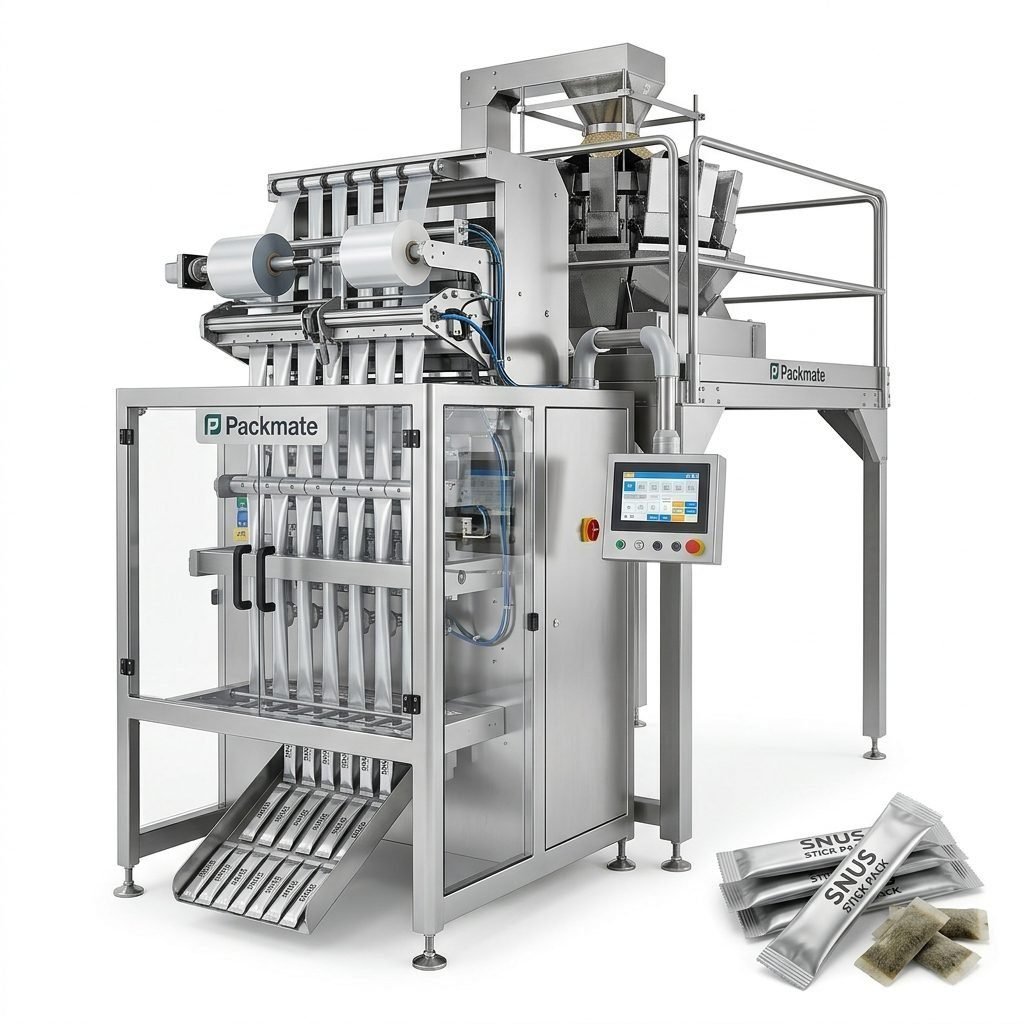
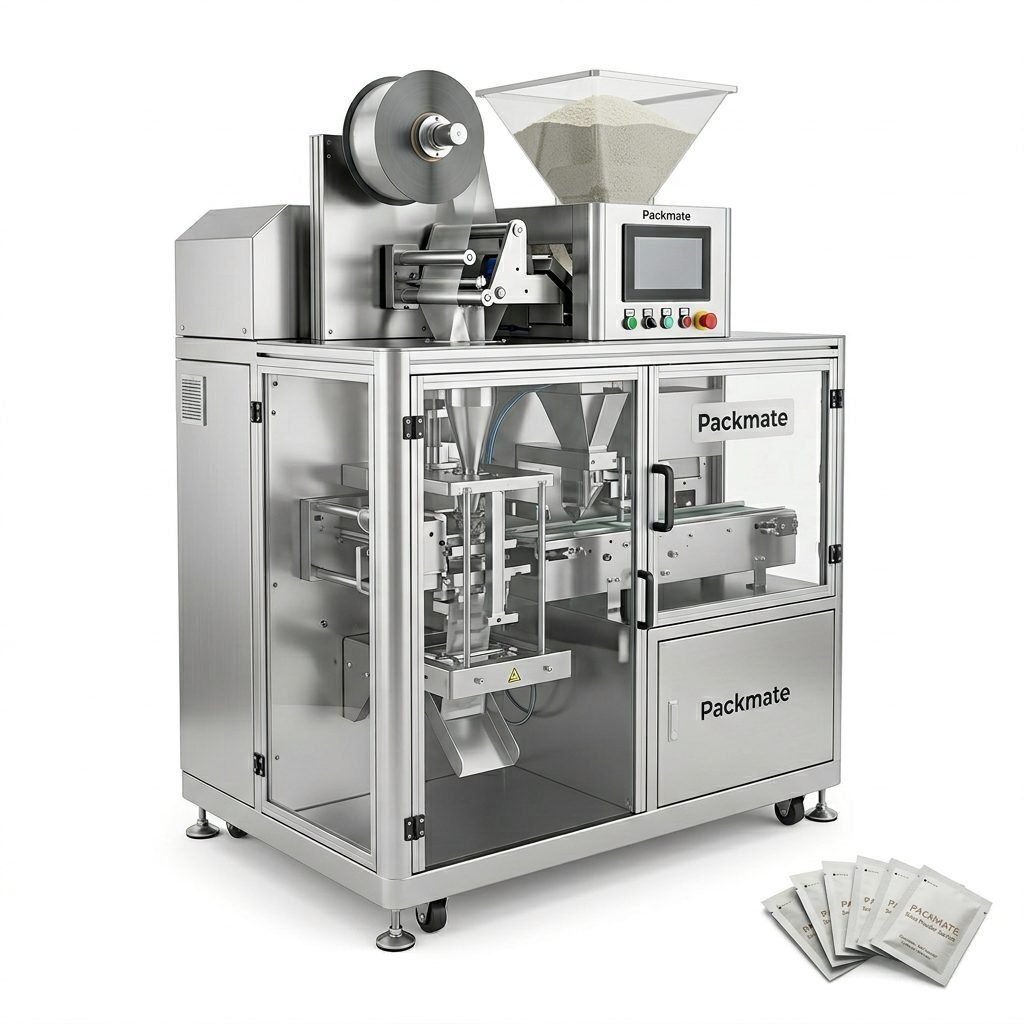
- Model variety: multi-lane, stick pack, sachet, and pouch machines let you diversify product SKUs.
- Custom engineering: ability to deliver turnkey solutions and adapt machines to Canadian packaging formats.
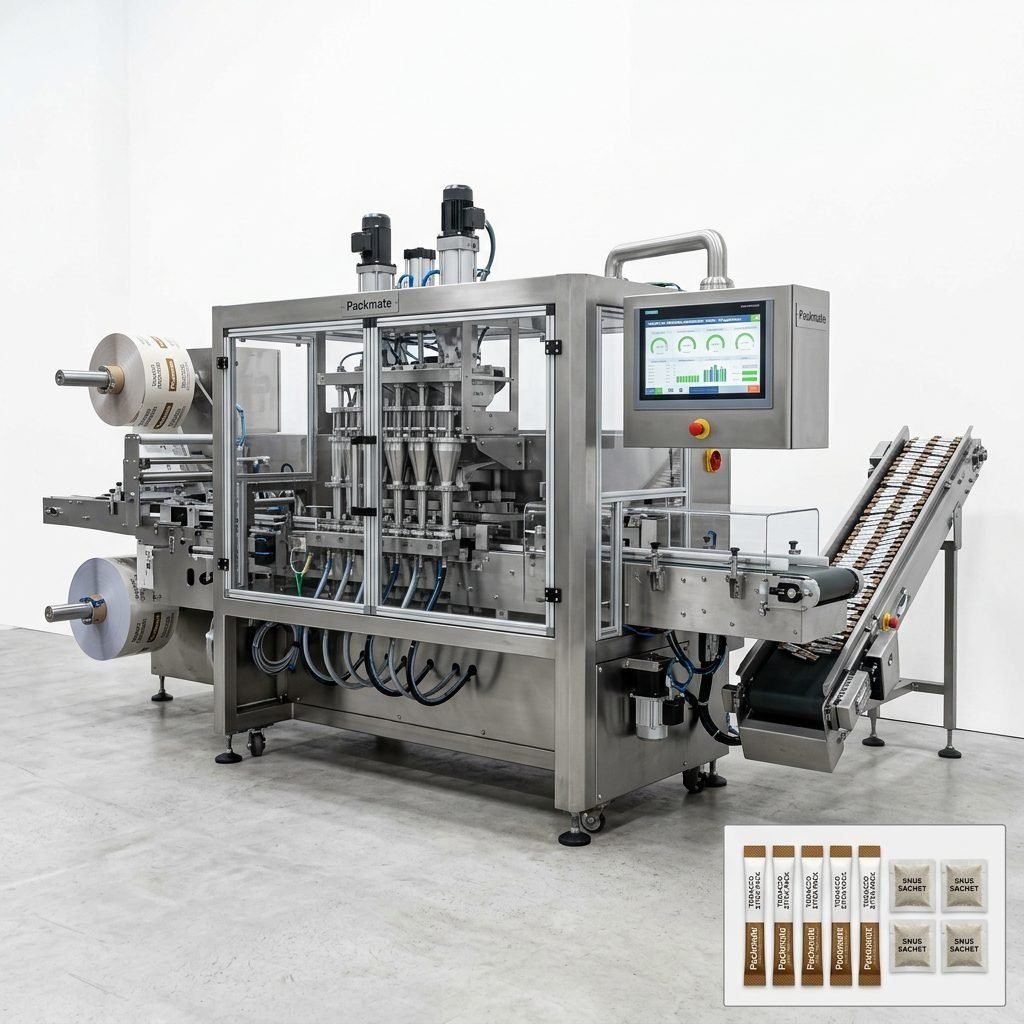
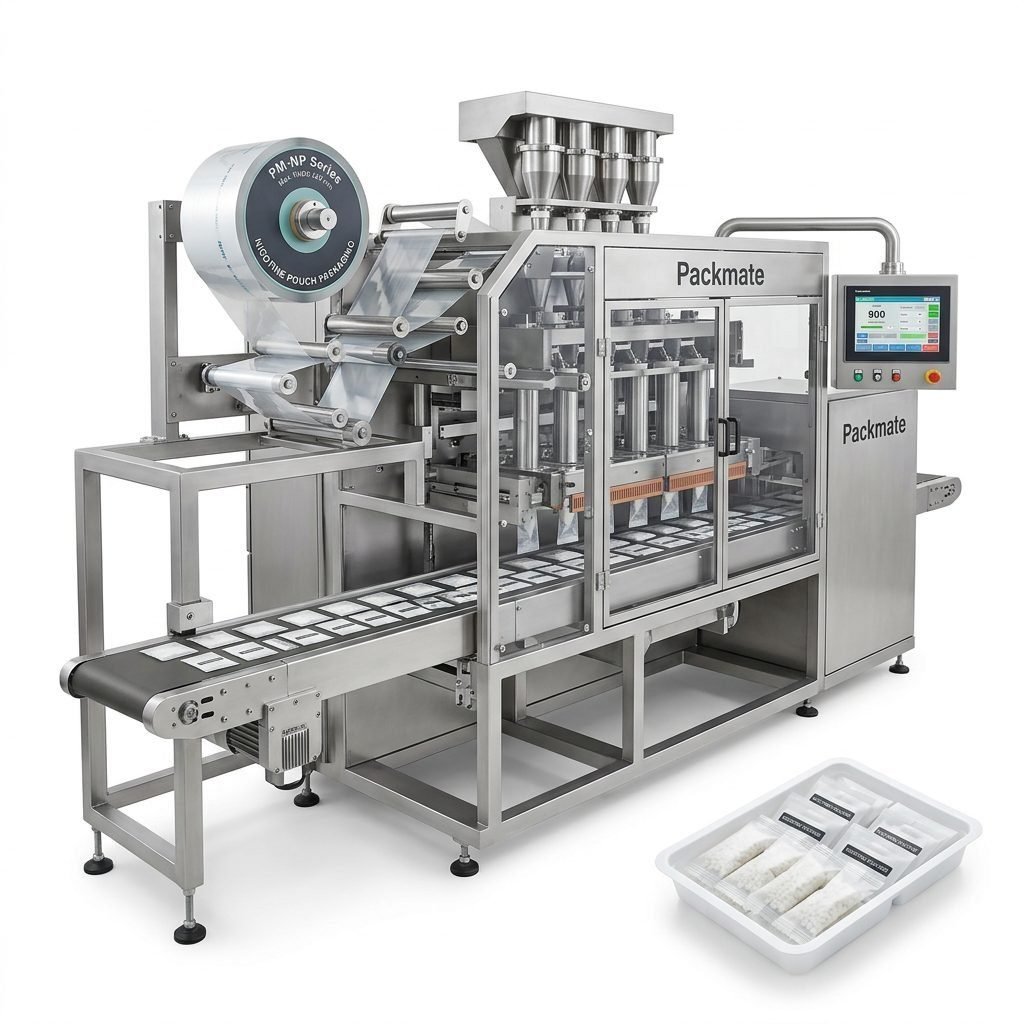
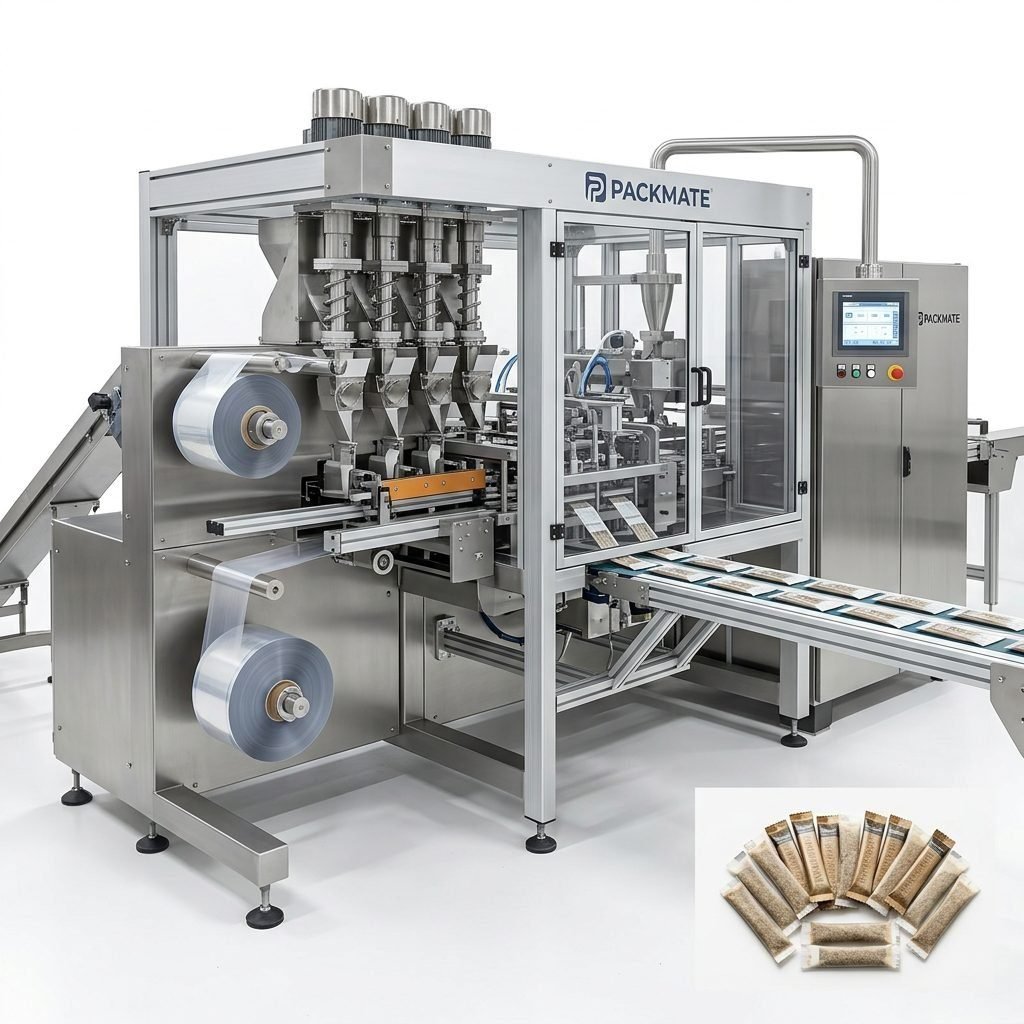
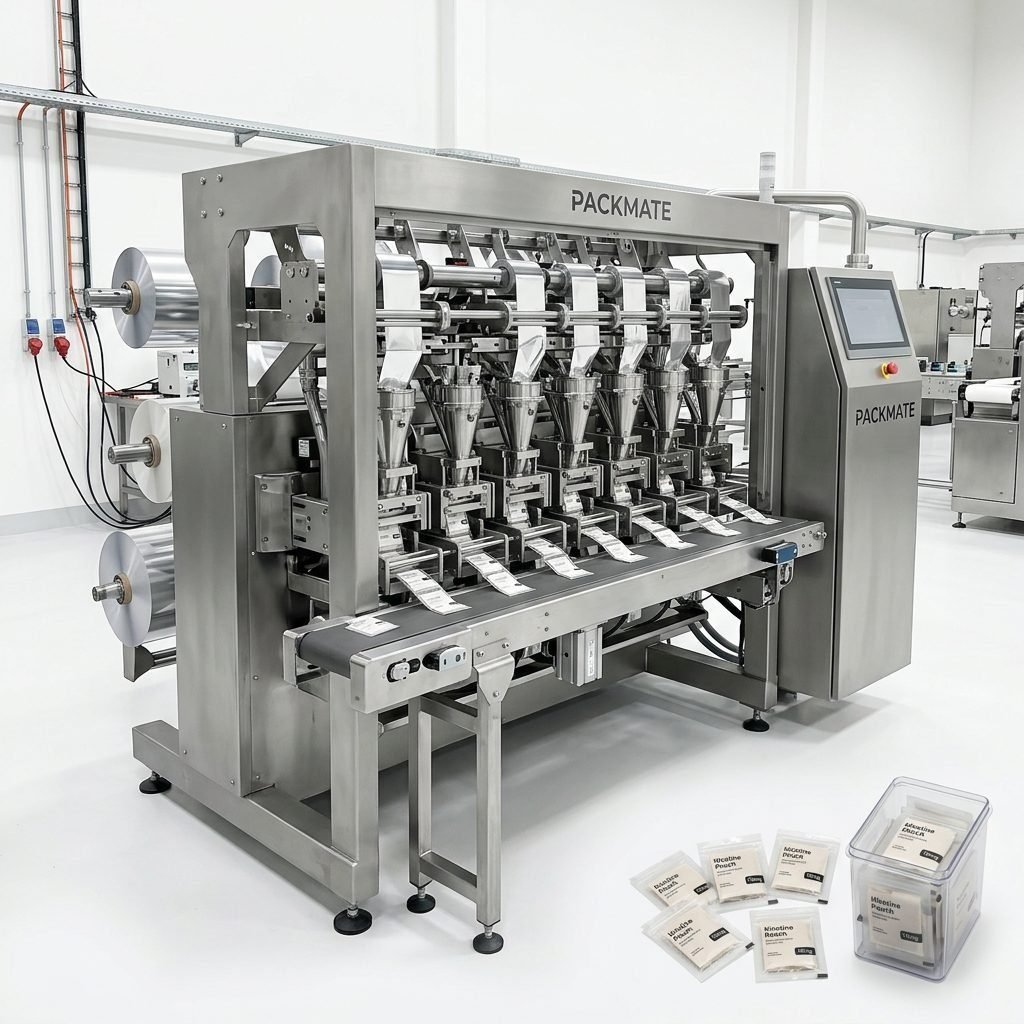
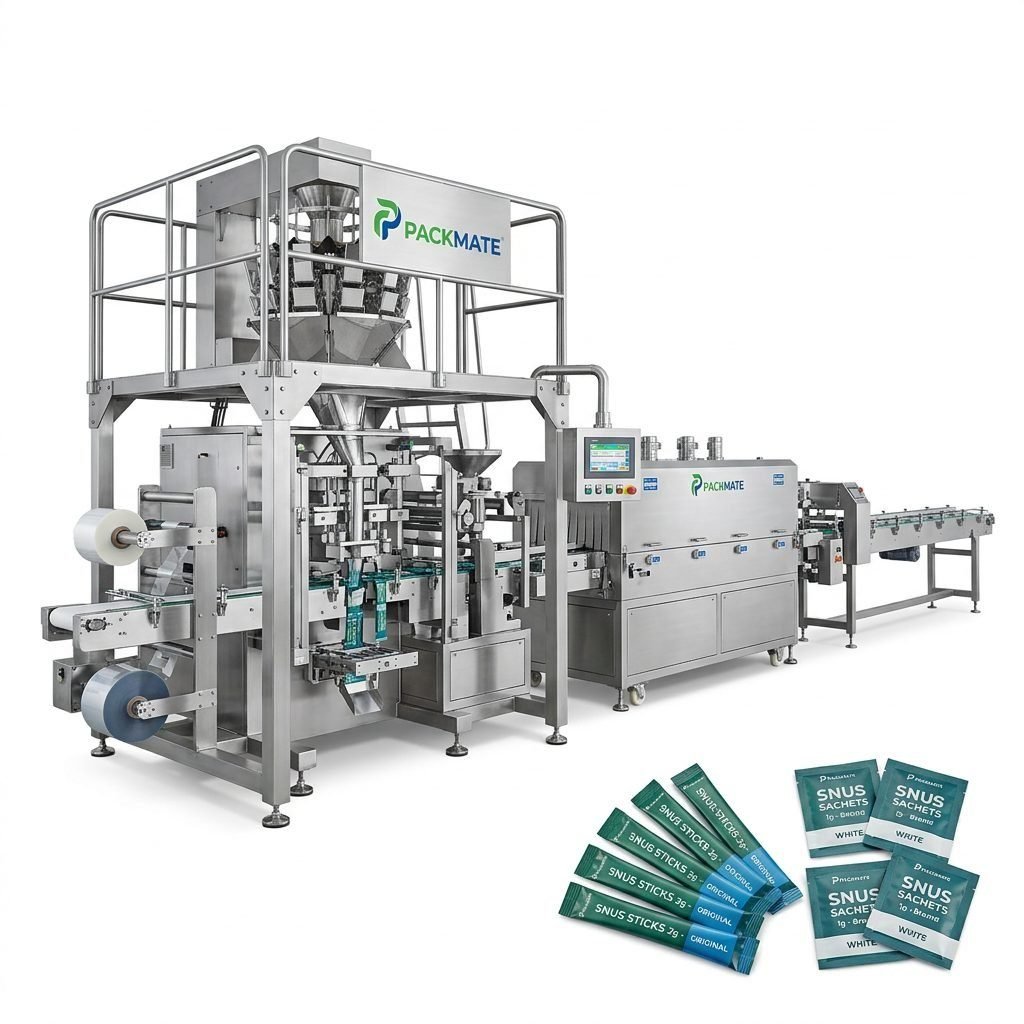
Example: suppliers like Packmate Snus Machine emphasize a 20,000㎡ factory, advanced CNC machining, and 50+ machine models — evidence of production depth and customization capabilities.
Quality Management & Certifications
Certifications such as CE and ISO demonstrate a supplier’s commitment to international standards. Confirm:
- Up-to-date CE/ISO certificates and traceability for components.
- Internal quality control processes and final testing routines.
- Documentation language options and compliance documents suitable for Canadian customs and regulators.
Machine Types & Process Flexibility
Understand the machinery types that fit your product line. Key options include:
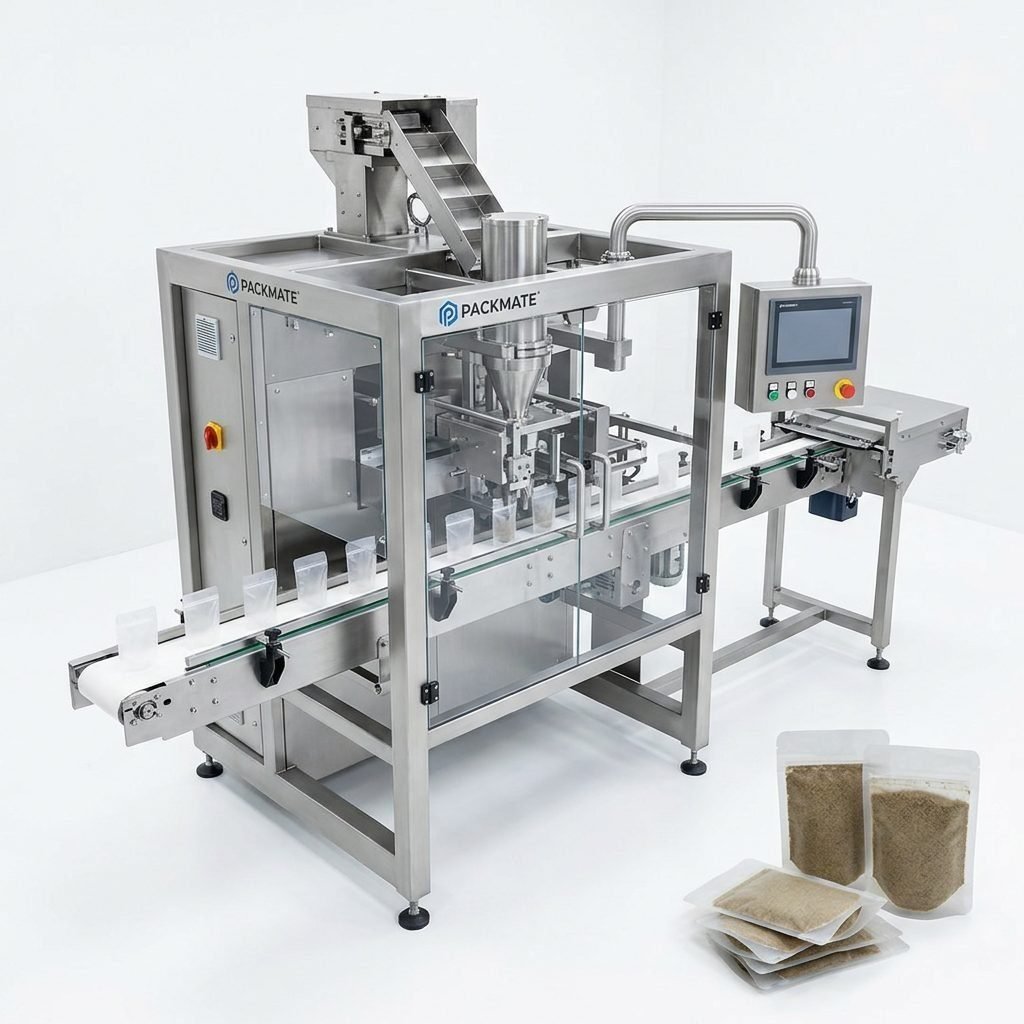
- Snus / Nicotine Pouch Packing Machines: optimized for small-dose pouches with precise dosing and pouch forming. See product options at Snus & Nicotine Packaging Machines.
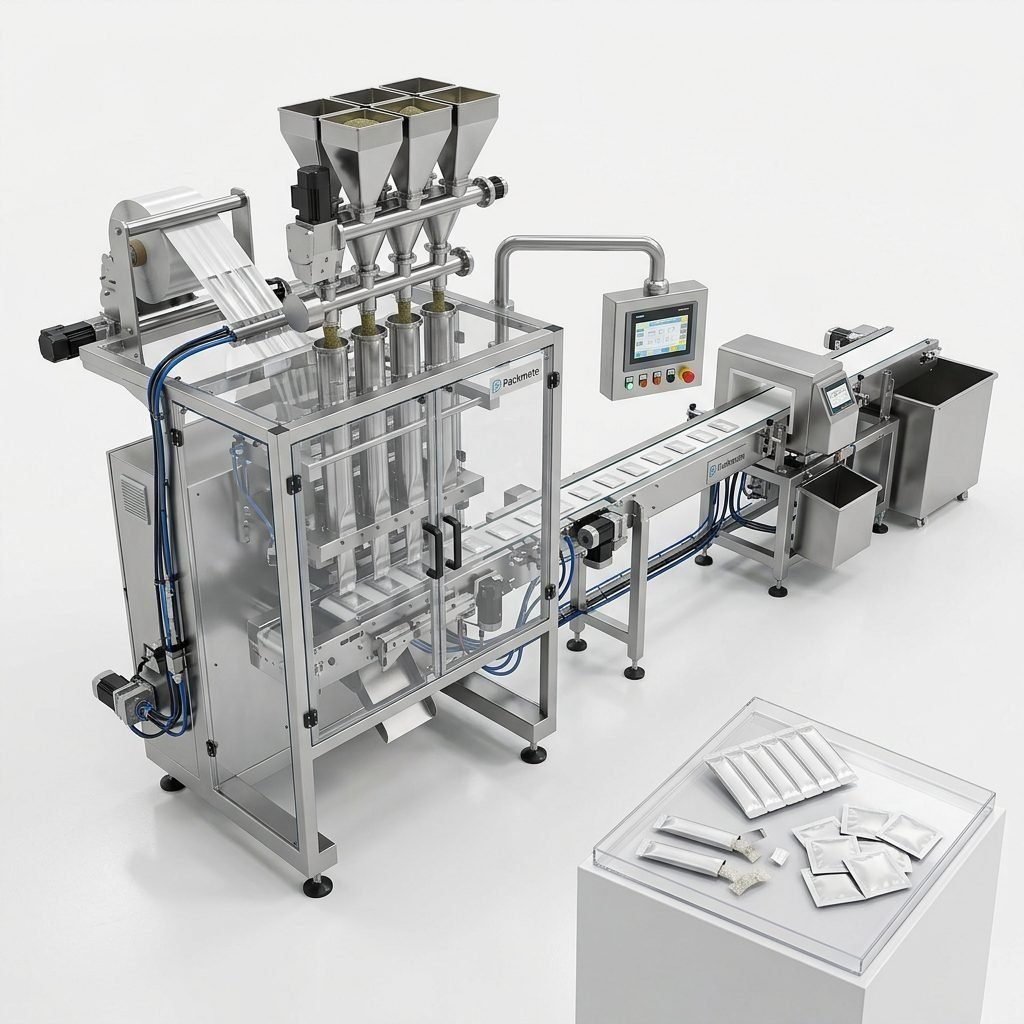
- Stick pack & Sachet Machines: ideal for single-serve sachets or sticks; flexible format changes help seasonal or promotional SKUs. Explore Sachet & Stick Pack Machines.
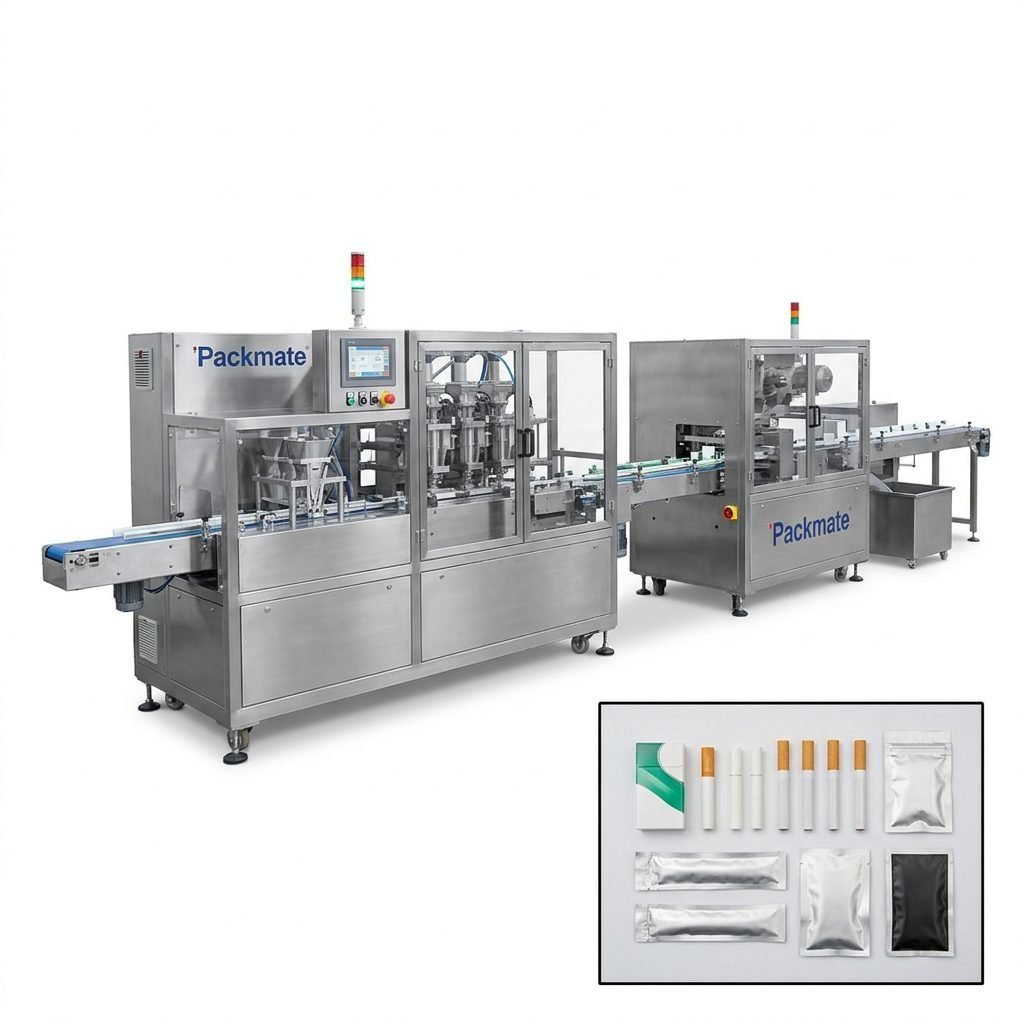
- Filling & Multi-lane Systems: for higher throughput lines that require multiple lanes or automatic weighing modules. See Filling & Packaging Lines and Weighing & Packaging Systems.
Factory Visits, Demonstrations & References
A credible supplier should welcome factory visits and provide live demonstrations. If travel is challenging, ask for a live video demo and recorded acceptance tests. Always request references and case studies — ideally from North American or European customers — to verify field performance.
- Run-to-run stability and pouch sealing quality.
- Changeover time between SKUs.
- Sensors, HMI responsiveness, and ease of troubleshooting.
- Availability of documentation in English and bilingual support if needed for Quebec markets.
After-Sales Support & Spare Parts
In Canada, timely support is crucial. Evaluate:
- Local spare parts stock or fast international shipping: minimizes downtime.
- Technical training: on-site or remote training in English, with clear SOPs and maintenance schedules.
- Warranty & service contracts: understand response times, remote diagnostics, and extended support options.
Suppliers with a global footprint or local partners often offer faster response. Packmate Snus Machine, for example, lists global turnkey solutions and exhibition presence — useful signals when checking service networks. See their About Packmate and recent Exhibitions for proof of global collaboration.
Customization, Scalability & Future-Proofing
Your supplier should be able to grow with your business:
- Custom tooling for unique pouch shapes, sizes, or barrier laminates.
- Scalable multi-lane upgrades to increase throughput without replacing core components.
- Integration capability with downstream packaging lines, cartoners, and automated palletizing.
Total Cost of Ownership (TCO) vs. Purchase Price
Don’t focus only on upfront cost. Evaluate:
- Energy consumption, material waste rate, and typical uptime percentages.
- Expected wear parts and their replacement intervals.
- Service contract pricing, training costs, and remote vs on-site support economics.
A slightly higher initial cost can be justified by lower downtime and higher yield, especially in tightly regulated nicotine markets where rejects are costly.
Logistics, Installation & Commissioning in Canada
Confirm how the supplier handles:
- Export packaging and crate specs suitable for long-distance shipping to Canadian ports.
- Customs documentation and HS codes to prevent clearance delays.
- On-site installation, FAT/SAT procedures, and acceptance testing at your Canadian site.
Language & Cultural Fit
Cultural compatibility and language matter. Suppliers that provide clear English documentation, remote support windows aligned with Canadian business hours, and respect for bilingual labeling expectations in Quebec will reduce friction.
How to Request & Compare Quotes
To get apples-to-apples comparisons:
- Provide a detailed product spec sheet: pouch sizes, target output (ppm), product weight, desired materials, and preferred format (multi-lane, stick, sachet).
- Request itemized quotes: machine cost, installation, spare parts kit, training, and warranty terms.
- Ask for lead times, shipping methods, and estimated customs clearance times.
- Schedule a FAT (Factory Acceptance Test) or virtual demo prior to payment milestones.
Real-World Case Examples & Supplier Credibility
Reliable suppliers showcase global case references. Review documented projects and customer testimonials to confirm long-term reliability. For more examples and case studies, see supplier case pages such as Case.
Negotiation Tips & Contract Clauses to Include
Negotiate to protect your interests:
- Clear delivery and installation milestones with penalties for missed dates.
- Detailed performance acceptance tests and remediation steps if specs aren’t met.
- Spare parts lead-time guarantees or stocked kits for the initial 12 months.
- IP and customization ownership clauses if you pay for special tooling.
Final Selection Matrix
Rate each supplier across these weighted criteria to decide objectively:
- Technical capability and model fit (25%)
- Quality certifications & QC practices (20%)
- After-sales support & spare logistics (20%)
- Price & TCO (15%)
- References & field performance (10%)
- Lead time & installation support (10%)
Use the matrix to shortlist 2–3 suppliers for final demos and contract negotiation.
Conclusion
Selecting the best nicotine packaging machinery supplier for the Canadian market is a multi-dimensional decision: match technical capabilities, factory strength, certifications, and after-sales support with local regulatory and cultural needs. Prioritize suppliers with transparent documentation, proven global installations, and clear servicing plans. By combining rigorous technical evaluation with on-site or virtual testing and a detailed contract, you minimize risk and set up a reliable production line for long-term success in Canada.
Common Questions
Q1: How long does delivery and installation typically take for a snus packaging line to Canada?
Delivery depends on machine complexity and customization. Basic single-lane machines can ship in 8–12 weeks; multi-lane turnkey lines often require 12–24 weeks including FAT. Add 2–6 weeks for international shipping and customs clearance, and 1–3 weeks for on-site installation and commissioning.
Q2: What warranties and spare parts should I insist on?
Negotiate at least a 12-month warranty on major components, a spare parts starter kit (belts, sensors, sealing jaws), and defined response times for critical failures. Consider an extended service package for faster parts delivery in Canada.
Q3: Can suppliers adapt machines to Canadian bilingual labeling and packaging formats?
Reputable suppliers offer customization for labeling, print registration, and pouch formats. Confirm they provide bilingual documentation when required and can integrate printers/inspection systems that meet Canadian labeling needs.
Q4: Are virtual FATs acceptable if travel is restricted?
Yes — virtual FATs via live video are commonly accepted. Ensure you define acceptance criteria in writing and record the session. For final acceptance, a physical SAT at your site is recommended when possible.
Q5: Where can I find more product and service information?
Review supplier catalogs, technical pages, and contact their sales team for machine specifications and project quotes. For reference, explore the supplier’s service and contact pages: Service and Contact Us.