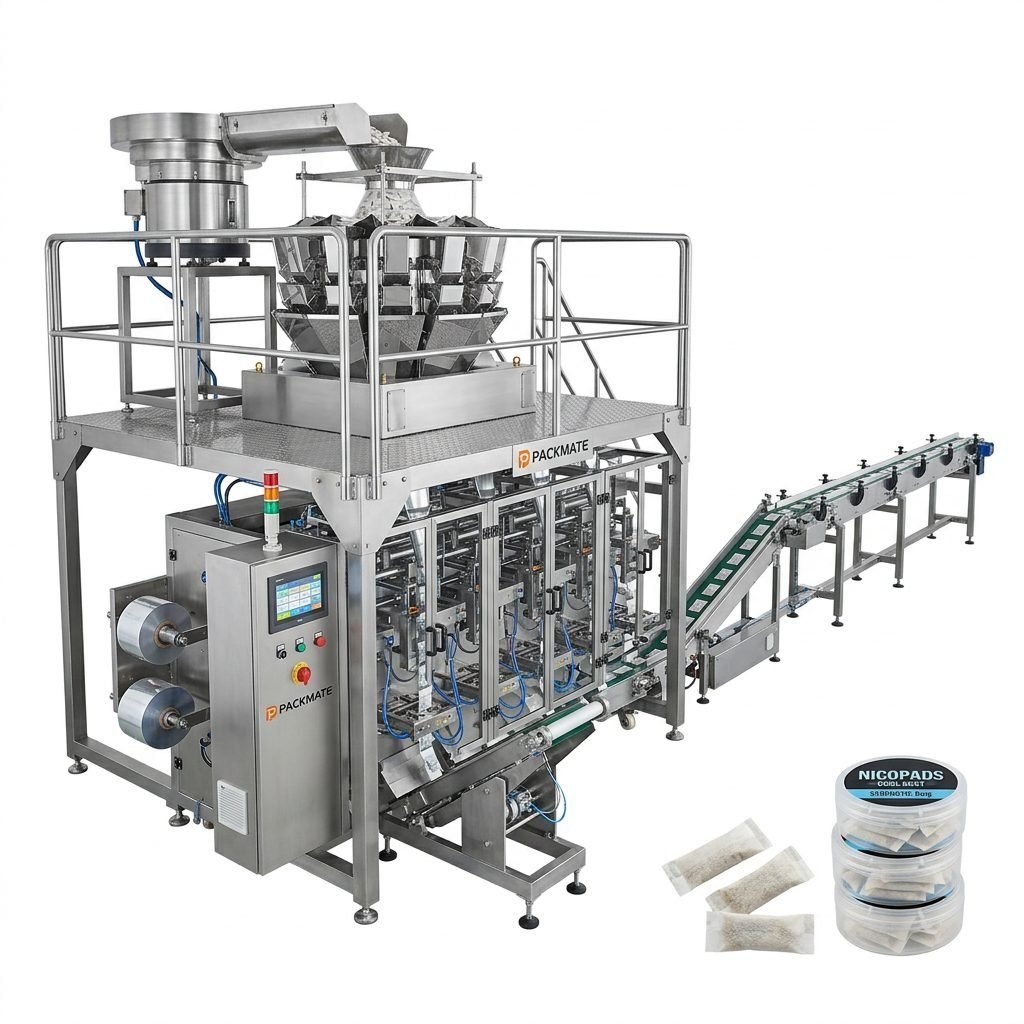
Choosing the right nicotine packaging machinery for your business in the Dominican Republic requires balancing production goals, local market behavior, and regulatory compliance. This guide walks you through practical steps to select the best snus and nicotine pouch packaging equipment — from machine types and technical specs to supplier support and return on investment — with insights tailored to the DR’s market and business customs.
Understand the Dominican Market & Cultural Context
The Dominican Republic has a unique retail landscape: a mix of formal stores, small neighborhood tiendas, beachside vendors, and a growing modern retail channel. Local consumers value convenience and recognizable packaging. During festivals, tourism seasons and carnival periods, demand can spike, so flexible production that can scale quickly is advantageous. Also consider that Spanish labelling and clear dosage instructions improve local acceptance and reduce returns.
Why local habits matter
Security of supply is critical in island markets — import delays and customs hold-ups happen. Consider buying machines with robust local parts support or machines that are easy to maintain locally to avoid prolonged downtime. Also, small-batch runs for specialty flavors or tourist-oriented gift packs are a common demand — choose equipment that supports quick changeovers.
Regulatory & Compliance Considerations in the DR
Nicotine products are subject to national health regulations, labelling rules, and sometimes import restrictions. Before you invest, confirm local requirements for nicotine concentration labels, warnings, and packaging formats. Machines that support tamper-evident seals, batch coding, and variable printing help you stay compliant while simplifying traceability.
Key compliance features to prioritize
Automated date/batch coding — for traceability; hermetic sealing options — to preserve product stability in the DR climate; integration with label printers — for multilingual labelling (Spanish/English); and CE/ISO certifications — often required by distributors and importers.
Choose the Right Machine Type for Your Product
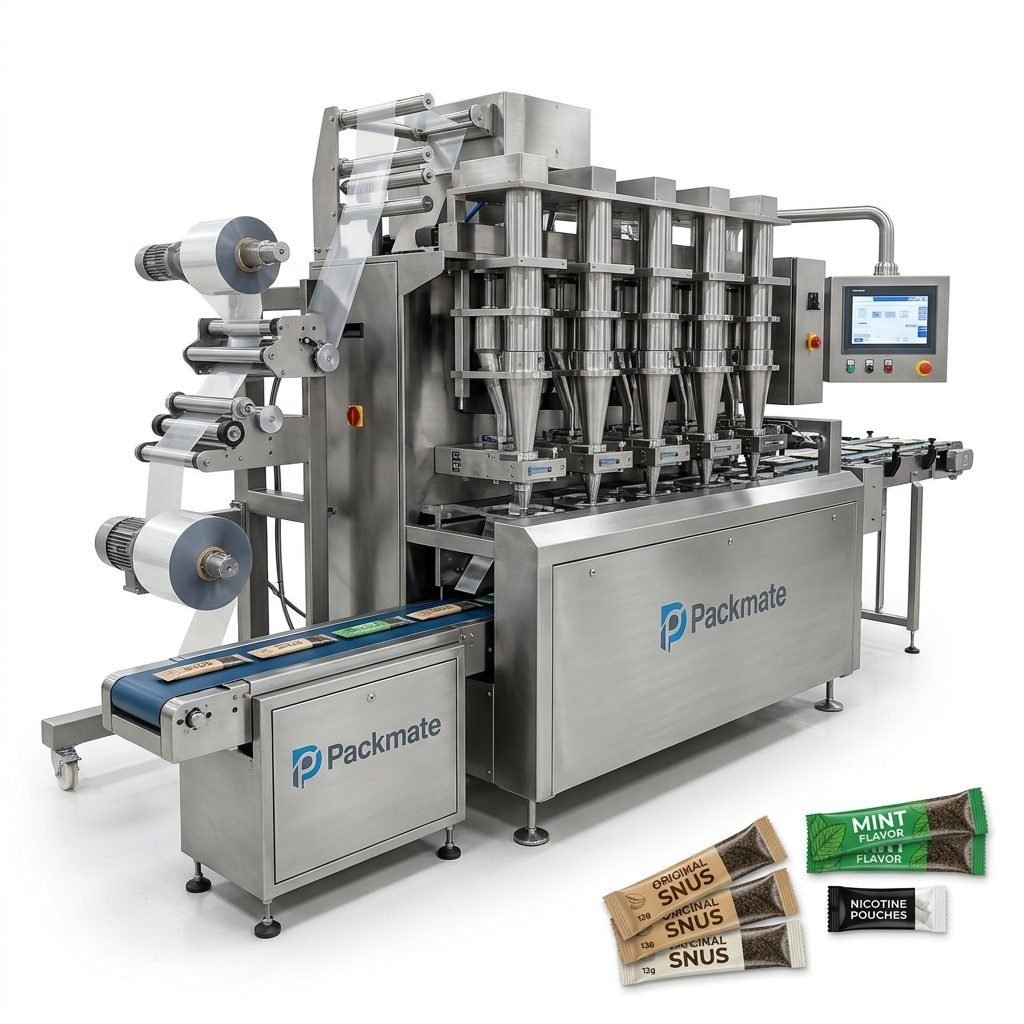
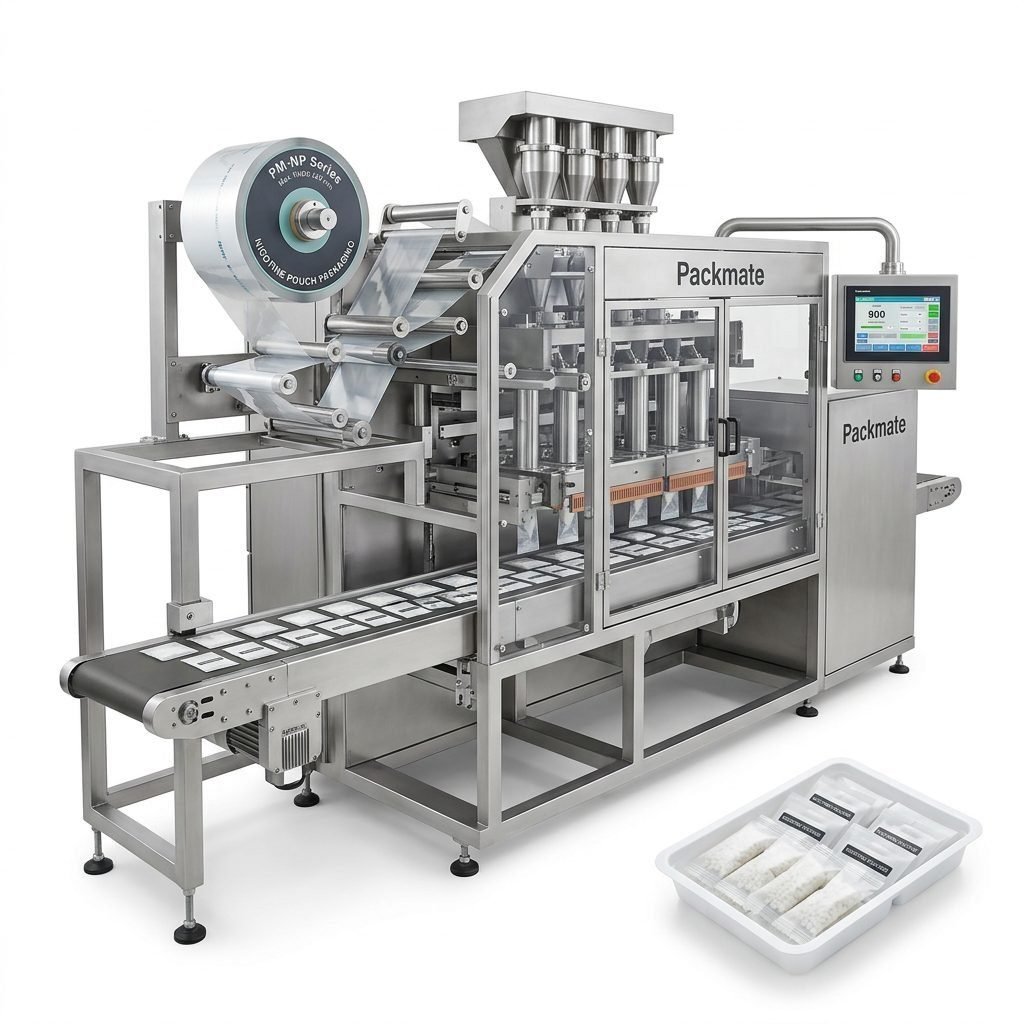
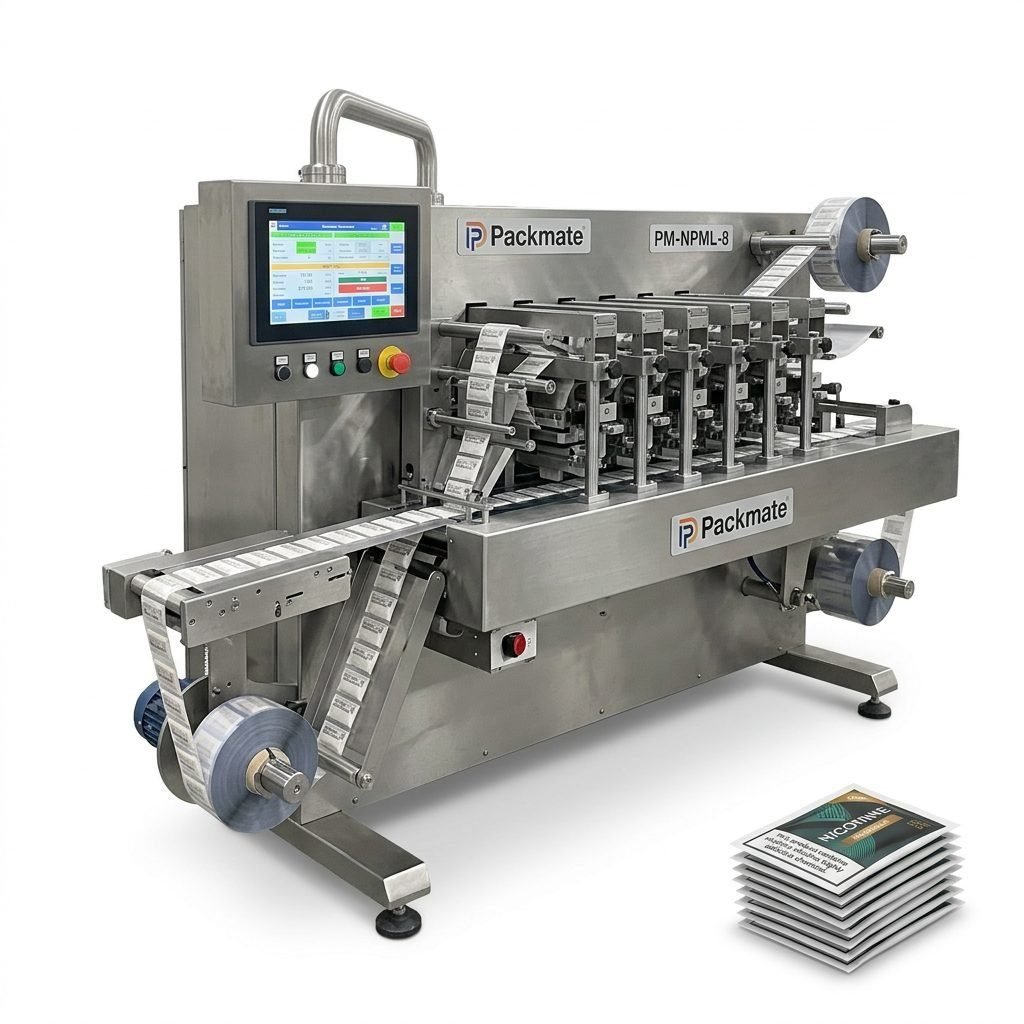
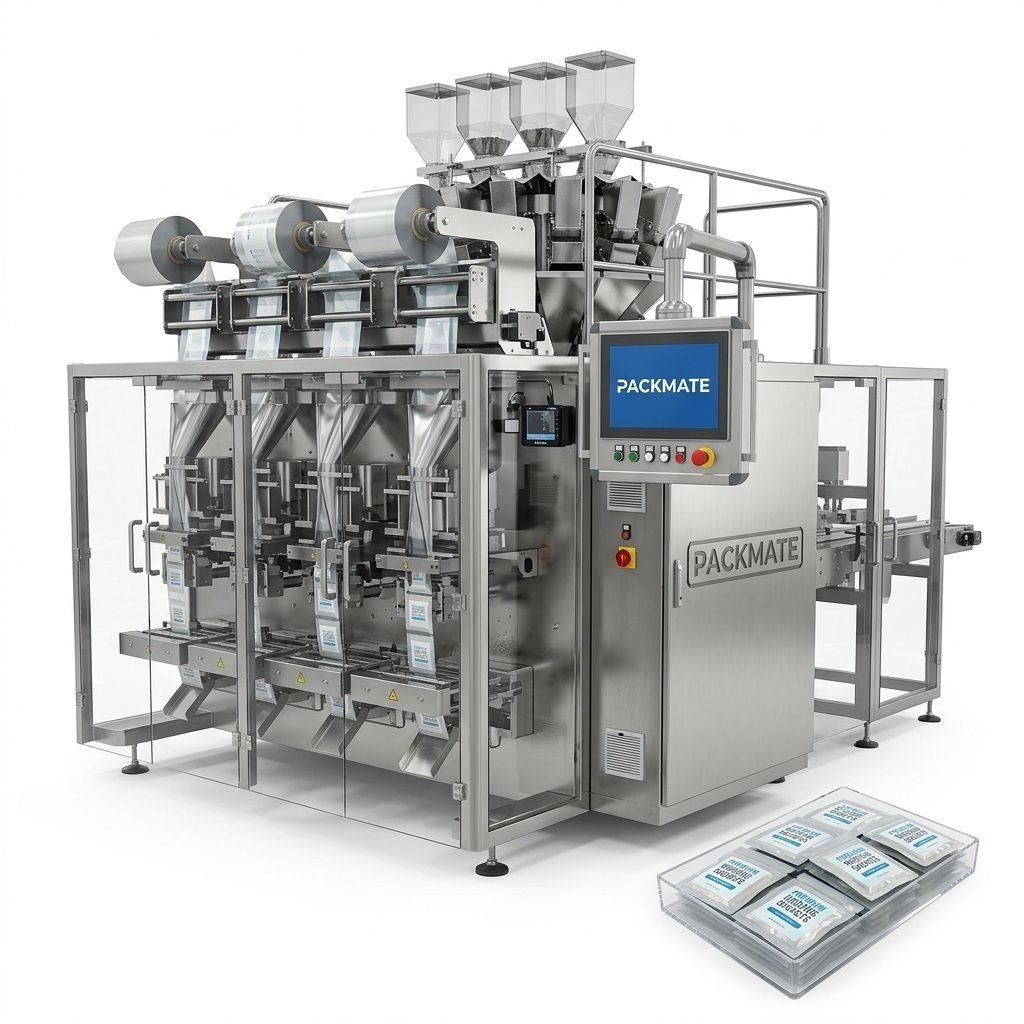
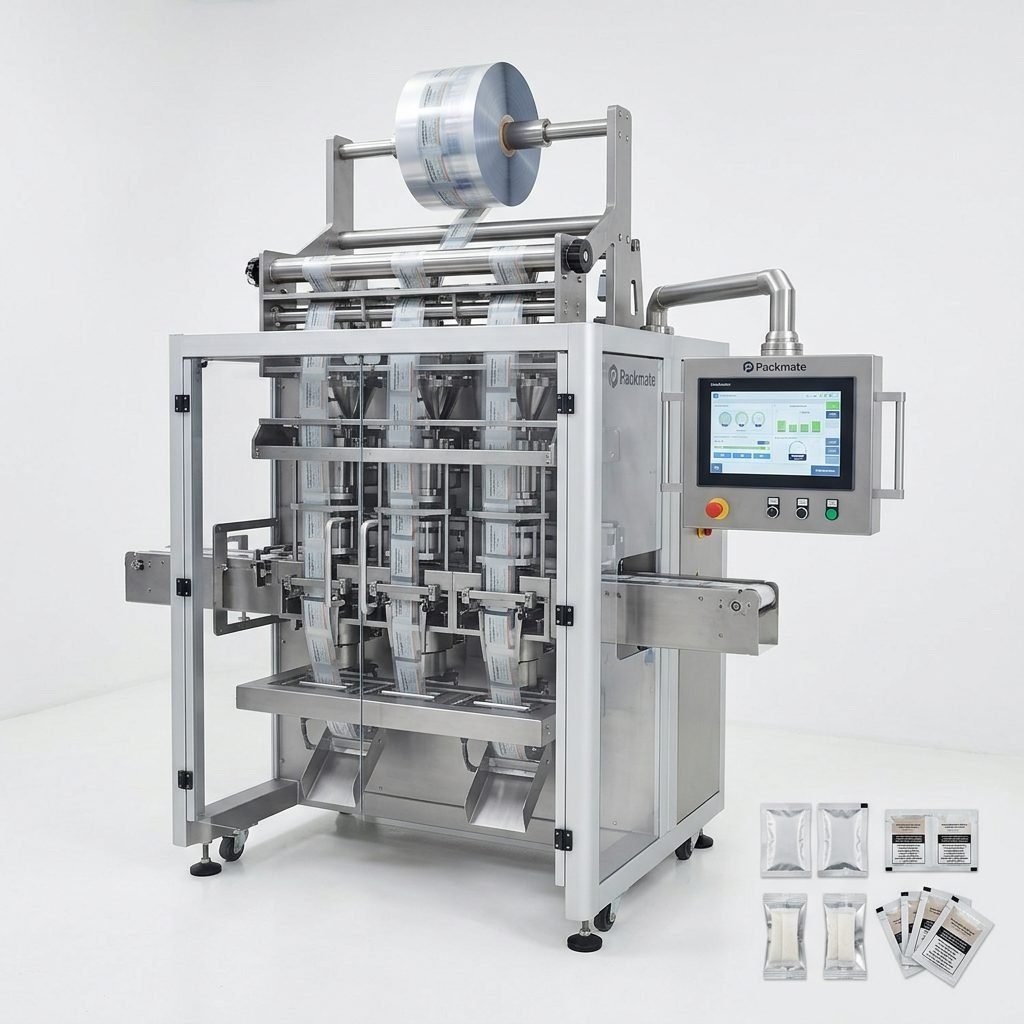
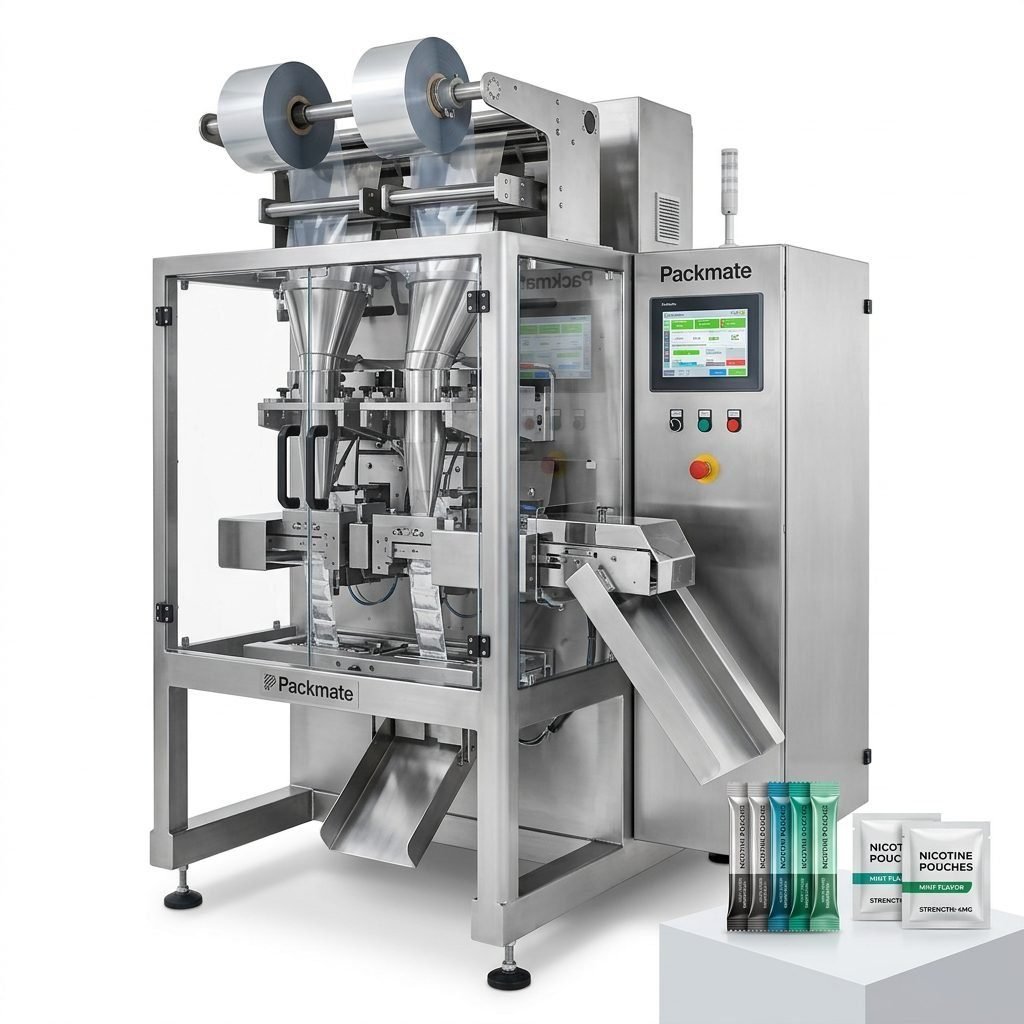
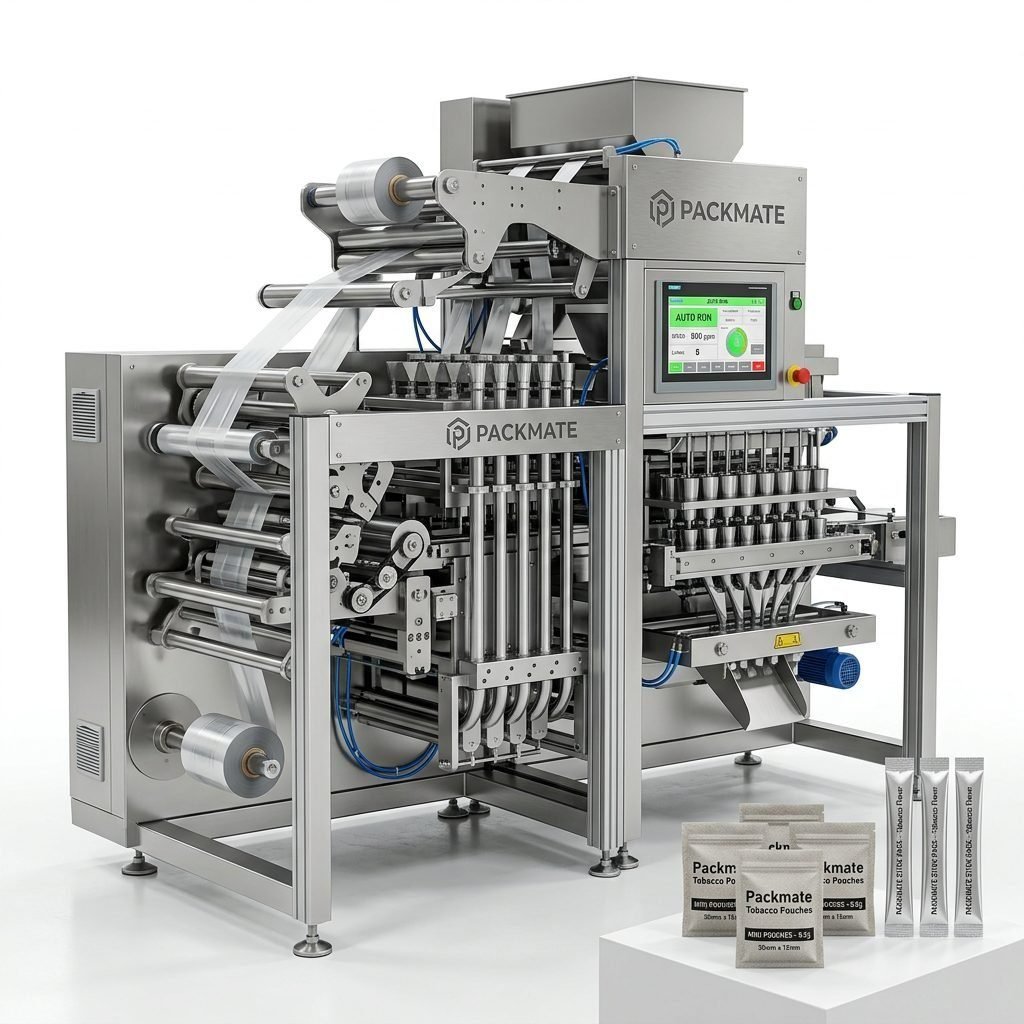
Different nicotine formats need different packaging solutions. Evaluate the primary product format you plan to produce — nicotine pouches, snus stick packs, sachets, or multi-dose pouches — and pick a machine family designed for that format. Multi-lane systems are ideal for high volume and small-dose pouches; sachet and stick pack machines suit single-serve formats.
Machine types at a glance
✓ Multi-lane pouch machines: High output for small-dose nicotine pouches and snus; ideal if targeting supermarkets and large distributors.
✓ Sachet & stick pack machines: Good for single-serve and promotional items; flexible packaging shapes.
✓ Stand-alone filling & sealing units: For startups that want to scale gradually and control investment.
Technical Specifications That Matter
Look beyond the headline speed. Consider dosing accuracy, lane count, material compatibility (film types), sealing methods, print & coding options, and changeover times. For nicotine pouches, dosing precision is essential to maintain consistent nicotine content and regulatory compliance.
Key metrics to compare
– Throughput (pouches/min per lane and total)
– Dosing accuracy (± acceptable range)
– Number of lanes and scalability
– Seal quality and testability for humidity-prone climates
– Material handling for powders/granules vs. wet-filled pouches
Automation, Integration & Future-Proofing
Aim for machines that integrate easily into automated lines and offer digital controls. PLC systems with remote diagnostics, recipe storage for quick format changes, and open interfaces for upstream/downstream devices reduce downtime and allow faster adaptation when demand shifts.
Automation checklist
ℹ️ Remote support & diagnostics: Reduces on-site fixing time in the DR.
⚙️ Recipe management: Save formats for seasonal SKUs.
🔗 Interfaces: Ensure compatibility with fillers, weighers and case packers.
Supplier Selection: Support Matters as Much as Specs
In island markets, after-sales service, spare parts availability, training, and clear warranty terms are paramount. Select suppliers with proven global experience in snus and nicotine packaging, documented case studies, and good feedback on spare part logistics.
Packmate is one example of a specialized supplier with over 30 years in packaging machinery, a broad portfolio including Snus & Nicotine Packaging Machines and multi-lane systems. Review their case studies to see deployments in various climates and markets.
Questions to ask your supplier
– What is the lead time for spare parts and technical visits in the Caribbean?
– Can the machine be customized for Spanish labelling and local packaging sizes?
– Do they provide on-site training and commissioning in the DR?
– Are their machines CE/ISO certified and can they handle local power voltages?
Cost, ROI & Total Cost of Ownership
Upfront price is only one part of the equation. Consider installation, local modifications, spare parts, energy consumption, operator training, and expected downtime. Machines with higher initial cost but better uptime and lower maintenance can yield faster ROI in a market where supply continuity matters.
Simple ROI model
✔ Calculate revenue per pouch x expected daily output. Subtract labor, material, energy, and maintenance to estimate payback months. Machines that reduce scrap and rework often pay back faster.
Installation, Training & Local Partnerships
Coordinate customs clearance, local electrical standards (voltage/frequency), and space planning for the line. Factor in on-site commissioning, operator training in Spanish if needed, and a local technical contact for quicker resolutions.
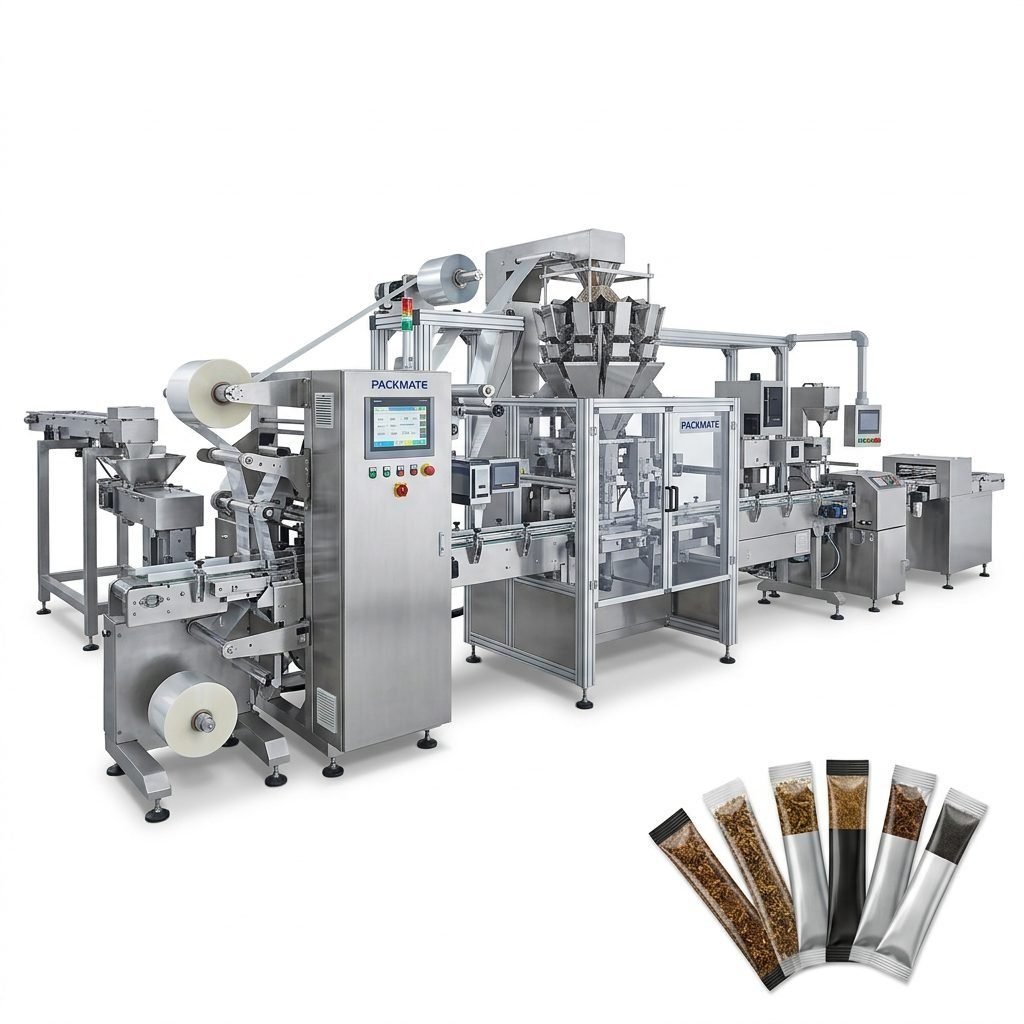
If you need complementary equipment — such as weighing systems, case packers, or auxiliary devices — consider a supplier that offers a complete line like Weighing & Packaging Systems and Auxiliary Packaging Equipment to streamline integration.
Practical Tips for Pilot Runs & Scaling
Start with a pilot line to validate formats, material choices, and labelling. Use pilot results to optimize dosing, sealing parameters, and film selection. When demand grows, choose machines that scale by adding lanes or integrating parallel units rather than replacing the whole line.
Pilot run checklist
✓ Validate dosing accuracy and seal integrity under DR humidity and temperature.
✓ Test local labelling and Spanish translations.
✓ Measure changeover times for multiple SKUs.
✓ Confirm spare parts availability and first-line service response times.
Why Choose Established Suppliers Like Packmate
Established suppliers bring tested models, documented reliability, and global support networks. Packmate’s experience in snus and nicotine pouch production, a broad model range, and turnkey solutions make it a candidate to consider — especially if you value multi-lane high-performance systems and turnkey integration. See more on their About Packmate page and product catalogs for details.
Final checklist before purchase
✓ Confirm product format compatibility and dosing accuracy.
✓ Verify CE/ISO certification and documentary support for customs.
✓ Check spare part lead times for the Caribbean region.
✓ Ask for local-language training and documentation.
✓ Evaluate integration with existing lines and future scalability.
Next Steps & How to Get Expert Support
Arrange a demo, request case studies similar to your expected volumes, and ask for a complete proposal including installation, training, and spare parts plan. Browse product lines such as Sachet & Stick Pack Machines and contact sales for specific configurations via the Contact Us page.
Frequently Asked Questions
Q1: Can these machines handle Spanish labelling and variable batch codes?
Yes — most modern machines support label printer integration and automated batch/date coding; confirm the printer model and software compatibility with your supplier.
Q2: How do I manage spare parts delivery to the Dominican Republic?
Ask suppliers for their Caribbean logistics plan, recommended spare parts kits, and local stocking partners. Longer-term, stocking critical wear parts locally reduces downtime.
Q3: Is it better to buy a multi-lane machine or several single-lane units?
Multi-lane is efficient for high-volume standardized SKUs; multiple single-lane units can offer flexibility and easier staged investment. Match the choice to your growth forecast and SKU complexity.
Q4: What certifications should I insist on?
CE and ISO certifications are baseline requirements for quality and safety. Also ensure documentation for materials in contact with the product (food/drug-grade if applicable) and testing records for sealing integrity.