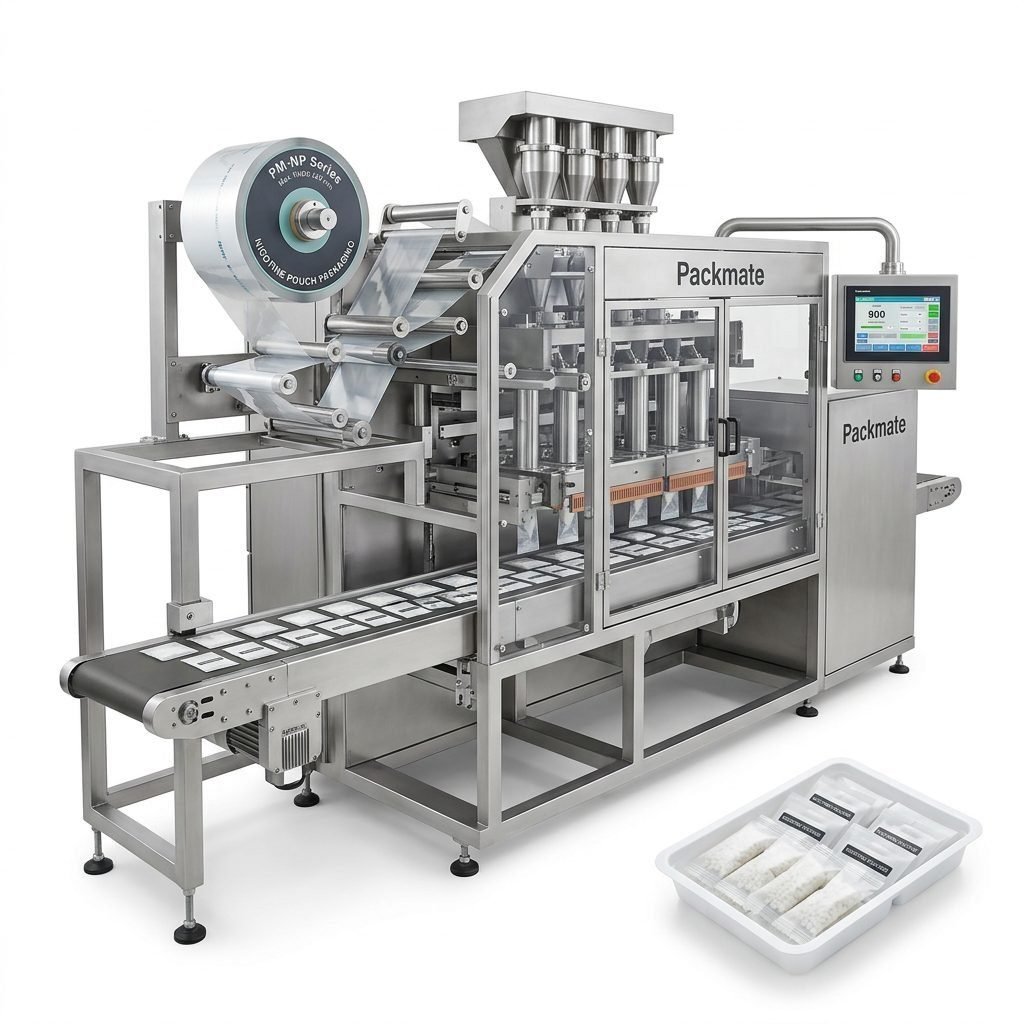
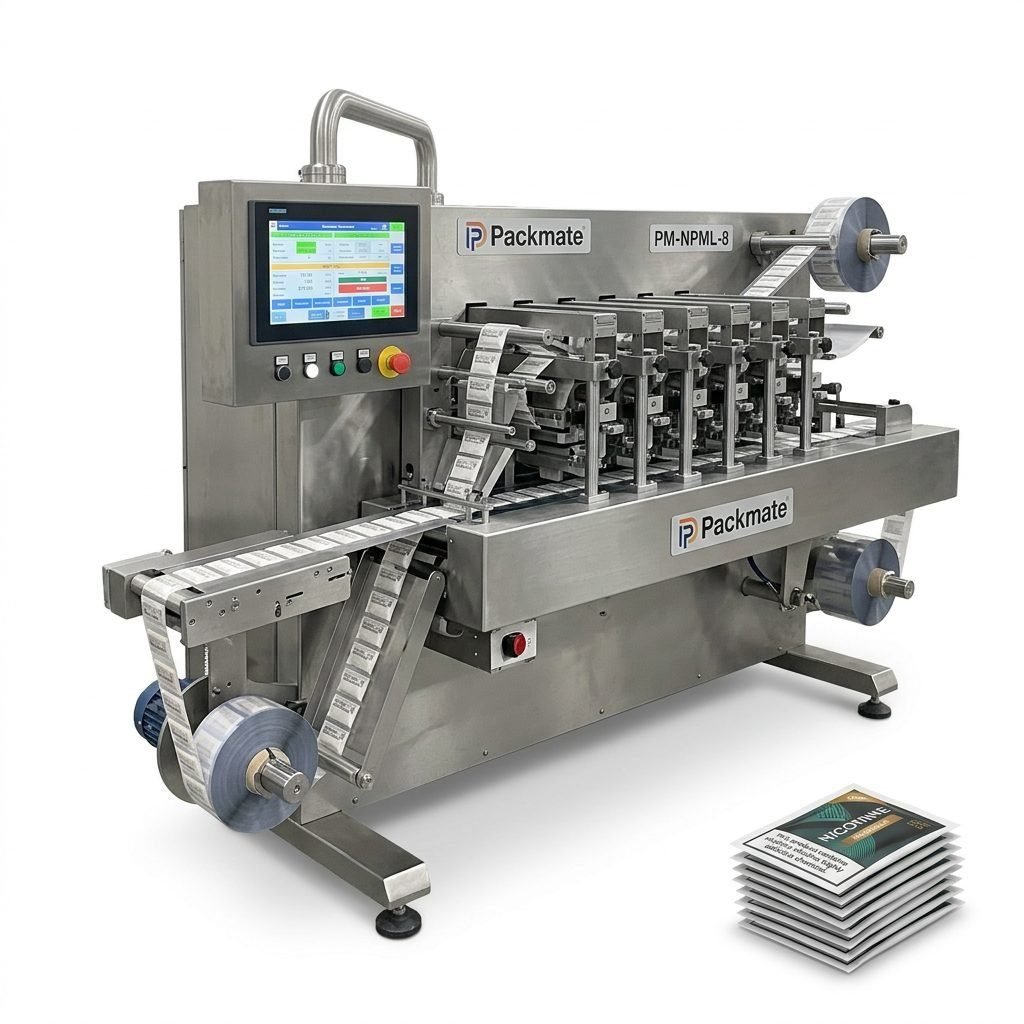
Remote monitoring for a snus production line transforms on-site machines into connected assets that provide continuous visibility into production performance, quality, and equipment health. By combining sensors, industrial controllers, edge computing, and cloud analytics, manufacturers can track throughput, downtime, and product quality in real time, enabling faster decisions and measurable gains in efficiency and cost control.
Why Remote Monitoring Matters for Snus Packaging Lines
⚙️ Reduce unplanned downtime — real-time alarms and trend analysis allow technicians to act before minor faults escalate into long stoppages.
📈 Improve throughput and yield — continuous data collection exposes bottlenecks and quality drifts so you can optimize line speeds, dosing accuracy, and sealing consistency.
⏱️ Shorten response time — remote diagnostics let engineers troubleshoot from anywhere, reducing travel and repair time for global operations.
Core Components of a Snus Line Remote Monitoring System
A robust remote monitoring stack typically includes multiple layers: edge hardware that collects signals, a secure network to transmit data, cloud or on-premise platforms to store and analyze, and user-facing dashboards or mobile apps for operators and managers. Key elements are:
• Sensors and IoT gateways — measure temperature, humidity, motor currents, switch states, weight, and encoder counts for accurate process visibility.
• PLC / Machine controllers — expose production states and recipes through standard protocols (OPC UA, Modbus TCP, MQTT).
• Edge computing — preprocess data, run local algorithms for immediate alerts, and reduce bandwidth by sending summarized events to the cloud.
• Cloud analytics & dashboards — centralize historical data for trend analysis, OEE calculation, and remote KPI monitoring.
Essential Production Metrics to Track
Monitoring the right metrics gives immediate value. For snus and nicotine pouch lines, focus on:
• Throughput (pouches/min, lanes active)
• OEE (Availability × Performance × Quality)
• Downtime categories and reasons (mechanical, changeover, cleaning)
• Reject rate and defect types (seal failures, fill fluctuations, foreign matter)
• Energy and utility consumption for cost tracking
Performance Optimization Techniques
Once data is available, optimization becomes systematic rather than intuitive. Use these approaches to convert insight into action:
1. Predictive Maintenance
By analyzing vibration signatures, motor current trends, and cycle time deviations, the system can flag components approaching failure. Predictive maintenance reduces unplanned stops and extends component life: plan repairs during scheduled downtime rather than in emergency mode.
2. Recipe and Changeover Optimization
Save and deploy proven machine recipes for different snus formats and pouch materials. Remote monitoring helps identify optimal parameters that maximize speed without compromising sealing integrity or fill accuracy.
3. Real-Time Process Control and Alerts
Configure tiered alarms — warnings for operators and critical alerts for maintenance — and combine them with automated responses like slowing the line or pausing filling to prevent defective batches.
Practical Dashboard Design for Operators and Managers
A good dashboard translates raw signals into actionable views. Consider three tailored screens:
• Operator HMI — machine state, local alarms, and quick actions (reset, recipe selection).
• Line Supervisor — OEE, lane comparisons, shift reports, and defect heatmaps.
• Plant Manager / Remote Service — multi-line KPIs, trend analytics, maintenance scheduling, and performance benchmarks across sites.
Integration with Existing Snus Packaging Equipment
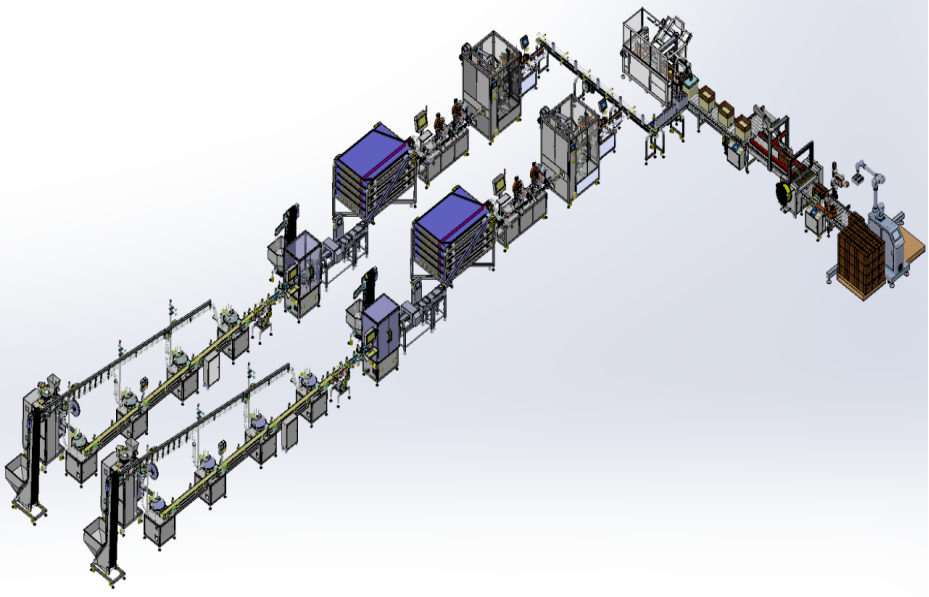
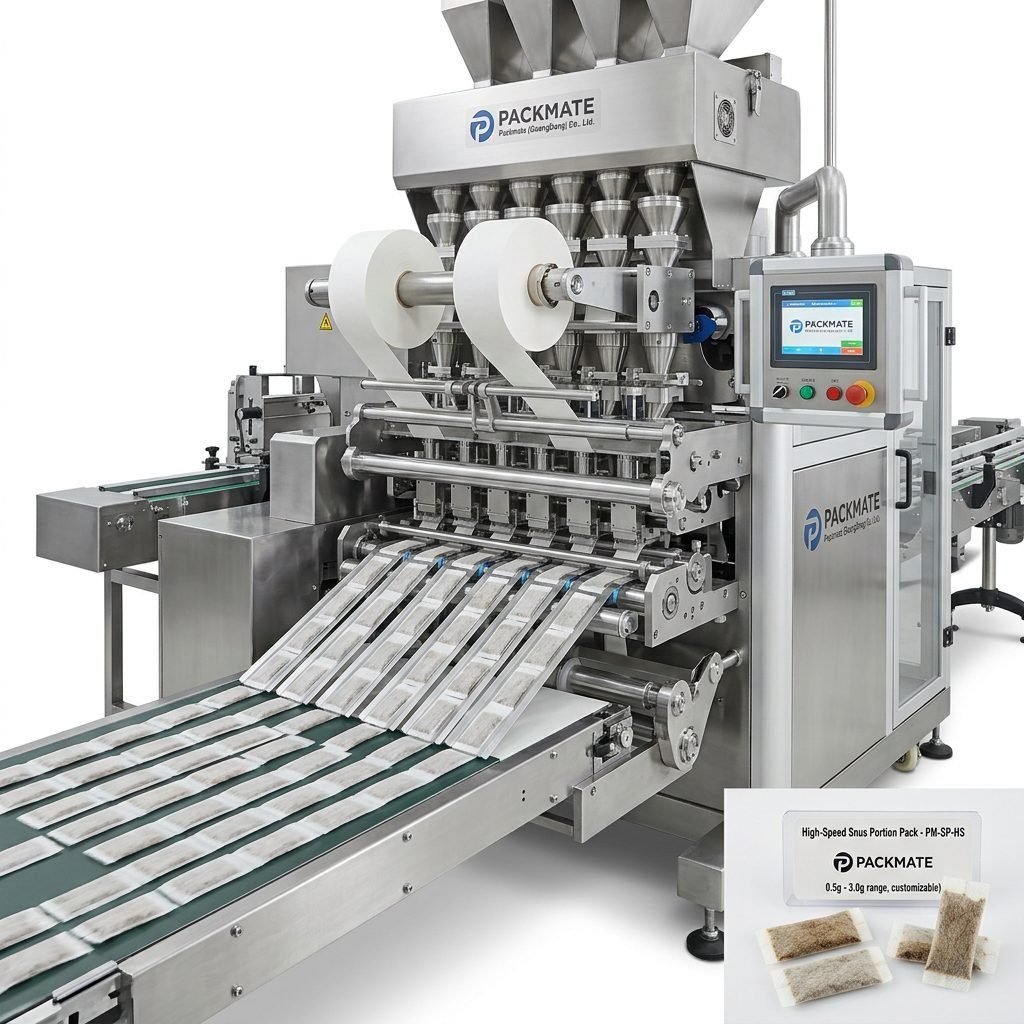
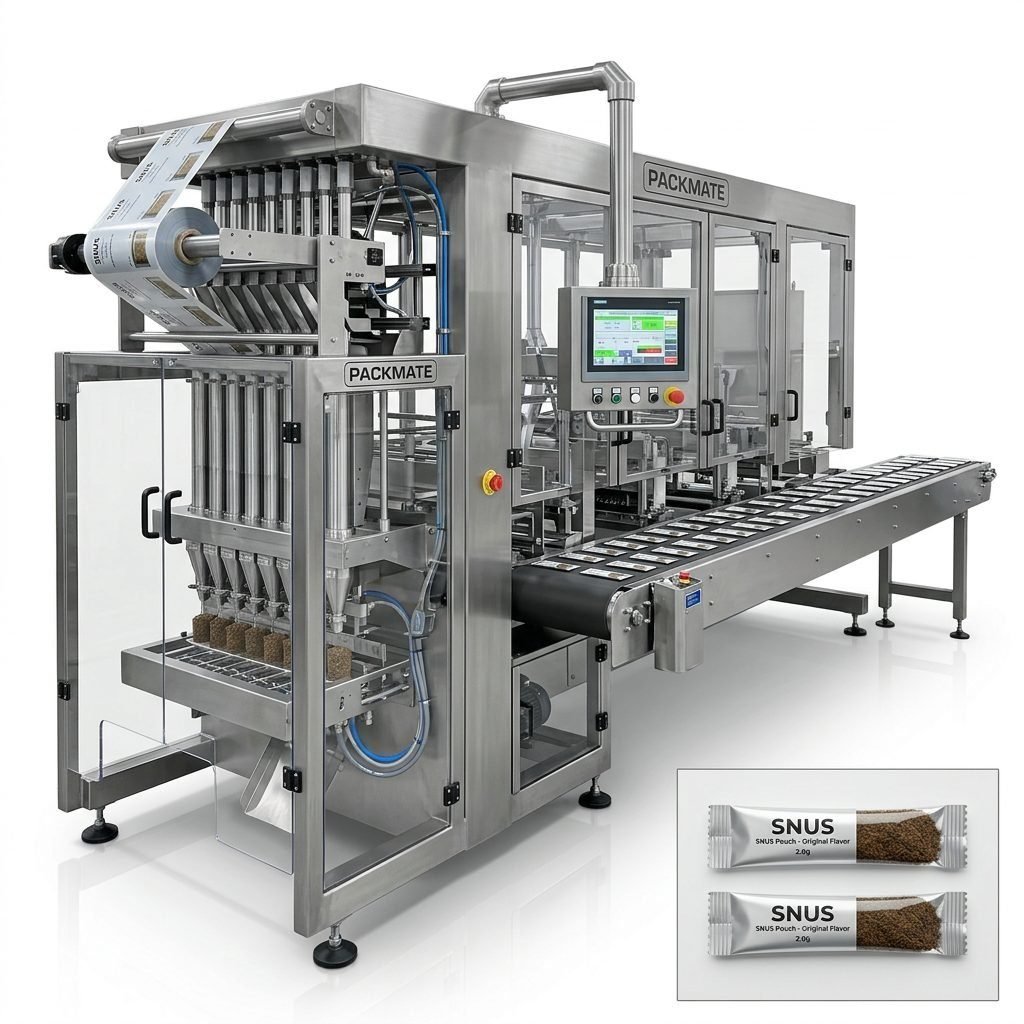
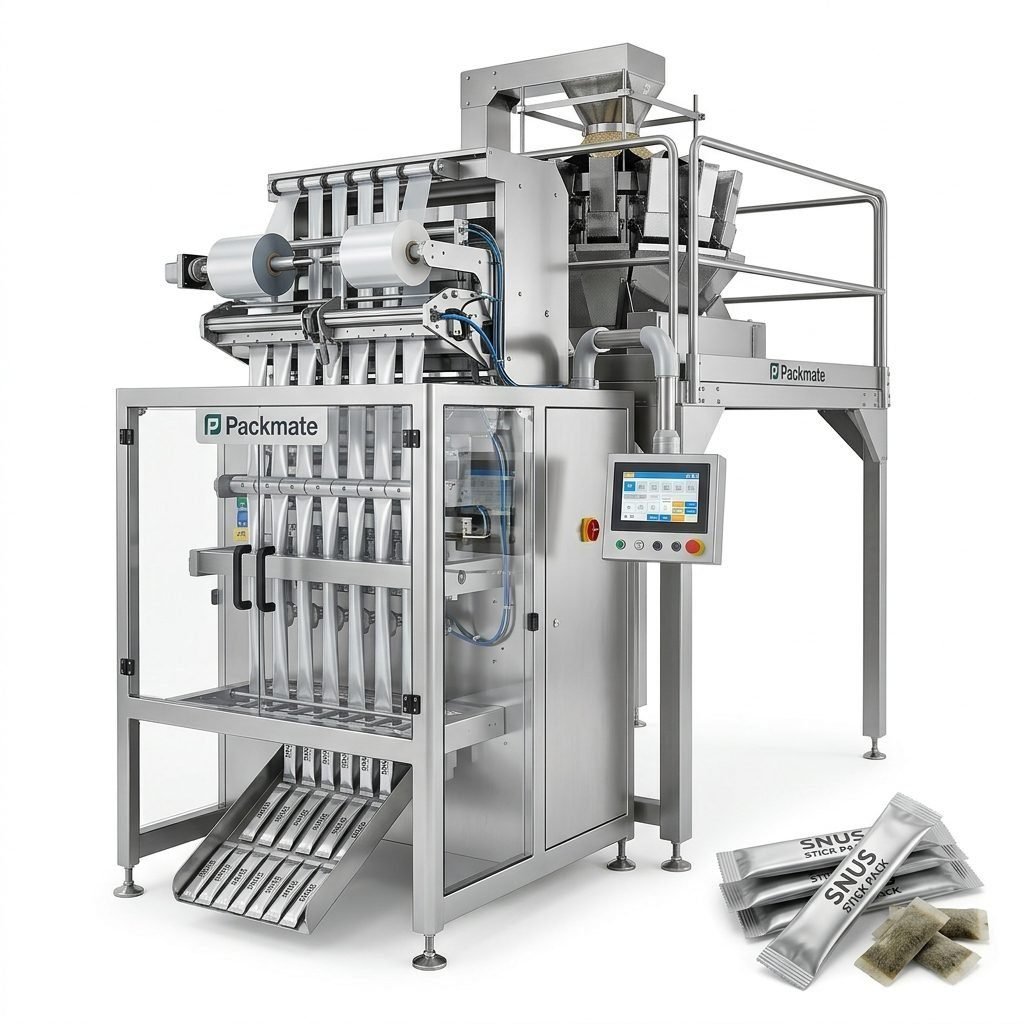
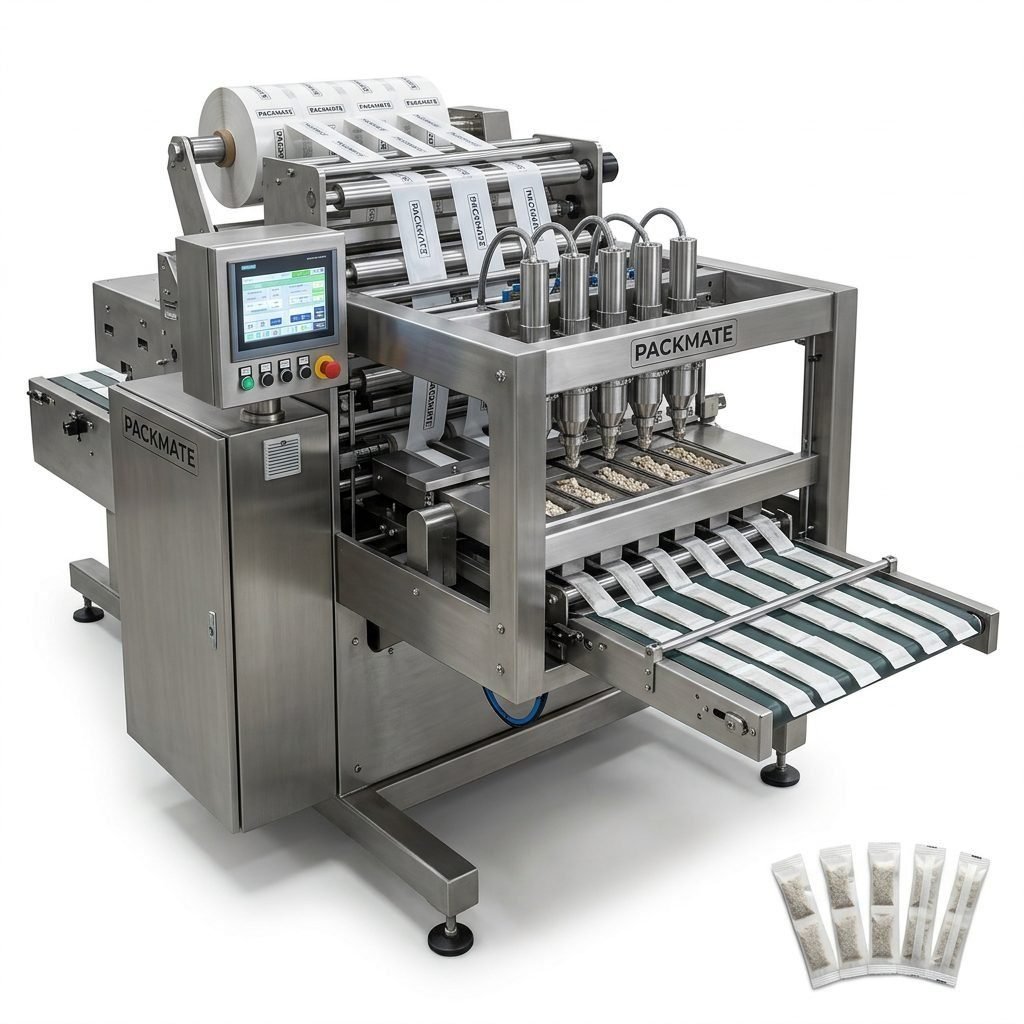
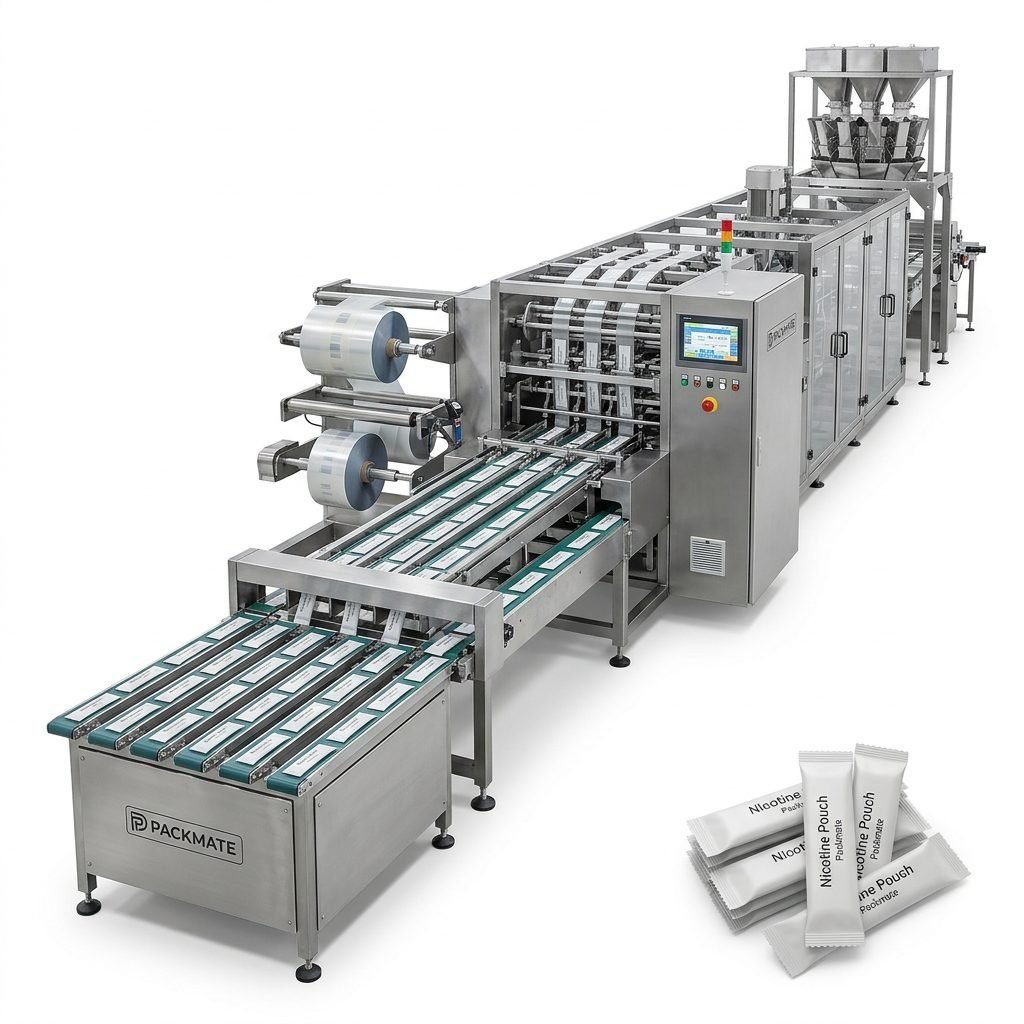
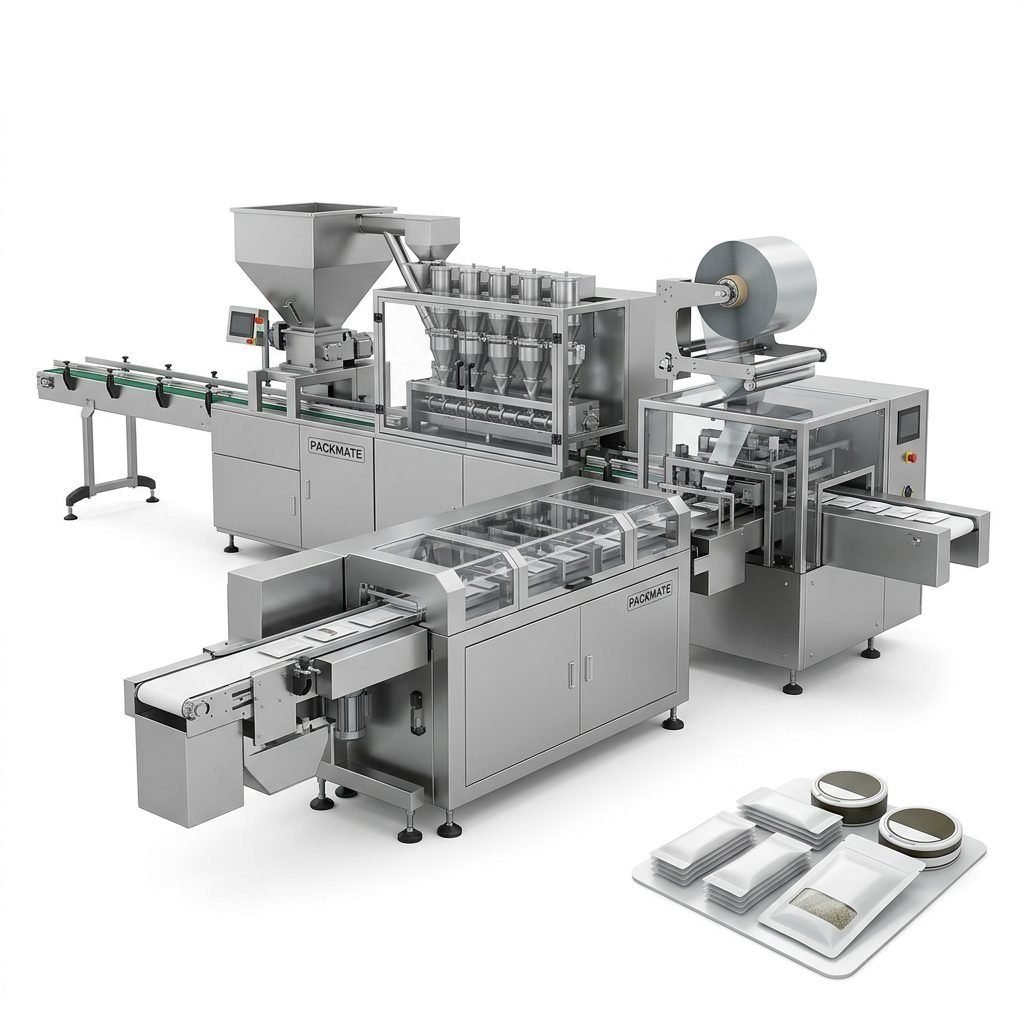
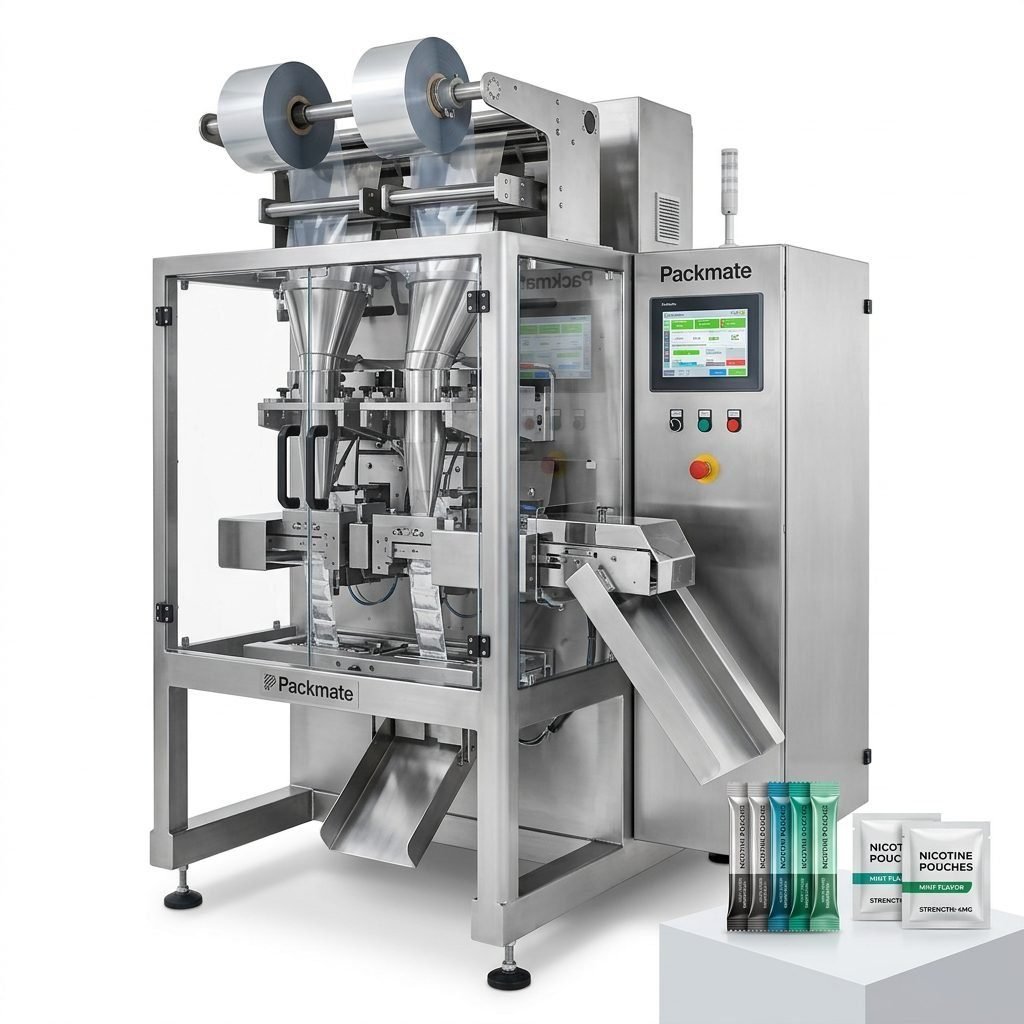
Installing remote monitoring is often non-disruptive. Modern snus machines, including stick pack, sachet, and multi-lane systems, usually support standard industrial interfaces. Packmate Snus Machine provides solutions and retrofit kits to connect older machines to an IIoT backbone — enabling centralized monitoring without full replacement.
Vendor and Model Considerations
When choosing a partner, consider equipment compatibility, protocol support (OPC UA, MQTT), local language support, and service model (SaaS vs. on-prem). Packmate’s range of machines and turnkey lines can be connected to remote monitoring platforms; learn more about our machine types here:
• Snus & Nicotine Packaging Machines
• Service
Security, Compliance and Data Governance
Connecting packaging lines to the cloud introduces security responsibilities. Follow best practices:
• Use encrypted channels (TLS) and VPNs for remote access.
• Apply role-based access control for dashboards and machine settings.
• Maintain traceability for batches and changes to comply with CE and ISO requirements.
Calculating ROI for Remote Monitoring
Quantify expected savings across categories:
• Reduced unplanned downtime — fewer lost shift hours and expedited repairs.
• Lower scrap and rework due to early defect detection.
• Less travel and faster remote support — lower service costs for multi-site operations.
• Longer asset life through condition-based maintenance.
Typical Implementation Roadmap
Successful rollouts follow a phased approach:
1) Pilot one line and define KPIs, 2) Install sensors and gateways, 3) Integrate PLCs and test data flows, 4) Deploy dashboards and define alarm logic, 5) Train staff and scale to additional lines.
Real-World Example
A mid-size snus manufacturer implemented remote monitoring across two multi-lane pouch lines. Within three months they recorded a 12% increase in overall throughput and a 30% reduction in mechanical downtime. Remote diagnostics helped identify a recurring misalignment on a cross-seal head that previously caused significant scrap — a targeted mechanical adjustment reduced rejects by 45%.
Selecting a Partner
When choosing an integrator or OEM partner, evaluate technical competence, global service footprint, and experience with snus and nicotine pouch lines. Packmate’s 30+ years of packaging engineering experience and global turnkey solutions make it a strong partner for projects that require both machine expertise and digital integration — learn more about Packmate here:
Future Trends: AI, Edge Intelligence and Autonomous Lines
Advances in machine learning enable predictive quality control, where the system predicts seal or fill defects before they occur by correlating subtle process shifts. Edge intelligence will reduce latency for critical interventions while federated learning across multiple sites will accelerate model accuracy without compromising data privacy. These trends point toward increasingly autonomous snus lines that self-optimize for different pouch formats and materials.
Quick Checklist Before You Start
✓ Define 3–5 specific KPIs (e.g., OEE target, max reject rate).
✓ Confirm network and security requirements with IT.
✓ Pilot on a representative line before plant-wide rollout.
✓ Establish support SLAs with your equipment or system provider.
Conclusion
Remote monitoring is a practical, high-impact investment for snus and nicotine pouch manufacturers seeking better uptime, consistent product quality, and data-driven operations. With a clear KPI framework, phased implementation, and the right partner, plants can unlock continuous improvements across throughput, waste reduction, and maintenance efficiency.
Common Questions (FAQs)
Q1: How quickly can I see benefits after installing remote monitoring?
A1: Many operators observe measurable improvements within the first 30–90 days as alarm response improves, downtime reasons are addressed, and operators adopt data-driven adjustments.
Q2: Will remote monitoring work with older snus machines?
A2: Yes — most legacy machines can be retrofitted with sensors and gateway modules. Packmate offers retrofit and integration services tailored to multi-lane and stick pack equipment.
Q3: What security measures protect our data?
A3: Secure remote monitoring solutions use encrypted communication (TLS), VPN tunnels for remote access, role-based permissions, and audit logs. Confirm encryption and compliance features with your vendor.
Q4: Can remote monitoring help reduce scrap on snus lines?
A4: Absolutely. Early detection of seal or dosing issues, plus recipe rollback and parameter consistency, typically lowers reject rates substantially.
Q5: Where can I learn more about available machine options and turnkey lines?
A5: Review the full portfolio and turnkey solutions for snus and nicotine pouch production at the Packmate product pages and contact our team for tailored proposals: Snus & Nicotine Packaging Machines, Filling & Packaging Lines, and Contact Us.