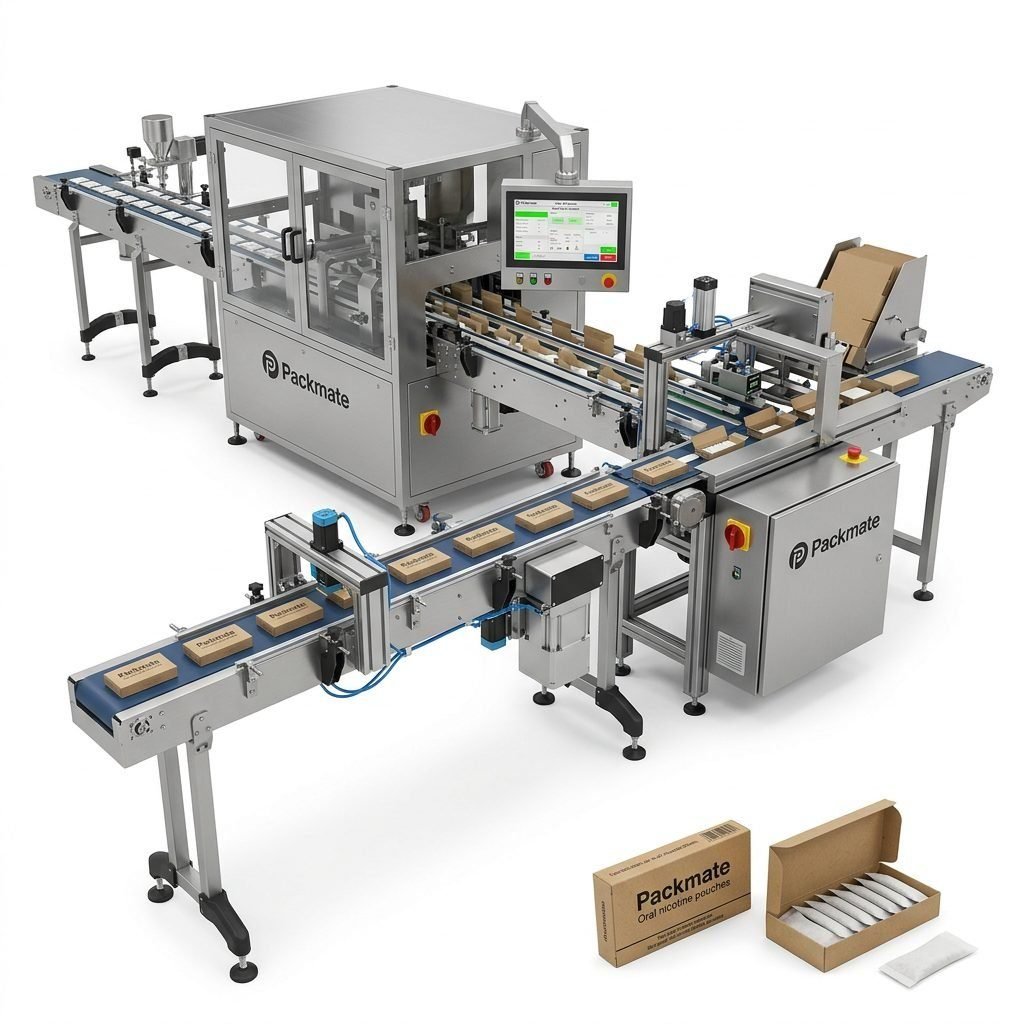
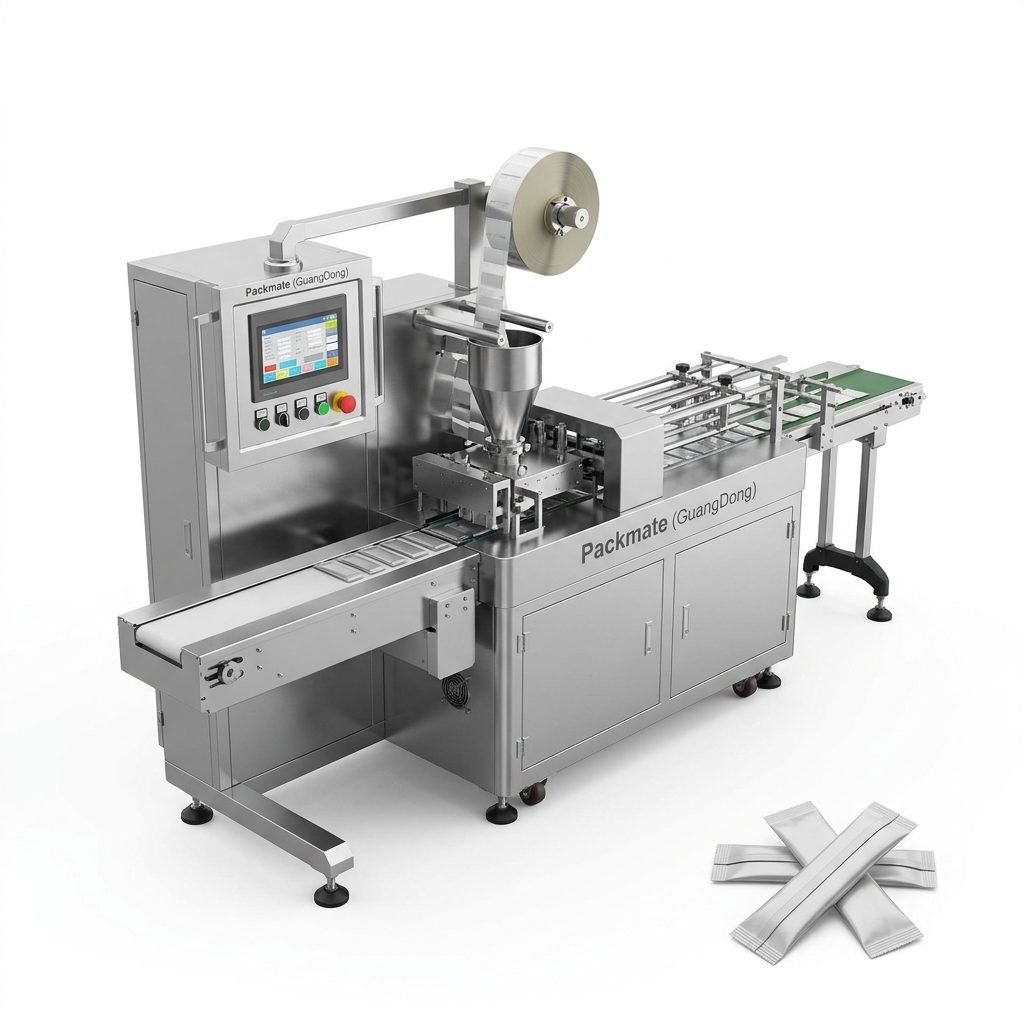
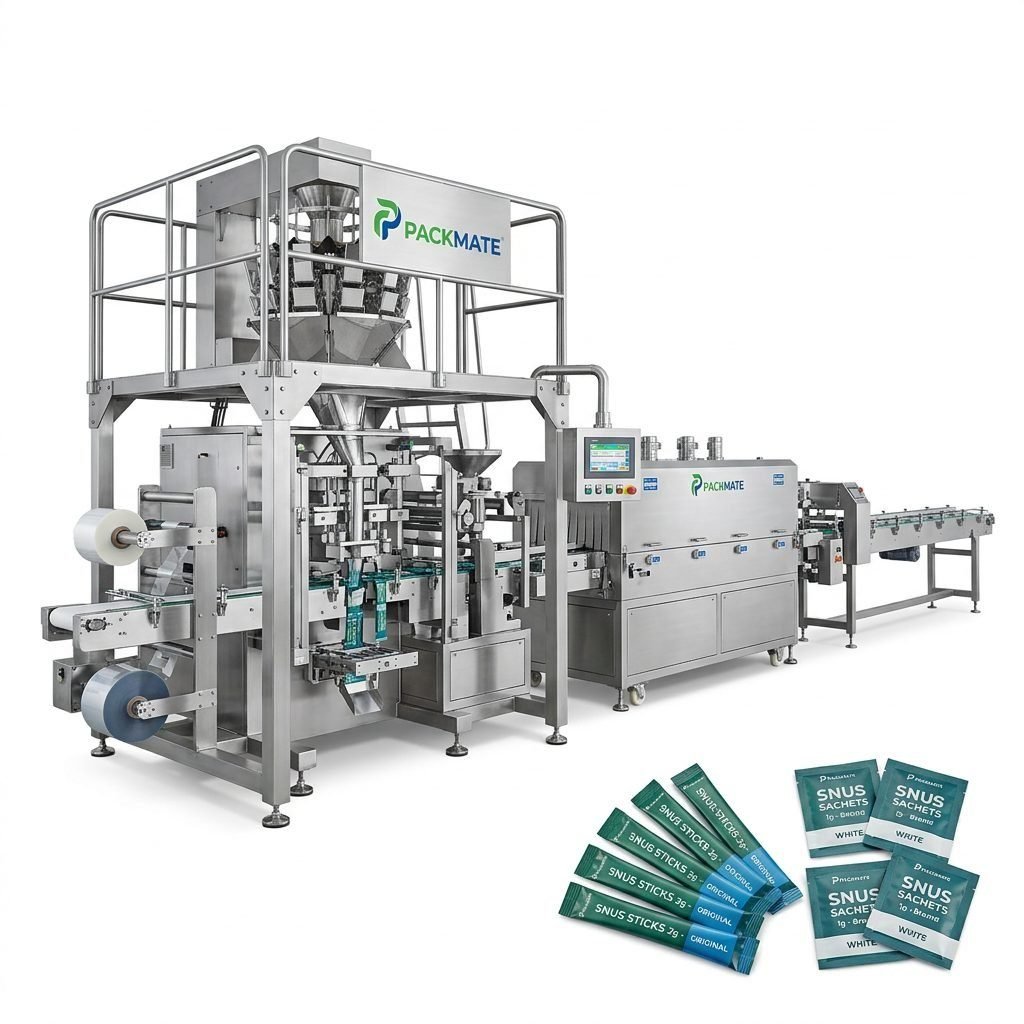
Nicotine pouch packaging machines have become a vital investment for manufacturers entering the fast-growing snus and nicotine pouch market. This review explores the most important features, benefits, and practical buying guidance for these specialized machines, helping plant managers, procurement teams, and entrepreneurs make informed decisions. Expect clear comparisons, operational insights, and real-world considerations that reflect industry-leading practices and the standards upheld by experienced suppliers such as Packmate Snus Machine.
Why Nicotine Pouch Packaging Machines Matter
The nicotine pouch market demands high precision, clean production, and consistent dosing. Automated packaging equipment replaces manual bottlenecks, reduces contamination risk, and scales throughput without sacrificing accuracy. Manufacturers achieve faster time-to-market, lower labor costs, and compliance with global regulatory expectations. For anyone aiming to produce stable, high-quality pouches in multi-lane configurations, investing in the right packaging line is a strategic choice.
Key Applications and Product Types
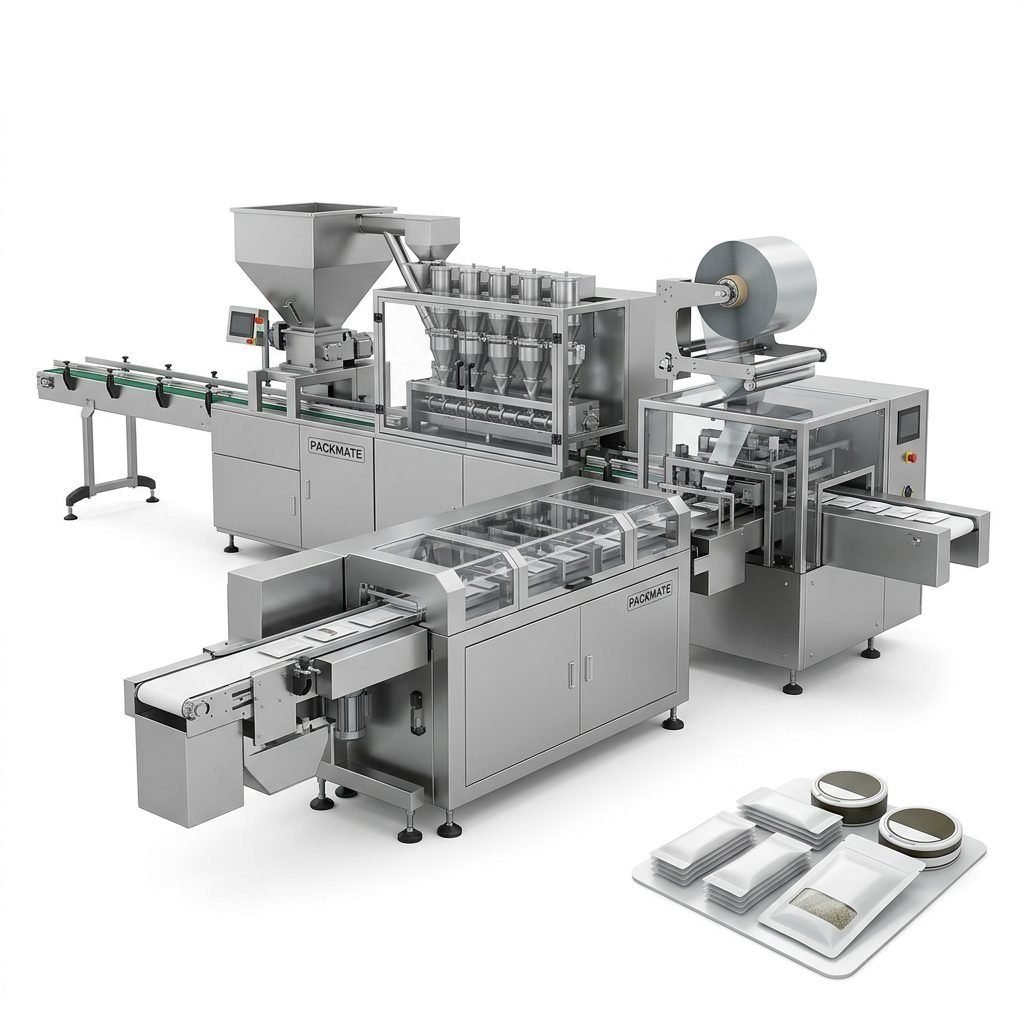
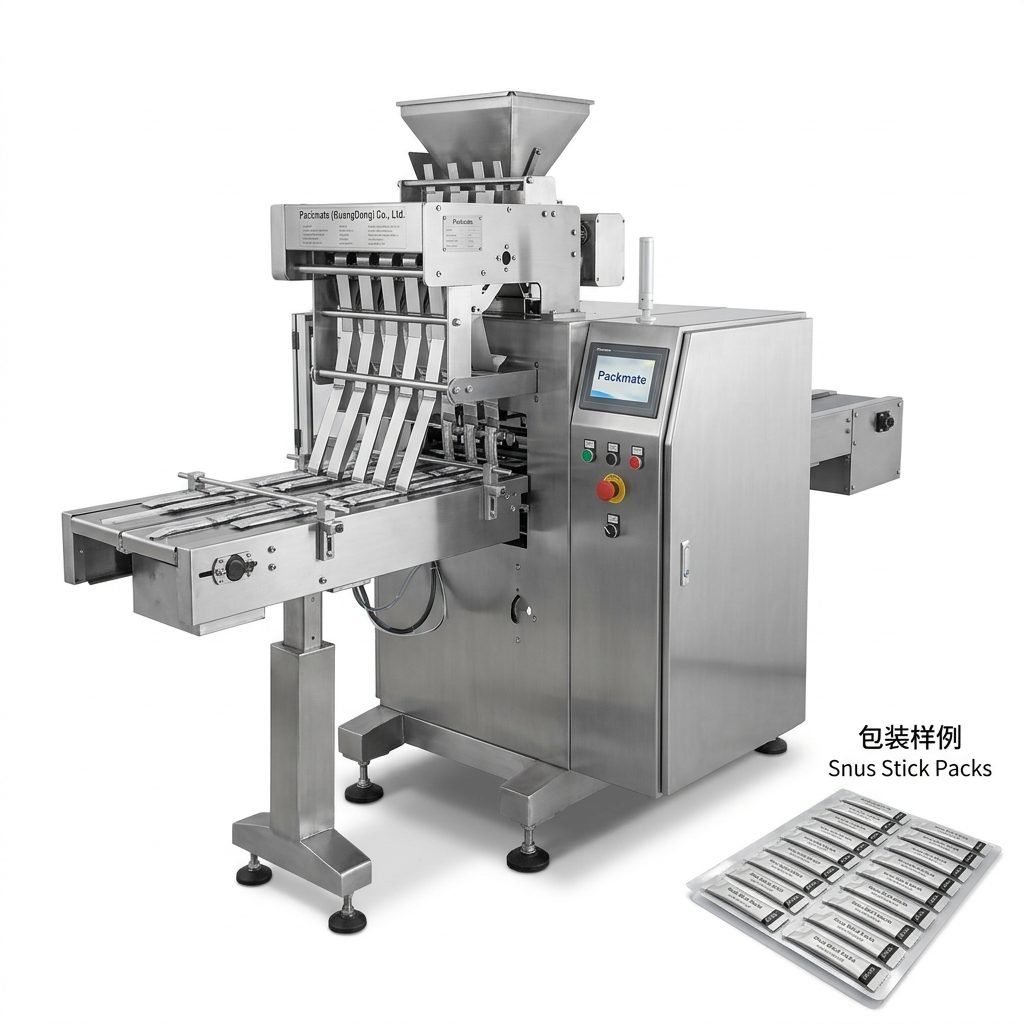
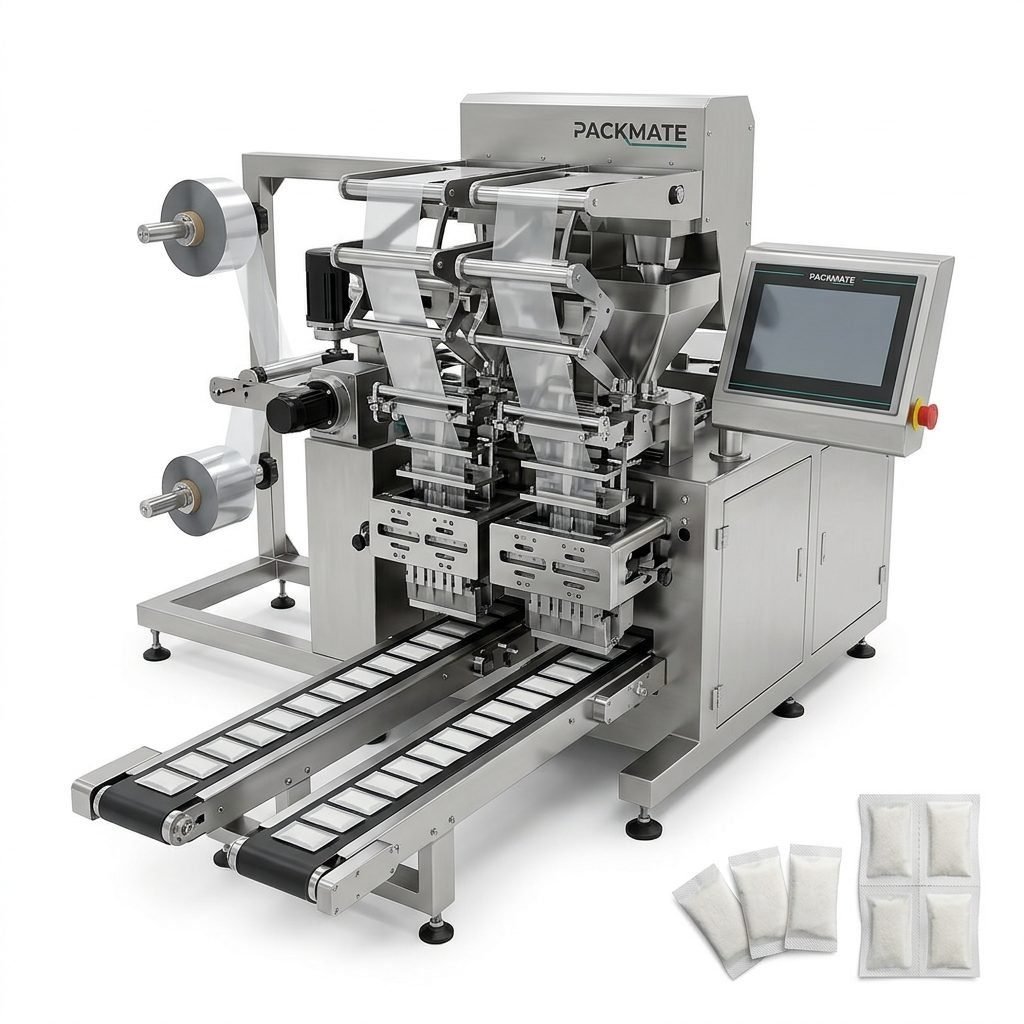
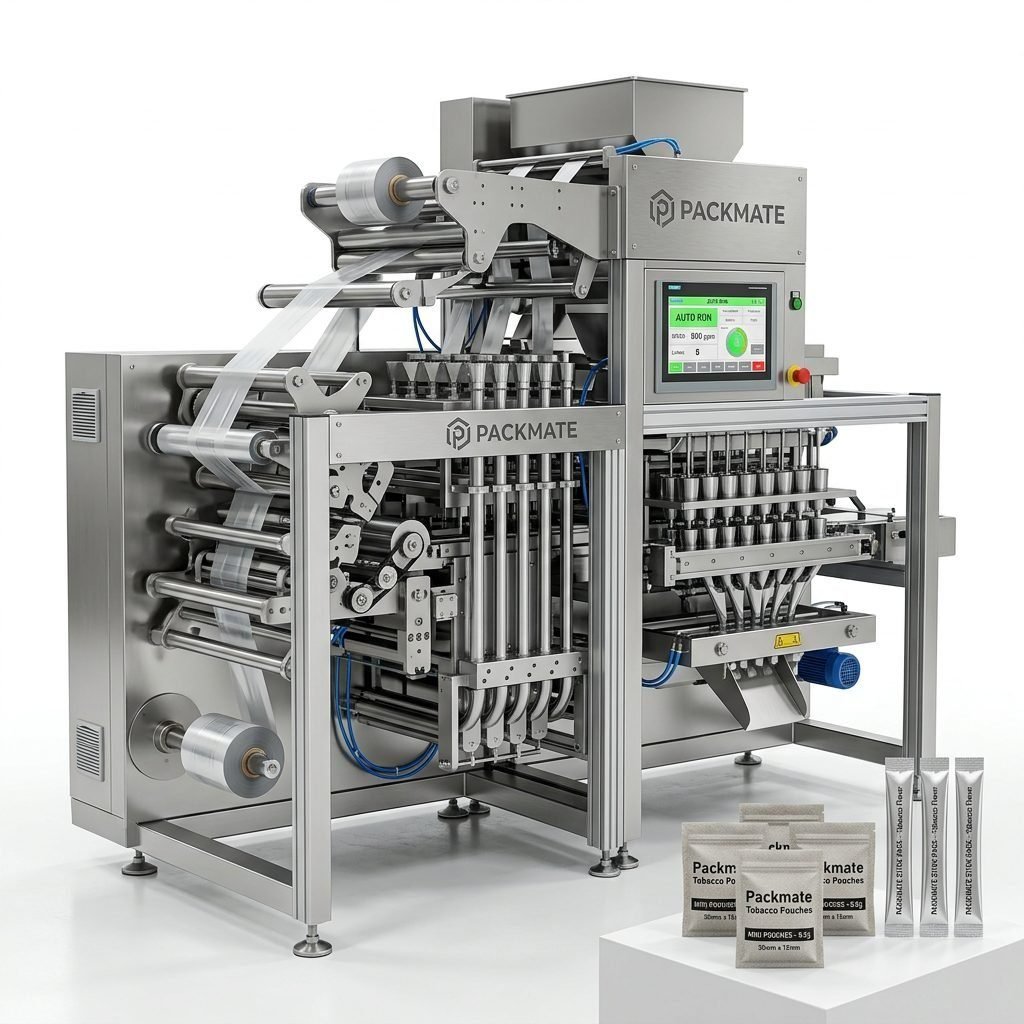
Nicotine pouch packaging machines are optimized for a variety of formats: single-dose pouches, multi-lane stick packs, sachets, and tray or can filling for finished products. Typical applications include nicotine pouches, snus, tea sachets, powdered and granular ingredients, and even liquid dosing lines when combined with appropriate fillers. If you want to review specific machine families, see product categories such as Snus & Nicotine Packaging Machines and Bag & Pouch Packaging Machines.
Tip: Choose a machine designed for nicotine pouch tolerances — dosing increments and sealing integrity are non-negotiable for product safety and shelf life.
Top Features to Look For
When evaluating equipment, prioritize features that directly affect yield, uptime, and compliance. Critical attributes include precision dosing (multi-head weighers or volumetric systems), hermetic sealing technologies, multi-lane capability for higher throughput, automated changeover, integrated quality inspection, and HMI controls for recipe management. High-quality machines also include robust stainless steel construction, easy-to-clean surfaces, and modular expandability to accommodate new formats.
Precision Dosing and Weighing
Precision dosing ensures consistent nicotine content in each pouch — a legal and commercial imperative. Advanced lines combine multi-head weighers or loss-in-weight feeders with rapid actuators to deliver accuracy within tight tolerances. For powdered or shredded tobacco substrates, look for vibration isolation and closed-transfer chutes that prevent bridging and ensure consistent fill volumes.
Sealing Quality and Material Compatibility
Seal integrity prevents product drying, leakage, or ingress of moisture. Machines should support multiple seal types — heat-seal, ultrasonic, and impulse seals — and be compatible with laminates, aluminum foil layers, and biodegradable films. Check that temperature control systems are stable and that the machine has in-line seal inspection or reject mechanisms to remove defective packs automatically.
Performance Indicator: Modern multi-lane lines can increase output 2x–6x compared with single-lane machines while maintaining accuracy.
Operational Advantages and Business Benefits
Investing in the right machine yields clear operational benefits: improved production efficiency, lower per-unit labor costs, reduced waste through accurate fills and automated rejects, and predictable maintenance intervals. Long-term, better equipment can enable product diversification, faster recipe changeovers, and scalable production for new SKUs. Suppliers with proven manufacturing facilities — including advanced CNC centers and precision assembly lines — tend to deliver more reliable equipment and faster spare parts support.
Compliance, Certifications, and After-Sales
Global markets require CE, ISO, and sometimes other region-specific approvals. Confirm that the machine vendor provides appropriate documentation and validation protocols. Equally important is after-sales service: training, spare parts availability, remote diagnostics, and field service. A manufacturer with a large factory footprint and a history of turnkey solutions — for example, firms that highlight decades of experience and global exhibition presence — will typically provide better lifecycle support.
If you want to view real-world installations and case studies, check supplier case sections; these often showcase engineering practices and solutions for scaling production: Case.
Machine Types Compared
Different machine topologies serve different needs. Below is a practical comparison to help match the machine type to your production goals.
Single-Lane vs Multi-Lane Machines
Single-lane machines are simpler and cost-effective for low-to-medium volumes and rapid prototyping. Multi-lane systems multiply throughput by running multiple pouches side-by-side, reducing footprint per pouch output and lowering labor intensity. Multi-lane systems require more complex synchronization and higher initial investment but deliver superior cost-per-unit at scale.
Stick Pack / Sachet Machines versus Can/Tray Fillers
Stick pack and sachet machines are ideal for single-dose nicotine products with fast packaging speeds. Can or tray fillers are typically downstream equipment used for bulking, tray placement, or final assembly, and they often integrate with labeling and capping systems. Evaluate entire lines — filling, sealing, and secondary packaging — rather than isolated machines, to ensure seamless handoffs and minimal bottlenecks.
Checklist: When comparing models, mark accuracy, speed (packs/min), format flexibility, cleaning ease, and warranty/support terms.
Selecting the Right Supplier
Choosing a supplier is as important as choosing the machine. Look for manufacturers with deep domain experience, transparent factory capabilities, and a global track record. A supplier with a large manufacturing facility, advanced CNC machining centers, and over 30 years of engineering experience provides reassurance on precision manufacturing and parts availability. Review portfolio pages to verify the variety of machine models and turnkey solutions.
For a broad view of product lines and support services, suppliers typically maintain linked pages such as Sachet & Stick Pack Machines, Filling & Packaging Lines, and company profile pages like About Packmate.
Common Upgrades and Optional Modules
Modern lines can be configured with a range of upgrades: automatic metal detectors, check-weighers, vision inspection systems, nitrogen flushing for shelf-life extension, and robotic pick-and-place for secondary packaging. Determine which options are essential for regulatory compliance or product positioning (e.g., premium packaging or tamper-evident seals) and which can be deferred until volume growth justifies the investment.
Maintenance and Spare Parts Strategy
A robust maintenance plan reduces downtime. Ask suppliers about recommended spare parts kits, mean time between failure (MTBF) statistics, and remote support capabilities. Companies with global exhibitions and established service networks often provide faster lead times for critical components and in-person commissioning services.
Note: When scaling up, modular systems let you add lanes or auxiliary units without replacing the entire line.
Cost Considerations and ROI
Budgeting should include machine price, installation, tooling, training, spare parts, and recurrent service contracts. Calculate ROI by modeling throughput, labor savings, waste reduction, and product yield improvements. Factor in the cost of regulatory compliance and potential product development cycles; high-quality equipment often shortens validation time and reduces delays during product launches.
Real-World Buying Guide — Step by Step
1) Define production goals: target packs per minute, SKUs, and packaging formats. 2) Map the process flow including upstream dosing and downstream secondary packaging. 3) Shortlist vendors based on industry experience, factory scale, and certifications. 4) Request on-site demos or video demonstrations, and review references or case studies. 5) Negotiate warranty, FAT (Factory Acceptance Test) criteria, and delivery timeline. 6) Plan for commissioning, staff training, and spare parts stocking.
If you require end-to-end solutions or customized production lines, review vendor capabilities across product categories such as Weighing & Packaging Systems and Auxiliary Packaging Equipment.
Installation, Training, and Aftercare
A complete project includes machine installation, staff training, and documentation. Insist on operator manuals, spare part lists, and preventive maintenance schedules. Remote diagnostics and subscription-based service plans can significantly shorten downtime. Suppliers with extensive factory infrastructure typically offer comprehensive commissioning support and optional factory training sessions.
Quick Decision Matrix: Volume (Low) → Single-lane; Volume (High) → Multi-lane + automation.
Final Thoughts: Investing for Growth
Choosing the right nicotine pouch packaging machine is a balance between immediate budget constraints and long-term business strategy. Quality engineering, proven manufacturing, and strong after-sales support mitigate operational risks and accelerate growth. Suppliers that demonstrate a strong track record — including broad product catalogs and turnkey solutions — are often better partners for businesses planning to scale in international markets.
If you are considering suppliers or want to explore catalogs and certified solutions, visit the supplier pages for catalogs, certificates, and exhibition schedules to evaluate practical demonstrations: Catalog, Certificate, and Our Exhibition.
Common Questions (FAQ)
Q1: How do I choose between single-lane and multi-lane nicotine pouch machines?
A1: Consider your target throughput and SKU flexibility. Single-lane is cost-effective for low-volume or niche SKUs; multi-lane gives substantially higher output per footprint for established, high-volume products.
Q2: What maintenance is typical for these machines?
A2: Routine cleaning, timely replacement of wear parts (belts, seals, cutters), regular calibration of dosing systems, and preventive checks on electrical and pneumatic components. Follow the supplier recommended maintenance schedule and stock critical spares.
Q3: Can I upgrade an existing line to add lanes or inspection systems?
A3: Many modern platforms are modular. Discuss extension capabilities during purchase; retrofits may be possible but are easier and more cost-effective when planned in the initial line design.
Q4: Are these machines compliant with international standards?
A4: Reputable manufacturers provide CE, ISO, and other necessary certifications. Verify documentation and any regional-specific compliance required for your market.
Q5: How do I get in touch with suppliers for demos and quotations?
A5: Use supplier contact pages to request quotes and schedule Factory Acceptance Tests or demonstrations: Contact Us.