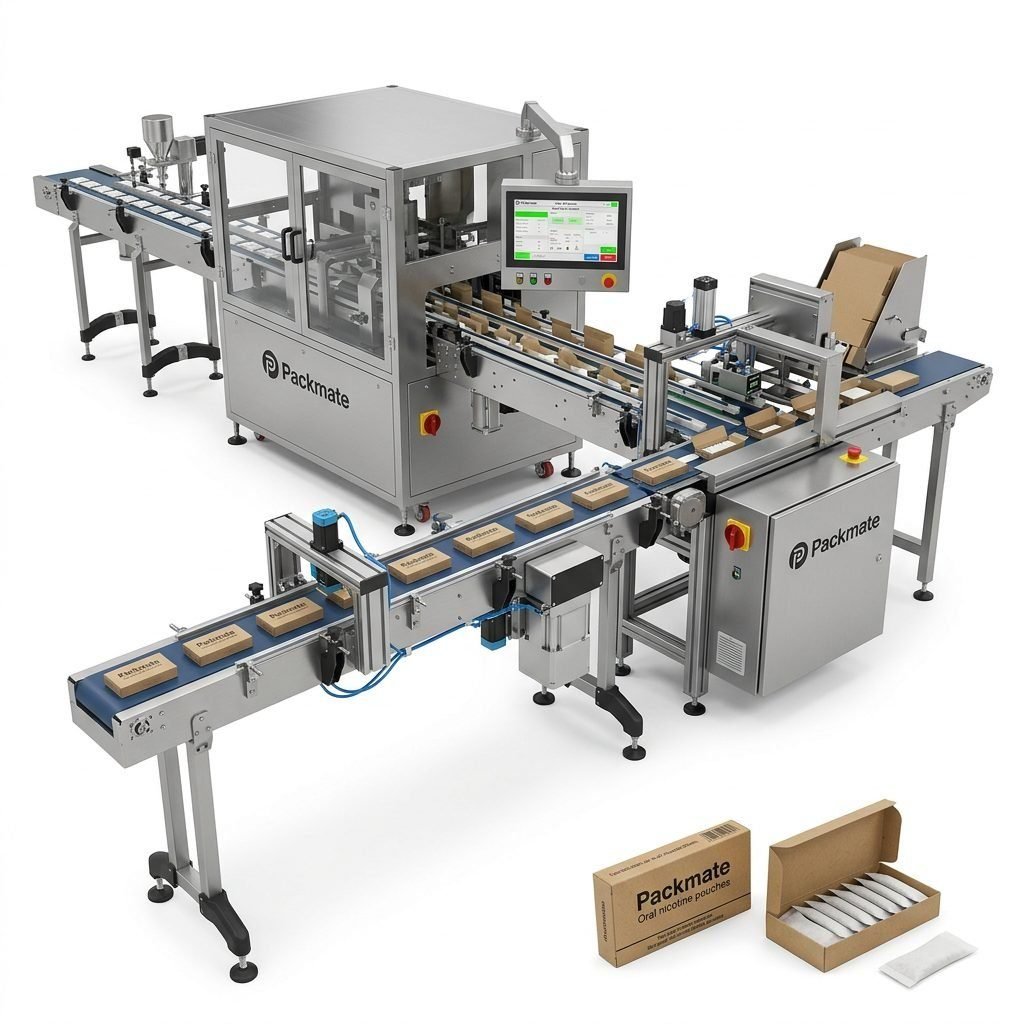
Choosing the right snus packaging machine supplier for your factory in Nicaragua requires a careful blend of technical evaluation, local market understanding, and a strong after-sales plan. This guide walks you through practical steps and checklists to ensure you pick a supplier who delivers reliable machines, timely support, and compliance with both international standards and Nicaraguan business practices.
Understand the Nicaraguan Market and Local Habits
Nicaragua is part of Central America with a growing interest in alternative nicotine products, including nicotine pouches and snus. Many consumers prefer localized flavors and compact formats. When planning production, consider local preferences for packaging size, language on the pouch (Spanish), and labeling that reflects cultural nuances. Building relationships with local distributors and understanding retail channels — small convenience stores, duty-free shops, and urban vape/smoke shops — will help you choose the right machine configuration and packaging style.
Why cultural fit matters
Machines can produce many formats, but the success of a launch in Nicaragua depends on packaging that feels familiar and trustworthy to local consumers. Consider language options on HMI screens, Spanish-language manuals, and local training in Spanish to shorten the ramp-up time in your factory.
Core Selection Criteria: What Every Nicaraguan Factory Should Prioritize
When evaluating suppliers, benchmark them across these core areas: reliability, certifications, local service, spare parts logistics, machine flexibility, and cost of ownership. Prioritize suppliers that demonstrate proven exports and experience in markets with similar logistics challenges to Nicaragua.
🔎 Quick checklist: Proof of CE/ISO certifications, spare parts lead time, Spanish-language support, local or regional service partners, references from Latin America, and the ability to run product trials.
Reliability and Track Record
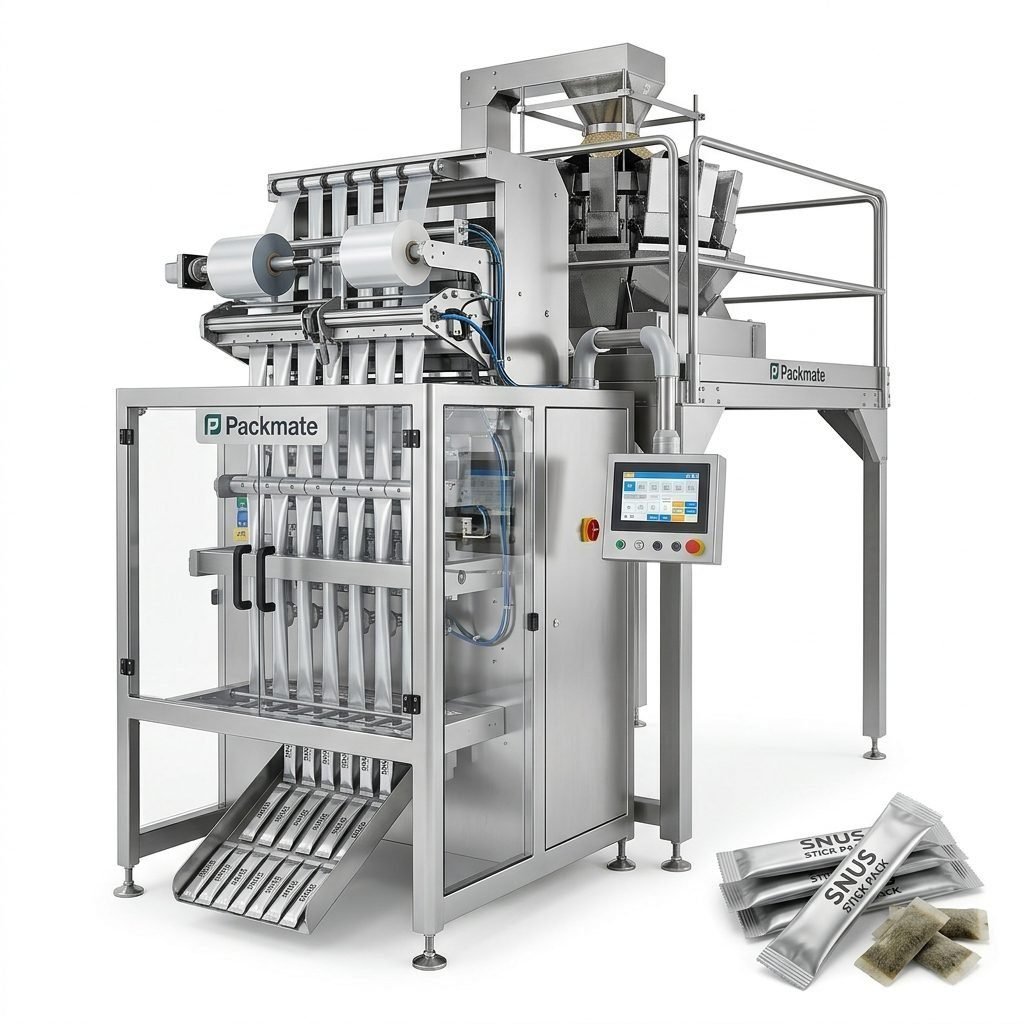
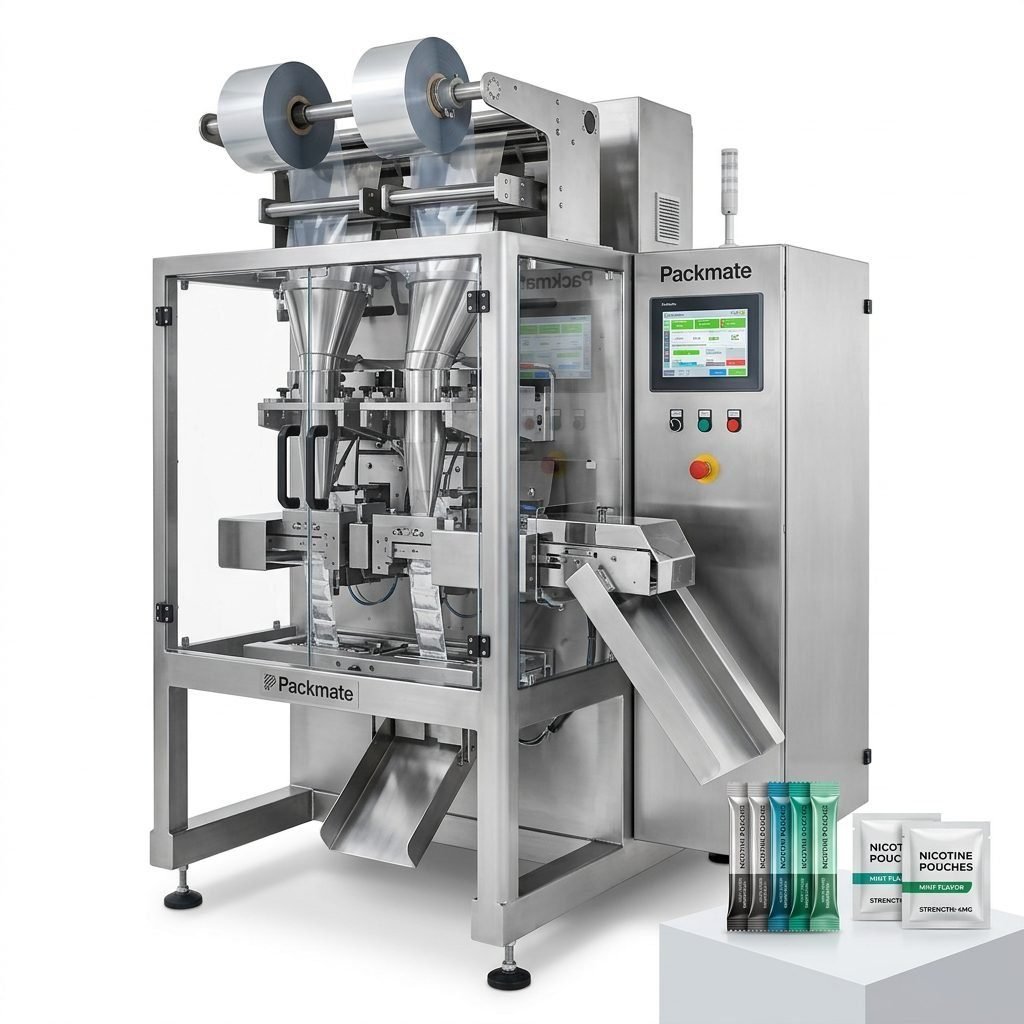
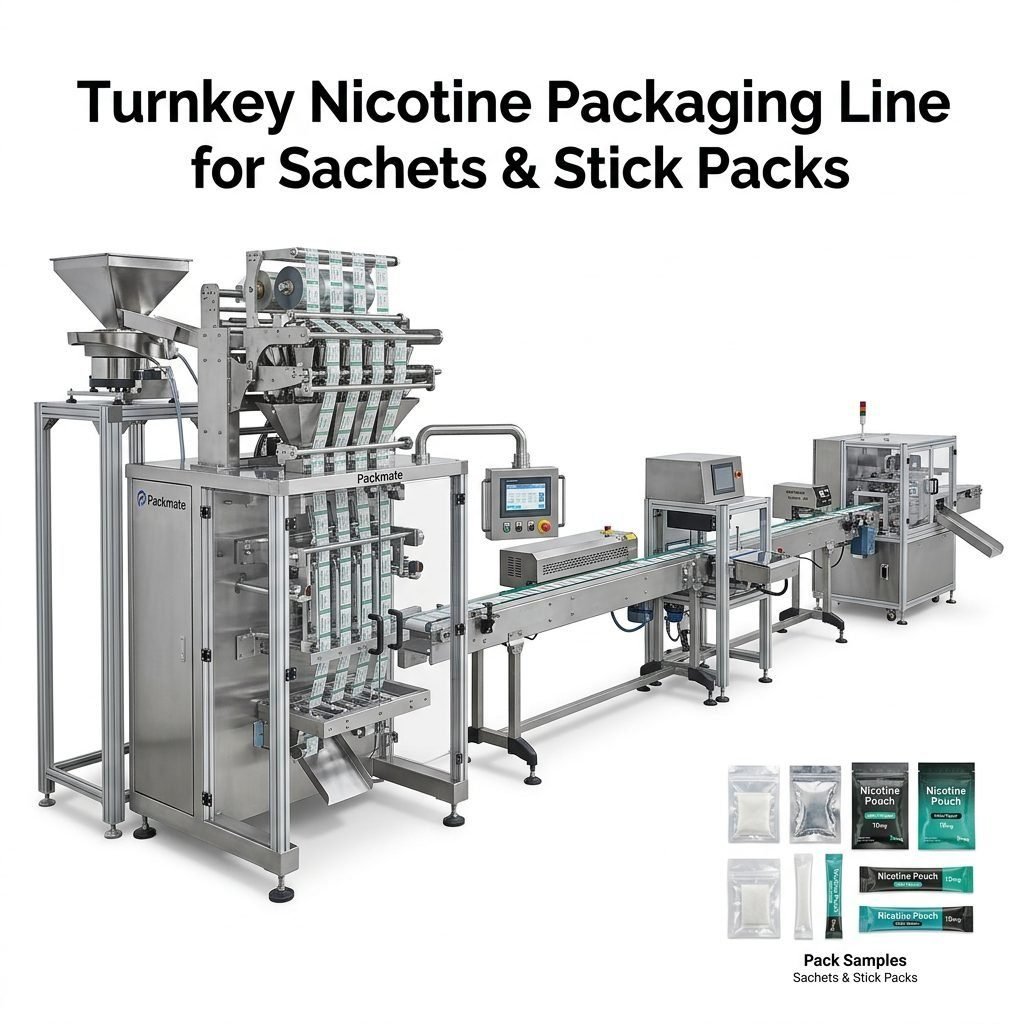
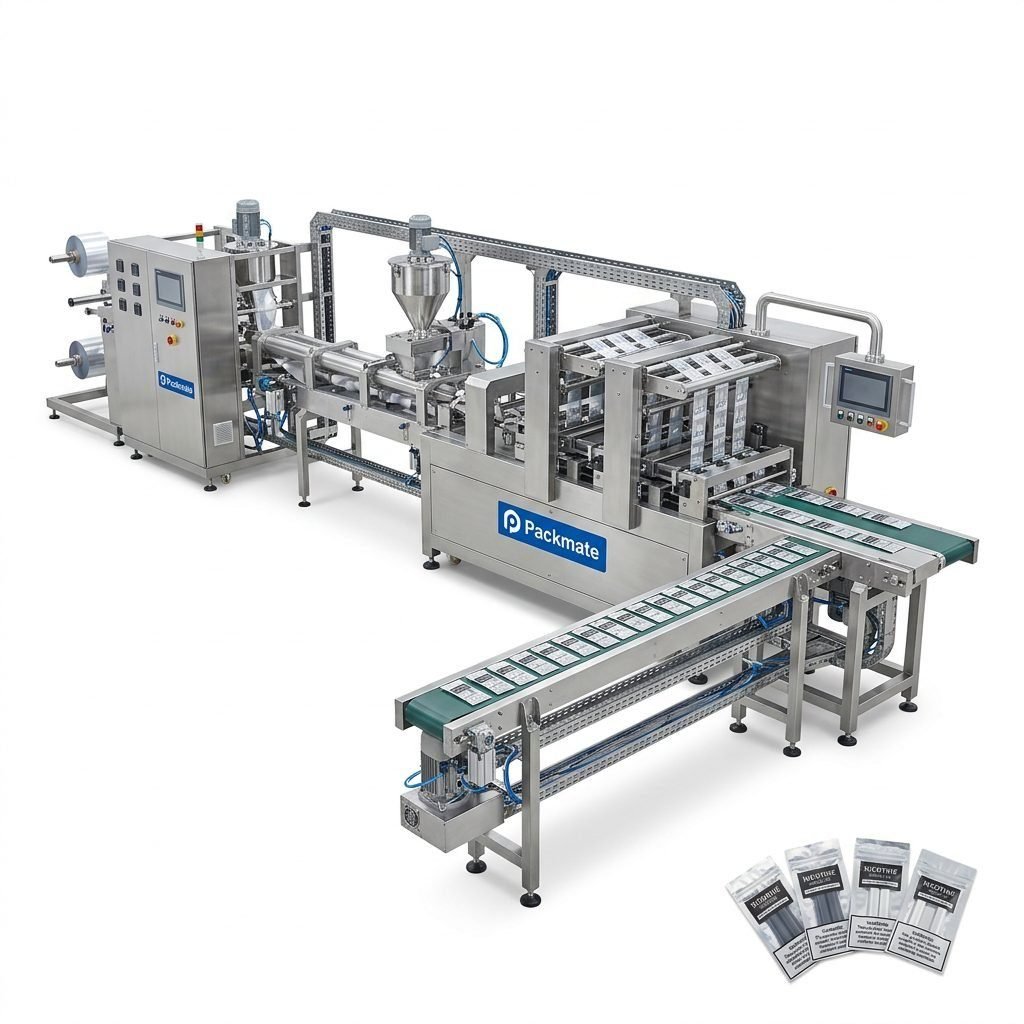
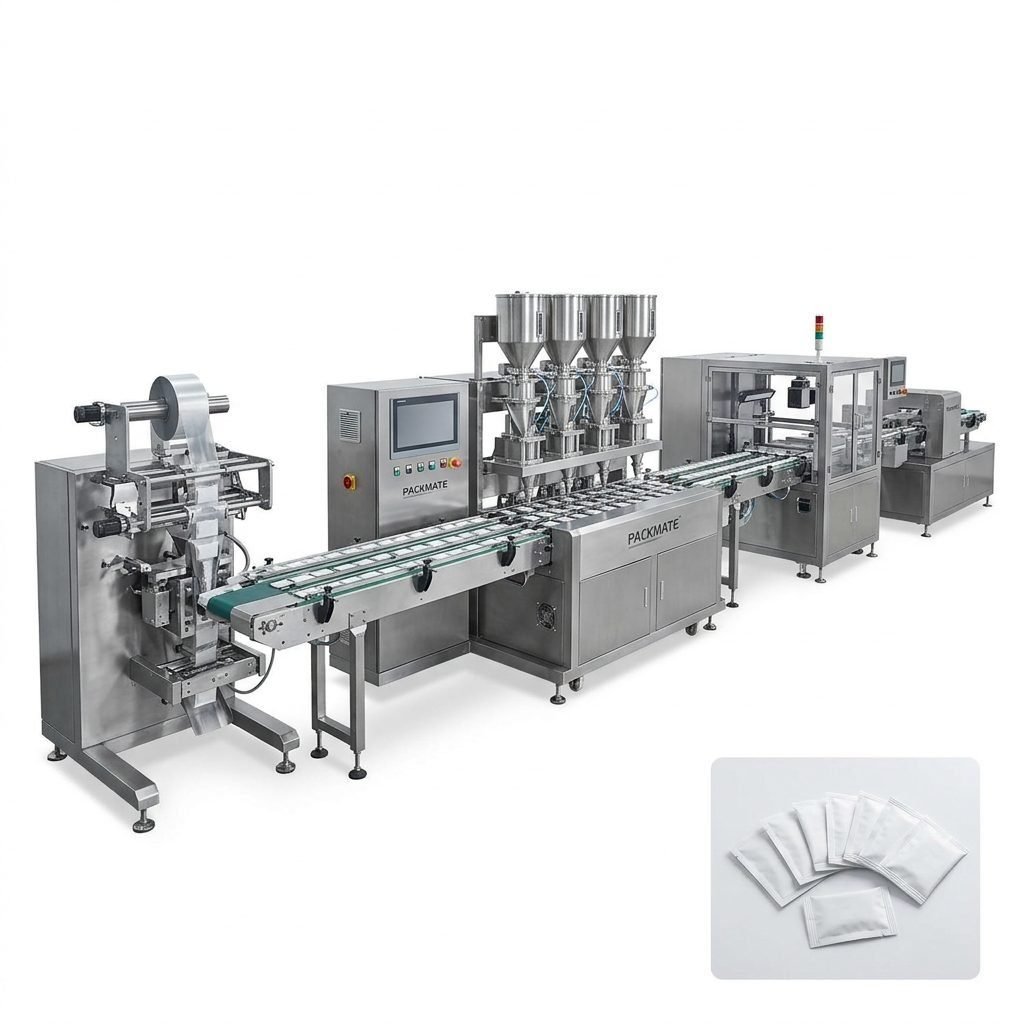
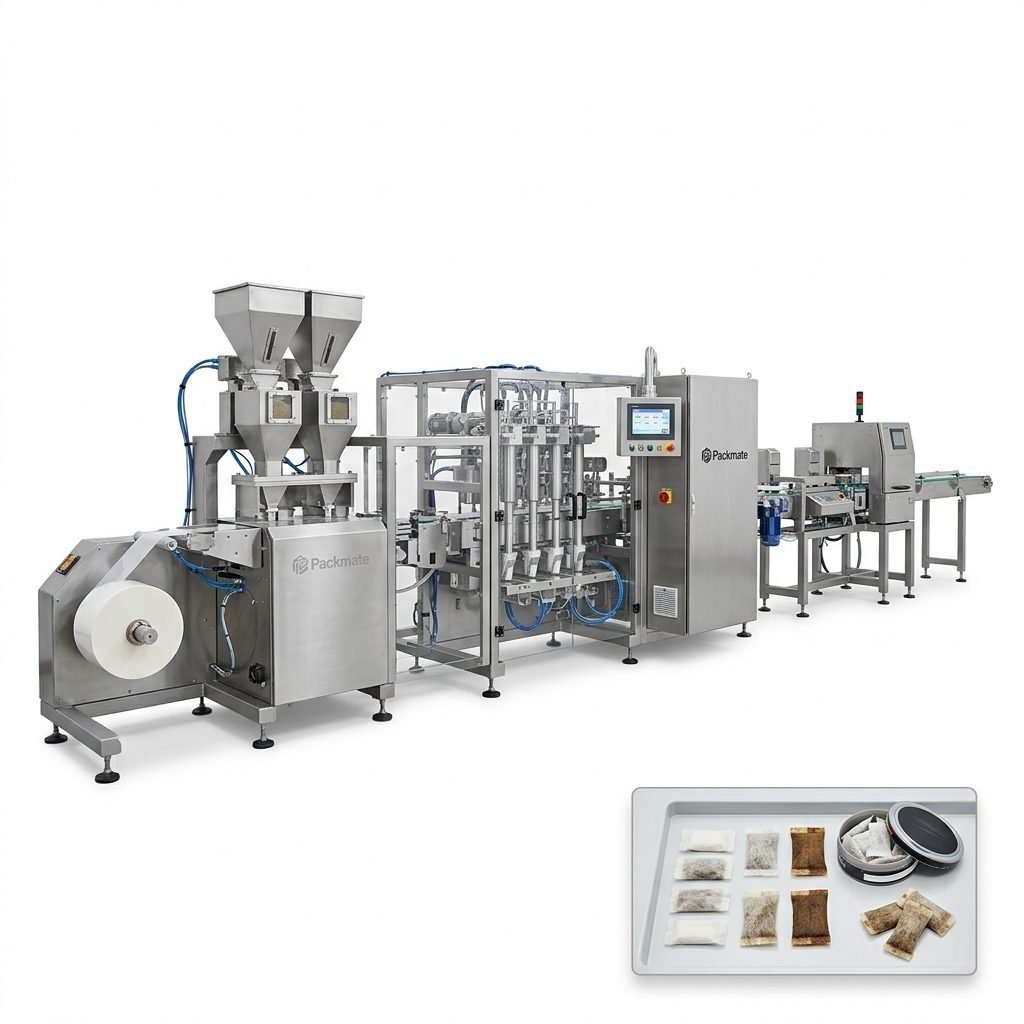
Look for suppliers with decades of engineering experience and a history of delivering multi-lane snus packaging systems. A manufacturer with a large factory and advanced CNC/assembly capabilities is more likely to provide robust machines and consistent quality. For example, Packmate Snus Machine combines over 30 years of experience, extensive manufacturing facilities, and turnkey lines that serve global customers.
Certifications and Compliance
International standards such as CE and ISO should be non-negotiable. These certifications signal safety, quality, and easier acceptance in export markets. Always request certificate documentation and check its validity. Also confirm compliance with Nicaraguan import regulations and labeling rules — suppliers who regularly ship to Central and South America will be familiar with regional customs processes.
Machine Types and Flexibility
Decide which format best suits your business: stick pack, sachet, multi-lane snus pouches, or a combination. Choose machines that offer fast tool-changeovers, programmable recipe management, and scalability from pilot runs to high-output multi-lane production. If you plan several SKUs, flexibility reduces tooling costs and downtime.
Technical Features to Evaluate
Evaluate technical specs with an engineering mindset. Critical factors include cycle speed, accuracy of fill/weigh systems, pouch sealing integrity, construction materials (stainless steel food-grade), and control systems (PLC and HMI). Energy consumption, noise levels, and footprint matter when planning factory layout.
✅ Must-check specs: Cycle rate (pouches/min), filling accuracy (± tolerance), sealing temperature control, CIP/cleanability, and compatibility with your materials (film types, pouch paper, flowable powder vs. paste).
Integrations: Weighing, Filling and Labelling
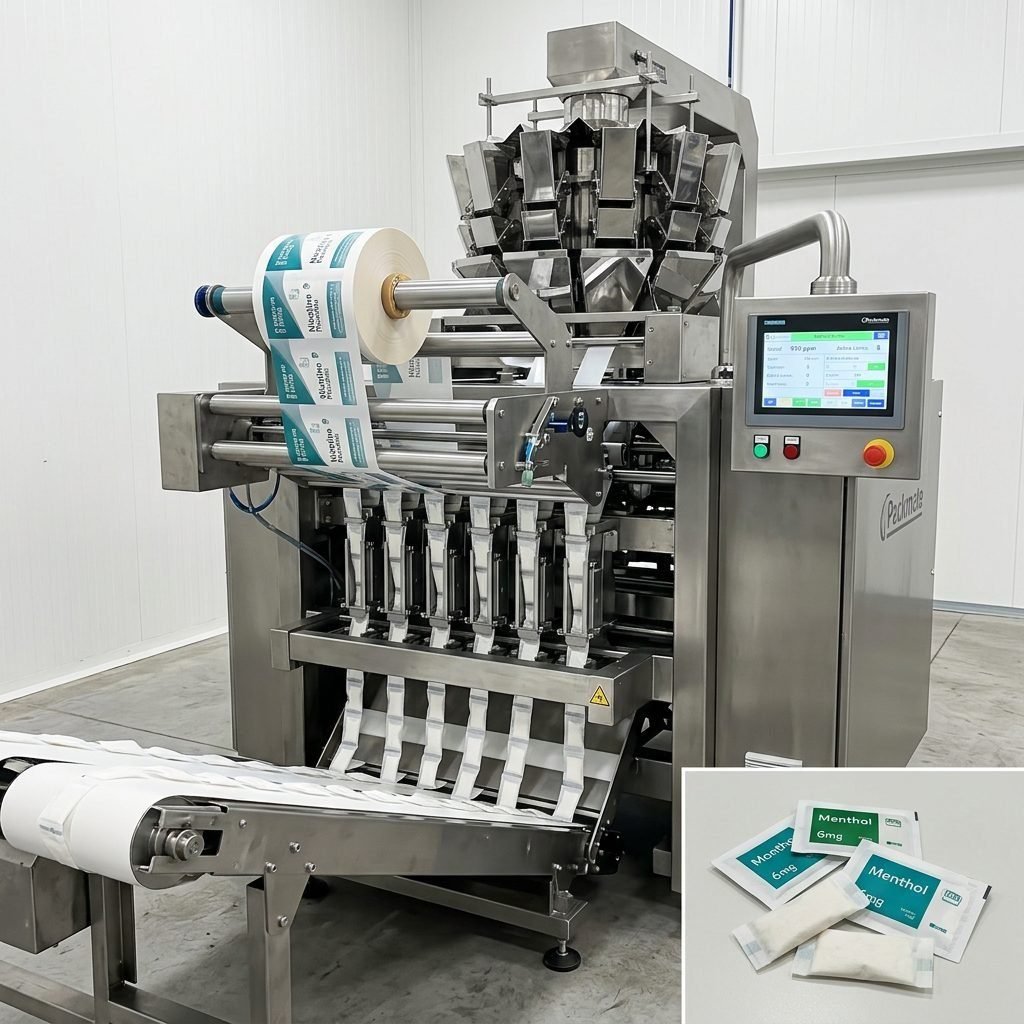
A reliable supplier will offer integrated lines: weighing & packaging systems, filling & packaging lines, and auxiliary equipment to automate upstream/downstream processes. Integration reduces manual handling and increases OEE (Overall Equipment Effectiveness). Review integration case studies to see real-world performance — for example, suppliers often publish successful deployments on their case pages.
Weighing & Packaging Systems
After-Sales Support: The True Differentiator
Machines are capital equipment; the supplier’s ability to deliver spare parts, remote diagnostics, and on-site service defines long-term uptime. Confirm availability of spare parts, typical lead times, remote troubleshooting capabilities, and whether tech support can communicate in Spanish. Suppliers with regional partners or distributors can often reduce downtime dramatically.
Training and Documentation
Request on-site installation, operator training, and maintenance training as part of the contract. Ask for Spanish-language manuals, replacement parts lists, and digital resources. A good supplier will offer training packages that include hands-on sessions and follow-up remote support.
Commercial Terms: Price vs Total Cost of Ownership
Cheap initial price doesn’t always translate to a good deal. Factor in energy consumption, spare parts costs, warranty terms, expected MTBF (mean time between failures), and the expected lifespan of critical components. Ask suppliers for a total cost of ownership (TCO) analysis over 5-10 years to compare offers objectively.
💡 Negotiation tips: negotiate spare parts bundles, extended warranties, local training days, and a clear SLA for service response times.
Factory Visits, Trials and References
Insist on witnessing production demos or accepting trial runs with your materials. Factory acceptance tests (FAT) and site acceptance tests (SAT) verify performance before shipment and after installation. Request references from clients in Latin America or Central America and review documented cases to see how the supplier handled logistics, customs, and local service.
You can review supplier case examples on their case page to verify real-world performance.
Case
Shipment, Customs and Local Support in Nicaragua
Confirm who handles customs brokerage, duties, and transport to your factory. A supplier experienced with Nicaragua and neighboring ports will advise on paperwork and reduce delays. Clarify which party is responsible for inland transport, installation, and commissioning.
Customization and Future-Proofing
Demand modular design so you can add lanes, upgrade control systems, or adapt seals and cutting tools as your product range evolves. Modular machines reduce future CAPEX and shorten upgrade downtime. Ask about compatibility with future automation elements like vision inspection, serialization or track-and-trace systems.
How to Evaluate Supplier Quotes
When comparing proposals, normalize for: throughput (pouches/min), uptime guarantees, warranty length, spare parts kit included, training days, and FAT/SAT terms. Request a clear payment schedule and holdback terms tied to successful installation and performance milestones.
Sample Clause to Request
Ensure the contract includes a clause for performance acceptance (e.g., X pouches/min at specified weight tolerance for a continuous 8-hour run) and defined remedies if targets are not met.
Selecting a Trusted Manufacturer: Why Supplier Credentials Matter
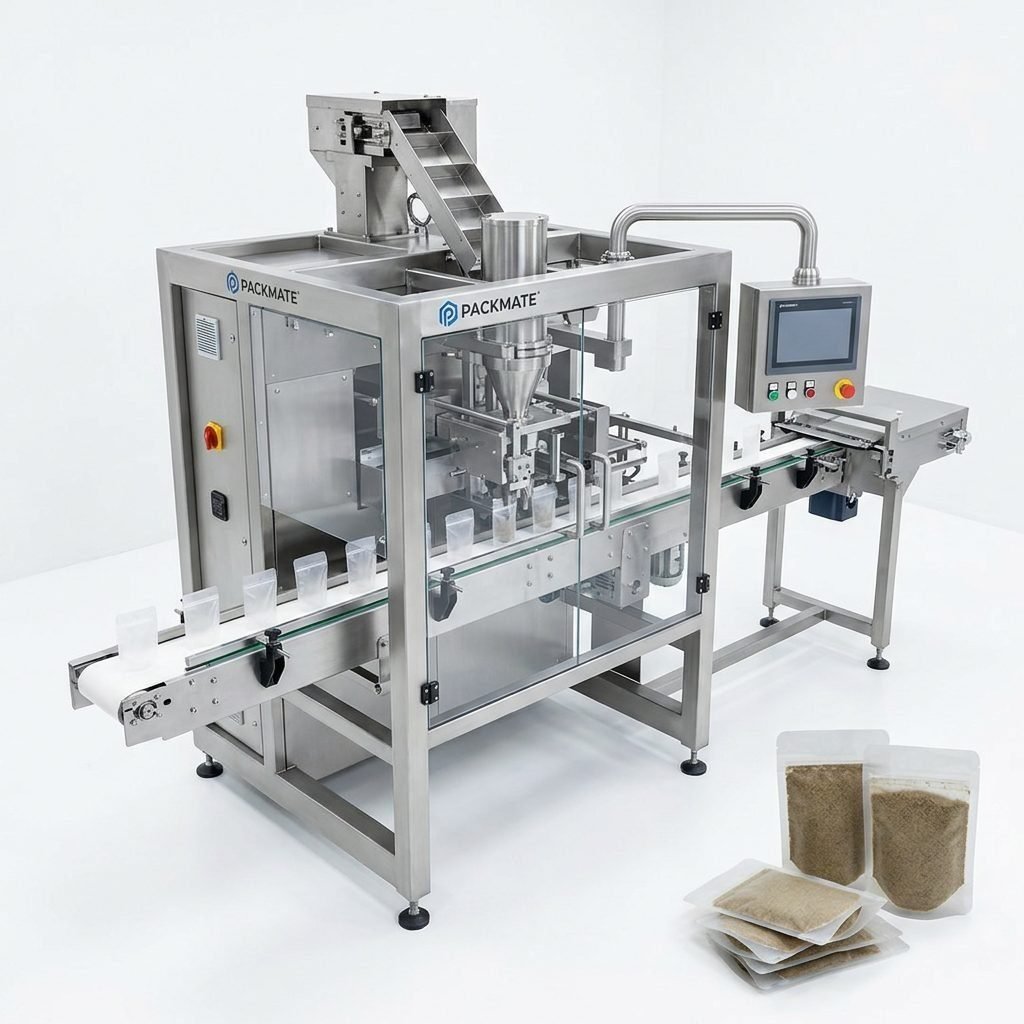
Choose suppliers with strong manufacturing footprints, clear development history, and a portfolio of packaging solutions. Packmate Snus Machine, for instance, provides specialized snus and nicotine pouch packaging lines, a comprehensive catalog of bag & pouch machines, and demonstrated global service capabilities.
Learn more about their product range on the product pages:
Snus & Nicotine Packaging Machines |
Bag & Pouch Packaging Machines |
About Packmate
Practical On-The-Ground Tips for Nicaraguan Factories
– Build an internal maintenance plan and keep critical spares on-site.
– Train at least two full teams (operators + maintenance) to reduce single-person dependency.
– Consider local electrical standards and available power quality; request voltage tolerance specs and optional VFDs for soft-starting motors.
– Register machines with local customs in advance to avoid prolonged clearance delays during import.
📌 Local communications tip: insist on at least some Spanish-speaking engineers on pre-sale and after-sales teams to avoid misunderstandings and speed up issue resolution.
Negotiation and Financing Options
Ask suppliers about flexible payment terms, leasing options, or trade financing that fits your cash flow. Some manufacturers offer staged payments tied to milestones: down payment, shipment, installation, and final acceptance. Negotiate bundled spare parts and extended warranty coverage to reduce long-term costs.
Final Selection Roadmap
1) Shortlist 3 suppliers with proven snus experience.
2) Request technical questionnaires and site photos of similar installations.
3) Arrange factory demos or FAT with your materials.
4) Verify references and Latin American cases.
5) Negotiate contract with clear acceptance tests and support SLAs.
6) Plan customs/logistics and on-site installation timeline.
Conclusion
Selecting the best snus packaging machine supplier for your Nicaraguan factory means balancing technical performance, proven after-sales service, cultural fit, and commercial transparency. Suppliers with deep experience in snus and nicotine pouch production, combined with regional logistics know-how and Spanish-language support, will give you the fastest path to successful production and sustainable uptime.
Additional Resources
For detailed product options and to review machine models and turnkey lines, visit the supplier product pages and contact them for a tailored proposal:
Sachet & Stick Pack Machines |
Contact Us
Frequently Asked Questions
Q1: What certifications should I demand from a snus packaging machine supplier?
Ask for CE, ISO quality management certificates, and any relevant hygienic design approvals. These indicate compliance with international safety and production standards and simplify exports and regulatory acceptance.
Q2: How important is local Spanish-language support?
Extremely important. Spanish manuals, training, and support staff reduce downtime and accelerate operator proficiency. This is especially valuable in Nicaragua where Spanish is the primary language.
Q3: What lead times should I expect for machines and spare parts?
Standard lead times vary by model and customization level. Basic machines may ship in a few months while complex multi-lane turnkey lines take longer. Spare parts lead time depends on supplier stock and shipping logistics; secure a critical spare parts kit to be kept locally.
Q4: Should I require factory acceptance tests (FAT)?
Yes. FAT verifies performance using your materials before shipment and reduces installation surprises. Include clearly defined FAT criteria in your purchase order.
Q5: Where can I see supplier references and real-world cases?
Review the supplier’s case studies and exhibition history to confirm real-world performance and regional experience. Many manufacturers publish case pages that detail installations and client feedback.
Case