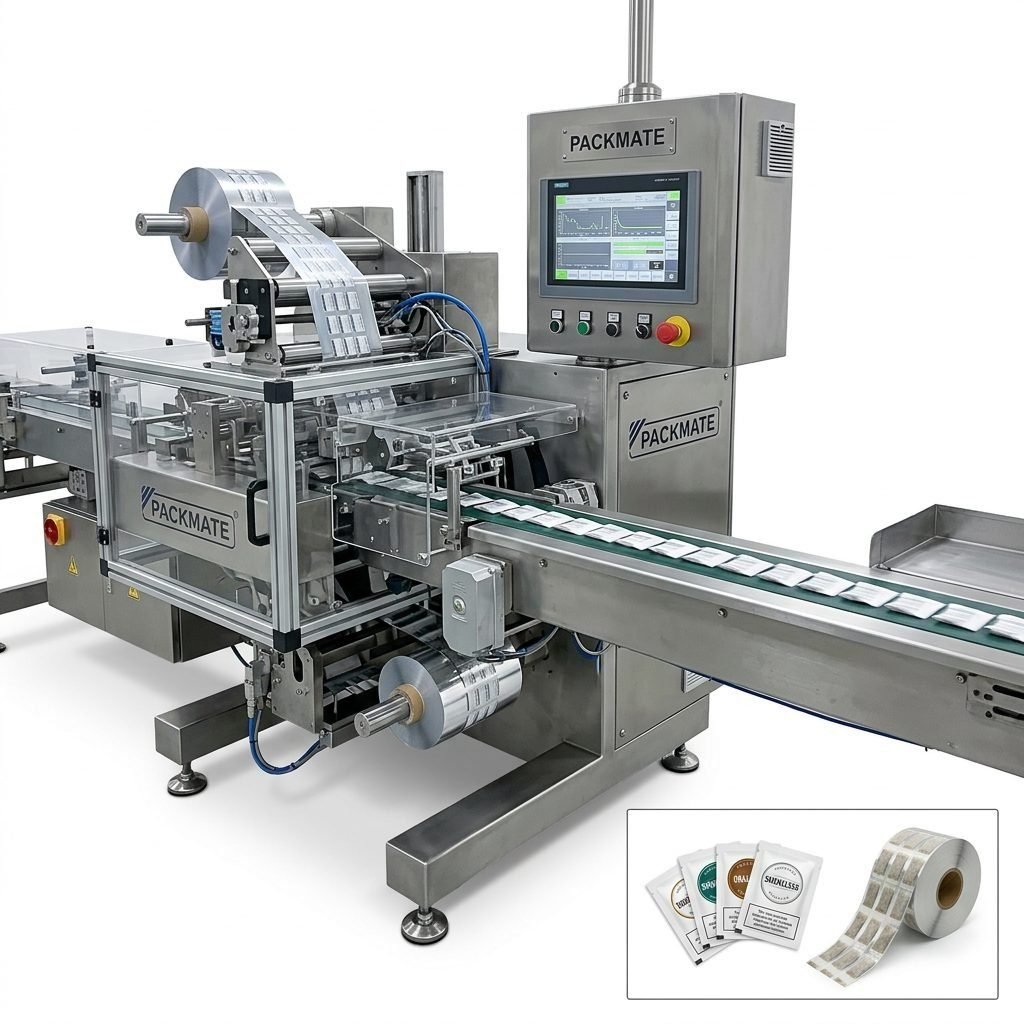
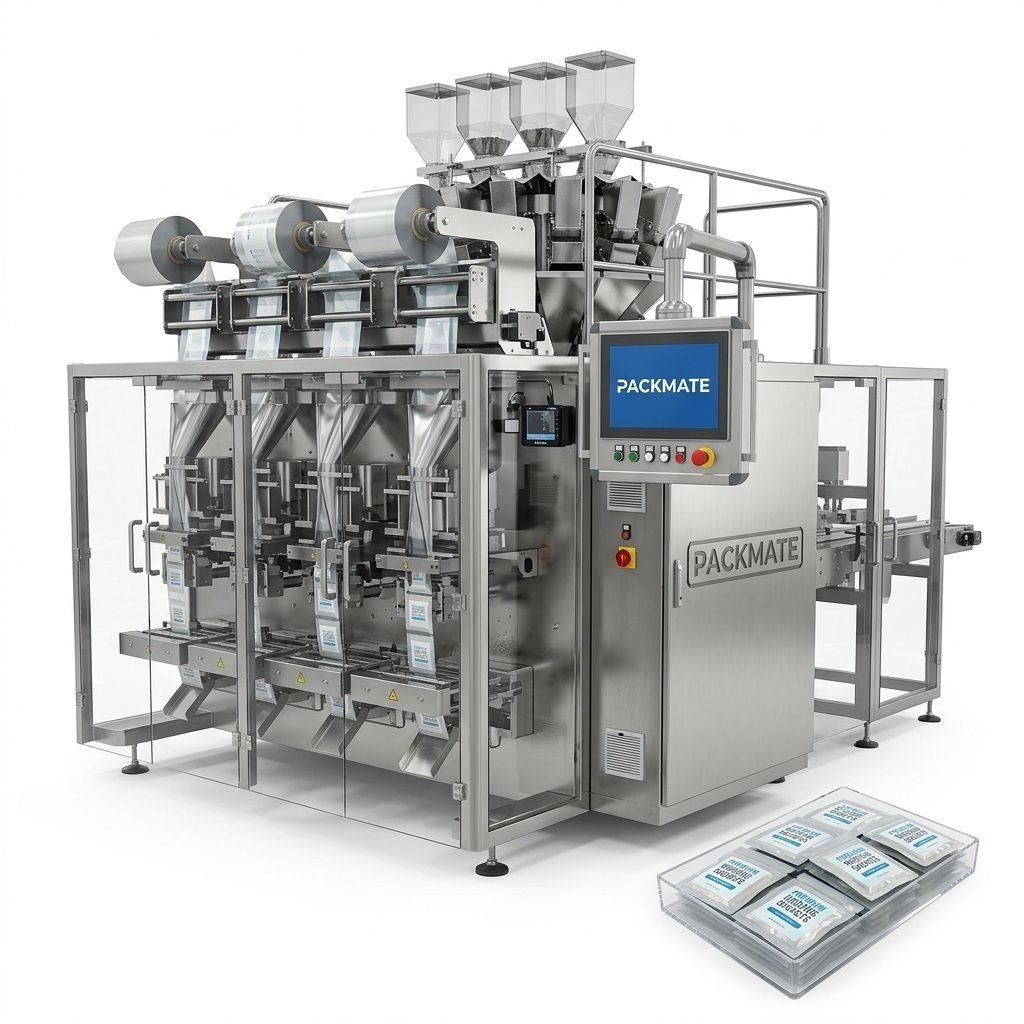
Selecting the right supplier for nicotine pouch and snus packaging machinery is one of the most important decisions a company in São Tomé and Príncipe can make. The wrong partner can lead to long lead times, costly downtime, compliance headaches and products that fail to meet the expectations of a small, tightly regulated island market. This guide walks you through practical, locally-aware criteria and a checklist to help you choose a trustworthy supplier and ensure a smooth installation and reliable long-term operation.
Why the supplier choice matters for São Tomé and Príncipe
São Tomé and Príncipe is a compact island nation with a unique combination of factors that amplify the importance of choosing the right packaging machinery partner: high humidity, limited local parts availability, predominantly Portuguese-speaking workforce, and relatively small order volumes. A supplier who understands these realities — and who can provide tailored solutions, clear technical documentation in Portuguese or easily translatable materials, and reliable after-sales service — will greatly reduce risk for your business.
Local market considerations
In São Tomé and Príncipe, businesses often operate with lean inventories and slower freight connections compared with mainland hubs. That makes responsiveness and spare parts availability crucial. Also take into account local labeling customs: Portuguese is the official language, and product labeling and user manuals are best provided in Portuguese to speed regulatory approval and operator training.
Quick tip: Confirm that electrical specifications match local standards (São Tomé and Príncipe uses 230V / 50Hz) and ensure machines have corrosion-resistant materials or protective coatings to withstand tropical humidity.
Technical capabilities to prioritize
When evaluating suppliers of snus or nicotine pouch machinery, focus on technical capabilities that affect product quality, uptime, and ease of operation:
🔧 Precision & speed: Can the supplier deliver machines that meet your target throughput without sacrificing pouch weight consistency? Multi-lane systems and accurate dosing reduce material waste and improve profitability.
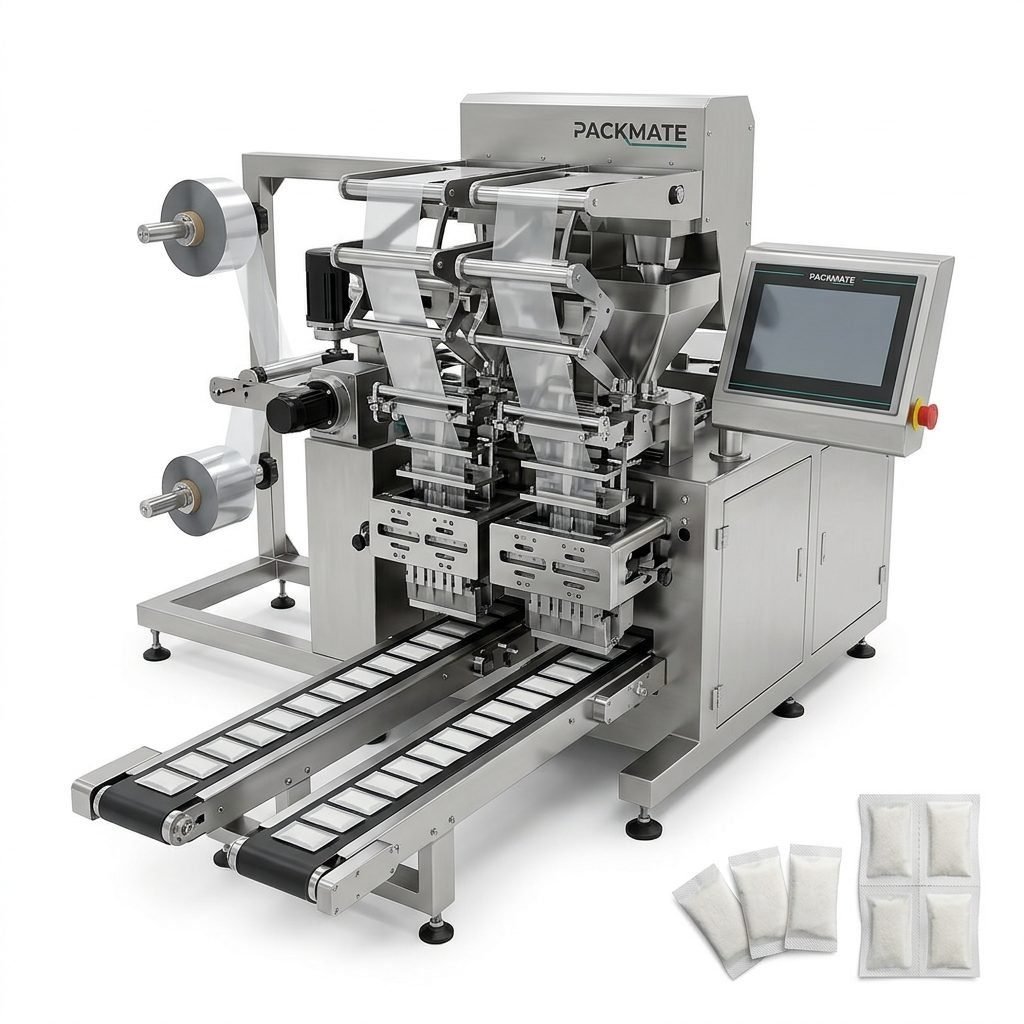
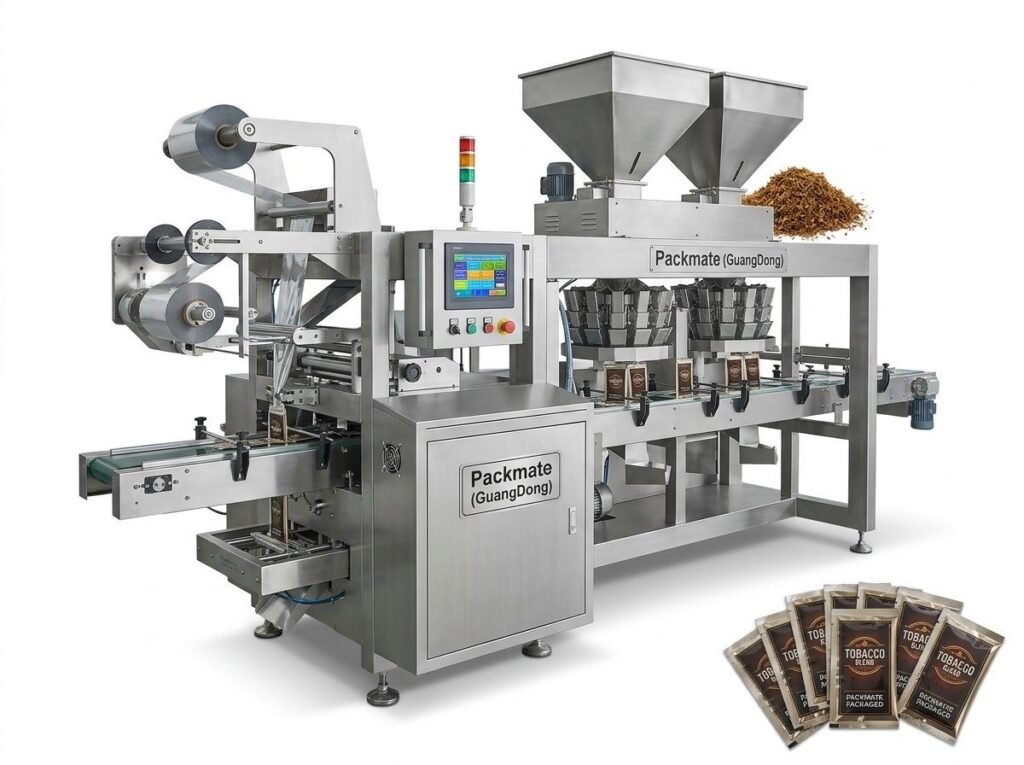
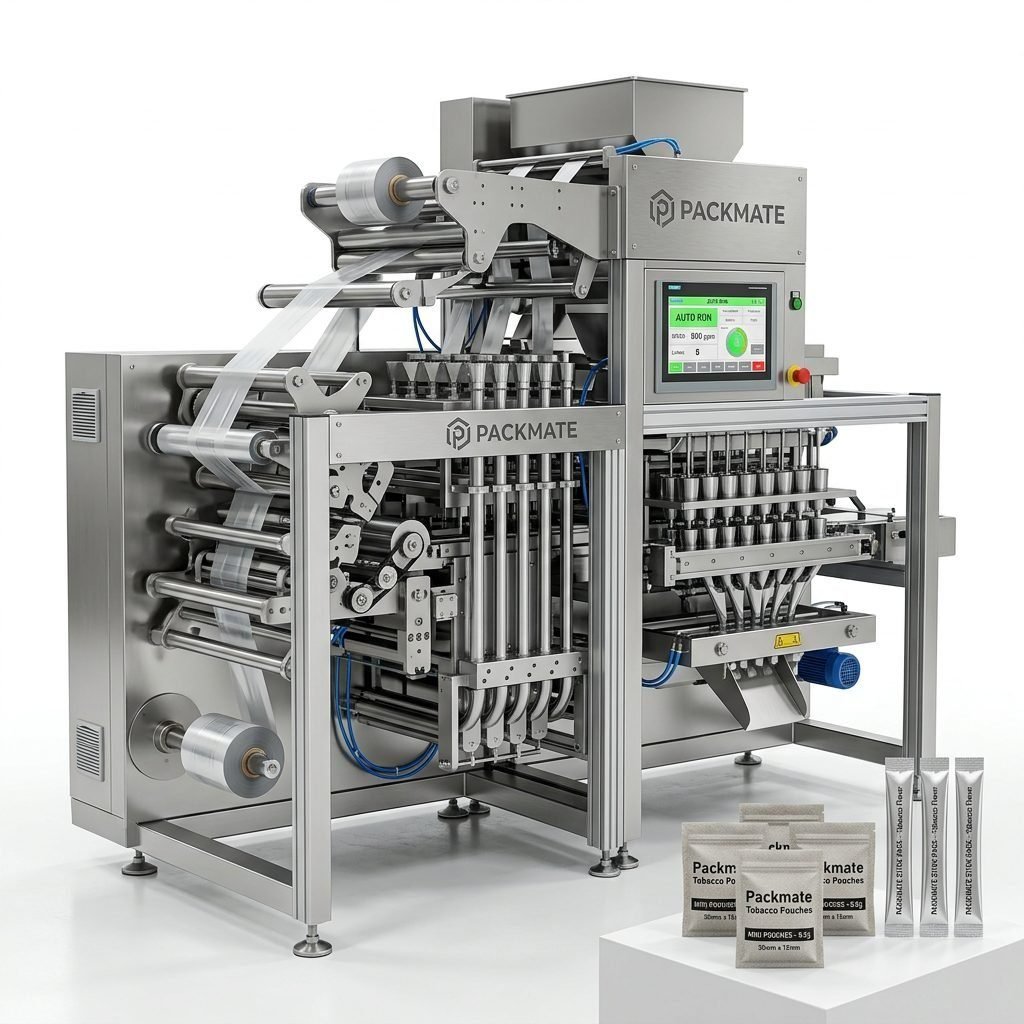
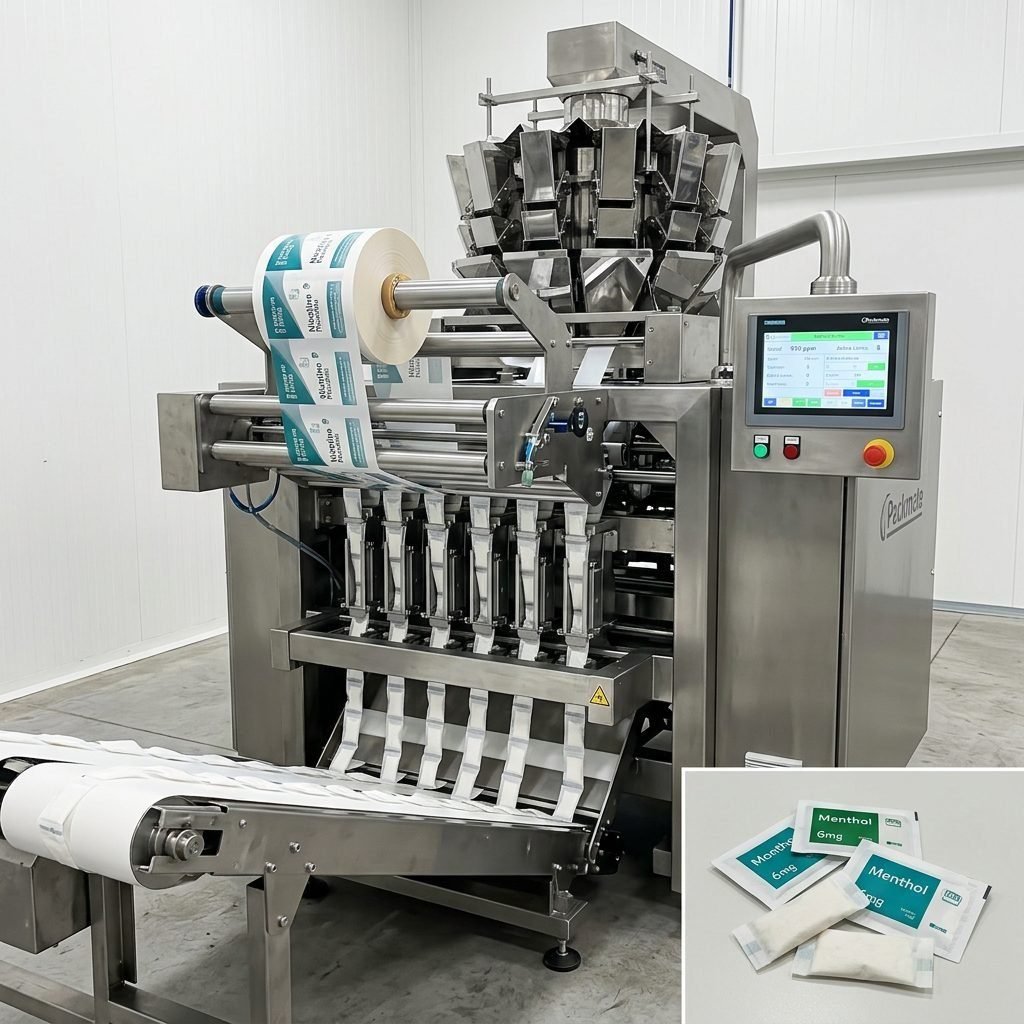
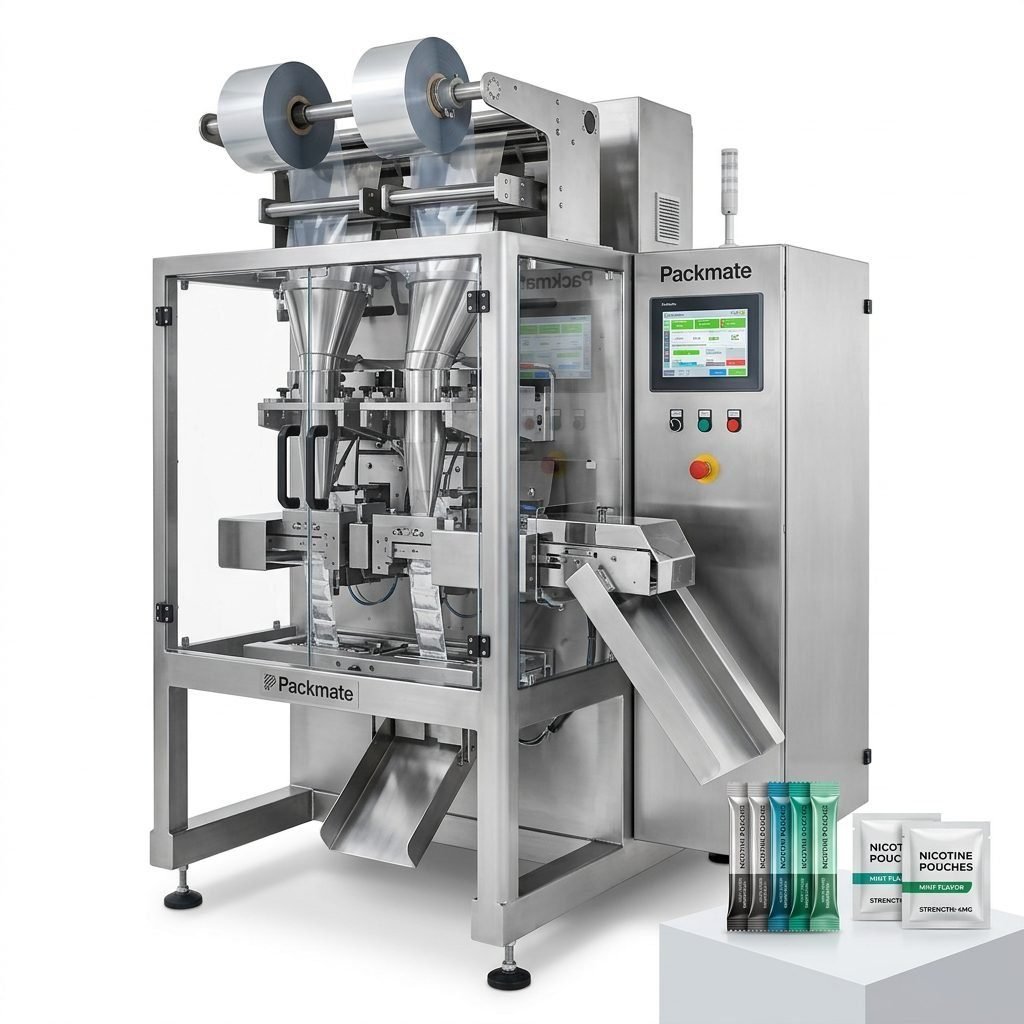
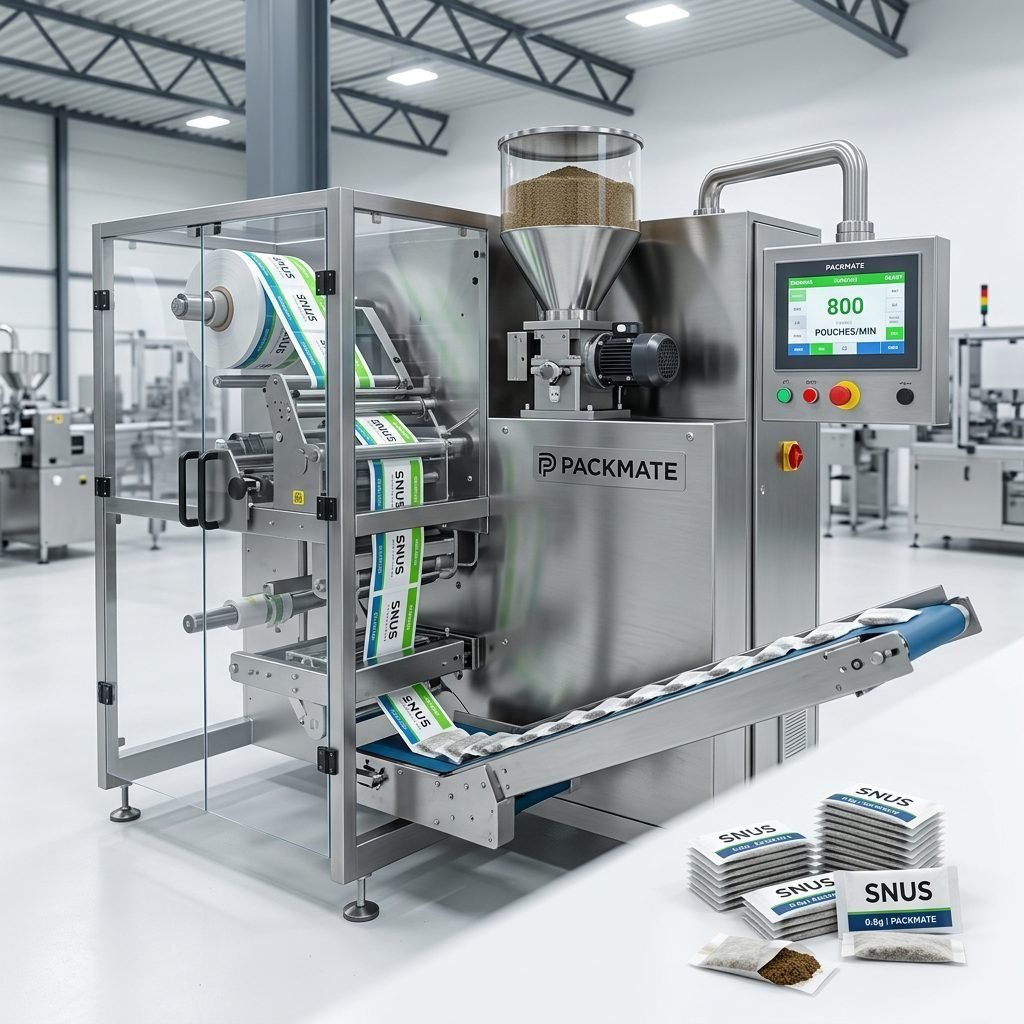
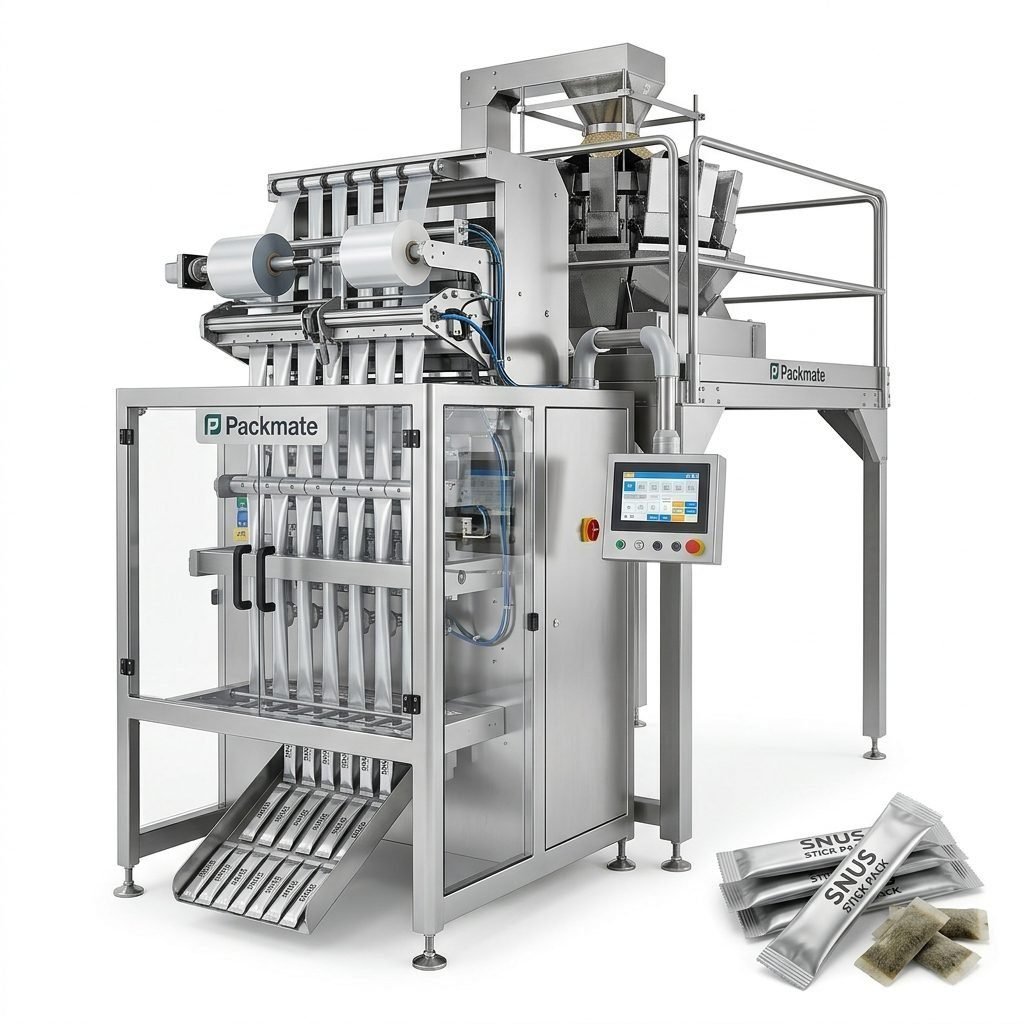
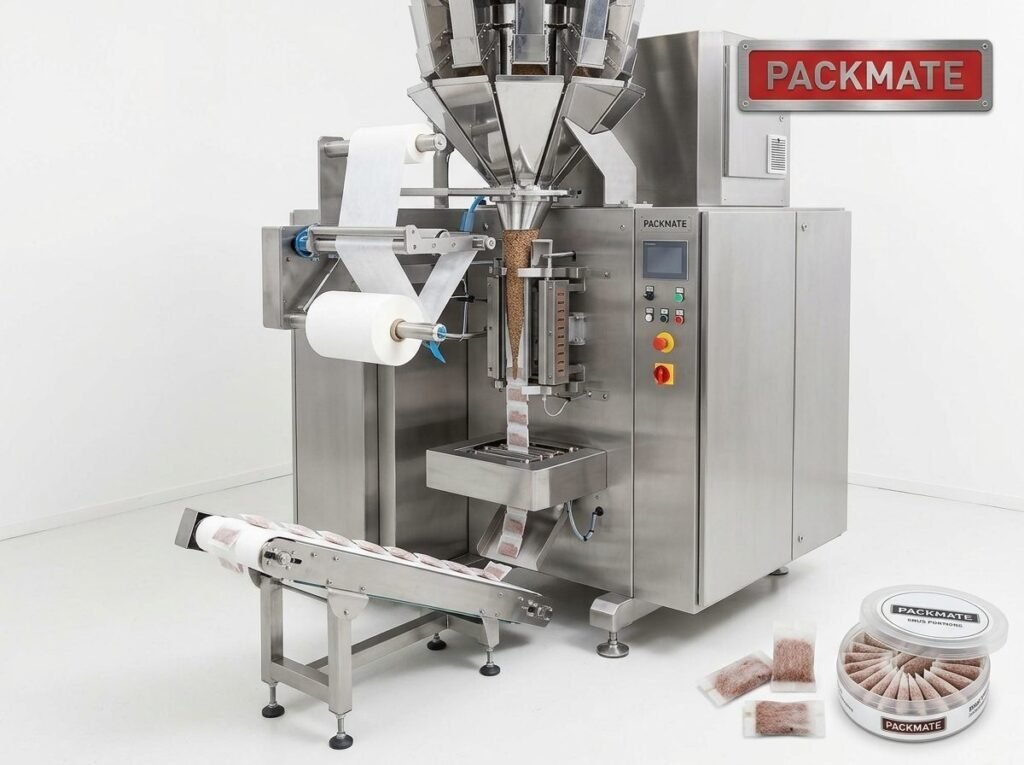
⚙️ Range of formats: Check whether the supplier provides stick pack, sachet, and multi-lane systems suitable for nicotine pouches and related products. A flexible supplier allows you to expand SKUs without replacing the entire line. See practical machine families under Snus & Nicotine Packaging Machines.
Factory scale and engineering strength
A supplier with a substantial manufacturing footprint and advanced machining resources typically produces more reliable equipment. Look for companies with a proven factory scale (for example, a 20,000㎡ facility), advanced CNC centers, and a track record of engineered solutions. These capabilities support faster customizations, stable supply of spare parts, and better quality control.
For reference, companies such as Packmate Snus Machine provide a wide portfolio — from single-lane pouch machines to large multi-lane lines — and share details about production capacity and customization options. Explore their machines at Bag & Pouch Packaging Machines or Sachet & Stick Pack Machines.
Certifications, compliance and documentation
Packaging machinery used for nicotine products must meet international safety and quality standards. Confirm the supplier can provide:
• CE and ISO certifications — demonstrate international compliance and safer operation.
• Local export documentation — proper customs paperwork, packing lists, and clear bills of lading ease customs clearance for deliveries to São Tomé and Príncipe.
Important: Ask for operator manuals in Portuguese or ensure the supplier can provide fast, accurate translations. This saves time during commissioning and avoids misinterpretation that could impact safety or product quality.
After-sales support, spare parts and training
Strong after-sales support is non-negotiable for island operations. Evaluate the supplier’s ability to provide:
• Local or regional service partners — technicians who can travel to São Tomé and Príncipe quickly, or remote assistance with clear step-by-step guidance.
• Spare parts availability — identify critical spares and confirm stock levels or lead times. Ask whether parts can be air-shipped when urgent.
• Training and onboarding — on-site commissioning, operator training, and preventive maintenance programs reduce the chance of extended downtime.
If you want to review supplier credentials and their service offerings, check their Service and Contact Us pages to confirm response times and support models.
Cost of ownership: beyond the purchase price
Total cost of ownership includes energy consumption, maintenance, spare parts, downtime costs, and the required environmental controls for nicotine products. In a humid climate like São Tomé and Príncipe, operational costs may increase due to the need for dehumidifiers, corrosion prevention, and additional protective covers for sensitive electronics.
Ask suppliers for lifecycle cost estimates and energy consumption figures. A slightly higher initial investment in machines built with stainless steel components and better seals can pay off through lower maintenance and fewer production stoppages.
Practical evaluation checklist
✅ Essential questions to ask potential suppliers
🔹 Can you provide references or case studies for nicotine pouch lines? (Request examples and visit footage if possible.)
🔹 What is the standard lead time for machines and spare parts shipment to West/Central Africa?
🔹 Do you offer remote startup support and machine parameter tuning?
🔹 Are spare parts stocked regionally or shipped from the factory? What are typical shipping times?
🔹 Can you provide technical documentation and training in Portuguese?
Red flags to watch for
⚠️ Limited documentation or no clear certification: If a supplier cannot show CE/ISO or provide clear technical documentation, proceed with caution.
⚠️ Unclear spare parts policy: Long lead times for parts or no parts kit supplied with the machine increases downtime risk on an island.
⚠️ No local language support: Lack of Portuguese manuals or translators can slow installation and training.
How to structure supplier evaluation and trials
For an island market, a phased approach reduces risk:
1) Request technical documentation, certifications and references. 2) Ask for a site acceptance test (SAT) video showing machines running similar products. 3) Arrange a pilot trial or a small-scale order before scaling up. 4) Confirm training and spare parts packages as part of the contract.
Suppliers with a strong record of turnkey solutions can speed this process by providing fully integrated filling and packaging lines — see Filling & Packaging Lines and Weighing & Packaging Systems for integrated options.
Negotiating contracts and warranties
Key contract elements to negotiate:
• Clear warranty terms — define what is covered (parts, labor, travel) and for how long.
• Acceptance criteria — put measurable performance metrics into the contract (throughput, weight accuracy, downtime thresholds).
• Spare parts kit — include essential spare parts with initial shipment to minimize the risk of lengthy downtime.
Why partner selection is strategic for growth
A reliable packaging machinery supplier does more than deliver equipment: they become a long-term partner in product development, process optimization and regulatory compliance. For São Tomé and Príncipe businesses that may expand distribution to neighboring countries, a supplier with global experience and export references (such as exhibit presence and case studies) is particularly valuable. Review supplier Case examples and Exhibition participation to evaluate their global engagement.
Recommended resources: If you need a deep dive into machine families, check Snus & Nicotine Packaging Machines, Bag & Pouch Packaging Machines, and Sachet & Stick Pack Machines. For ordering, service and certification details, review Catalog, Certificate and Contact Us pages.
Checklist before you sign
Before finalizing any purchase:
• Verify certifications and references.
• Confirm shipping options and customs assistance for São Tomé and Príncipe.
• Ensure manuals and training can be supplied in Portuguese.
• Lock in spare parts list and lead times in the contract.
• Agree on installation, acceptance tests, and penalty terms for missed performance targets.
Final considerations specific to São Tomé and Príncipe
Keep logistics simple: choose consolidated shipments and consider freight forwarding partners familiar with the Gulf of Guinea routes. Factor in seasonal weather that can affect shipping schedules. For local workforce training, plan sessions that are hands-on and in Portuguese. Finally, embrace suppliers who offer strong remote diagnostics and a fast spare parts channel — these reduce costly travel and downtime for island operations.
Next steps
Start by requesting detailed proposals, factory capabilities, and reference case studies. Schedule virtual demonstrations and ask for Portuguese documentation. If you want to evaluate turnkey options, review Filling & Packaging Lines and Weighing & Packaging Systems to see how integrated solutions can simplify your operations and reduce the number of suppliers you must coordinate.
Frequently Asked Questions
Q1: How important is humidity resistance for machines in São Tomé and Príncipe?
A1: Very important. Tropical humidity accelerates corrosion and can affect sensitive electronics and product handling. Look for stainless steel components, protective coatings, sealed controls, and plan for on-site dehumidification.
Q2: Can suppliers provide documentation in Portuguese?
A2: Reputable suppliers recognize local language needs and will offer manuals, training and support materials in Portuguese or provide accurate translations as part of the service package. Confirm language options before purchase.
Q3: What is the typical lead time for machines and spare parts to São Tomé and Príncipe?
A3: Lead times vary. Standard machines may ship within several weeks to months; spare parts may take longer if not stocked regionally. Negotiate parts kits and expedited shipping options in the contract.
Q4: Should I prefer a local agent or direct factory purchases?
A4: Both models have merits. Local agents simplify logistics and provide on-the-ground support, but buying direct from a well-established factory with global references can offer better pricing and stronger engineering resources. Evaluate the supplier’s service reach and partner network for São Tomé and Príncipe.
Q5: Where can I learn more about reliable machine models and case studies?
A5: Review supplier product pages and case studies for real-world performance examples. Useful starting points include Snus & Nicotine Packaging Machines, Case, and About Packmate.