Choosing the right nicotine packaging machinery for your production line in Greece involves balancing regulatory compliance, output requirements, format flexibility, and total cost of ownership. This guide walks you through the practical steps and decisions—covering machine types, integration, supplier selection, and local considerations—to help you select a reliable packaging solution for nicotine pouches, snus, and related products.
Understand the Product and Packaging Formats
Nicotine pouches and snus come in a variety of forms: single-dose sachets, multi-pouch trays, stick packs, and small multi-lane pouches. Before evaluating machines, map your product specifications:
– Target pouch size and dose range
– Primary packaging material (laminate film, paper-based film, or biodegradable substrates)
– Desired outer packaging (boxes, flow-wrapping, or bulk trays)
– Moisture, oxygen, and light protection needs
Machine Types to Consider
Different machine families serve different needs. Evaluate the following categories:
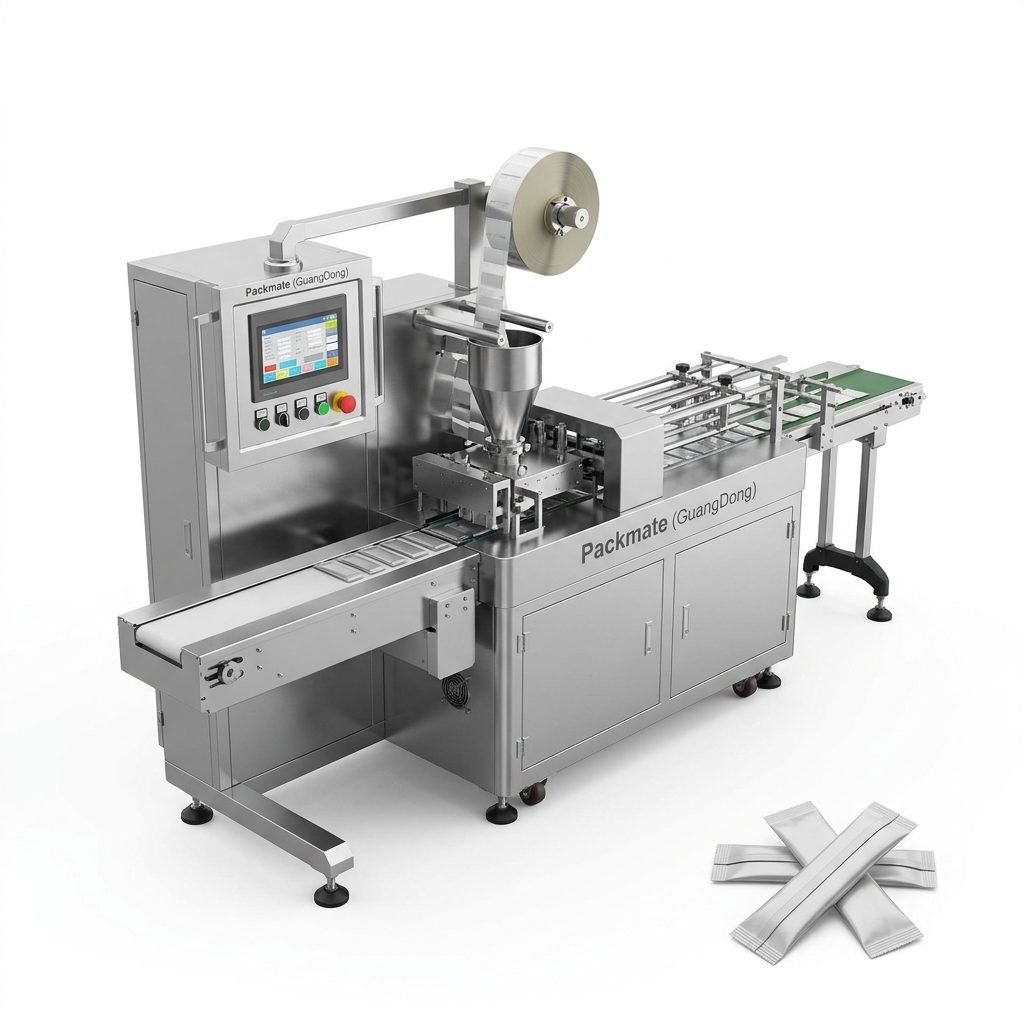
Sachet & Stick Pack Machines
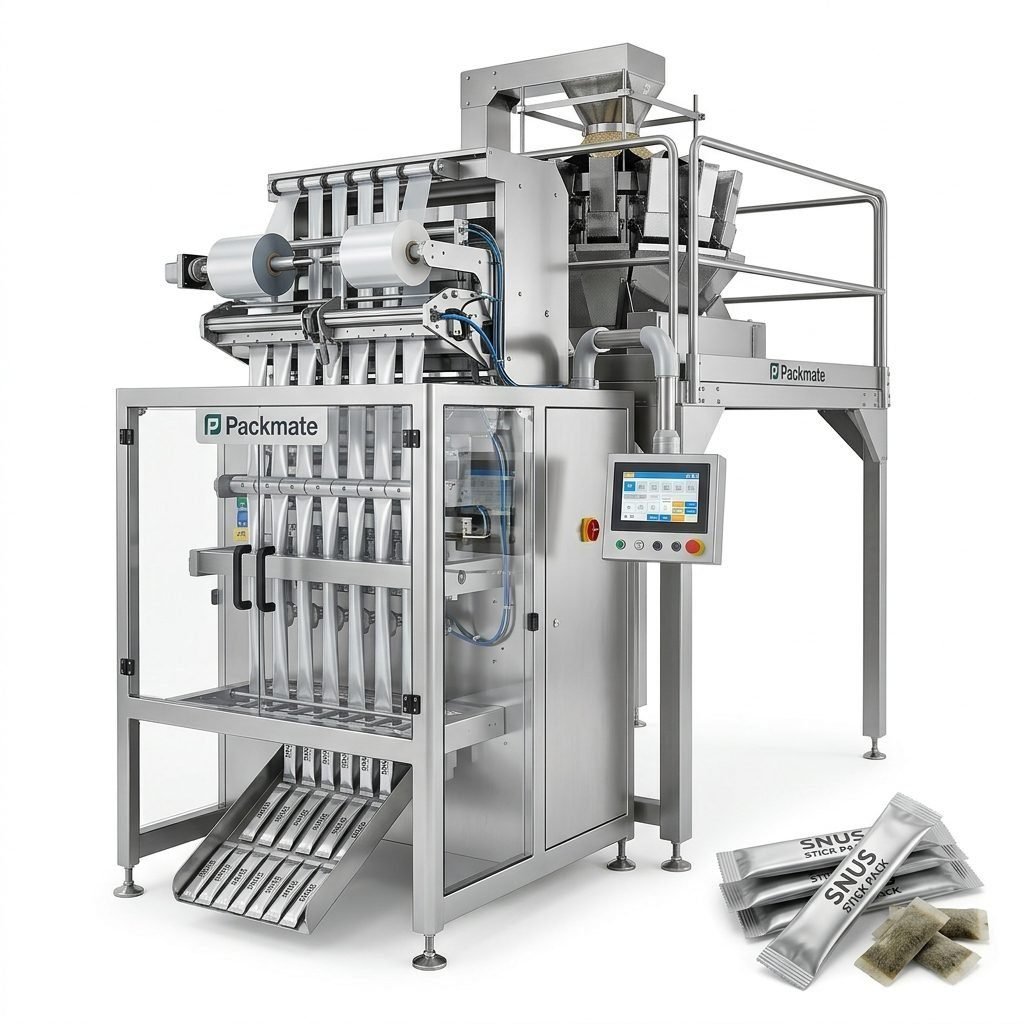
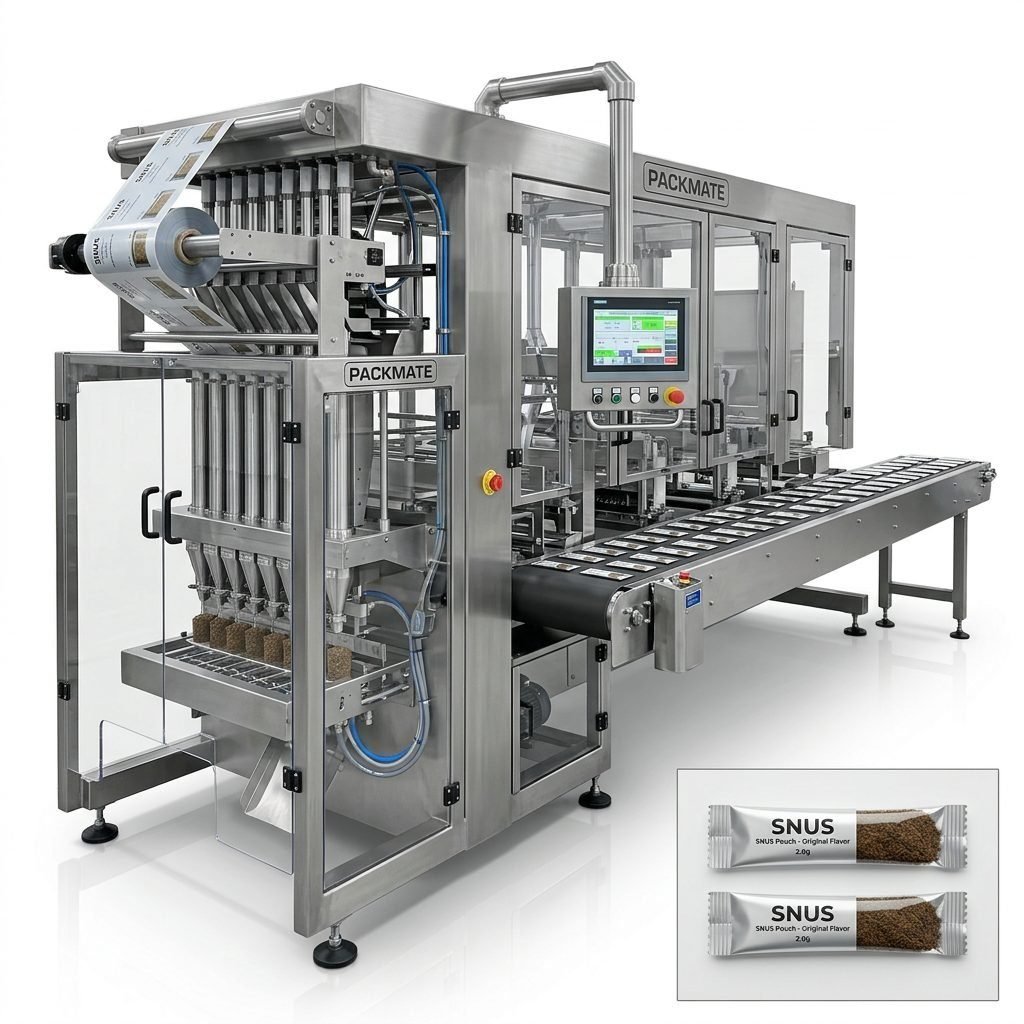
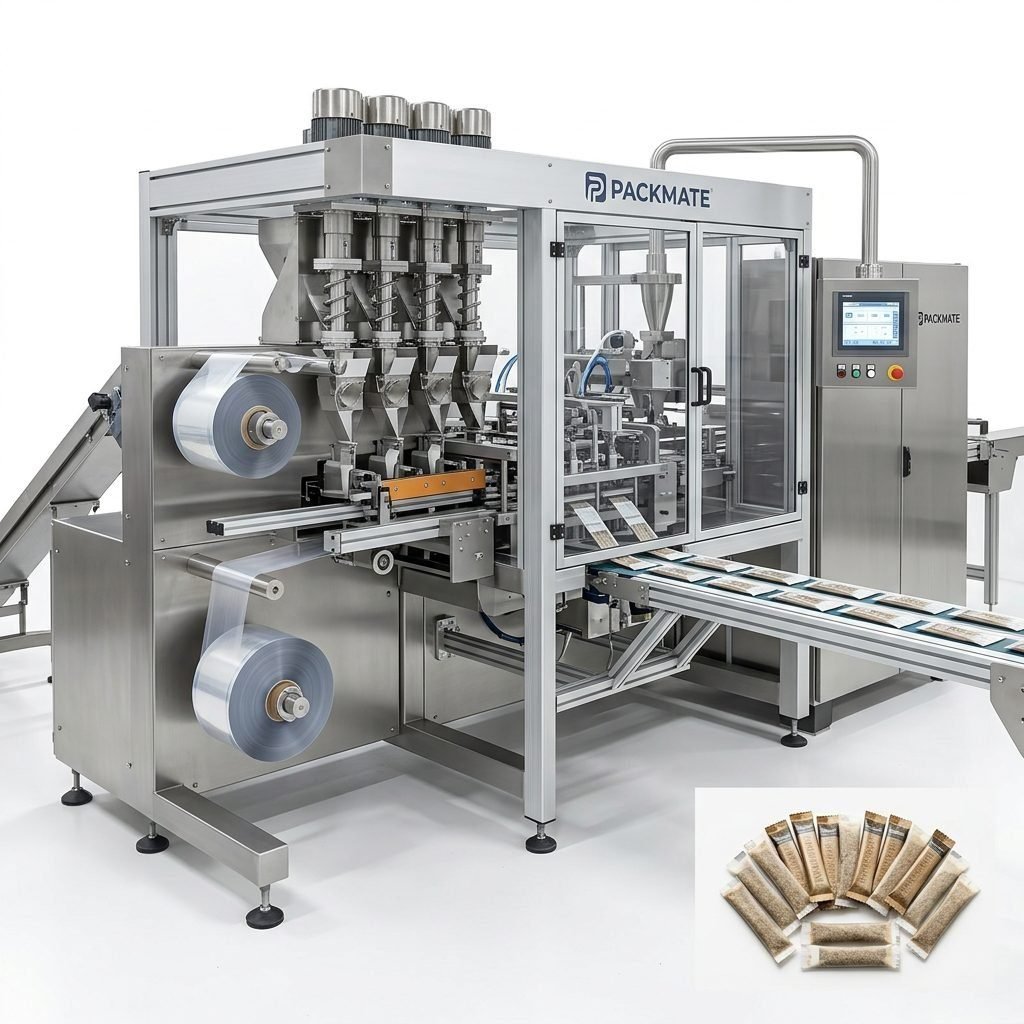
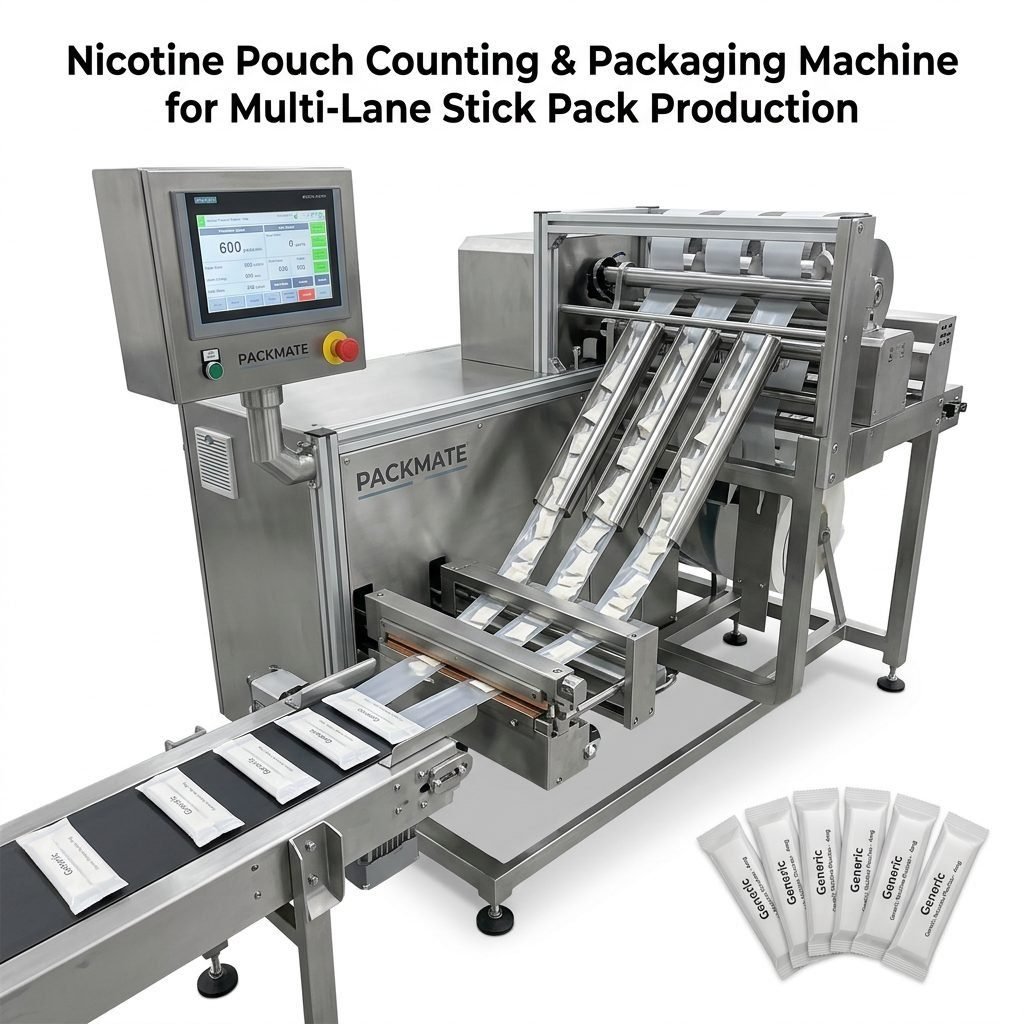
Ideal for single-dose sticks and sachets. Good for medium to high speeds and flexible for promotional sizes. See machine options: Sachet & Stick Pack Machines.
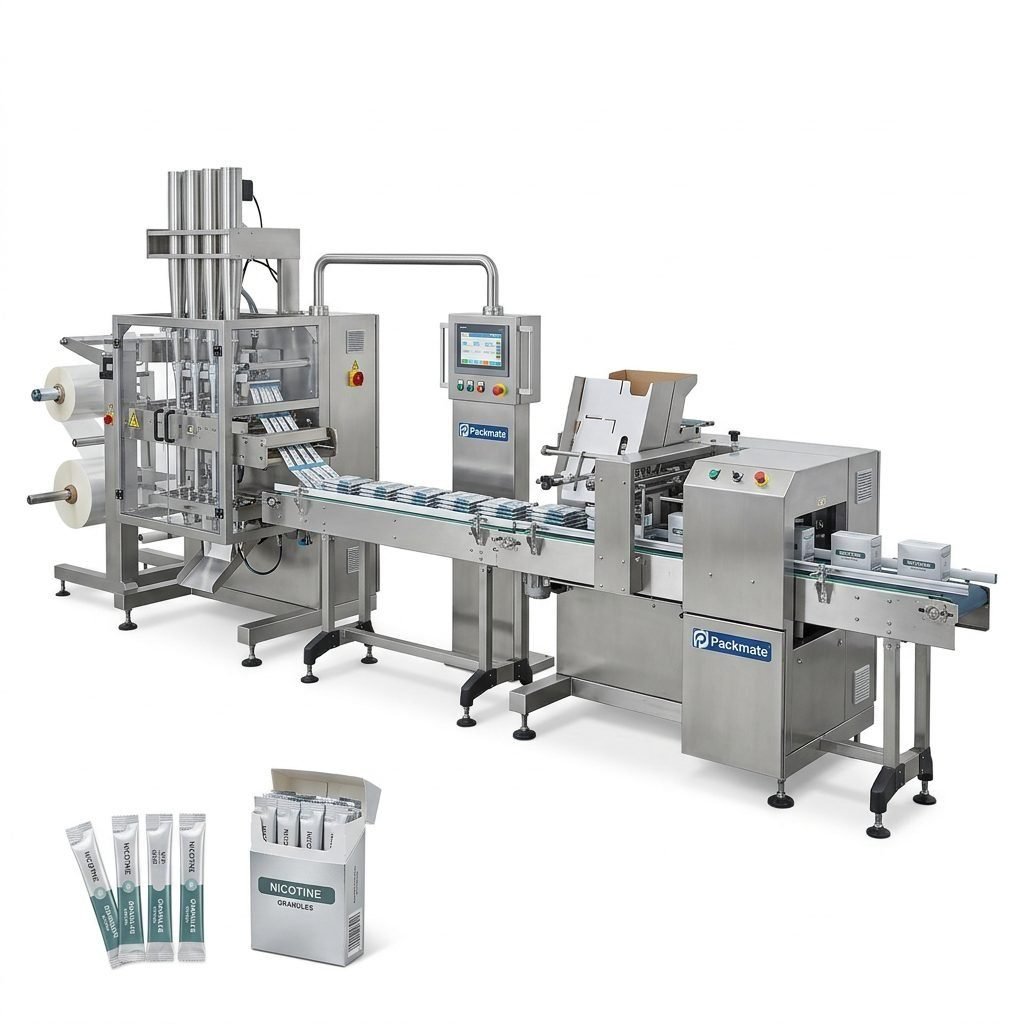
Multi-lane Snus / Nicotine Pouch Machines
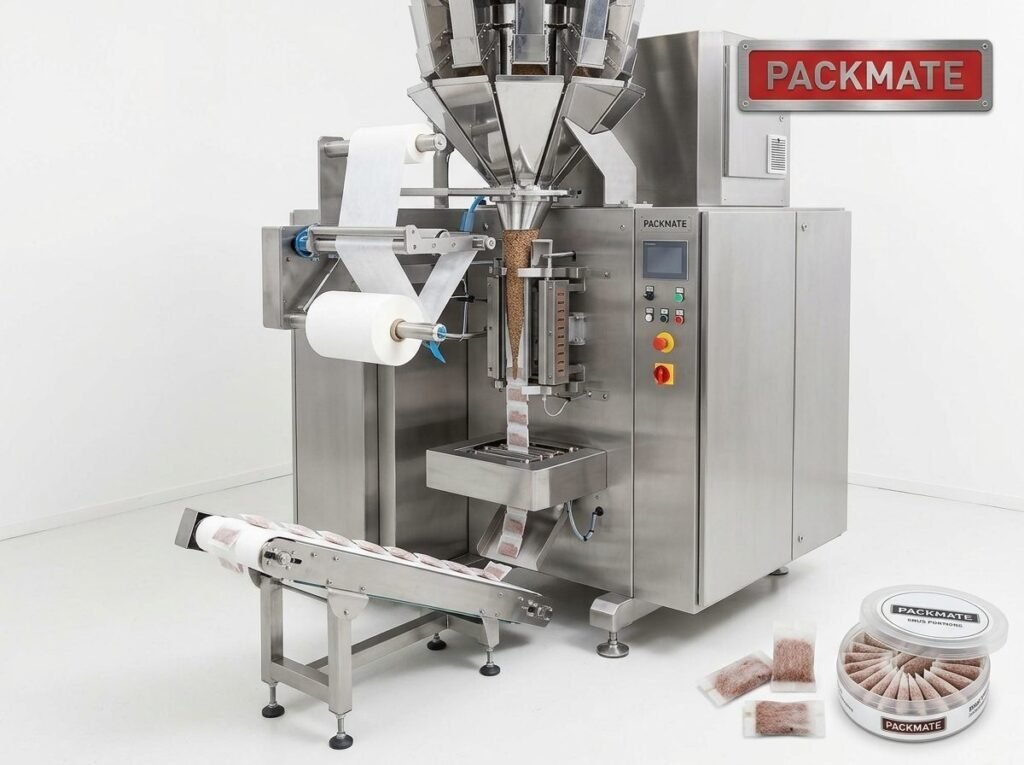
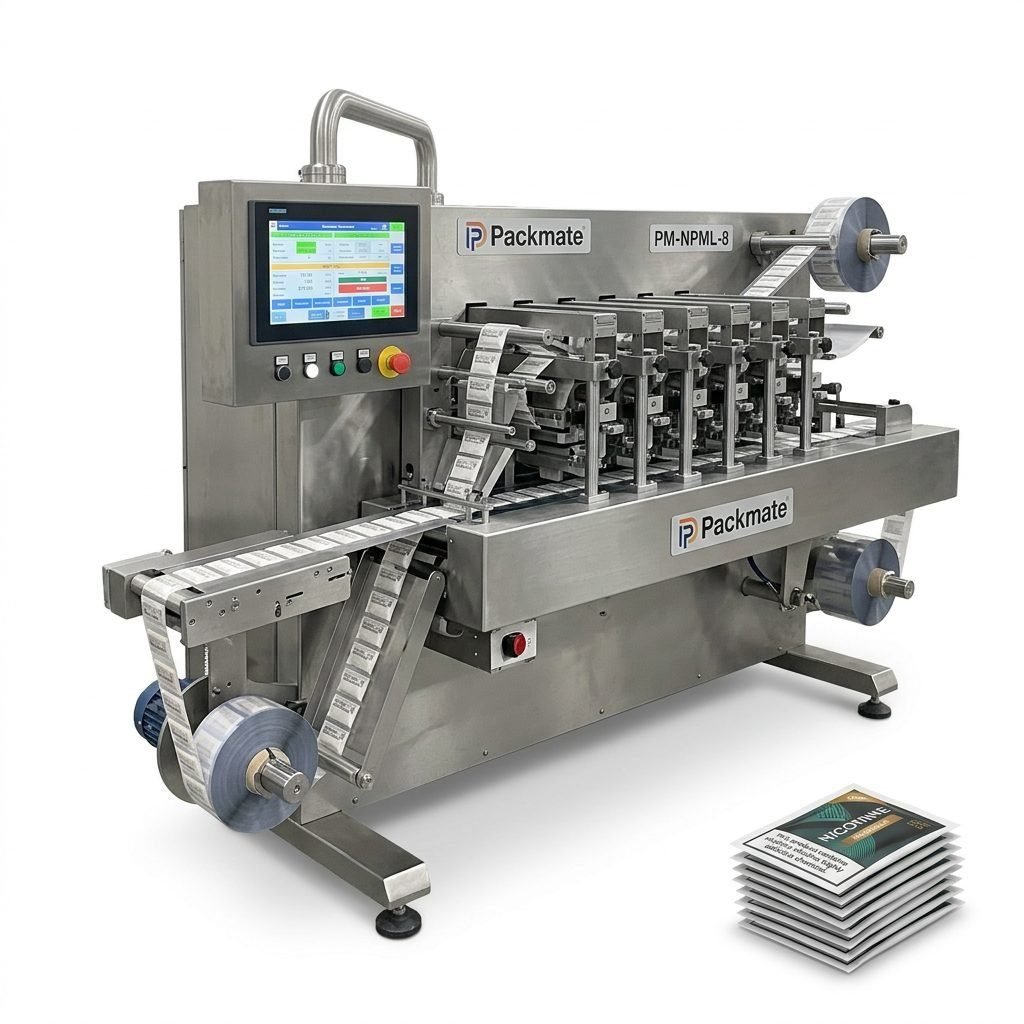
High-throughput, multi-lane systems provide small-dose precision for snus and nicotine pouches. Explore: Snus & Nicotine Packaging Machines.
Filling & Packaging Lines
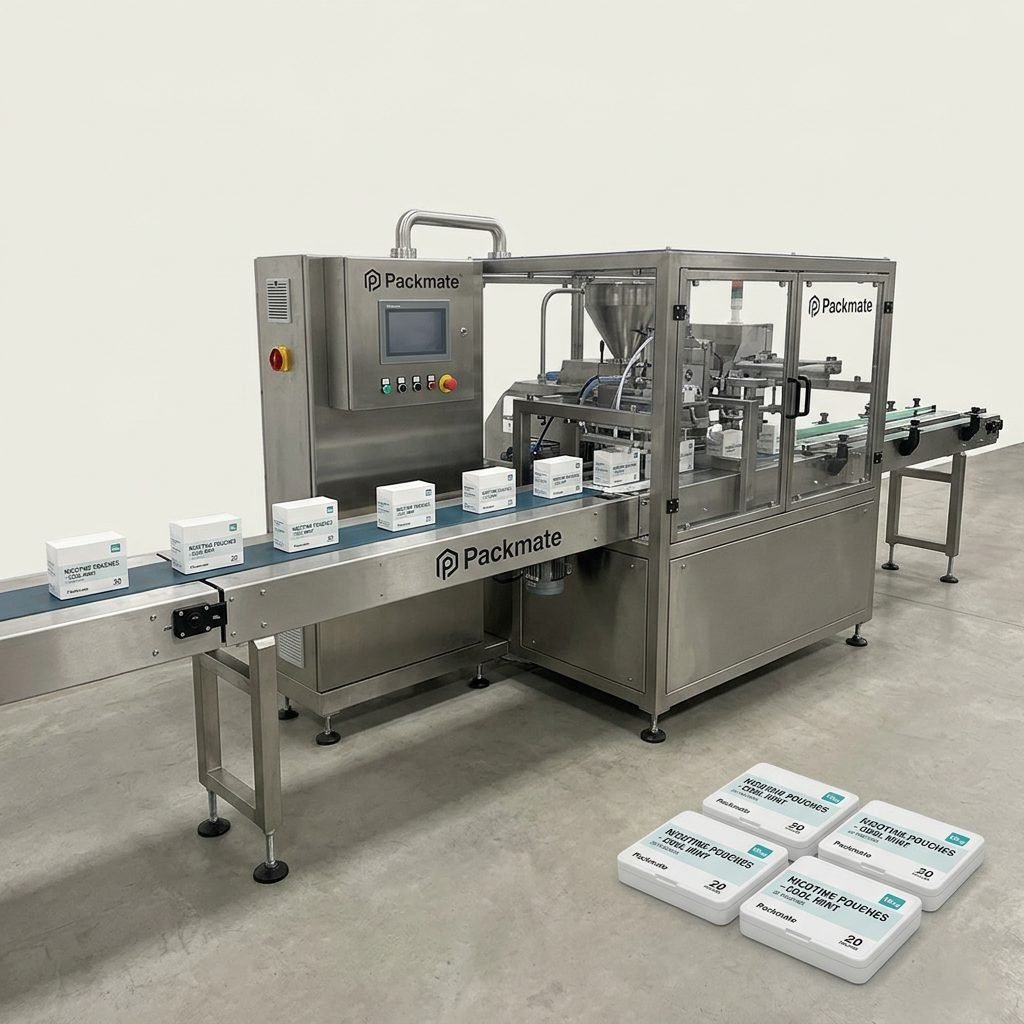
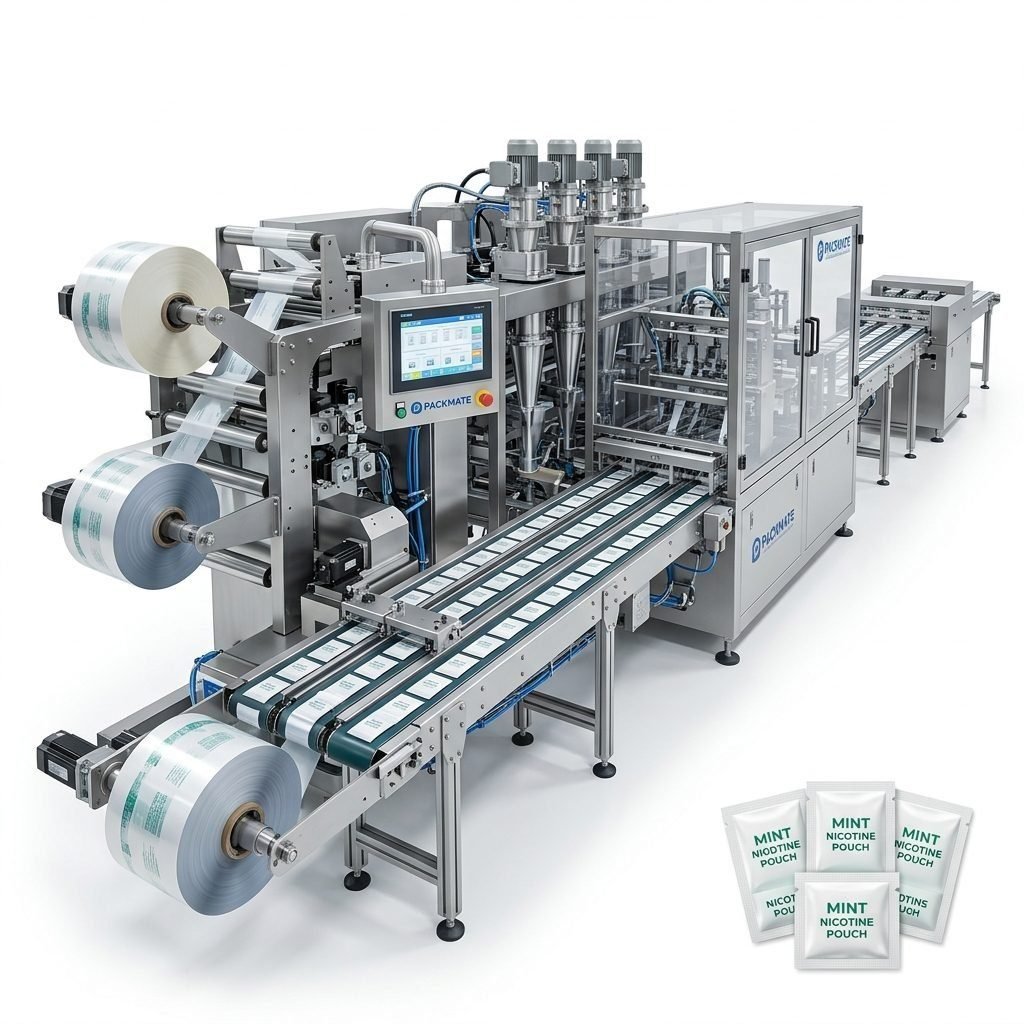
For fully integrated operations that include dosing, weighing, and wrapping, consider complete lines: Filling & Packaging Lines.
Calculate Required Throughput and Layout
Establish your target daily output and peak hourly throughput. When specifying capacity, consider:
– Units per minute per lane and number of lanes required
– Planned shift structure and uptime targets (OEE goals)
– Future growth—choose modular machines that can be upgraded
⚠️ Key Tip: If you expect rapid growth, prioritize machines with multi-lane options and modular automation. This reduces capital expense later and shortens downtime for upgrades.
Material Compatibility and Sealing Requirements
Packaging material selection affects sealing technology and machine compatibility. Ask suppliers about:
– Heat-seal vs. ultrasonic seal capabilities
– Tolerance for multi-layer laminates and barrier films
– Ability to run biodegradable or new substrate formats
Regulatory and Quality Considerations in Greece
Greece follows EU regulations for tobacco-related products and packaging. When selecting equipment, verify:
- Machine compliance with CE directives and relevant harmonized standards
- ISO certifications and traceability systems to support audits
- Hygienic design features if your line also handles food or pharmaceutical-grade materials
Important: Choose a vendor that provides comprehensive documentation (CE, ISO, FAT reports) and can assist with local regulatory queries.
Automation, Controls and Integration
Evaluate machine controls and integration capabilities early—especially if you already use MES/WMS or plan a fully automated facility:
– PLC and HMI standards (Siemens, Allen-Bradley, etc.)
– Remote monitoring and IoT readiness for predictive maintenance
– Electrical and network compatibility with Greek/EU infrastructure
Supplier Evaluation: Why Experience and Factory Strength Matter
A supplier’s engineering depth and manufacturing capacity are critical. Look for these indicators:
- Years of R&D and industry-specific experience
- Range of machine models and customization options
- Quality systems, in-house CNC machining, and assembly lines
For example, Packmate Snus Machine offers 30+ years of engineering experience, a 20,000㎡ facility, and 50+ machine models—attributes that reduce risk and provide strong aftermarket support. Learn more About Packmate.
Factory Visits, Factory Acceptance Testing (FAT) and Case Studies
Arrange a factory visit or remote FAT. Confirm machine performance with real product trials and review customer case studies to validate claims. See examples: Case.
Installation, Commissioning and After-Sales Service in Greece
After-sales support is a major factor for minimizing downtime. Evaluate:
- Local spare parts availability and average lead times
- Training for Greek operators and maintenance staff
- Remote support, service contracts, and on-site technicians
🔧 Pro Tip: Confirm the supplier can provide commissioning and training in English and, if possible, Greek. Consider a maintenance agreement that includes scheduled inspections.
Total Cost of Ownership (TCO) and ROI
Purchase price is just the start. Calculate TCO including installation, spare parts, energy, consumables, operator labor, and downtime risk. Consider modular upgrades to protect ROI as product demand changes.
Practical Procurement Checklist
✅ Procurement Checklist
- Define product specs and throughput needs
- Request FAT with your real product samples
- Verify CE/ISO certificates and test reports
- Confirm spare parts list and lead times
- Agree on training, commissioning, and warranty terms
- Check local service representation or remote support SLA
Logistics, Customs and Local Regulations
When importing machinery to Greece, plan for lead times and customs clearance. Make sure documentation (packing list, CE declaration, invoices) is complete to avoid delays. Discuss installation site requirements—floor loading, power supply, compressed air, and environmental controls—with your supplier in advance.
Why Choose a Specialized Snus/Nicotine Packaging Manufacturer?
Specialized manufacturers bring decades of domain experience, specifically engineered machines for nicotine pouch handling, dosing accuracy for small doses, and multi-lane systems tailored to snus production. For a full portfolio of solutions, review: Bag & Pouch Packaging Machines and Weighing & Packaging Systems.
Final Selection: Key Decision Matrix
Use a simple decision matrix to compare suppliers on:
- Technical fit (format, speed, materials)
- Quality and compliance documentation
- After-sales support and spare parts
- Factory strength and capacity
- TCO and upgrade path
When you’re ready to request quotations, include a detailed product spec sheet, annual volumes, shift patterns, and any regulatory labeling requirements so vendors can provide accurate proposals and FAT plans. For inquiries and service, you can reach out to the manufacturer’s contact page: Contact Us. For service offerings, see: Service.
Final Thought: Selecting the right equipment for nicotine packaging in Greece requires a clear view of your product specs, growth plan, and regulatory needs. Prioritize vendors with proven experience, robust factory capabilities, and comprehensive after-sales support to ensure a smooth startup and reliable long-term operation.
Frequently Asked Questions
Q1: How do I know which machine speed I need?
A1: Calculate daily output and divide by operating hours to get units per hour, then convert to units per minute. Add 10–20% buffer for downtime and changeovers.
Q2: Are multi-lane machines necessary for small-dose nicotine pouches?
A2: Multi-lane machines are efficient for high-volume small-dose products because they multiply throughput while maintaining dosing accuracy.
Q3: What certifications should I request from suppliers?
A3: Request CE declaration, ISO certificates (e.g., ISO 9001), FAT test reports, and any material compatibility test results relevant to your product.
Q4: How important is spare parts availability in Greece?
A4: Very important. Confirm parts lead times and whether common wear parts are stocked regionally to minimize downtime.
Q5: Can I upgrade machines later as my volumes grow?
A5: Choose modular equipment or suppliers that offer multi-lane upgrades and retrofit kits to scale capacity without replacing the whole line.