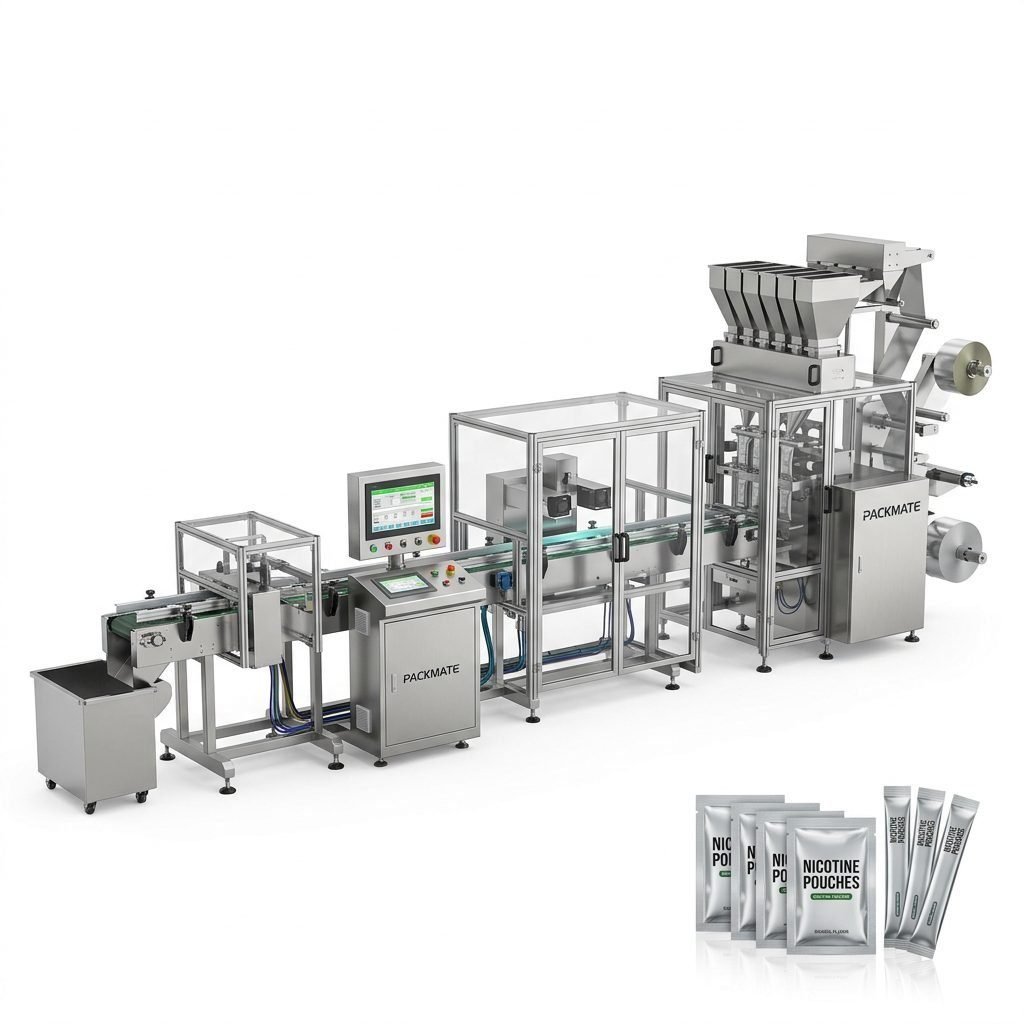
Choosing the right snus packaging machinery manufacturer for the Netherlands requires more than comparing price tags — it means aligning technical performance, regulatory compliance, long-term service and local market expectations. This guide walks you through practical criteria, questions to ask, and local considerations so you can select a supplier who delivers reliable, CE-compliant, and efficient snus and nicotine pouch packaging lines.
⚙️ Understand the Netherlands market and local habits
The Netherlands has a discerning consumer base with growing demand for discreet nicotine pouches and modern packaging formats. While traditional snus consumption is stronger in Scandinavia, Dutch and wider Benelux markets increasingly favor nicotine pouches that emphasize convenience, hygiene and discreet use. Dutch buyers also expect transparent supply chains, clear CE/ISO documentation, and an emphasis on sustainability in materials and waste reduction.
Local regulations and retail requirements often dictate labeling languages, child-resistant design where applicable, and strict hygiene standards for food-contact surfaces. Seek a manufacturer who understands European directives, can supply CE-certified machinery and can help with documentation for Dutch authorities.
📦 Key technical features to demand from a snus packaging machine
When evaluating lines for snus or nicotine pouches, focus on performance metrics that impact product quality and throughput:
- Filling accuracy and weight control — essential for low-dose pouches to avoid product giveaway and ensure compliance.
- Sealing integrity — foil/laminate heat-sealing that resists moisture and maintains shelf life.
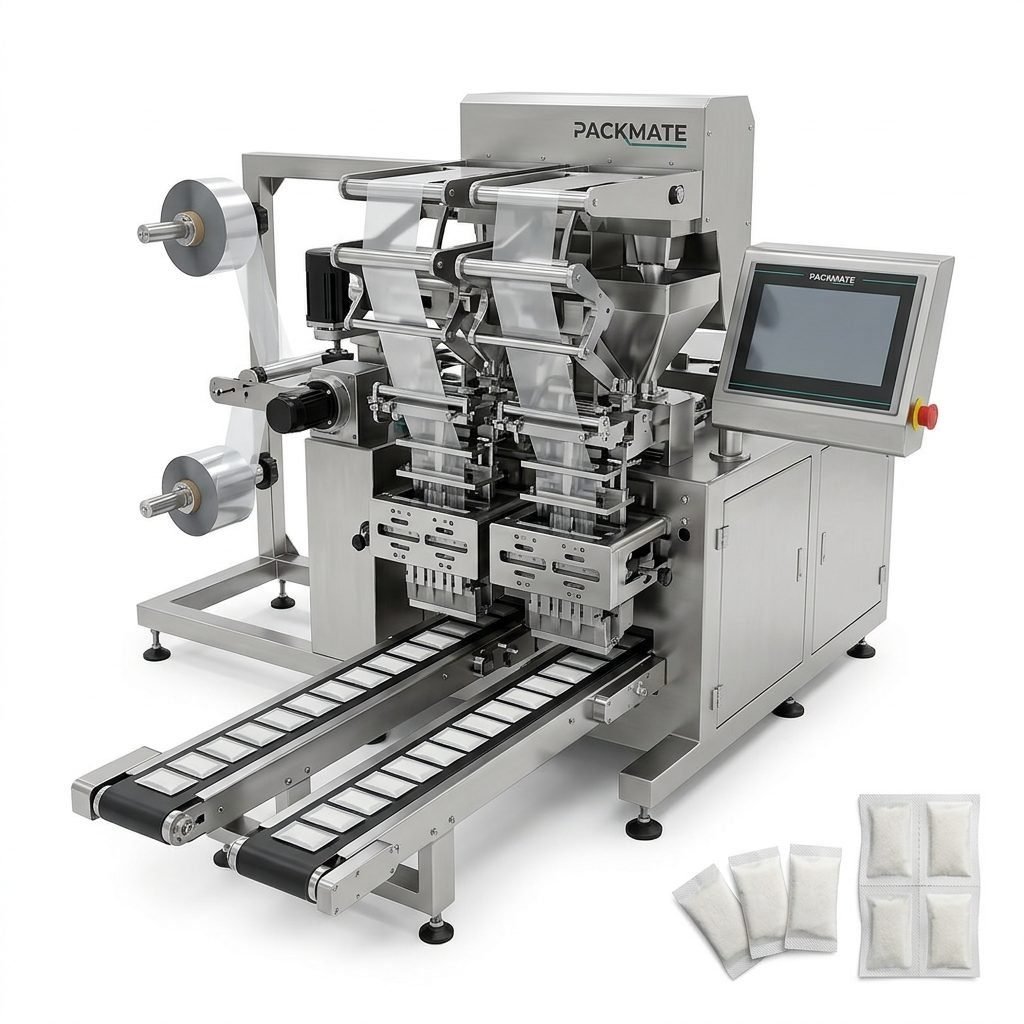
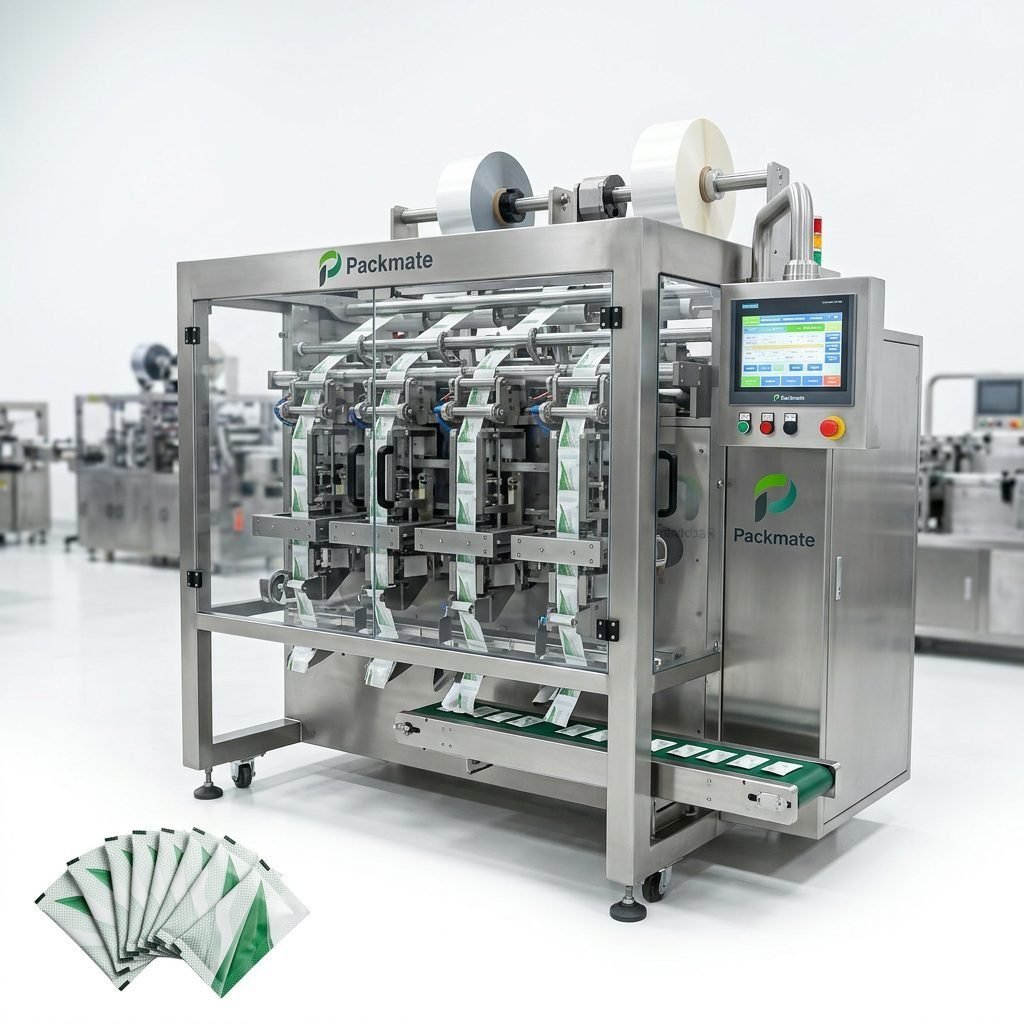
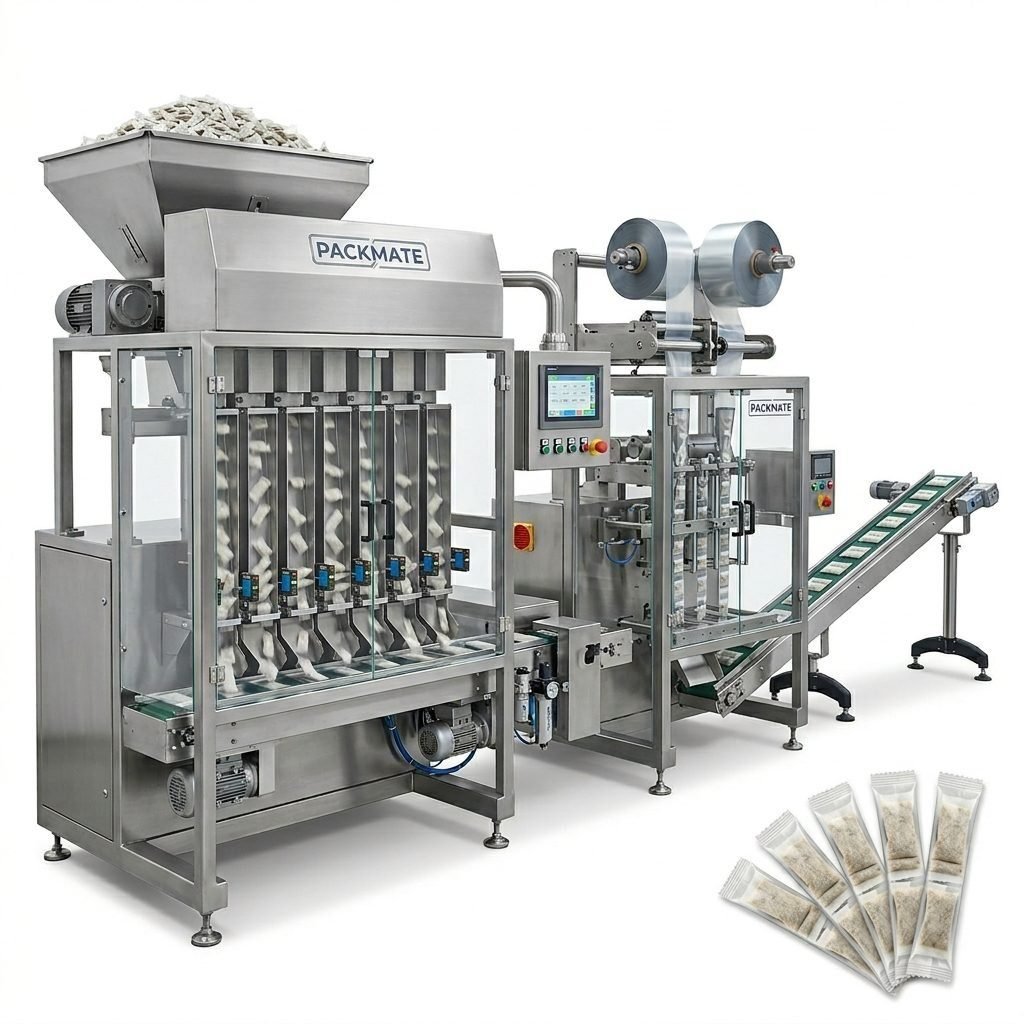
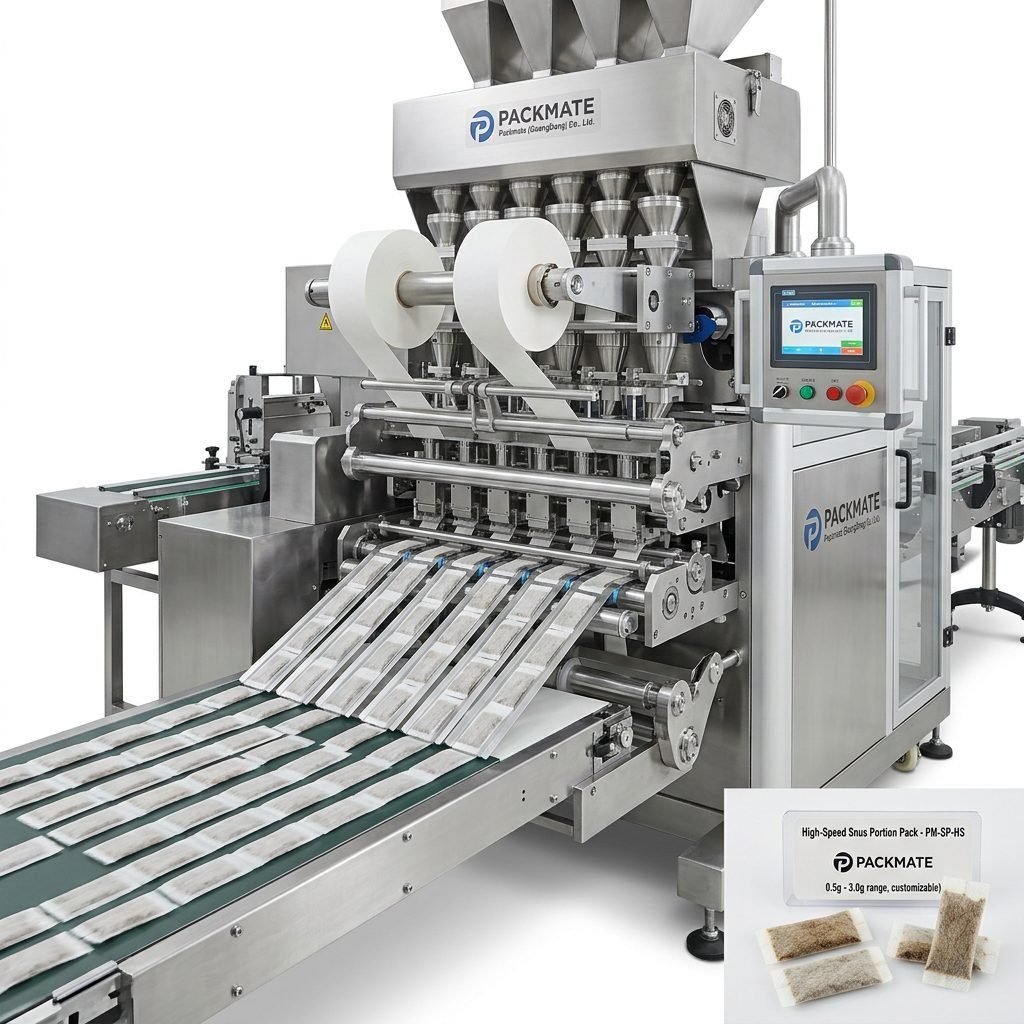
- Multi-lane capability — for high-volume output using narrow-dose pouches; multi-lane systems reduce footprint and increase ROI.
- Modular design — easy format changes between stick, sachet and tray formats saves downtime for varied SKUs.
- Hygienic construction — stainless-steel contact parts, CIP-friendly areas and easy-to-clean designs.
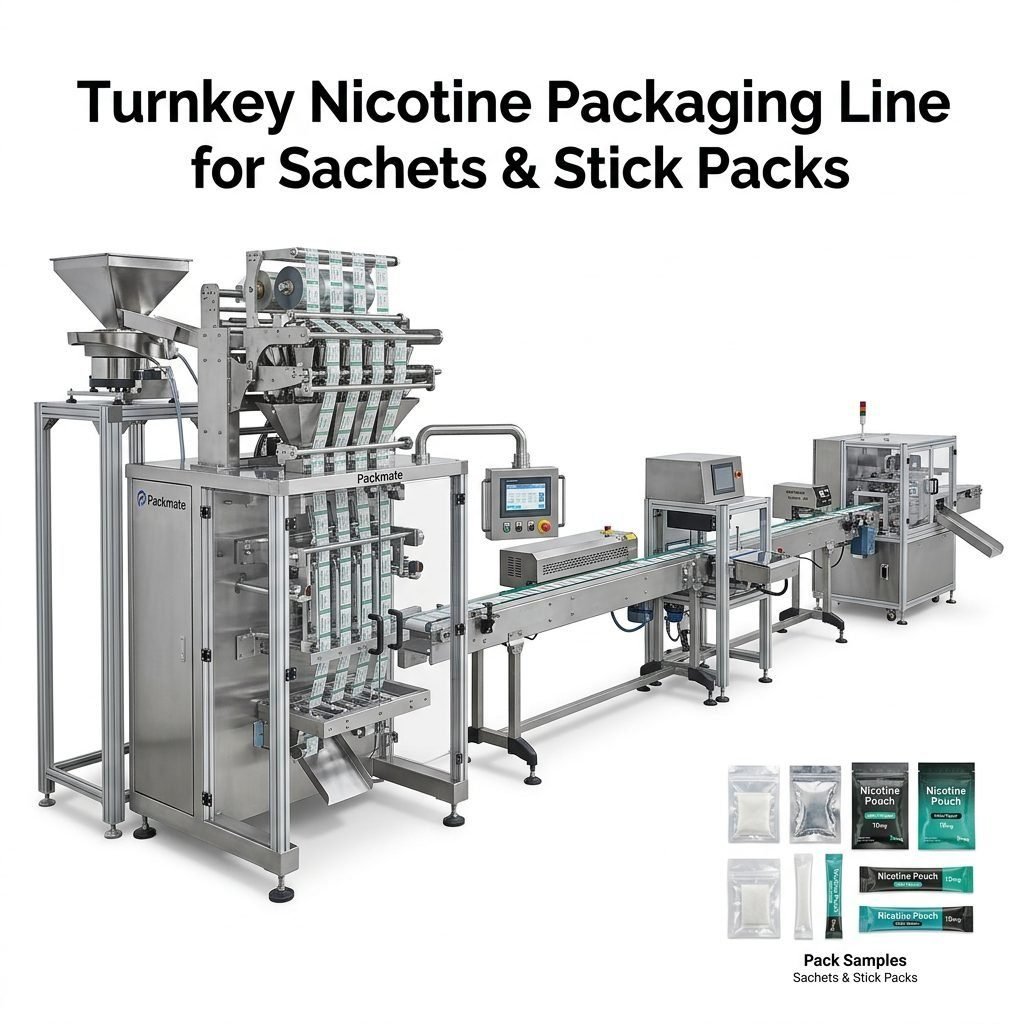
- Integration options — linking weighing, metal detection, printing and cartoning for a turnkey line.
CE and ISO certification, reliable spare parts availability, multi-lane options, and a manufacturer with a strong engineering background (30+ years is a plus).
Verify performance claims with test reports or a live demonstration — ask for video or on-site trial runs when possible.
🔧 Automation and turnkey solutions — why they matter
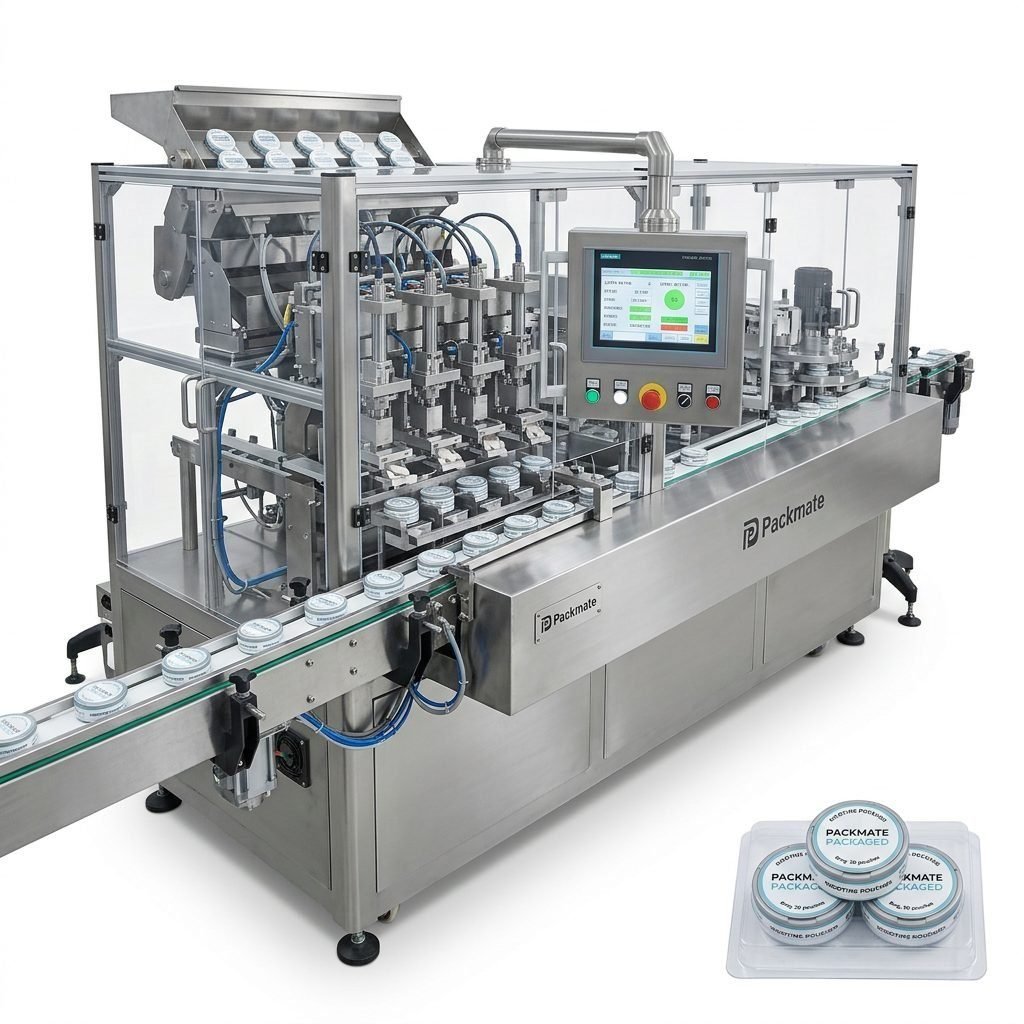
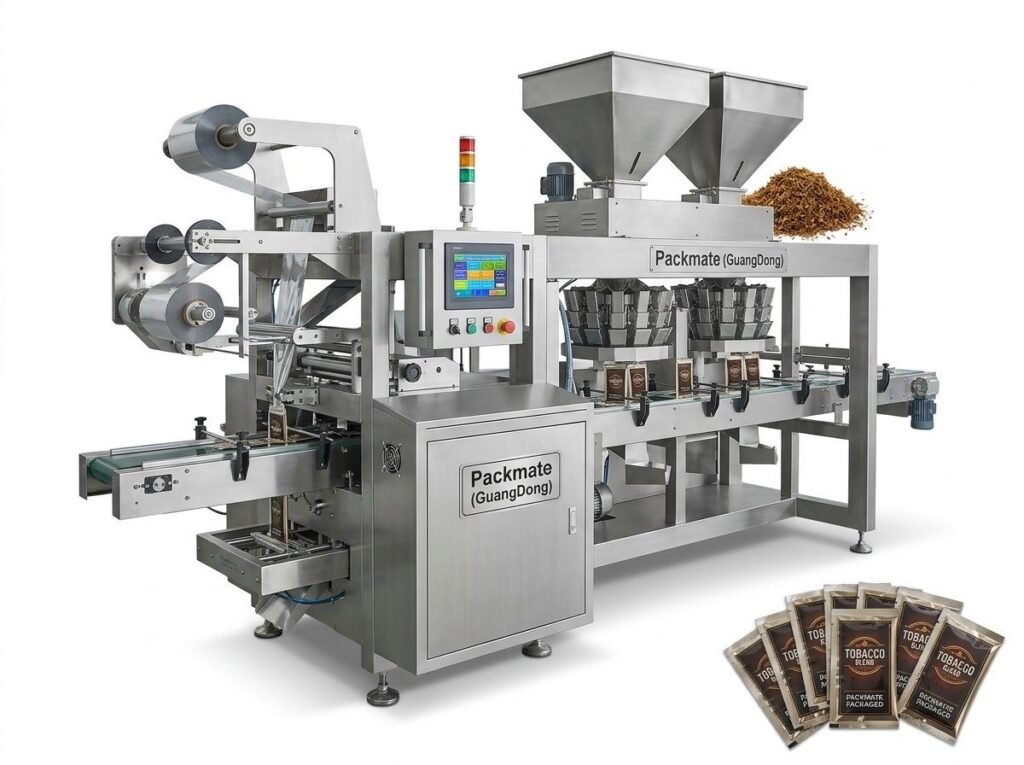
Dutch manufacturers and packagers often prioritize lines that minimize manual labor and maximize uptime. A turnkey solution from one supplier reduces integration risk: combining feeding, weighing, filling, sealing, printing and cartoning into a single delivery. Consider suppliers that offer full lines such as weighing & packaging systems and filling & packaging lines to ensure smooth installation and commissioning.
For example, suppliers who publish clear product lines like Snus & Nicotine Packaging Machines or Weighing & Packaging Systems often demonstrate integrated thinking.
🏭 Factory capability, traceability and quality assurance
Inspect the manufacturer’s production capacity and quality controls. A sizeable facility with CNC machining centers, precision assembly lines and systematic testing improves consistency. Look for details like factory area, number of machine models available and whether the company provides customized turnkey solutions. These indicators reveal whether the vendor can scale with your business.
If you prefer an established partner, learn about their history and development timeline — a company that evolved from workshop R&D into global supply typically carries valuable engineering depth.
🧾 Compliance, safety and materials — CE, ISO and hygiene
For European markets, CE marking and ISO compliance are non-negotiable. Confirm that the supplier issues proper certification and can support your export/import documentation. Also ask about materials in contact with product — food-grade stainless steel, FDA/EFSA compliant lubricants and GMP-friendly design all matter for nicotine pouch hygiene.
Useful references are often found on suppliers’ certification or product pages; ask vendors for copies of their certificates or direct links such as Certificate.
• Can you provide a live demo or video of the machine running my product?
• What is the expected maintenance schedule and turnaround time for critical spare parts?
• Do you offer on-site installation, commissioning and operator training in the Netherlands or nearby EU locations?
🔄 Flexibility: format changeovers & SKUs
Dutch customers often prefer varied SKUs with seasonal colors, flavors and limited editions. A machine with quick format changeovers, modular tooling and clearly documented recipes reduces downtime and costs. Ask about the supplier’s ability to supply spare tooling, format packs and recipe libraries for faster conversions.
🛠 After-sales, spare parts and local support
Reliable after-sales service makes or breaks long-term satisfaction. Confirm whether the manufacturer has EU partners, local spare parts warehouses, or offers remote support and fast on-site service. Companies with a dedicated service page and contact channels are preferable — check their Service and Contact Us details.
💶 Cost vs ROI — what to evaluate
Total cost of ownership includes initial purchase price, installation, tooling, energy consumption, maintenance, spare parts and downtime. Many Dutch buyers focus on long-term ROI: faster lines, lower giveaway, and reduced labor often justify a higher upfront investment. Ask for a transparent breakdown: cycle times, yield, and sample production cost comparisons.
🇳🇱 Choosing a supplier with Dutch/European experience
Suppliers who frequently exhibit in European shows and have case studies in EU markets better understand customs, transport and language needs. Attend trade shows or request case studies from the vendor to verify their performance in similar markets. Vendor exhibition pages and case pages can give insight — check their Our Exhibition and Case resources.
Practical tips: arrange a small-scale sample run with your actual product. Insist on documented acceptance criteria for speed, weight tolerance and seal integrity before final payment. For the Netherlands, confirm packaging language options and any retail-specific labeling including recycling symbols or local requirements.
1) Verify certificates, factory capacity and multi-lane options.
2) Request demo runs and test reports using your product.
3) Confirm after-sales network, spare parts lead times and training availability.
If you’re researching reliable suppliers with deep snus packaging experience, look for companies that highlight 30+ years of engineering development, a broad model range and turnkey line capability. These traits often indicate stable support and the ability to adapt machines to Dutch market specifics.
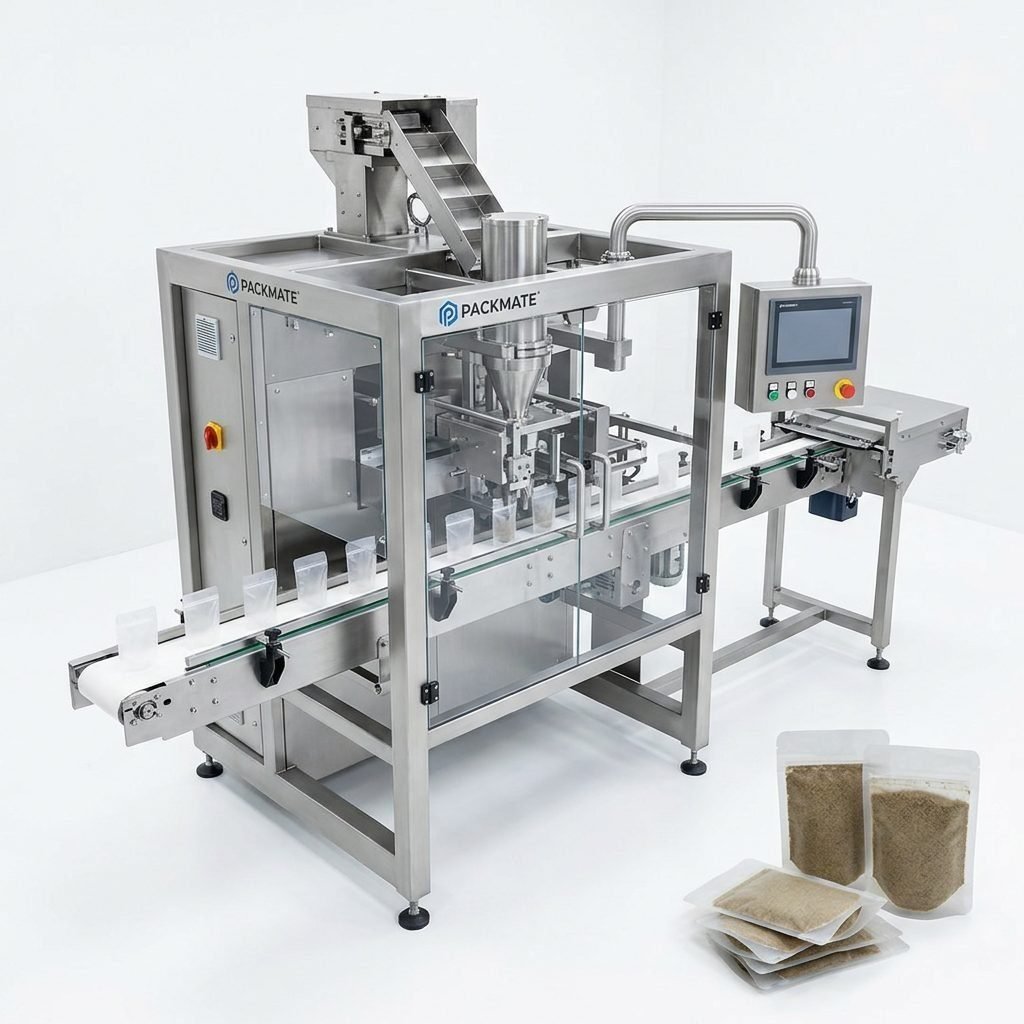
For a deeper dive into product families, examine pages dedicated to specific equipment categories like Bag & Pouch Packaging Machines and Sachet & Stick Pack Machines to match your format needs.
Final considerations before signing
Agree on clear acceptance tests, spare part lists, warranty terms, training schedules and delivery milestones. Ensure responsibilities for customs and local compliance are assigned in the contract. For operations in the Netherlands, include language considerations for manuals and training (English and Dutch support is ideal).
Frequently Asked Questions
Q: How important is CE certification when importing into the Netherlands?
A: CE certification is essential for mechanical and electrical safety compliance across EU markets. It provides assurances to Dutch customs and retailers that the equipment meets European standards.
Q: Should I prioritize multi-lane machines for nicotine pouches?
A: If you plan high-volume production of small-dose pouches, multi-lane machines significantly increase throughput and save floor space. They are often worth the initial investment for scalable operations.
Q: What support should be negotiated in the contract?
A: Include installation, commissioning, operator training, spare parts lists with lead times, warranty duration and remote diagnostics support. For EU customers, specify shipping, customs responsibilities, and who provides CE documentation.
Q: How can I validate a machine’s performance before purchase?
A: Request a demonstration using your exact product, ask for sample output, performance data (cycle time, weight tolerance) and, if possible, a factory acceptance test or video of the machine running similar materials.