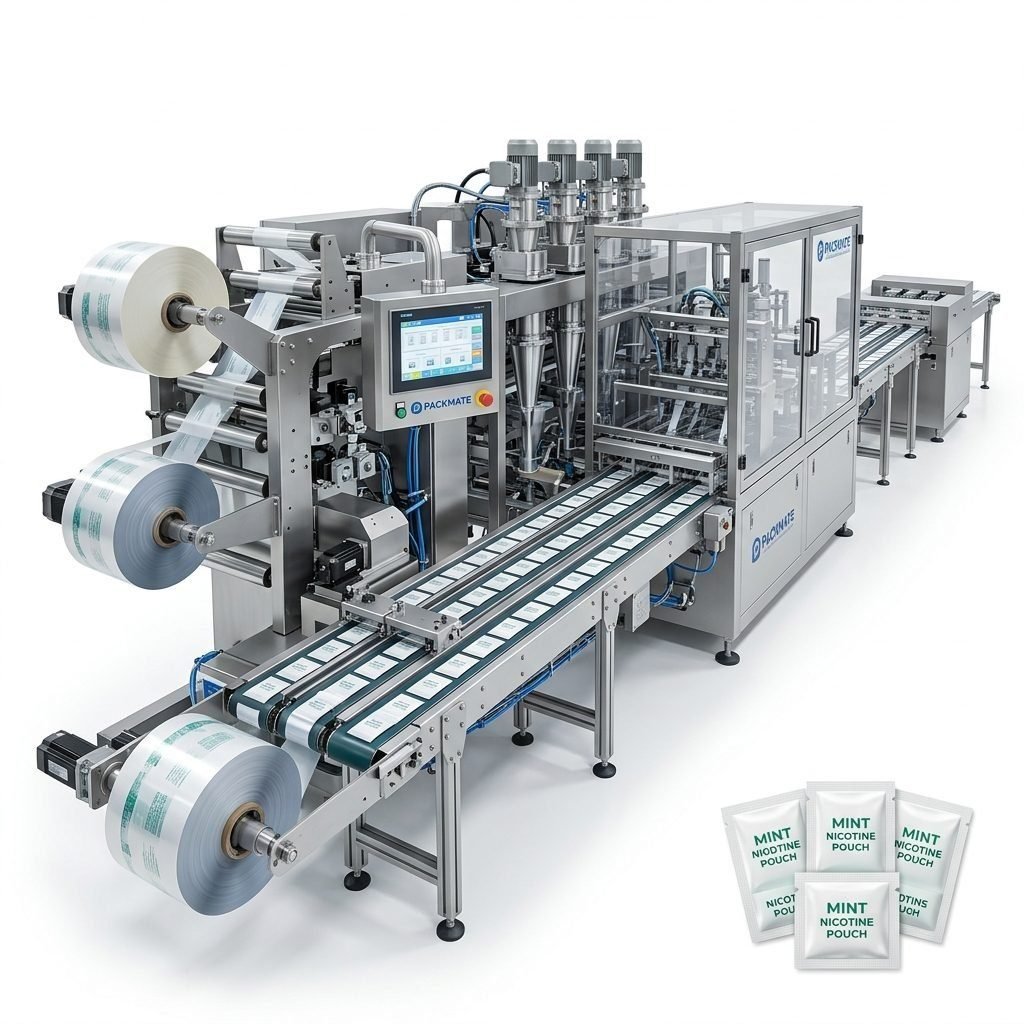
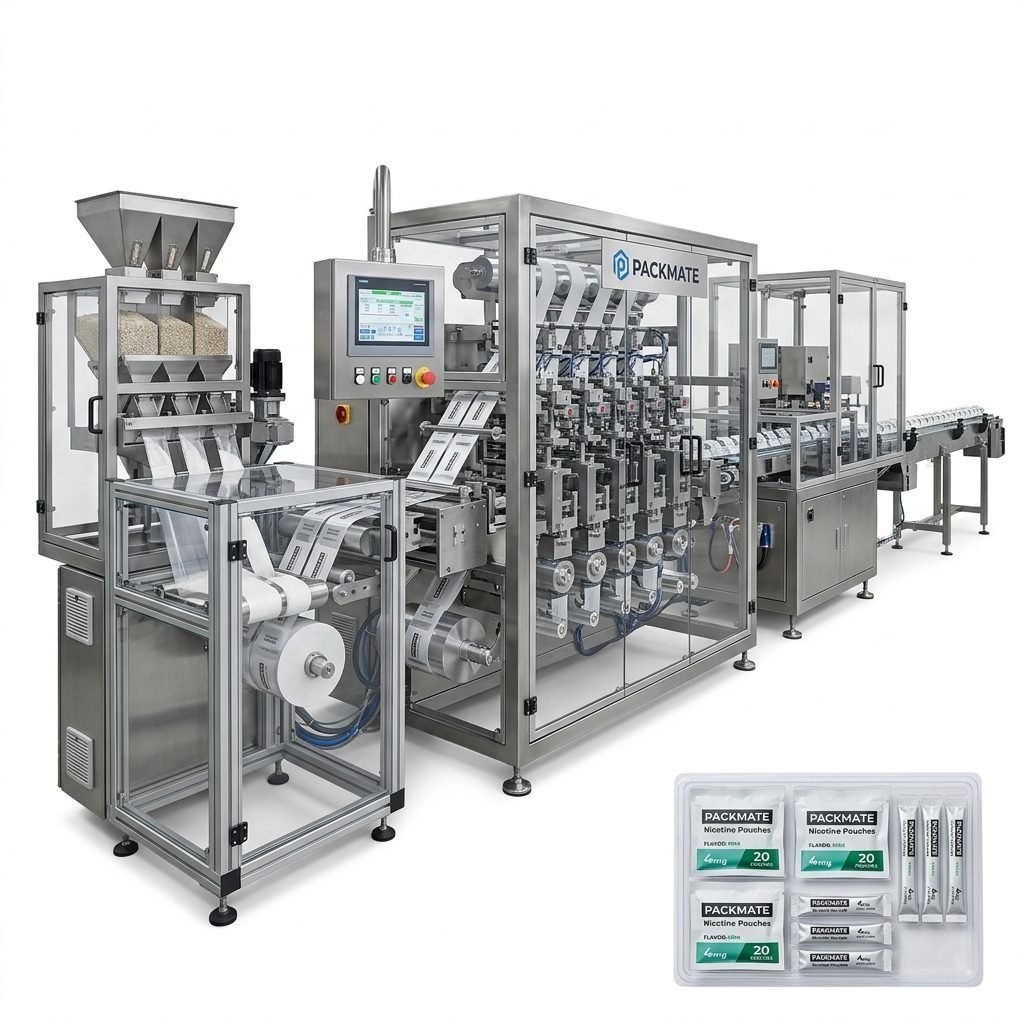
Ecuador is a market of growing interest for nicotine pouch and snus producers. Choosing the right packaging machinery for nicotine products requires balancing local regulations, climate considerations, production capacity, and cost-efficiency. This guide walks you step-by-step through the process of selecting the best nicotine packaging equipment for Ecuador, with practical advice on machine types, materials, compliance, and after-sales support.
📌 Understand Ecuadorian Market and Regulatory Landscape
Ecuador has a culturally diverse consumer base and increasing interest in alternative nicotine products, especially in urban centers like Quito and Guayaquil. When selecting machinery, consider: local labeling rules (Spanish mandatory), pictogram and health-warning placement, and any import or excise tax implications. Make sure your packaging line can handle variable label sizes and multilanguage printing.
🔍 Local habits and climate that affect packaging choice
Ecuador’s coastal regions are humid and warm; high humidity can accelerate moisture uptake and degrade nicotine pouches. Consumers often prefer compact single-dose pouches and discreet tin or sachet packaging. Choose machines and materials that support robust moisture barriers, modified atmosphere packaging (MAP), or desiccant insertion if needed.
⚙️ Key Machine Types for Nicotine Pouches
Depending on your product format and capacity needs, consider these main types:
-
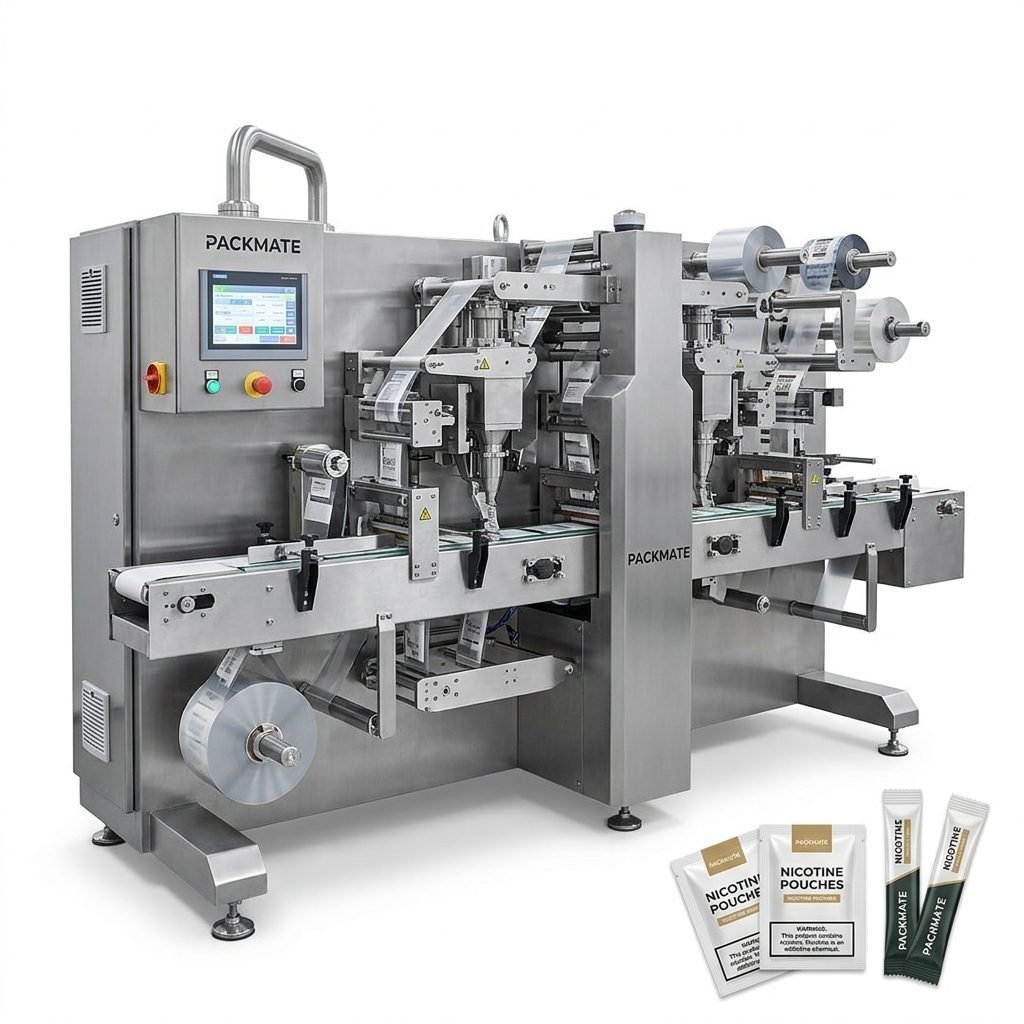
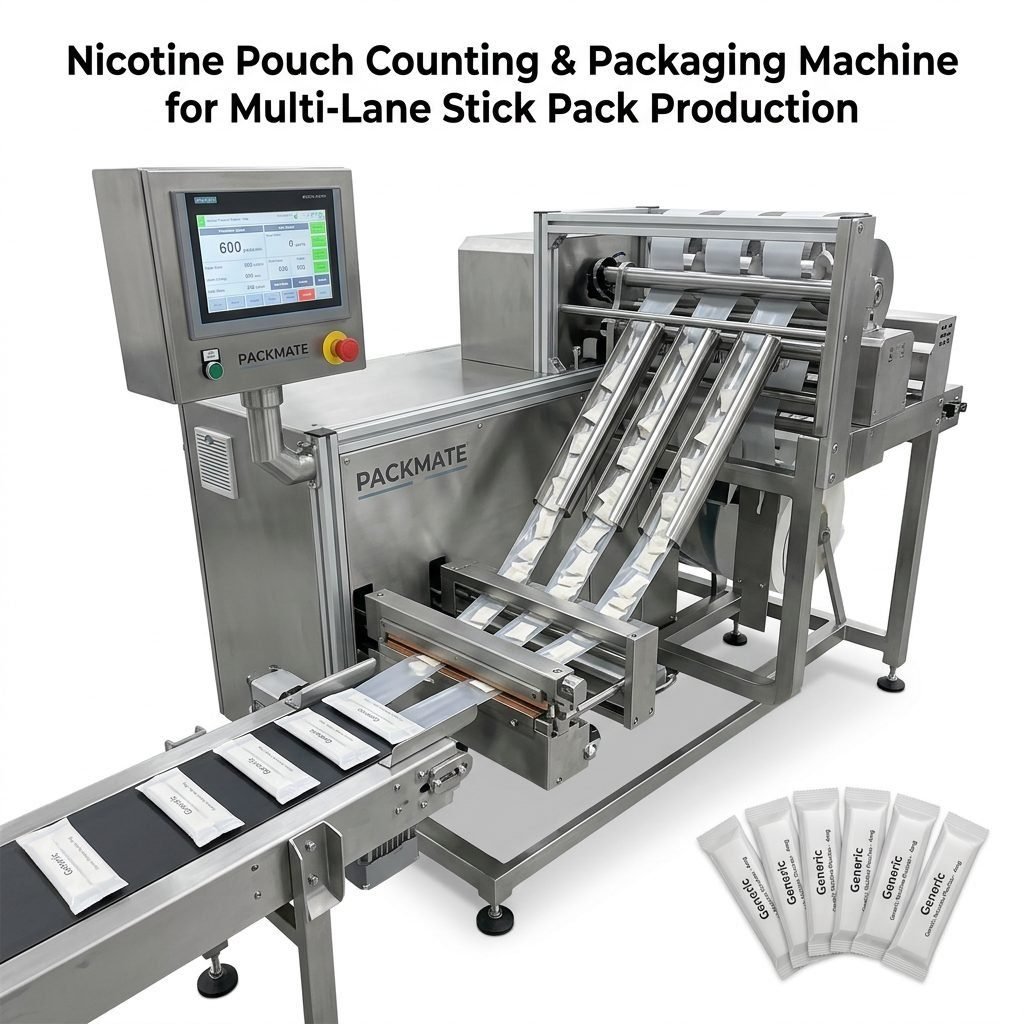
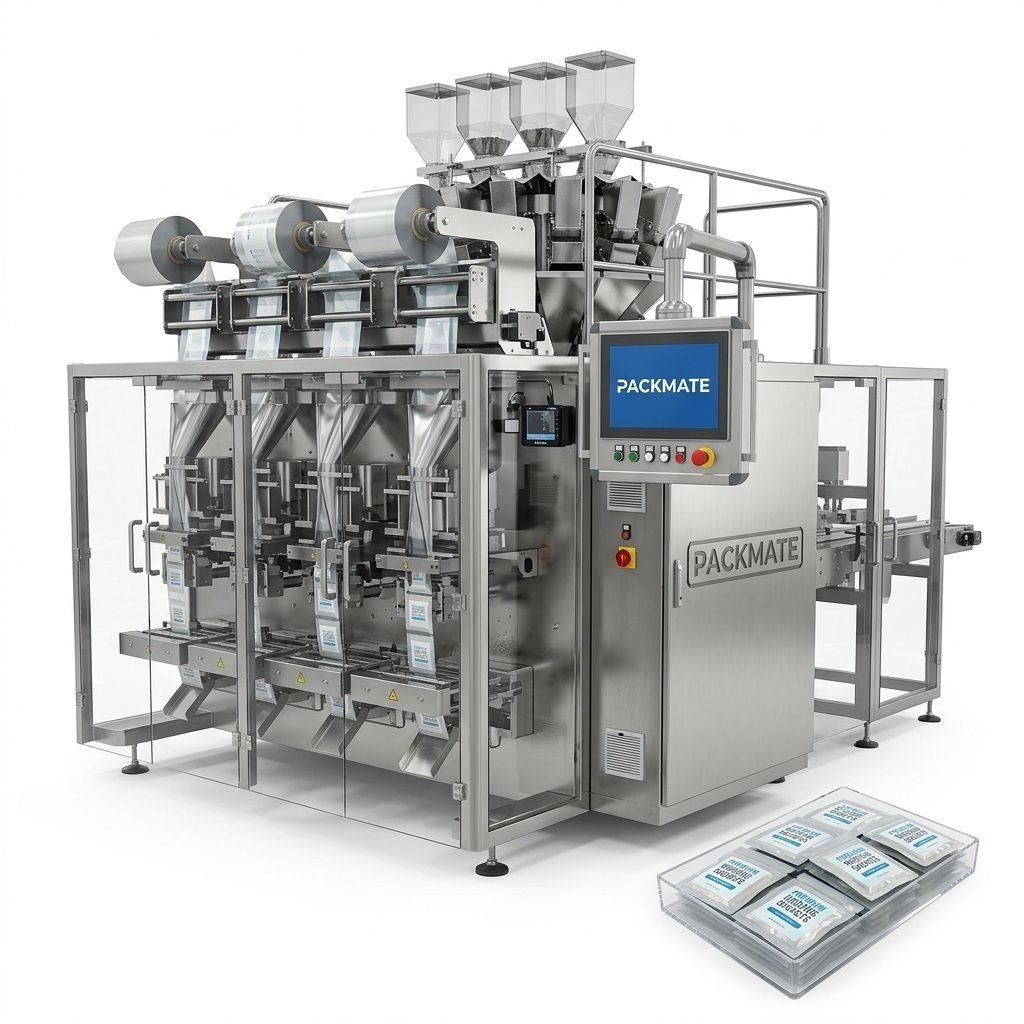
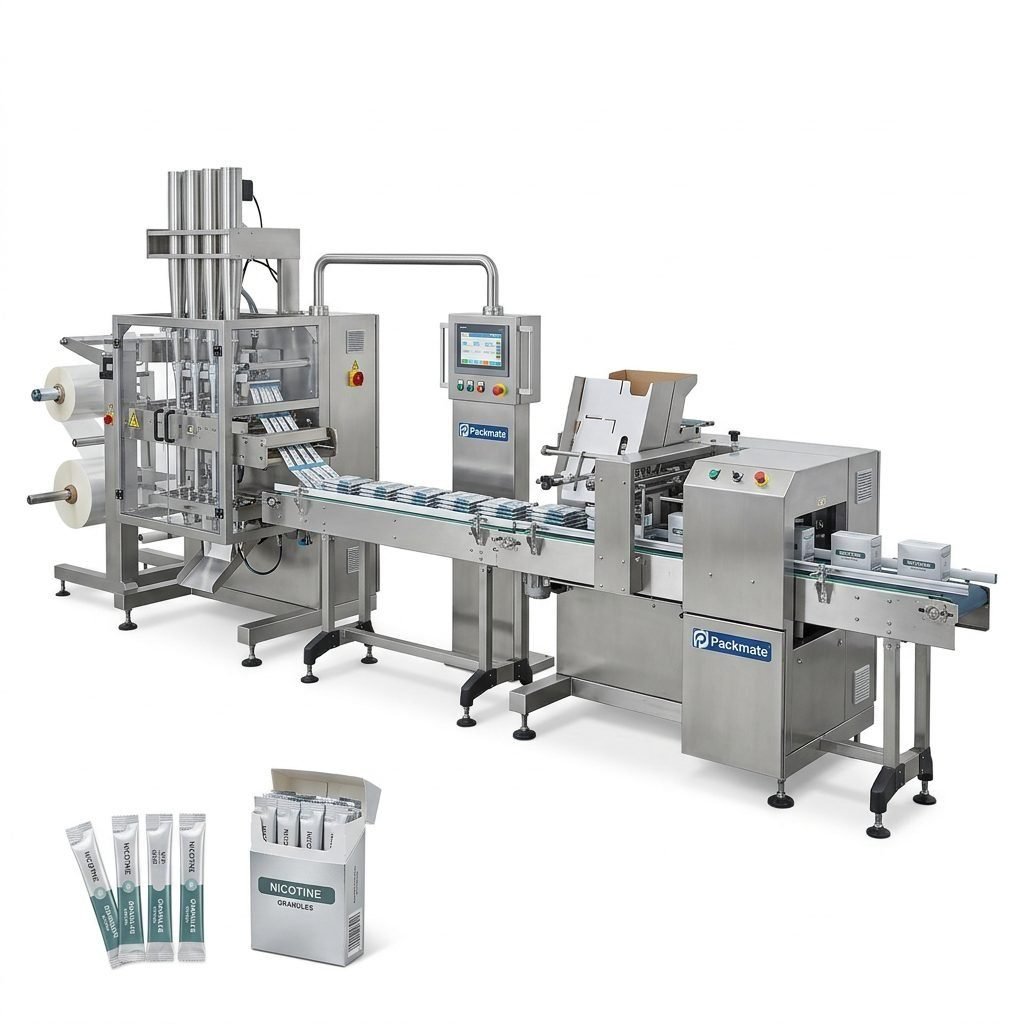
Stick pack machines — for single-dose sticks or slim pouches. Good for high-speed lines and small-dosed nicotine formats.
-
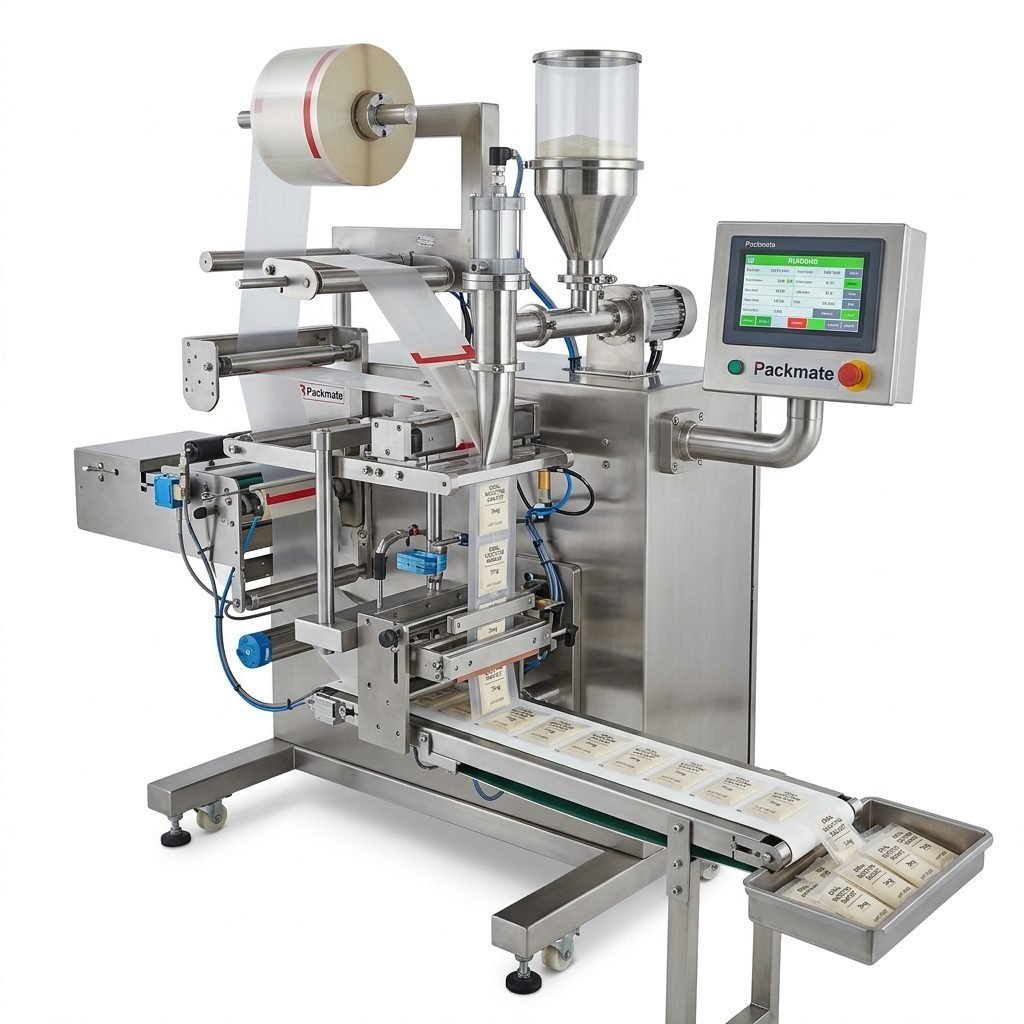
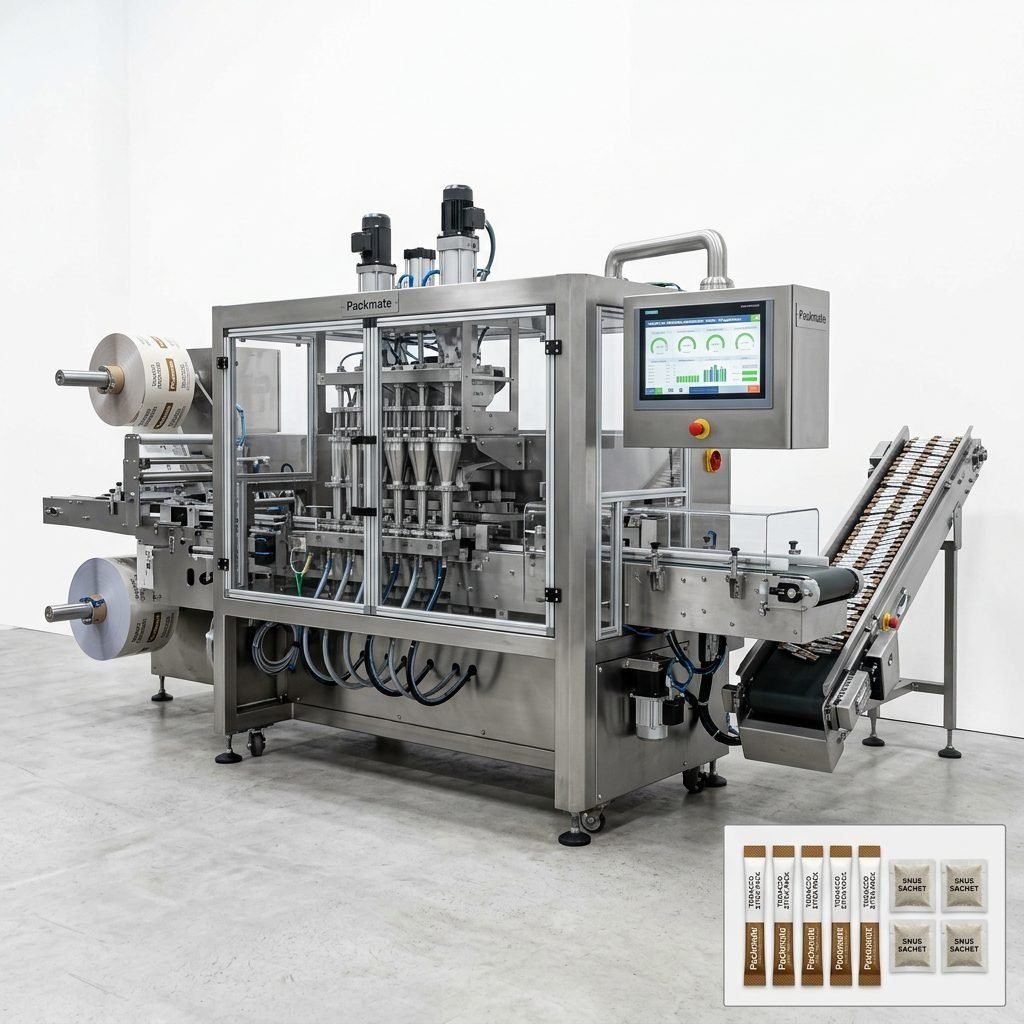
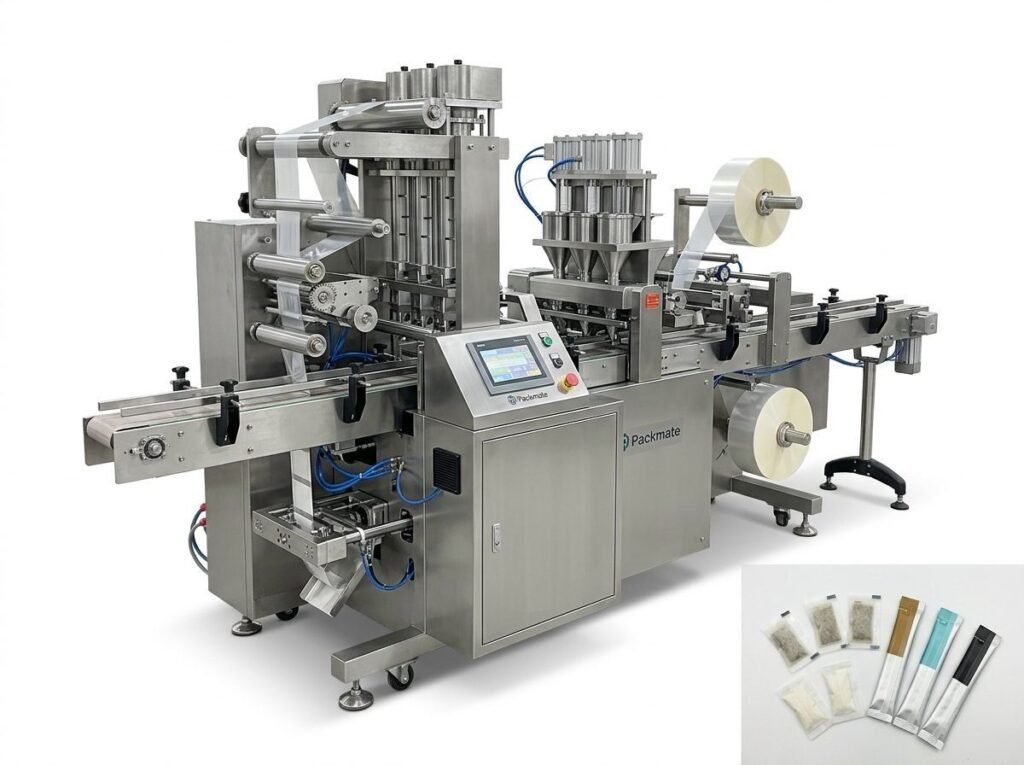
Sachet and multi-lane machines — ideal for sachets, small pouches, and multi-lane throughput on compact footprints.
-
Tin and can filling lines — if you plan to offer portion tins, choose robust filling, capping, and labeling modules.
-
Auxiliary systems — feeders, metal detectors, checkweighers, and desiccant inserters for quality and compliance.
🔧 Performance specs to prioritize
For Ecuadorian operations, prioritize: consistent dose accuracy, easy changeovers for small production runs, corrosion-resistant materials (stainless steel), and humidity control features. Energy efficiency and remote diagnostics can reduce operating costs and downtime.
💡 How to Evaluate Suppliers and Machines
Selecting a reputable manufacturer is essential. Look for suppliers with established track records in nicotine packaging and customized turnkey solutions. Key evaluation points include:
-
Industry experience and references — choose manufacturers with decades of machine R&D and global customers.
-
Factory and QA capabilities — CNC machining, assembly lines, and strict testing ensure reliable machines.
-
Certifications — CE and ISO compliance help meet import and safety standards.
-
After-sales service and spare parts availability — rapid support is crucial for minimizing downtime.
📎 Recommended supplier features
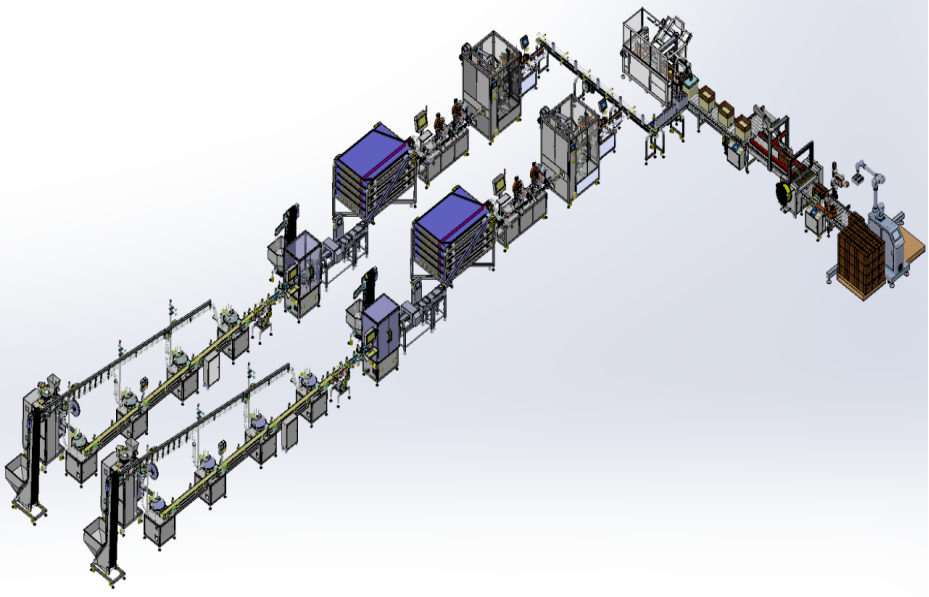
A strong supplier will offer customizable multi-lane systems, local support channels or partners in Latin America, and the capacity to design packaging to meet Ecuadorian labeling and export specs. Explore manufacturers that emphasize turnkey lines for snus and nicotine pouches.
🧩 Packaging Materials and Film Selection
Material selection affects shelf life and user experience. In Ecuador’s humid climate, choose films with superior moisture barriers (metallized laminates, high-barrier multi-layer films). Consider recyclable options if you want to align with sustainability expectations among urban consumers. Ensure your machine supports the selected film thickness and sealing temperatures.
📈 Production Planning: Capacity and Scalability
Determine current and future production targets. For startups a single-lane or low-speed sachet machine may suffice, while established brands should consider high-speed multi-lane lines to meet volume demands and reduce labor costs.
Tip: Choose modular systems that allow you to add lanes or auxiliary units (weighing, canning, labeling) as demand grows.
🧪 Quality Control, Testing and Compliance
Integrate inline quality tools like metal detectors, checkweighers, vision inspection, and seal integrity testers to maintain compliance and avoid costly recalls. Spanish language labels, batch coding, and traceability features are important for regulatory checks and consumer transparency in Ecuador.
🤝 Service, Training and Spare Parts
Prioritize suppliers that provide on-site commissioning, operator training, and readily available spare parts. For operations in Ecuador, confirm delivery lead times and whether the manufacturer offers remote troubleshooting or field service partners in Latin America.
Packmate-type suppliers with global turnkey experience can help accelerate setup and ensure stable long-term operation.
💰 Cost Considerations and ROI
Evaluate total cost of ownership: purchase price, installation, staff training, spare parts, energy usage, and expected uptime. Higher initial investment in precision multi-lane systems often pays back through reduced labor and higher throughput. Factor projected market demand in Ecuador and export plans to neighboring countries when forecasting ROI.
🔗 Useful Resources and Supplier Links
For reference and equipment options, consider reviewing product lines and case studies from established manufacturers:
-
Snus & Nicotine Packaging Machines — multi-lane snus pouch solutions and specialist lines.
-
Bag & Pouch Packaging Machines — flexible pouch formats and sachet capabilities.
-
About Packmate — company background and manufacturing strength.
-
Contact Us — for inquiries on regional service and turnkey solutions.
✅ Final Checklist Before You Buy
Use this quick checklist when evaluating offers:
-
Does the machine support your pouch format, film type, and volatile climate needs?
-
Are required certifications and documentation provided for import into Ecuador?
-
Is spare parts and technical support available within acceptable lead times?
-
Can the supplier provide references or case studies from similar markets?
-
Is the line modular and scalable to match your growth plans?
🔚 Conclusion
Choosing the best nicotine packaging machinery for Ecuador involves technical, regulatory, and commercial considerations. Focus on moisture-protective materials, modular multi-lane systems for scalability, reputable suppliers with global experience, and strong after-sales support. With the right equipment and planning, manufacturers can build reliable, compliant, and cost-effective packaging lines tailored to Ecuador’s market demands.
❓ Frequently Asked Questions
Q1: What machine speed is suitable for a new brand entering Ecuador?
A1: Start with a flexible low-to-medium speed machine that supports small batches and quick changeovers; plan for multi-lane expansion as sales grow.
Q2: How important are moisture barriers for Ecuador?
A2: Highly important — choose high-barrier films, desiccants, or MAP options to preserve product quality in humid coastal regions.
Q3: Do packaging machines require special certifications for import?
A3: Machines should comply with recognized standards (e.g., CE, ISO) and provide documentation for customs and safety audits; ask suppliers for certificates and compliance paperwork.
Q4: Can I get Spanish-language HMI and manuals?
A4: Most reputable suppliers can provide Spanish HMI options and translated manuals; confirm language support during negotiation.
Q5: Where can I see real-world examples of packaging lines?
A5: Review case studies, exhibition demos, and supplier galleries to verify real-world performance. Visit supplier exhibition pages or request live demos for greater assurance.