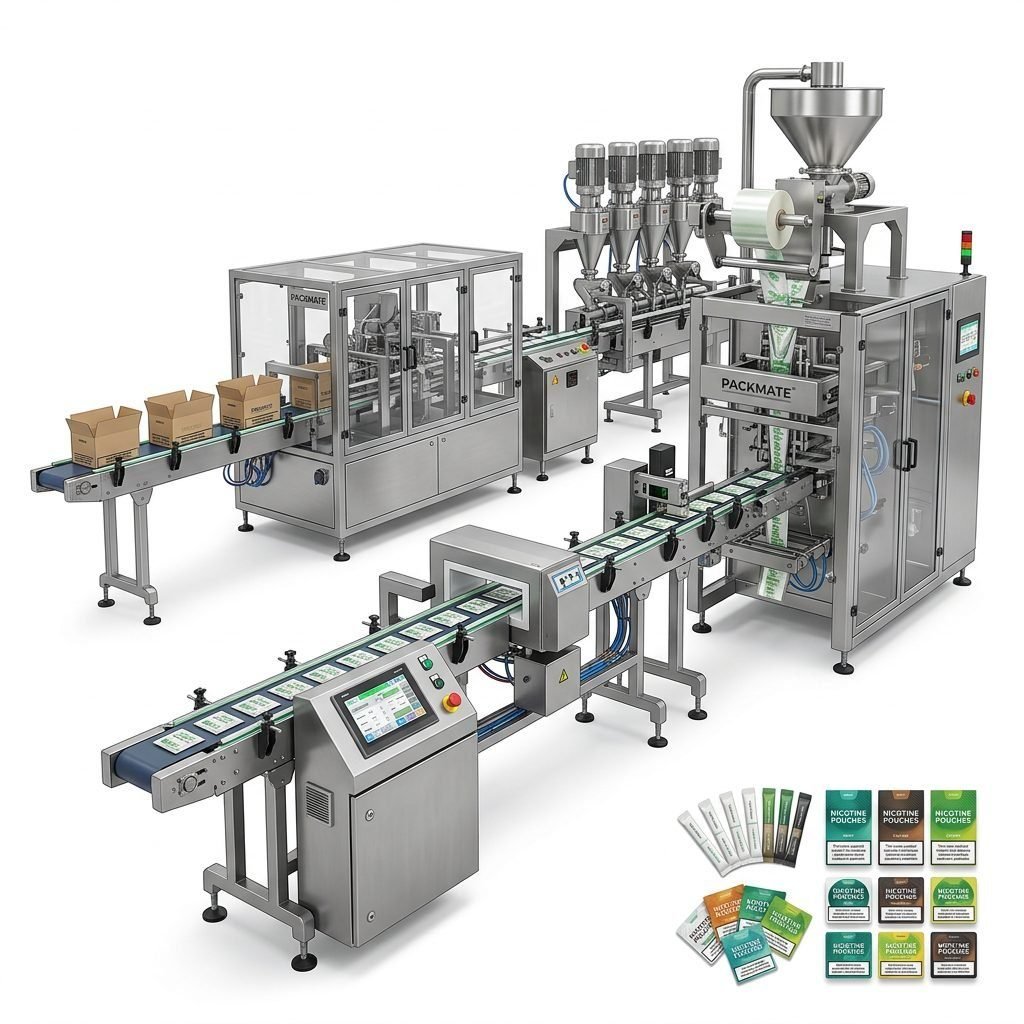
Choosing the right snus packaging machinery supplier for operations in Palestine requires a practical combination of technical evaluation, cultural awareness, logistics planning, and regulatory compliance. This guide walks through the most important considerations to help manufacturers, importers, and entrepreneurs select a supplier that fits local market realities—from machine performance and after-sales support to labeling requirements and distribution channels.
Understand Local Market Characteristics in Palestine
Palestine’s market is unique: consumer products are often distributed through family-owned retailers, local wholesalers, and cross-border traders. Urban centers such as Ramallah and Nablus have different buying habits compared to smaller towns and refugee camps. When introducing nicotine pouches or snus, consider small-batch packaging and discreet presentation that align with local tastes and sensitivities. Research expected pack sizes, flavor preferences, and whether consumers prefer single-use sachets, multi-stick packs, or tin-style packaging.
Cultural and Seasonal Considerations
Ramadan and major family events influence purchasing patterns across Palestine. Sales can spike before holidays and decline during fasting hours. Promotions and packaging that are respectful to local culture — clear Arabic labeling and modest branding — will perform better. Also consider that Arabic is the primary language for labeling and instructions, and many consumers appreciate bilingual (Arabic/English) packaging.
Prioritize Machine Types and Line Configurations
Not every production need requires the same equipment. Evaluate the supplier’s machine portfolio based on the types of pouches and production volume you plan to run:
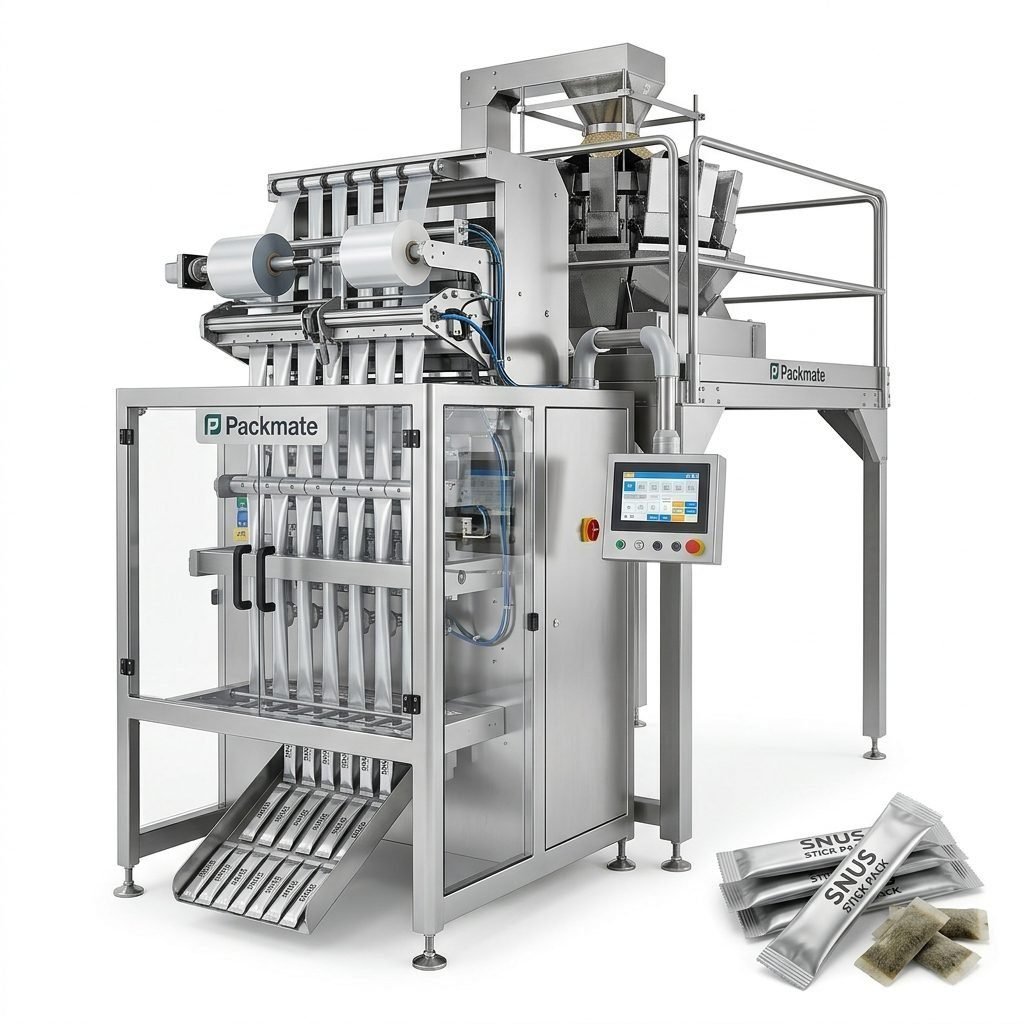
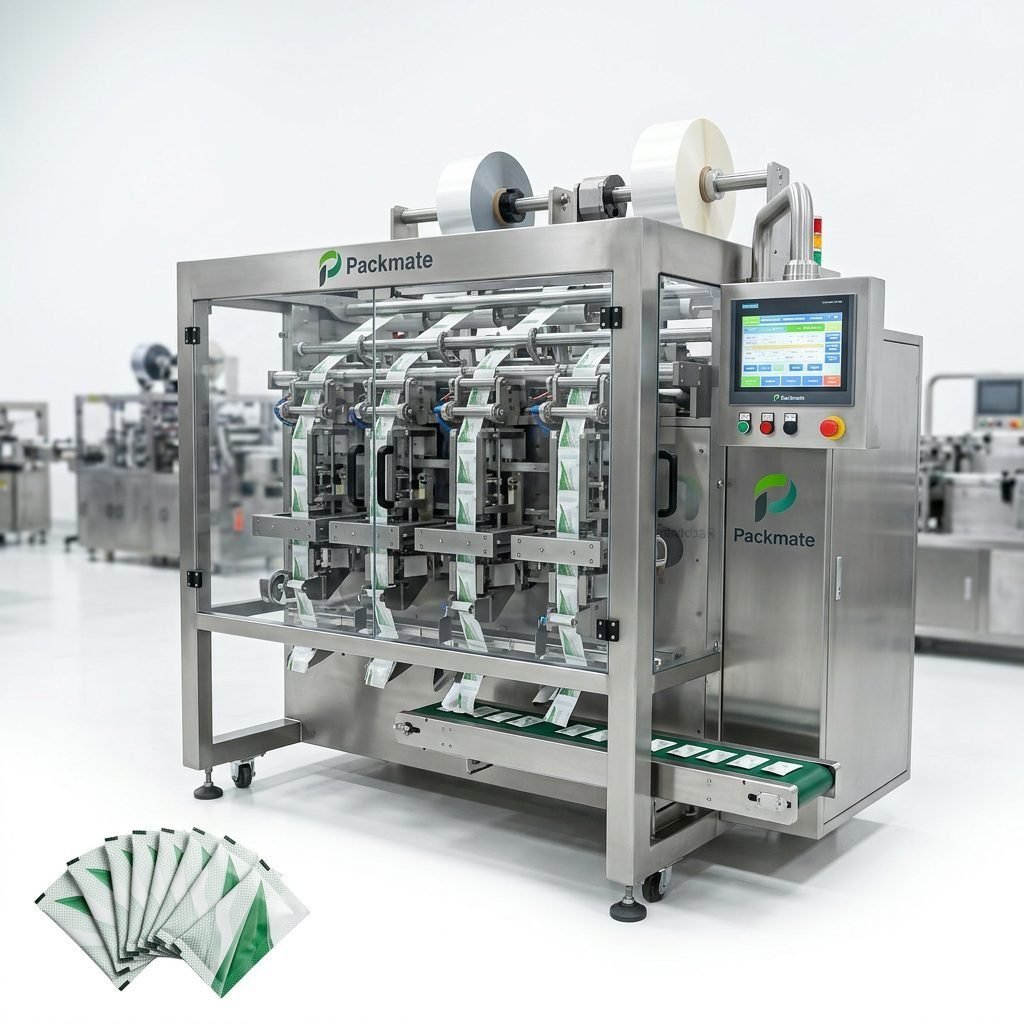
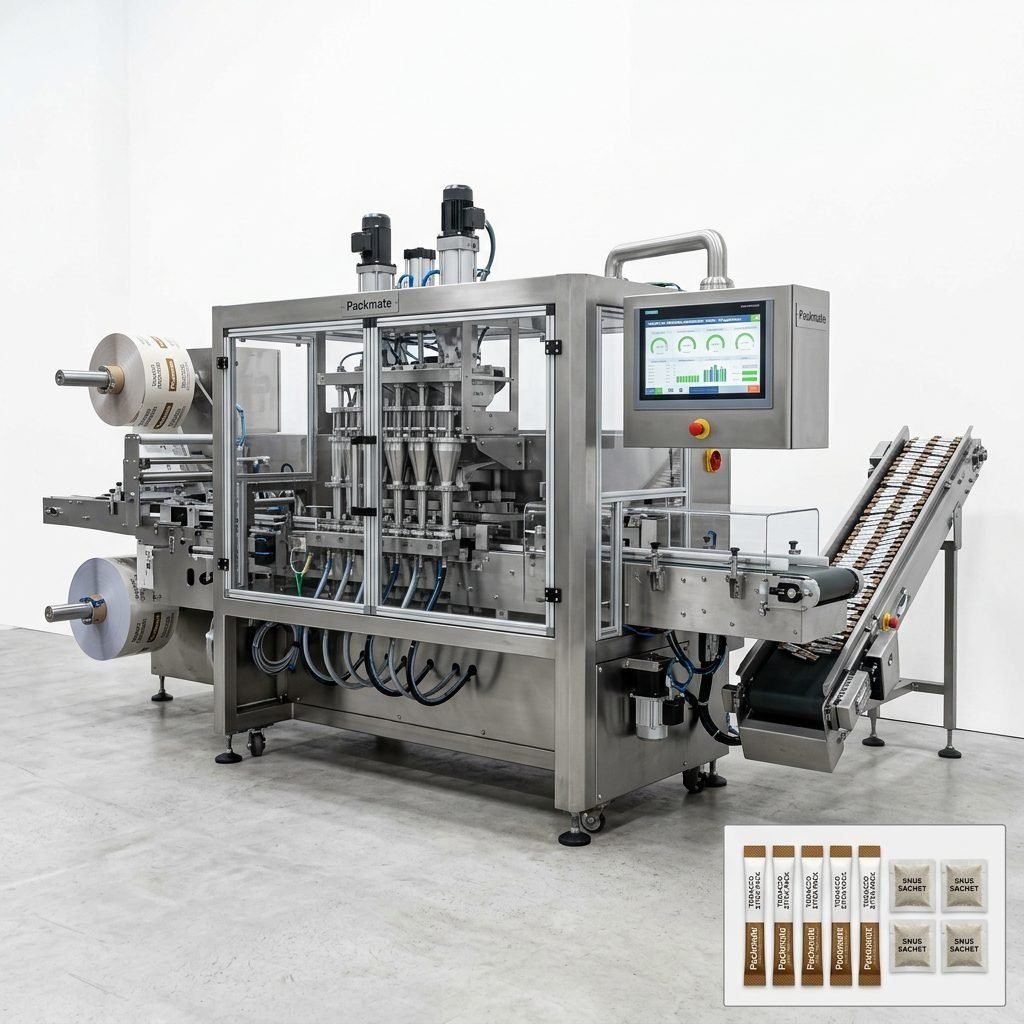
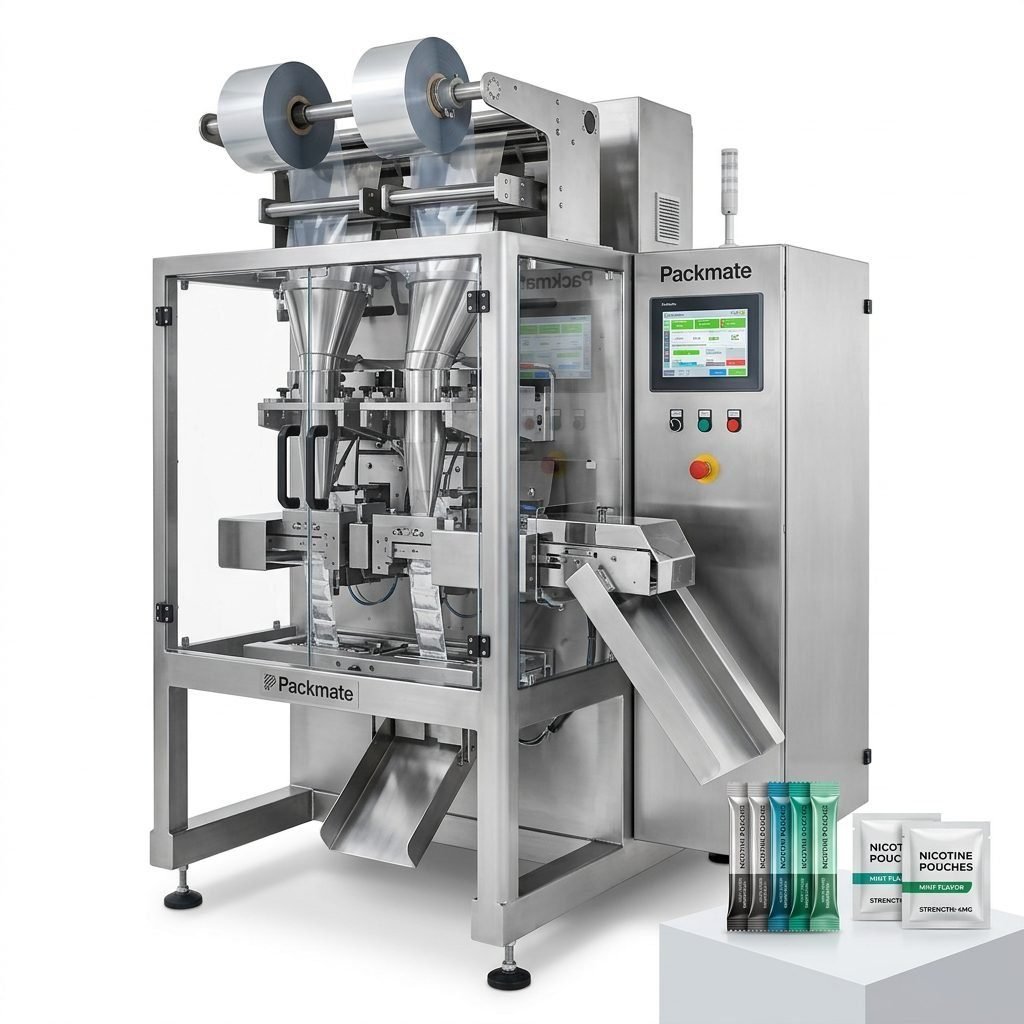
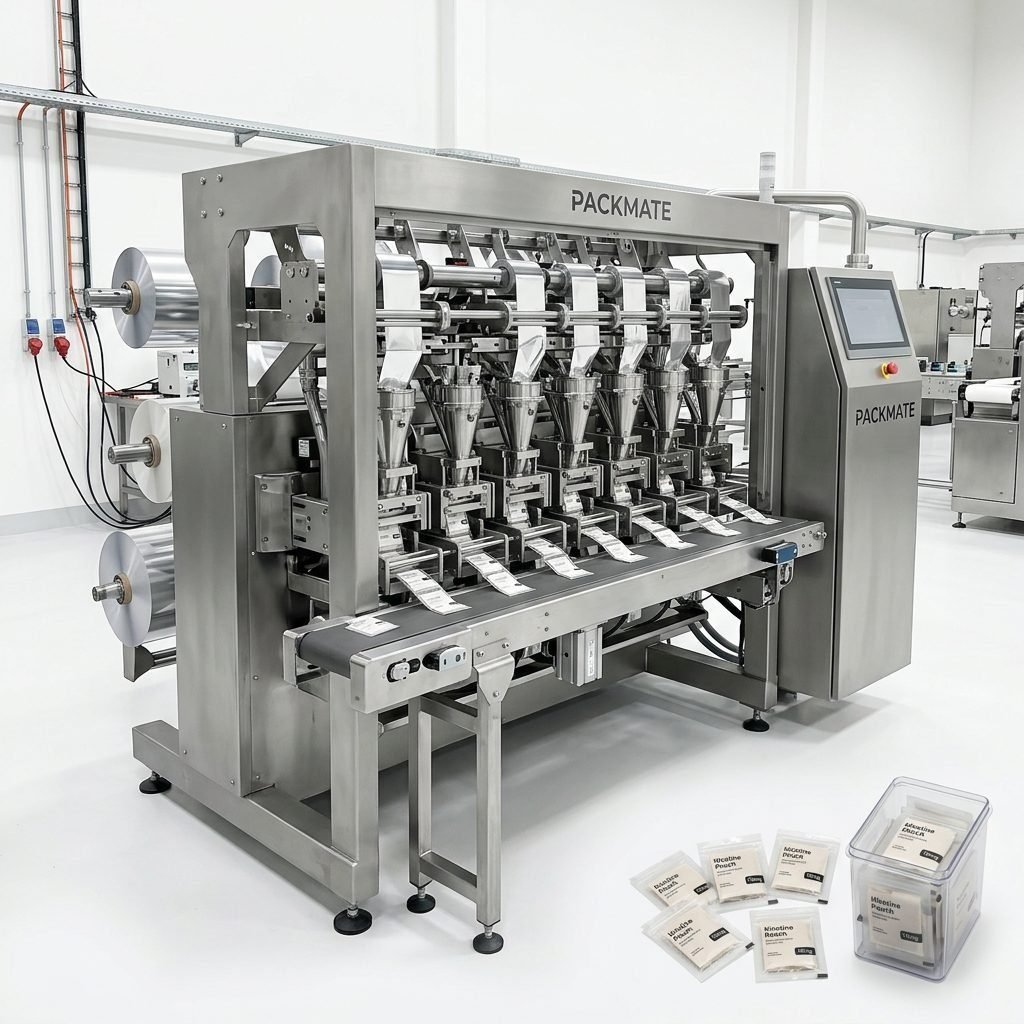
Stick pack and sachet machines are ideal for single-dose production and flexible flavors. Multi-lane systems are the best choice when you need to scale up with small-dose, high-speed output. If your product mix includes powders, granules, or liquid fillings, look for suppliers offering integrated weighing and filling systems.
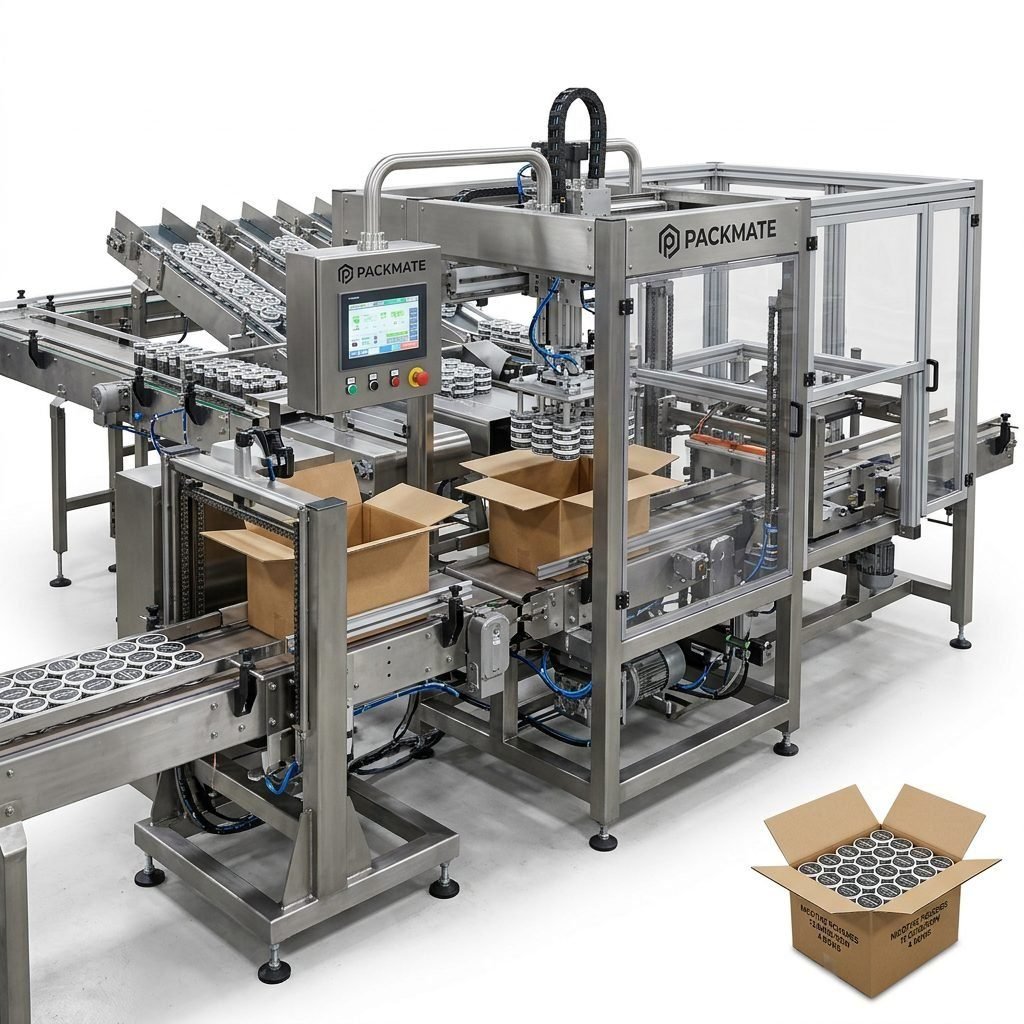
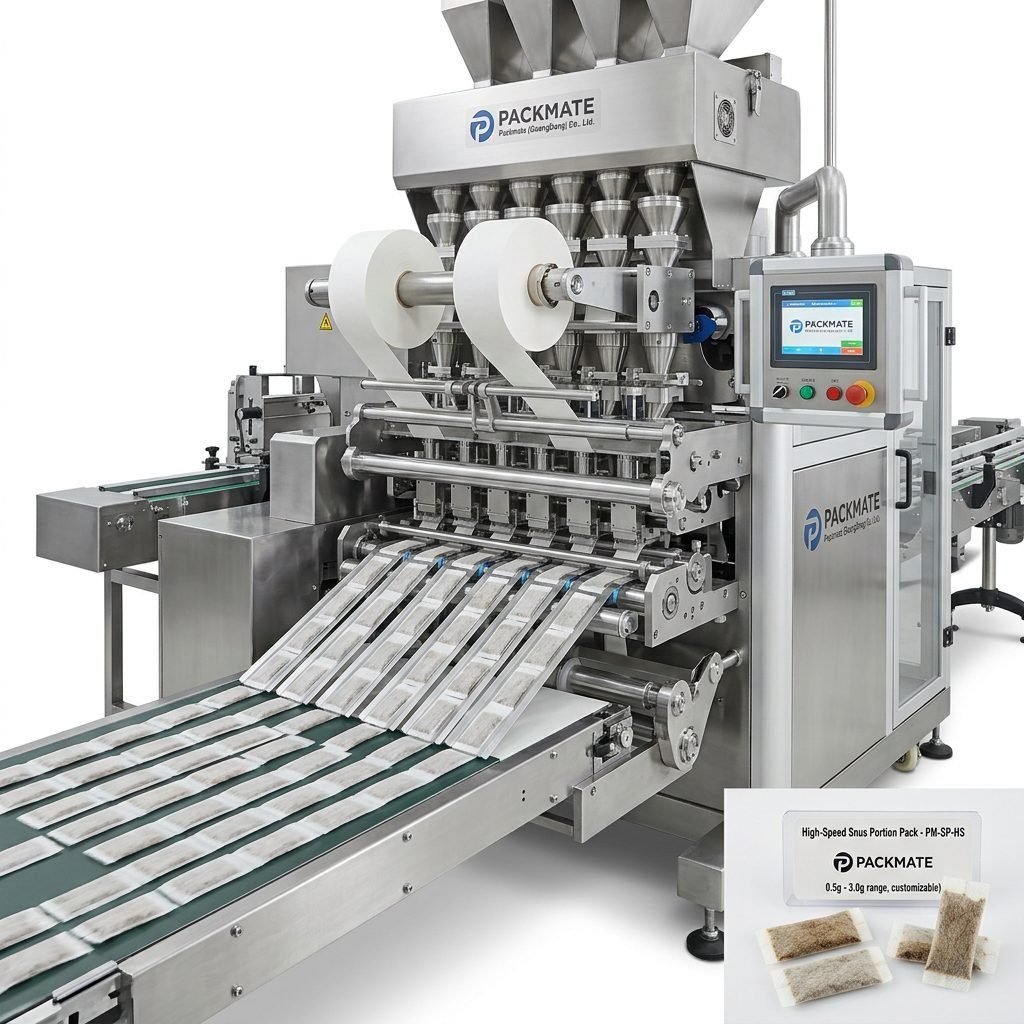
Trusted suppliers will provide a range of models and the ability to customize lanes, dosing systems, and packaging formats. For example, Packmate Snus Machine offers Snus & Nicotine Packaging Machines and multi-lane systems tailored to small-dose pouch production — useful for businesses that want both small-batch flexibility and eventual scale.
Key Features to Compare
Evaluate machinery on reliability, speed, accuracy, and ease of maintenance. Important technical metrics include:
- Production speed (pouches/minute)
- Filling accuracy and repeatability
- Ease of changeover between formats
- Quality of components (servo motors, PLCs, sensors)
- Hygienic and food-contact compliant materials
Supplier Credibility and Factory Strength
Always verify a supplier’s background. Look for manufacturing footprints, certifications, and real-world case studies. A supplier with decades of engineering experience, a large manufacturing facility, and advanced CNC capabilities usually delivers more consistent quality and customized solutions.
What to request: factory photos, machine acceptance test reports, CE and ISO certificates, and examples of global installations. Packmate, for instance, highlights a 20,000㎡ facility, 30+ years of experience, and CE/ISO compliance — all useful indicators of industrial capability.
References and Live Demonstrations
Ask for client references and, if possible, watch a live demonstration of the specific model you intend to buy. Visiting exhibitions where suppliers display working lines can be especially helpful to observe performance and ask technical questions; suppliers often share exhibition schedules and cases online.
Useful resources: Snus & Nicotine Packaging Machines, Case, and Our Exhibition.
After-Sales Support: Installation, Training, and Spare Parts
After-sales support is often the differentiator between a successful launch and repeated downtime. Confirm the supplier’s policies for:
- On-site installation and commissioning
- Operator and maintenance training (local language options)
- Availability and delivery time of critical spare parts
- Remote diagnostics and technical hotline
- Warranty terms and service contracts
Tip: A supplier that offers training in Arabic or provides bilingual manuals will significantly reduce the learning curve for local operators and technicians.
Regulatory Compliance and Labeling Requirements
Ensure your packaging line can accommodate regulatory labeling demands. In Palestine, like other markets, labels must clearly state ingredients, warnings, batch numbers, manufacturer/importer information, and expiration dates. Arabic labeling is essential for consumer clarity. Also confirm that the machinery supports precise printing or applicator systems for variable data like lot codes.
Health and Import Regulations
Nicotine and tobacco-related products may be subject to special health regulations and import restrictions. Work closely with local customs brokers and legal advisors to confirm allowed import routes and required documents. Depending on the region, licensing or permits may be necessary before importing machinery or finished products.
Logistics, Delivery, and Local Support in Palestine
Logistics into Palestine can be more complex than many markets. Choose a supplier experienced in international shipping who can coordinate documentation, freight forwarding, and customs clearance. Consider suppliers who can help arrange delivery to local assembly points and who offer local partners for installation.
Work with a supplier offering clear lead times, packaging for export, and options for air or sea freight. Also plan for in-country transport and possible customs inspections — this helps prevent delays during critical ramp-up periods.
Technical and Commercial Terms to Negotiate
When soliciting quotes, ask for detailed documentation and ensure the offer includes:
- Detailed technical specifications and performance guarantees
- Scope of supply — what is included and what counts as optional
- Payment terms and project milestones
- Warranty coverage and response times for critical parts
- Training package and documentation language
Negotiation point: try to include a spare parts kit and a remote-support package in the initial contract to reduce downtime risk during the first production months.
Customization and Turnkey Solutions
If your product requires special pouch shapes, unusual materials, or unique filling systems, prioritize suppliers capable of providing turnkey, customized lines. A proven turnkey supplier will handle design, integration, control systems, and final validation. Ask for previous turnkey case studies to verify capability.
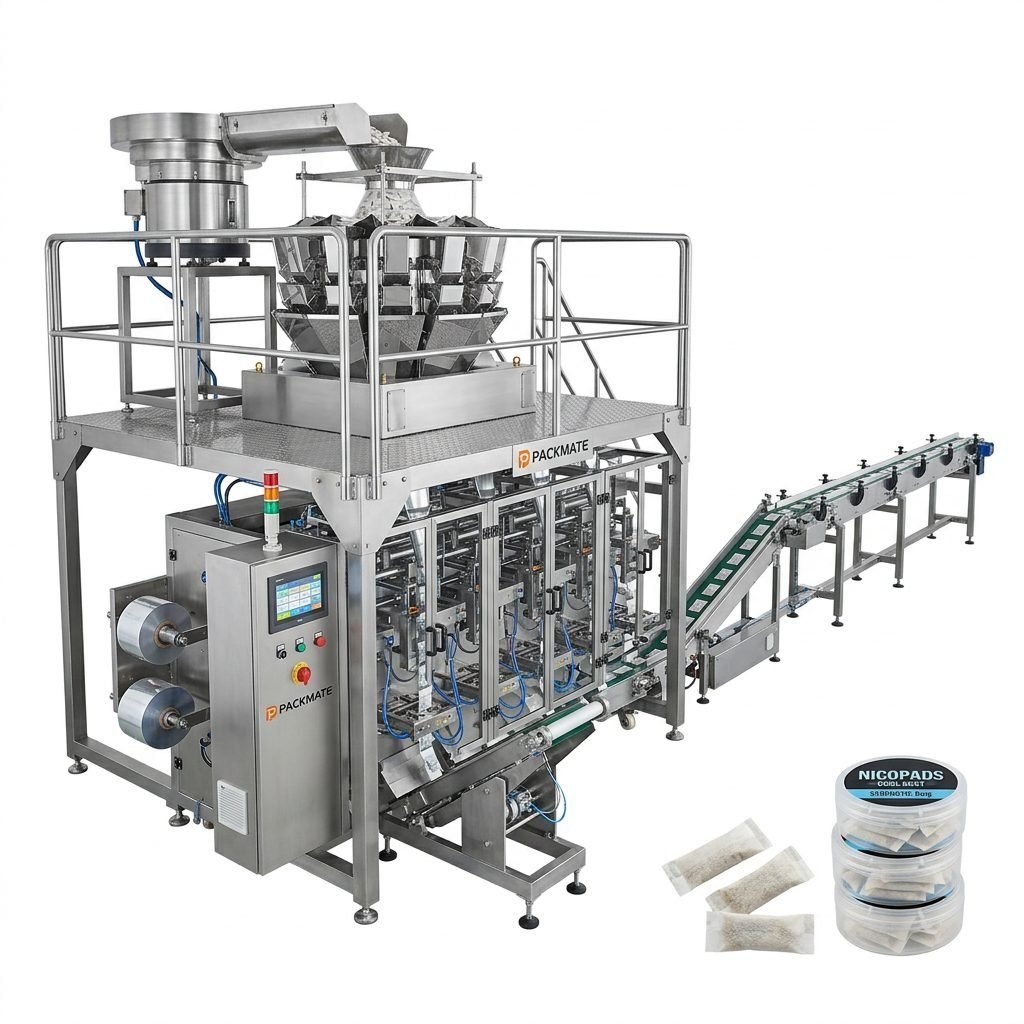
Suppliers like Packmate offer full production lines including Snus / Nicotine Pouch Packing Machines, Filling & Packaging Lines, Weighing & Packaging Systems, and Auxiliary Packaging Equipment. Reviewing these combined systems can help you decide whether a single-vendor turnkey solution or a modular setup from multiple specialists is best for your strategy.
Sustainability and Operational Efficiency
Evaluate energy consumption, material waste, and ease of cleaning as part of total cost of ownership. Machines designed for quick changeover reduce downtime and allow flexible production runs. Environmental considerations such as recyclable packaging and reduced material usage are increasingly important to regional distributors and retailers.
Cost vs. Value
The cheapest machine often costs more in the long run. Factor in uptime, service responsiveness, spare part availability, and training. A reliable supplier with documented global installations can lower overall lifetime costs and speed market entry.
How to Run a Supplier Evaluation in Palestine
Follow a structured evaluation:
- Define production targets and product formats.
- Request machine specs, references, and factory information.
- Compare proposals on technical merit, after-sales, and total cost.
- Inspect or witness a machine acceptance test (FAT) remotely or in-person.
- Confirm logistics, customs, and installation plans specific to Palestine.
Checklist item: ensure the supplier can provide Arabic language manuals and offers initial operator training in Arabic, or assigns a bilingual engineer for commissioning.
Selecting a Local Partner or Distributor
Finding a local partner who understands Palestinian distribution channels, import rules, and retail networks will simplify market entry. Local partners can help with registration, labeling compliance, and after-sales field service. Alternatively, work with the supplier’s regional representatives who have proven experience in nearby markets.
Useful Links and Further Reading
Explore product pages and company information from established suppliers:
– Snus & Nicotine Packaging Machines
– About Packmate
– Service
– Contact Us
Final Recommendations
In summary, choose a supplier that balances technical capability with local understanding. Prioritize suppliers who can provide:
- Proven multi-lane and small-dose snus pouch solutions
- Strong factory credentials, certifications, and case studies
- Comprehensive after-sales support and fast spare parts delivery
- Customization and turnkey integration services
- Documentation and training in Arabic where possible
Quick decision guide: Start with a pilot line for market validation, then scale to a multi-lane setup once product-market fit is confirmed. This minimizes investment risk and adapts to Palestinian demand patterns.
FAQs
Q1: How do I ensure my snus packaging complies with Palestinian labeling requirements?
Work with local legal advisors and customs agents to confirm mandatory label content. Ensure machinery supports high-quality printing or applicators for Arabic text, ingredient lists, warnings, batch numbers, and expiration dates. Request sample label runs during FAT to test print quality and readability.
Q2: What lead times should I expect when ordering a turnkey snus packaging line?
Lead times vary by complexity, customization, and supplier backlog. Typical timelines range from a few months for standard machines to 4–6 months or more for fully customized turnkey systems. Plan extra time for shipping, customs clearance, installation, and site acceptance tests.
Q3: Can I get training and technical support in Arabic?
Many professional suppliers offer bilingual manuals or will arrange a bilingual engineer for commissioning. Confirm language support during contract negotiation and request translated documentation as part of the delivery package.
Q4: What are the best ways to manage spare parts and maintenance locally?
Ask the supplier to include a starter spare parts kit and a recommended stock list. Establish agreements for remote diagnostics, and look for regional distributors who can hold critical spares. Training in preventive maintenance for local technicians reduces unplanned downtime.
Q5: How do I choose between a single-vendor turnkey supplier and multiple specialized vendors?
A turnkey supplier simplifies project management and integration, reducing coordination risk. If you require highly specialized modules (e.g., unique dosing systems), a modular approach may offer more flexibility. Evaluate supplier experience with integrated lines and request references for similar projects.