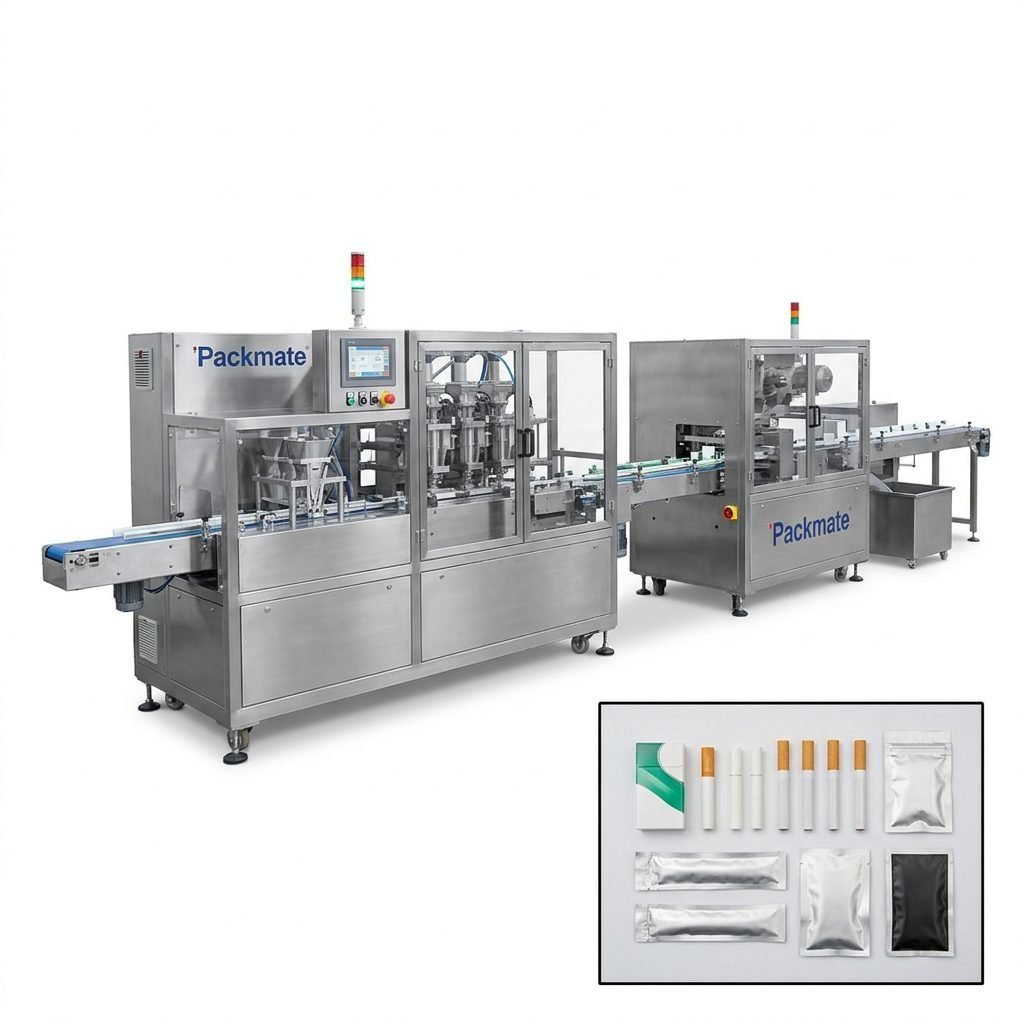
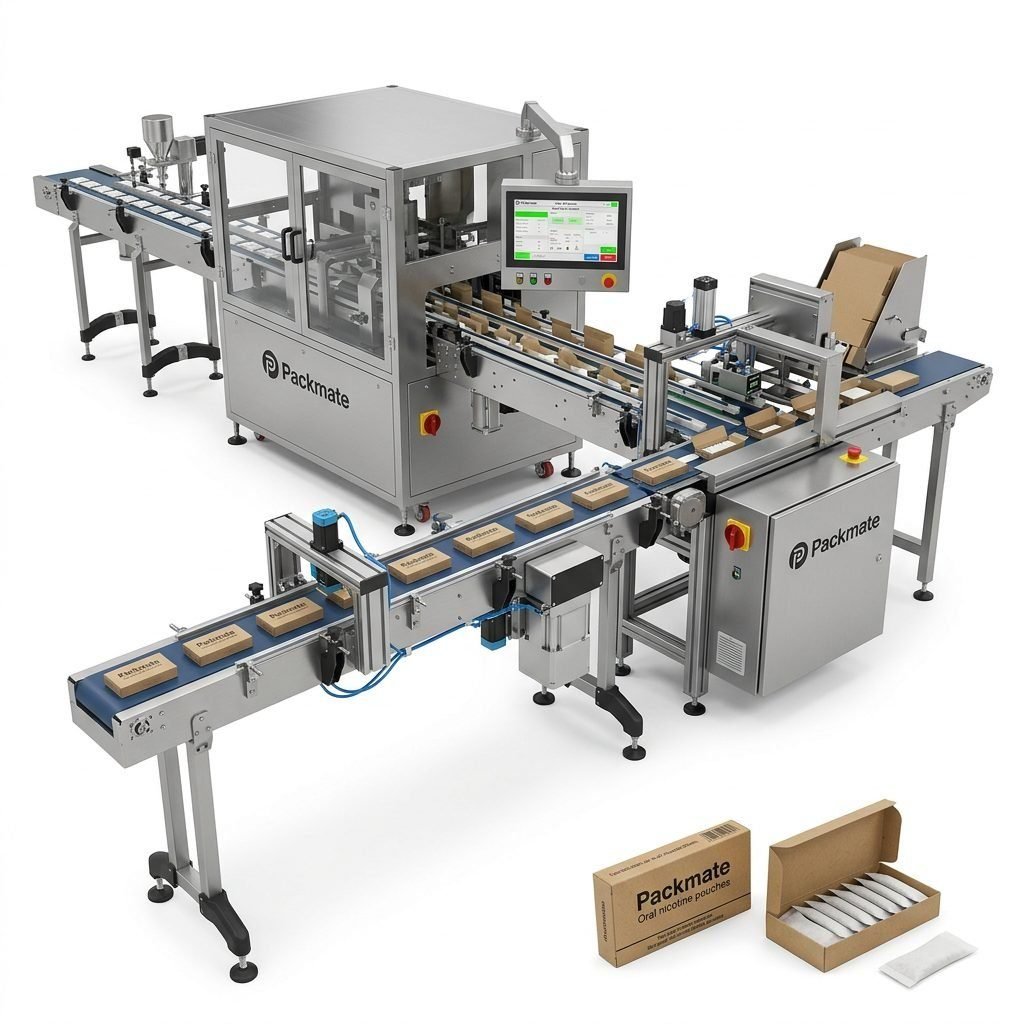
Choosing the right nicotine packaging machine manufacturer in Canada can make the difference between a smooth production ramp-up and repeated downtime. Whether you are producing nicotine pouches, snus, or other small-dose products, the right partner delivers reliable equipment, regulatory compliance, and long-term service. This guide walks you through the key criteria to evaluate suppliers, practical questions to ask, and why certain technical and operational capabilities matter for your business.
Understand Your Production Needs First
Before contacting manufacturers, document your production targets, product formats, and future growth plans. Key variables include daily output targets (units/hour), pouch type (stick pack, sachet, multi-lane snus pouches), filling material (powder, granule, liquid), required packaging materials, and integration needs such as weighing, labeling, or case packing.
🔍 Tip: Start with a clear spec sheet. A concise list of product dimensions, fill weights, and desired line speed will help suppliers propose the best-fit machines and avoid costly miscommunication.
Evaluate Manufacturer Experience and Specialization
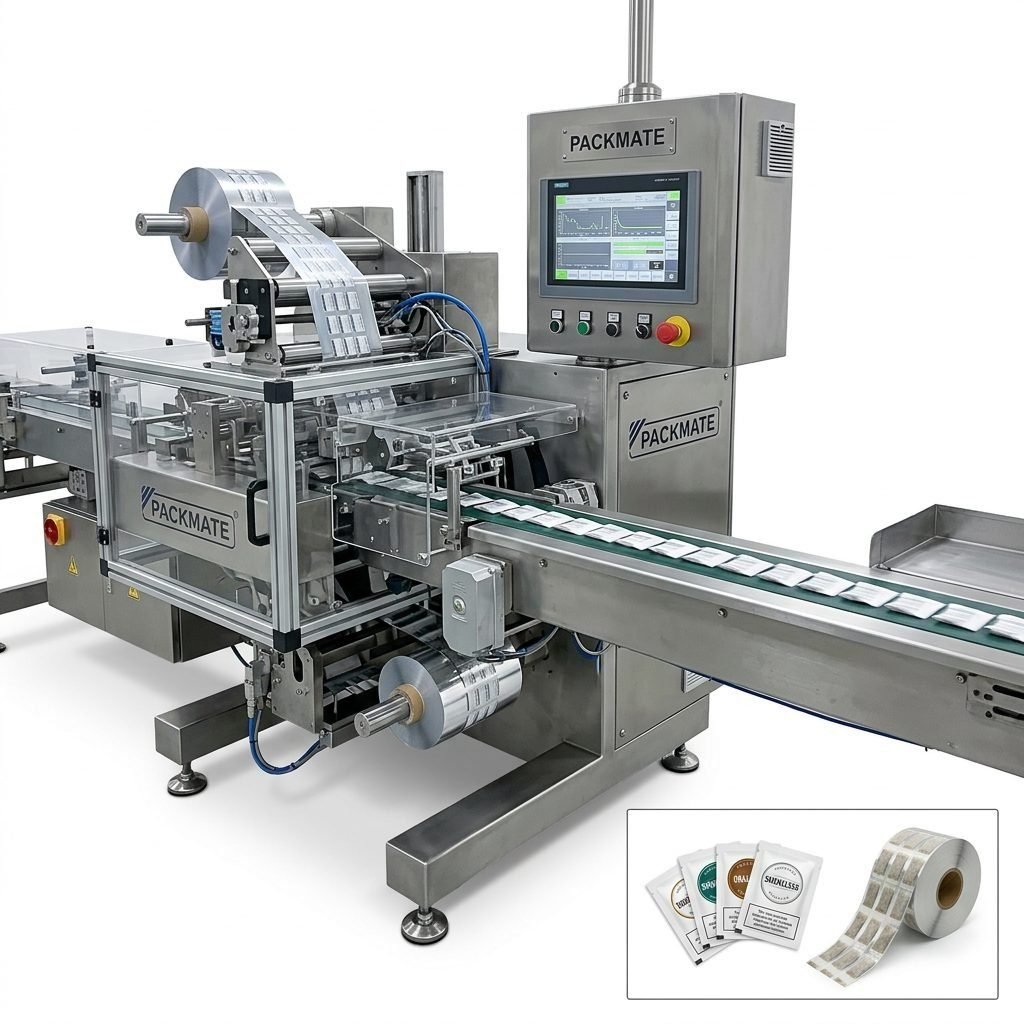
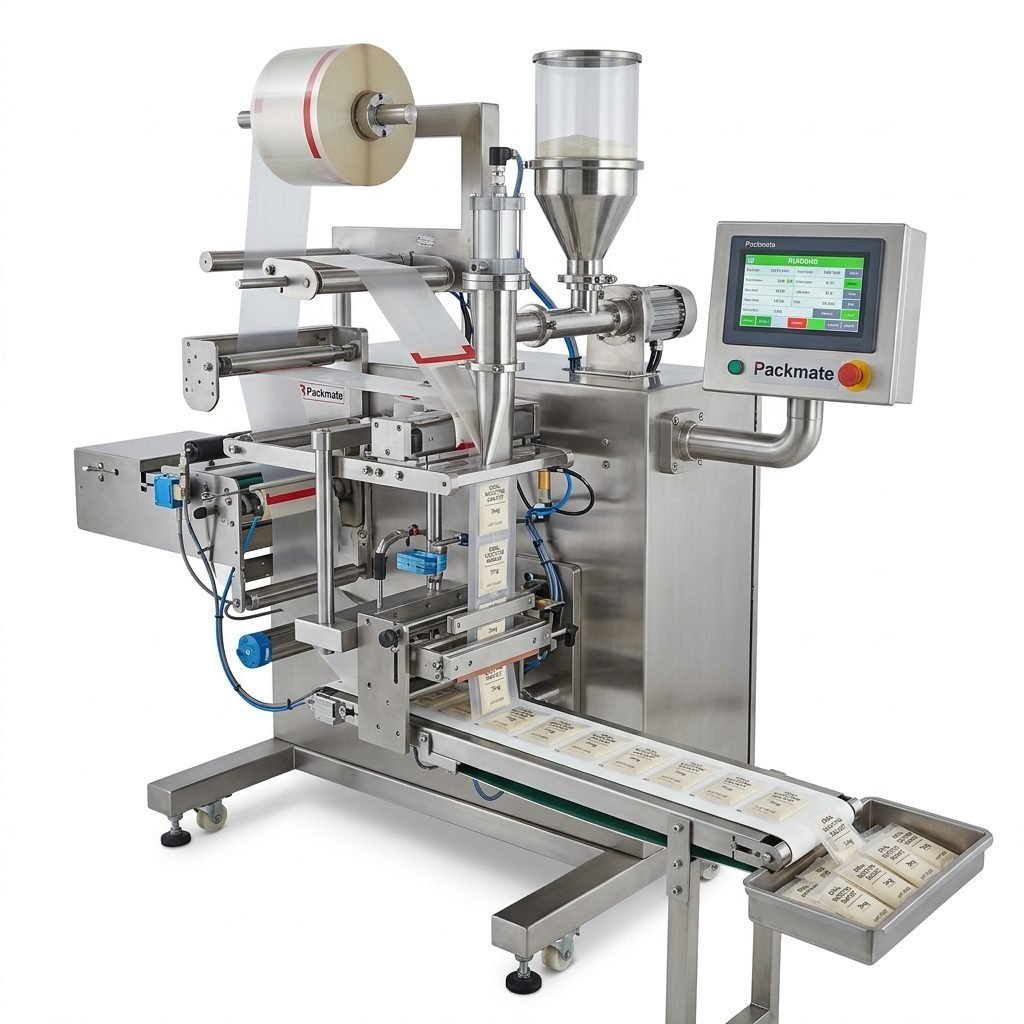
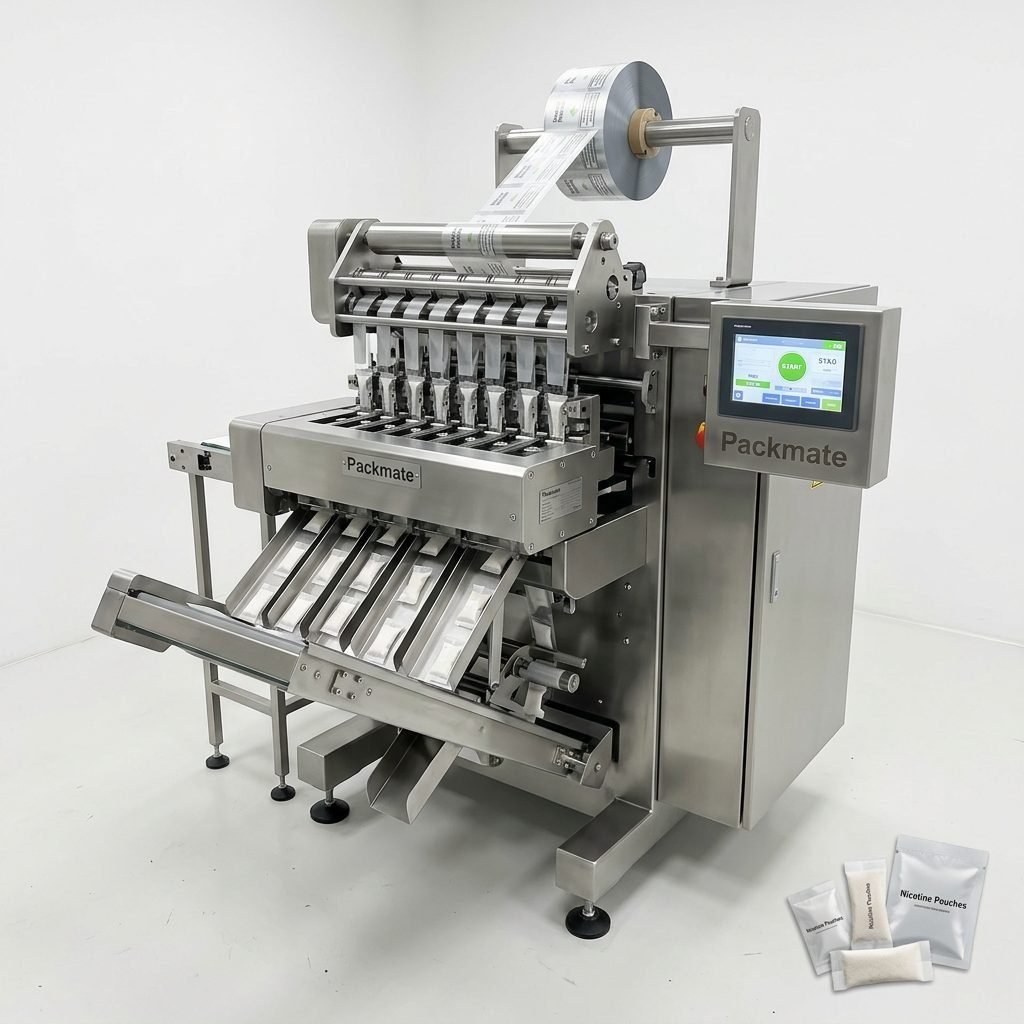
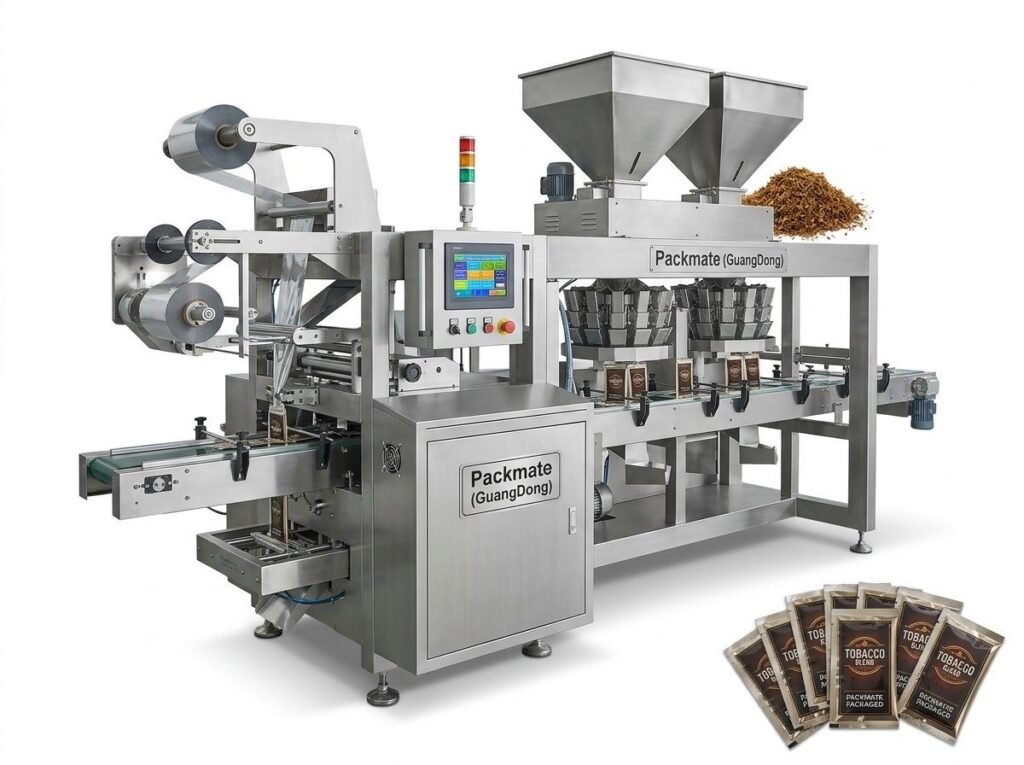
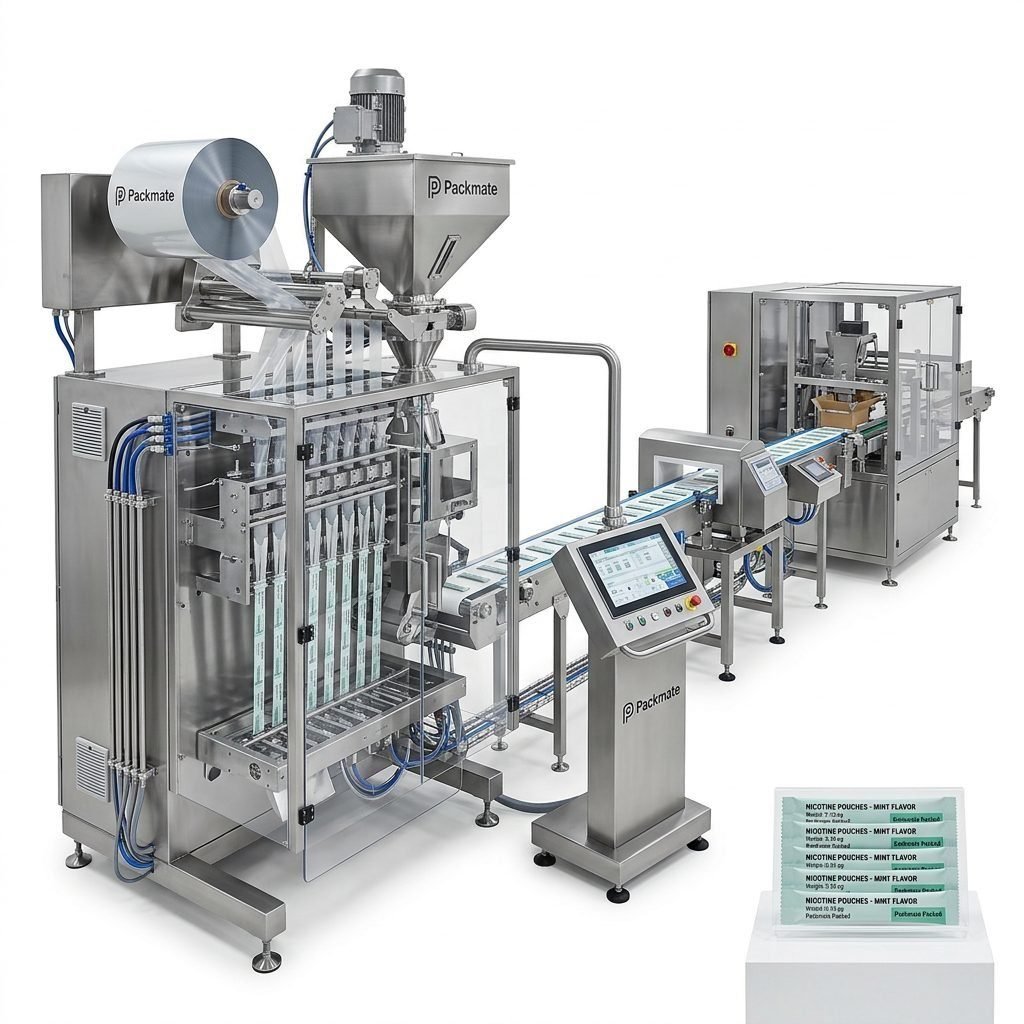
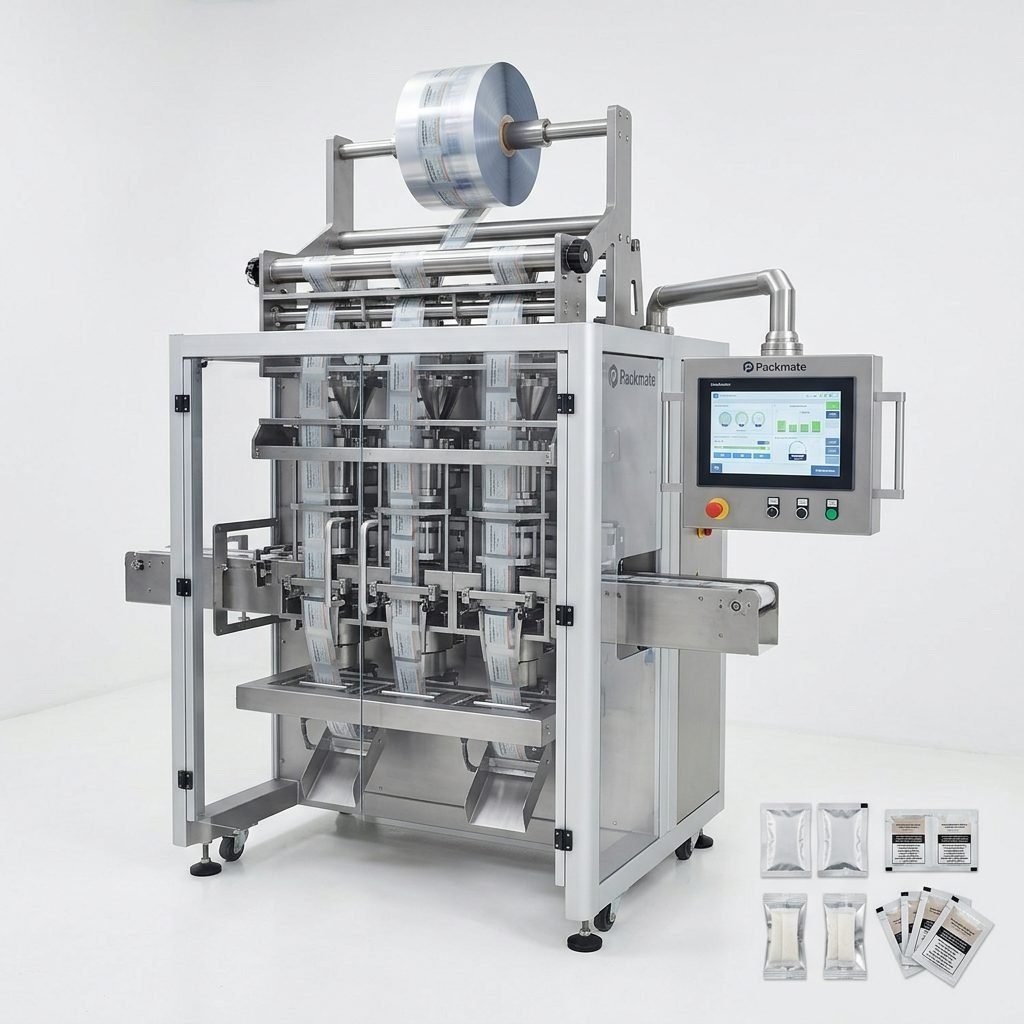
Industry experience matters. Look for manufacturers that specialize in nicotine pouch/snail-pack equipment and have proven experience with similar products. Companies like Packmate Snus Machine, with decades of engineering heritage and focused models for snus & nicotine packaging, typically have refined designs that address common production pain points such as dose precision and multi-lane synchronization.
What to look for in credentials
– Track record of stable machines for nicotine pouch production.
– Certifications like CE and ISO that indicate international compliance and quality systems.
– Case studies or references from customers in regions with similar regulations.
🏭 Manufacturer strength: A large manufacturing facility with advanced CNC and precision assembly lines reduces the risk of part variability and improves machine consistency.
Assess Technical Capabilities and Machine Models
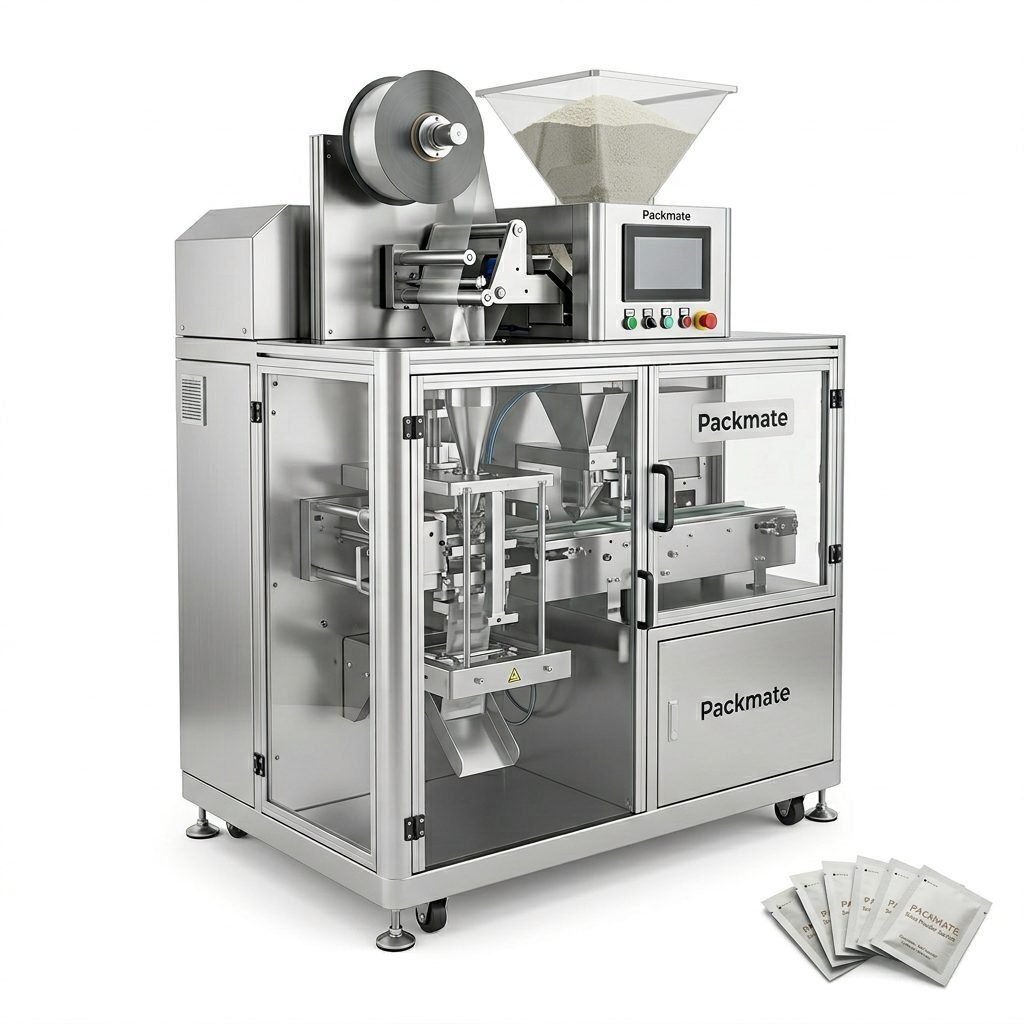
Verify that the manufacturer offers a range of models suitable for your scale — from single-lane trial machines to multi-lane high-speed lines. Core technical features to evaluate include filling accuracy, sealing quality, changeover time, maintenance accessibility, and PLC/HMI systems for easy operation.
If you want to explore product lines in detail, check the manufacturer’s product pages, such as their Snus & Nicotine Packaging Machines or Sachet & Stick Pack Machines, to match model features with your needs:
Snus & Nicotine Packaging Machines,
Sachet & Stick Pack Machines.
Critical technical questions to ask
– What is the achievable accuracy for low-dose filling?
– Can the line handle your pouch materials and seal types?
– What is the typical uptime and MTBF (mean time between failures) reported by other customers?
– How fast is changeover between different pouch sizes or formats?
✅ Must-have: real-world data. Request performance logs, video of production runs, and references you can call.
Customization and Turnkey Solutions
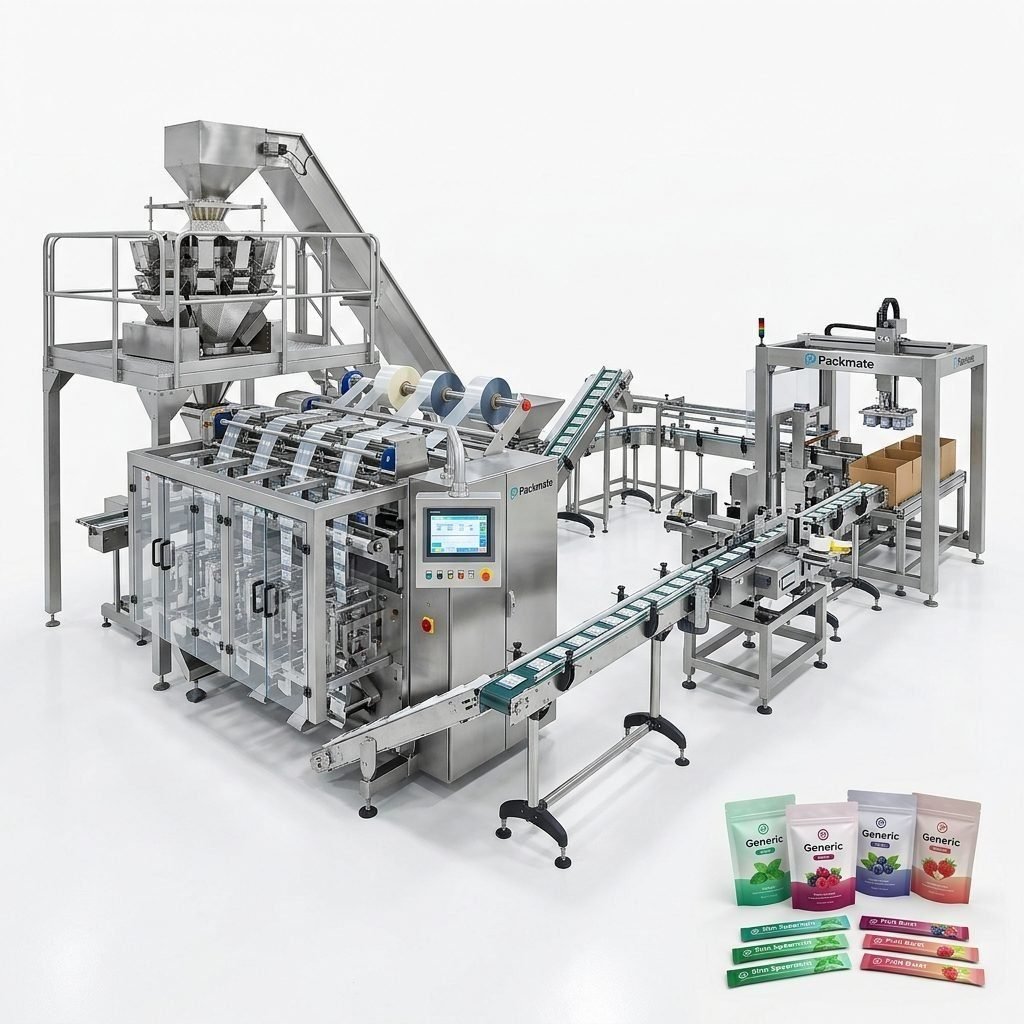
Nicotine pouch production often requires custom solutions: multi-lane arrangements, integrated weighing systems, or specialized feeding for powders. Choose a manufacturer that offers turnkey production lines and is willing to tailor systems to your recipe and downstream packaging.
For example, explore complementary systems that integrate with pouch machines, such as Weighing & Packaging Systems and Filling & Packaging Lines to achieve fully automatic production:
Weighing & Packaging Systems,
Filling & Packaging Lines.
Quality Assurance and Certifications
Compliance with international standards (CE, ISO) is essential, especially if you plan to export. Confirm the supplier’s documentation packages, factory acceptance testing (FAT) procedures, and ability to supply spare parts and serialized components for traceability.
📄 Documentation check: Look for electrical schematics, software manuals, FAT/PAT reports, and calibration certificates.
Service, Spare Parts and Local Support in Canada
After-sales support is a top priority. Ask how the manufacturer handles installation, commissioning, remote support, and spare parts availability. If the supplier has local partners or agents, that can speed up response times and reduce downtime for your factory in Canada.
Packmate’s global footprint and exhibition presence indicate a focus on international service and support — check their case studies for examples of long-term partnerships:
Case.
Service-related questions
– What is the default warranty and what does it cover?
– Are spare parts stocked regionally or shipped from the factory?
– Does the supplier offer remote diagnostics and training for operators and maintenance staff?
– Can the supplier provide an on-site technician for initial startups in Canada?
Total Cost of Ownership (TCO) — Beyond the Purchase Price
The cheapest machine upfront may cost more over its lifecycle. Consider installation costs, energy consumption, spare parts pricing, expected downtime, and the vendor’s ability to upgrade software or hardware over time. A reputable supplier will provide a transparent TCO breakdown and help you forecast operational expenses.
⚠️ Warning: Low-quality components can increase energy usage and maintenance frequency — insist on component brand names (motors, PLCs, sensors).
Factory Visits, FAT and Acceptance Testing
Whenever possible, schedule a factory visit or request a live Factory Acceptance Test (FAT). Seeing a machine run your product or similar materials provides confidence in sealing, dosing, and format changeovers. If you cannot attend in person, ask for detailed video demonstrations and a structured FAT report.
Negotiating Contracts and Lead Times
Understand lead times, payment milestones, and delivery terms. Ensure contracts specify acceptance criteria, warranty scope, spare parts lists, and training obligations. Consider staging equipment purchases if lead times are long — start with a pilot line and scale to multi-lane systems as demand grows.
Why Packmate Could Be a Strong Candidate
Packmate Snus Machine (Packmate (GuangDong) Co., Ltd.) brings decades of R&D and a broad portfolio of snus and nicotine packaging equipment. Highlights to consider: over 30 years of engineering experience, a 20,000㎡ factory, CE/ISO certification, and specialized multi-lane solutions for low-dose pouch production. Learn more about the company history and mission on their About page:
About Packmate.
📞 Next step: Contact the supplier for a tailored proposal and request references from customers running similar product formats. Use the manufacturer’s contact page for direct inquiries:
Contact Us.
Making the Final Decision
Rank vendors based on technical fit, proven performance, total lifecycle cost, support responsiveness, and contractual clarity. Prioritize partners who demonstrate a willingness to tailor solutions, provide transparent documentation, and show evidence of long-term service capabilities.
Final checklist before purchase
– Confirm machine performance with FAT and sample runs.
– Verify spare parts lead times and warranty coverage.
– Agree on acceptance criteria, training, and support KPIs.
– Ensure compliance documentation for your target markets is provided.
Additional Resources
Explore related equipment categories for a complete line: Bag & Pouch Packaging Machines, Auxiliary Packaging Equipment, and Catalogs that summarize available models and options:
Bag & Pouch Packaging Machines,
Auxiliary Packaging Equipment,
Catalog.
Conclusion
Selecting the best nicotine packaging machine manufacturer in Canada requires a balanced assessment of technical fit, manufacturing quality, service and support, and long-term cost implications. Prioritize experienced suppliers with proven snus/nicotine pouch expertise, robust documentation, and a clear path to on-site support. Thorough FATs, clear contracts, and performance references will protect your investment and ensure a reliable production ramp-up.
Frequently Asked Questions
Q1: How do I know which machine speed I need?
A1: Calculate your daily production target and divide by operating hours to get required units/hour. Ask vendors to show performance data at that speed with similar materials.
Q2: Are multi-lane machines worth the additional cost?
A2: Multi-lane systems increase throughput in a compact footprint and can lower cost per unit, but they require tighter synchronization and higher maintenance discipline. They are ideal once demand justifies the complexity.
Q3: What lead times should I expect for custom snus packaging lines?
A3: Lead times vary by complexity and manufacturer capacity; typical delivery windows range from a few months for standard models to 6+ months for fully customized turnkey lines. Confirm during negotiations.
Q4: How important is local support in Canada?
A4: Very important. Local technicians or regional spare parts reduce downtime. If a manufacturer lacks local presence, ensure fast remote support and a clear spare parts plan.
Q5: Where can I see real machine demonstrations and verify references?
A5: Attend industry exhibitions or request factory tours and FAT videos. Many manufacturers publish case studies and exhibition participation details to help buyers validate performance.