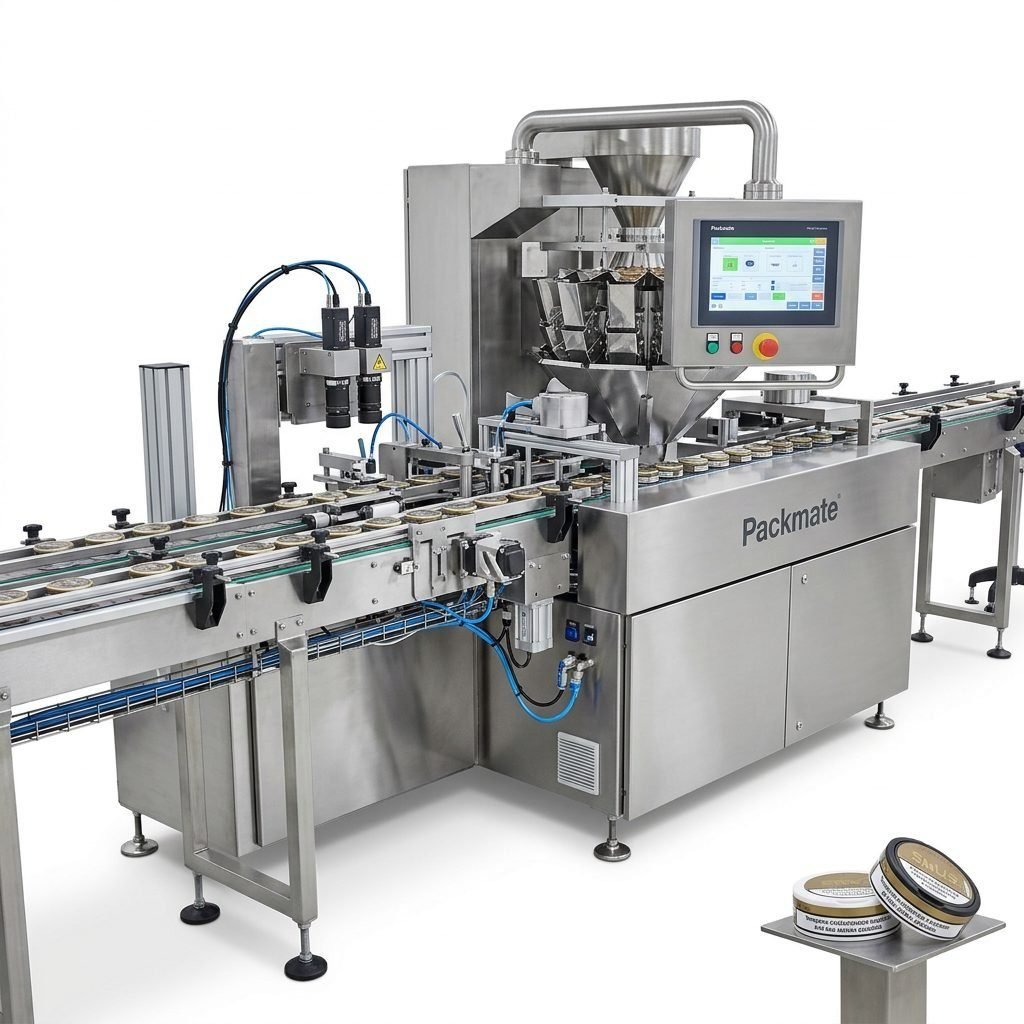
Choosing the right nicotine packaging machine in the Republic of Congo is a strategic decision that affects production efficiency, product quality, regulatory compliance, and your long-term costs. Whether you are starting a new nicotine pouch line or upgrading an existing snus packaging operation, understanding machine types, production requirements, supplier capabilities, and local conditions will help you make a decision that supports stable growth and reliable output.
Know Your Product and Packaging Format
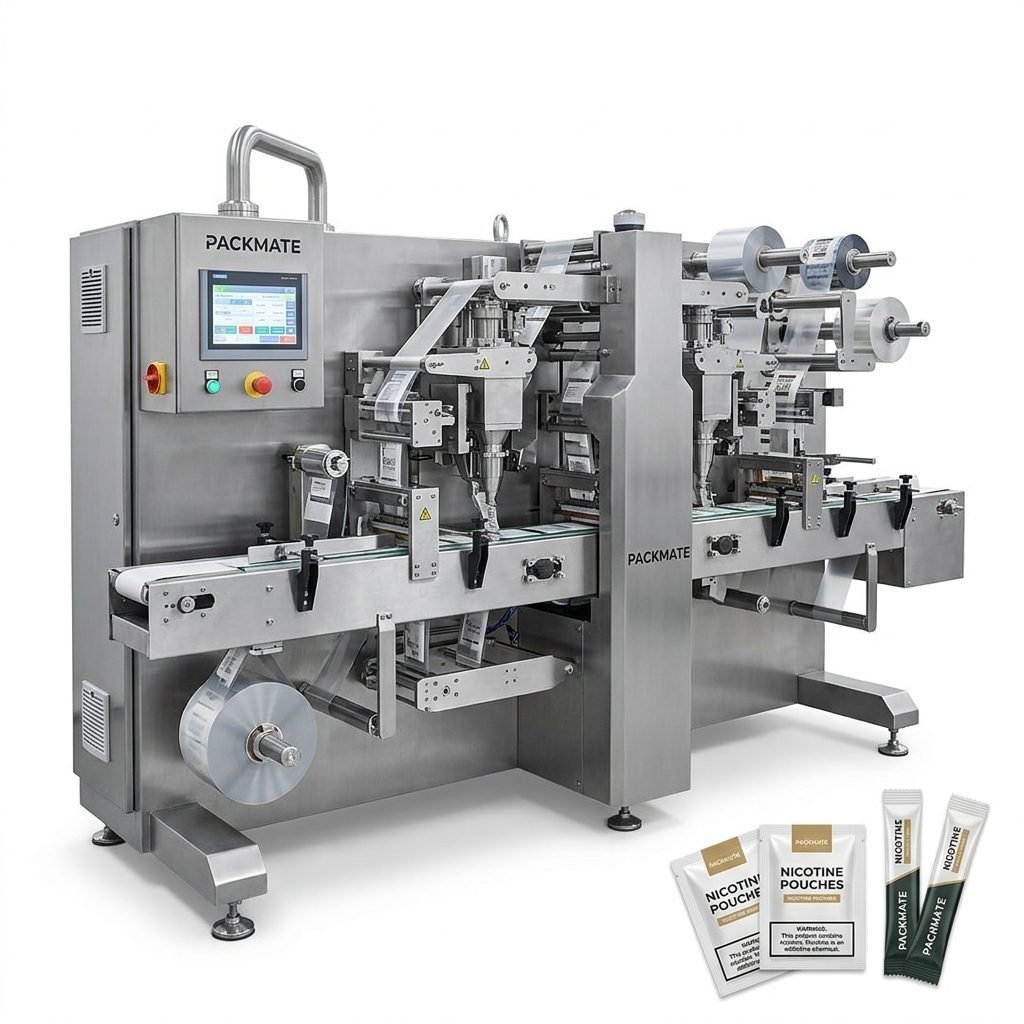
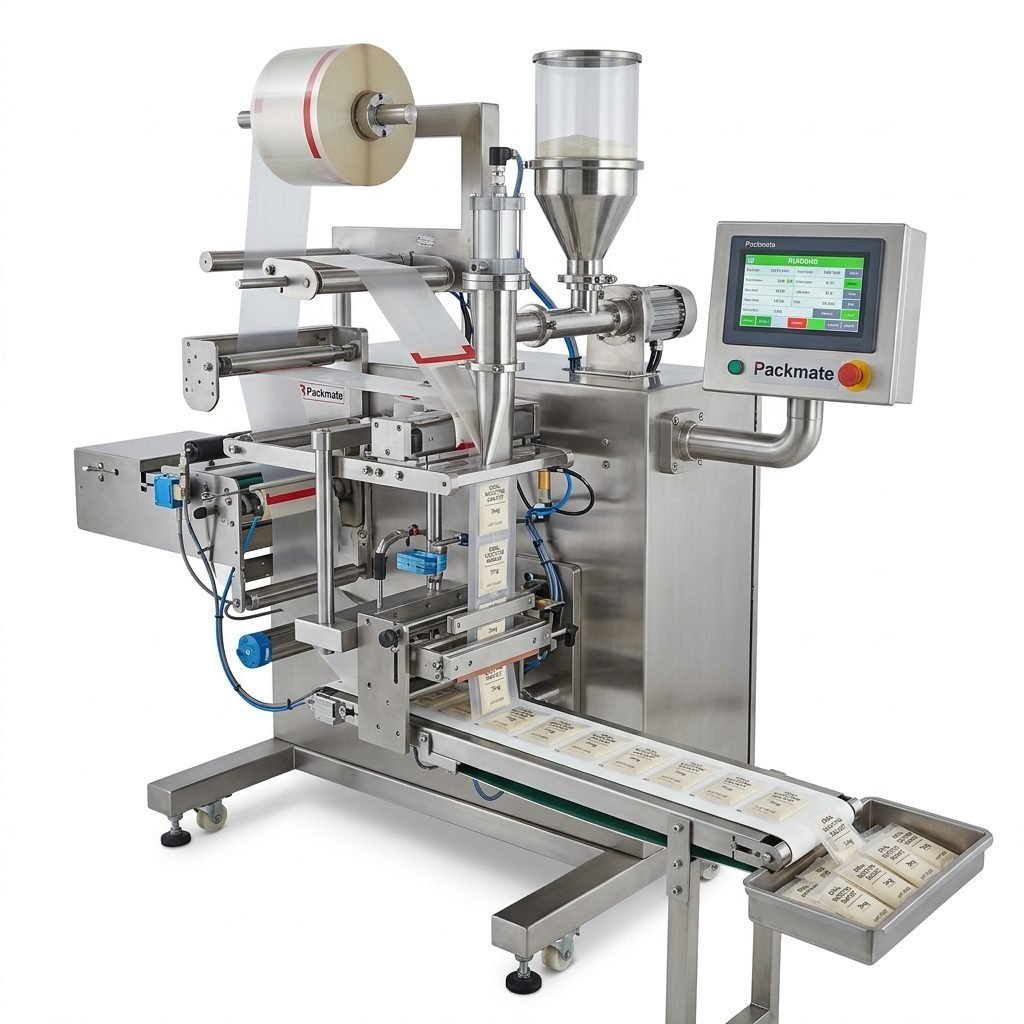
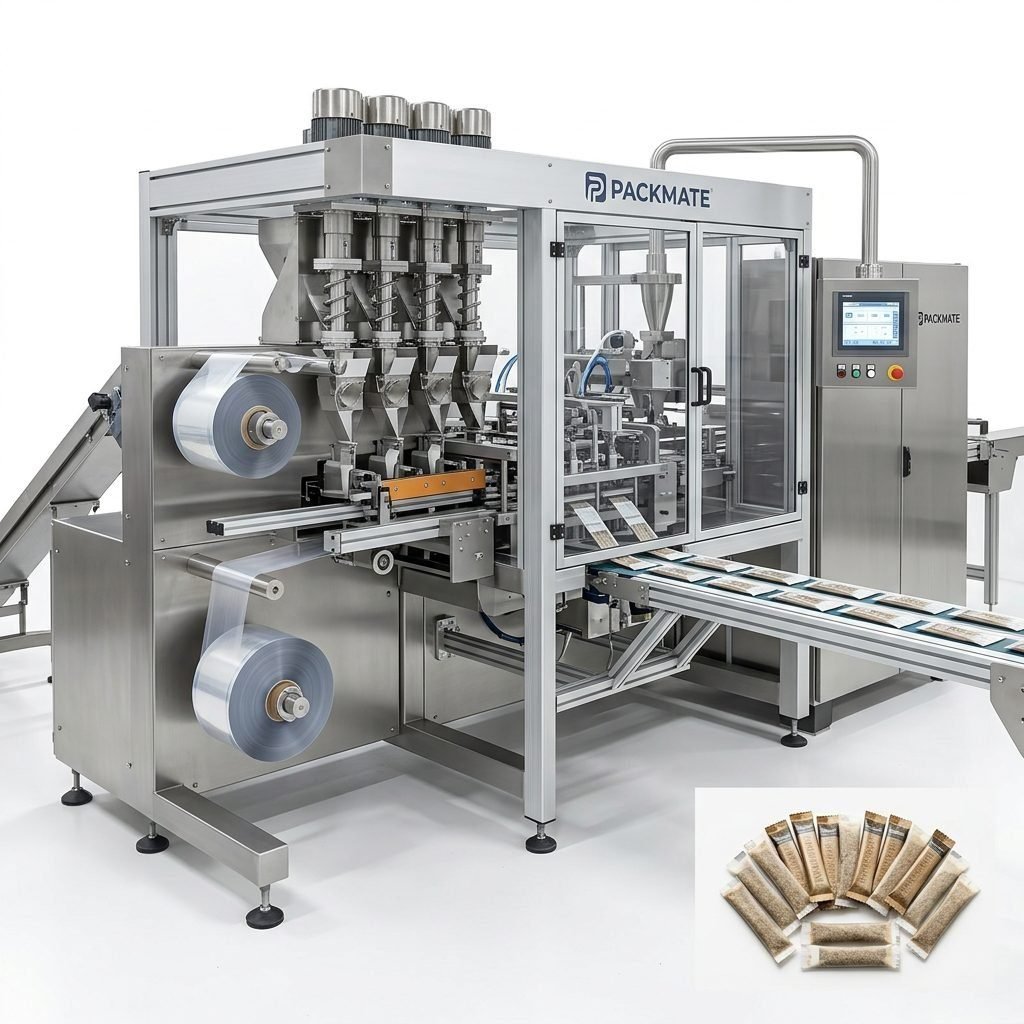
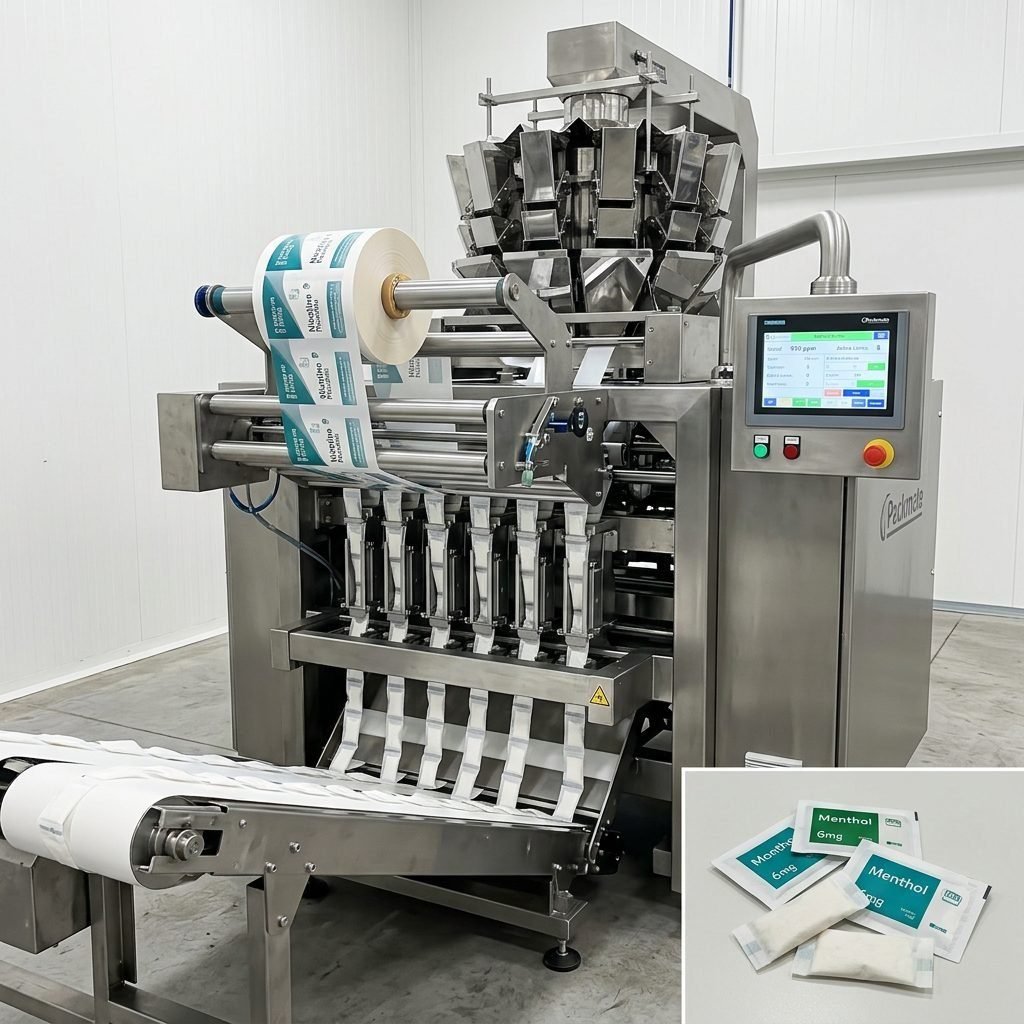
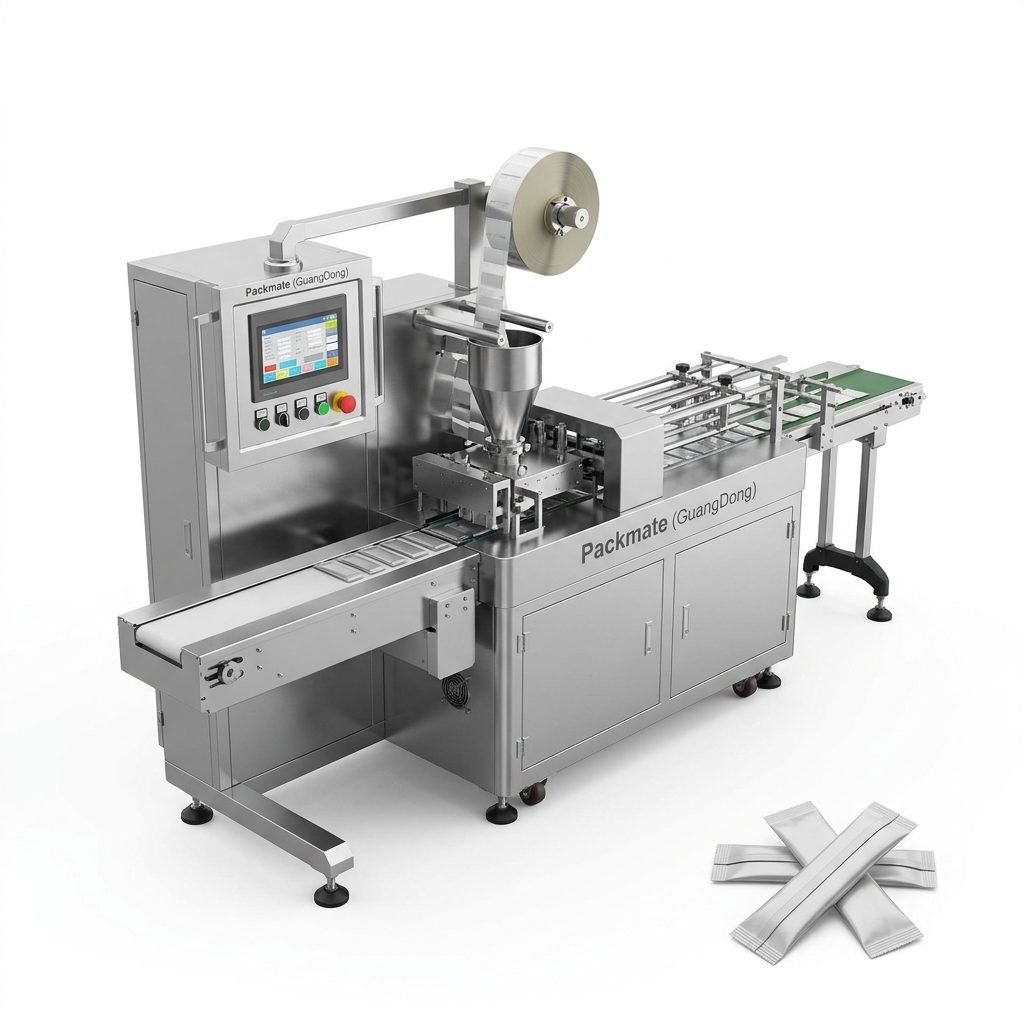
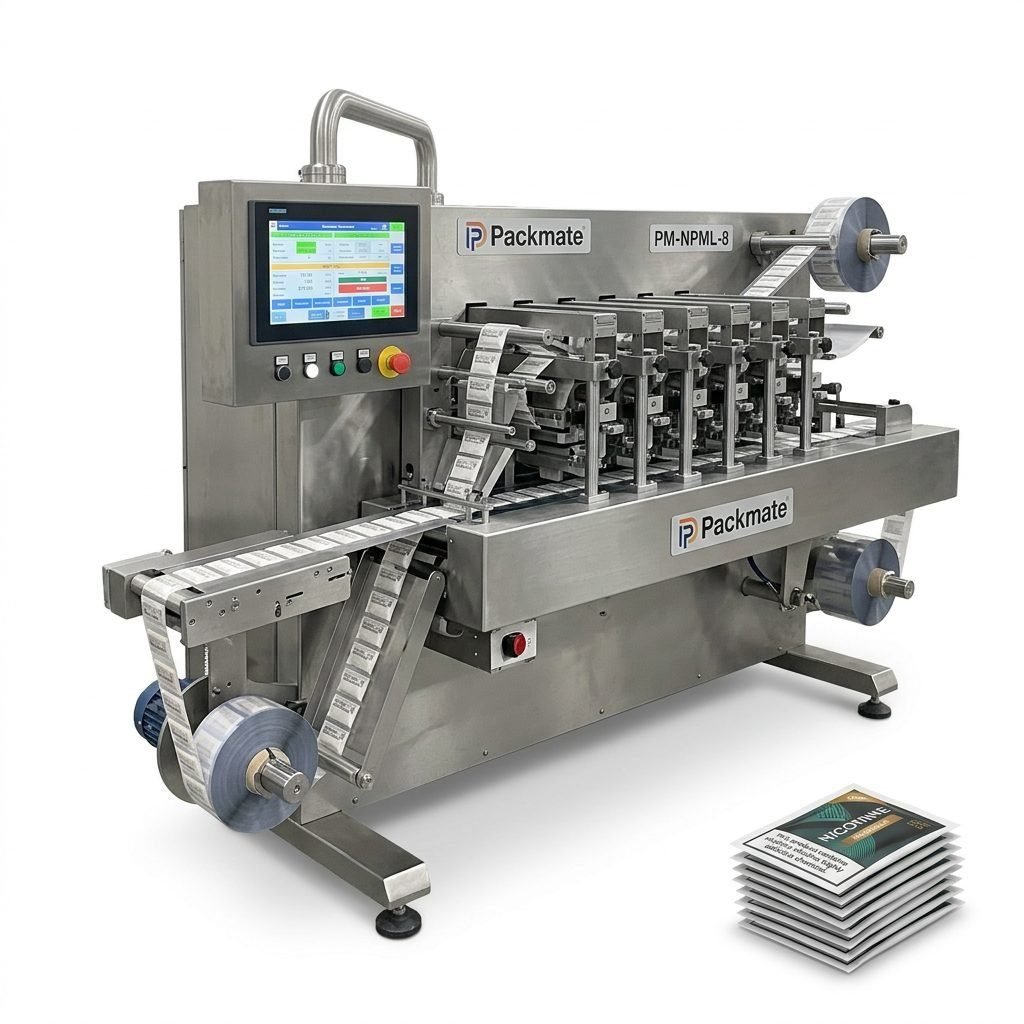
The first step is to define the product and the consumer packaging format. Nicotine pouch products vary in dose, pouch size, moisture level, and outer packaging. Common formats include small-dose sachets, stick packs, multi-lane pouches and snus cans. Each format demands different machine features:
- Single-lane sachet or stick pack lines for low-to-medium volumes.
- Multi-lane snus pouch machines for high throughput and space-efficient output.
- Integrated can filling or pouch-in-box systems when secondary packaging is required.
Select the packaging format that matches your target market and shelf presentation before choosing machine specifications.
Production Capacity and Speed Requirements
Estimate your short-term and long-term production needs. Machine choices differ dramatically in capacity and price:
- Low capacity: 50–200 packs per minute, ideal for pilot lines and limited batches.
- Medium capacity: 200–800 packs per minute for growing brands and multi-shift operations.
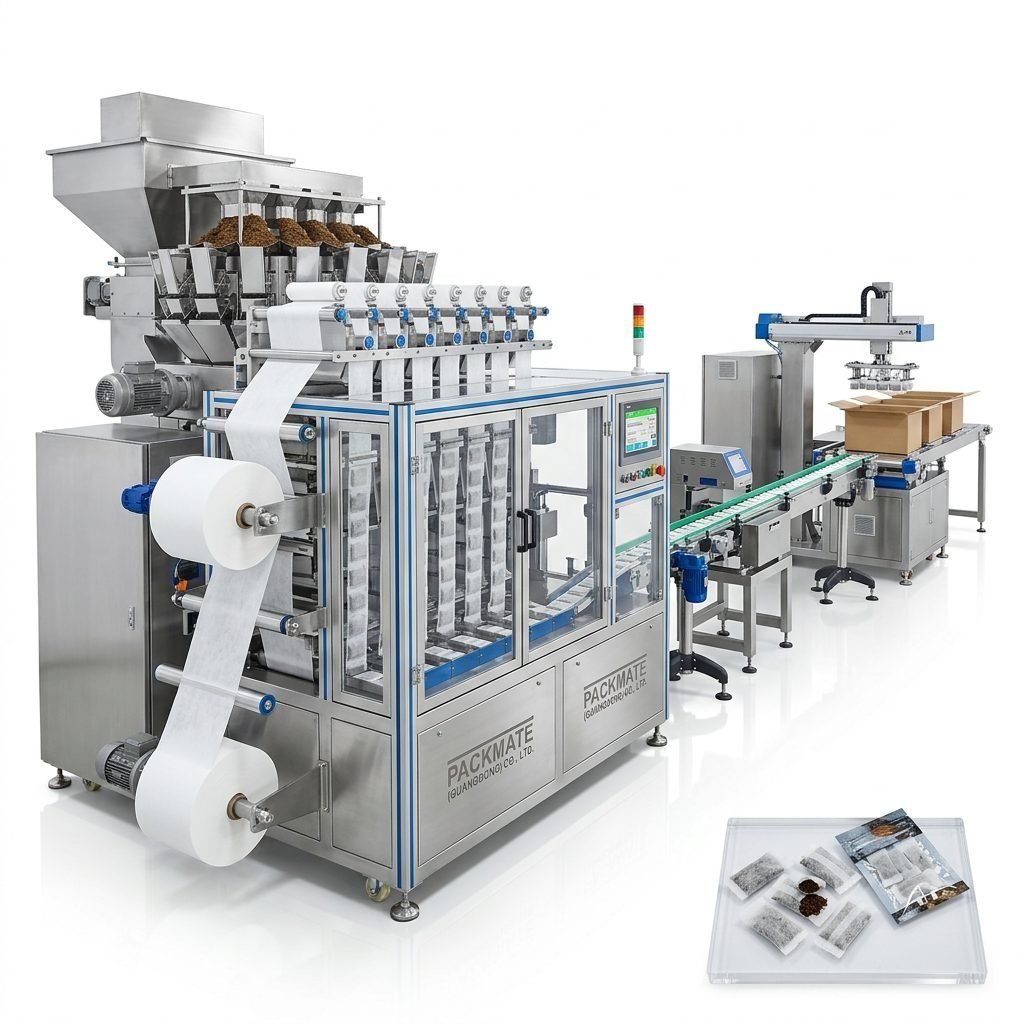
- High capacity: Multi-lane systems delivering thousands of pouches per minute for large-scale manufacturing.
How production speed affects cost
Higher speeds increase output but also raise the requirements for auxiliary systems (weighing, feeding, pack collating) and maintenance. Consider energy consumption, spare parts availability, and operator training when comparing hourly throughput.
Critical Machine Features to Evaluate
When assessing machines for nicotine pouch or snus packing, prioritize features that affect consistent dosing, hygiene, and uptime:
- Precision dosing systems for small-dose pouches — minimize weight variance and product waste.
- Multi-lane synchronization — ensures identical pouch formation across lanes to avoid rejects.
- Tool-free changeover design — reduces downtime between SKUs.
- Hygienic construction and food-grade contact materials — important for nicotine and consumer safety.
- PLC and HMI controls with recipe storing — fast setup and repeatable production parameters.
Invest in precise weighing and inspection systems to protect product consistency and comply with labeling tolerances.
Integration with Auxiliary Equipment
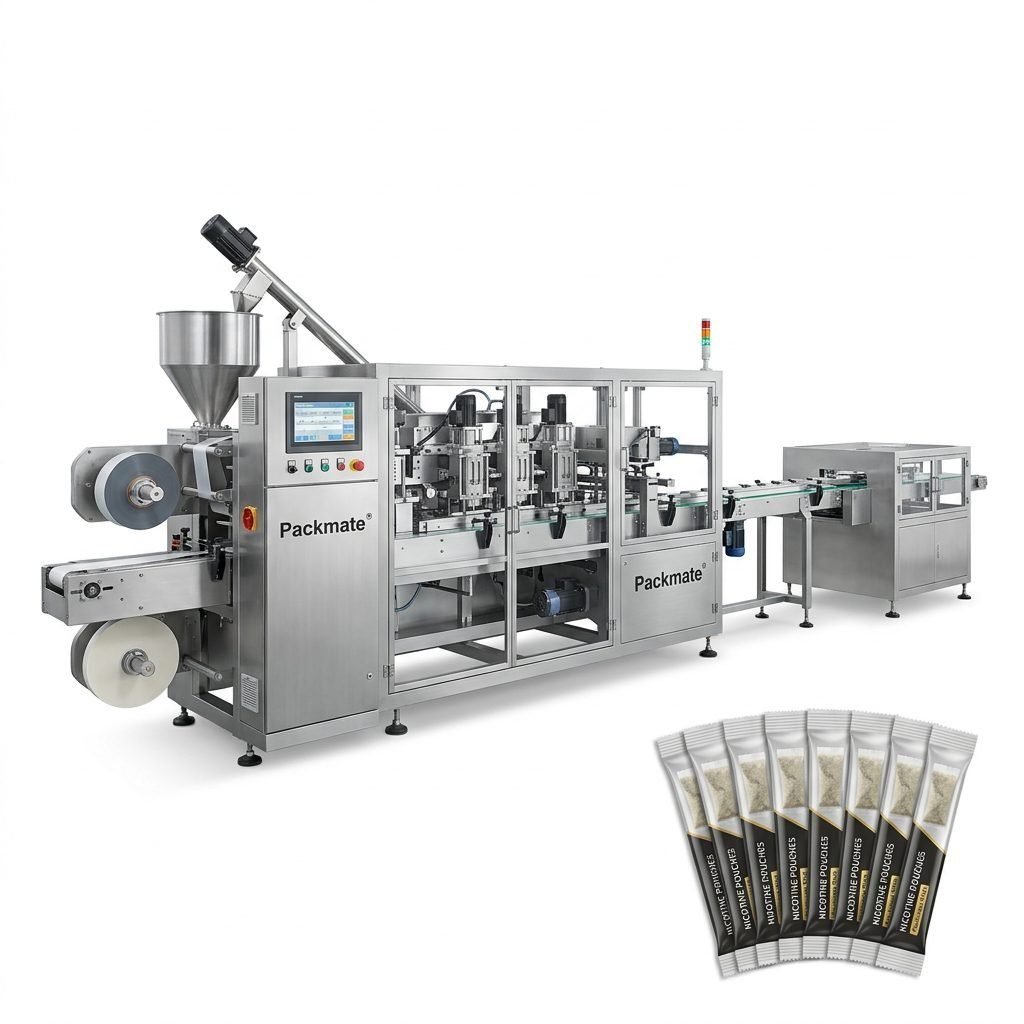
Packaging is rarely a standalone machine — compare how each primary packer integrates with upstream and downstream systems. Useful integrations include:
- Feeding and dosing systems for powders and granules.
- Automated weighing and checkweighers for in-line verification.
- Labelling, coding, and cartoning systems for secondary packaging.
- Conveyors and pack collation units to streamline packaging flow.
If you plan to automate a full line, review complete packaging solutions like integrated filling and packaging lines to avoid mismatched capacities and control system incompatibilities. See examples of full solutions: Filling & Packaging Lines.
Certifications, Safety and Regulatory Compliance
Working with nicotine products involves strict quality and safety expectations. Machines must meet international standards for electrical safety and food-contact materials. Look for:
- CE compliance and ISO-aligned manufacturing practices.
- Documentation for material traceability and machine testing.
- Supplier-provided validation, FAT (Factory Acceptance Test), and SAT (Site Acceptance Test) support.
Manufacturers like Packmate emphasize certified manufacturing practices and global standards — review their credentials when evaluating partners: Certificate.
Supplier Reliability and After-Sales Support
Equipment uptime depends on supplier responsiveness. Prioritize manufacturers who offer:
- Global spare parts availability and standardized parts lists.
- Local installation teams or clear remote commissioning procedures.
- Training for operators and maintenance staff.
- Long-term technical support and upgrade paths.
- Requesting references and case studies.
- Confirming spare parts lead times and logistics.
- Testing communication during pre-sale and post-sale phases.
View real-world examples
Browse completed installations and case references to see how similar lines perform under production conditions: Case.
Local Factors in the Republic of Congo
Consider Republic of Congo-specific logistics, utilities, and regulatory environment:
- Power supply stability — consider machines with voltage tolerance or request UPS support for critical electronics.
- Humidity and temperature control — nicotine products are sensitive; ensure climate control or choose machines with moisture-resistant components.
- Import duties and shipping logistics — inquire about CIF/DAP terms and local customs handling for large equipment.
- Workforce skills — plan for operator training and a realistic maintenance schedule based on available local technicians.
Total Cost of Ownership (TCO)
Purchase price is only one component. Include:
- Installation and commissioning fees.
- Shipping, import duties and local transport.
- Spare parts inventory for critical wear items.
- Downtime costs and preventive maintenance schedules.
- Training and documentation in the local language if possible.
Ask for an itemized TCO estimate and service contract options to avoid surprises after commissioning.
Customizations and Future-Proofing
Select machinery that allows future upgrades: additional lanes, higher speed options, or new dosing modules. A modular design saves money and downtime when demand grows.
If your product range spans pouches, sachets, and stick packs, consider manufacturers who supply multiple formats so you keep single-vendor compatibility. Explore product ranges here: Snus & Nicotine Packaging Machines and Bag & Pouch Packaging Machines.
Inspection Checklist Before Purchase
Use a formal checklist during vendor evaluation and factory visits:
- Confirm capacity metrics under real product conditions.
- Verify materials in contact with product are FDA/food-grade where applicable.
- Request video of machine running your product or a similar product.
- Review warranty terms, spare parts lists and lead times.
- Inspect control panel, software interface and available diagnostics.
Factory Acceptance Test (FAT)
A robust FAT saves time during installation. Insist on FAT criteria that include speed tests, weight accuracy checks, alarm responses and safety interlocks. Confirm that documentation and spare parts kits will ship with the machine.
Why Choose an Established Manufacturer
Established suppliers bring proven designs, manufacturing capacity, and global service networks. Packmate, for instance, leverages 30+ years of engineering experience and offers a broad portfolio from single-lane machines to turnkey lines. Learn more about their background and capabilities here: About Packmate.
Balance technical capability, local support, and overall lifecycle cost rather than choosing solely on initial price.
Implementation Roadmap for Congo-based Plants
Practical steps to start production smoothly:
- Define product specs, SKUs, and required output.
- Shortlist suppliers and request detailed proposals and TCO breakdowns.
- Schedule FAT with your product or a close analogue.
- Plan infrastructure: power, climate control, foundations and layout.
- Arrange shipping, customs clearance and local installation support.
- Train operators, conduct SAT, and formalize service agreements.
Useful resources and next steps
If you need full-line solutions or auxiliary equipment, review dedicated product categories to match every stage of production: Weighing & Packaging Systems and Auxiliary Packaging Equipment.
Conclusion: A Balanced Decision Framework
Selecting the best nicotine packaging machine in the Republic of Congo requires balancing product needs, production capacity, machine features, supplier reliability, and local operational realities. Prioritize proven technology with strong after-sales service, validate performance through FAT/SAT, and plan infrastructure and spare parts to minimize downtime. A modular, certified solution from an experienced manufacturer will deliver reliable performance and protect your brand as production grows.
Frequently Asked Questions
Q1: What machine type is best for small-batch nicotine pouch trials?
A1: A single-lane sachet or stick pack machine with easy changeover is best for small batches and new product trials. It provides flexibility without the cost of a high-speed multi-lane line.
Q2: How important is supplier certification and factory testing?
A2: Extremely important. Certifications such as CE and documented FAT protocols help ensure safety, performance and regulatory compliance. Always verify machine test results with your product.
Q3: What spare parts should I keep in stock locally?
A3: Keep wear parts (seals, belts, cutters), critical sensors, PLC backups, and a basic tool kit. Discuss a tailored spare parts list with your supplier based on expected running hours and local lead times.
Q4: How long does installation and commissioning normally take?
A4: Typical installation ranges from a few days for single machines to several weeks for full turnkey lines. Time depends on site readiness, utilities, and complexity of integrations.
Q5: Where can I find more detailed machine specs and contact sales?
A5: Review product categories and contact details on the manufacturer’s site for machine specifications, catalogs and direct assistance: Catalog and Contact Us.