Choosing the right snus packaging machinery supplier for your factory in Bosnia and Herzegovina is a strategic decision that affects product quality, compliance, production efficiency, and long-term profitability. This guide walks you through practical criteria and local considerations — from machine types and technical specifications to after-sales support, logistics, and cultural preferences in the Bosnian market — so you can confidently select a supplier that matches your production goals.
Understand Your Production Needs
🔧 Start by clarifying your core production targets: daily output, pouch formats (stick, sachet, multi-lane), dosage consistency, and future scalability. A small artisan operation has very different equipment needs than a high-speed multi-lane line that serves regional distribution. Identify peak and average volumes; this determines whether you need single-lane precision machines or modular multi-lane systems that expand as demand grows.
📦 Consider the full product profile: powder, granules, or moist nicotine pouches. Each product type requires distinct dosing, sealing, and material handling systems. Choosing machinery optimized for your product minimizes waste and downtime.
Key questions to answer internally
✅ What are your current and projected daily production volumes?
✅ Which pouch types and sizes will you produce most often?
✅ Do you require nitrogen flushing, modified atmosphere packaging, or special barrier films?
✅ How important is fast format changeover for seasonal SKUs?
Compliance and Local Regulations in Bosnia and Herzegovina
⚖️ Bosnia and Herzegovina’s regulatory landscape for tobacco and nicotine products can involve national and entity-level rules. When selecting a supplier, ensure their equipment can meet relevant labelling, tamper-evidence, and traceability requirements. Machines that support serialization, date coding, and custom printing help you stay compliant with evolving regulations.
🇧🇦 Local testing and certification channels may require documentation and machine inspections. Choose a supplier experienced in exporting to European and Balkan markets — they will be familiar with CE standards and can assist with paperwork and customs procedures.
Machine Types and Technical Specifications
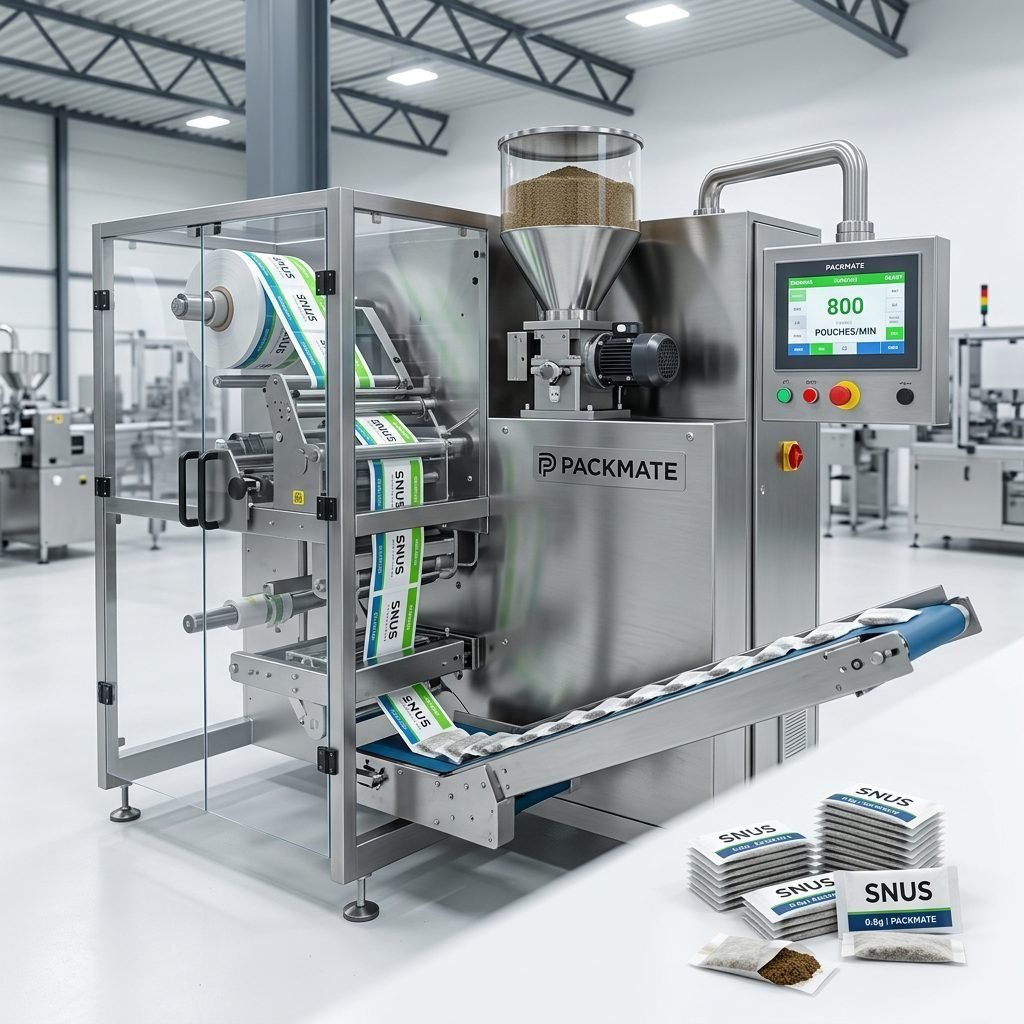
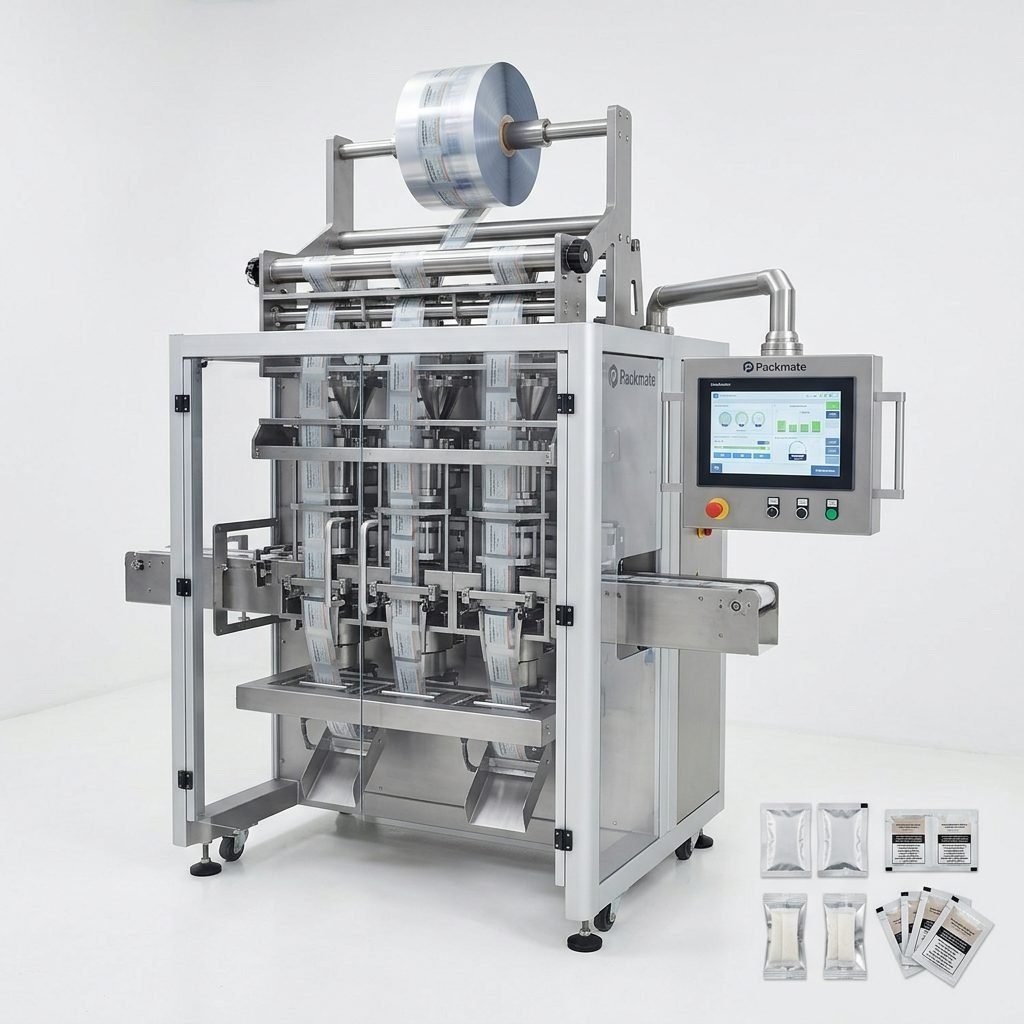
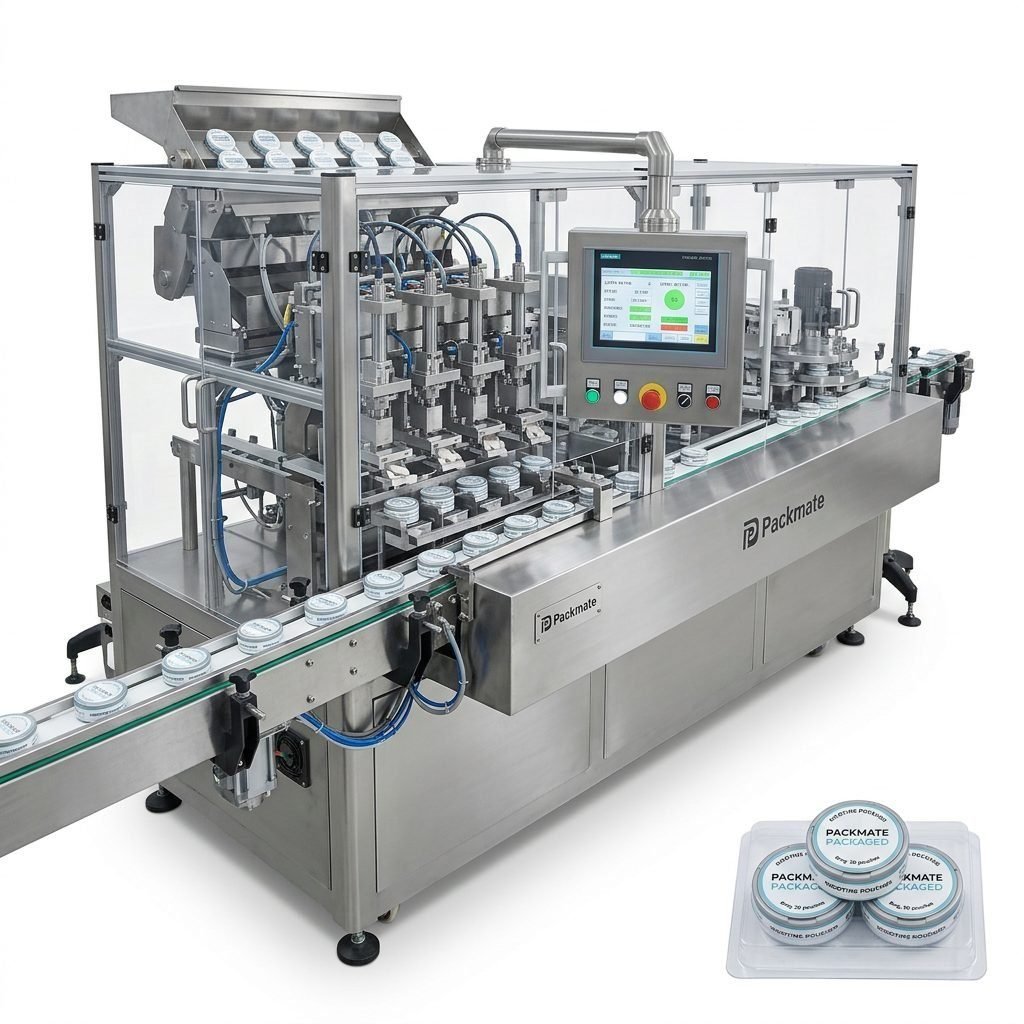
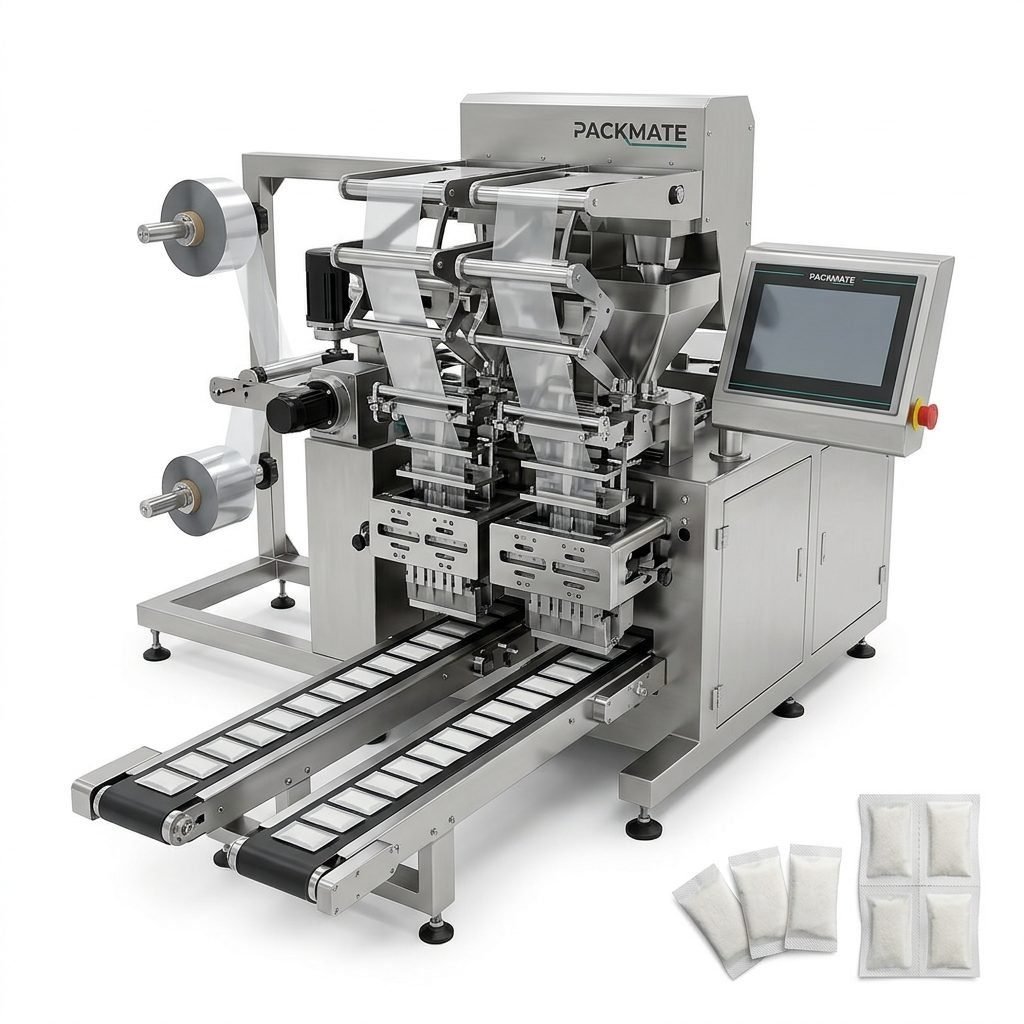
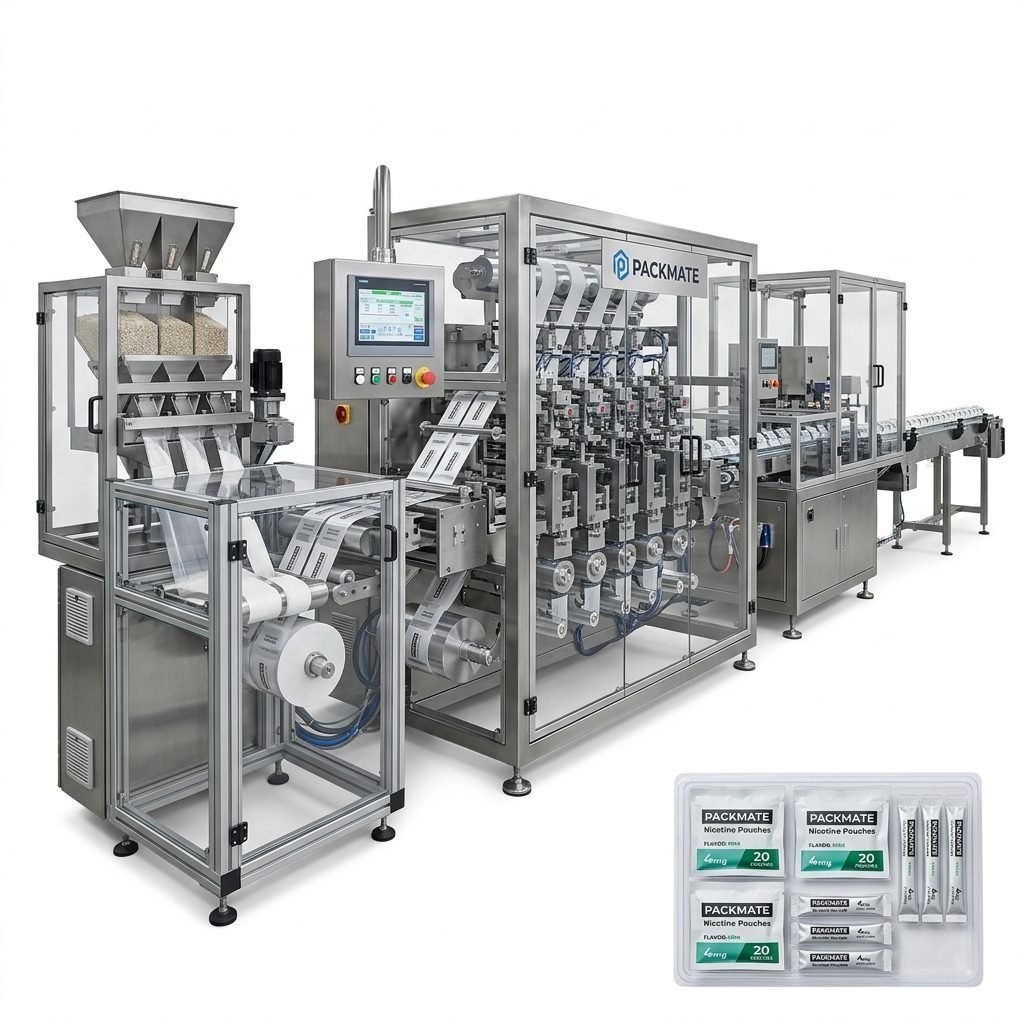
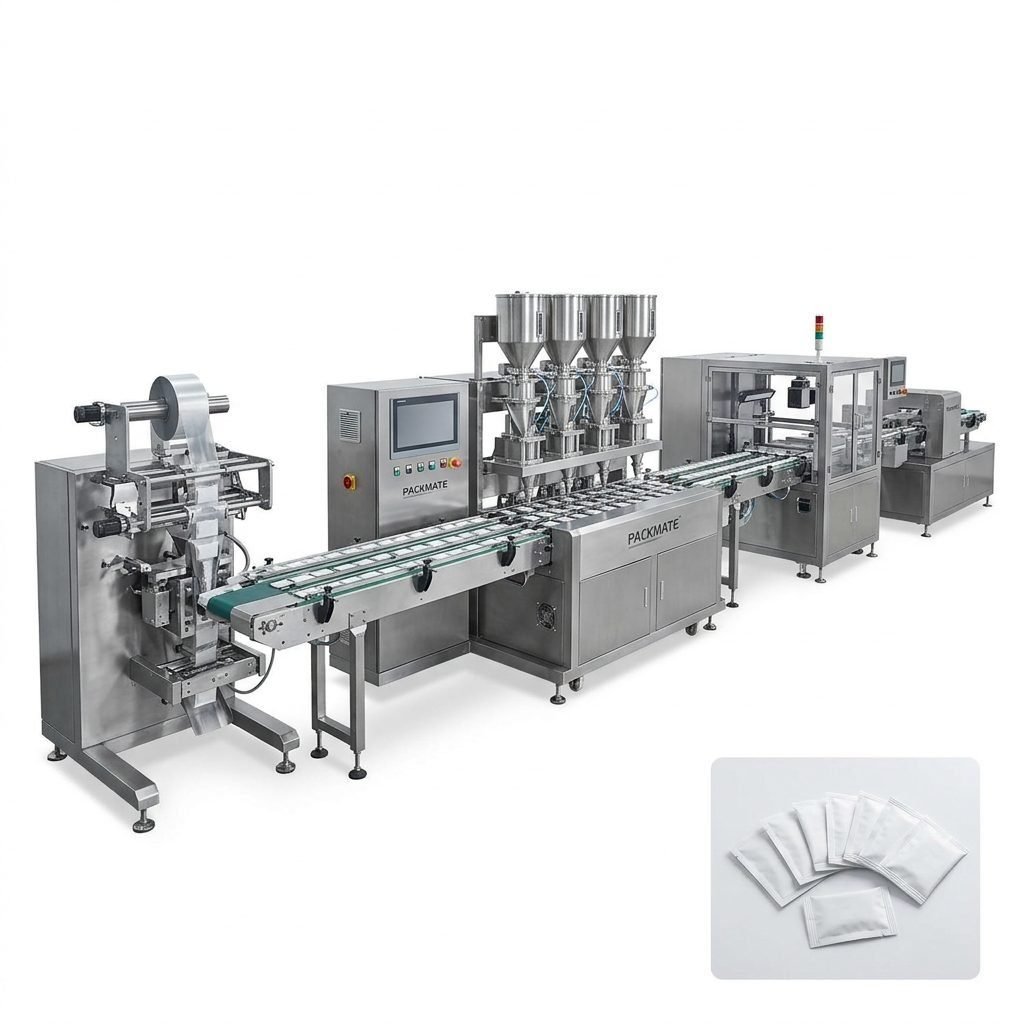
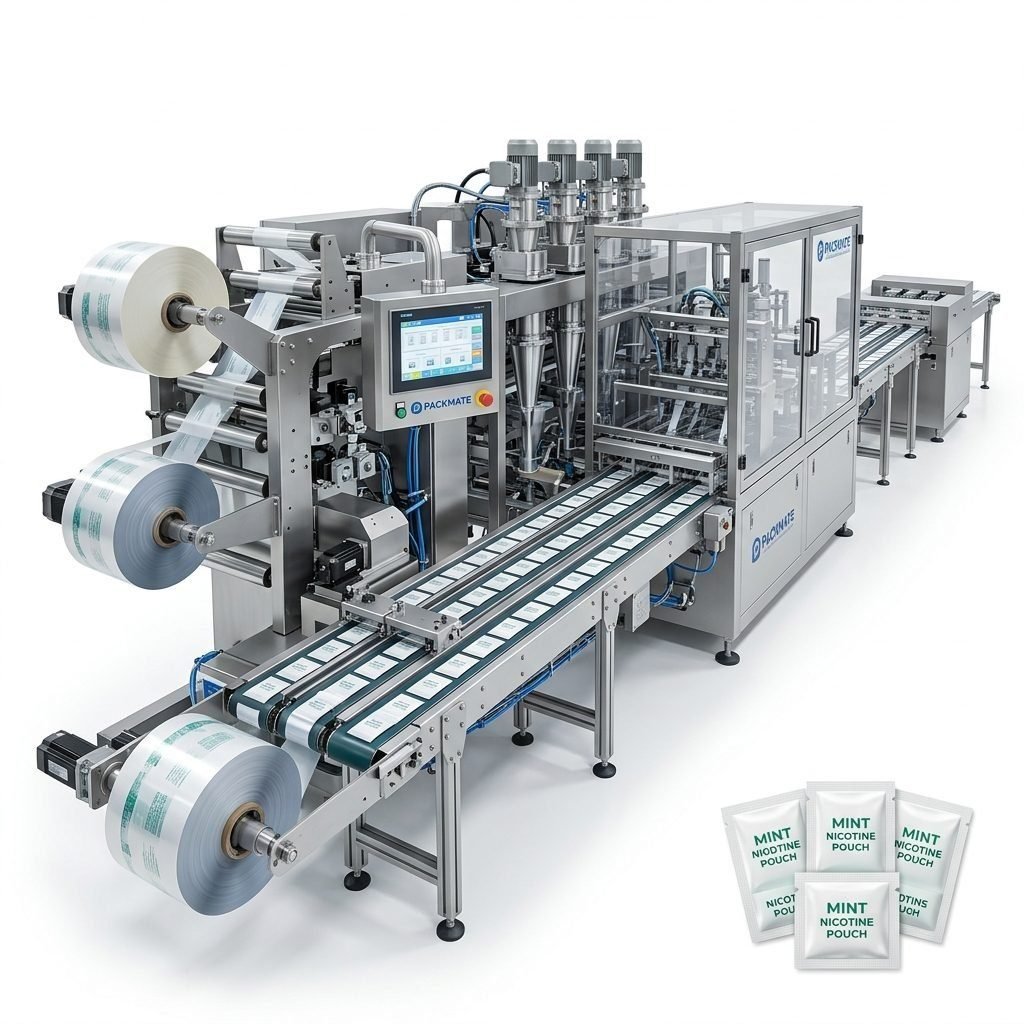
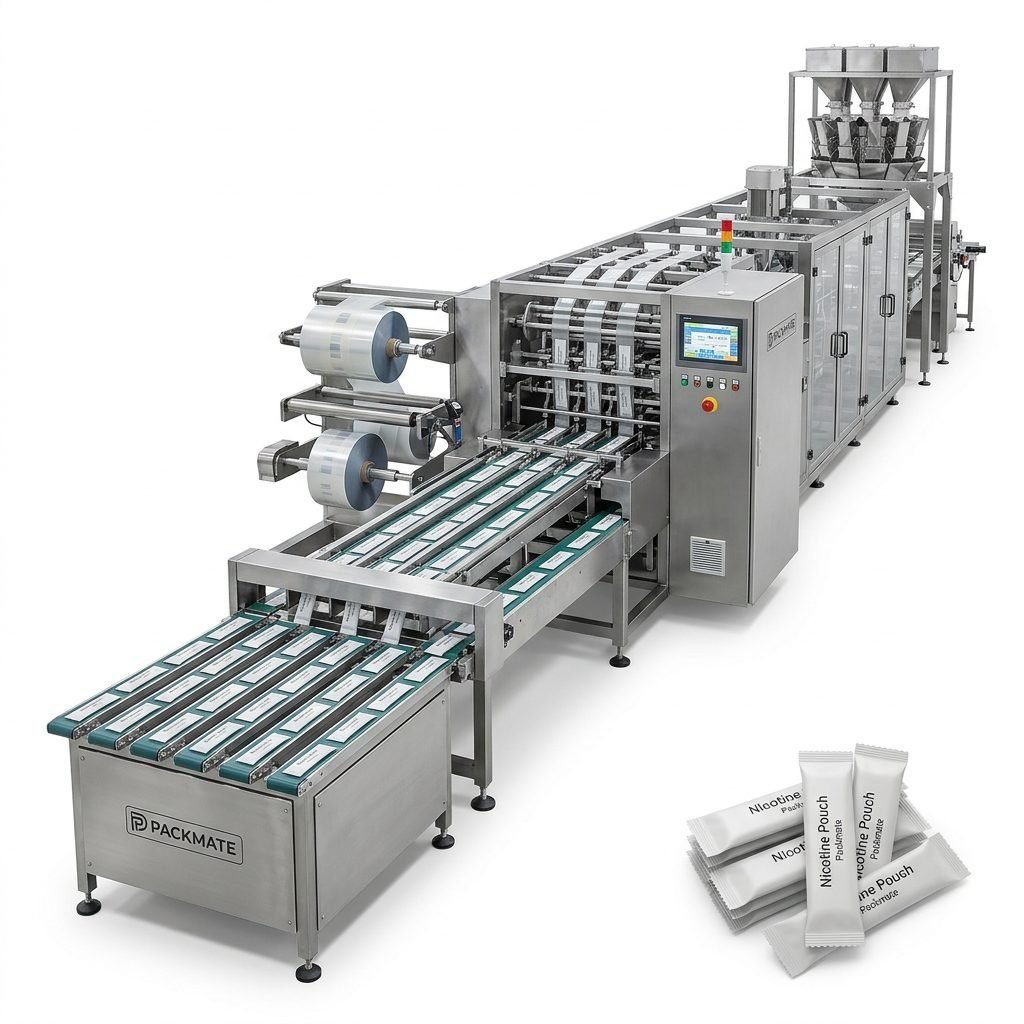
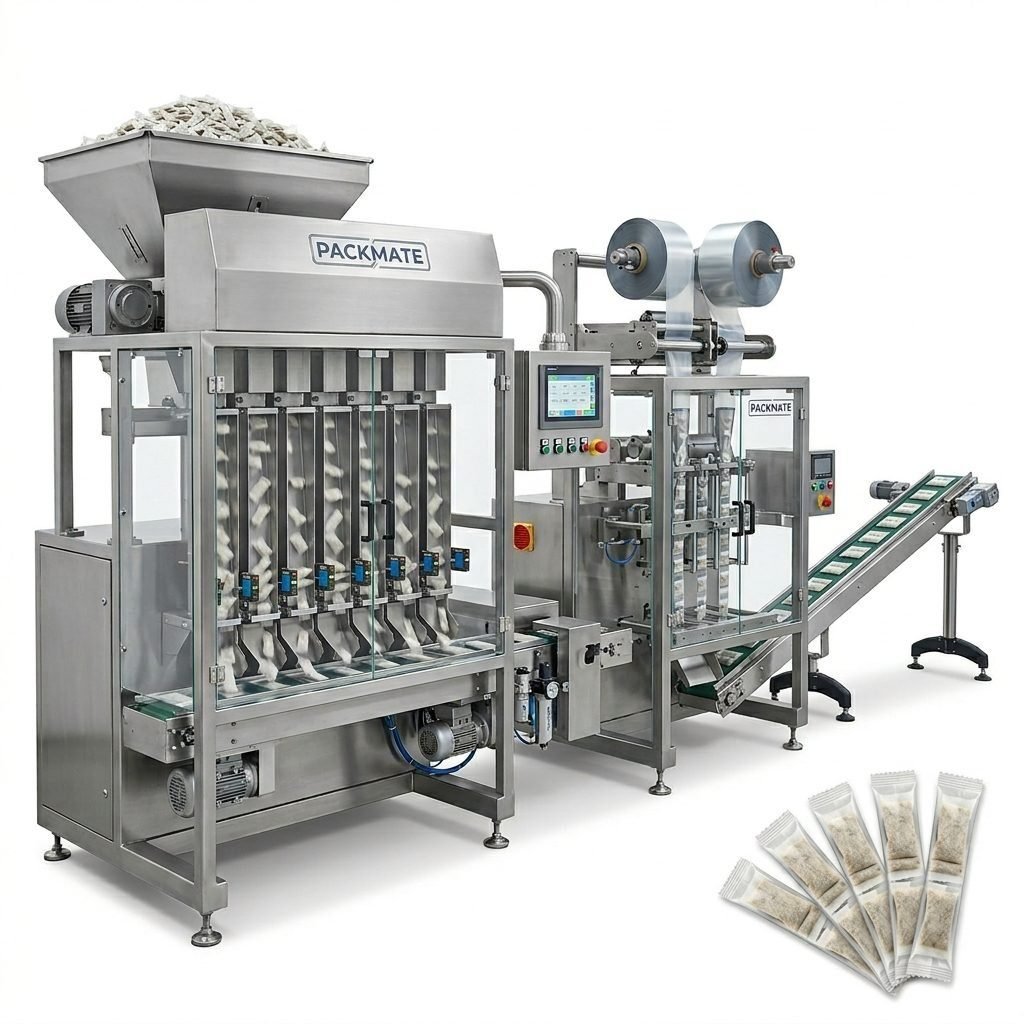
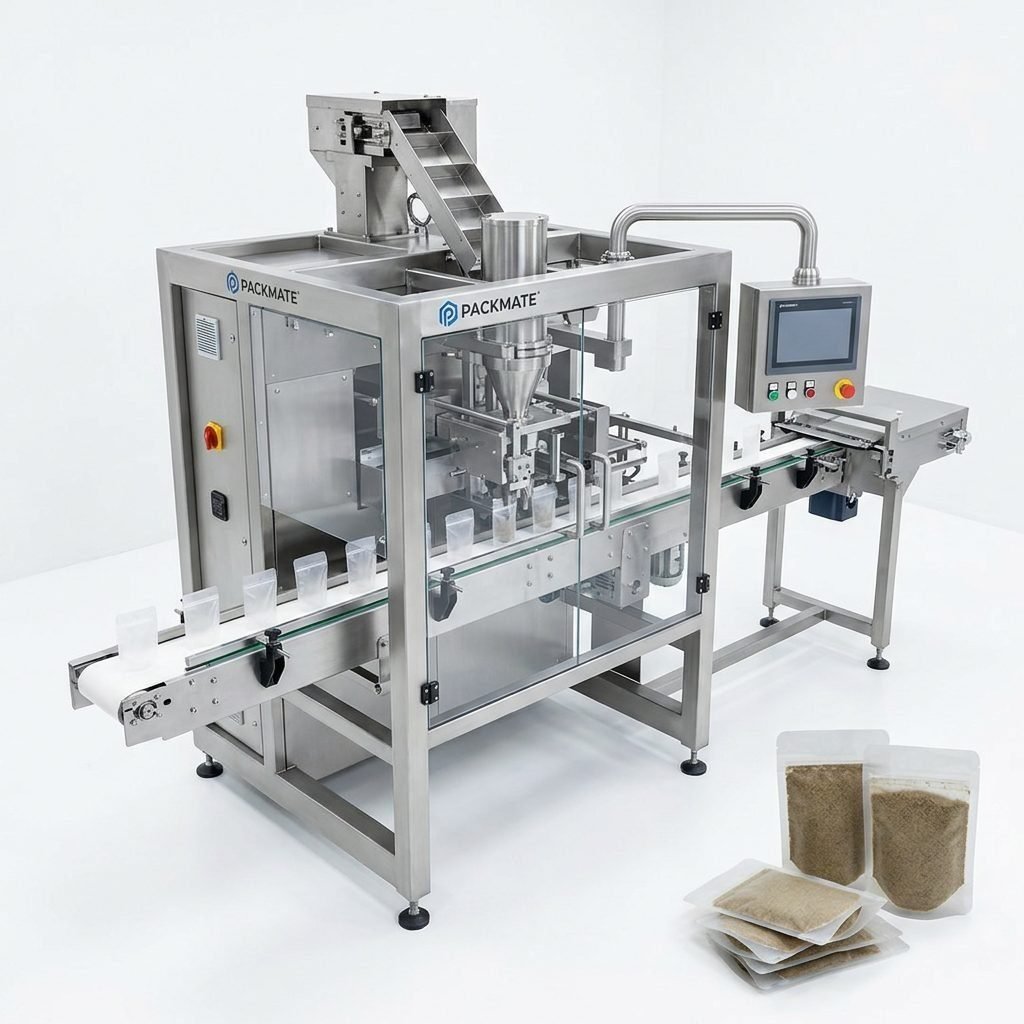
🔎 Familiarize yourself with the main machine categories: snus & nicotine pouch machines, bag & pouch machines, stick and sachet systems, and auxiliary weighing and filling lines. Suppliers who offer full-line solutions reduce integration risks and compatibility issues.
Must-check technical specs: production speed (pouches/min), accuracy (mg tolerance), changeover time, PLC and HMI brands, available lane configurations, material compatibility, and maintenance access points.
Integration and automation
🔗 A well-integrated line includes upstream dosing and weighing systems and downstream sealing, coding, and secondary packing. Look for suppliers who provide turnkey solutions including conveyor synchronisation, control system integration, and validated recipes for repeatable performance.
Quality, Certifications and Factory Standards
🏭 Verify the supplier’s manufacturing capability and quality system. Proven suppliers should provide CE and ISO documentation, factory acceptance test (FAT) records, and references from installations in climates and markets similar to Bosnia and Herzegovina. A factory with advanced CNC machining centers and precision assembly lines indicates high component quality and repeatability.
📄 Ask for runtime test videos, spare parts lists, and mean time between failures (MTBF) data. Reputable manufacturers offer clear warranty terms and documented maintenance schedules.
After-Sales Support: Training, Spare Parts, and Remote Service
🛠️ After-sales service is often the deciding factor. Confirm lead times for spare parts shipments to Bosnia and Herzegovina and whether the supplier maintains regional stock or partners with local service centers. Fast parts supply reduces downtime and keeps lines profitable.
📚 Ensure the supplier provides operator and maintenance training, plus clear documentation in English and, if possible, Bosnian/Croatian/Serbian. Remote diagnostics and PLC/HMI support via secure connections help resolve many issues quickly without long onsite visits.
Local Considerations and Cultural Preferences in Bosnia and Herzegovina
🧭 The Balkans have a strong tobacco culture and a growing interest in discreet nicotine products. Consumers in Bosnia and Herzegovina often prefer compact, easy-to-carry pouch formats and discreet packaging. Packaging aesthetics and tactile quality influence buying decisions — invest in machinery that ensures consistent pouch weight and attractive sealing.
🗣️ Language and labelling are important: ensure labels and instructions are available in Bosnian/Croatian/Serbian and align with local marketing practices. Suppliers who understand regional retail formats (small kiosks, pharmacies, supermarkets) can help design secondary packaging suitable for local shelves.
Seasonality and storage
❄️ Bosnia’s continental climate can affect storage and shelf life. Choose equipment that manages moisture control during packaging (e.g., nitrogen flushing, desiccant integration) and materials handling systems that minimise product exposure to humidity during transfer.
Logistics, Installation, and Commissioning
🚚 Evaluate logistics: supplier experience with EU and Balkan customs, export packing for long transit, and local installation teams. Some suppliers include on-site commissioning and operator training as part of the delivery package — this is highly valuable when importing complex lines into Bosnia and Herzegovina.
📈 A clear installation plan should include site preparation requirements, power and air specifications, foundation or mezzanine needs, and a timeline for acceptance testing. Ask for a sealed Site Acceptance Test (SAT) protocol to confirm performance after installation.
Cost, ROI and Financing Options
💰 Price is never the only factor. Consider total cost of ownership: spare parts, consumables, energy consumption, and expected maintenance hours. A higher initial investment in robust equipment often reduces operating costs and extends useful life.
📊 Calculate ROI by estimating increased throughput, reduced wastage, and faster changeovers. Discuss financing options with suppliers; many manufacturers provide leasing, equipment financing, or staged payment terms that can ease capital burden for local factories.
Factory Visits, References and Case Studies
🔍 Request references and, when possible, visit an operating line. Seeing machines running with similar products offers unparalleled insight into real-world performance, maintenance demands, and product consistency. Ask for case studies that demonstrate installations in climates and regulatory environments comparable to Bosnia and Herzegovina.
📁 Useful references include FAT reports, performance data, and before/after productivity metrics from other clients. A trustworthy supplier will share this information openly.
Why Consider Packmate Snus Machine
🔧 Packmate Snus Machine has 30+ years of packaging engineering experience and a focus on snus and nicotine pouch systems. Their offering spans stick pack, sachet, multi-lane, and complete turnkey lines, backed by advanced CNC manufacturing and international certifications such as CE and ISO.
🌍 Packmate’s global case studies and exhibition presence make them a strong candidate for Bosnian factories seeking reliable suppliers. Learn more about their product range at Snus & Nicotine Packaging Machines and explore full-line solutions at Filling & Packaging Lines.
📄 For company background and certifications, visit their About Packmate and Certificate pages to review factory capabilities and compliance credentials.
Practical checklist before signing a contract
✅ Production capacity validated by FAT and SAT reports
✅ Clear spare parts lead times and local availability plan
✅ Training and documentation in languages used by your team
✅ Warranty terms and service response time commitments
✅ Compatibility with local electrical and pneumatic standards
Negotiation Tips and Final Evaluation
🤝 Negotiate a performance-based acceptance clause: payment tied to successful SAT and agreed throughput metrics helps protect your investment. Clarify who is responsible for customs, local taxes, and installation expenses to avoid unexpected costs.
📞 Maintain close communication with supplier technical teams during pre-installation planning. Share floor plans, utility points, and any special environmental controls so the supplier can pre-validate equipment layout and reduce onsite delays.
Closing advice
✨ The best supplier for your Bosnian factory is one who combines proven machinery, compliant documentation, and reliable after-sales support that respects local market needs. Prioritize long-term partnership and technical transparency over lowest upfront price.
Frequently Asked Questions
Q1: What machine type is best for small-batch craft production in Bosnia and Herzegovina?
A1: For small-batch production, choose a flexible single- or dual-lane snus pouch machine with quick format changeover and modular auxiliary equipment for dosing and sealing. These provide precision without the capital cost of a full multi-lane line.
Q2: How do I ensure regulatory compliance for nicotine pouch packaging in Bosnia and Herzegovina?
A2: Work with suppliers experienced in European and Balkan regulations. Ensure the line supports required coding, traceability, and tamper-evident features. Keep documentation for CE/ISO certifications and request supplier assistance with local approval procedures.
Q3: What after-sales services are essential when importing machinery to Bosnia and Herzegovina?
A3: Ensure prompt spare parts delivery, remote technical support, local training, and clear warranty terms. Verify if the supplier has regional partners or can ship critical spares quickly to reduce downtime.
Q4: Can Packmate customise machines for Bosnian market needs?
A4: Yes. Packmate offers customised turnkey solutions and has experience with snus and nicotine pouch lines. Review their product pages such as Bag & Pouch Packaging Machines for examples of configurable systems.
Q5: How should I prepare my factory site for installation?
A5: Provide a detailed site plan with utility locations (power, air, drainage), clear installation space, and any structural support needs. Coordinate with your supplier’s installation team to confirm foundation and safety requirements prior to shipping.