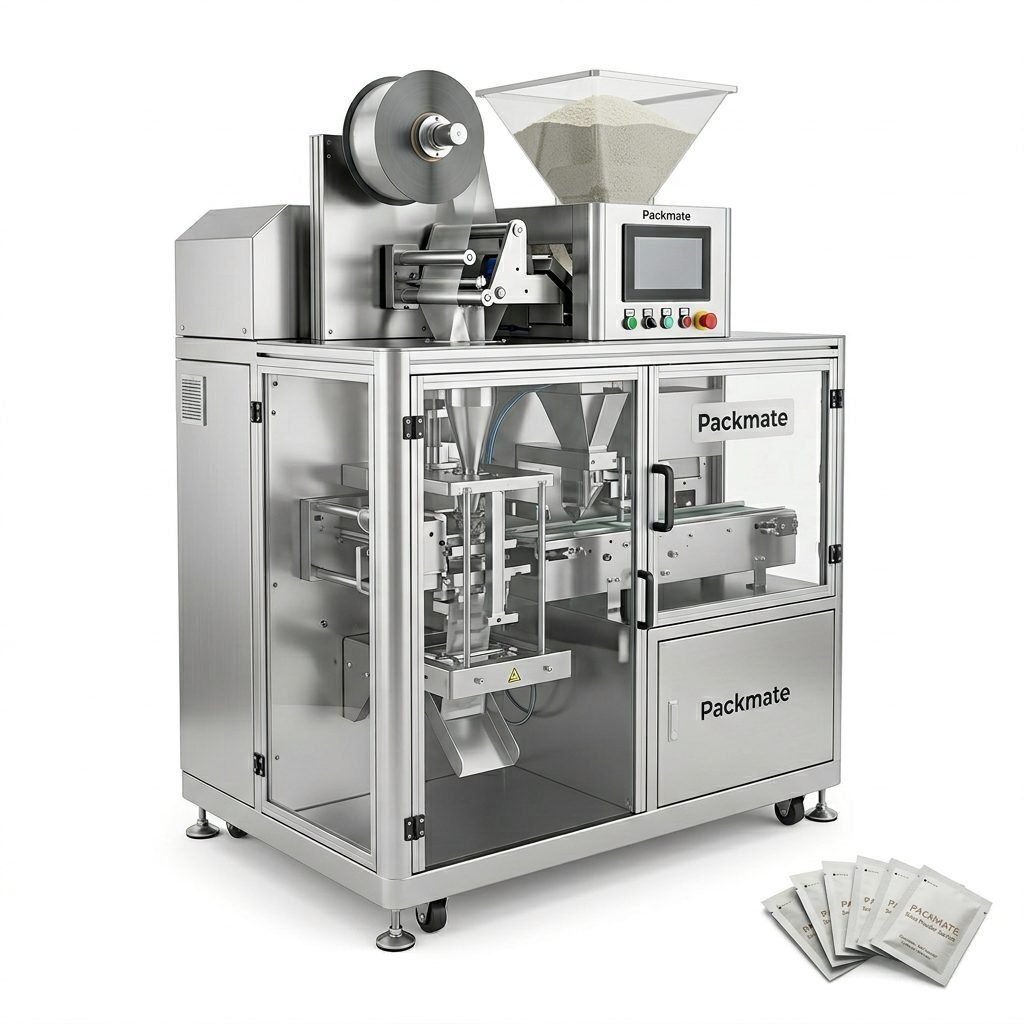
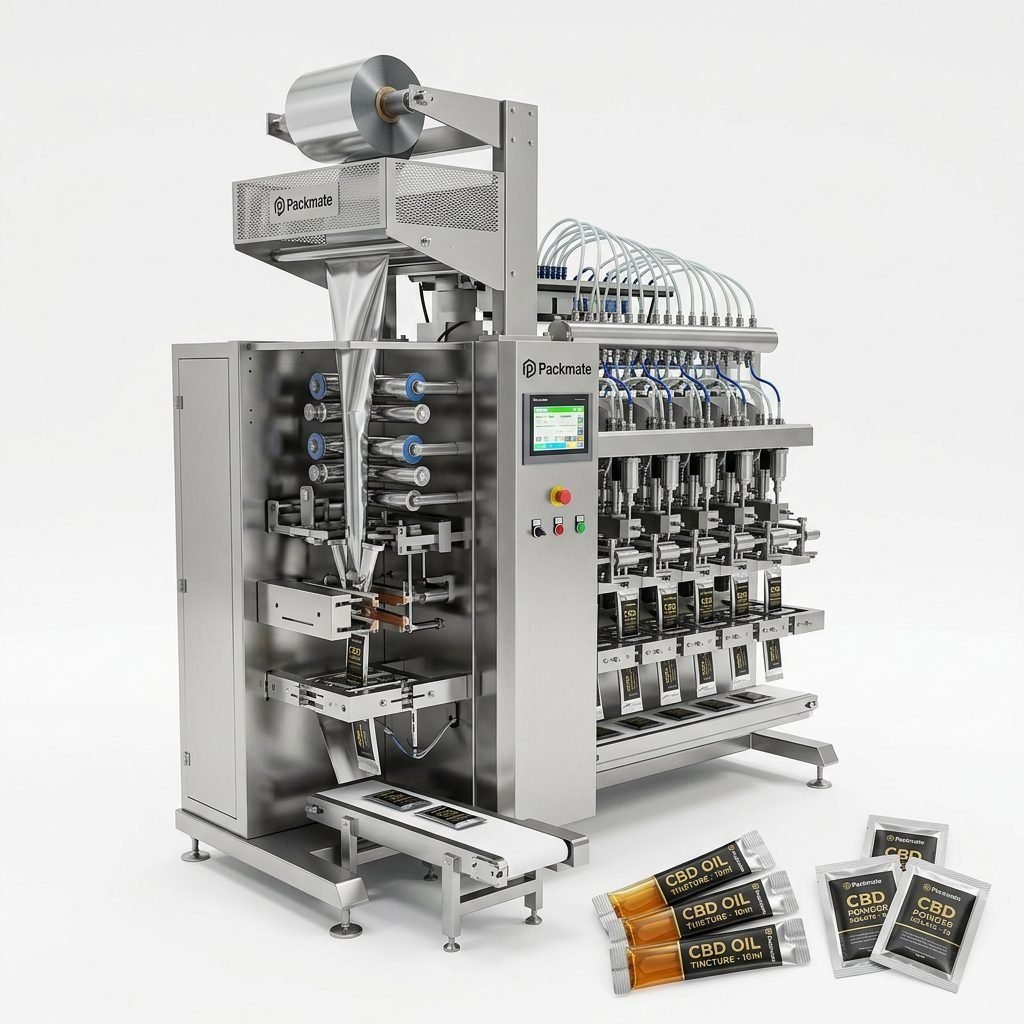
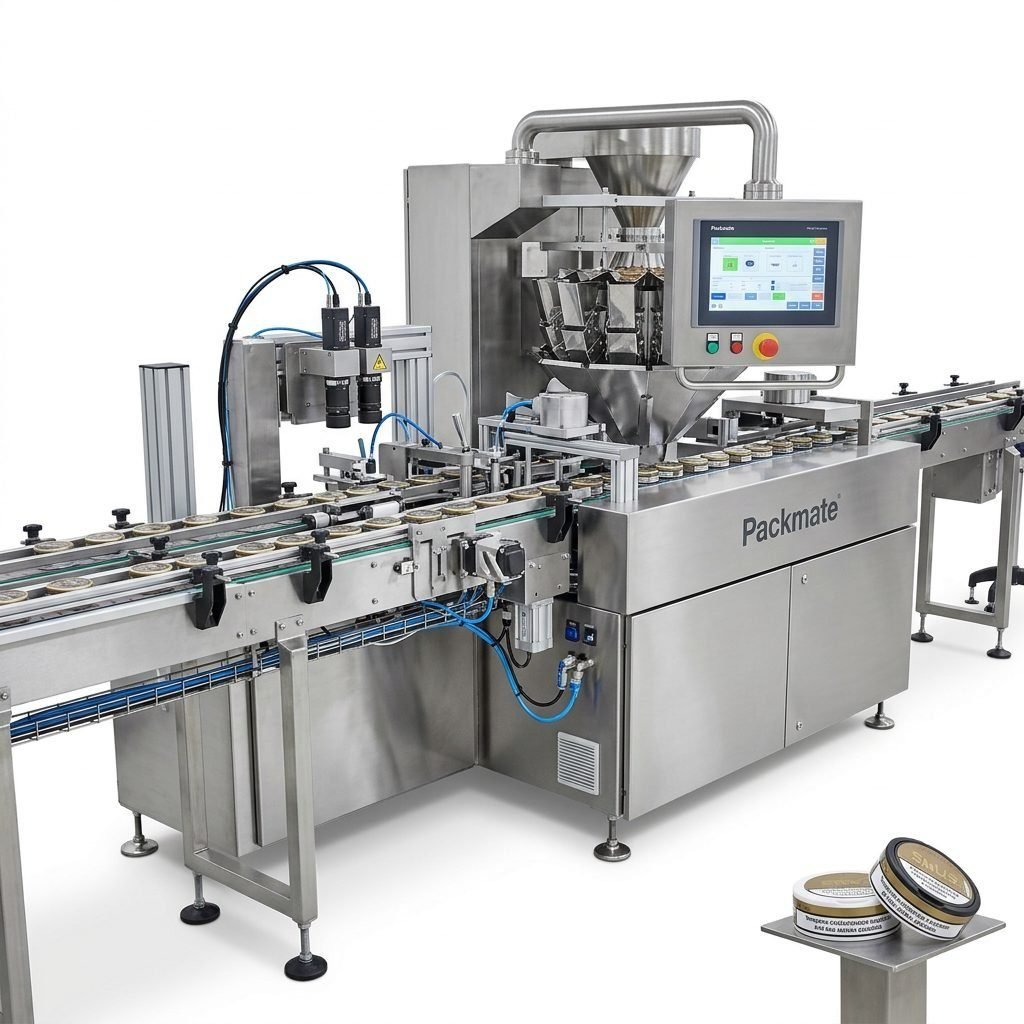
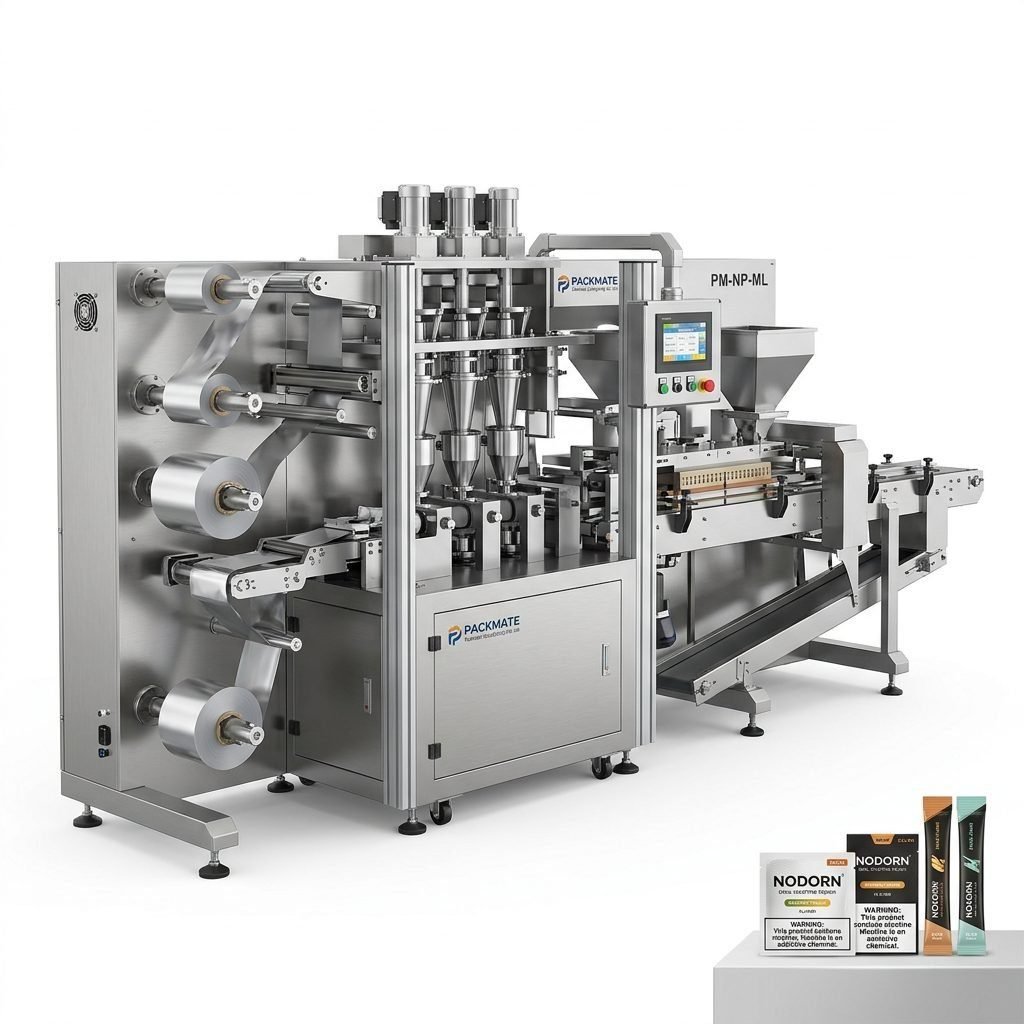
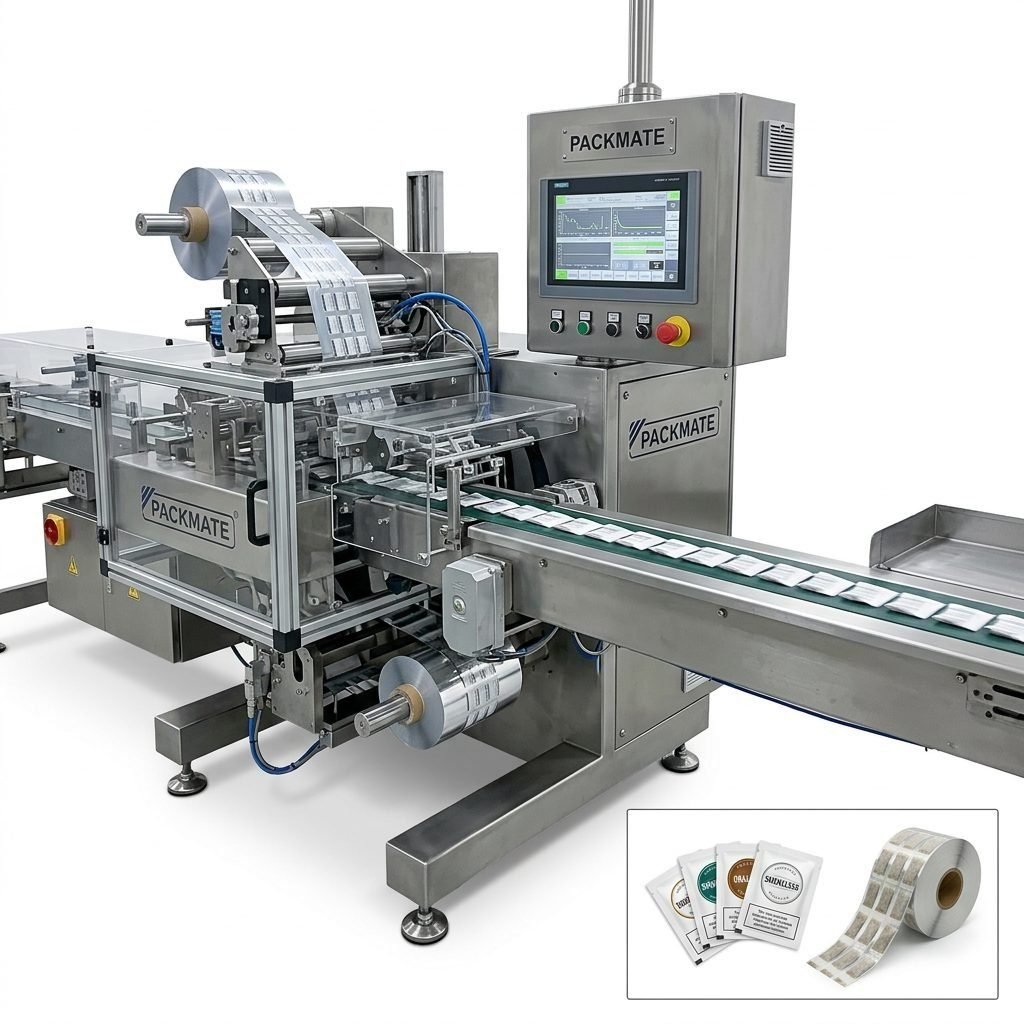
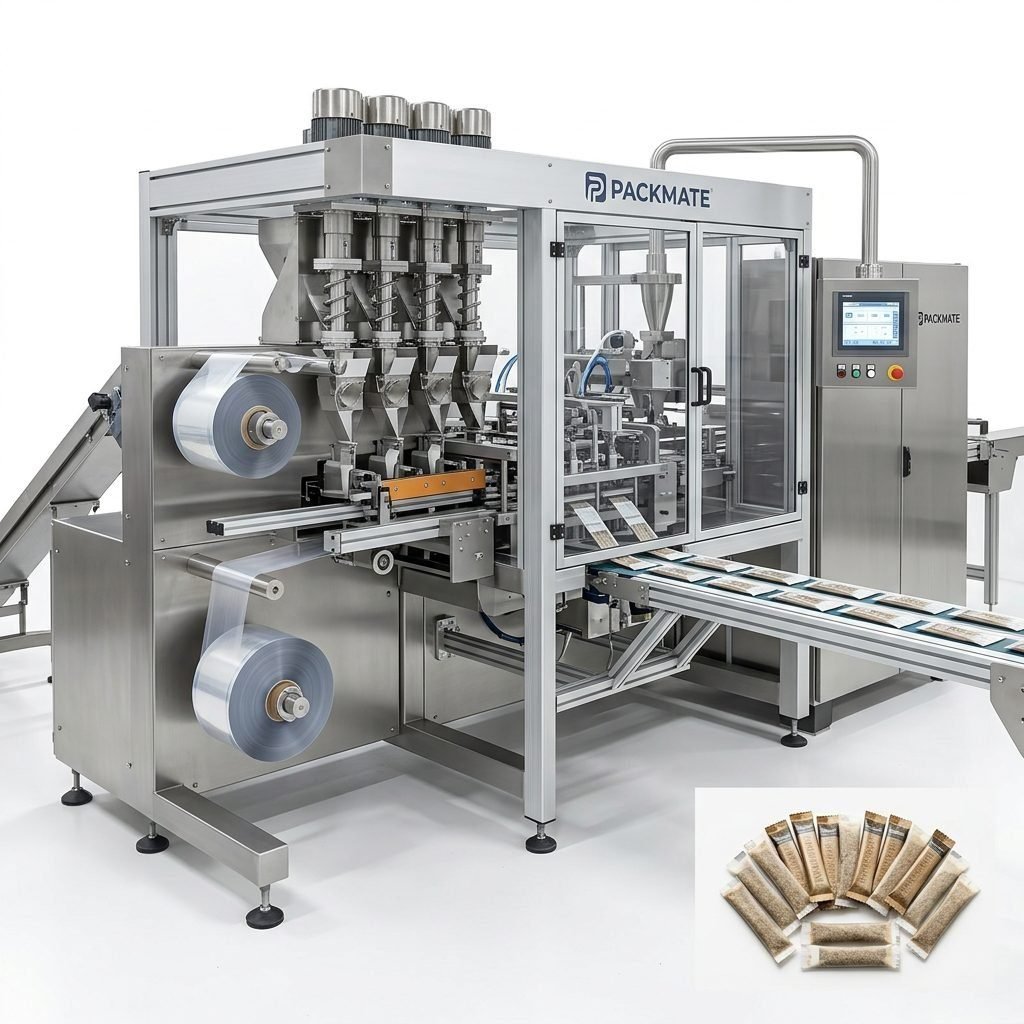
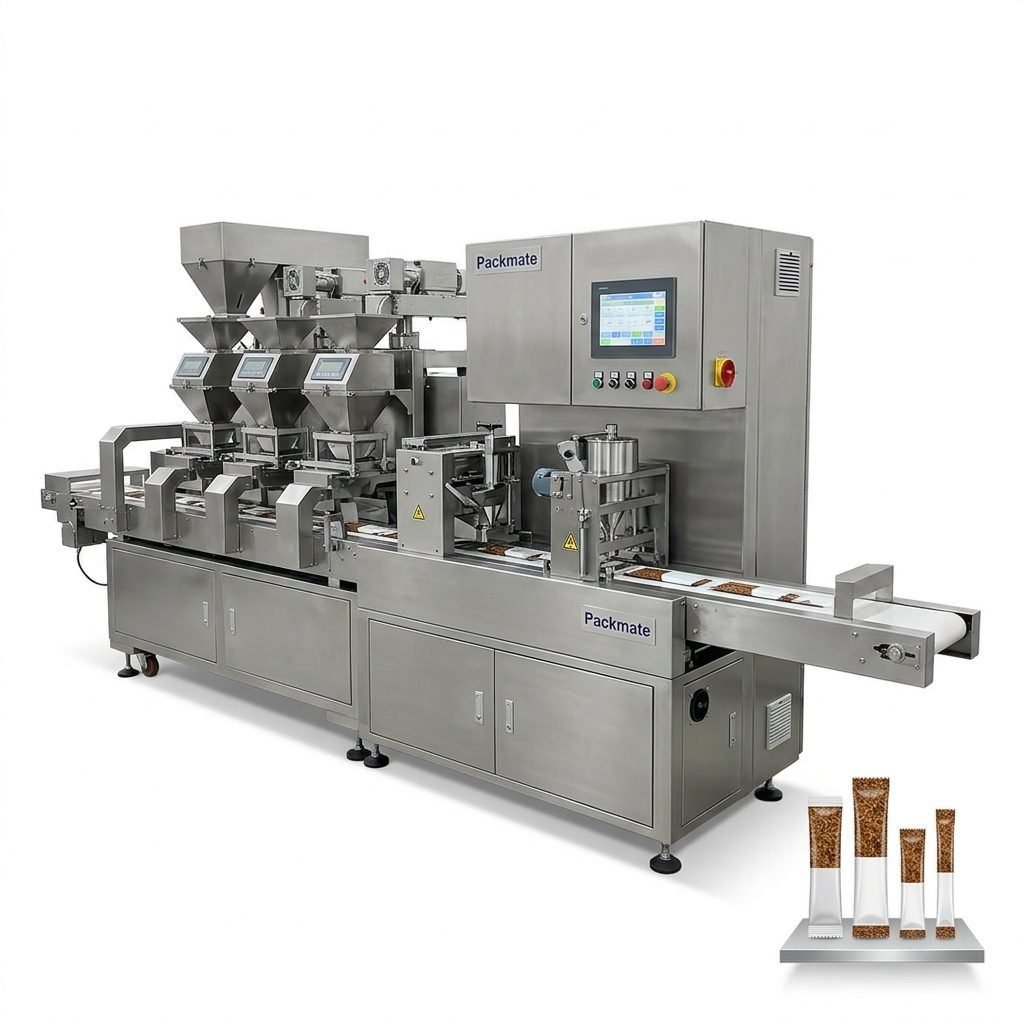
Choosing the right snus packing and filling equipment is a critical decision for manufacturers entering or expanding in the nicotine pouch and sachet market. From throughput and product format to maintenance, regulatory compliance, and total cost of ownership, the right machine can boost productivity, reduce waste, and ensure consistent product quality. This guide walks you through the technical, operational, and commercial factors to consider when buying a snus machine, helping you make a well-informed investment.
🔍 Understand Your Product and Packaging Format
The first step is to clearly define the products you will package. Snus and nicotine pouches come in a variety of formats — loose pouches, sachets, stick packs, and multi-lane pouches — each requiring specific machine capabilities. Ask:
- Will you be producing single-dose pouches, tins, or sachets?
- What is the target pouch weight range (mg to grams)?
- Are you packaging free-flowing powders, blends, or moist snus paste?
Key takeaway
Match machine type to product format. Using a stick pack or sachet machine for nicotine pouches may require additional fillers or tooling, while dedicated snus pouch machines simplify handling of moist or finely milled blends.
📈 Production Capacity & Speed Requirements
Production targets determine the scale and investment level. Machines range from small bench-top fillers to high-speed, multi-lane systems that run 24/7. Consider:
- Planned daily, weekly, and monthly output;
- Allowance for peak demand and future scaling;
- Downtime tolerance and changeover speeds.
🛠️ Filling Accuracy, Weighing & Dosing Options
For snus and nicotine pouches, dosing accuracy affects product consistency and regulatory compliance. Options include auger fillers for powders, volumetric fillers for granular blends, and specially designed dosing systems for moist or semi-solid products. Evaluate:
- Filling tolerance (± mg) and reject rates;
- Integration with checkweighers or feedback loops for weight correction;
- Ease of calibration and cleaning for frequent SKU changes.
Quality control tools
Integrating real-time monitoring and automatic rejection systems will reduce waste. Look for machines that support in-line weighing, vision inspection, and data logging for traceability.
🔧 Build Quality, Materials & Hygiene
A snus packing machine must be built to last and maintain hygienic conditions. Stainless steel (304/316) contact parts, sanitary design to avoid product buildup, and easy-access doors for cleaning are essential. Consider:
- Food-grade finishes and corrosion-resistant materials;
- Tool-free disassembly and CIP (clean-in-place) compatibility;
- IP protection ratings for washdown environments.
📐 Flexibility & Changeover
Many brands offer multiple SKUs and seasonal variants. Quick changeovers, adjustable tooling, and programmable recipes make it possible to run multiple product types on a single line. Evaluate:
- Time to swap tooling between pouch sizes;
- Ability to save and recall machine recipes;
- Support for multi-lane or adjustable lane configurations.
🧩 Integration with Upstream & Downstream Equipment
A packaging line rarely exists in isolation. Weighers, conveyors, labeling, cartoning, and case-packing equipment must work together seamlessly. When evaluating suppliers, confirm:
- Compatibility with existing scales and feeding equipment;
- Availability of turnkey lines or support for custom integration;
- Communication protocols (Ethernet/IP, Modbus, Profinet) for Industry 4.0 readiness.
For example, Packmate offers full production lines that combine snus packing machines with weighing and packaging systems — see their range of
Snus & Nicotine Packaging Machines and
Weighing & Packaging Systems.
💰 Total Cost of Ownership (TCO)
Purchase price is only part of the story. Calculate TCO by factoring in:
- Energy consumption and utilities;
- Spare parts availability and cost;
- Maintenance intervals and MTTR (mean time to repair);
- Operator training and consumables;
- Resale value and upgrade paths.
📜 Compliance, Certification & Documentation
Regulatory compliance is paramount. Ensure machines come with clear documentation, CE/ISO certifications where applicable, and support for traceability. Key items:
- CE and ISO certification evidence for export markets;
- Manufacturing and calibration records;
- Service manuals, electrical diagrams, and spare parts lists;
- Validation support for pharmaceutical-grade or regulated markets.
Packmate highlights its global compliance and quality systems — explore their
Certificate documentation and
About Packmate information to learn more.
🚀 After-sales Service, Spare Parts & Training
Fast, competent after-sales support reduces downtime. Evaluate lead times for critical spares and whether the manufacturer provides on-site training, remote diagnostics, or field engineers. Ask:
- Average spare part delivery times to your region;
- Availability of remote support and software updates;
- Training packages for operators and maintenance staff;
- Warranty terms and service level agreements (SLAs).
Ask for references from existing customers and case studies. Packmate’s global cases page contains practical examples of line installations: Case.
🔍 Factory Acceptance Test (FAT) & Site Acceptance Test (SAT)
Insist on FAT to verify machine performance before shipment. A structured FAT includes production trials with your product or representative material. SAT on-site confirms integration and final acceptance. Include acceptance criteria in contracts to avoid disputes.
📦 Packaging Consumables & Material Sourcing
Pouch material, barrier properties, and sealing compatibility affect shelf life and machine performance. Work with suppliers that can recommend materials and pre-test films or pouches. If you require custom dosing sachets or branded pouches, factor lead time for pouch tooling into your project schedule.
🌍 Local Considerations & Market Practices
Market preferences and regulations vary by region. In Europe, strict labeling and nicotine content disclosure are common, while other regions may have different compliance requirements. If your business targets a specific country or region, ensure machine documentation and support match local expectations. Packmate’s exhibition and global presence pages provide insights into where their systems are deployed: Our Exhibition.
Buying checklist — quick summary
🔸 Define product format and dosing type
🔸 Confirm required throughput and scalability
🔸 Verify hygiene standards and material contact finishes
🔸 Review TCO, warranties, and spare part support
🔸 Require FAT/SAT and clear acceptance criteria
📞 How to Engage with Suppliers
When contacting equipment manufacturers, provide detailed product specifications, desired throughput, available utilities (electricity, compressed air), and factory layout dimensions. Request references and video demonstrations. If you want a turnkey solution, mention that up front and ask about integration services like carton packing and palletizing — check the supplier’s
Filling & Packaging Lines offerings.
📘 Final steps before purchase
- Compare feature lists and request a side-by-side technical comparison;
- Validate references and visit a demo site if possible;
- Confirm warranty, training, and spare parts availability;
- Agree FAT criteria and contractual delivery/installation milestones;
- Plan for operator training and initial production validation runs.
Conclusion
Buying the best snus packing and filling equipment requires careful alignment of product needs, production targets, hygiene standards, and long-term support. Prioritize machines with proven dosing accuracy, sanitary design, modular expandability, and strong after-sales support to protect your investment. With the right preparation and supplier engagement, you can build a reliable production line that scales with your business.
Frequently Asked Questions
Q1: How do I choose between a single-lane and multi-lane snus machine?
A1: Base your choice on current and projected throughput. Single-lane machines are cost-effective for lower volumes and easier changeovers; multi-lane systems increase capacity and reduce footprint per pouch but require more complex maintenance.
Q2: What is the typical lead time for snus packaging machines?
A2: Lead times vary by customization, machine type, and supplier backlog. Standard models may ship in a few weeks, while bespoke turnkey lines with FAT/SAT can take several months. Always confirm lead times and include them in purchase agreements.
Q3: Can machines handle both moist snus and dry nicotine pouches?
A3: Some machines are designed to handle a range of consistencies with appropriate dosing systems. However, humid or sticky products often require specialized feeders, anti-stick finishes, and cleaning protocols. Clarify your product properties with the manufacturer.
Q4: What support should I expect after installation?
A4: Expect operator training, commissioning support, spare parts lists, and warranty coverage. Many manufacturers offer remote diagnostics and service contracts. Verify SLAs and spare parts lead times before purchase.
Q5: Where can I see real-world installations or request a demo?
A5: Request factory demonstrations, video trials, or site visits. Packmate lists exhibition appearances and case studies on their site — use the Contact Us page to arrange demos or visit their Case section for examples.