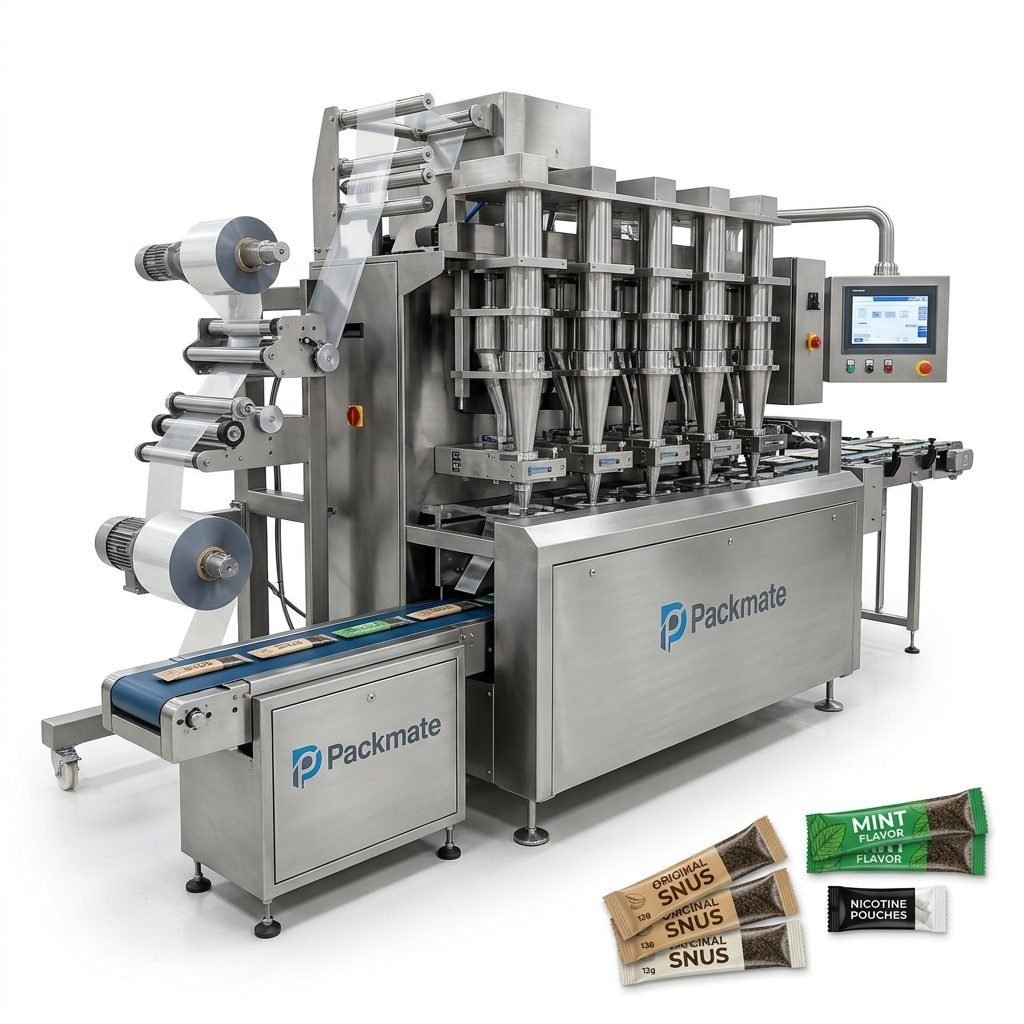
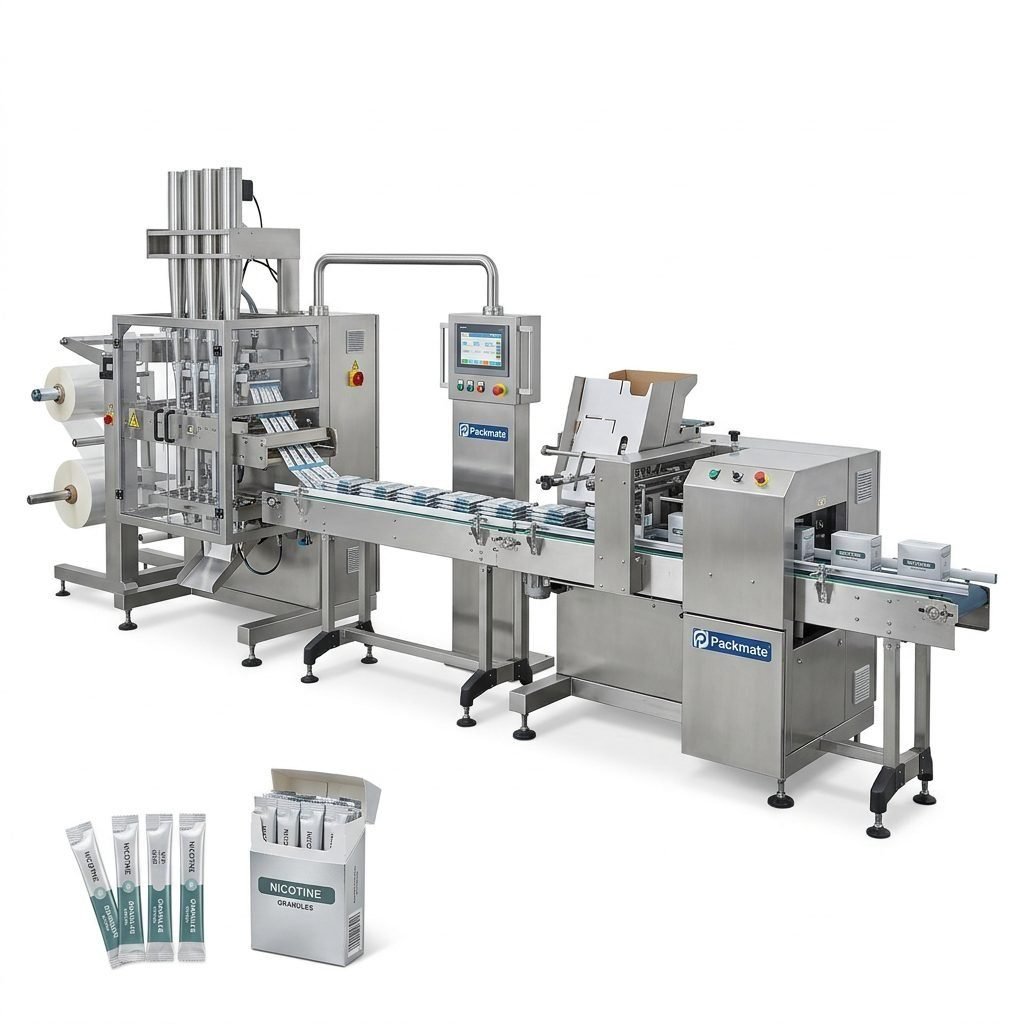
Choosing the right nicotine packaging machinery supplier for your factory in Ghana is a strategic decision that affects product quality, production efficiency, regulatory compliance, and return on investment. Whether you are launching nicotine pouches, snus, or other tobacco-adjacent products, the right partner will combine proven engineering, local understanding, and reliable after-sales support. This guide walks you through the practical steps, criteria, and Ghana-specific considerations to select a supplier who will grow with your business.
Understand the Ghanaian Market and Local Considerations
Before you evaluate suppliers, understand the landscape in Ghana. English is the official business language, and business relationships often rely on personal trust and repeated interactions. Key points to consider:
📌 Local regulations and import controls: Verify whether nicotine pouches or similar products have specific import or manufacturing licenses in Ghana. Engage local counsel or regulatory consultants early. Always confirm legal compliance before procurement.
🤝 Business etiquette: Ghanaian partners value reliability, punctuality, and clear communication. Face-to-face meetings or video calls are commonly used to build trust.
🚚 Logistics & customs: Accurately estimate lead times for sea freight and customs clearance; plan for delays and duties, and ensure spare parts shipments are factored into total delivery planning.
Core Technical Requirements to Evaluate
Your factory’s needs determine the machinery specifications. Evaluate suppliers against these technical requirements:
- Production capacity: Match machine throughput to your forecasted volumes and seasonal peaks.
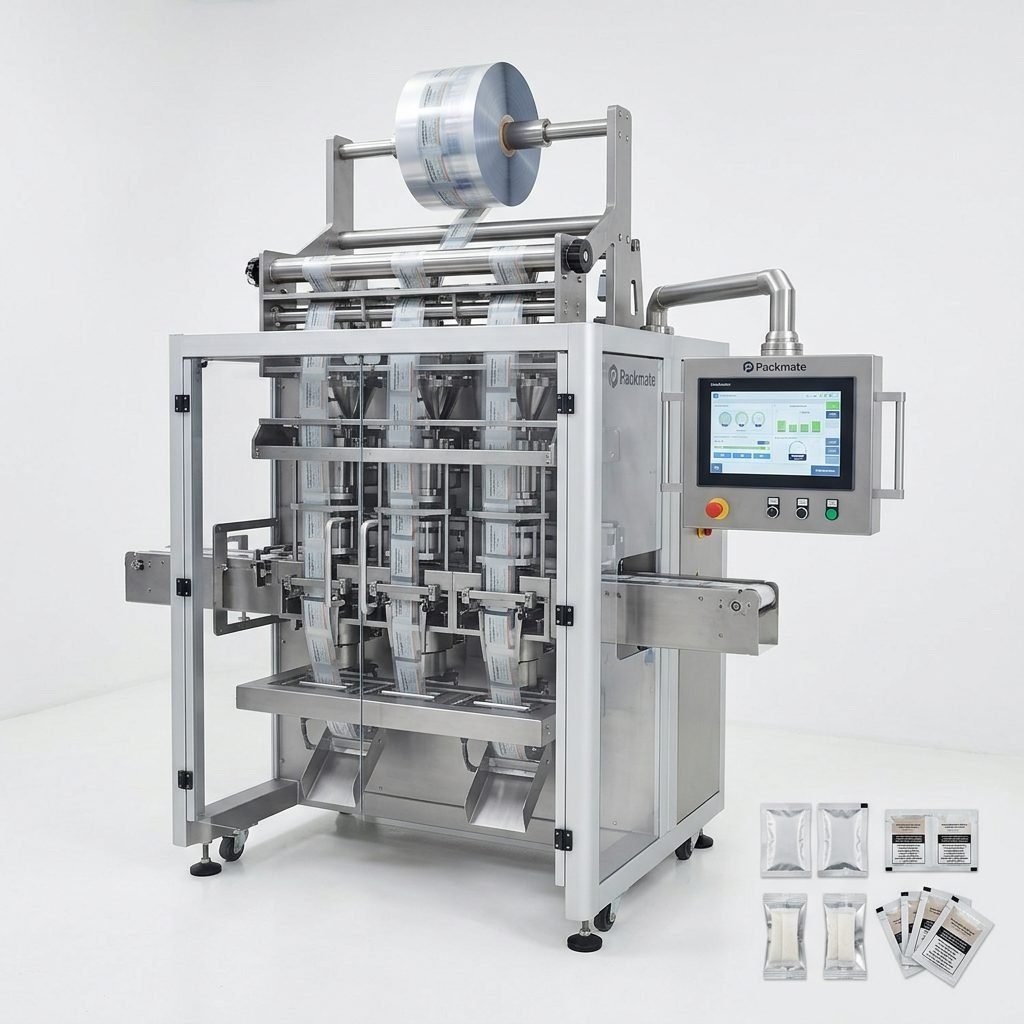
- Product format flexibility: Can the line handle pouches, snus, stick packs, sachets, and multiple lane configurations?
- Accuracy and yield: Tolerances for small-dose nicotine pouches demand high-precision weighing and filling systems.
- Automation and integration: Assess how easily the equipment integrates with your existing conveyors, checkweighers, and packaging processes.
- Compliance and traceability: Support for batch coding, serialization, and easy cleaning for GMP-like requirements.
Why multi-lane systems matter for Ghanaian factories
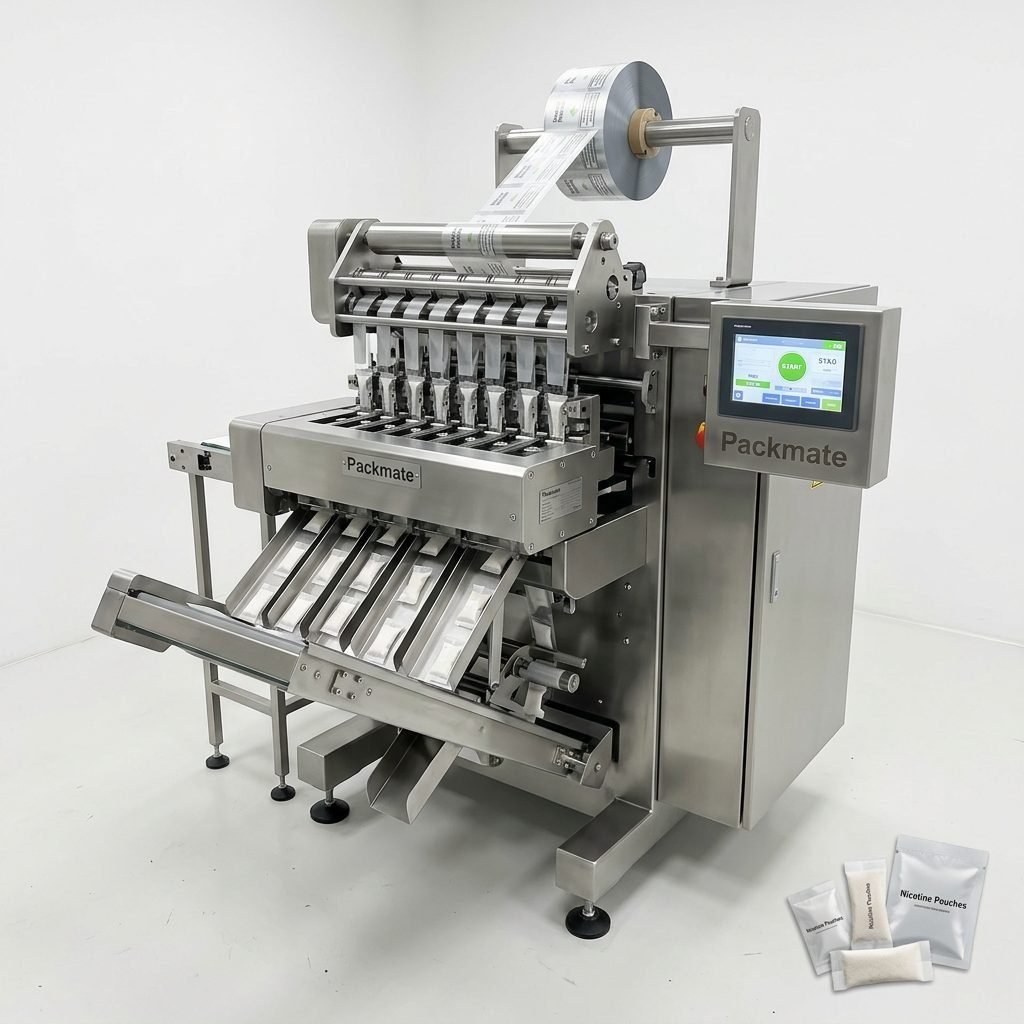
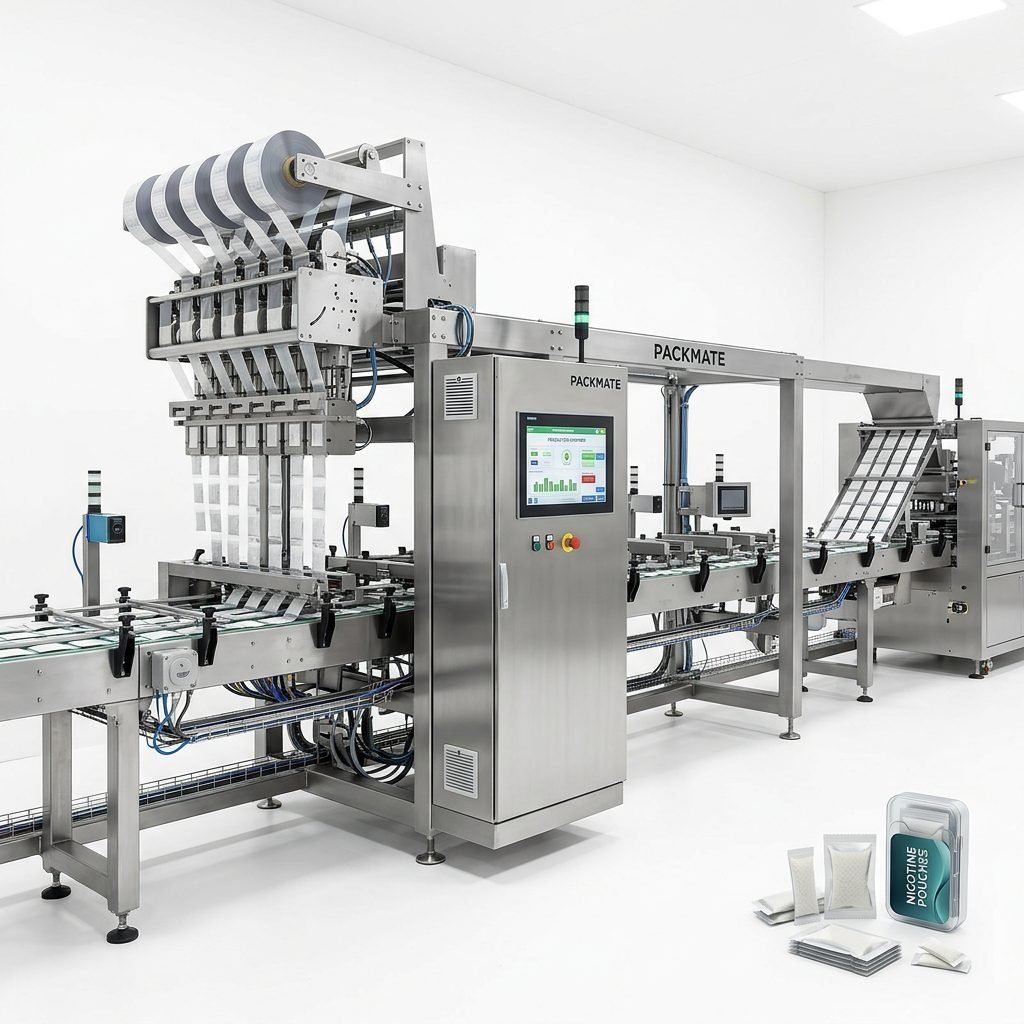
For small-dose nicotine pouches, multi-lane systems increase output while preserving footprint—important for Ghanaian factories where floor space and utilities are premium. Look for proven multi-lane solutions with synchronized feeding and robust lane-guarding.
Supplier Credentials and Proven Track Record
Prioritize suppliers who can demonstrate experience and a measurable track record:
✅ Years of industry focus: Suppliers with decades of experience in snus and nicotine packaging are more likely to handle process subtleties. For example, Packmate has over 30 years of engineering experience building snus and nicotine pouch lines.
📁 Case studies & references: Ask for installations in markets with similar regulatory and climate conditions. Inspect case photos, performance reports, and client contacts.
Certifications, Standards and Quality Assurance
Machines should comply with international safety and quality standards. Key marks to look for:
- CE and ISO compliance as baseline safety and quality indicators.
- Factory acceptance testing (FAT) and site acceptance testing (SAT) protocols.
- Documented quality control and traceable parts sourcing.
After-Sales Service, Local Support and Spare Parts
In Ghana, quick access to qualified service and parts minimizes downtime. Verify:
⚙️ Local partners or distributor network: Does the supplier have a regional partner or can they provide remote support and training in English?
⏱️ Spare parts lead time: Request a list of critical spares and estimated delivery times to Ghana. Consider stocking essential parts locally.
🎓 Training & documentation: On-site commissioning and operator/maintenance training are essential—ask for manuals in English and digital support materials.
Service-level examples
Top suppliers provide FAT videos, remote commissioning tools, and periodic on-site preventive maintenance visits. Some also maintain a local inventory of wear parts through distributors or third-party logistics hubs.
Total Cost of Ownership (TCO) Beyond the Purchase Price
Evaluate TCO including installation, training, spare parts, energy use, packaging materials compatibility, and predicted uptime. Ask suppliers for realistic efficiency numbers and example operating cost sheets over 3–5 years.
Factory Visits, Audits and Performance Verification
Whenever possible, visit the supplier’s factory or a live customer installation. For international suppliers, request FAT and live machine demos via video. Key checks:
- Witness a full production run with your pouch format or a close analog.
- Inspect assembly quality, component brands (motors/servo, PLC, sensors).
- Verify QA/test documentation and serviceability of mechanical modules.
Commercial Terms, Warranty and Payment
Negotiate clear commercial terms:
💼 Warranty scope and duration: Confirm parts, labor, and service response times and whether warranty covers travel for engineers.
📜 Clear acceptance criteria: Define FAT/SAT pass criteria, acceptance timelines, and remedies for missed performance.
💳 Payment terms: Many international suppliers request staged payments (deposit, pre-shipment, post-SAT). Explore letters of credit or escrow if needed.
How to Shortlist and Test Suppliers
Build a shortlist of 3–5 suppliers and use a scoring matrix to rank them across technical fit, references, TCO, after-sales, compliance, and cultural fit. Practical steps:
- Request detailed proposals with machine specs, layout drawings, and lead times.
- Ask for FAT video and references in similar climates/markets.
- Request a site-specific layout and utilities list to verify factory compatibility.
Recommended supplier attributes for Ghana
Look for suppliers who provide clear English documentation, remote support channels, and reasonable spare parts logistics to Accra or Tema ports. Local partnerships or trusted freight forwarders are a plus.
Why Consider Packmate as an Option
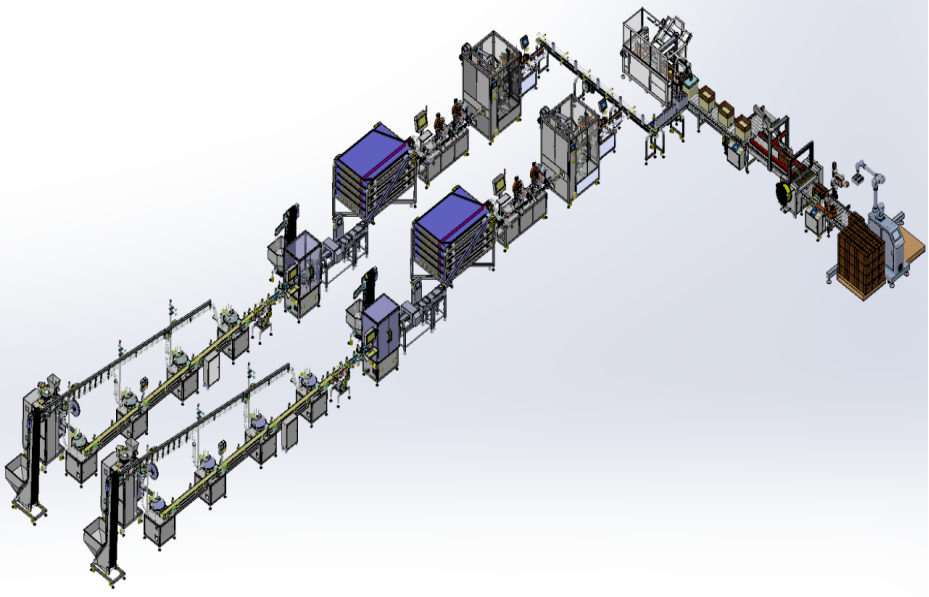
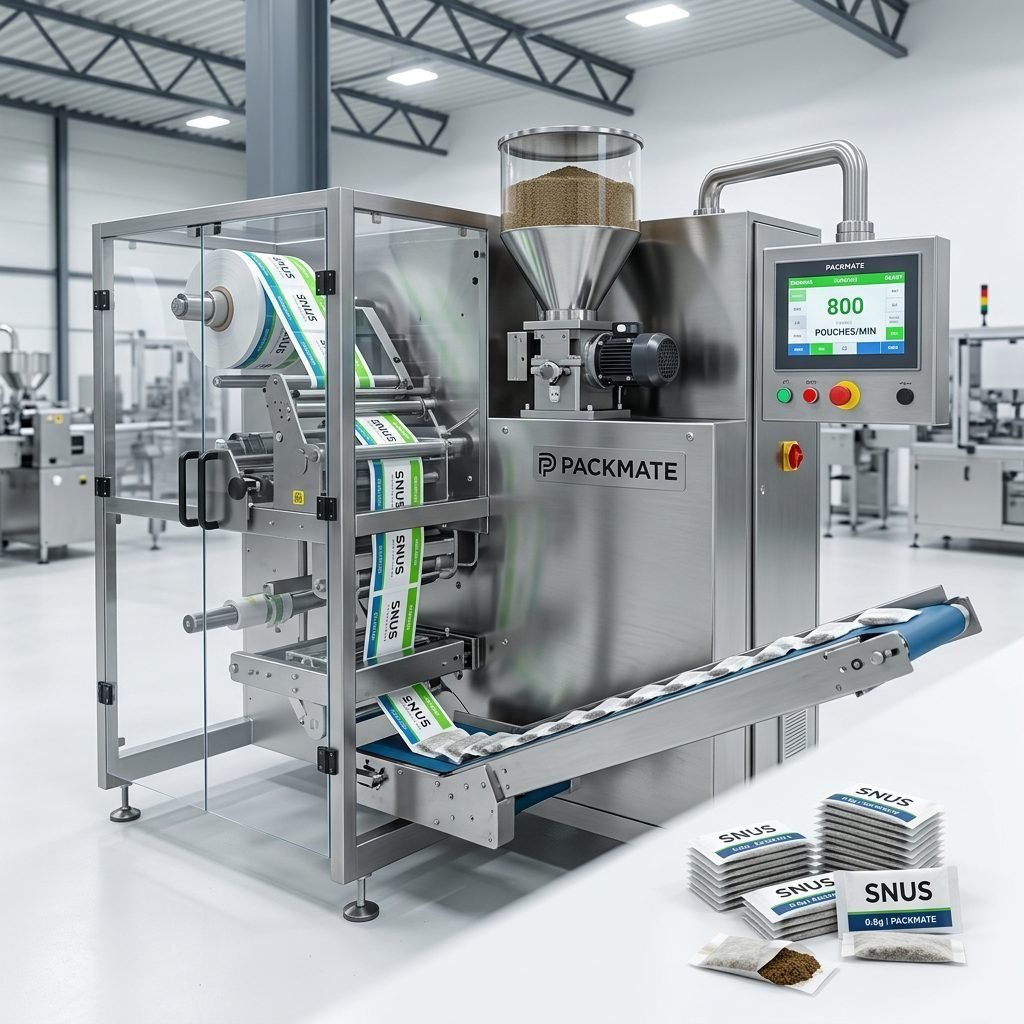
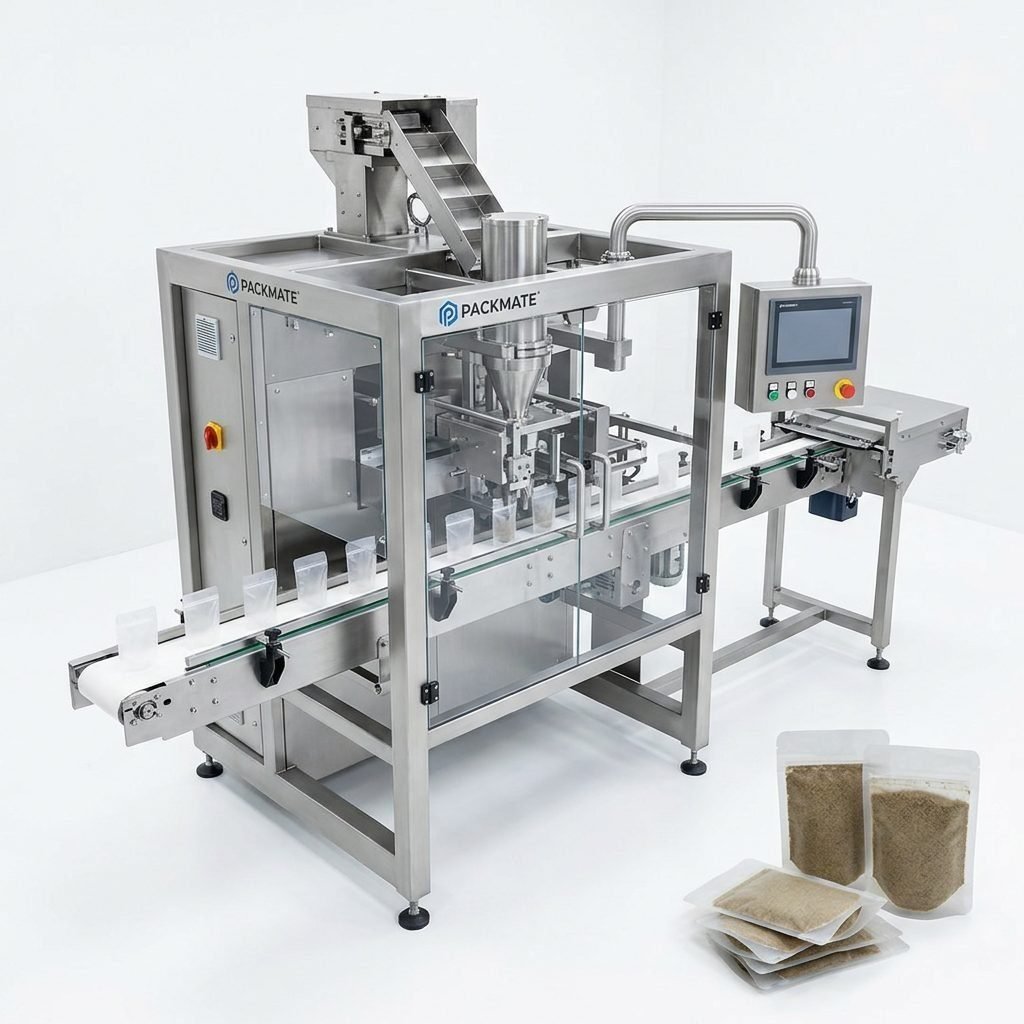
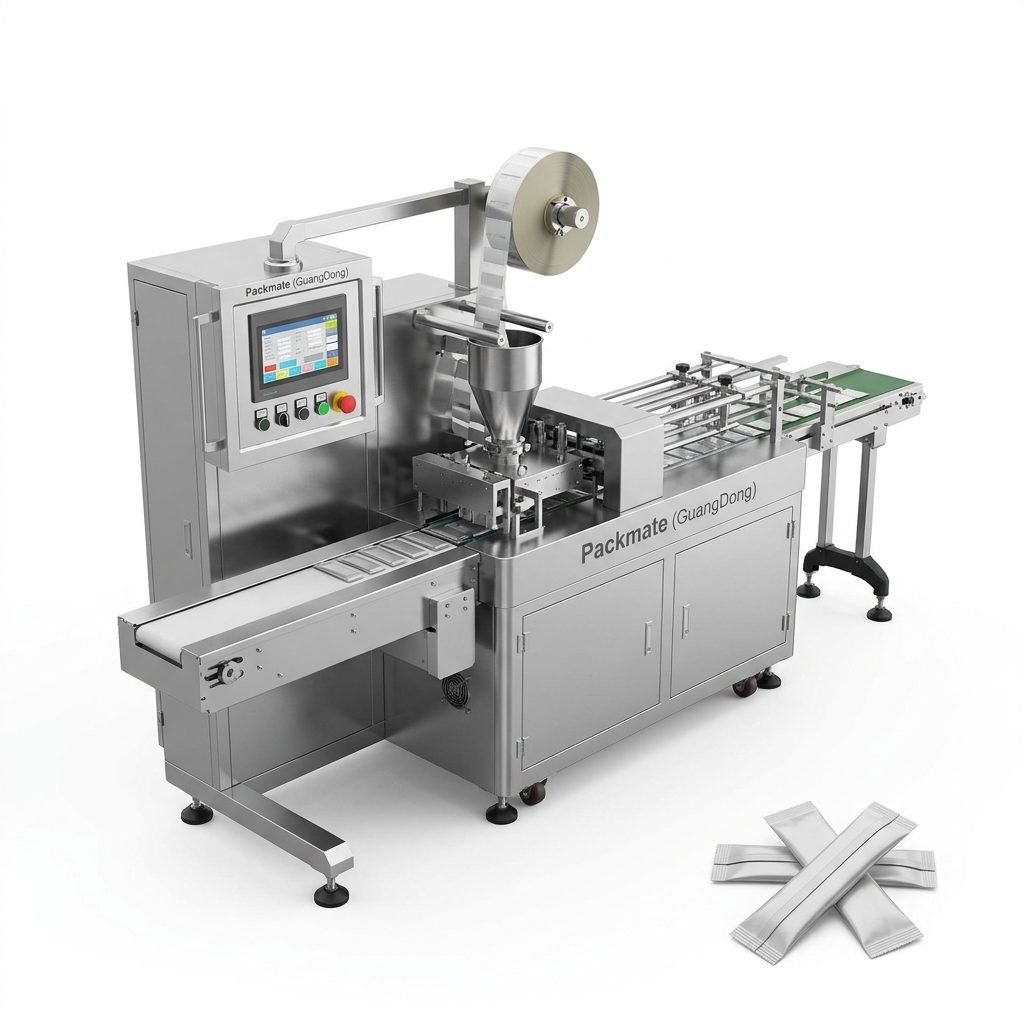
When evaluating vendors, consider Packmate for nicotine pouch and snus packaging needs. Packmate emphasizes high-precision multi-lane systems, extensive manufacturing experience, and turnkey line solutions. Key highlights:
- 30+ years of engineering experience and a 20,000㎡ factory with advanced CNC machining centers.
- A broad product range including Snus & Nicotine Packaging Machines, Sachet & Stick Pack Machines, and Weighing & Packaging Systems.
- International certifications and turnkey solutions suitable for global markets.
Procurement Checklist Before You Sign
✔ Detailed equipment specification and layout drawing.
✔ FAT video or invitation to witness factory testing.
✔ Clear acceptance criteria, warranty terms, and spare parts list.
✔ Service response time commitments and training plan.
Installation, Commissioning and Local Training
A good supplier offers structured commissioning: mechanical installation, electrical hookup, process tuning, and operator training. For Ghana, plan for:
- Pre-installation checks for utilities, compressed air, and foundation loads.
- Commissioning window that includes production trials with your packaging material.
- Train-the-trainer approaches so your maintenance team becomes self-sufficient over time.
Negotiation Tips with Ghanaian Businesses in Mind
Negotiations typically value long-term relationships. Be transparent about volumes and future plans—this can unlock better pricing and prioritized service. Respectful, face-to-face engagement and punctual follow-ups will strengthen the partnership.
Practical Timeline Example
Typical lead times for specialized nicotine pouch lines range from 12–20 weeks, plus shipping and customs clearance. Build 8–12 weeks additional buffer for installation and validation in Ghana.
Useful Vendor Resources
When researching suppliers, review product catalogs, case studies, and certificates. Packmate provides detailed product pages, case references, and certification information you can use during evaluation:
Final Selection and Onboarding Steps
Once you select a supplier, formalize an implementation plan with clear milestones: contract signing, engineering drawings, FAT, shipping, installation, SAT, and handover. Assign internal owners for each milestone and maintain frequent communication.
Checklist Summary — Quick Reference
• Confirm regulatory compliance in Ghana.
• Verify supplier experience with nicotine/snus lines.
• Prioritize after-sales, spare parts, and training availability.
• Use FAT/SAT to validate performance before final acceptance.
Useful Links for Further Research
For product-specific details and to view full equipment lines, check these pages: Snus & Nicotine Packaging Machines, Bag & Pouch Packaging Machines, and Filling & Packaging Lines.
Snus & Nicotine Packaging Machines •
Bag & Pouch Packaging Machines •
Filling & Packaging Lines
Closing Thoughts
Selecting the right nicotine packaging machinery supplier for your Ghana factory requires balancing technical performance, regulatory compliance, local logistical realities, and long-term support. Prioritize suppliers who offer transparent testing (FAT/SAT), robust after-sales service, and a willingness to partner on training and spare parts strategies. With the right evaluation process and cultural sensitivity, you can secure a packaging partner that supports growth, quality, and reliable production.
Frequently Asked Questions
Q1: Are nicotine pouch packaging machines legal to import into Ghana?
A: Regulations vary and can change—consult Ghanaian regulatory authorities or legal counsel before importing equipment or starting production. Ensure product classification, labeling, and any public health regulations are fully understood.
Q2: How long does it typically take to install and commission a multi-lane snus packaging line?
A: From shipment arrival to full commissioning, expect 4–8 weeks depending on site readiness, customs clearance, and complexity of integration. Pre-shipment FAT can shorten on-site commissioning time.
Q3: What spare parts should we stock locally in Ghana?
A: Stock critical wear parts such as sealing jaws, belts, sensors, and common pneumatics. Ask suppliers for a recommended spares list tailored to your production plan and expected throughput.
Q4: How can we verify a supplier’s performance claims remotely?
A: Require FAT videos showing your product format, ask for client references in similar climates, request component brands, and verify certifications. Remote commissioning tools and live video sessions help validate functionality.
Q5: What training should be included in the supplier contract?
A: Include operator training, maintenance training, troubleshooting workshops, and digital manuals. A train-the-trainer approach ensures continuity and builds local capability.