Choosing the right snus packaging machine supplier for a factory in Yemen requires more than comparing prices. Yemen’s unique market conditions, cultural norms, and logistical challenges make supplier selection a strategic decision that affects production continuity, regulatory compliance, and long-term profitability. This guide walks you step-by-step through the factors your factory should evaluate, practical tips for local operations, and why a proven manufacturer with turnkey experience can make a decisive difference.
Understand the Yemen Market and Local Considerations
Yemen is a market with strong cultural and regional nuances. Products involving nicotine and snus must be handled with sensitivity to conservative social norms, seasonal labor patterns, and religious observances such as Ramadan. Import windows, customs clearance, and intermittent electricity or transportation interruptions are practical realities. When selecting a supplier, prioritize partners who demonstrate on-the-ground awareness of these conditions and offer solutions that minimize downtime and respect local customs.
Key local factors to consider
⚠️ Regulatory environment: Yemen may have specific import, labeling, and health-related rules for nicotine products. Confirm the supplier can support compliant labeling and documentation for customs.
🔋 Infrastructure resilience: Machines designed for stable operation under temperature swings, dust, and occasional power instability are essential. Consider UPS and local cooling provisions.
📦 Packaging aesthetics and cultural fit: Colors, imagery, and copy should avoid culturally sensitive symbols and adopt designs acceptable to Yemeni consumers. Work with suppliers who can customize artwork and packaging formats.
Essential Technical Criteria for Snus Packaging Machines
Whether you need single-lane or multi-lane production, evaluate machines by performance, precision, and adaptability. The right equipment will balance speed and accuracy while reducing material waste and downtime.
✅ Production capacity & scalability: Choose machines that meet current targets but allow expansion—multi-lane systems are ideal for scaling small-dose pouch production.
✅ Filling & weighing accuracy: Accurate dosing reduces product variation and saves raw materials—seek proven electronic weighing systems and dosing control.
✅ Material compatibility: Verify the machine supports your snus or nicotine pouch materials (powder, granule, or liquid) and packaging film types.
Controls, Components, and Standards
Choose suppliers using quality electrical components (Siemens, Schneider, Mitsubishi) and reliable PLC/HMI systems. Conformity to international standards such as CE and ISO often indicates better safety and longer service life. Packmate Snus Machine, for example, emphasizes CE & ISO compliance across its lines, which can simplify approvals and boost factory safety levels.
Service, Spare Parts, and After-Sales Support in Yemen
In a market like Yemen, after-sales service is often the deciding factor. Machines will need timely spare parts, local troubleshooting guidance, and remote assistance for software or PLC issues. Confirm lead times for spare parts and whether the supplier provides training for local technicians.
📞 24/7 remote support availability: Remote diagnostics and support help reduce on-site downtime—ask for remote connectivity features.
🧰 Spare parts policy: Request a spare parts kit for critical wear items and an estimated delivery time to Yemen. Fast shipping options and local stocking partners are a plus.
👷 On-site commissioning & training: Confirm whether the supplier provides installation, testing, and operator training—this is vital where skilled labor may be limited.
Turnkey Solutions and Customization
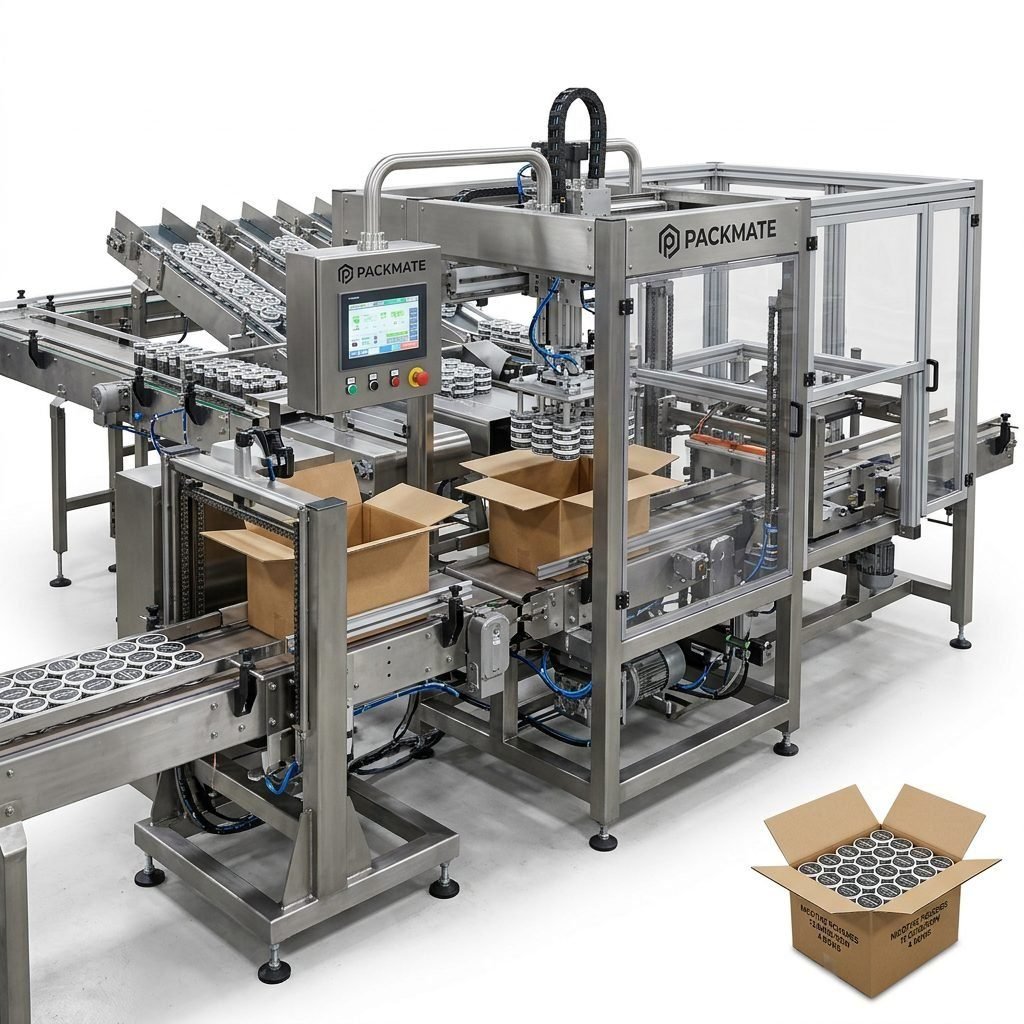
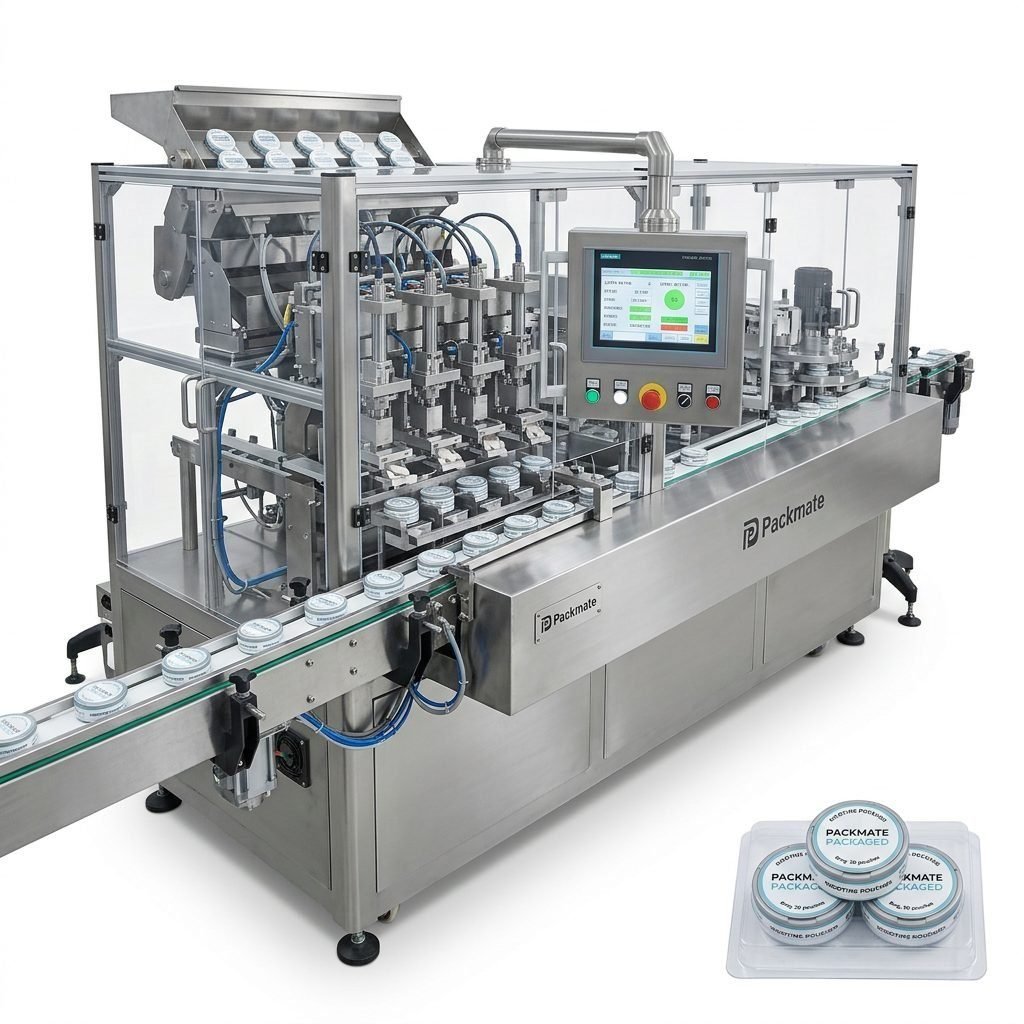
A full turnkey packaging line reduces integration risk. Suppliers that deliver filling, weighing, sealing, and secondary packaging as a single solution simplify procurement and improve line harmonization. Evaluate whether the supplier offers customizable modules to match your pouch sizes, dosage, and film materials.
Packmate provides a wide range of models and can design multi-lane systems tailored to small-dose pouch production. Review case studies and ask for references from similar projects to ensure the supplier can translate promises into reliable installation.
Integration with existing lines
🔧 Confirm conveyor interfaces, automation protocols (Profinet, EtherCAT, etc.), and mechanical footprints. A supplier experienced in complete lines will preempt mismatches and reduce onsite engineering.
Energy Efficiency, Maintenance, and Reliability
In places where power can be inconsistent, energy efficiency and ease of maintenance are essential. Look for machines designed to restart safely after power interruptions, with low-maintenance bearings and accessible service points.
⚙️ Preventive maintenance plans: A structured maintenance schedule and clear spare parts list reduce unexpected downtime.
♻️ Energy-saving features: Motors with frequency inverters, efficient heaters, and intelligent standby modes help reduce running costs in long shifts.
Logistics, Customs, and Installation in Yemen
Shipping heavy machinery to Yemen requires experienced logistics coordination. Confirm the supplier’s export documentation capability, packaging standards for sea freight, and whether they can support customs clearance. A supplier used to working with Middle Eastern customers can often expedite shipping paperwork and advise on local regulations.
For practical deployment, plan for local rigging, site preparation, and a reliable power supply. Coordinate arrival dates with local teams and ensure a buffer period for inspection and commissioning prior to full production runs.
Quality, Certifications, and Case History
Suppliers with accredited certifications and verifiable case histories reduce the risk of selecting unproven equipment. Look for CE, ISO certifications, and past installations in similar environments. Ask for references and, if possible, a virtual demonstration of machines running similar products.
Learn more about proven machine types and product lines such as Snus & Nicotine Packaging Machines and review real project stories in the supplier’s Case collection to validate performance.
Total Cost of Ownership (TCO) and Return on Investment (ROI)
Initial purchase price is just one part of the financial picture. TCO includes installation, spare parts, energy, maintenance, operator training, and expected lifetime. For Yemen, factor in potential delays in spare part delivery and possible duty or tax costs. Suppliers that offer reliable, durable machines with local service arrangements often provide the best long-term ROI.
Negotiation and contract points
📌 Clearly define warranty terms, parts availability, and SLA (service level agreement) response times. Insist on documented acceptance testing and factory acceptance tests (FAT) prior to shipping.
Why Choose an Experienced Manufacturer like Packmate?
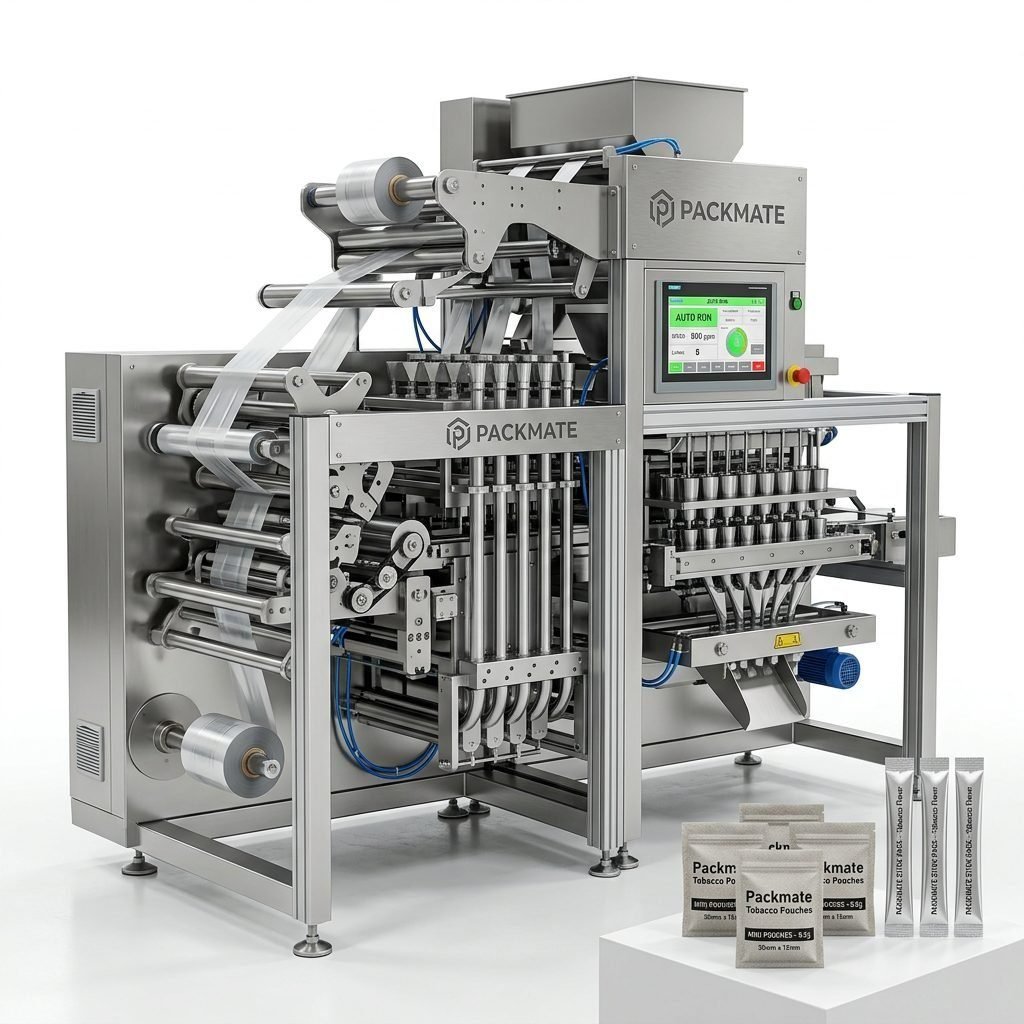
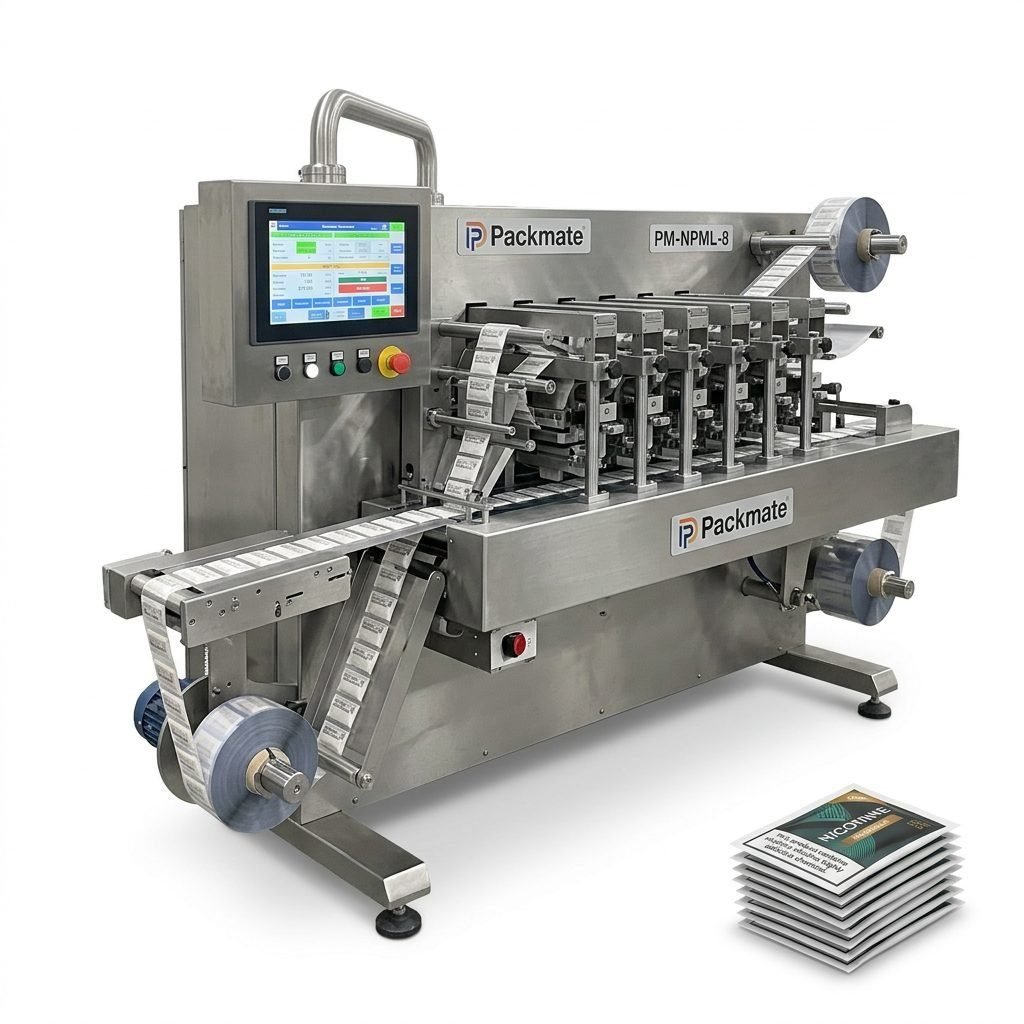
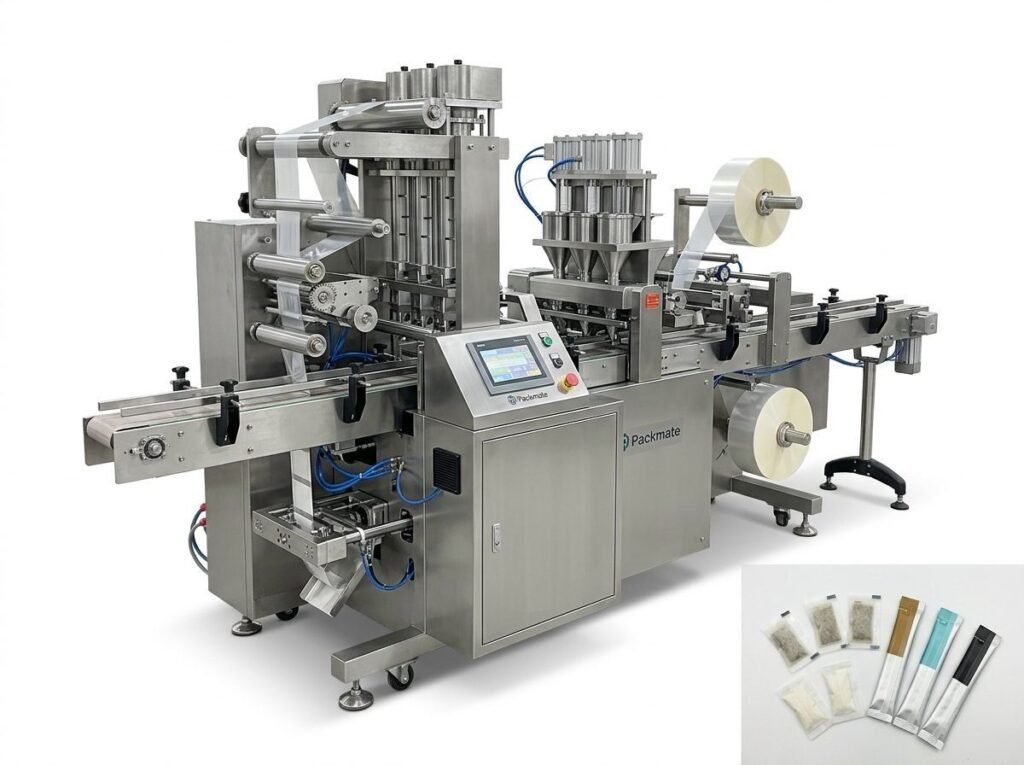
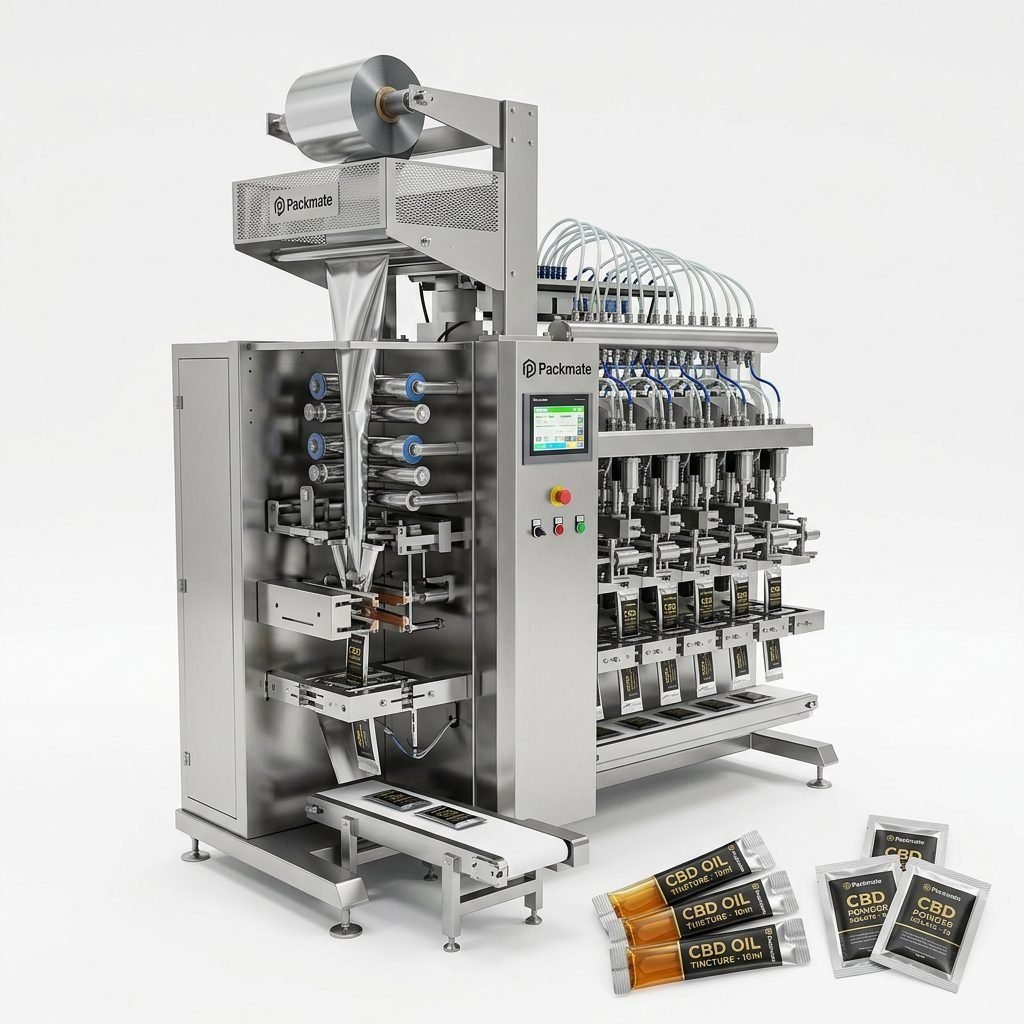
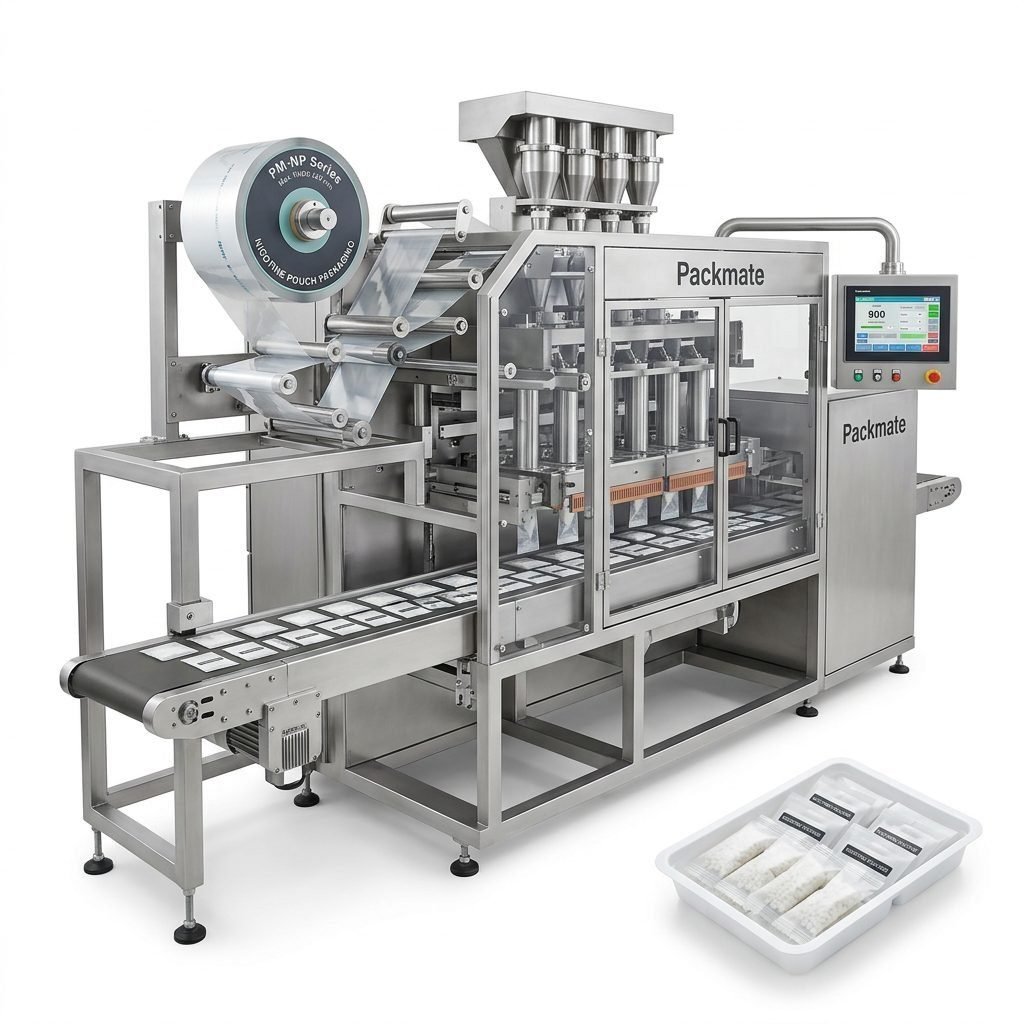
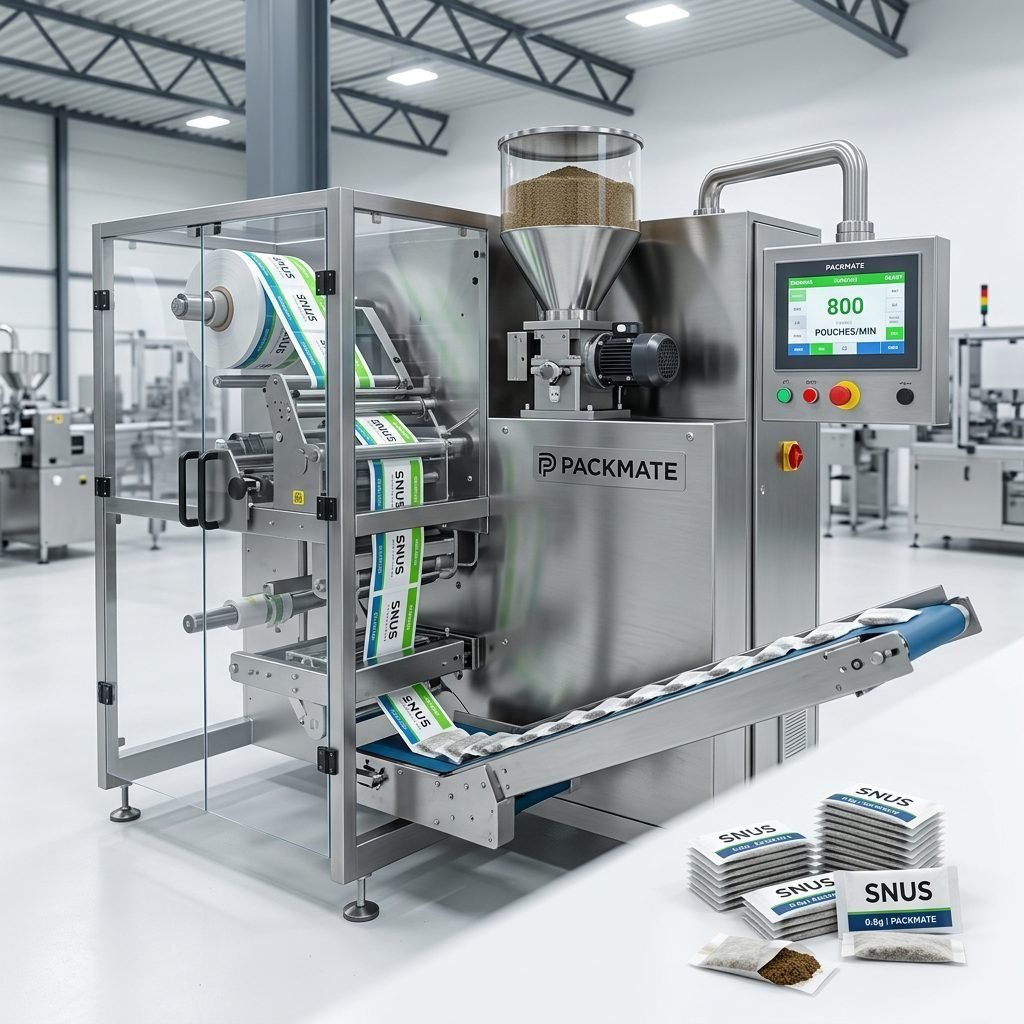
Packmate Snus Machine brings more than 30 years of engineering experience, a 20,000㎡ manufacturing facility, and a portfolio of multi-lane snus pouch systems. Their products target the nicotine pouch market with tailored solutions for precision dosing, multi-lane scalability, and turnkey line integration. Choosing a manufacturer with demonstrable certifications and global project experience helps reduce risk when entering or expanding in Yemen.
For more details on company experience and services, see About Packmate and contact them directly via Contact Us to request specifications, FAT schedules, or tailored proposals.
Practical Checklist Before You Sign
✅ Define production targets: Daily output, pouch size, dosing accuracy, and expansion plans.
✅ Request FAT & SAT: Factory Acceptance Test (FAT) and Site Acceptance Test (SAT) documents and live demos.
✅ Confirm warranty & parts lead time: Get a written spare parts policy and warranty scope.
✅ Plan training & documentation: Operator manuals, maintenance guides, and training sessions for Yemeni staff.
Common Implementation Timeline
Typical procurement to production timelines vary with customization and shipping, but a realistic schedule might look like: technical selection & quote (2–4 weeks), design & FAT (4–8 weeks), manufacturing (6–12 weeks), shipping & customs (4–8 weeks), installation & commissioning (1–3 weeks). Plan contingencies for customs delays in Yemen.
Final Recommendations
Choose a supplier who combines proven technical capability, global certifications, and strong after-sales service. Prioritize turnkey experience if you lack in-house integration capability. For Yemeni operations, emphasize machine robustness, spare parts availability, remote support, and cultural-aware packaging solutions. A partner like Packmate with multi-lane snus solutions and long-term global service experience can reduce risk and accelerate your time to market.
Useful links
• Explore product lines: Snus & Nicotine Packaging Machines
• Packaging modules & options: Filling & Packaging Lines
• Company and support: About Packmate | Contact Us
Frequently Asked Questions (FAQs)
Q1: Can a supplier install and commission machines in Yemen?
A1: Many experienced manufacturers offer on-site commissioning and training. Confirm visa, travel logistics, and local safety clearances in advance. If on-site support is limited, ensure robust remote support and clear documentation.
Q2: What spare parts should I stock locally?
A2: Prioritize wear parts—seals, knives, belts, sensors, and key electrical components. Request a spare parts kit from the supplier and an estimated replenishment lead time for shipments to Yemen.
Q3: How do I ensure packaging complies with local cultural norms?
A3: Work with a supplier who can customize artwork and consult on color, language, and imagery. Local market research or a design partner familiar with Yemeni consumer preferences is invaluable.
Q4: What certifications should I request?
A4: Ask for CE and ISO certifications for safety and quality assurance. Additionally, request material safety data and documentation required for customs clearance of nicotine-related equipment and packaging materials.
Q5: How can I reduce downtime given Yemen’s infrastructure challenges?
A5: Invest in robust machines rated for harsh environments, UPS systems for power interruptions, preventive maintenance contracts, and reliable remote support. Stock critical spare parts locally and schedule regular maintenance during low-production windows.