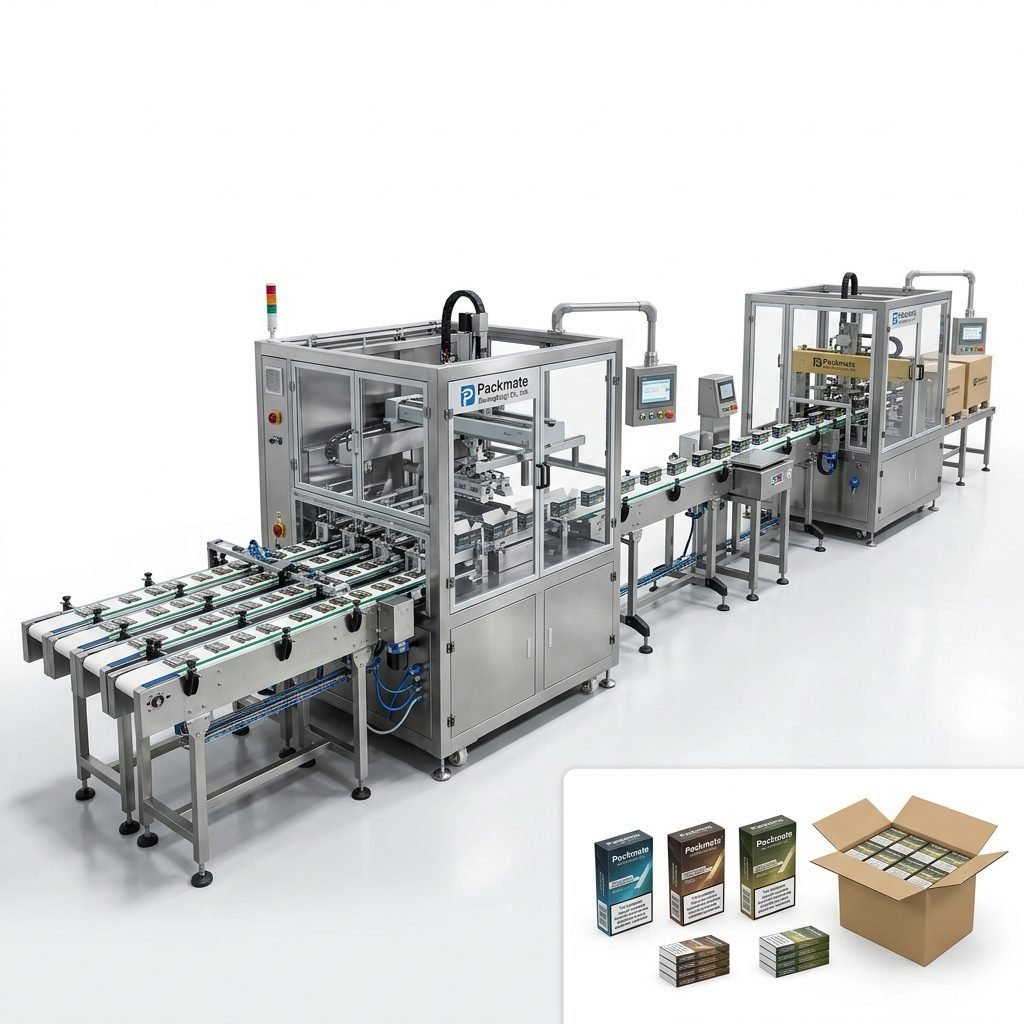
Choosing the right snus packaging machine supplier for reliable production in Latvia requires more than comparing quotes. You must balance regulatory compliance, machine performance, after-sales support, and logistics while considering local market preferences and business practices in the Baltics. This guide walks you through practical steps and decision points so you can select a supplier who supports efficient, legal, and scalable nicotine pouch or snus packaging operations in Latvia.
Understand Latvia’s Market and Regulatory Context
Latvia, as an EU member, follows strict tobacco and nicotine product rules. While traditional snus is restricted in many EU countries, nicotine pouches and new oral nicotine products have growing demand in parts of the Baltic region. A supplier who understands EU regulations, testing requirements, and local retail habits will help you avoid compliance pitfalls. When evaluating suppliers, confirm they provide equipment and documentation that supports CE and ISO compliance and can adapt to traceability and labeling demands specific to Latvia.
Local Business Culture & Logistics
Business in Latvia values punctuality, clear contracts, and professional communication. Many Latvian companies expect straightforward timelines and reliable after-sales service. Logistically, Riga’s port and well-connected road networks make importing machinery straightforward, but you should factor customs clearance, VAT rules, and spare parts lead time into procurement planning. A supplier experienced with Baltic shipments will streamline delivery and installation.
Key Machine Types and Capabilities to Evaluate
Select a supplier that offers machines matched to your product format and throughput targets. Typical options include:
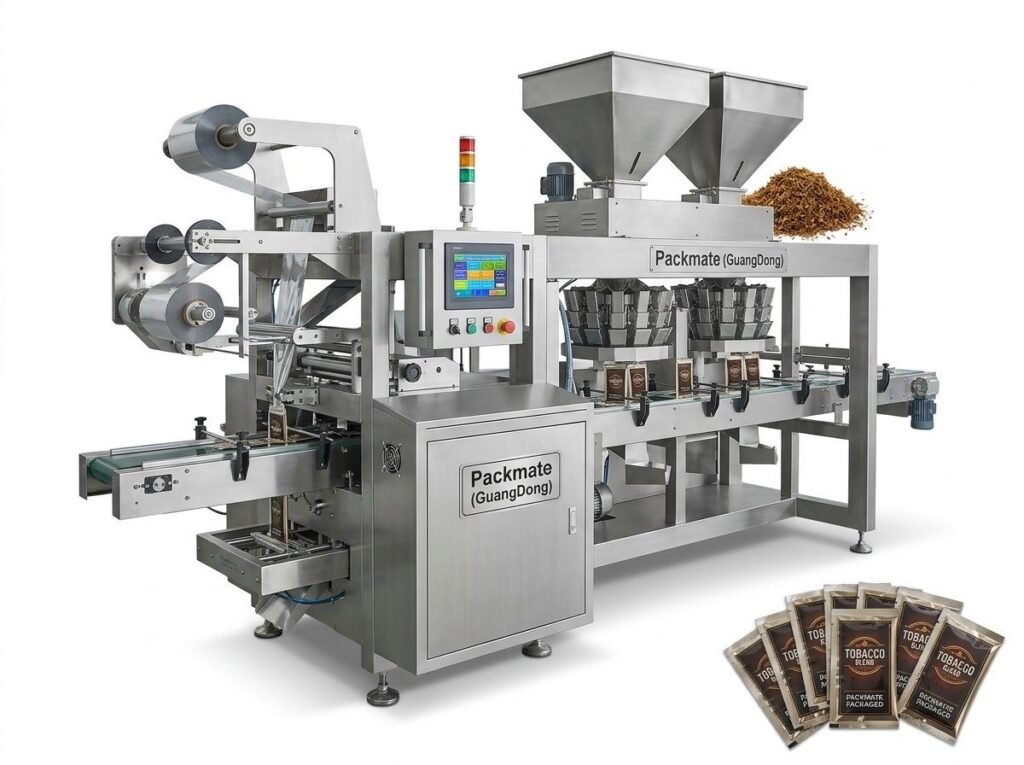
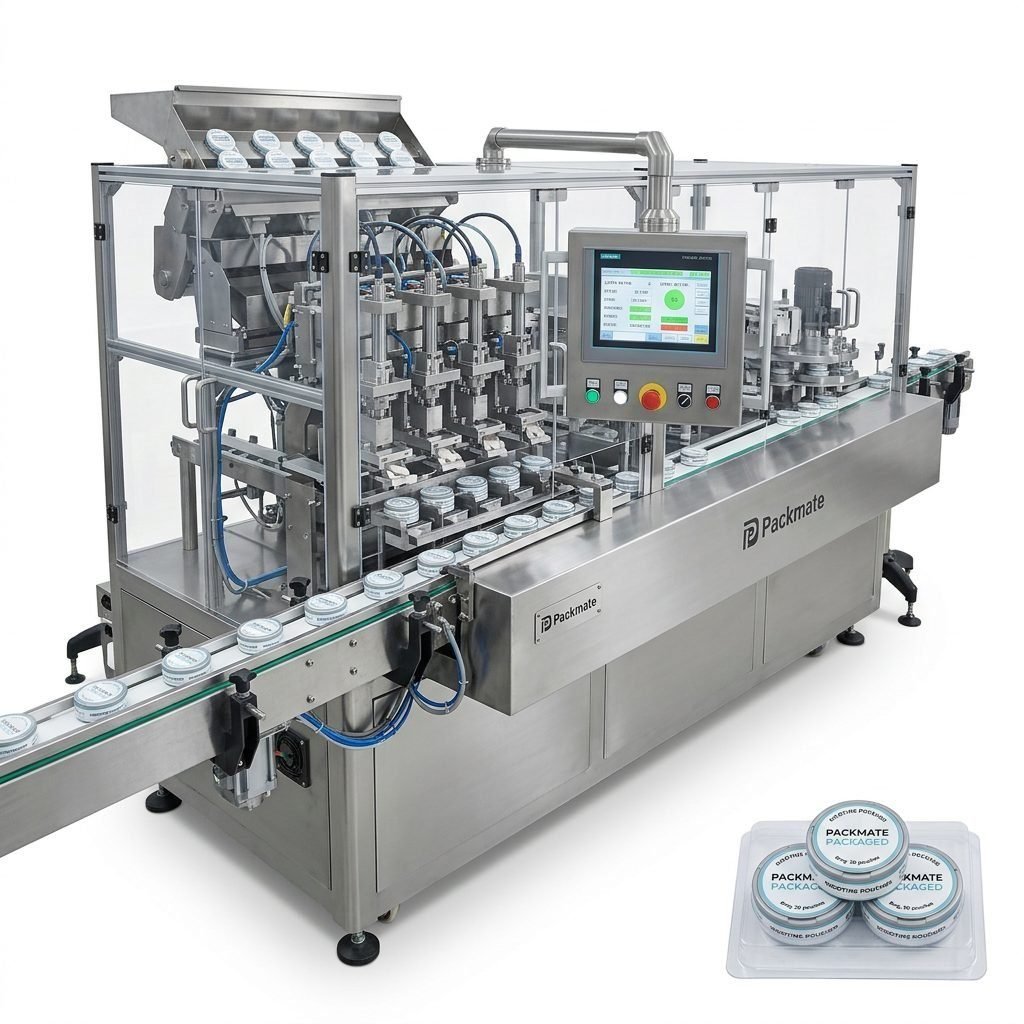
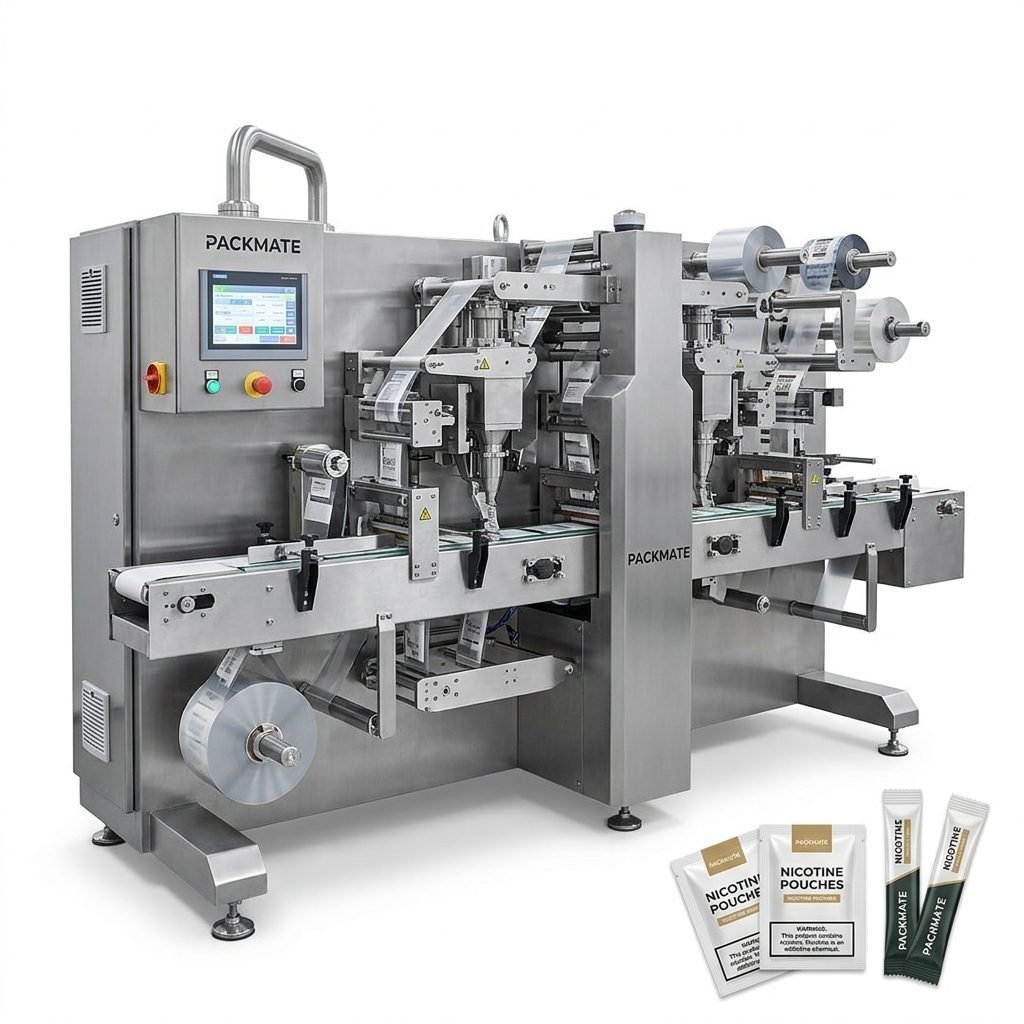
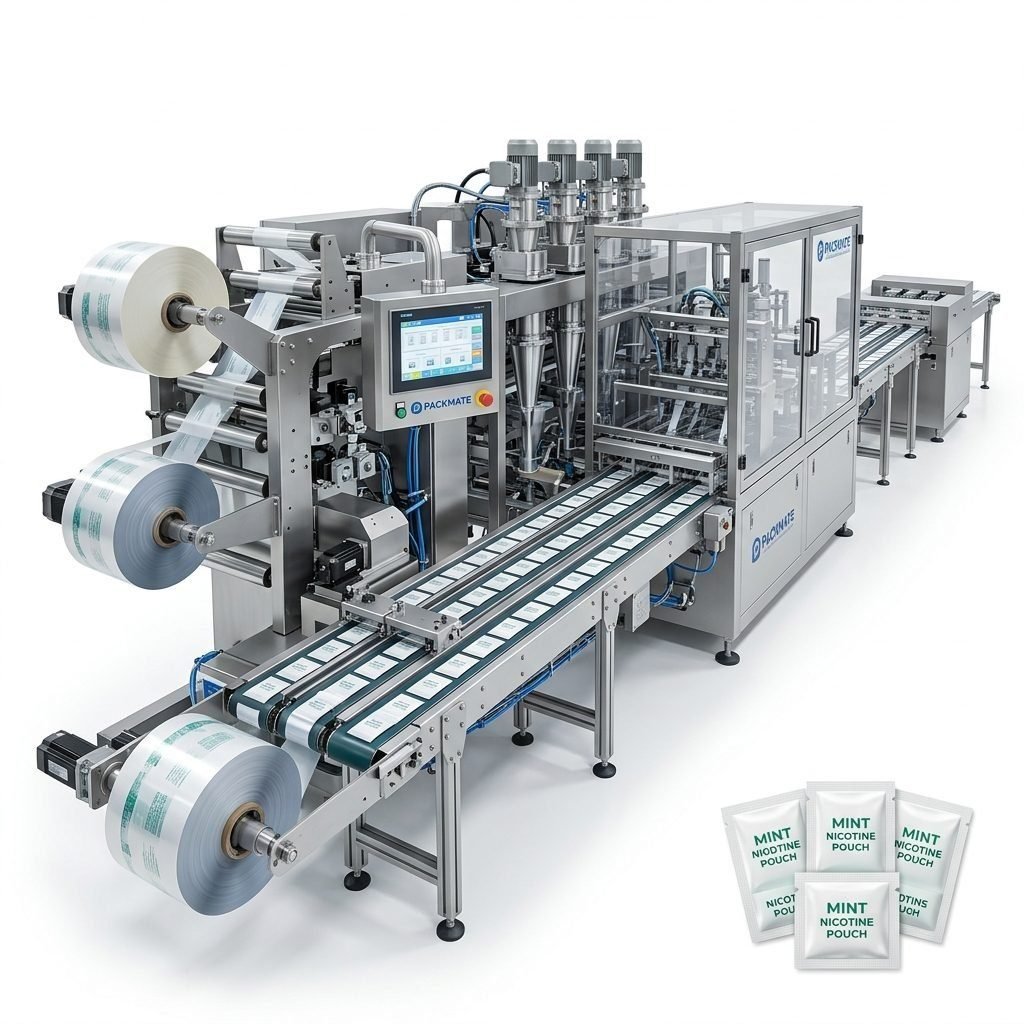
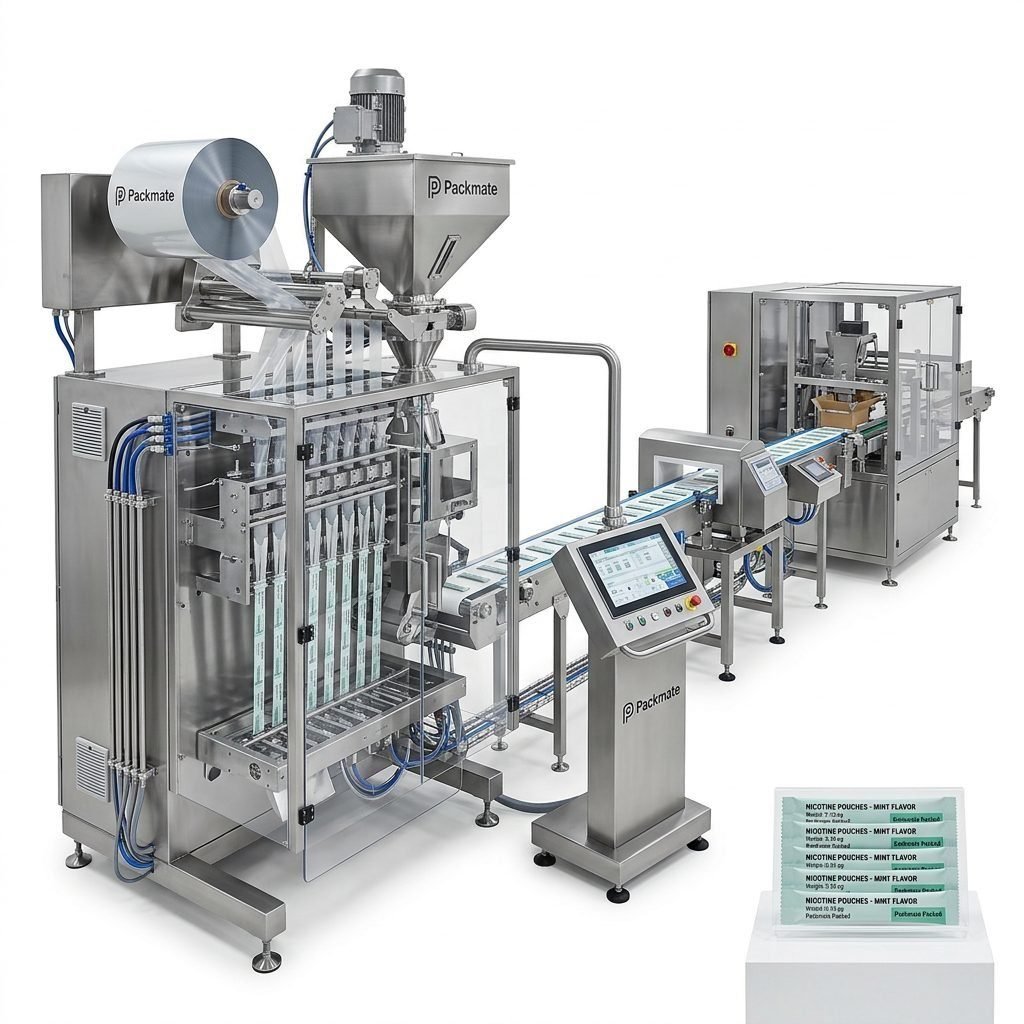
- Multi-lane snus & nicotine pouch packaging machines for high throughput and small-dose pouches.
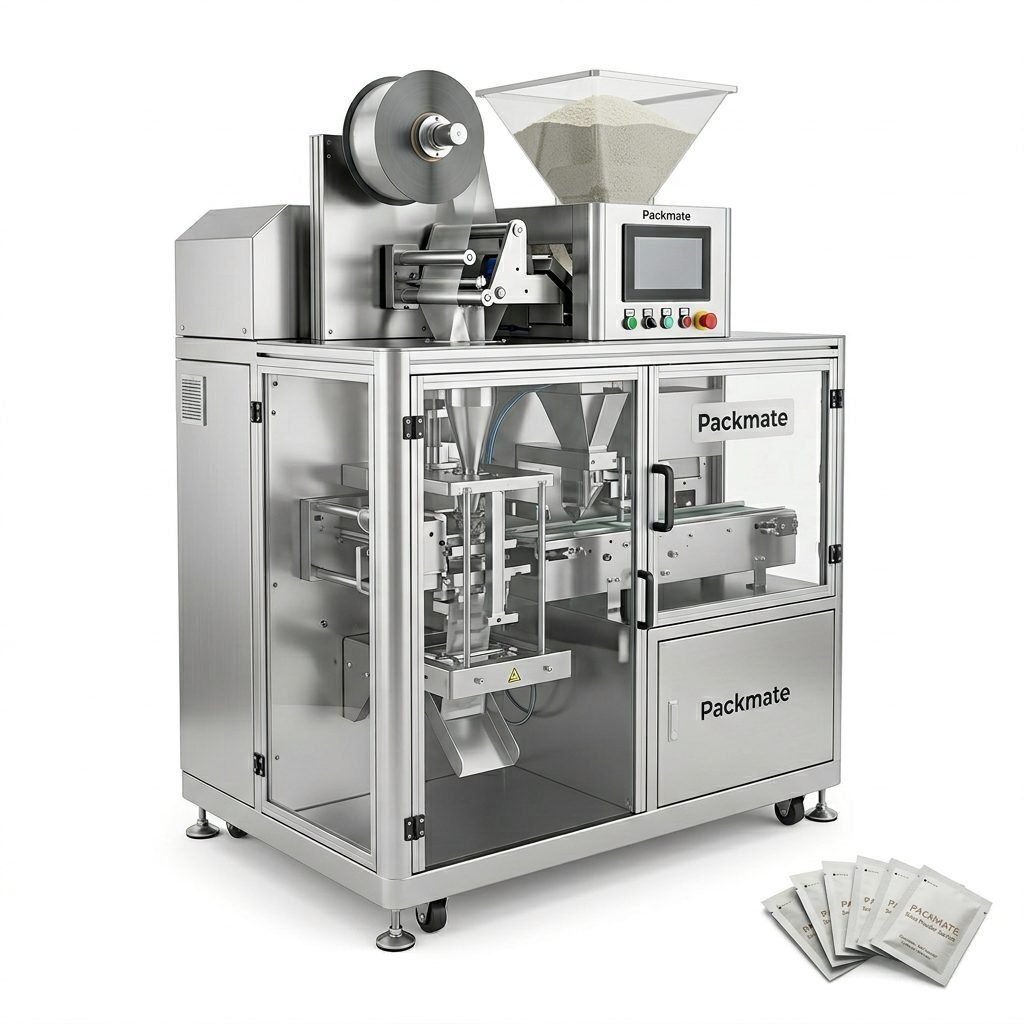
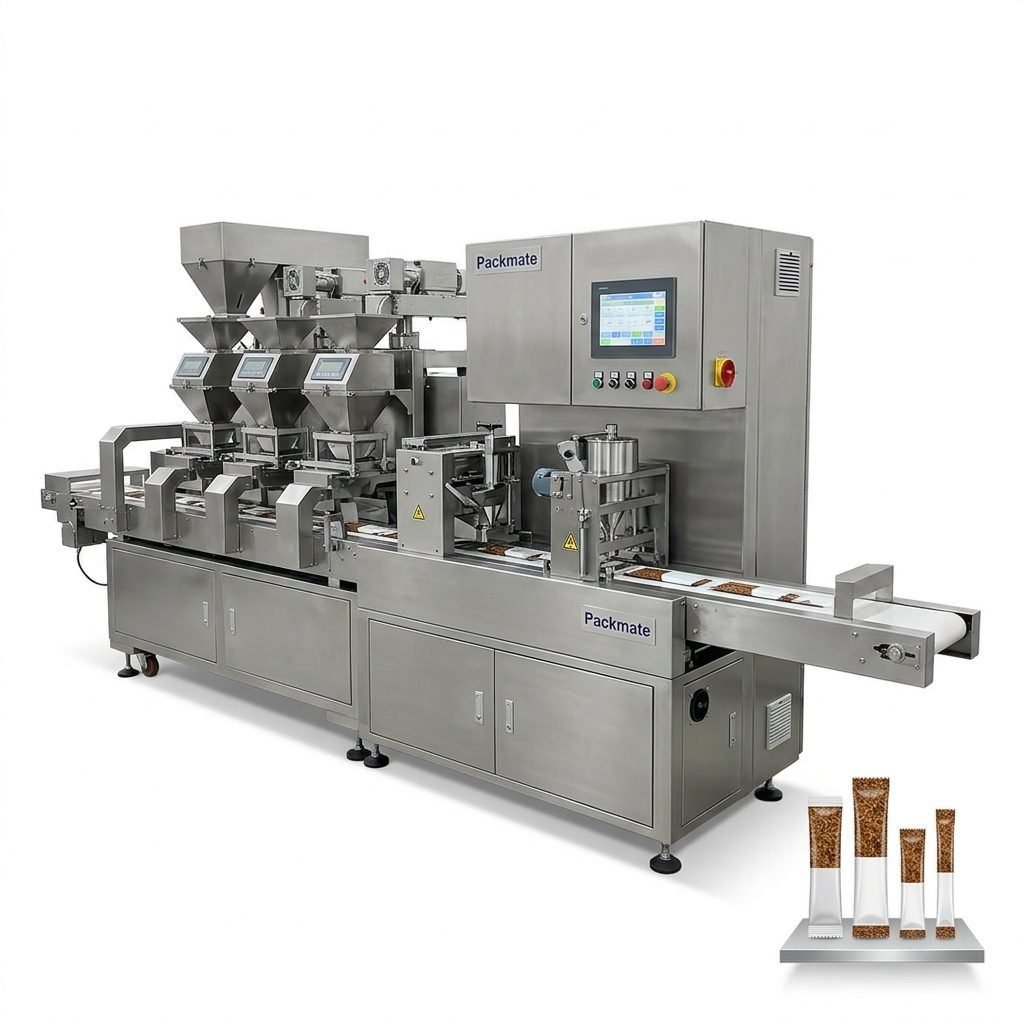
- Stick pack and sachet machines for single-use formats and promotional runs.
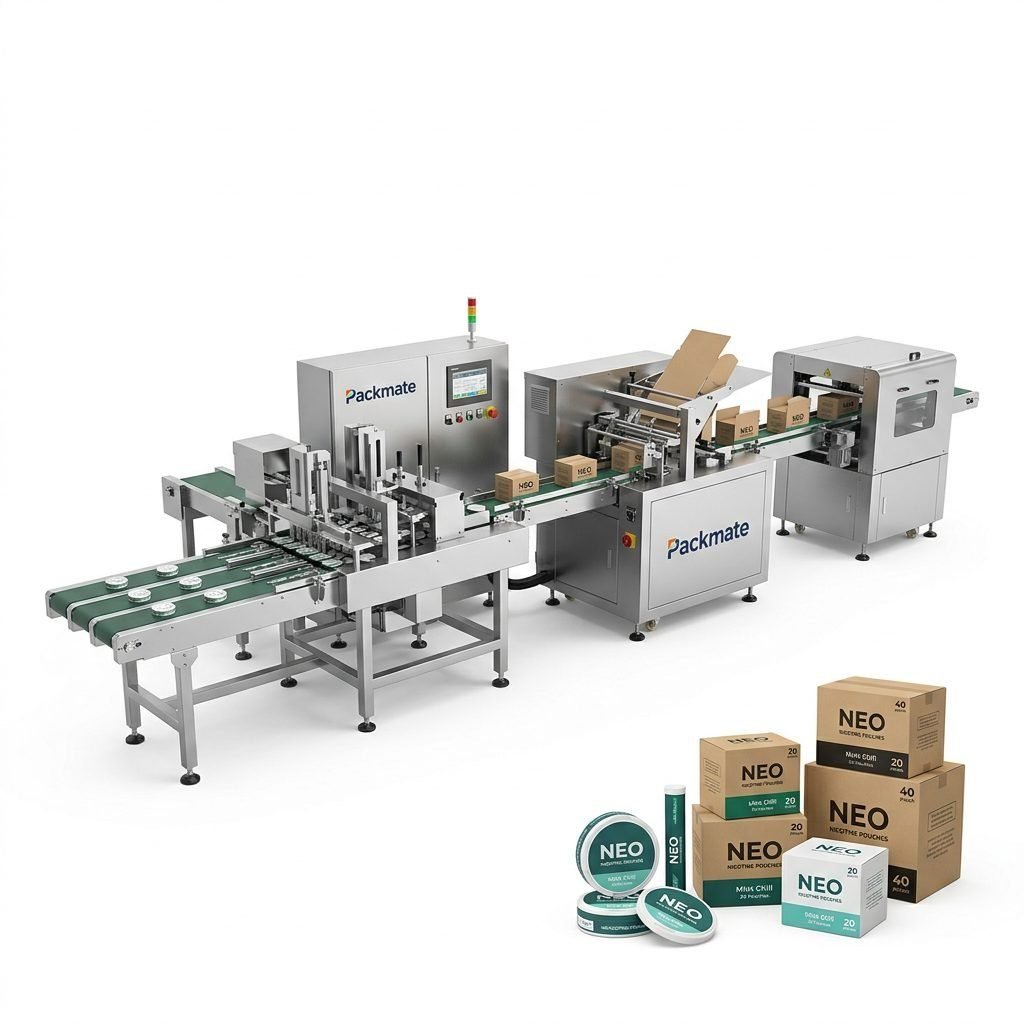
- Integrated weighing, filling, and sealing lines if you want turnkey automation.
Tip:
For Latvian and EU markets, prioritize machines that support multi-lane formats and robust sealing to maintain shelf life in varying humidity and temperature conditions.
Performance Metrics to Compare
When comparing equipment, assess real-world metrics rather than only maximum theoretical speeds:
- Net production speed at your product specification (pouches/min or units/min).
- Changeover time between formats and ease of tool replacement.
- Yield and waste rates under continuous operation.
- Maintenance intervals and mean time to repair (MTTR).
Supplier Credentials and Factory Strength
A credible supplier should demonstrate manufacturing capacity, certifications, and a history of similar projects. Key indicators include:
- Professional factory setup with CNC machining, precision assembly lines, and capacity for customization.
- Certificates such as CE and ISO to ensure machine safety and quality.
- Case studies or client references in Europe or the Baltics.
For example, an experienced manufacturer like Packmate Snus Machine highlights over 30 years of engineering experience, a 20,000㎡ factory, and multiple machine models tailored to snus and nicotine pouch packaging, which can be helpful when you need proven reliability. Learn more about their product range on the Snus & Nicotine Packaging Machines page.
Customization, Turnkey Solutions, and Integration
If you plan to scale or introduce new SKUs, ask whether the supplier offers turnkey production lines and integration services such as weighing, filling, labeling, and primary/secondary packaging. A full-line provider reduces engineering overhead and simplifies responsibility for line performance. Look for suppliers that provide:
- In-house automation and control system integration.
- Customization of tooling to match pouch shapes and materials.
- Testing and FAT (Factory Acceptance Testing) before shipment.
Why FAT matters:
A proper FAT lets you validate speed, sealing quality, and integration before machines leave the factory—saving costly on-site adjustments.
Automation & Industry 4.0 Features
Modern packaging lines offer PLC controls, HMI interfaces, remote diagnostics, and data logging. For Latvian operations where continuous improvement and traceability are important, ensure the supplier provides:
- Remote support capabilities and diagnostic tools.
- Recipe management for quick format changes.
- Quality inspection integration (weight check, seal inspection, vision systems).
After-Sales Support, Spare Parts, and Training
After-sales service is often the differentiator between good and great suppliers. Consider these support aspects:
- Local or regional spare parts availability to minimize downtime.
- Training programs for operators and maintenance staff.
- Warranty terms and clear SLAs for remote and on-site support.
Suppliers who maintain detailed spare parts catalogs and offer remote support reduce the risk of prolonged stoppages. If the supplier has references or case studies in Europe, such as deployments across multiple countries, that is a positive sign; see example cases and project stories for evidence.
Quality, Testing, and Material Compatibility
Packaging material compatibility—films, laminates, and barrier layers—affects sealing, shelf life, and product appearance. Ask suppliers about:
- Sealing temperature ranges and compatible film types.
- Vacuum or modified atmosphere capabilities if required.
- Sample runs with your actual product to validate performance.
Common pitfall:
Accepting demo data without a sample run using your exact product mix and packaging film can lead to unexpected waste or seal failures after installation.
Commercial Terms, Lead Times, and Total Cost of Ownership
Evaluate more than purchase price. Consider installation, commissioning, training, spare parts, expected maintenance, and energy consumption. Ask for:
- Clear lead times from order to delivery and documented milestones.
- Installation and commissioning costs and what they include.
- Depreciation expectations and projected ROI based on real throughput.
Financing and Local Support
If you prefer to buy locally or need leasing options, discuss financing or local installation partners. A supplier with local agents or established European partners will make customs, VAT, and on-site service much easier. Check their contact and service pages to learn about regional presence.
Factory Visits, Audits and References
Whenever possible, visit the supplier’s factory or request a virtual tour. During visits, verify:
- Actual assembly practices and quality control procedures.
- Stock of spare parts and finished machines.
- Ability to perform FAT and customized testing.
Suppliers who publish exhibitions and global cooperation cases, and who welcome audits, demonstrate transparency and confidence in their manufacturing. You can explore event participation and company history to validate reputation and performance.
Making the Final Selection
To choose the best supplier for Latvia:
- Shortlist suppliers with EU certifications and relevant case studies.
- Request a FAT or sample run with your product and packaging materials.
- Compare total cost of ownership, lead times, and spare parts logistics.
- Verify after-sales coverage, training, and remote support options.
- Ask for client references in Europe and review installation records.
Practical next step:
Arrange a demo or FAT with your prioritized supplier and request a full parts and service SLA tailored to Baltic operations.
Where to Find Reputable Suppliers and More Info
For product lines, technical specs, and case studies, check established manufacturers’ product pages and company information. A few useful links to explore include:
- Snus & Nicotine Packaging Machines
- About Packmate
- Service and support details
- Contact Us for inquiries and quotes
Summary
Selecting the best snus packaging machine supplier in Latvia means aligning technical capabilities, regulatory knowledge, and dependable after-sales support. Focus on verified performance (FAT and sample runs), EU compliance, local logistics experience, and a clear spare parts strategy. Suppliers with turnkey expertise and a transparent track record will reduce risk and accelerate time-to-market for nicotine pouch products in the Baltic region.
Frequently Asked Questions
Q1: Are snus machines allowed in Latvia?
Latvia follows EU rules on tobacco and nicotine products. While traditional snus faces restrictions in many EU countries, nicotine pouches and new oral nicotine products are subject to specific regulations. Work with suppliers who understand EU compliance and can help with proper labeling and documentation.
Q2: How important is Factory Acceptance Testing (FAT)?
FAT is critical. It confirms machine performance with your materials before shipment and prevents costly on-site rework. Always request a FAT and an opportunity for a sample run using your exact pouches and films.
Q3: What after-sales services should I require?
Require remote diagnostics, spare parts availability in Europe, clear SLAs for response times, training for operators and maintenance staff, and documented warranty terms.
Q4: How do I evaluate total cost of ownership?
Include purchase price, installation and commissioning, spare parts, expected energy and consumable costs, maintenance labor, and projected downtime. Compare ROI based on realistic throughput figures.
Q5: Where can I see credible supplier references?
Ask for European case studies, client references, and exhibition participation records. Reviewing published cases and attending live demos (or viewing recorded demonstrations) helps verify the supplier’s capability and transparency.