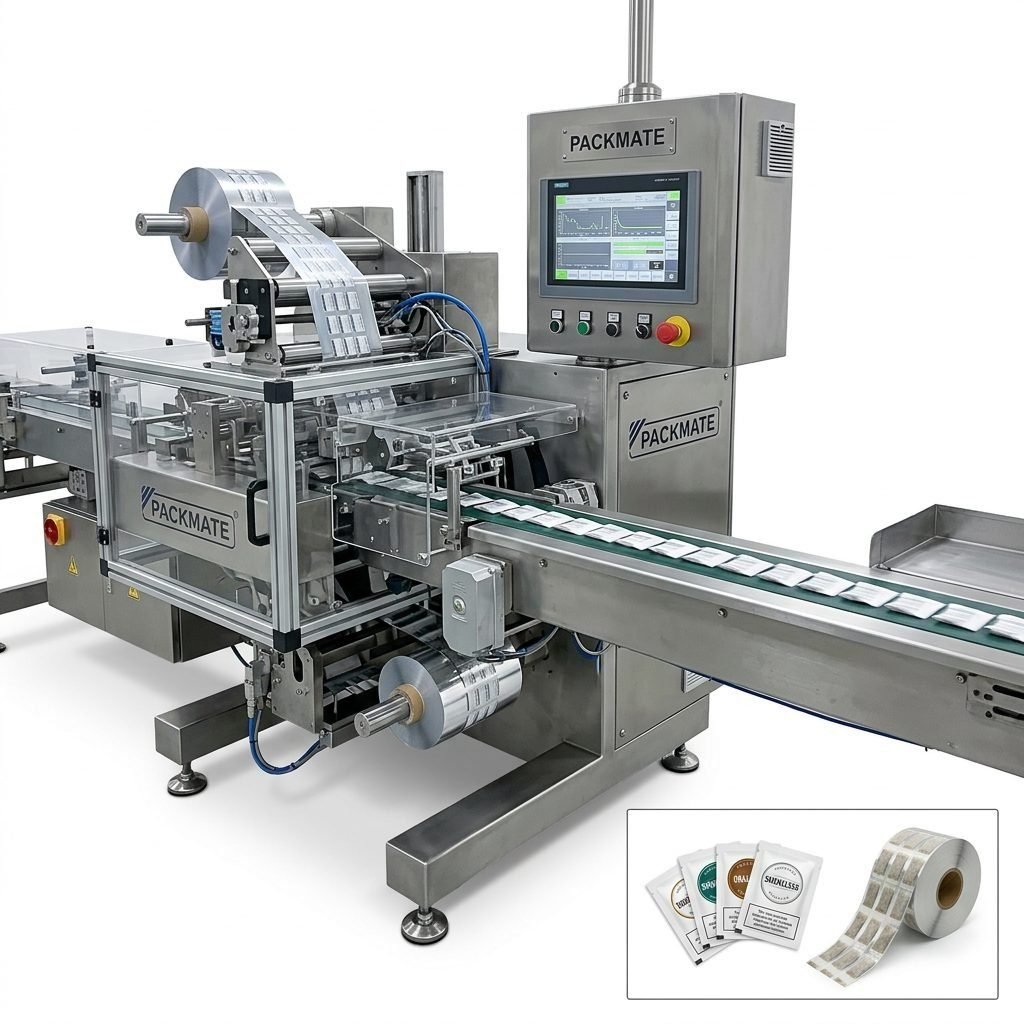
Choosing the right snus packaging machine manufacturer in the United Kingdom requires a blend of technical knowledge, regulatory awareness, and an understanding of local market preferences. Whether you’re producing nicotine pouches, snus sticks, or sachets, the right supplier will help you stay compliant, improve production efficiency, and meet the expectations of UK consumers who increasingly demand quality, safety, and eco-conscious packaging.
Understand UK Market Expectations and Local Customs
UK buyers typically prioritize product safety, clear English labeling, and environmentally friendly materials. While snus and nicotine pouches have different regulatory landscapes across Europe, UK customers expect strict compliance with CE, ISO standards, and local waste/recycling practices. For many UK retailers and distributors, packaging that supports responsible branding—such as tamper-evident features and child-resistant options—is an advantage in procurement decisions. Additionally, British trade shows and local exhibitions (like Packaging Innovations UK) are common channels for sourcing machinery and validating supplier credibility.
Key Buyer Priorities in the UK
• Regulatory compliance and certificates (CE, ISO) — essential for market trust.
• Energy efficiency and low waste for sustainability commitments.
• Compact layouts for operations in leased or urban facilities.
• Fast changeover and small-batch flexibility for boutique brands and private labels.
Essential Machine Types and When to Choose Them
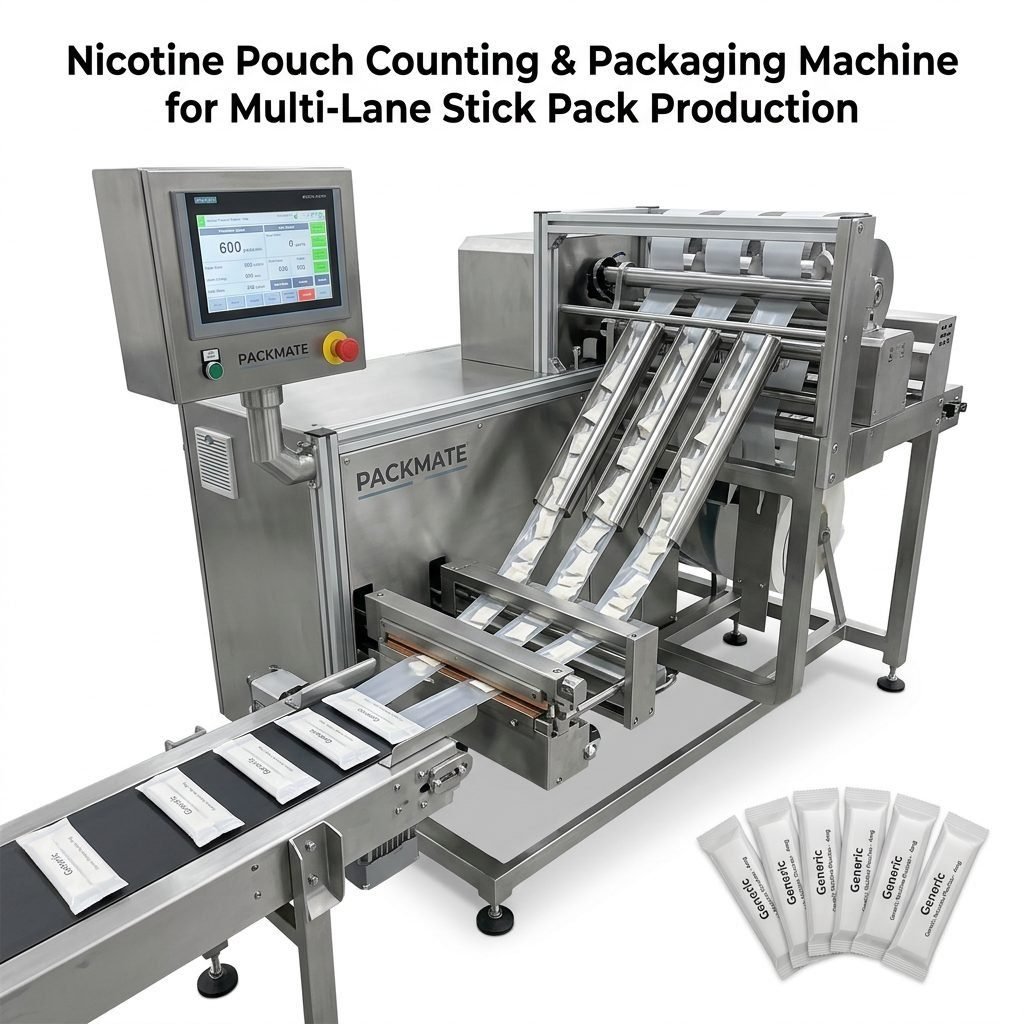
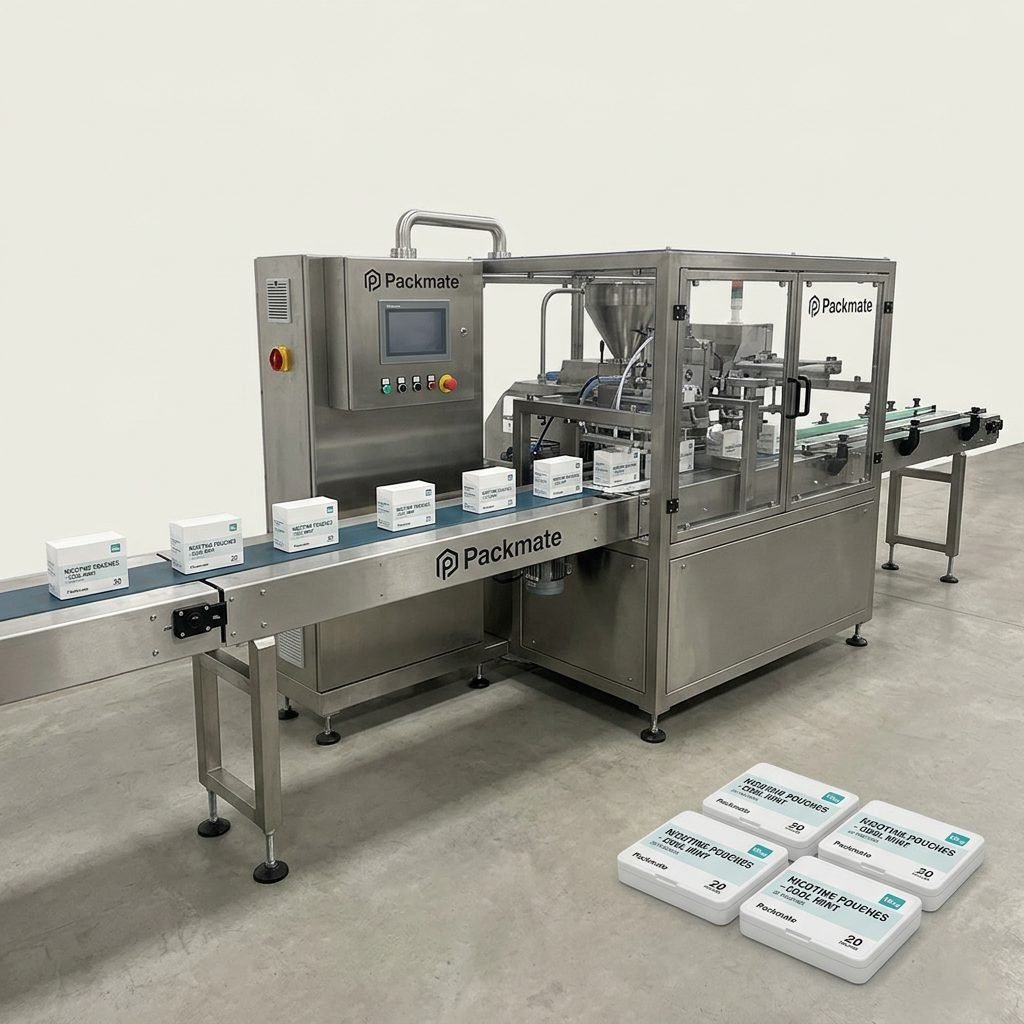
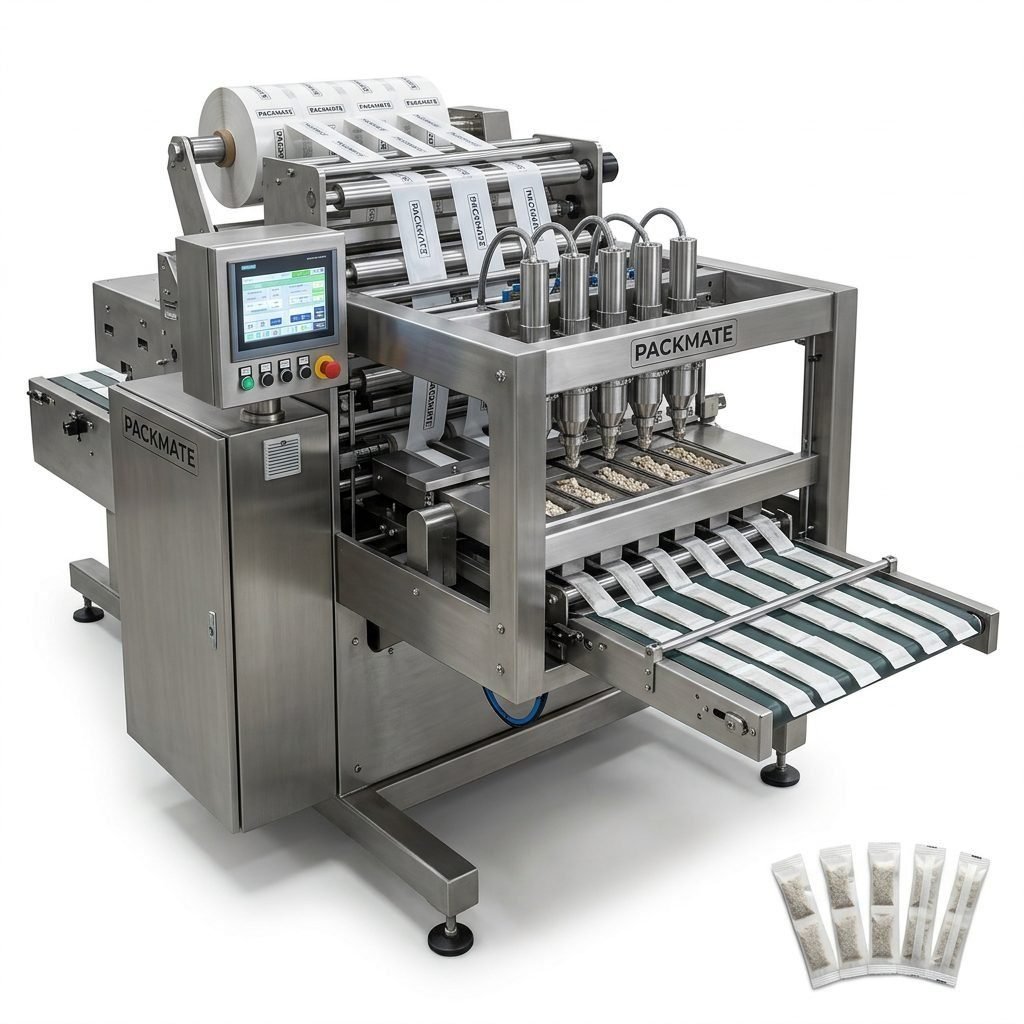
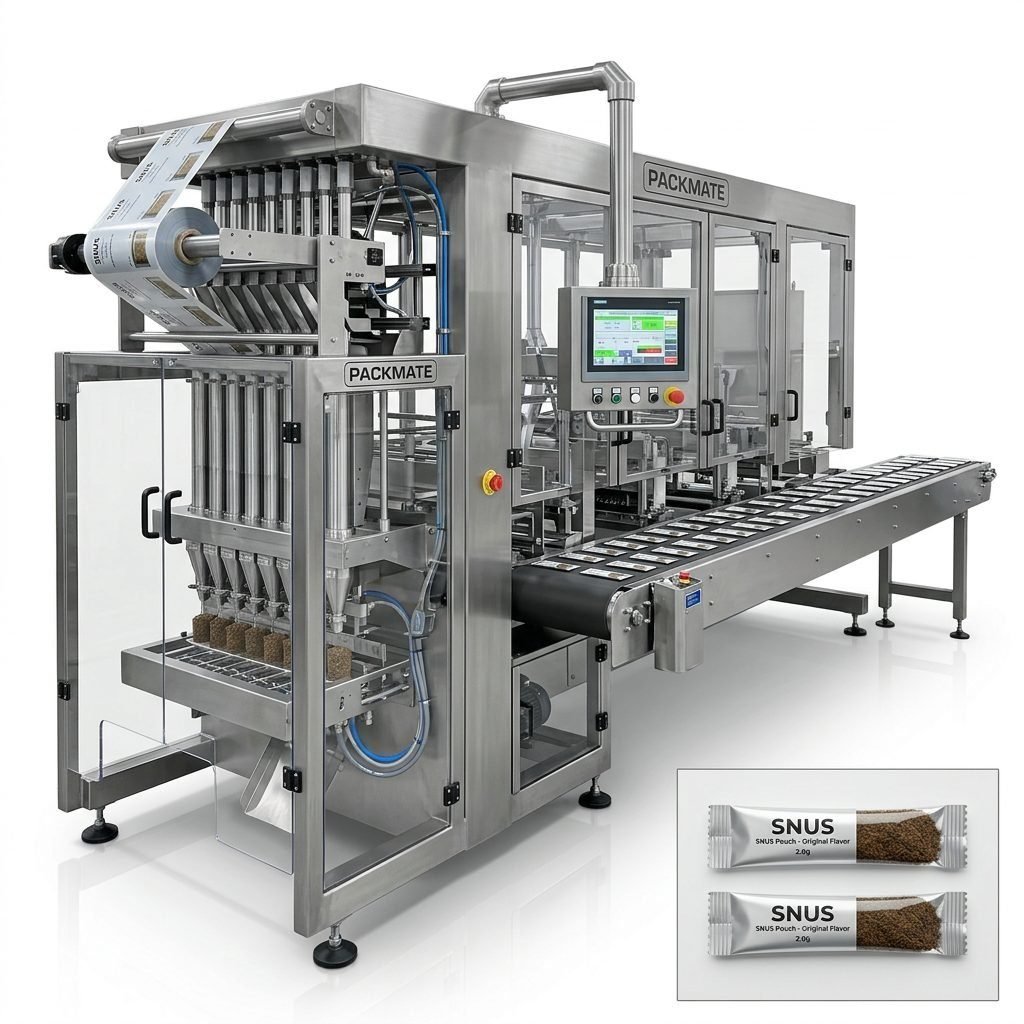
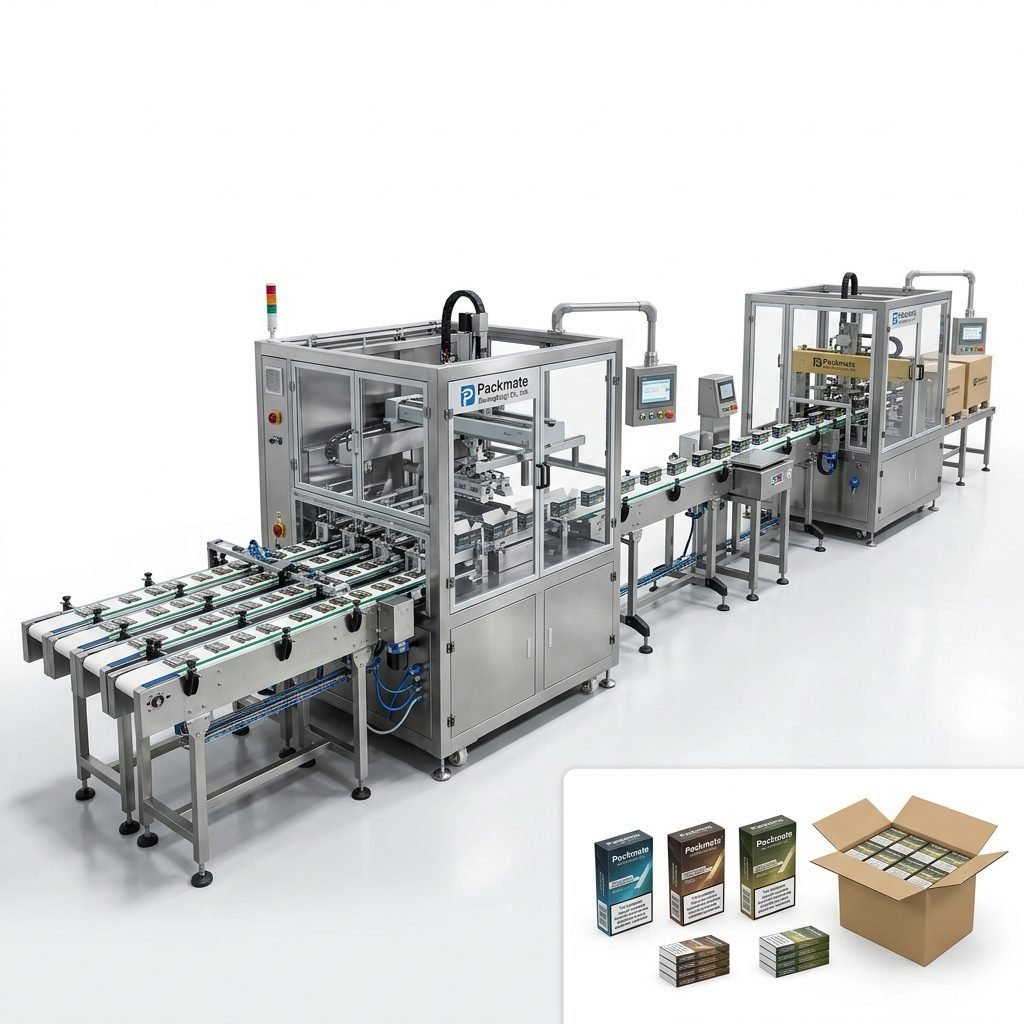
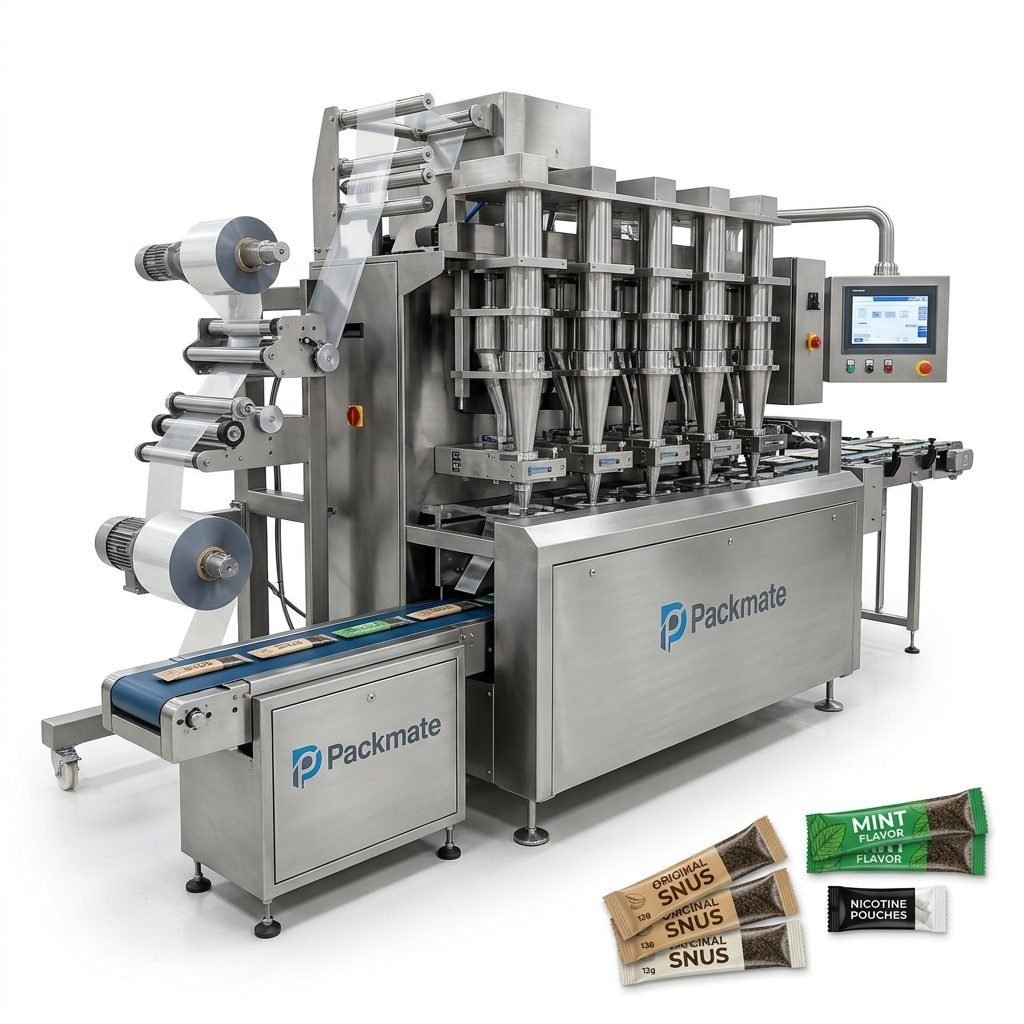
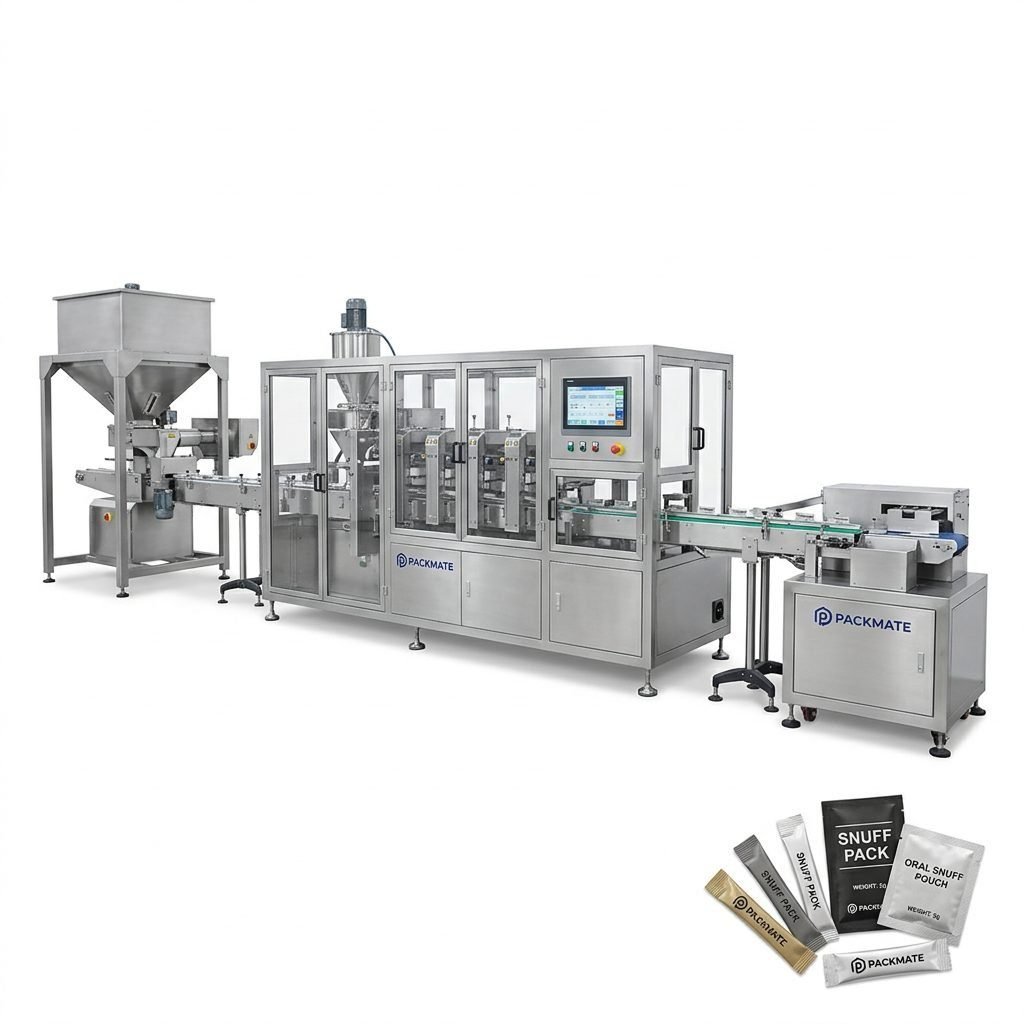
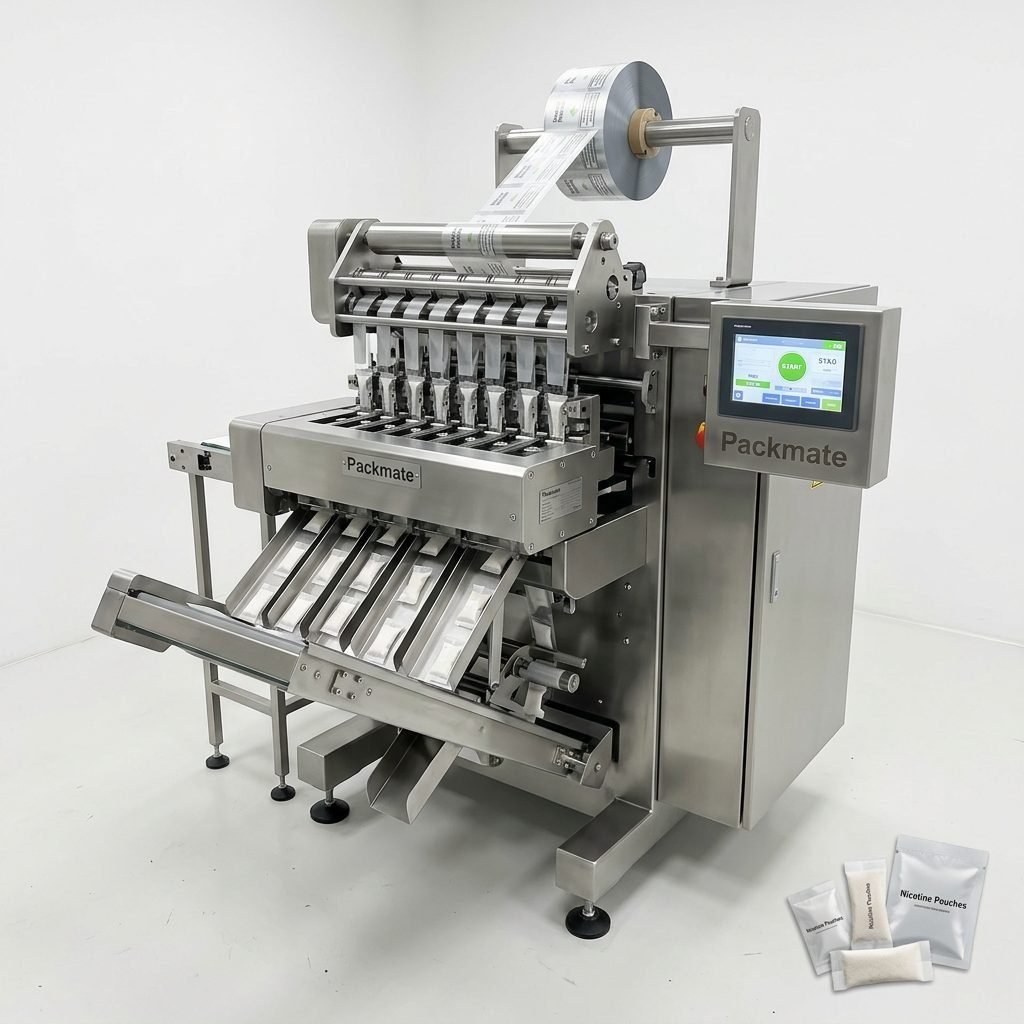
Understanding machine categories helps you match production needs with supplier capabilities. Typical machines used for snus and nicotine pouch production include multi-lane pouch machines, stick pack systems, sachet machines, and integrated filling & sealing lines. For comprehensive options, manufacturers like Packmate list a full range of equipment under Snus & Nicotine Packaging Machines and Bag & Pouch Packaging Machines.
Tip: For high-throughput nicotine pouches, multi-lane systems reduce cost per pouch. For premium or trial products, sachet and stick pack machines offer better presentation and portion control.
When to Choose Multi-Lane vs Single-Lane
• Multi-lane: best for large volume contracts and low per-unit costs.
• Single-lane or modular: ideal for R&D, small brands, or custom runs where frequent format changes are expected.
What to Look for in a Manufacturer
Choosing a manufacturer goes beyond price. Look for documented production capacity, factory scale, and engineering experience. For example, Packmate Snus Machine highlights 30+ years of engineering experience, a 20,000㎡ facility, and 50+ machine models — the kind of credentials that provide reassurance on reliability and spare parts availability.
Must-have vetting checklist
✅ Certifications: CE and ISO compliance for European & UK markets.
✅ Factory capacity: clear evidence of machining centers, production lines, and QA systems.
✅ References & case studies: examples of similar installations in Europe (see Case).
✅ After-sales support: spare parts, service agreements, and remote assistance.
✅ Customization & turnkey capability: ability to deliver full lines including weighing and auxiliary equipment.
Questions to Ask Potential Suppliers
When you contact manufacturers, prepare a focused list of questions to compare offers objectively:
• What is your typical lead time for a full snus packaging line?
• Can you provide CE / ISO certificates and recent factory audit reports?
• What is the mean time between failures (MTBF) and recommended maintenance schedule?
• How do you support UK customers for installation, commissioning, and operator training?
• Do you offer local spare parts stock or remote diagnostics?
ℹ️ Manufacturer highlight: Ask for detailed case studies and video demonstrations. Many reputable suppliers show machine demos on their exhibition pages and product listings, such as Snus & Nicotine Packaging Machines and Sachet & Stick Pack Machines.
Evaluating Technology and Build Quality
Inspect the materials used (stainless steel grades), precision machining, and control systems. PLC and HMI components should be from reliable brands, and wiring/documentation must be clear for maintenance teams. A professional manufacturer will provide machine layouts, electrical diagrams, and FAT (Factory Acceptance Test) protocols.
Total Cost of Ownership (TCO) — Beyond the Purchase Price
Consider energy consumption, consumables (films, pouches, dosing parts), spare parts pricing, and downtime risk. Cheaper machines may cost more in the long run due to frequent breakdowns or poor parts availability. A transparent supplier will provide projected OEE (overall equipment effectiveness) figures and expected lifetime parts lists.
Hidden costs to evaluate
• Freight, insurance, and import duties for the UK.
• Installation and FAT travel costs.
• Training and documentation translations.
• Local certification or testing fees if required by UK authorities.
After-sales Service, Spare Parts & Training
Aftercare is vital. Verify response times for spare parts, availability of service engineers, and whether they provide UK-friendly support channels. Remote troubleshooting and regular preventive maintenance contracts reduce downtime. Many manufacturers offer detailed service pages and FAQ resources—review those pages (for example, see Service and FAQs).
Service expectations for UK operations
• Remote commissioning via live video for faster setup.
• On-site engineers for critical line integration.
• Spare kits shipped by express courier to the UK to minimize downtime.
How to Validate a Supplier: Site Visits, References, and FAT
A site visit is ideal but when not possible, request a full Factory Acceptance Test (FAT) with video recording, sample production runs, and a live Q&A. Check client references in Europe and request performance data. Suppliers often show exhibition participation and client cases; review those materials to confirm field performance.
✅ Checklist for FAT: documented test protocol, film/pouch samples, speed & accuracy targets, and signed acceptance criteria.
Compliance, Labelling and Environmental Considerations in the UK
UK regulations and retailer standards emphasize clear labelling in English, product safety information, and responsible disposal instructions. Many British retailers also prefer recyclable or mono-material pouches to facilitate recycling. Discuss packaging substrate options early, and confirm suppliers can work with sustainable films or recyclable pouch designs.
Practical packaging features UK buyers value
• Child-resistant closures and tamper-evident seals.
• Minimal but informative labeling in English.
• Clear recyclability statements or biodegradable options.
Why Consider Packmate and Where to Find More Details
Manufacturers with long-term engineering experience, CE/ISO certifications, and full turnkey capability make strong partners. For further exploration of product portfolios and references, view product categories like Snus & Nicotine Packaging Machines, Bag & Pouch Packaging Machines, and Filling & Packaging Lines. For company credentials and exhibition history, you can review About Packmate, Case, and Our Exhibition pages.
Actionable next steps
1) Define your annual volume, pouch format, and target speed.
2) Request quotations and detailed technical sheets from 2–3 shortlisted manufacturers.
3) Schedule FAT and check references; ask for spare parts lists and lead times.
4) Arrange financing, installation timeline, and training plan before signing.
📌 Quick links: Explore product pages and company info: Snus & Nicotine Packaging Machines, About Packmate, Case Studies, Contact Us.
Final Recommendations for UK Buyers
Focus on long-term partnership rather than one-time cost savings. Prioritize manufacturers who demonstrate compliance, robust engineering practices, and reliable after-sales support. Consider sustainability and local labeling needs early, and insist on clear FAT procedures and spare part commitments. With the right vendor, you secure consistent production, regulatory peace of mind, and the ability to scale as your UK and European markets grow.
Frequently Asked Questions
Q: How important are CE and ISO certifications when buying packaging machines for the UK?
A: Extremely important — they demonstrate adherence to safety and quality standards expected by UK buyers and many European partners.
Q: Can manufacturers support remote installation and commissioning for UK clients?
A: Many reputable suppliers provide remote commissioning via video and can send UK-trained engineers for on-site support when needed.
Q: What lead time should I expect for a turnkey snus packaging line?
A: Lead times vary by customization and capacity, typically several weeks to a few months. Confirm during quotation and request a FAT schedule.
Q: Are eco-friendly pouch options available for snus and nicotine products?
A: Yes. Discuss materials and recyclability preferences early; manufacturers can often adapt machines for different films and sealing technologies.
Q: How do I verify a manufacturer’s performance before purchase?
A: Request references, FAT videos, client case studies, and documented performance metrics. Visiting exhibitions or factory sites adds confidence.