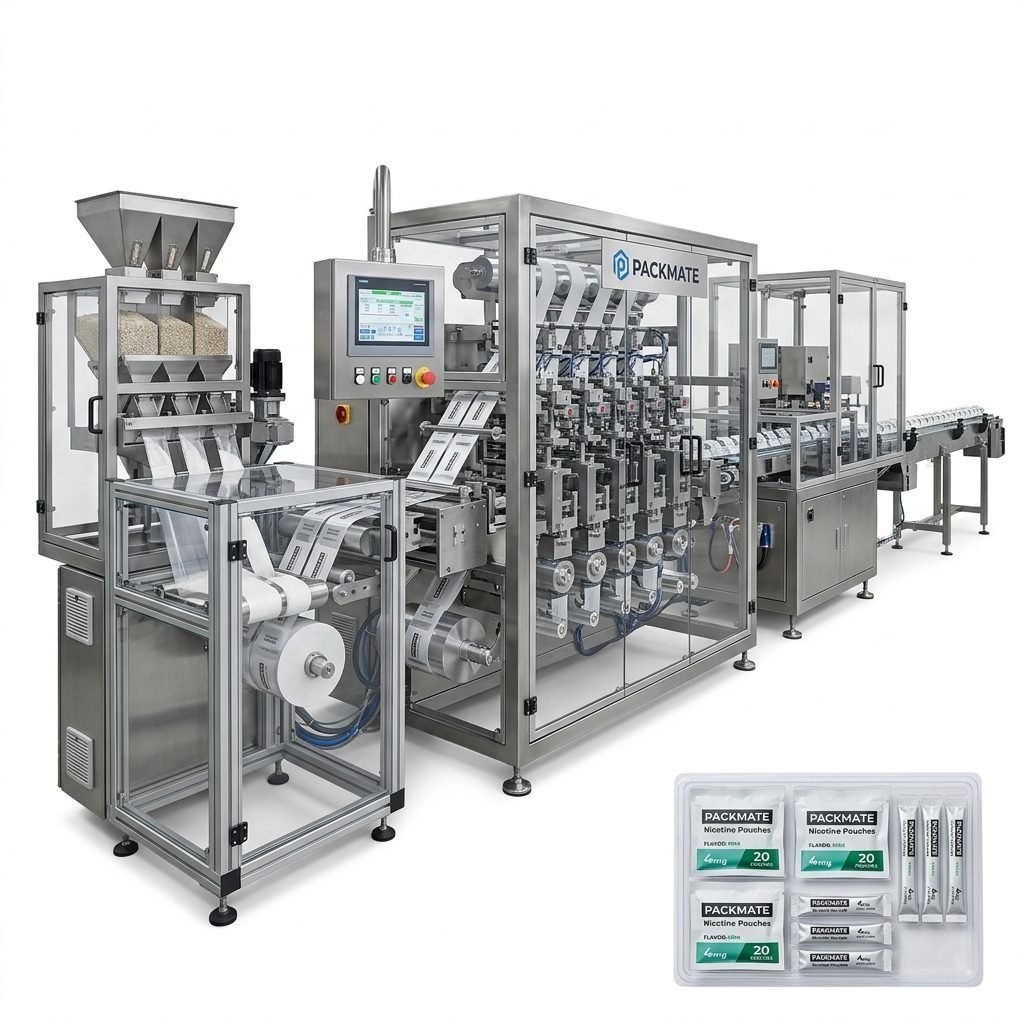
Choosing the right nicotine packaging machinery manufacturer for your factory in Gabon is a critical decision that affects throughput, product quality, regulatory compliance, and long-term profitability. This guide walks you through the technical, commercial, and local considerations you need to evaluate so you can select a supplier who delivers reliable machines, strong after-sales support, and measurable return on investment. Use the practical checklists and questions below as a selection framework when comparing vendors and preparing for factory acceptance tests.
Understand Your Production Needs ⚙️
Before engaging suppliers, clearly define your production targets and product specifications. Documenting these requirements prevents misunderstandings and helps manufacturers propose the right solution.
Key production inputs:
product format (pouches, sachets, stick packs), target speed (pcs/min or pcs/hour), daily/shift uptime, and acceptable downtime for maintenance.
Define product & packaging formats
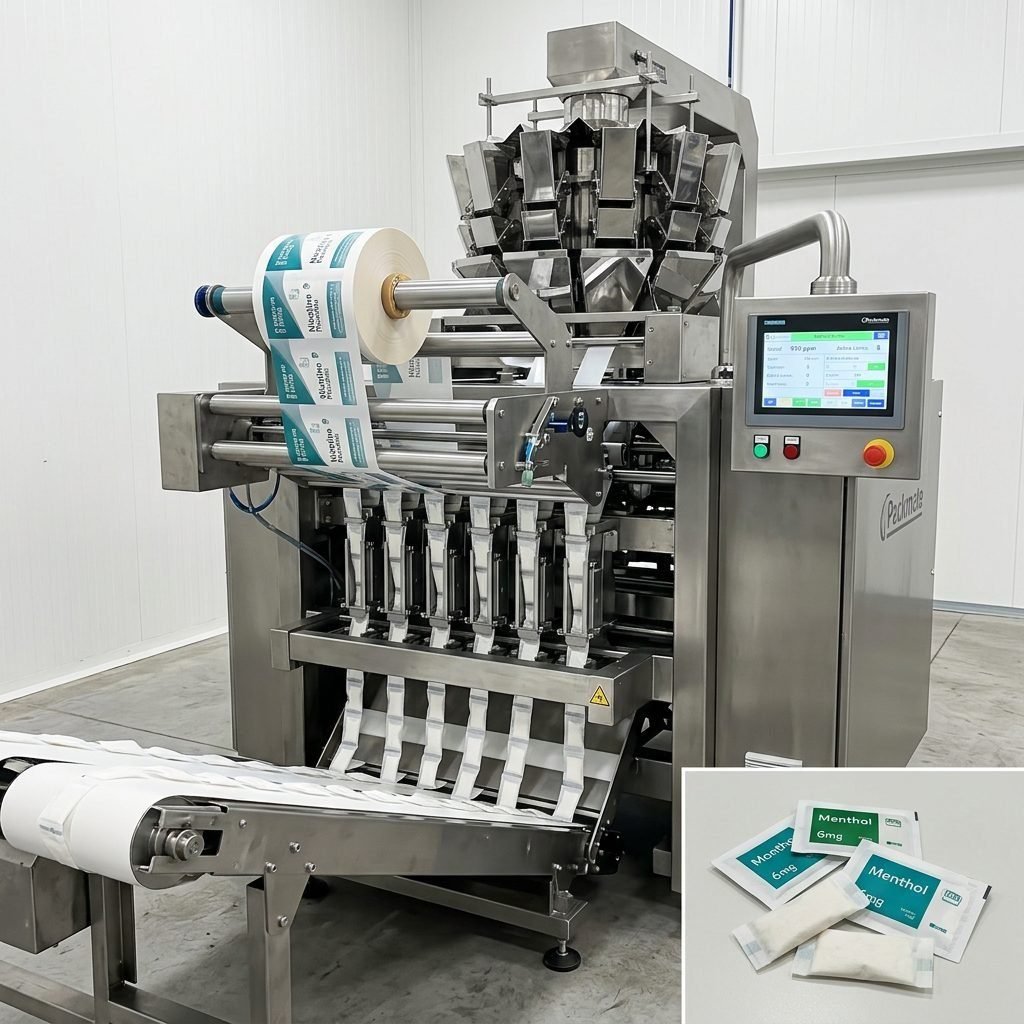
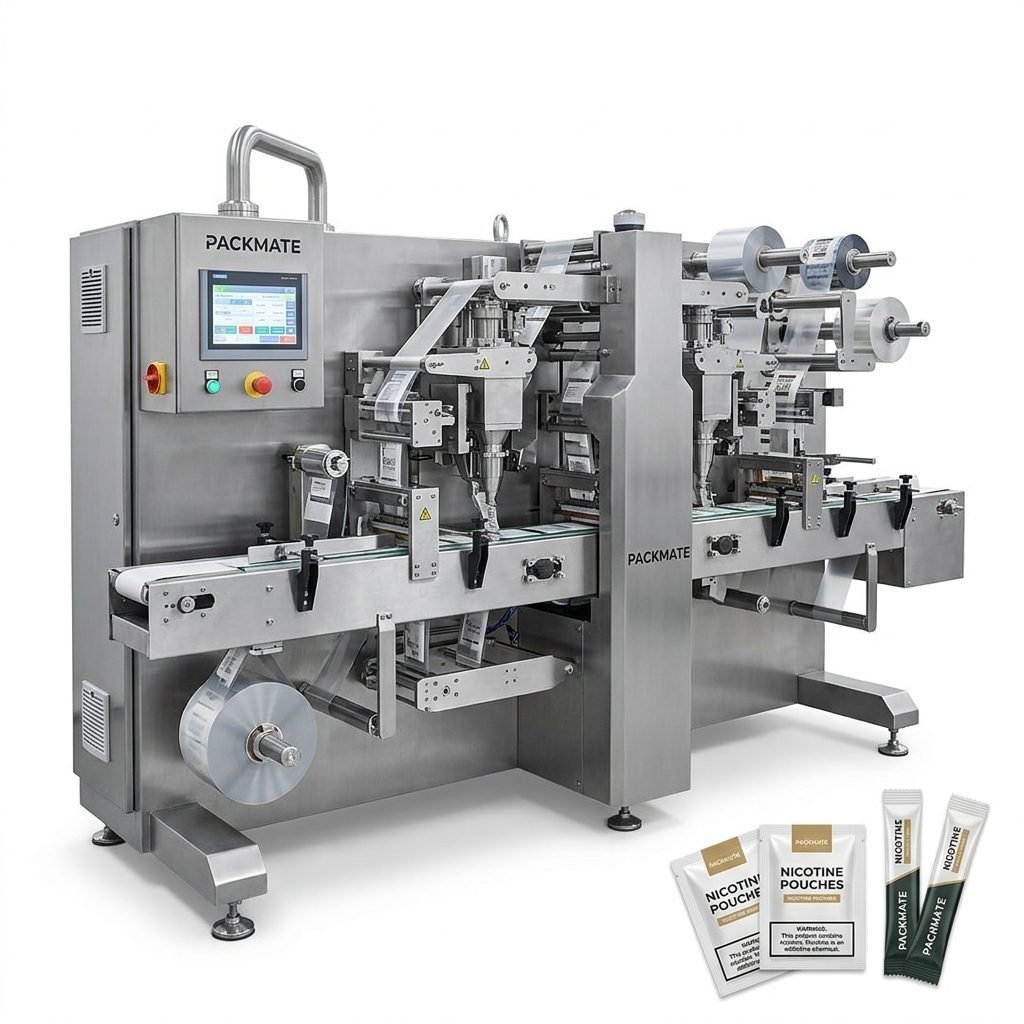
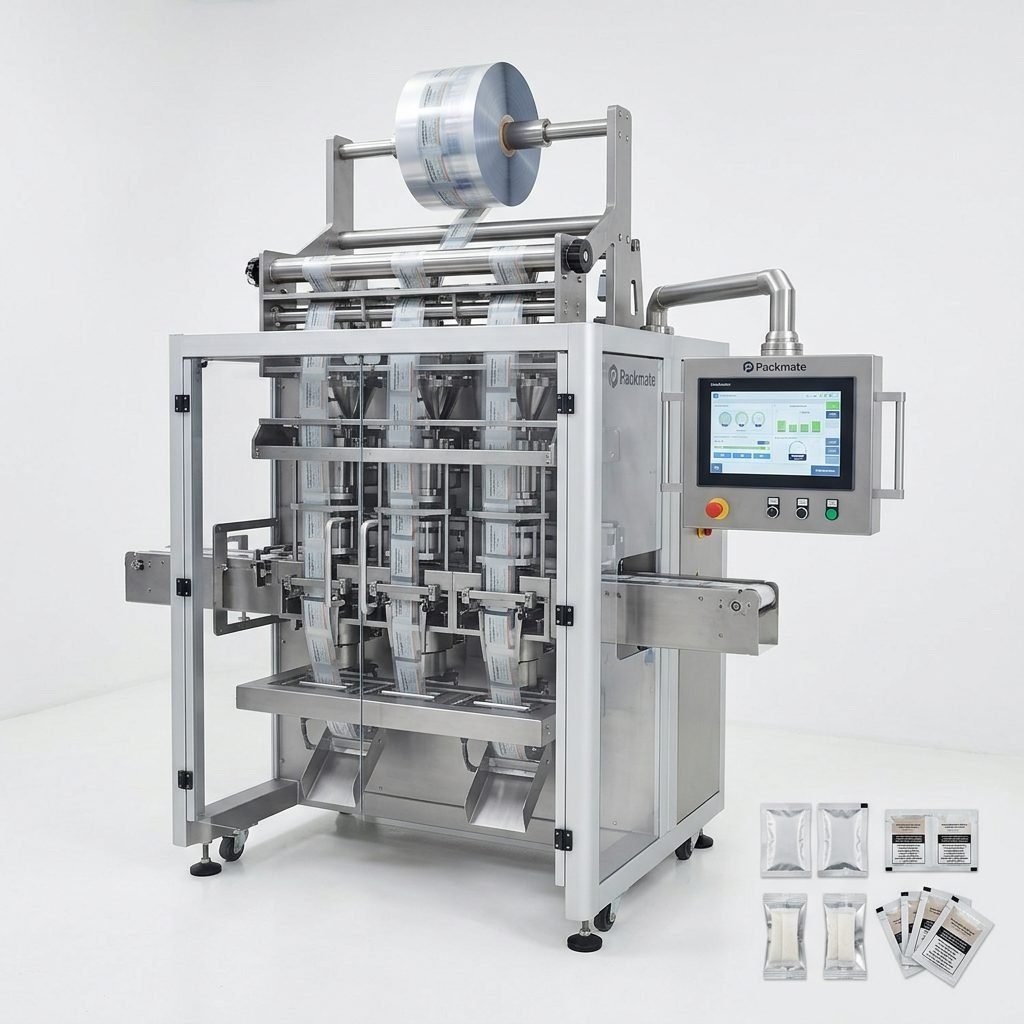
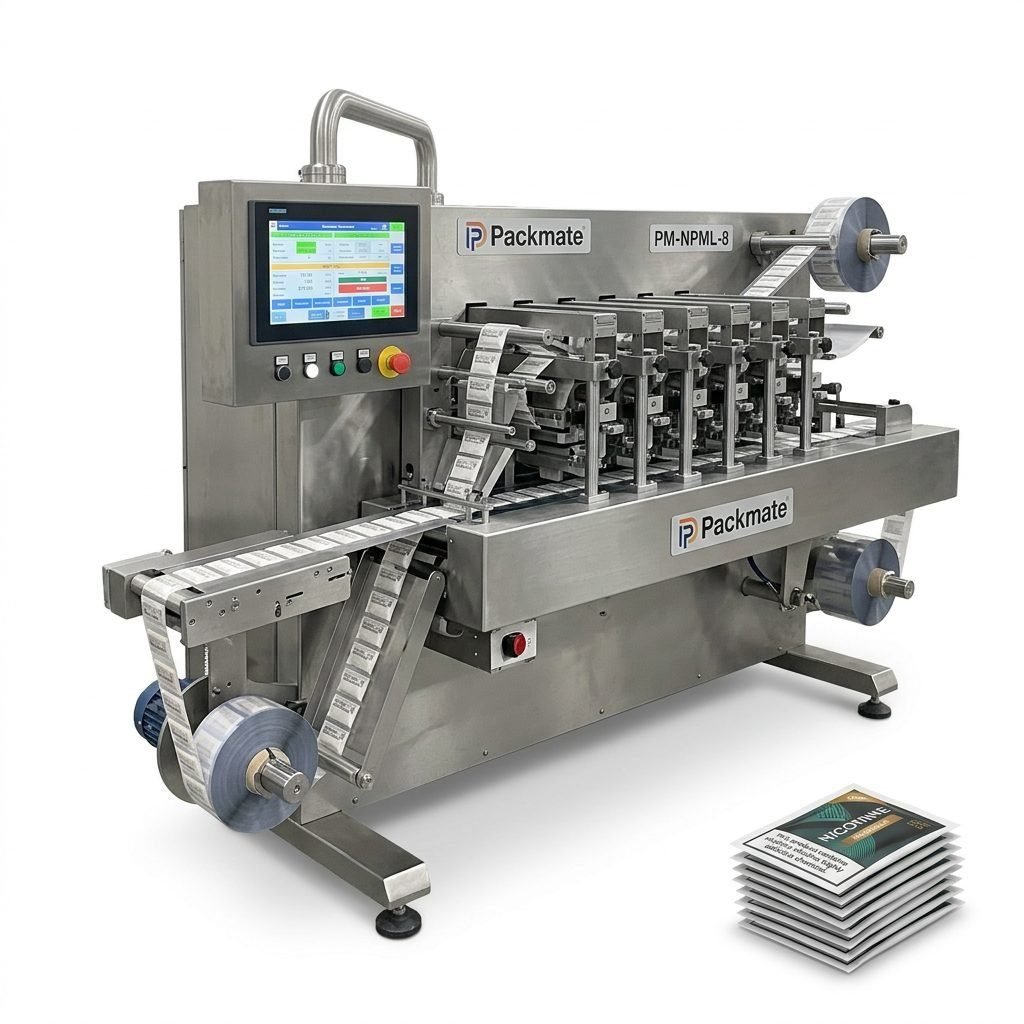
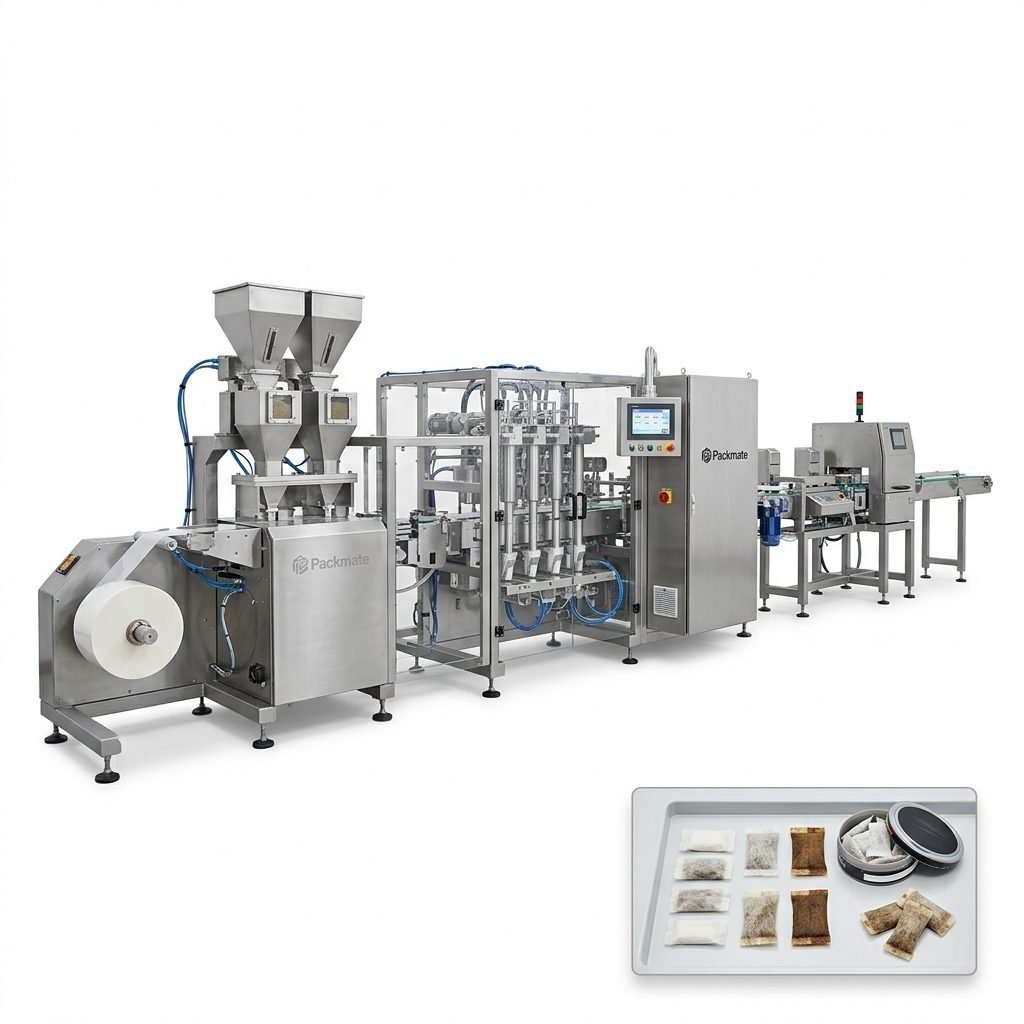
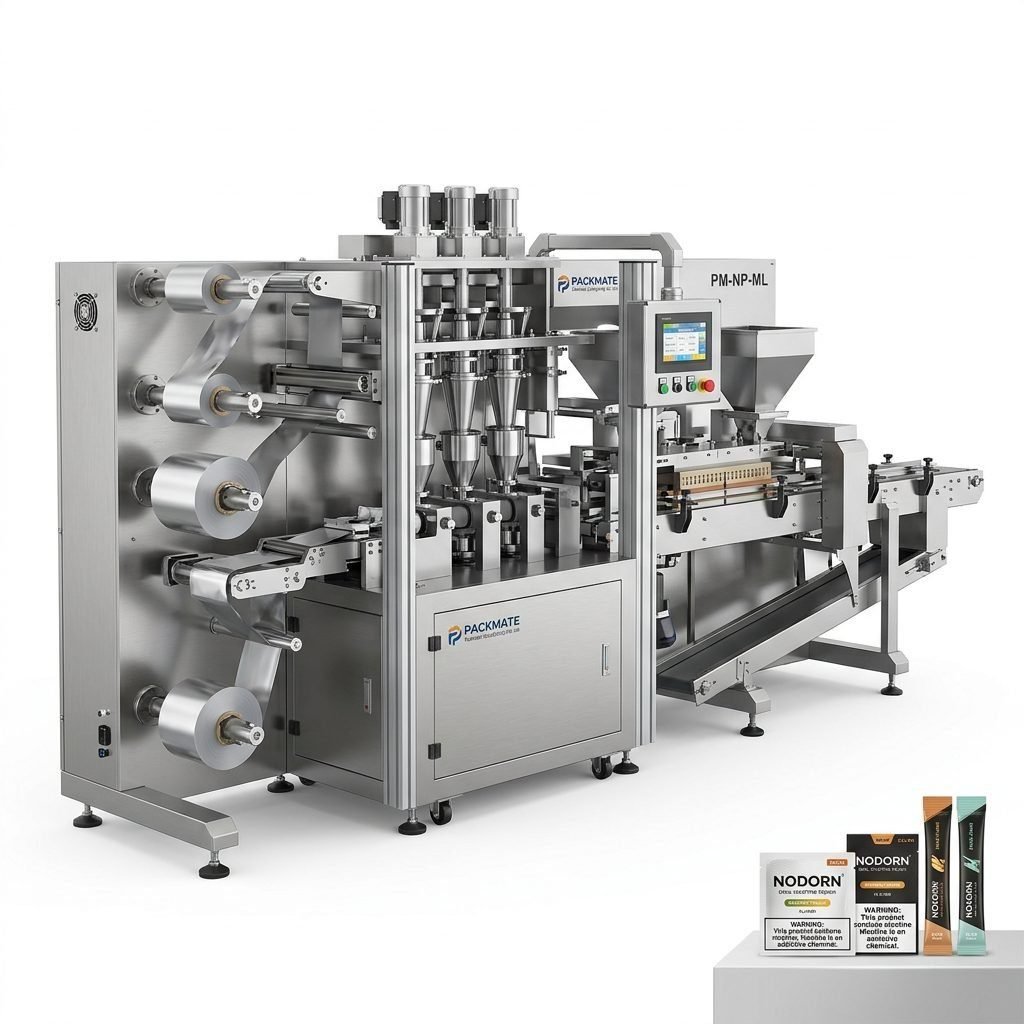
Are you producing single-dose nicotine pouches, multi-lane snus sachets, or stick packs? Packaging format directly affects machine selection. For example, multi-lane systems are ideal for high-volume small-dose pouches, while stick pack systems suit elongated portion formats. Evaluate whether you need integrated filling, sealing, and secondary packaging lines.
Consider throughput and scalability
Target speeds and growth plans determine whether you should buy modular machines that scale or larger-capacity turnkey lines. A supplier who offers transitionability (e.g., upgrading lanes or adding modules) can protect your future investment.
Assess Machine Types & Technical Capabilities 🛠️
Match manufacturer expertise to the specific equipment you need. If your production centers on nicotine pouches and snus, prioritize vendors experienced with these products. Explore the manufacturer’s product pages to confirm relevant models and features.
Example references: Snus & Nicotine Packaging Machines and Bag & Pouch Packaging Machines for details on configurations and options.
Core capabilities to verify
✅ Precision dosing — consistency matters for nicotine content and regulatory compliance.
✅ Multi-lane synchronization — ensure equal feed across lanes to prevent product variation.
✅ Sealing integrity & material compatibility — evaluate heat-seal profiles for your film or foil laminated pouches.
✅ Changeover time — fast, repeatable changeovers reduce downtime for new SKUs.
✅ HMI and control systems — modern PLC and touch-screen controls speed troubleshooting and operator training.
Factory & Manufacturing Strength — Why It Matters 🏭
Choose a manufacturer with robust factory capabilities, strong machining centers, and proven assembly lines. These attributes translate into better tolerances, more reliable machines, and consistent deliveries. For example, a supplier with advanced CNC machining and a large production facility signals capacity for custom work and volume orders.
Learn about the manufacturer’s background from pages like About Packmate and review case studies at Case.
Quality, Certification & Compliance ✅
Regulatory compliance and machine safety standards are non-negotiable. Request CE, ISO, and any region-specific documentation. A manufacturer that consistently meets international standards demonstrates mature quality systems and safer machinery.
Red flag: Suppliers unable to provide certificates, traceability for critical components, or documented testing protocols.
Factory acceptance testing (FAT)
Always include FAT in your contract. FAT verifies that machines meet agreed performance metrics before shipment. FAT should cover speed, accuracy, sealing quality, and run-time stability using your target materials where possible.
After-Sales Service, Spare Parts & Training 📦
In Gabon, proximity of service engineers or a local partner can drastically reduce downtime. Ask about spare parts availability, lead times, remote support options, and on-site training packages. A comprehensive service plan often saves more money than the initial equipment discount.
⚠️ Must-have service terms: guaranteed spare-part lead times, recommended spare-parts kit, remote diagnostics, and at least one full commissioning visit with operator training.
Customization & Turnkey Integration 🔗
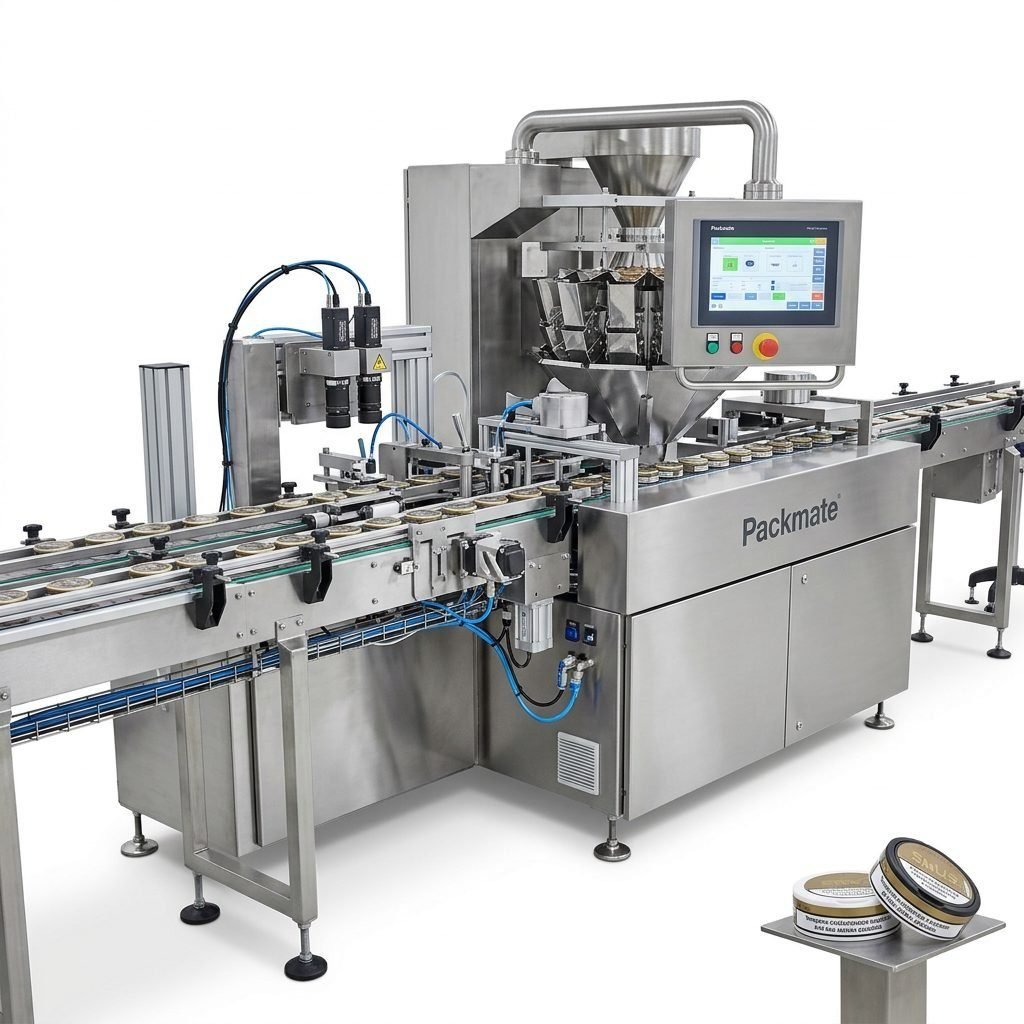
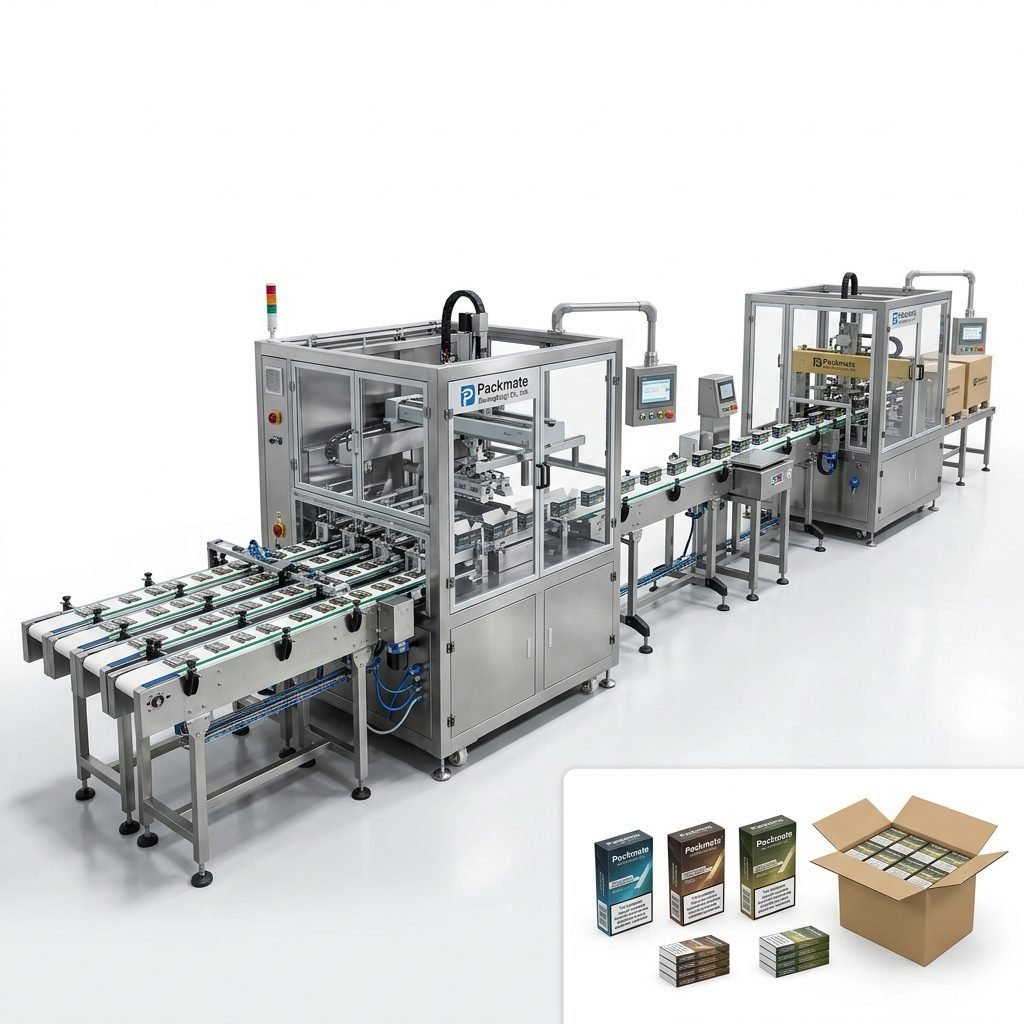
If you need a full production line — from weighing to primary packaging and secondary case packing — select a vendor that offers turnkey solutions and systems integration. Check their portfolio for combined lines such as those found on Filling & Packaging Lines and Weighing & Packaging Systems.
Integration considerations
Ensure mechanical and electrical interfaces are standardized, and that the supplier provides PLC mapping, recipe management, and documentation for seamless handover to your engineering team. If you plan to automate secondary packaging or palletizing later, confirm available upgrade paths.
Cost, ROI & Total Cost of Ownership (TCO) 💰
Purchase price is only one factor. Calculate TCO by factoring in energy usage, spare parts cost, expected uptime, yield (reject rates), and service contracts. A slightly higher capital cost may be justified by lower operating expenses and reduced downtime.
TCO checklist: energy consumption data, MTBF (mean time between failures), recommended consumables, and documented yield statistics under real production.
Local Considerations for Gabon 🇬🇦
Import logistics, customs clearance, and availability of skilled maintenance technicians are important for Gabon. Confirm the supplier’s experience exporting to Central Africa and ask about local partners, shipment packaging standards, and on-site commissioning plans.
Shipping & installation
Verify crating, VCI protection for electronics, and clear installation manuals. A supplier who coordinates freight forwarding and local rigging reduces risks during arrival and installation.
Local service network
Ask whether the manufacturer maintains local agents or certified service technicians in West/Central Africa. If not, ensure they provide comprehensive remote support and a training program for your technicians.
Due Diligence: Visits, References & Live Demos 🔍
Factory visits and live demonstrations are the most reliable ways to validate claims. If you can’t visit, request detailed video demos of the exact model running your materials, plus references from customers with similar products and conditions.
Review exhibition appearances and public demonstrations (see Our Exhibition) to evaluate how vendors present machines under test conditions.
Final Selection Checklist — The Practical Buyer’s List ✅
📝 Documented FAT procedures and acceptance criteria
📝 Certifications (CE, ISO) and test reports
📝 Service terms, spare parts lead times, and local support
📝 Real production references and video demos
📝 Clear spare-parts kit and training plan
Negotiation Tips & Contract Clauses to Protect You ✍️
When negotiating, demand clear warranty periods, defined acceptance tests, penalties or remedies for missed delivery dates, and documented response times for urgent service calls. Include a clause for performance validation after six months of production to confirm promised yields and throughput.
Why Packmate Snus Machine Is Often Chosen
Packmate’s background — decades of R&D, a 20,000㎡ facility, advanced CNC machining, and 50+ machine models — positions it as a reliable option for snus and nicotine pouch producers. They provide turnkey lines, global exhibition demos, and documented case studies that showcase real-world production performance.
For more details on product families and services, see the manufacturer’s pages on Sachet & Stick Pack Machines and Auxiliary Packaging Equipment.
Conclusion
Selecting the right nicotine packaging machinery manufacturer for a Gabon factory requires careful alignment of technical capability, manufacturing strength, certification, after-sales service, and local logistics. Use the checklists above to compare vendors objectively and insist on FAT, clear service agreements, and documented references. A well-chosen supplier will reduce risk, increase uptime, and deliver predictable product quality — all essential to scaling a successful nicotine pouch or snus operation.
Common Questions
Q1: How important is FAT before shipment?
A1: Extremely important. FAT ensures the machine meets agreed specifications and reduces installation delays. It should include speed tests, sealing checks, and runs with your materials.
Q2: What certifications should I request?
A2: At minimum request CE and relevant ISO certificates. Also ask for component traceability and any regional compliance documents required for Gabon.
Q3: How do I ensure fast spare-part delivery in Gabon?
A3: Negotiate spare parts kits, documented lead times, and identify whether the supplier has a distribution partner or recommended stock levels to be kept locally.
Q4: Should I buy modular machines or turnkey lines?
A4: If you expect rapid growth and SKU changes, modular machines offer flexibility. For highest integration and minimal internal engineering, turnkey lines are often better.
Q5: Where can I find more information about models and services?
A5: Visit the manufacturer’s product and service pages for detailed specs, catalogs, and contacts at Contact Us.