Choosing the right snus packaging machine in Panama requires more than looking at speed charts and price tags. Local climate, regulatory customs, production scale, and the preferences of Panamanian consumers all shape the ideal solution for manufacturers. This guide walks you step-by-step through the technical, operational, and commercial factors to consider so you can select a system that delivers consistent quality, regulatory compliance, and long-term value.
Understanding the Panama Context: Why Local Factors Matter
Panama’s coastal, tropical climate (high humidity and heat) and its strategic position as a trade hub mean that packaging machines must handle environmental challenges and supply-chain flows. Local consumer habits – such as a preference for convenient, single-use sachets or discreet pouches – influence package formats. Moreover, Panamanian import regulations and health labeling requirements require manufacturers to ensure traceability, correct ingredient declaration, and tamper-evident packaging. Considering these elements early saves time and compliance headaches.
Key takeaways for Panama-based manufacturers
⚠️ Climate resilience: Machines and sensors must resist corrosion and maintain accuracy in high humidity.
📦 Consumer format: Focus on small-dose pouches, sachets, and multi-lane outputs for high throughput.
📝 Compliance: Ensure labeling and material choices meet local health and import rules.
1. Decide Which Packaging Format Matches Your Market
The first decision is the package type: stick packs, sachets, multi-lane nicotine pouches, or custom bags. Each format has distinct equipment needs:
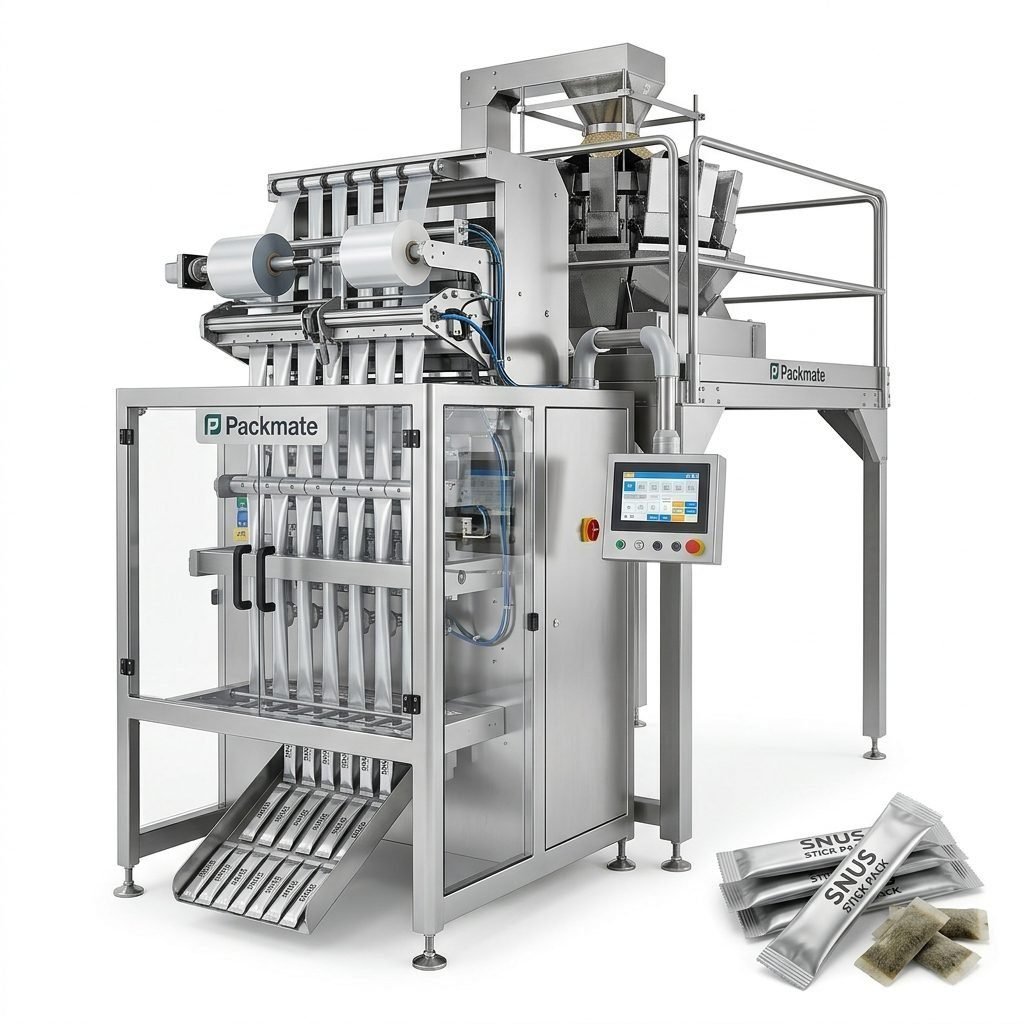
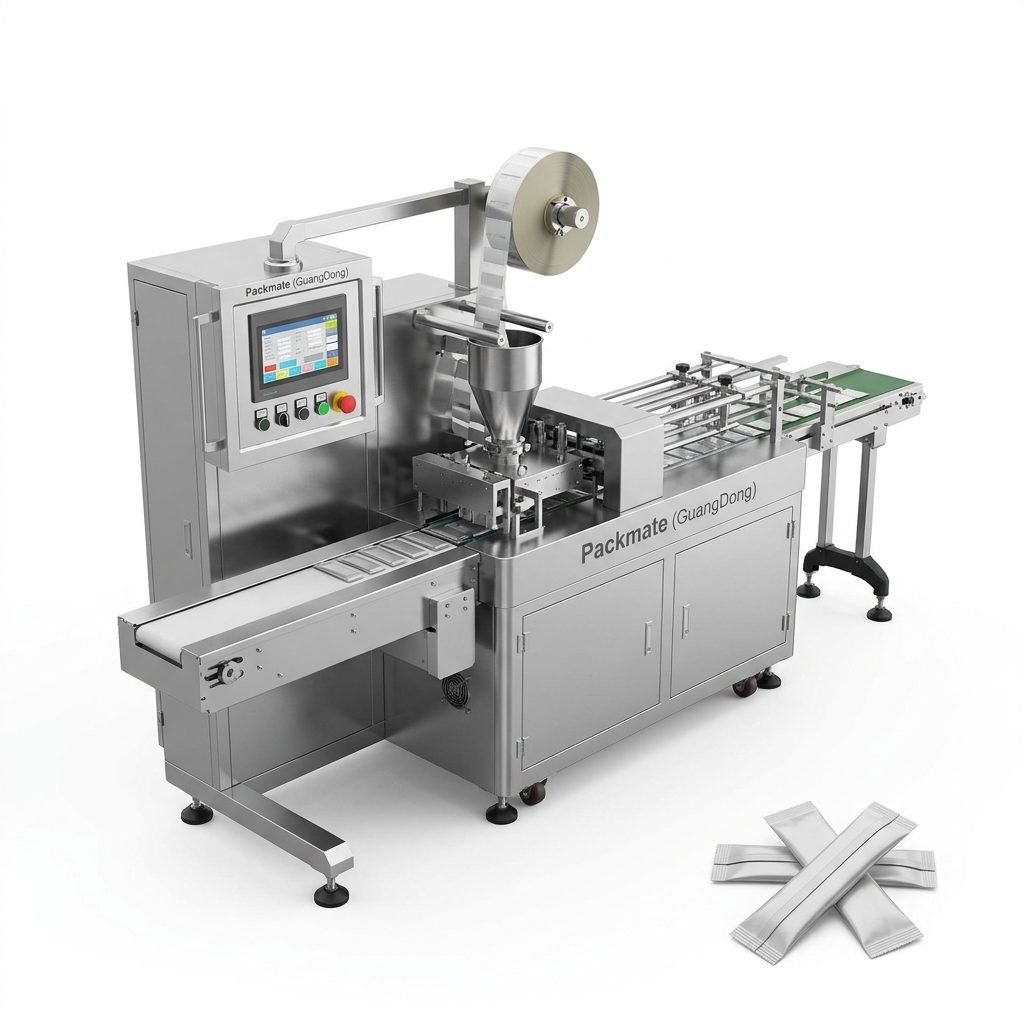
Stick Packs: Compact, ideal for single-dose products and simple sealing.
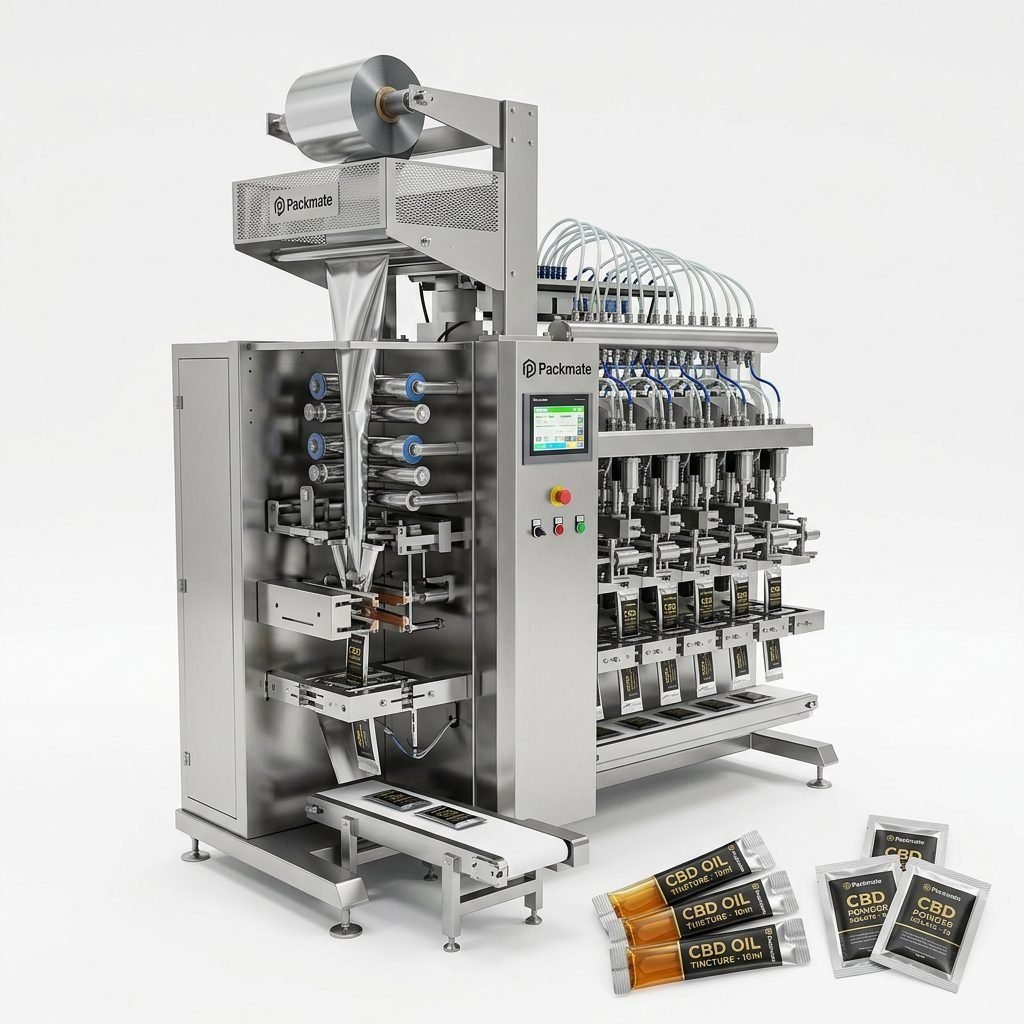
Sachets: Versatile shapes, good for flavored mixes.
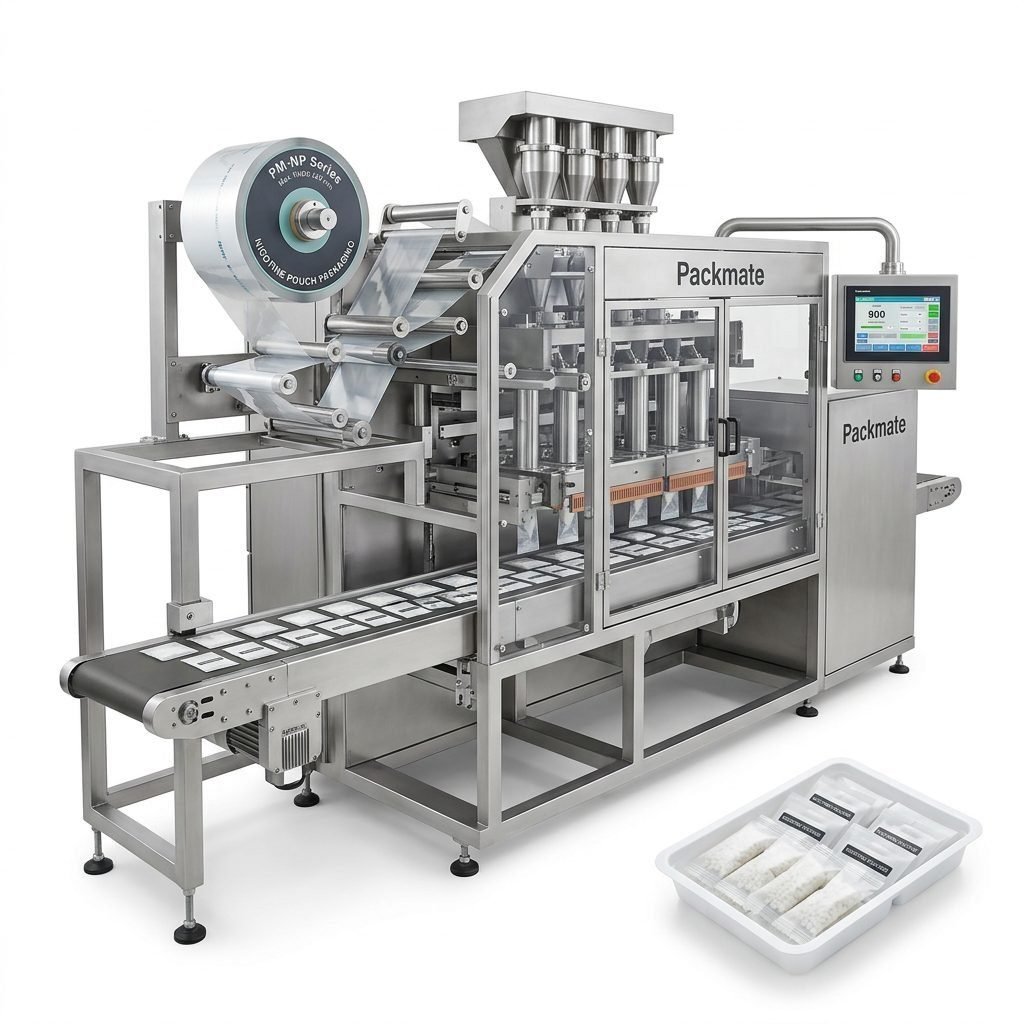
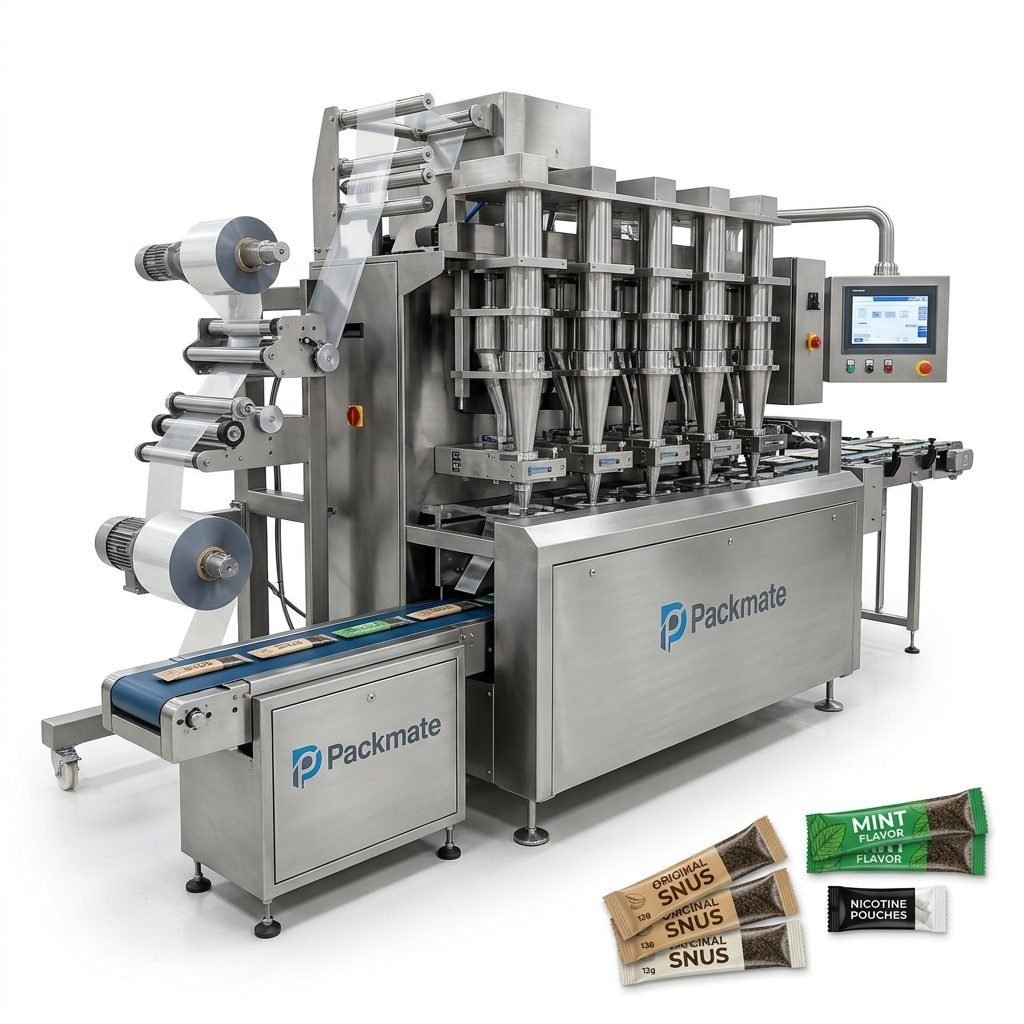
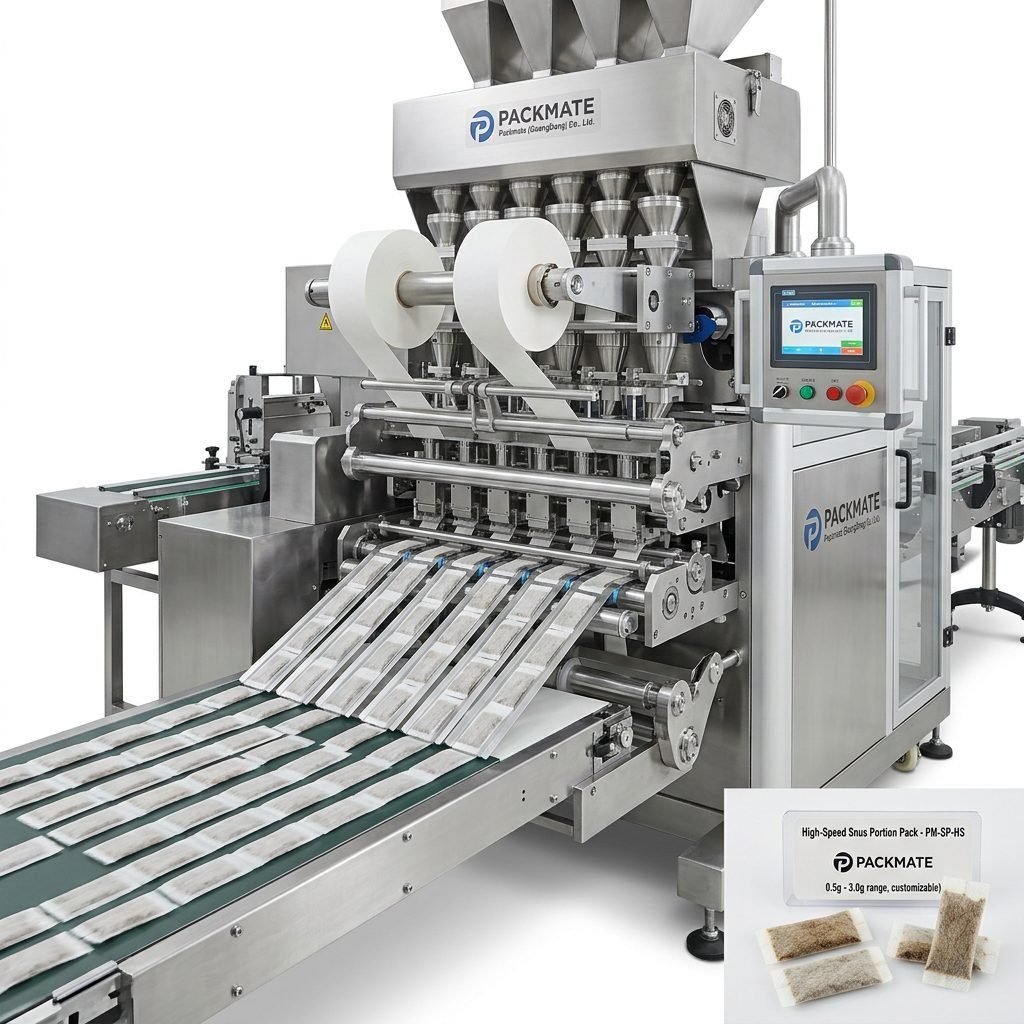
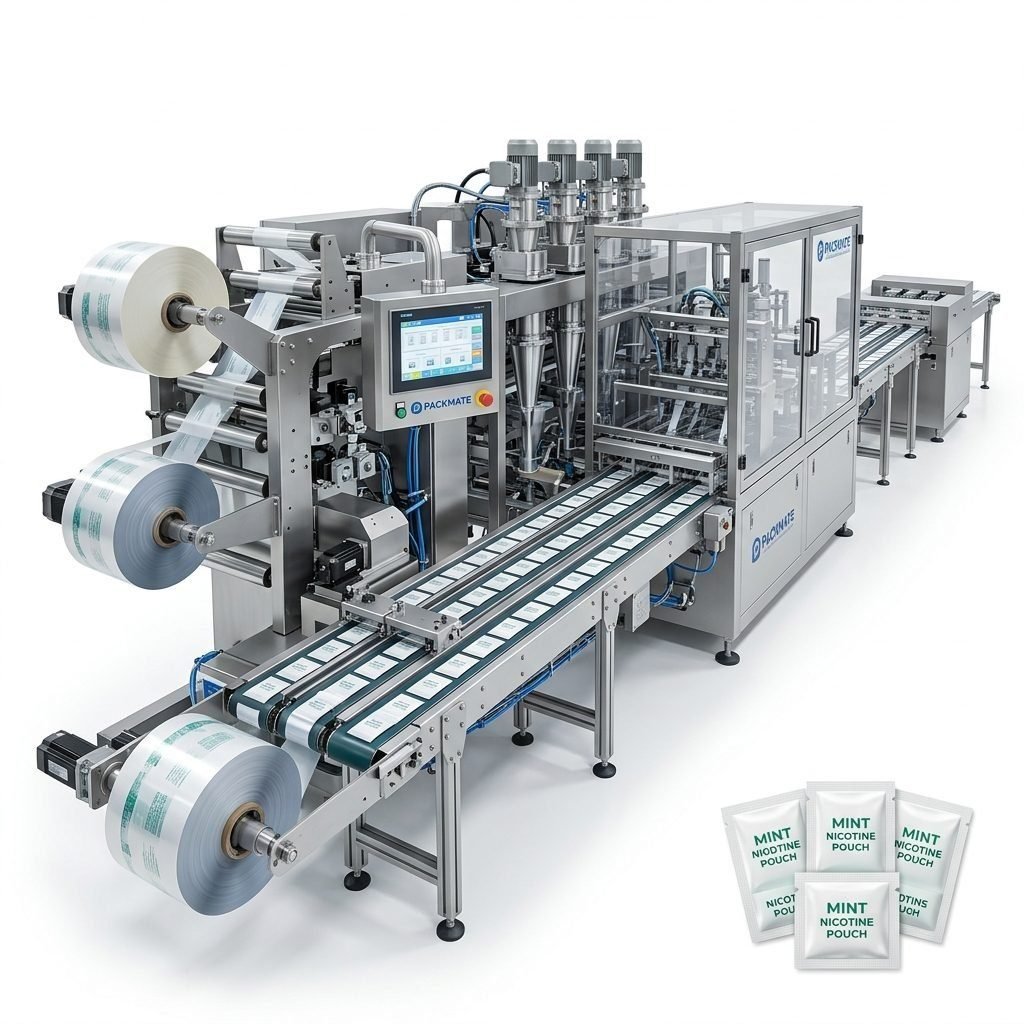
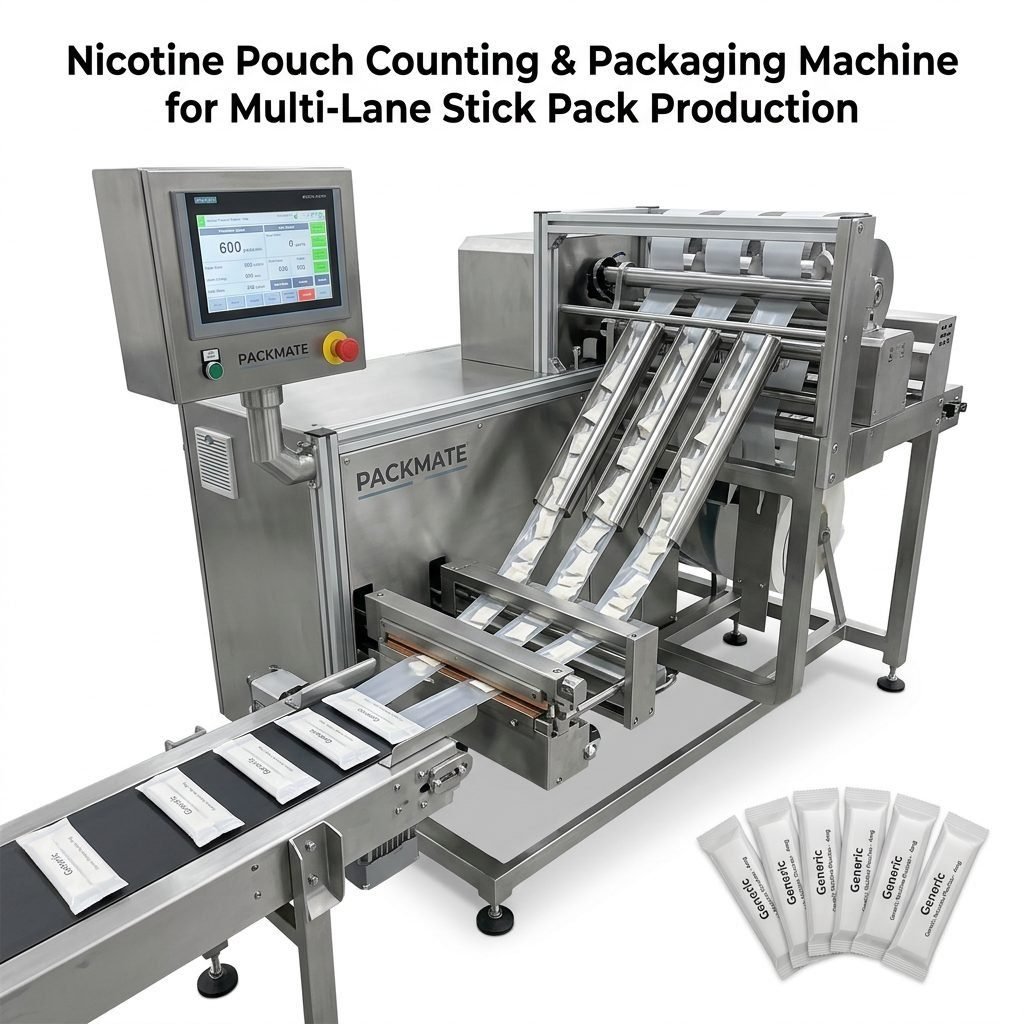
Multi-lane Pouches: High-speed output for nicotine pouches/snuse, reduces floor space per output unit.
2. Throughput & Line Configuration: Matching Speed to Demand
Evaluate your target production volumes. A small artisanal brand in Panama City may need a single-lane sachet machine, while a commercial manufacturer supplying regional distributors may require multi-lane automated lines.
Consider peak order scenarios: export orders, seasonal promotions, or exhibition-driven demand spikes. Machines with modular expansion (add lanes or module upgrades) offer flexibility without full replacement.
3. Accuracy & Product Compatibility: Protecting Nicotine Dose Consistency
Nicotine pouch quality depends on dosing accuracy. Look for systems that support precise volumetric or loss-in-weight (LIW) feeding and real-time feedback controls. For powdered or high-fiber blends commonly used in snus, select feeders designed to avoid bridging and ensure homogenous fill.
Tip: For small-dose pouches, choose high-resolution weighing systems to reduce giveaway and meet strict labeling tolerances.
4. Material & Seal Types: Match Films to Climate and Storage
Panama’s humidity stresses barrier properties; pick films with strong moisture and oxygen barriers. Machines should support common laminate thicknesses and heat-seal profiles. If you plan to use recyclable or compostable films, confirm the machine’s heating parameters and sealing dwell times can be tuned accurately.
5. Automation Level & Integration with Upstream/Downstream Equipment
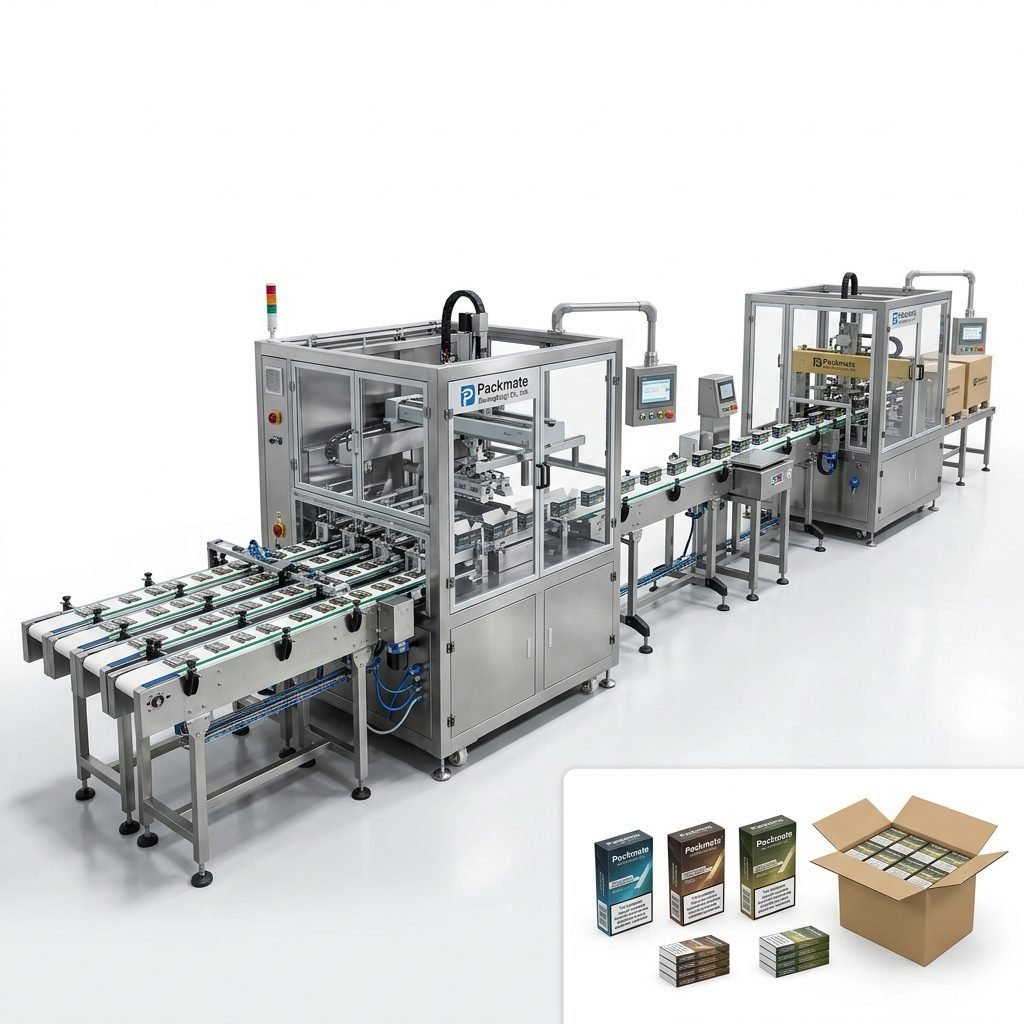
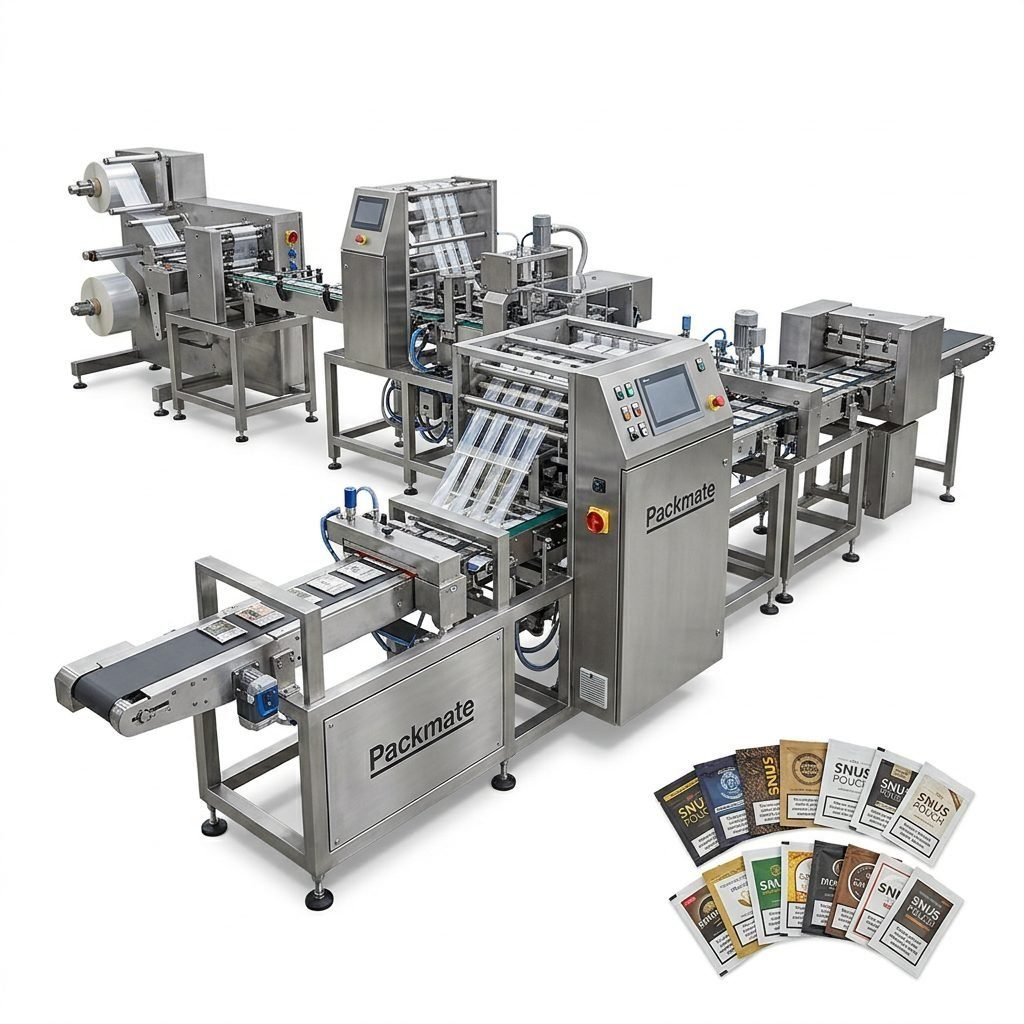
Decide how much automation you need. Fully automated lines integrate feeders, form-fill-seal units, metal detectors, checkweighers, and cartoners. Semi-automatic systems save cost but increase manual labor. Consider future growth: choose machines designed to integrate with scales, conveyors, and secondary packaging to build a turnkey line over time.
Integration & modularity checklist
⚙️ PLC/HMI compatibility, 🤝 standard conveyor interfaces, and 🔁 quick-change format tools help minimize downtime during product changeovers.
6. Hygiene, Cleaning & Maintenance: Keep Downtime Low
Machines built with food-grade stainless steel, sloped surfaces, and easily removable parts speed cleaning and reduce contamination risks — important for nicotine and oral products. Consider CIP (clean-in-place) compatibility or tool-less disassembly for frequent washdowns in humid climates.
7. After-sale Support, Spare Parts & Local Service
Reliable local or regional support reduces machine downtime. Confirm spare-part lead times and whether supplier technicians offer on-site training. For customers in Panama, suppliers with logistics experience and a local contact or regional partner will accelerate maintenance and installation.
Important: Ask for guaranteed response times, a stocked spare-parts list, and remote-support capabilities.
8. Certifications & Regulatory Compliance
Choose machines that comply with international standards (CE, ISO) and can support traceability printing and label application. This simplifies compliance with Panamanian import and health regulations. Machines with validated cleanability and documented material conformity reduce audit risk.
9. Energy, Footprint & Local Utilities
Panama’s energy costs and occasional grid variability make energy-efficient equipment and stable drive systems valuable. Ask suppliers for typical power draws, compressed air requirements, and recommended UPS solutions to protect PLCs and sensors.
10. Budgeting, ROI & Total Cost of Ownership
Calculate TCO by adding initial machine cost, installation, training, spare parts, expected downtime, and consumables. A slightly higher-capability machine often reduces per-unit costs and wins market share through superior packaging consistency.
Machine Types to Consider
Manufacturers like Packmate offer a range of options. For reference, explore product families that match typical needs:
- Snus & Nicotine Packaging Machines — specialized for pouch formats and high-precision dosing. Explore models
- Bag & Pouch Packaging Machines — flexible for laminated films and barrier layers. View options
- Sachet & Stick Pack Machines — ideal for single-dose consumer convenience. Learn more
Selecting a Supplier: Why Reputation & History Matter
Work with a supplier that demonstrates manufacturing depth, industry experience, and global deliveries. A stable manufacturer (30+ years in engineering or a factory with precision CNC capabilities) signals the capability to deliver complex multi-lane systems and long-term spare-part support. For company details, see About Packmate.
Questions to ask potential suppliers
📌 Warranty & support terms?
📌 Spare-part lead times?
📌 On-site commissioning & training included?
Installation, Commissioning & Training in Panama
Plan for on-site installation: check floor loading, utility hookups, and local vendor coordination. If your supplier offers remote commissioning or training videos, combine these with on-site sessions to accelerate operator proficiency. Make sure the supplier provides a detailed validation and acceptance protocol.
Shipping, Customs & Local Delivery Considerations
Panama’s ports are efficient, but large machine modules still require careful packing and customs paperwork. Ask your supplier for export documentation, packing lists, and HS codes to avoid delays. Engage a customs broker familiar with industrial machinery imports to streamline clearance.
Sustainability & Material Selection
If sustainability matters to your brand, prioritize machines compatible with recyclable films and minimal film-waste designs. Equipment that reduces film overlap and optimizes cut patterns can lower material costs and improve eco-credentials for market differentiation.
Case Example: A Panamanian Start-up Scaling Up
Imagine a small brand in Colón launching nicotine pouches for local distribution. Start with a single-lane sachet unit to validate recipes and packaging artwork. Once demand grows, upgrade to a multi-lane line with integrated checkweigher and automated cartoner, reducing labor costs and increasing capacity without changing the core product format. Suppliers offering modular upgrades and local support make this path practical.
Checklist Before You Buy
✅ Production capacity targets — hourly & daily goals.
✅ Material compatibility — barrier films and seal types.
✅ Dosing accuracy — LIW vs volumetric choice.
✅ After-sales support — spare parts & technician response time.
✅ Regulatory and labeling support — traceability and compliance readiness.
Why Consider Packmate & Where to Learn More
Packmate offers over 30 years of engineering experience, a 20,000㎡ manufacturing base, and end-to-end packaging lines tailored for snus and nicotine pouches. Their product range includes multi-lane snus machines and supporting weighing and filling systems — useful for Panamanian manufacturers scaling production. Review product details and case histories directly: Snus & Nicotine Packaging Machines, Weighing & Packaging Systems, and explore company credentials via About Packmate. For direct inquiries, use Contact Us.
Final Recommendations for Panama Manufacturers
Start with a clear production roadmap, choose equipment that tolerates humidity and supports barrier films, and pick suppliers that provide modular expansion and regional support. Prioritize dosing accuracy, hygienic design, and documented compliance capabilities to reduce risk and speed market entry across Panama and neighboring markets.
Common Questions
Q1: What machine speed do I need for a start-up?
For many start-ups in Panama, a machine that produces 30–60 sachets/min (single-lane) is sufficient. If you plan frequent exports or large orders, consider a multi-lane 200–600 pouches/min solution.
Q2: How does humidity affect packaging?
High humidity increases the need for strong barrier films and reliable heat-seal control. Invest in materials and machines capable of compensating seal parameters and protecting product shelf life.
Q3: What support should I expect after purchase?
Expect commissioning, operator training, spare-parts kits, and documented service intervals. Aim for suppliers offering remote diagnostics and guaranteed on-site response times in your region.
Q4: Can machines handle recyclable films?
Many modern units can handle recyclable films, but you must validate heat-seal settings and adhesion on your chosen laminate. Discuss film samples with suppliers before purchase.
Q5: How long is delivery and installation?
Typical lead times vary by model complexity and customization. Standard machines may ship in weeks to a few months; full turnkey lines often require longer. Confirm shipping, customs documentation, and on-site installation schedules with the supplier.