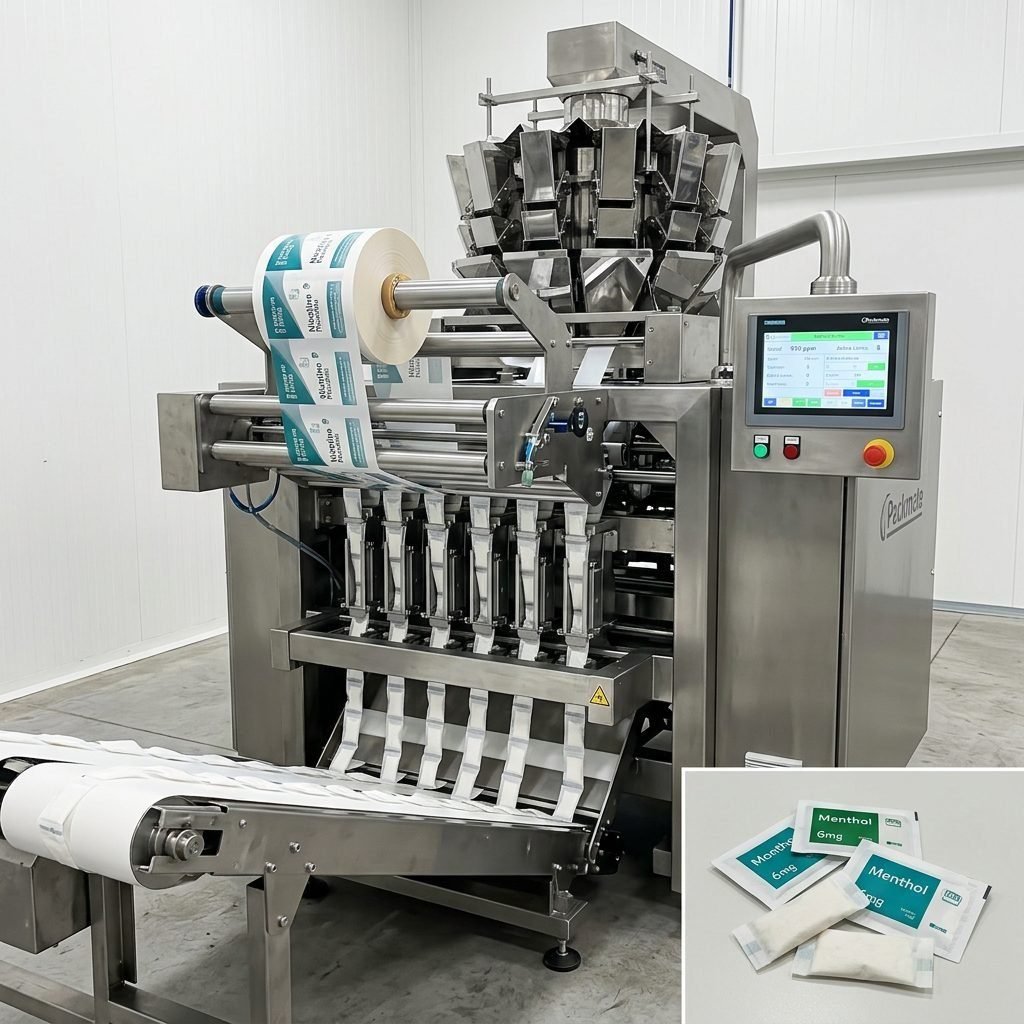
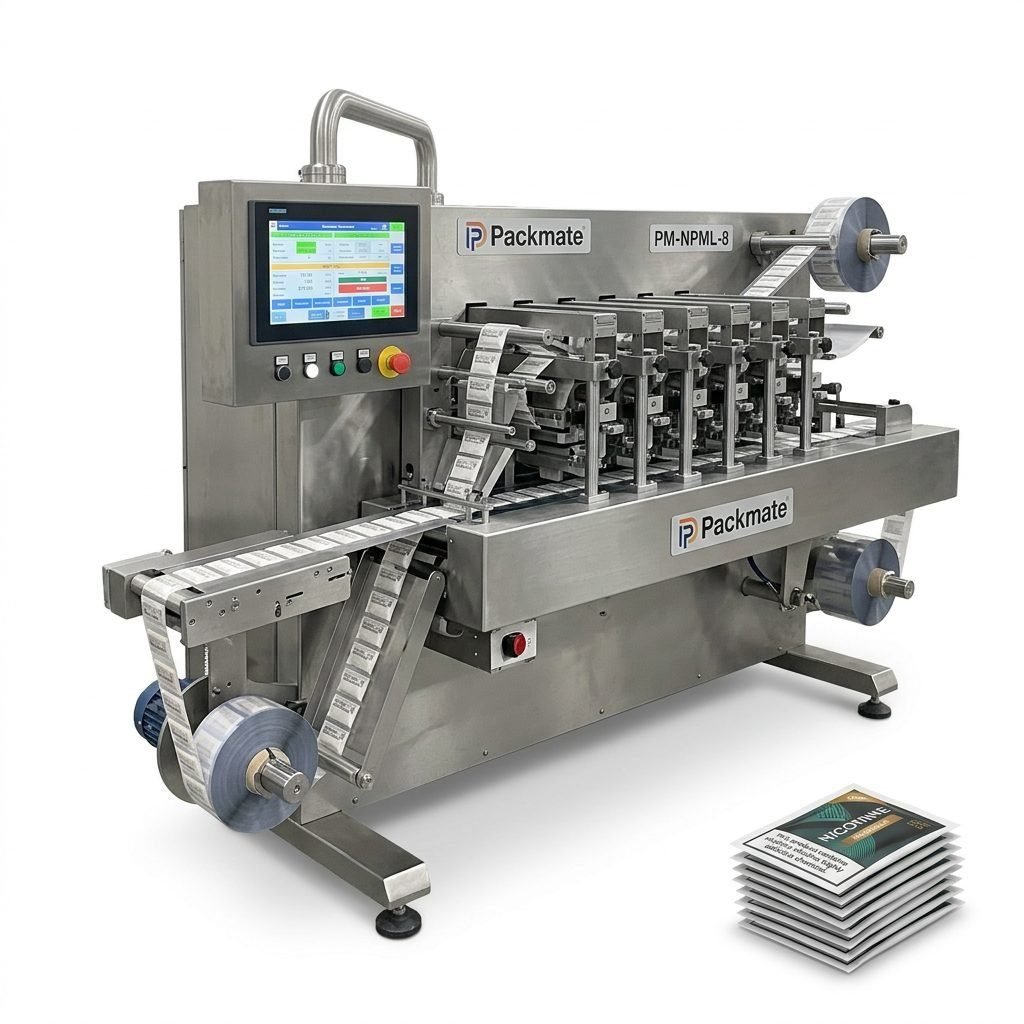
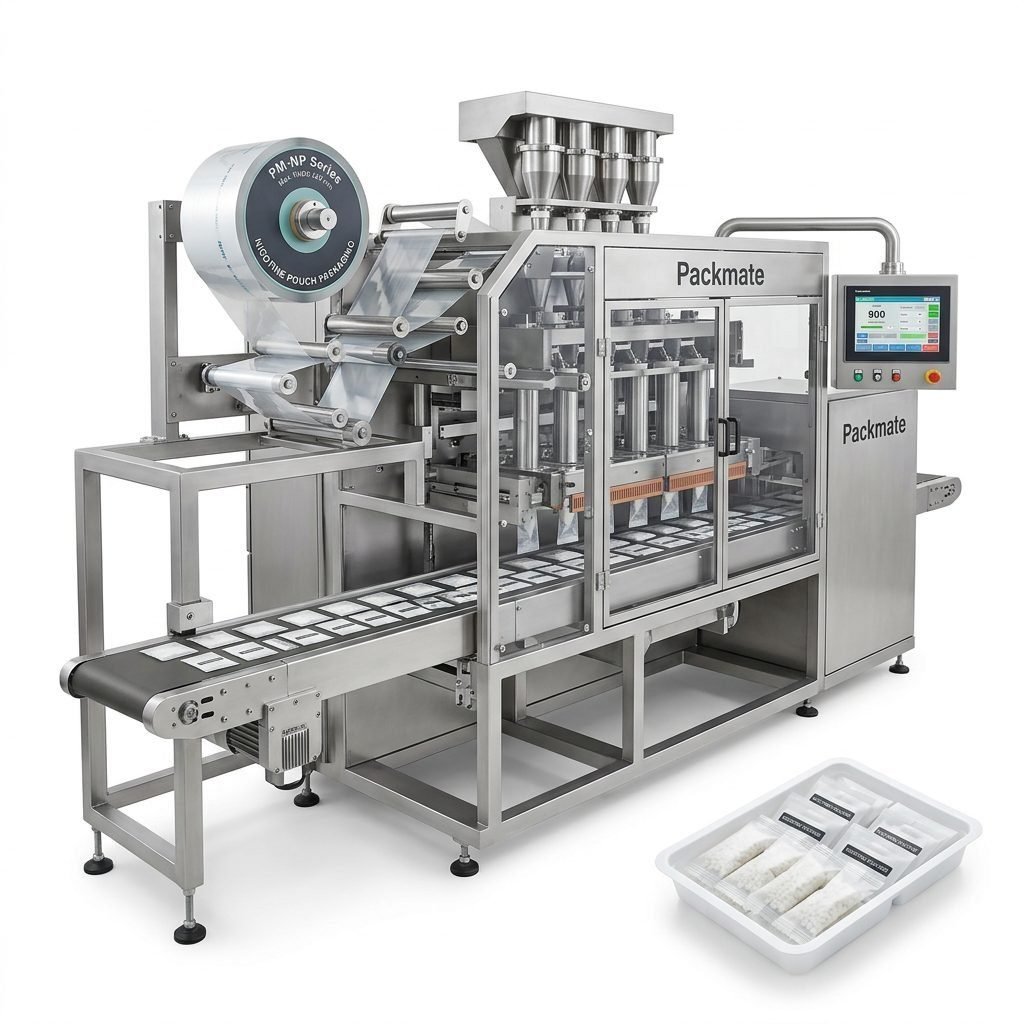
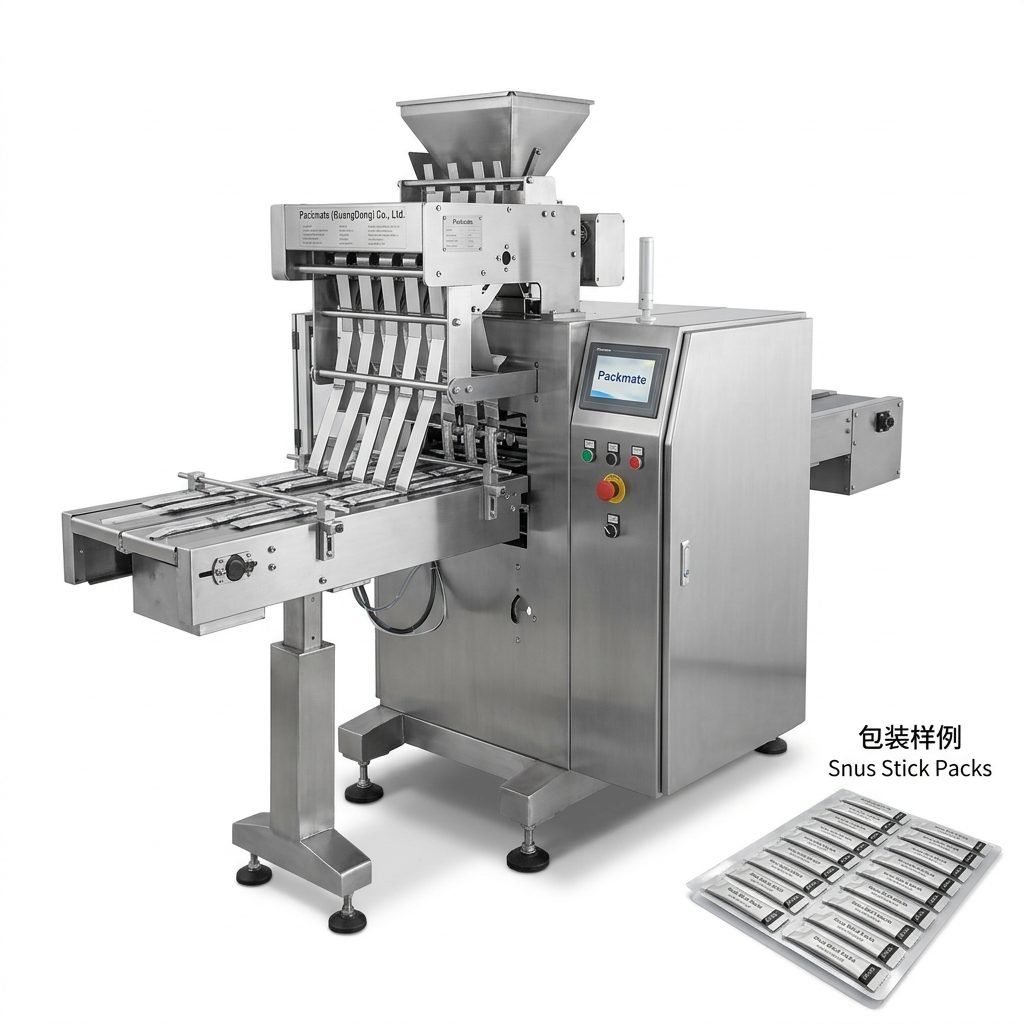
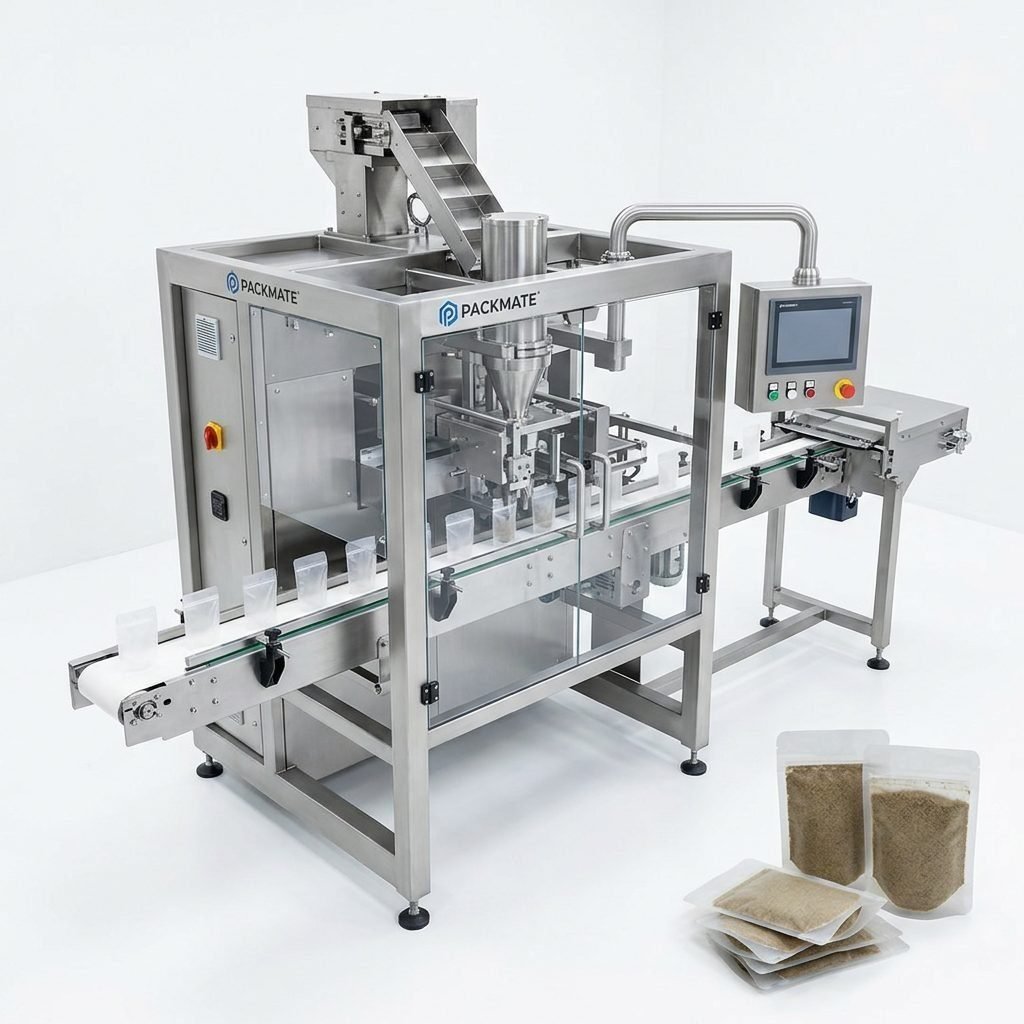
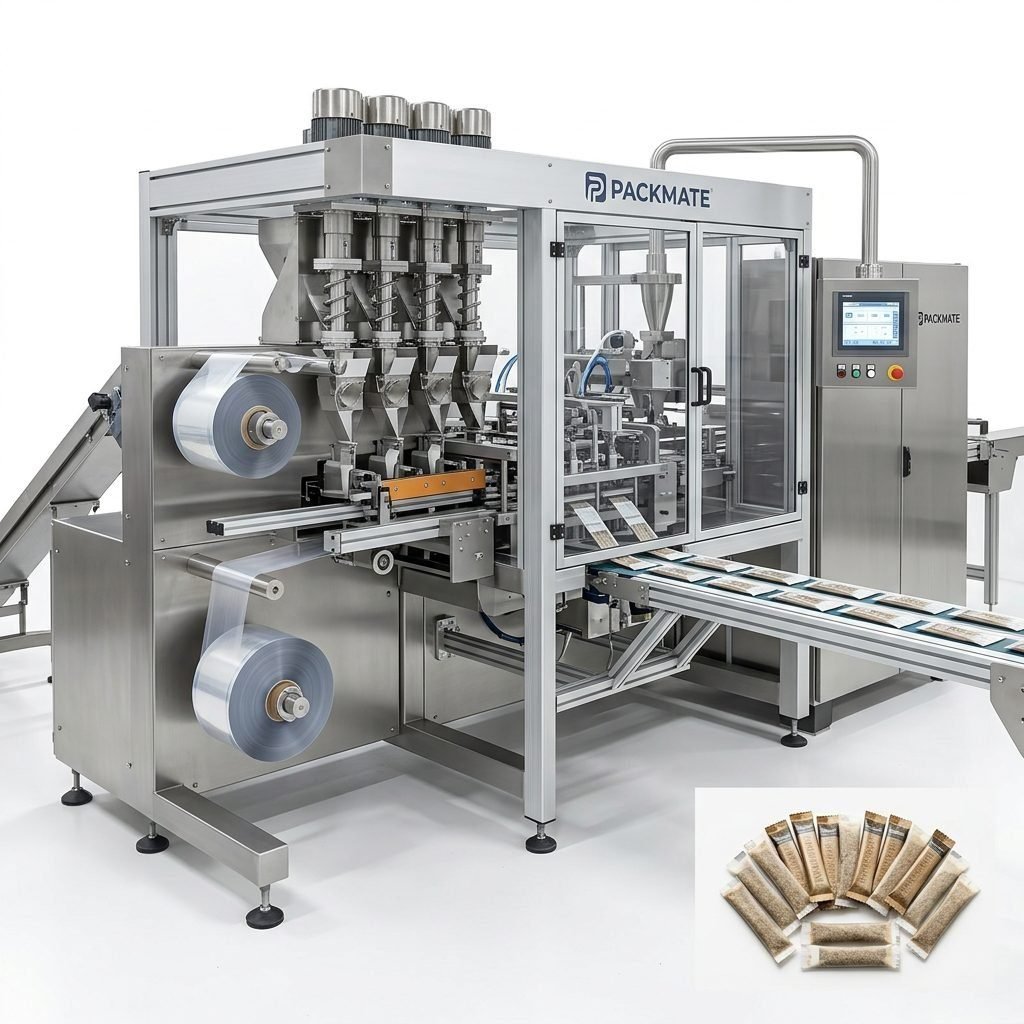
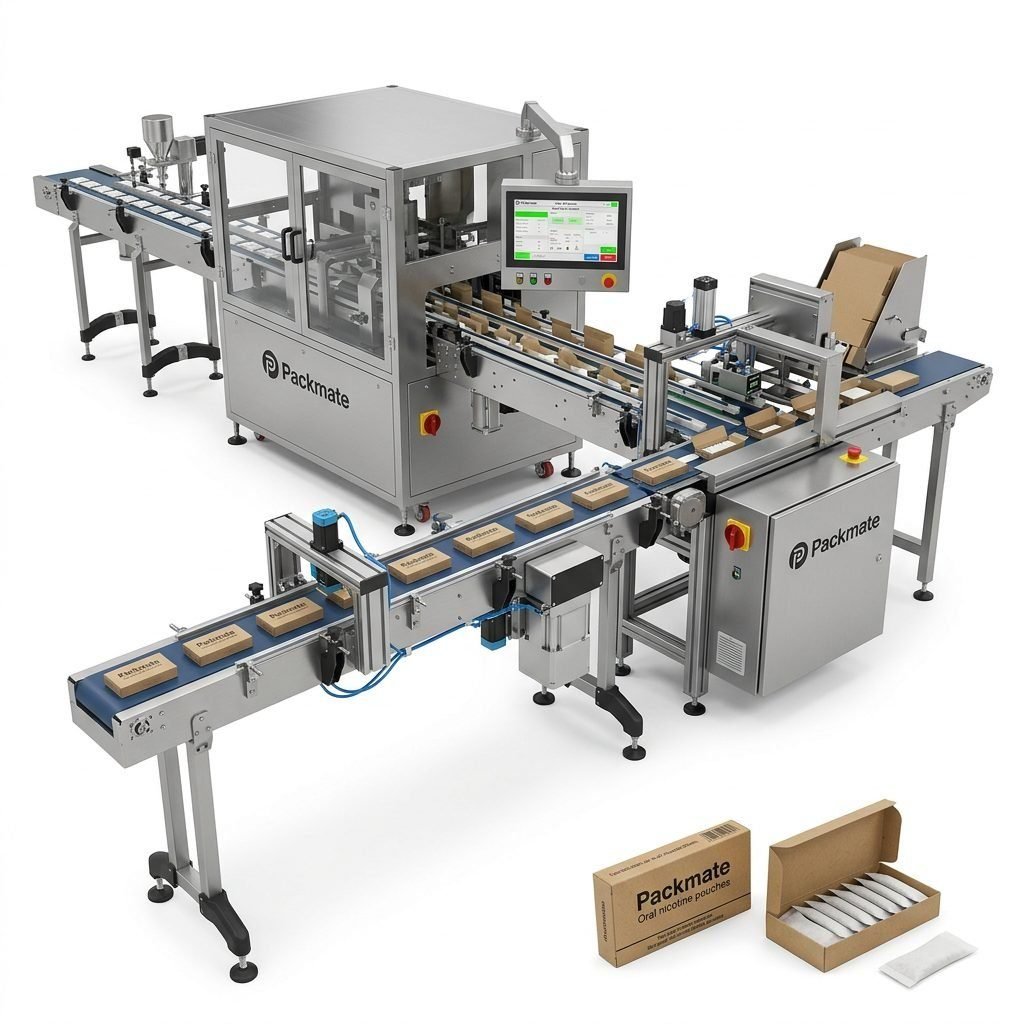
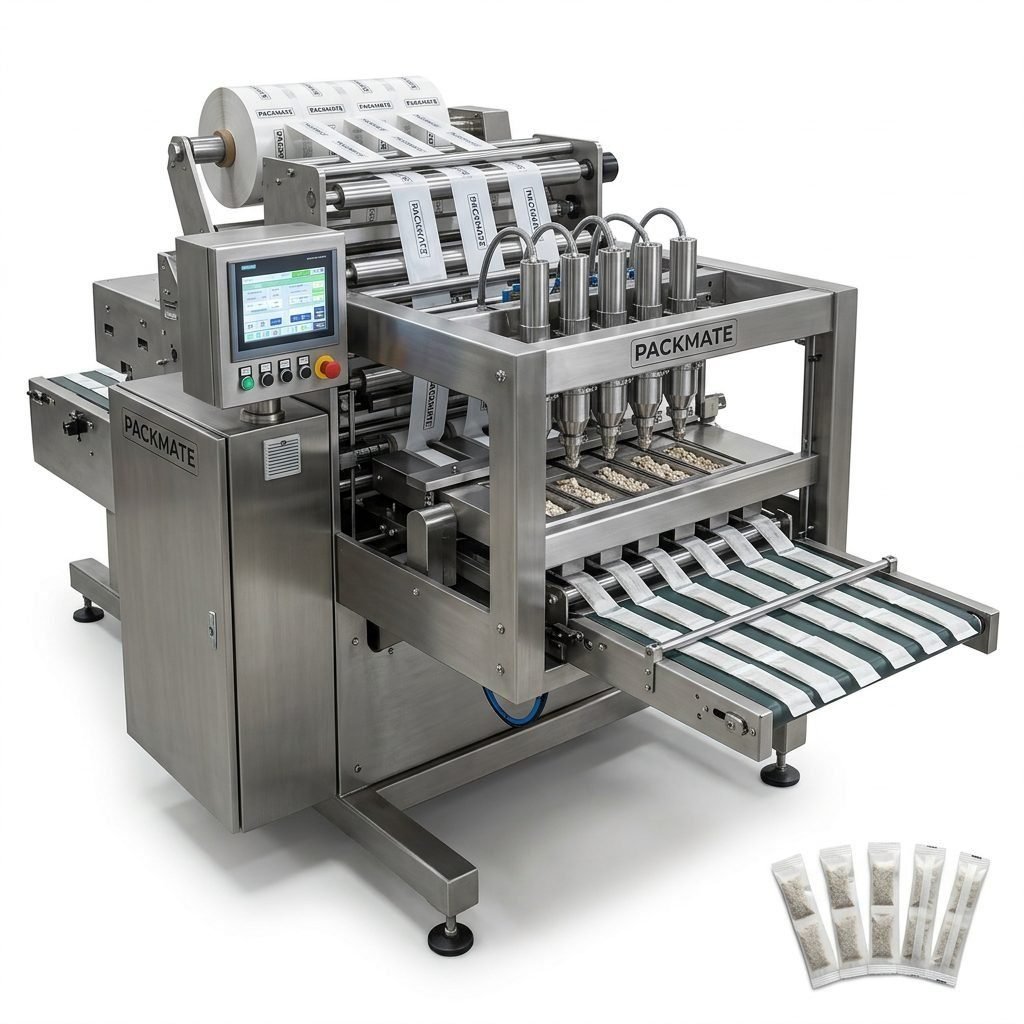
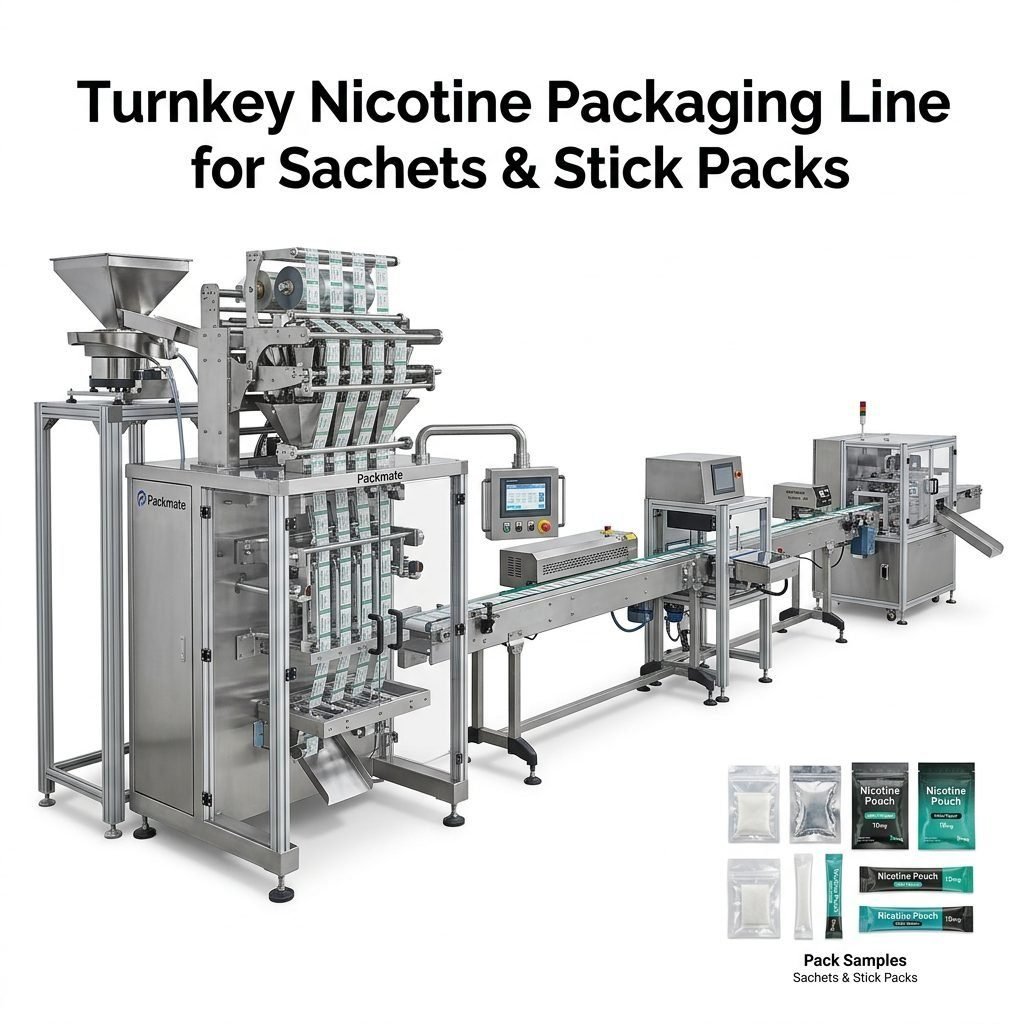
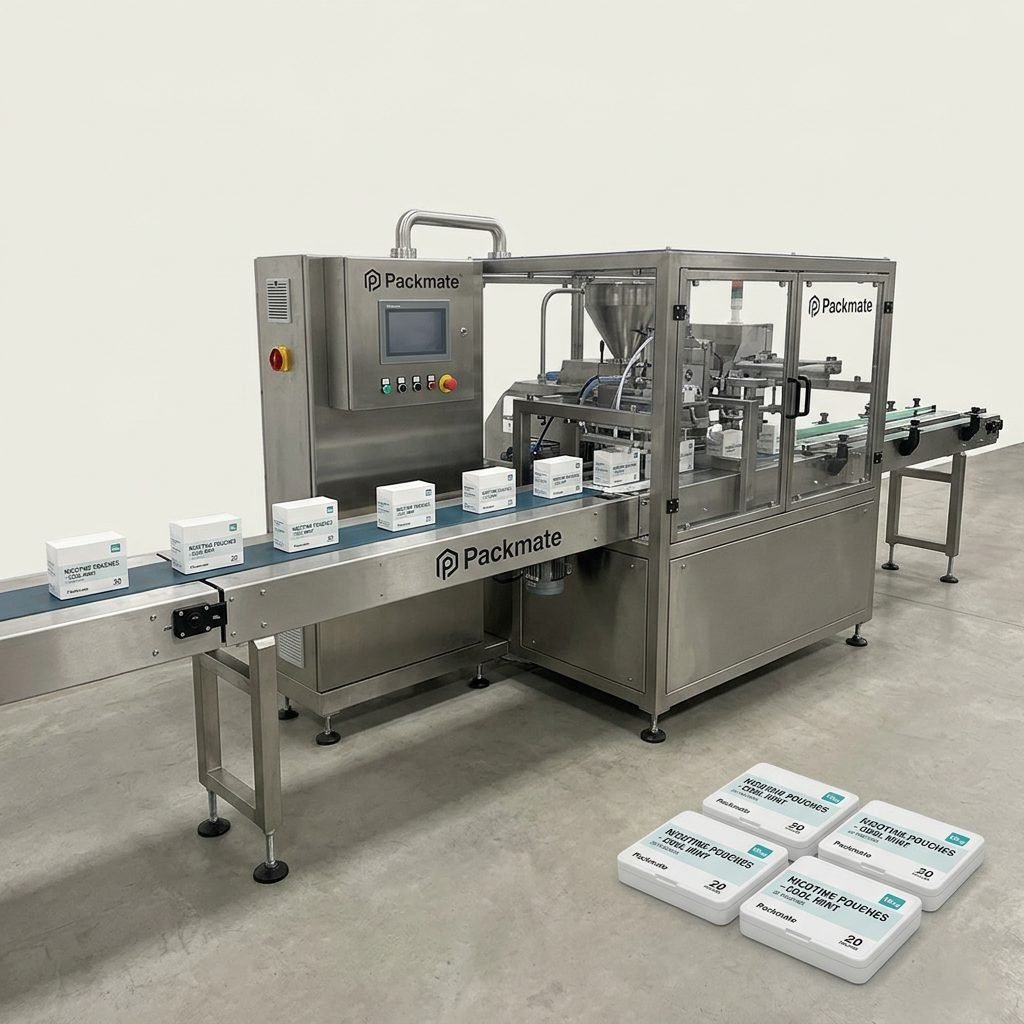
Preventive maintenance for snus and nicotine pouch packing machines is not optional — it’s essential. A well-structured maintenance program reduces unplanned downtime, protects product quality, and extends the working life of critical components. This guide condenses decades of packaging engineering practice into actionable steps for operators, maintenance teams, and plant managers running high-speed snus packing lines.
Why preventive maintenance matters for snus machines
Modern snus packaging systems combine mechanical, pneumatic, and electronic subsystems. When any one element drifts out of specification, you risk product waste, downtime, and regulatory non‑conformances. A preventative approach focuses on routine inspections, targeted replacement schedules, and staff training to detect early signs of failure and correct them before they escalate.
Core objectives of a preventive program
✓ Reduce unplanned downtime: planned maintenance windows are less disruptive and easier to staff.
✓ Extend equipment life: replacing wear parts on a schedule reduces stress on adjacent components.
✓ Protect product quality and compliance: accurate filling and sealing are critical for snus and nicotine pouches.
Daily maintenance checklist (operators)
A short, consistent daily routine performed by line operators prevents most minor stoppages and helps maintenance prioritize deeper inspections. Keep the daily checklist visible near the control panel.
⚙️ Visual inspection of conveyor belts and guides: look for fraying, debris, or misalignment.
🔧 Check seals and heat‑sealing bars for residue buildup and correct temperature readouts.
🔎 Verify sensor alignment and photo-eye cleanliness to avoid indexing errors.
🧰 Ensure emergency stops and safety gates are functioning; record any triggered events.
💧 Quick lubrication points: apply a measured amount of food‑grade lubricant where the manual specifies.
Weekly and monthly preventive tasks
These procedures require more time and may need a maintenance specialist. Weekly tasks often focus on adjustment and cleaning; monthly tasks cover calibration and parts inspection.
• Check drive chain/belt tension and sprocket wear; replace when elongation or tooth damage is detected.
• Inspect pneumatic fittings and hoses for leaks; maintain required compressed air quality and dryness.
• Clean or replace optical sensors and encoders to ensure consistent registration.
• Verify filling accuracy across lanes and perform multi-point calibration on weighing systems (Weighing & Packaging Systems).
• Check heater cartridges, thermocouples and PID controllers; adjust setpoints if product sealing shows defects.
Lubrication and consumables: best practices
Proper lubrication reduces friction and wear. Use only manufacturer‑recommended lubricants and follow the specified intervals. Over‑lubrication can attract dust and cause slippage, while under‑lubrication increases component stress.
Keep a log with the type of grease, application points, and the person responsible. For snus lines, prefer food‑safe (H1/H2) lubricants where incidental contact is possible.
Electrical & control system maintenance
Control cabinets should be inspected for dust accumulation, cable strain, and loose terminals. A periodic thermal scan can reveal hotspots indicative of electrical overloads or loose connections.
🔌 Tighten terminal blocks and inspect fuses/circuit breakers.
🧭 Update PLC backups and keep a revision log of HMI recipes.
⚠️ Replace worn cable glands and verify proper grounding and noise filtering on motor drives.
Calibration & accuracy checks
For nicotine pouch packing, dosing accuracy is a major quality criterion. Implement a calibration routine that covers multi‑lane balance, scale linearity, and volumetric or auger feeder settings. Document adjustments and maintain calibration certificates where regulatory traceability is required.
Spare parts strategy
Maintain a small inventory of high‑wear items: belts, cutters, sealing bars, heaters, bearings, sensors, and critical fasteners. Use OEM parts for lifetime and performance consistency; Packmate’s factory manufacturing standards (CE/ISO) mean genuine parts match original tolerances.
For procurement support or case studies about spare parts and retrofit kits, see Service and Case.
Troubleshooting common issues
Quickly isolating faults reduces lost production. Below are frequent symptoms, probable causes, and straightforward fixes.
⚠️ Symptom: Inconsistent pouch weight across lanes — Check: feeder calibration, clogged nozzles, uneven hopper feed. Action: run a multi‑point scale check and balance feed rates.
🔧 Symptom: Seal wrinkles or non‑seal — Check: sealing bar temperature uniformity, silicone pad wear, film tension. Action: clean and reset PID controllers, replace worn pads, adjust film path.
🔎 Symptom: Indexing errors or missed seals — Check: encoder wiring, loose pulleys, faulty photoeyes. Action: re‑tighten encoder connectors, realign sensors, inspect belts and sprockets.
🔋 Symptom: Motor overload trips — Check: mechanical bind, worn gearboxes, incorrect tension. Action: inspect mechanical drives, measure motor current and compare to nameplate specs.
Creating a preventive maintenance schedule
Start by compiling machine OEM recommendations and complement them with plant experience. A practical schedule has three layers:
• Daily operator checks (quick visual & functional tests).
• Weekly technician tasks (adjustments, lubrication, sensor cleaning).
• Monthly/quarterly deep checks (calibration, electrical tests, major component inspection).
Use a digital log or CMMS to track tasks, assign ownership, and hold teams accountable. Important records include downtime causes, corrective actions, and part replacements. These records help refine intervals and reveal recurring failure modes that can be engineered out.
Operator & maintenance staff training
Well-trained staff are the first line of defense. Training should include daily checks, lockout/tagout procedures, basic electrical safety, and simple troubleshooting. Packmate provides training resources and on‑site commissioning support to accelerate operator competence — learn more at About Packmate.
Documentation and safety
Keep machine manuals, electrical prints, and parts lists accessible. Safety procedures must be visible and reinforced during shift handovers. Ensure PPE, emergency stops, and interlocks are checked at the start of every shift.
Key performance indicators (KPIs) to track
Track these KPIs to measure the preventive maintenance program’s impact:
• Overall Equipment Effectiveness (OEE)
• Mean Time Between Failures (MTBF)
• Mean Time To Repair (MTTR)
• Planned maintenance vs. unplanned downtime ratio
Retrofitting and upgrades
Older machines can often be upgraded with modern controls, better servo drives, or improved dosing modules to regain lost accuracy and reduce maintenance headaches. Consult engineering partners for turnkey retrofit options — see our Snus & Nicotine Packaging Machines and Sachet & Stick Pack Machines portfolios for compatible upgrade modules.
Working with your machine supplier
A strong supplier relationship shortens repair cycles and helps secure critical spares. Choose a manufacturer with documented quality systems (CE, ISO) and global service capability. Packmate’s 30+ years of packaging experience and a 20,000㎡ facility provide an established supply chain for parts, upgrades, and technical support — contact details can be found at Contact Us.
Checklist: start-up before production
• Confirm all guards and safety interlocks are engaged.
• Verify recipe settings and lane balances in HMI.
• Run a dry cycle to confirm indexing, sealing, and ejecting actions.
• Record initial weight samples for first‑article verification.
Preventive maintenance is an investment that quickly pays back in reduced downtime, higher product yield, and longer equipment life. When applied consistently across people, parts, and processes, it turns frequent firefighting into predictable, controllable production.
Frequently Asked Questions
Q1: How often should I replace sealing bars and heaters?
Sealing bars and heater elements typically show wear based on runtime and product film. Inspect monthly for even heat distribution and replace when sealing quality degrades. Keep at least one spare heater cartridge per machine lane.
Q2: Can we perform preventive maintenance during short production windows?
Yes. Organize tasks into short, standardized routines that can be completed between batches. Reserve deeper tasks for planned maintenance days and use a CMMS to schedule and document interventions.
Q3: What spare parts are most critical to stock for snus lines?
Prioritize belts, cutter blades, sealing pads, temperature sensors, bearings, and essential sensors. OEM parts ensure tolerance and performance alignment, minimizing adjustment time after replacement.
Q4: How can we reduce cross‑contamination risks during maintenance?
Follow GMP cleaning procedures, lockout/tagout, and use food‑grade lubricants. Train staff on hygiene and document cleaning steps after any intervention that contacts product zones.
Q5: Where can I find manufacturer support and parts?
Contact your machine supplier’s service portal or distributor. For Packmate resources, spare parts, and service options, visit Service and browse our product lines at Snus & Nicotine Packaging Machines.