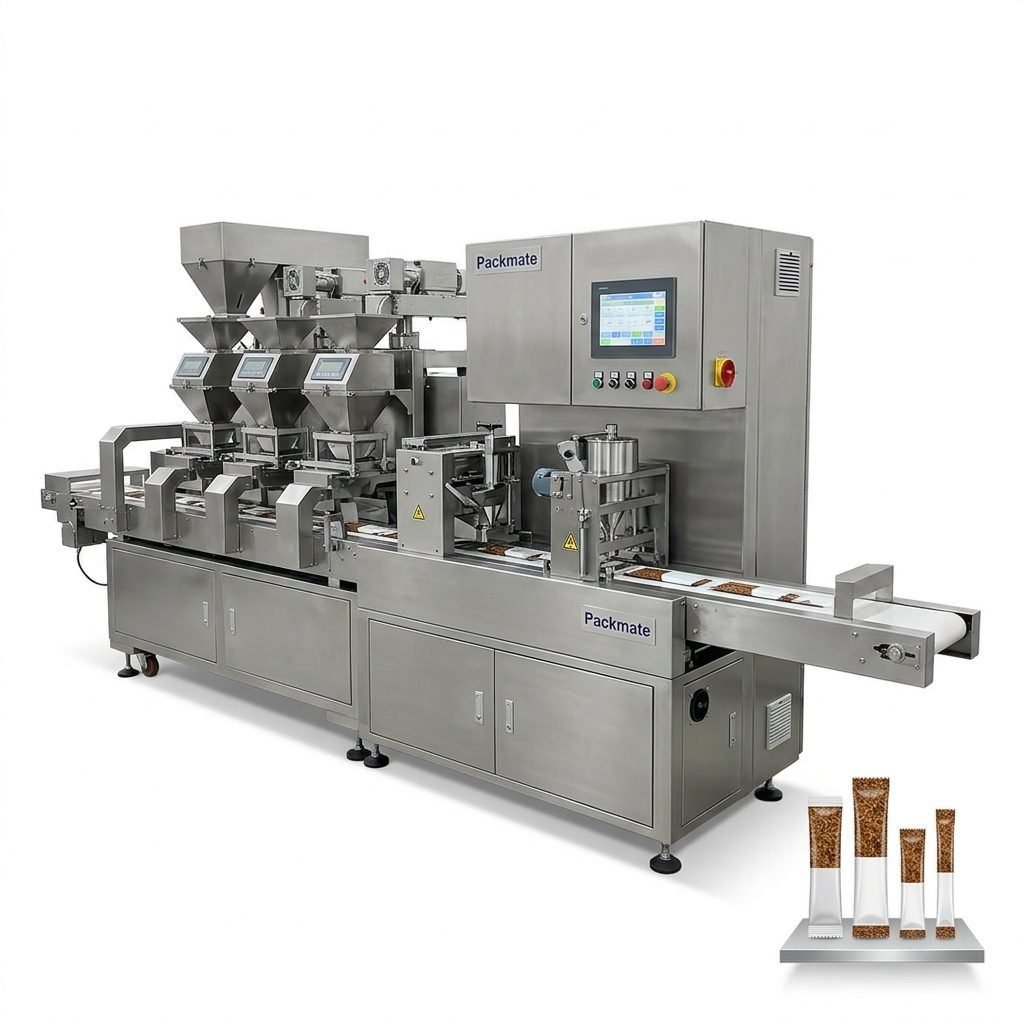
Choosing the right snus packaging machine in the Dominican Republic requires more than just comparing speeds and prices. You must weigh climate factors, local regulatory requirements, consumer preferences, supply chain realities, and long-term service support. This guide walks you through practical steps and decision points so you can select a machine that delivers consistent quality, low downtime, and the packaging performance your brand needs.
Understand the Dominican market and local habits
The Dominican Republic is a tropical, humid market with a growing interest in modern nicotine products among urban consumers. While traditional forms of tobacco still exist, nicotine pouches and smokeless alternatives are gradually gaining attention among younger, mobile-first customers. Spanish-language labeling, clear ingredient disclosure, and compact, travel-friendly formats are important in local retail channels — convenience stores, kiosks, and duty-free shops near tourism hubs.
Practical implications for packaging
Because of heat and humidity, packaging must prioritize barrier properties and robust seals. Lightweight, single-portion pouches that protect against moisture and leakage perform better in the Dominican climate. Fast-moving retail environments require attractive graphics and tamper-evident features, while export-ready lines must support multi-language labeling and secure secondary packaging for shipping.
Major types of snus packaging machines to consider
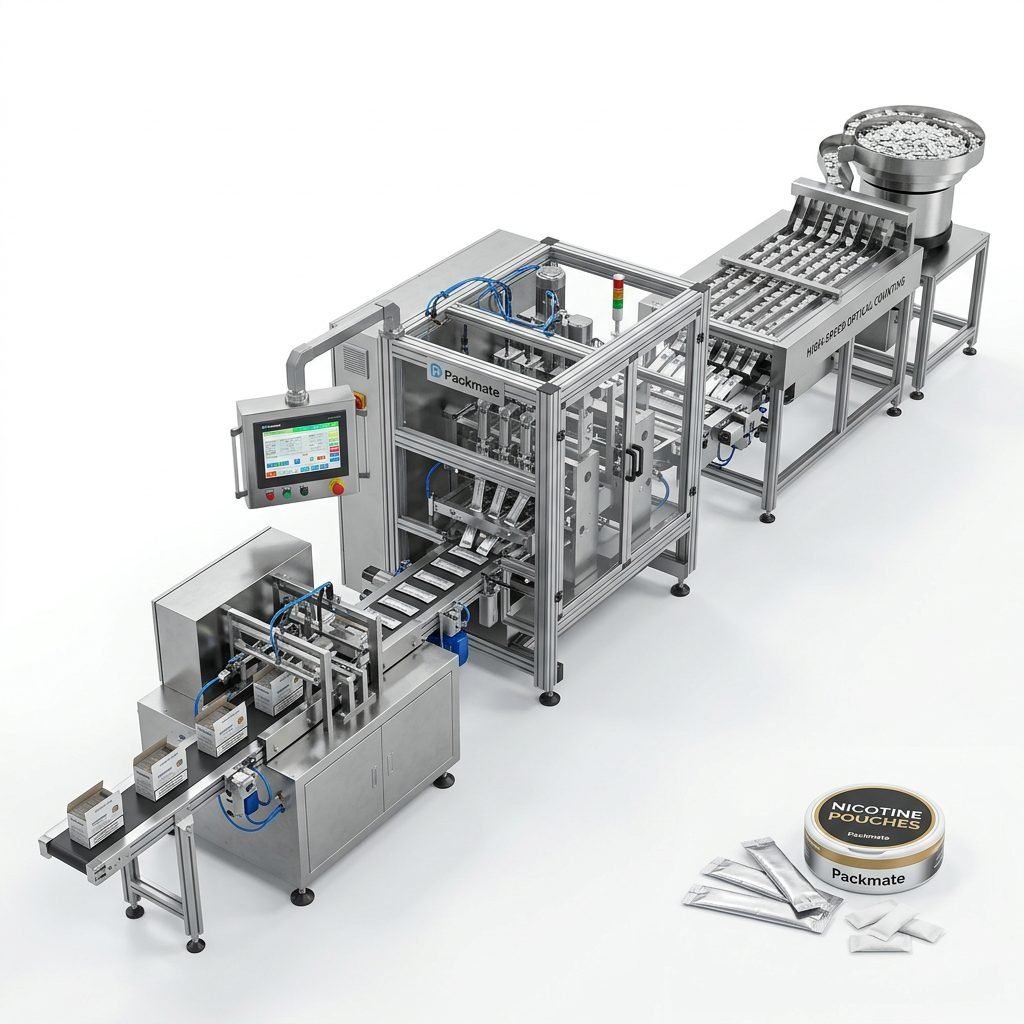
Packaging lines for snus and nicotine pouches range from compact single-lane machines to high-output multi-lane systems. Each serves different production goals:
• Compact single-lane pouch machines: ideal for startups or low-volume production with limited factory footprint.
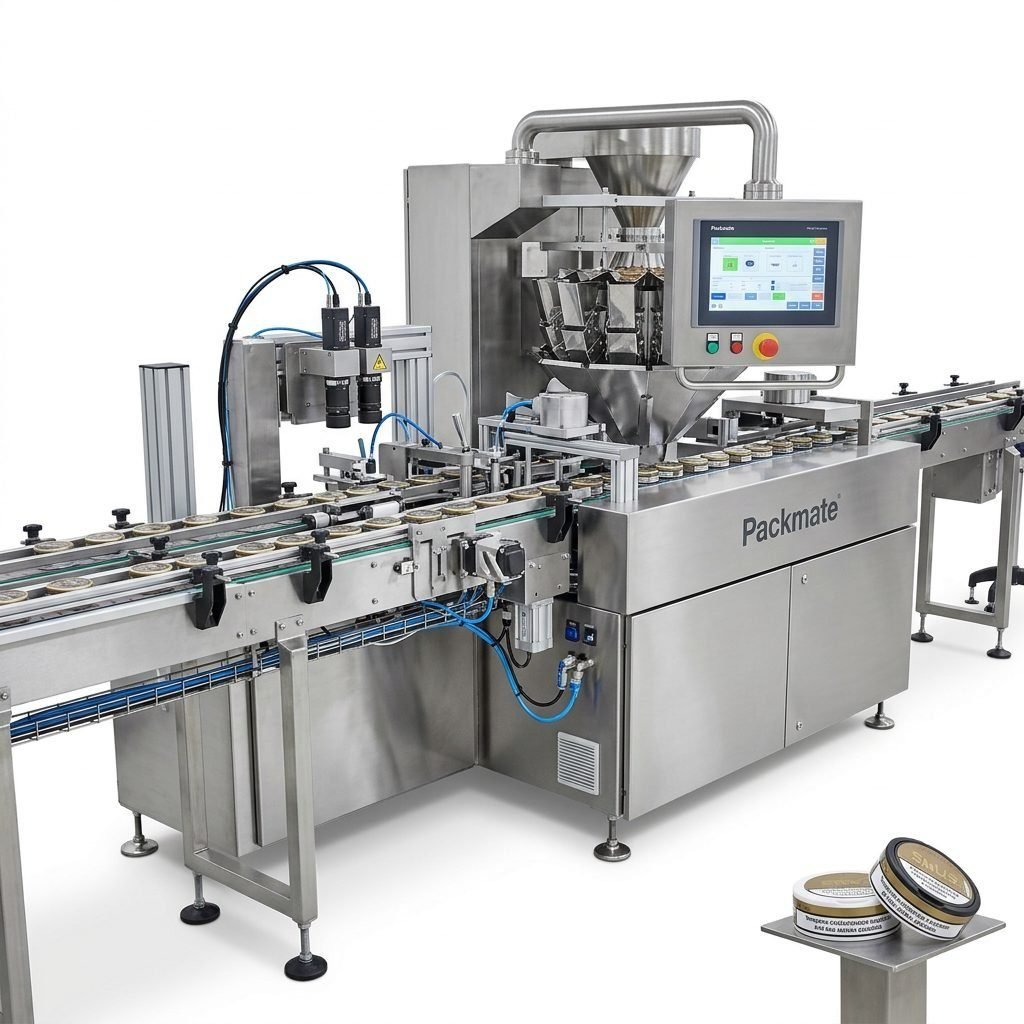
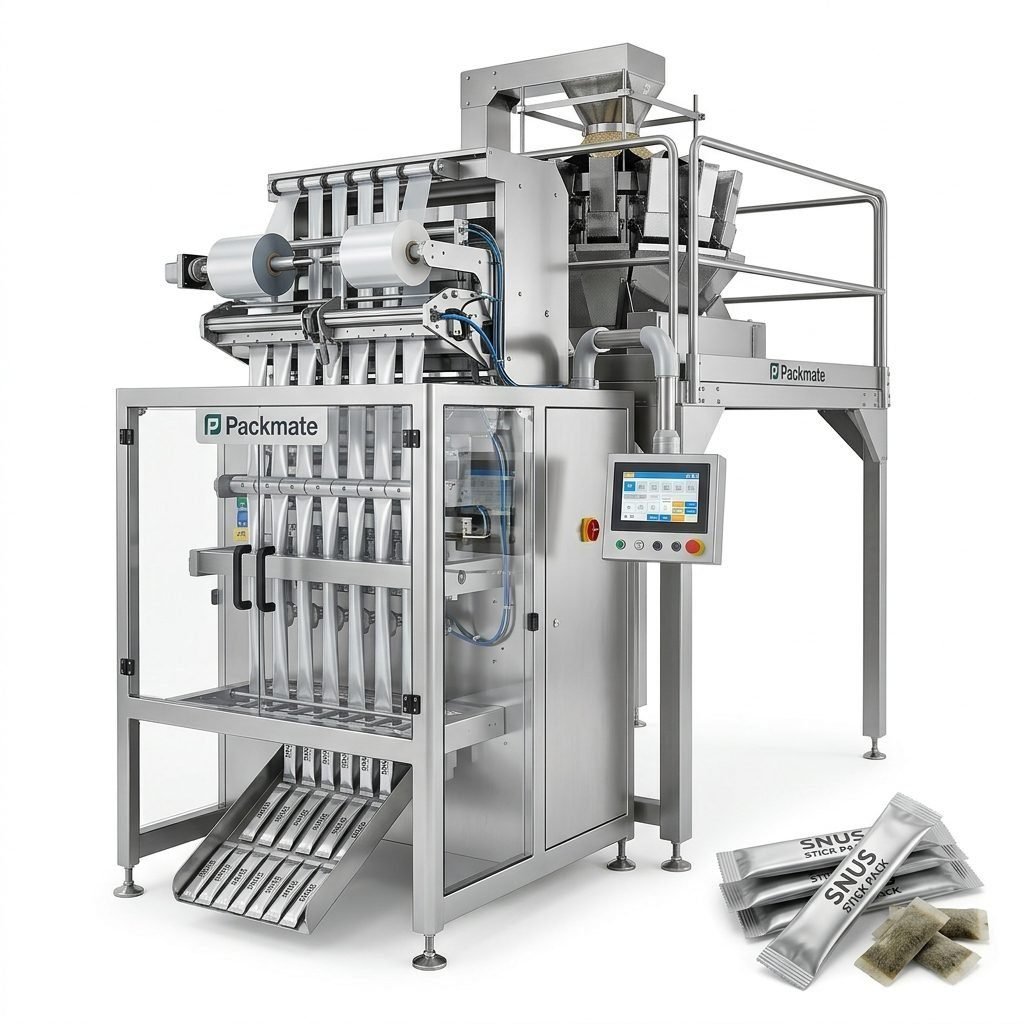
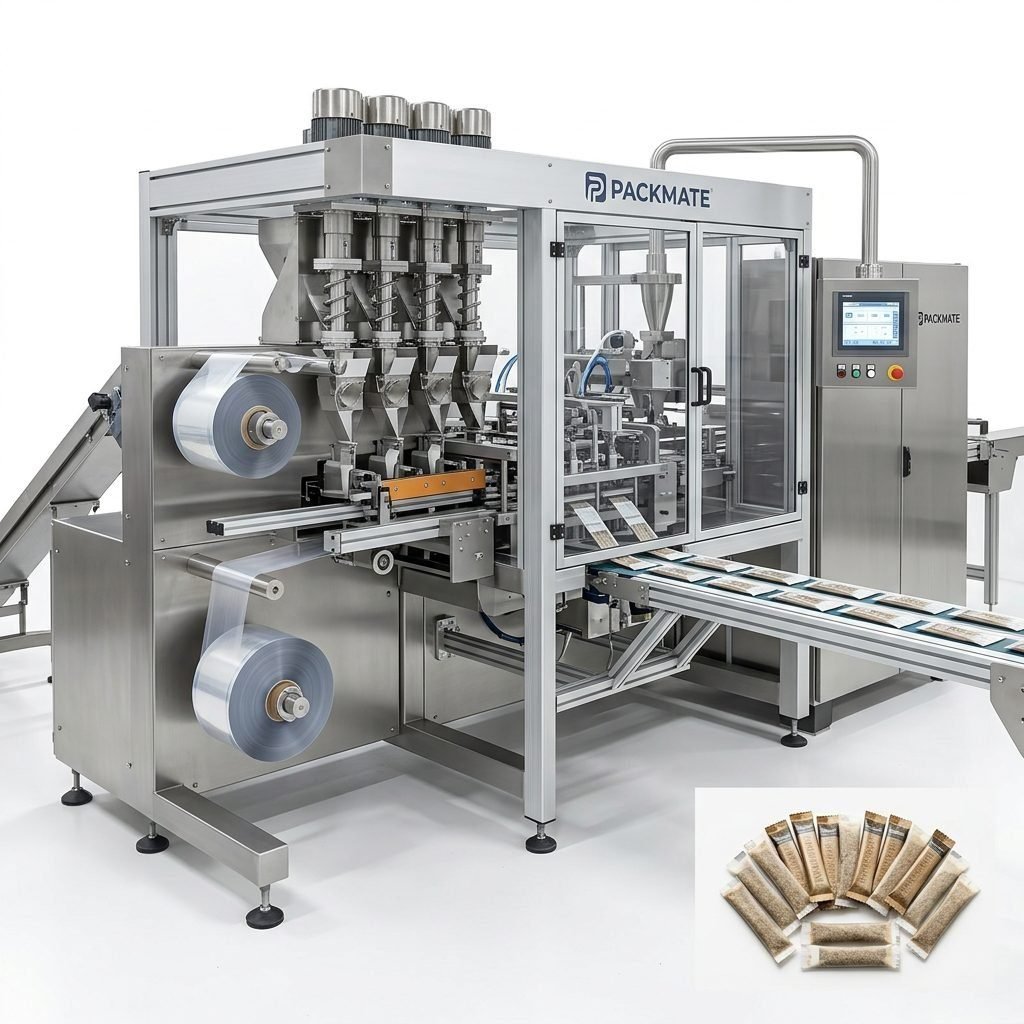
• Multi-lane snus packaging machines: increase throughput without substantial additional floor area — perfect for scaling brands and contract manufacturers.
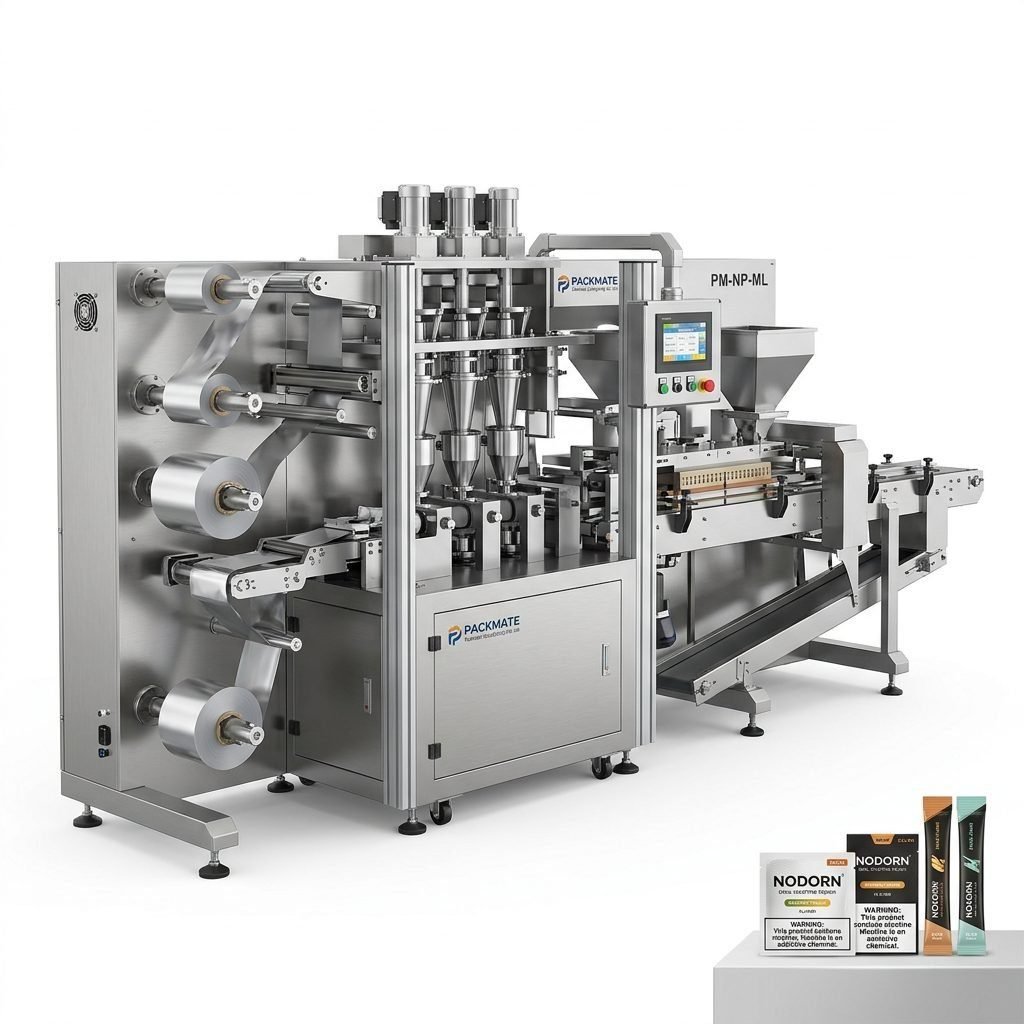
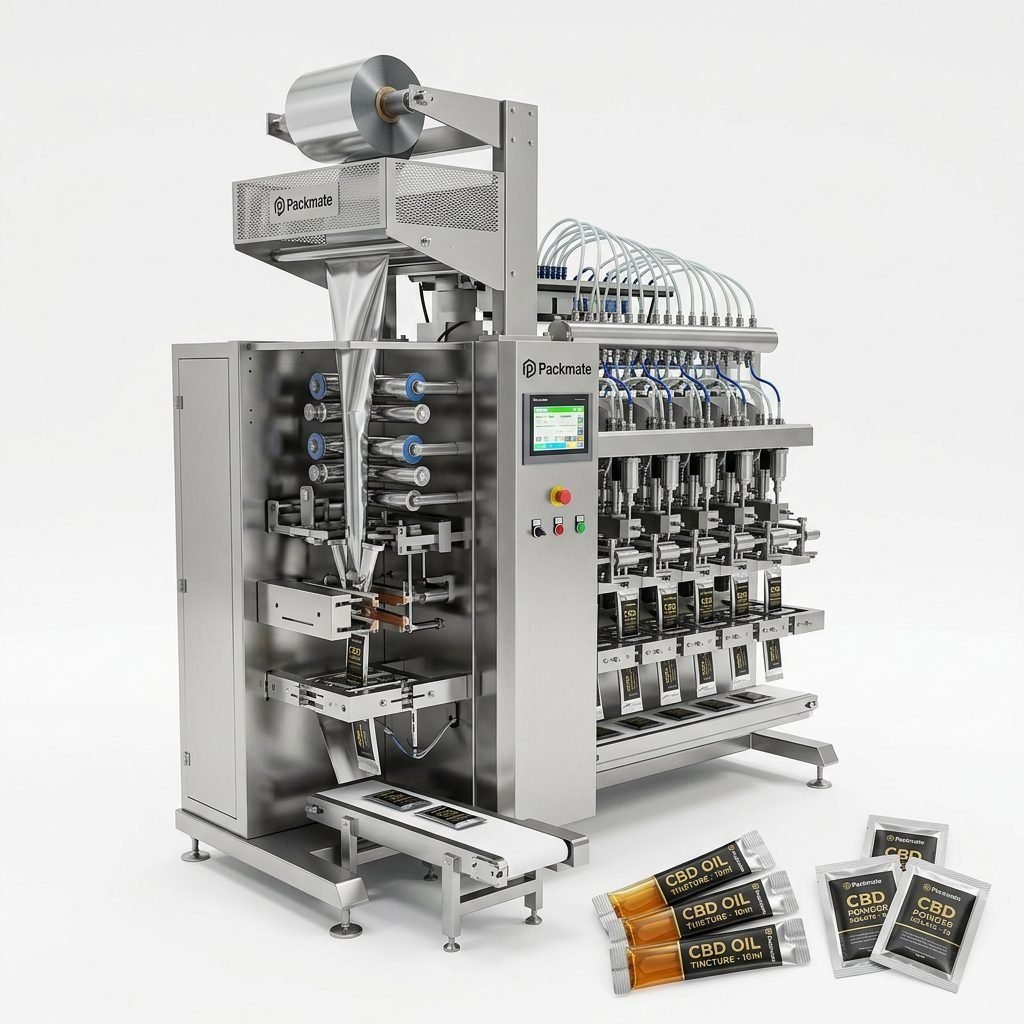
• Sachet & stick-pack formats: for fast, single-portion formats or promotional trial packs.
Quick links to common machine families
Explore product ranges and specifications for each machine type when evaluating suppliers:
Snus & Nicotine Packaging Machines,
Sachet & Stick Pack Machines,
and Bag & Pouch Packaging Machines.
Key technical specifications to evaluate
When comparing machines, focus on specifications that directly impact product quality and operating cost:
Speed & throughput
Select a machine whose rated speed matches your production plan plus a margin for growth. Multi-lane solutions are often a smarter long-term choice for brands expecting rapid volume increases, as they scale output without a linear increase in floor space.
Fill accuracy & dosing systems
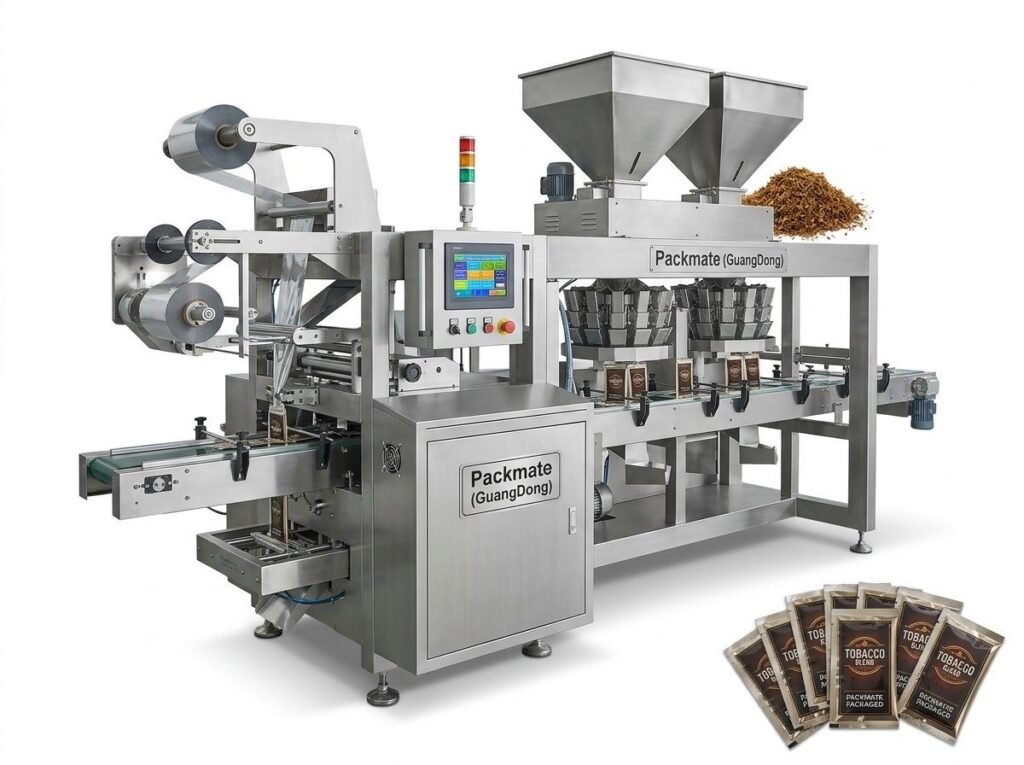
Precision weighers and dosing systems reduce waste and ensure consistent portion size. For low-dose nicotine pouches, high-precision gravimetric or multi-head weighing systems matter a lot. Check if the supplier offers weighing & packaging systems that integrate smoothly with the pouch former.
Sealing & barrier performance
Evaluate seal strength under heat and humidity. Machines that control temperature precisely and support barrier films (aluminum foil, metallized laminates) will protect product integrity in the Dominican environment.
Hygiene, materials, and CIP
Look for stainless-steel construction, hygienic design, and easy-to-clean surfaces. In markets with strict food and pharmaceutical expectations, easy maintenance reduces contamination risk and downtime.
Local regulatory and labeling considerations
The Dominican Republic requires accurate product labeling, health warnings, and compliance with import regulations. Work with legal counsel or a local agent to confirm permitted nicotine levels, required Spanish-language warnings, and barcode/traceability standards. Machines should be able to print or accommodate pre-printed wrappers and flexible label applications.
Climate-driven packaging choices
Tropical heat and high humidity necessitate packaging choices that protect product freshness:
Moisture control: Choose barrier films and consider desiccant inserts or nitrogen flushing for extended shelf life.
Strong seals: Use heat-seal temperature control and quality monitoring to avoid seal failures caused by humidity.
Choosing a reliable supplier and service model
Supplier selection is as important as machine specs. For the Dominican Republic, prioritize partners who provide:
• Proven machines with international certifications (CE, ISO).
• Clear installation, commissioning, and operator training packages.
• Spare parts availability or fast shipping to the Caribbean.
• Local or regional technical support to minimize downtime.
Why Packmate is a practical option
Packmate Snus Machine brings 30+ years of experience, advanced CNC manufacturing, and an extensive model range. If you want to see real production examples, review Packmate’s field implementations and cases to verify reliability:
Case and learn more About Packmate.
Installation, factory layout, and local logistics
Plan installation with local constraints in mind: power stability, floor loading, and humidity control. Shipping to the Dominican Republic may involve port handling and customs clearance; choose a supplier who supports export documentation and can provide training for customs-friendly crate unpacking and assembly.
Site readiness checklist
⚙ Power & utility: Confirm voltage, phase, and stable power with surge protection.
📦 Access & handling: Ensure door widths and overhead clearance match crate sizes.
🌡 Environmental control: Consider air conditioning or dehumidification systems for consistent operation.
Total cost of ownership (TCO) and ROI considerations
Avoid focusing only on the initial price. TCO includes spare parts, consumables (films, printing rolls), maintenance labor, and downtime costs. A slightly higher-capacity, more reliable machine often yields faster ROI by reducing waste and increasing uptime.
Practical ROI tips
– Calculate expected output vs. market demand in the Dominican Republic and nearby export markets.
– Factor in packaging material savings from optimized formats.
– Quantify the cost of production downtime and include local technician training to minimize recovery time.
Testing, validation and pilot runs
Before committing to full production, schedule a factory acceptance test (FAT) or pilot run. Validate fill accuracy, seal integrity, print and label quality, and line speed under simulated Dominican climate conditions. Confirm the supplier offers clear performance guarantees and a service plan.
Common customization options to request
Many buyers require custom features for retail appeal or regulatory compliance. Consider asking for:
• Multi-language print heads and label feeders for Spanish labels.
• Nitrogen flushing modules for extended shelf life.
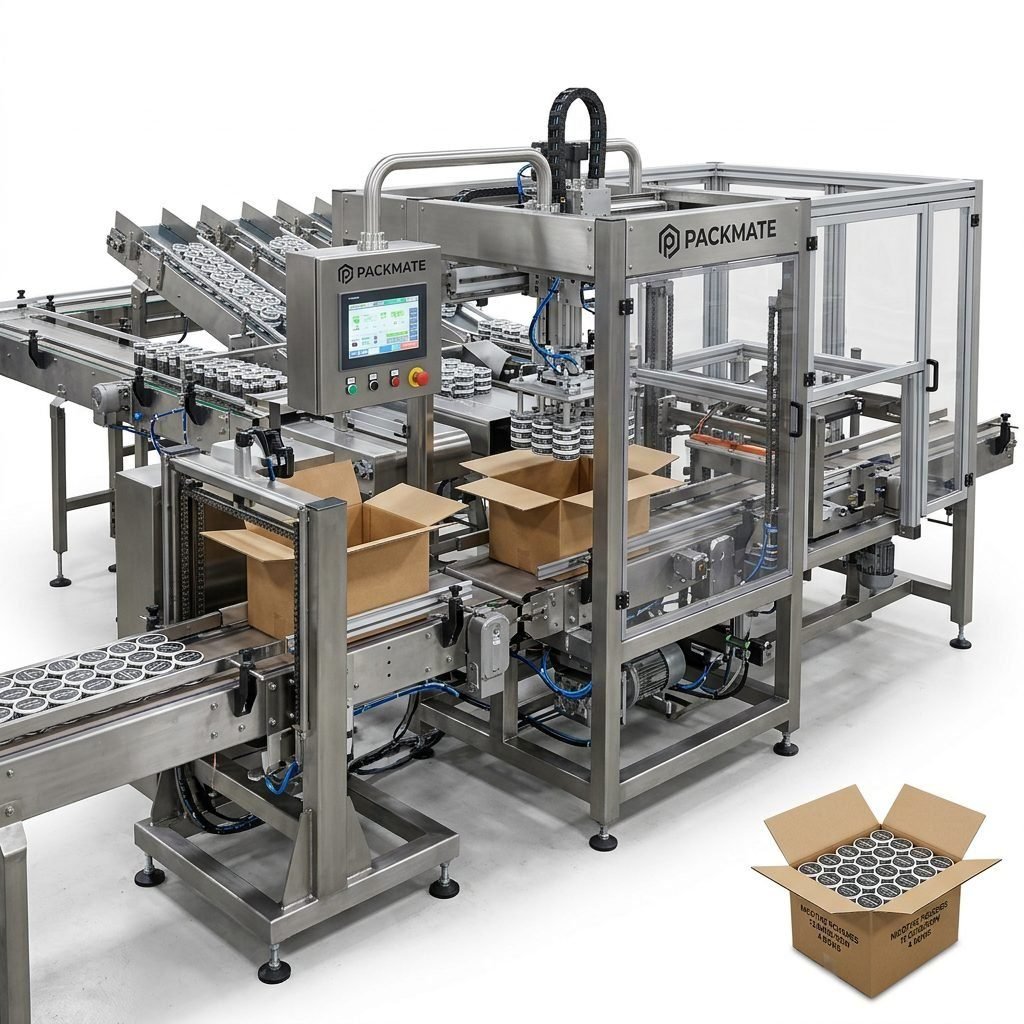
• Multi-lane converters to increase throughput while retaining small footprint.
After-sales service and spare parts strategy
Fast access to spare parts and remote technical support is critical for Caribbean operations. Confirm your supplier provides documented service response times, training for your maintenance team, and a local contact for expedited parts shipping. Check also if maintenance contracts are available and what they include.
For additional support options see the Service and Contact Us pages for supplier outreach.
Checklist: Final decision matrix (compact)
📌 Production capacity vs. growth plan — does the machine scale?
📌 Barrier & seal performance — suitable for tropical climate?
📌 After-sales & parts — local availability and response time?
📌 Regulatory & labeling support — Spanish labels and warnings?
📌 TCO calculation — not just purchase price but maintenance, consumables, and downtime.
Next steps and how to request quotes
Prepare a short technical brief with desired output, pouch format, film structure, and local labeling needs. Share site photos and utility specs with suppliers to get accurate quotes and delivery timelines. If you want to discuss turnkey solutions or factory layout, see Packmate’s equipment offerings and ask for a customized proposal through their product pages:
Filling & Packaging Lines and Weighing & Packaging Systems.
Conclusion
Selecting the best snus packaging machine for the Dominican Republic means balancing climate-ready packaging, regulatory compliance, long-term service, and a realistic growth plan. Prioritize machines with proven sealing performance for humid conditions, flexible labeling and dosing systems, and suppliers who commit to training and spare parts availability in the Caribbean region. Request FATs, check real-world cases, and evaluate total cost of ownership rather than just the purchase price.
Frequently Asked Questions
Q1: What is the most important machine feature for humid climates like the Dominican Republic?
A1: Seal strength and barrier film compatibility. Machines that offer precise temperature control, strong sealing jaws, and support for high-barrier laminates will keep product quality stable in humidity.
Q2: How can I minimize downtime if parts need to be shipped from overseas?
A2: Maintain a stocked list of critical wear parts, choose a supplier with regional shipping experience, and consider a service contract with guaranteed response times.
Q3: Do I need special labeling capabilities for export markets?
A3: Yes. Ensure the line supports multi-language printing/label application and traceability codes (batch, expiry) to meet export and local retail demands.
Q4: Is a multi-lane machine worth the extra investment?
A4: If you expect growth or variable product runs, multi-lane systems deliver higher throughput per square meter and often lower per-unit costs over time.
Q5: Where can I see examples of installed lines and get more information?
A5: Check supplier case studies and product pages for installed examples. For more detailed inquiries, use the supplier’s Contact Us page to request a tailored quote.