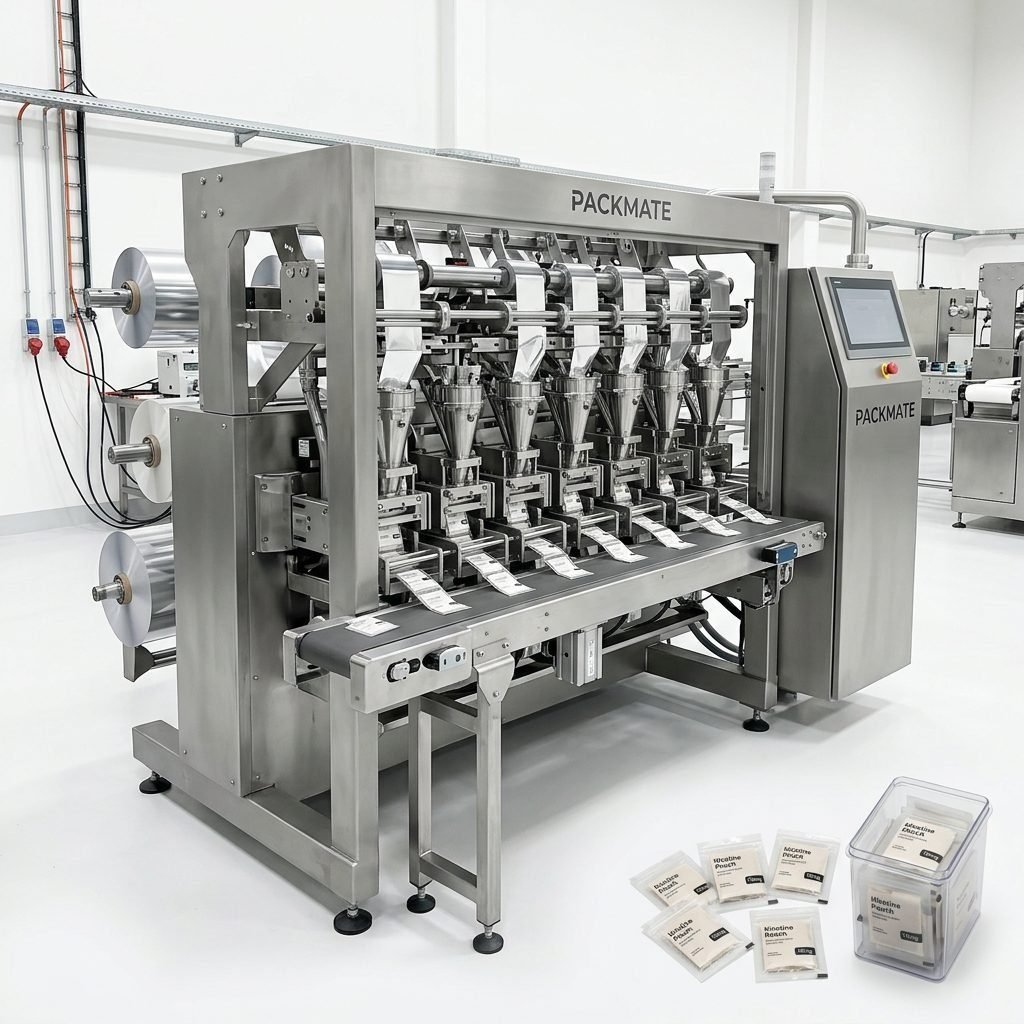
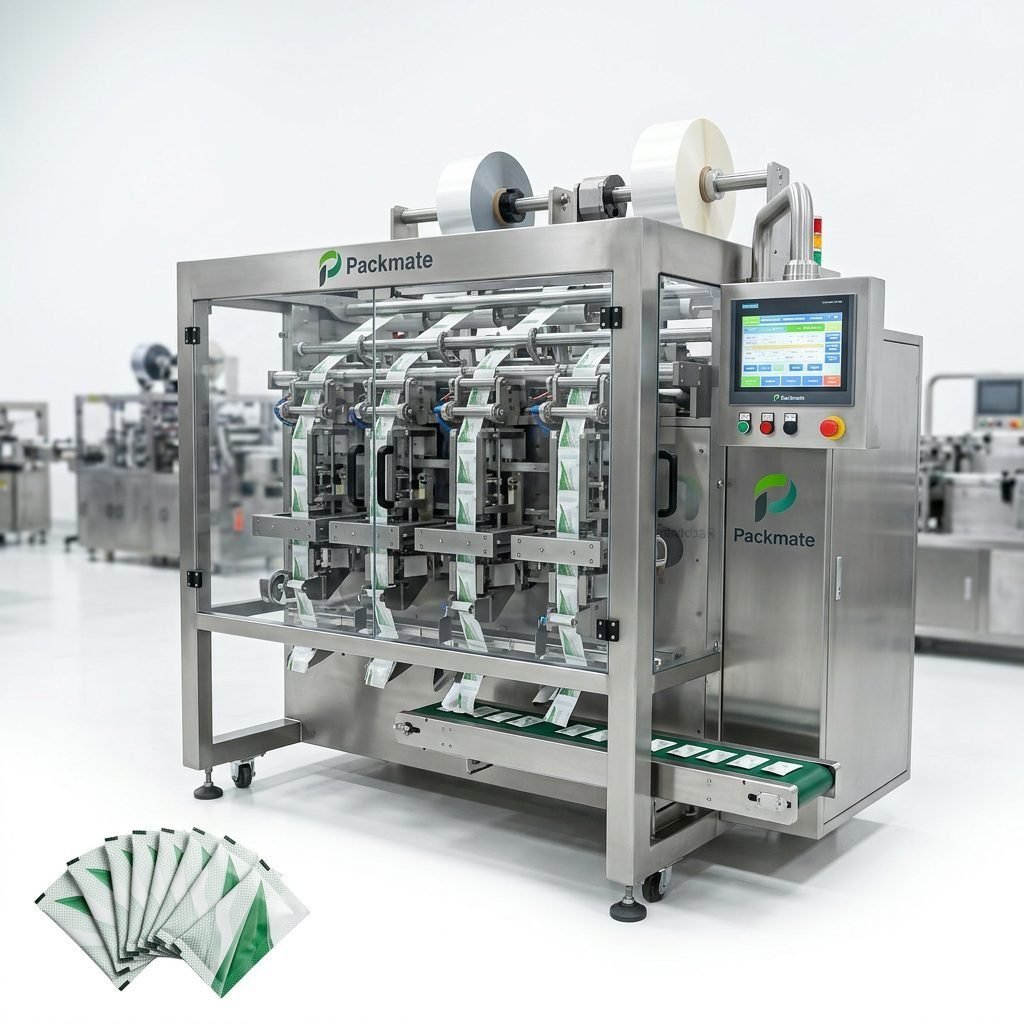
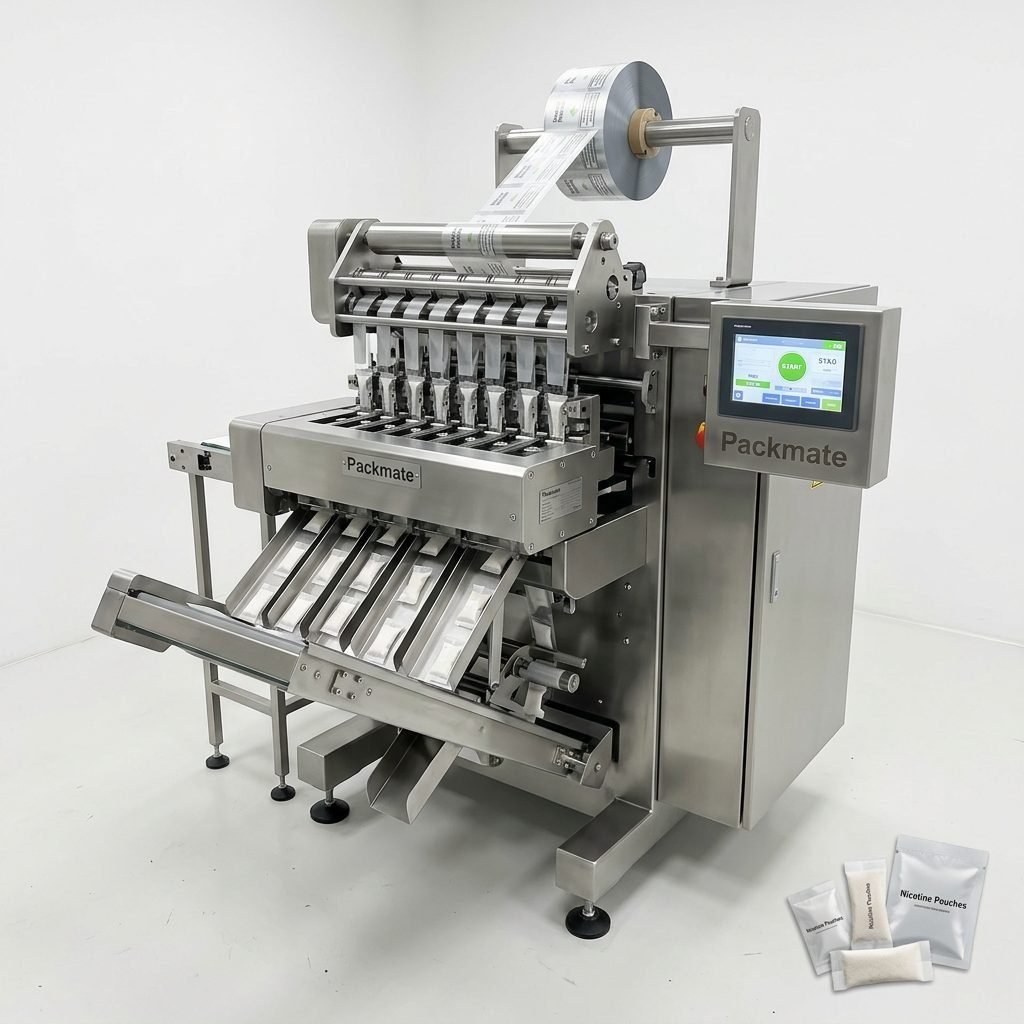
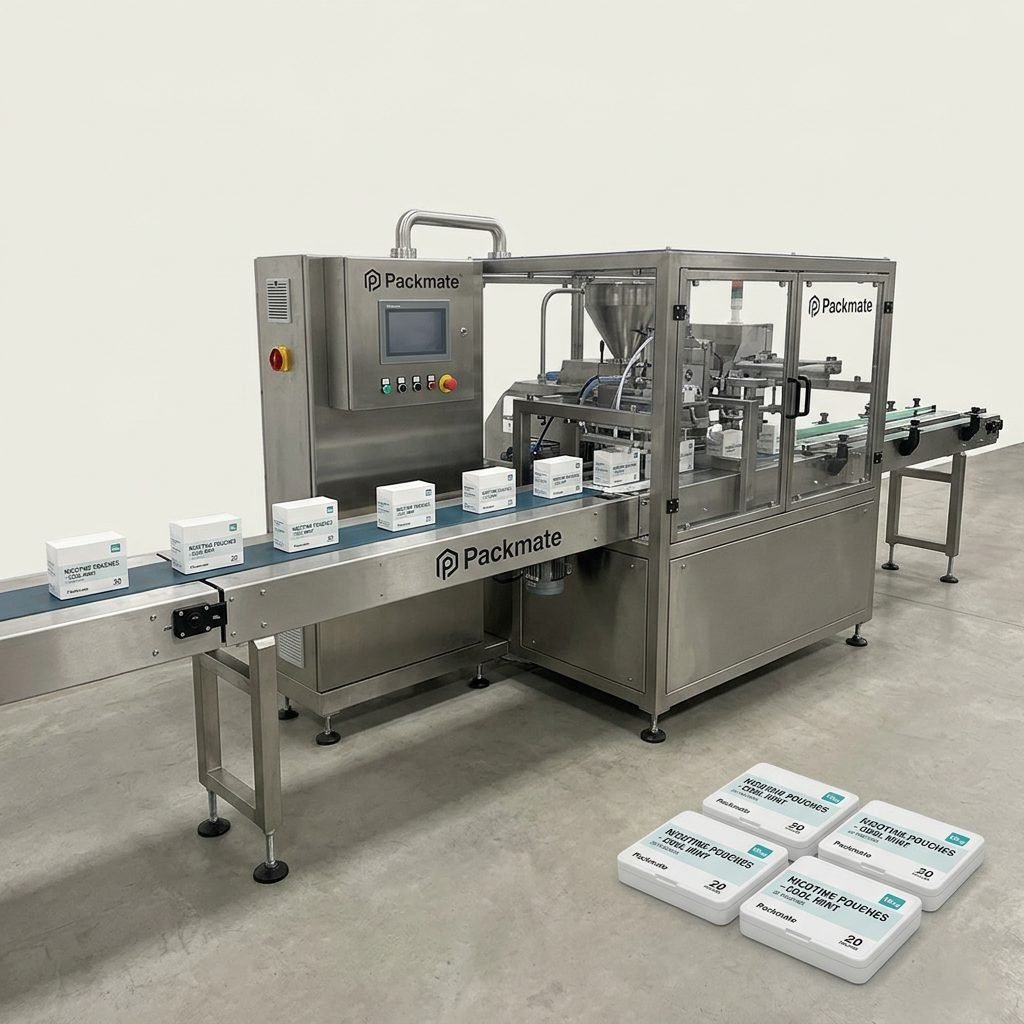
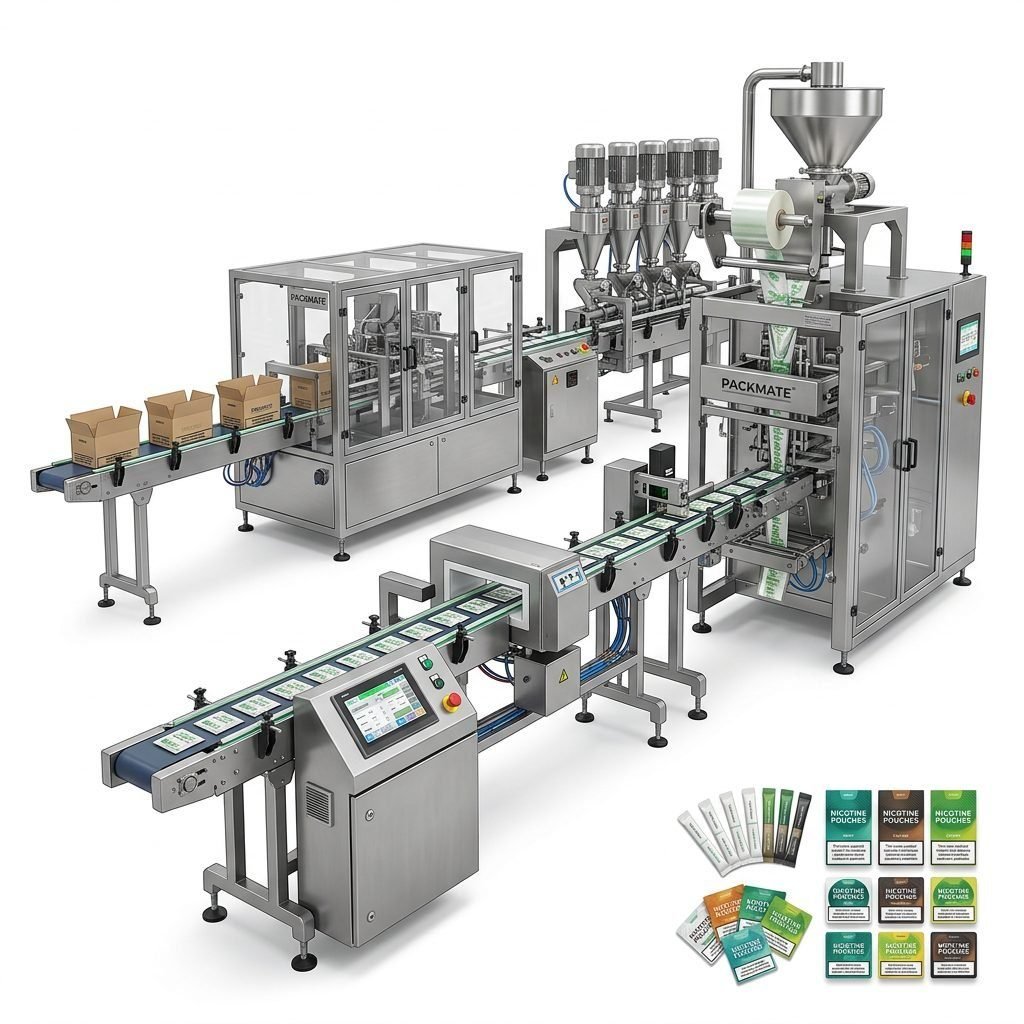
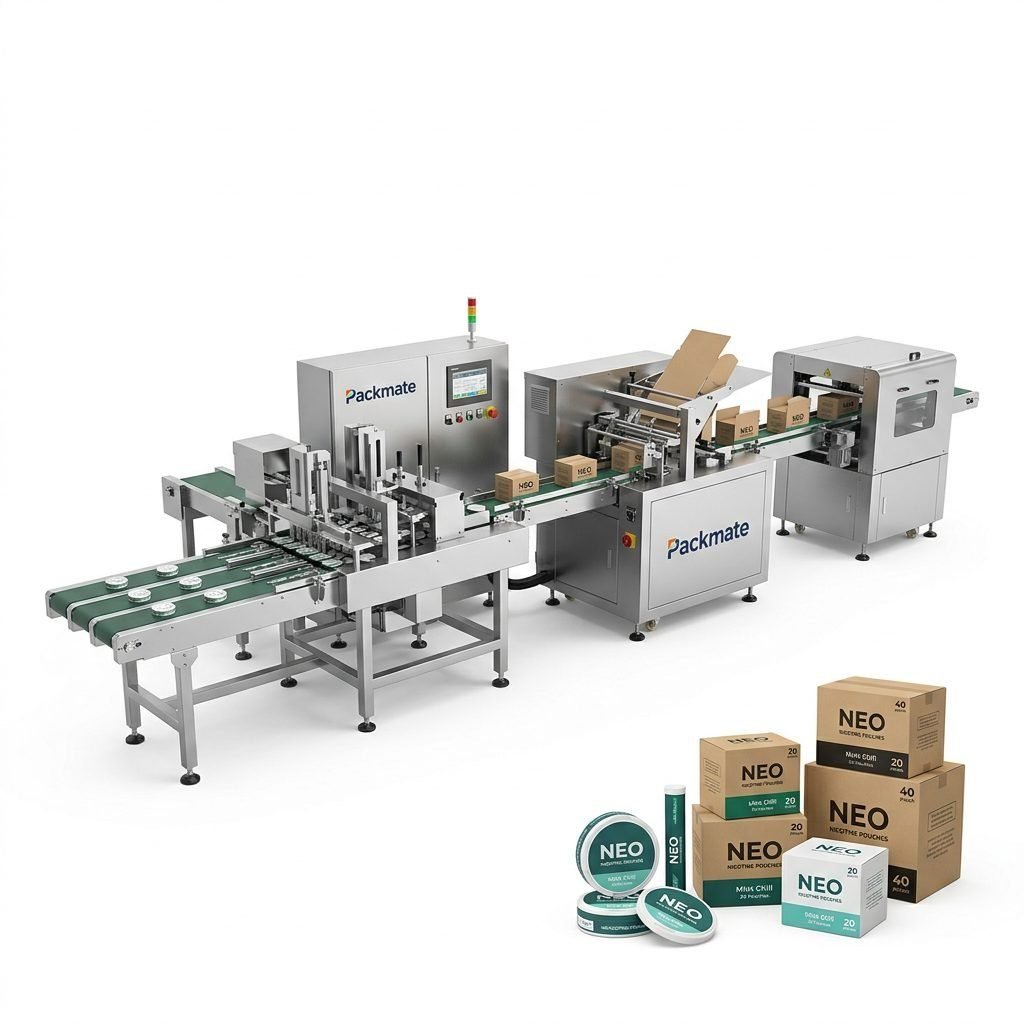
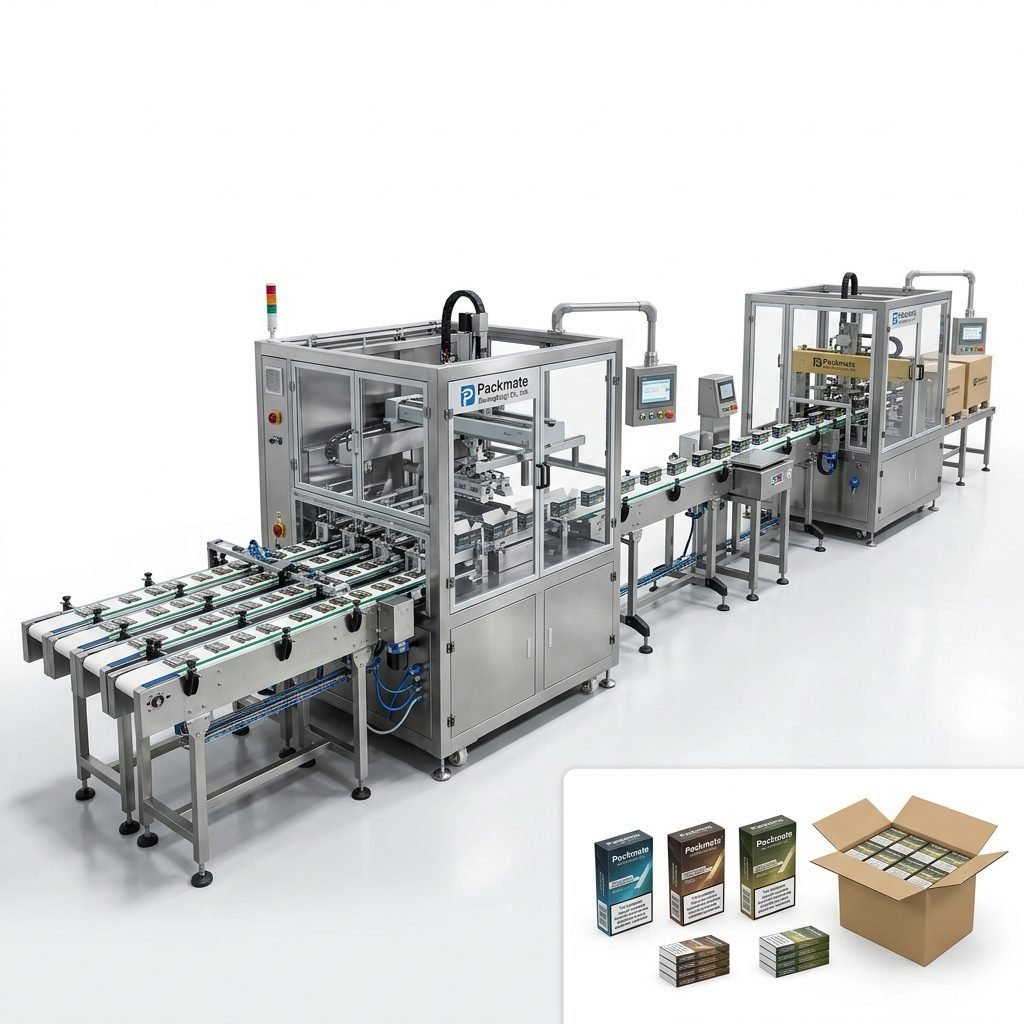
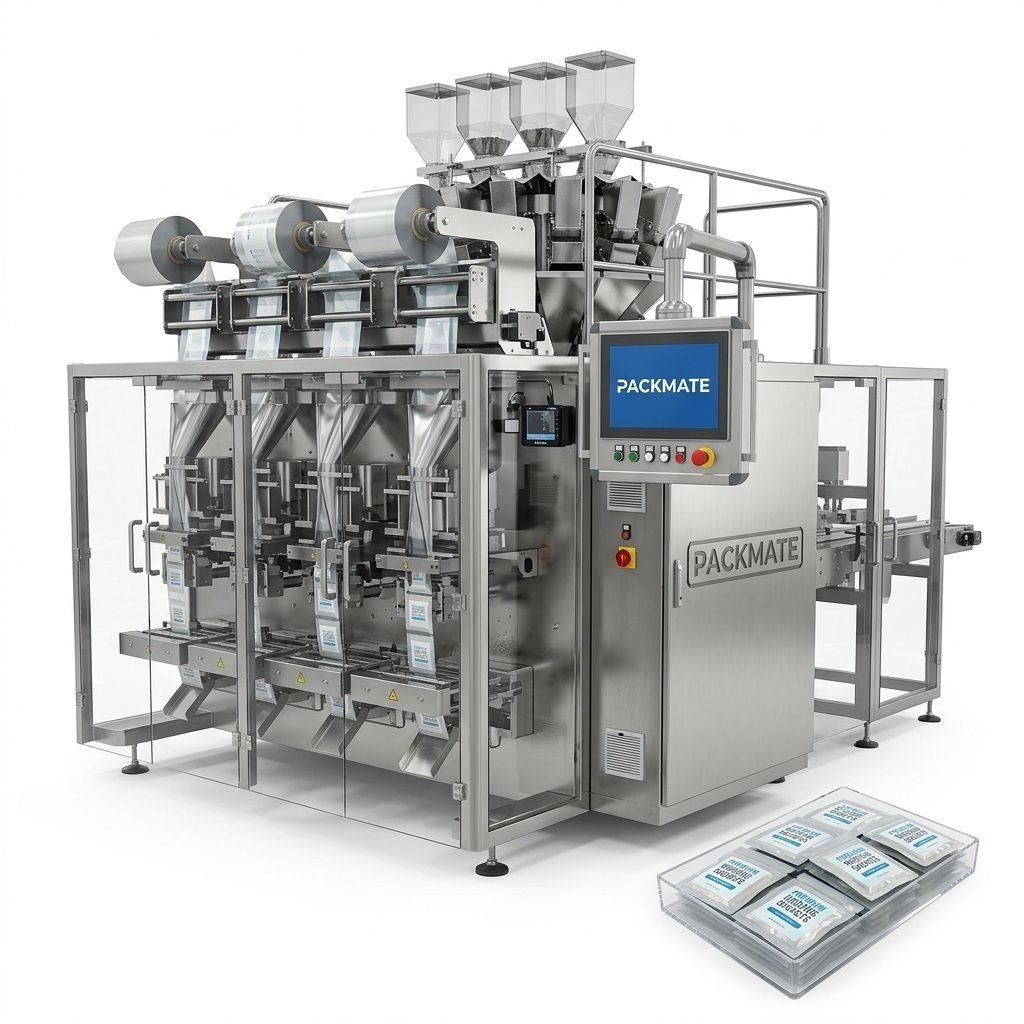
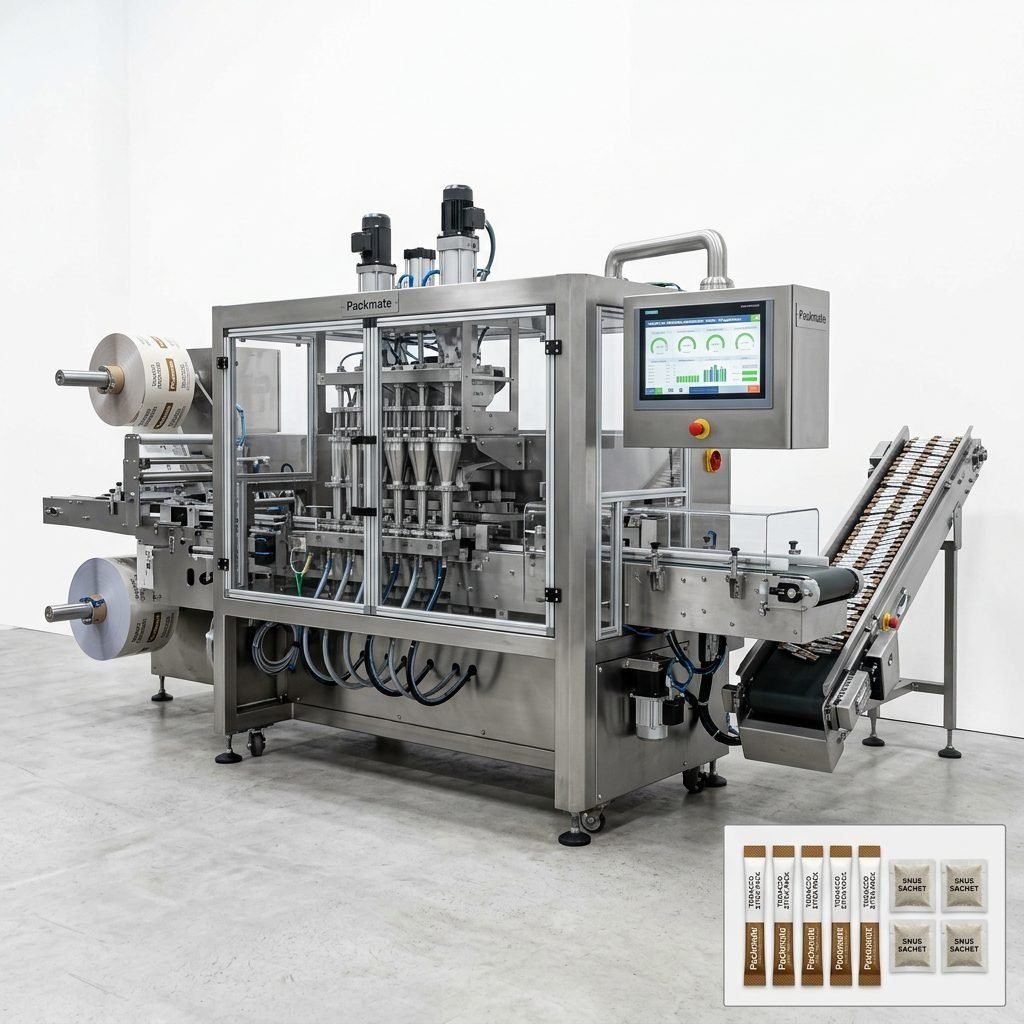
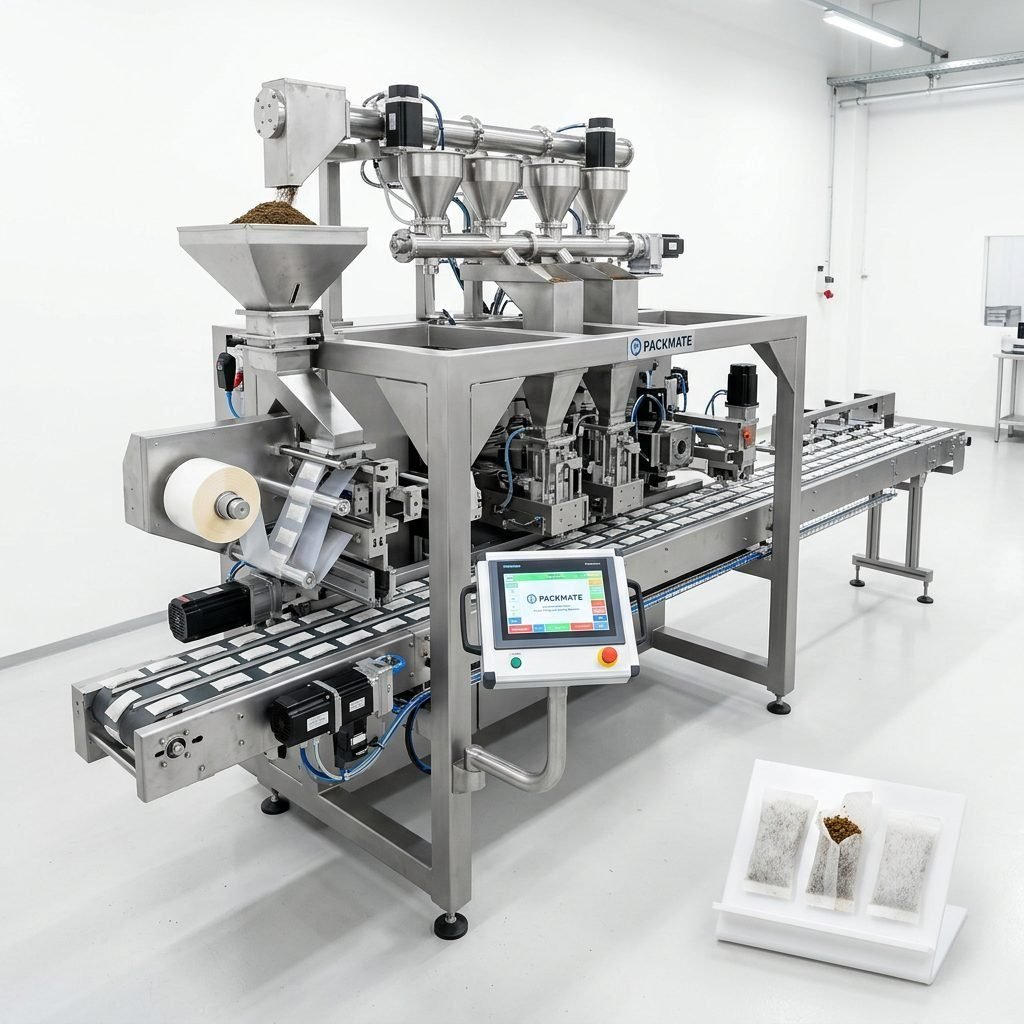
Entering the nicotine pouch and snus market in Thailand requires more than a good product idea — it demands the right packaging partner. Choosing the best nicotine packaging machine supplier will affect production stability, regulatory compliance, cost of ownership, and the speed at which you can scale. This guide walks you through practical, Thailand-specific considerations and a clear checklist to select a supplier that aligns with your business goals.
Why the right supplier matters for your Thai operation
A reliable supplier delivers machines that run consistently, meet international certification standards, and offer timely technical support. In Thailand, where regulatory attention on tobacco and nicotine products can be strict, your supplier must also help ensure packaging processes meet labeling, hygiene, and documentation requirements. Choosing poorly can cause production downtime, fines, or rejected shipments — all of which damage margins and reputation.
Local context: Thai market habits and regulatory realities
Thailand’s consumer preferences and regulatory environment shape how you should select a supplier. Thai buyers value face-to-face relationships, clearly demonstrated reliability, and long-term partnerships. From a practical standpoint, customs procedures, import duties, and local distributor relationships are important. Many businesses also prefer suppliers who can assist with documentation for Thai Food and Drug Administration (TFDA) or related customs paperwork and who can support on-site commissioning and staff training.
Start with capabilities: what a top supplier should offer
Look beyond sales brochures. Evaluate the supplier’s engineering depth, factory size, and range of models to match your production needs. Key capabilities include:
✅ Production breadth: Multiple models (multi-lane, stick pack, sachet) for scaling and format testing.
✅ Engineering experience: Decades of design and continuous improvement that reduce teething issues.
✅ Factory strength: Advanced CNC centers and precision assembly to deliver consistent build quality.
✅ Customization ability: Willingness to adapt machines to local product formats, pouch sizes, and Thai labeling needs.
Key indicator: A supplier with a 20,000㎡ factory and 50+ machine models demonstrates the scale and variety needed to support a growing Thailand operation. Packmate Snus Machine, for example, highlights these strengths and global turnkey experience.
Certifications and international standards
Certification matters for trust and import clearance. Confirm the supplier meets CE, ISO, or other relevant international standards so your equipment will be accepted by Thai authorities and your customers. A certified machine also indicates consistent manufacturing and safety practices.
Technical checklist: machines, automation, and compatibility
When evaluating models, test them against the following technical criteria:
📌 Product flexibility: Support for nicotine pouches, different weights, and multiple pouch formats (stick, sachet, multi-lane). Consider suppliers that list dedicated snus and nicotine solutions, such as those on the Snus & Nicotine Packaging Machines page.
📌 Speed and throughput: Machines should meet your daily production targets without sacrificing stability.
📌 Integration ability: Can the machine link with your existing weighing, filling, or conveyor systems? Check their Weighing & Packaging Systems and Filling & Packaging Lines offerings for compatible options.
📌 Spare parts strategy: Availability of spare parts locally or via fast shipping. Ask about common wear parts and expected lifecycles.
Demonstrations, trials and factory visits
Face-to-face verification is crucial in Thailand’s relationship-driven business culture. Request live demonstrations, factory tours (if feasible), and references from other Southeast Asian customers. Visiting a supplier’s production site reveals build quality, assembly processes, and testing regimes — all proxies for long-term reliability.
After-sales, training, and local support
After the sale, uptime depends on rapid support. Evaluate:
⚙️ On-site commissioning: Does the supplier provide installation and start-up assistance in Thailand? Can they handle customs clearance support documentation?
📞 Remote support and spare parts logistics: 24/7 remote troubleshooting, spare part kits, and reasonable shipping times to Bangkok or Thai ports.
🎯 Operator training: Comprehensive training for Thai production teams in English or Thai (ask if the supplier can provide translated manuals or local trainers).
🔄 Preventive maintenance programs: Scheduled inspections, software updates, and recommended spare part lists to avoid unplanned downtime.
Tip: Pick suppliers who offer a clear service roadmap and local partners or agents in Thailand — this shortens response times and builds trust with Thai operations.
Commercial terms and total cost of ownership
Price is only one piece of the decision. Factor in freight, installation, duty, training, spare parts, energy consumption, and expected machine lifetime. Ask suppliers for a projected total cost of ownership (TCO) over 5 years and compare scenarios for single-lane vs. multi-lane solutions. A higher initial investment in a proven machine can reduce operating costs and downtime.
Compliance, labeling and consumer expectations in Thailand
Thailand’s regulatory stance on nicotine and tobacco-related products can influence packaging requirements. Ensure your supplier can:
🔎 Support accurate labeling: Machines should facilitate precise label placement, batch coding, and variable data printing for traceability.
🧼 Maintain hygienic operation: Hygiene standards in assembly and filling must meet food/pharma-grade expectations if applicable.
📃 Provide compliance documentation: Certificates, calibration records, and machine manuals that support import and local inspections.
Cultural considerations when negotiating in Thailand
Thai business culture values respect, patience, and relationship continuity. Plan for in-person meetings, clear but polite negotiation, and time for trust-building. A supplier that invests in local relationships and shows long-term commitment is often more reliable than one that pressures for quick deals.
How to validate supplier claims: a step-by-step vetting plan
Follow a methodical approach to verify a supplier before committing:
1. Request detailed machine specifications, factory photos, and video demos.
2. Ask for actual customer references in Southeast Asia and check case studies (for example, see Case references).
3. Confirm certifications and inspect sample test reports.
4. Schedule a factory visit or third-party audit when possible.
5. Negotiate payment terms and include acceptance testing criteria in the purchase agreement.
Red flags to watch for
⚠️ Vague technical data or refusal to provide demo videos.
⚠️ No local service plan or unclear spare part lead times.
⚠️ Overpromised but under-documented warranties — ensure terms are written and enforceable.
Supplier example to explore: For companies focusing on nicotine and snus packaging, review the supplier’s specialized product range such as Snus & Nicotine Packaging Machines, Sachet & Stick Pack Machines, and related filling lines to ensure they cover your exact format needs.
Negotiating commercial and service contracts
Protect your investment with clear contractual elements:
✔️ Acceptance tests: Define FAT (Factory Acceptance Test) and SAT (Site Acceptance Test) criteria.
✔️ Warranty scope and duration: Include spare parts and labor coverage.
✔️ Training scope: Define operator and maintenance training sessions.
✔️ Penalties and remedies: For missed deadlines or underperformance.
Logistics: import, customs, and installation in Thailand
Clarify who handles freight, insurance, import duties, and local clearance. Ask the supplier if they have experience exporting to Thailand and whether they can provide required documents. Local installation usually requires coordination with customs to schedule delivery and machine unpacking for inspection.
Final selection criteria checklist
Use this quick checklist prior to signing:
– Factory size, model range, and engineering experience.
– International certifications (CE/ISO) and test reports.
– On-site commissioning, training, and local support availability.
– Transparent TCO and spare parts strategy.
– Positive references and regional case studies.
– Clear contractual acceptance tests and warranty terms.
Where to find suppliers and resources
Explore supplier product pages to match the exact machine type you need: Snus & Nicotine Packaging Machines, Bag & Pouch Packaging Machines, Sachet & Stick Pack Machines, and Filling & Packaging Lines. Check case studies and exhibition appearances to validate real-world performance. For direct company information, visit the About Packmate page to learn more about the manufacturer’s history and capabilities.
Conclusion: balance capability, service, and cultural fit
The best nicotine packaging machine supplier for your Thailand business blends technical excellence, proven reliability, and local-minded service. Prioritize suppliers who demonstrate robust factory capability, clear certification, strong after-sales support, and willingness to build a long-term relationship — qualities highly valued in Thai business culture. With the right partner, you minimize risk, accelerate market entry, and focus on growing your brand in Thailand.
Useful links
– Snus & Nicotine Packaging Machines: https://www.snusmachinery.com/products/snus-nicotine-packaging-machines/
– Sachet & Stick Pack Machines: https://www.snusmachinery.com/products/sachet-stick-pack-machines/
– Filling & Packaging Lines: https://www.snusmachinery.com/products/filling-packaging-lines/
– About Packmate: https://www.snusmachinery.com/about-us/
Common Questions
Q: How do I ensure the supplier’s machines meet Thai import requirements?
A: Request all certification documents (CE/ISO), calibration records, and detailed invoices. Work with a customs broker familiar with Thai regulations and ask the supplier to provide packing lists and compliance documentation to ease clearance.
Q: What service response times should I expect in Thailand?
A: Ideally, your supplier should provide 24/7 remote support and a guaranteed on-site response window (often 48–72 hours) via a local agent or contracted partner. Confirm spare part lead times to major Thai ports.
Q: Should I choose single-lane or multi-lane machines for nicotine pouches?
A: Multi-lane systems offer better scalability and lower labor per pouch at higher volumes, while single-lane machines are suitable for low-volume, flexible product testing. Consider projected volumes and future growth when choosing.
Q: Can suppliers provide Thai language manuals or local training?
A: Many reputable suppliers can provide translated manuals or coordinate local training; request this explicitly before purchase to ensure operators are fully trained.
Q: How do I evaluate total cost of ownership (TCO)?
A: Include purchase price, installation, shipping, duties, training, spare parts, energy use, and expected downtime. Ask suppliers for example TCO over a 3–5 year period to compare machines objectively.