Choosing the right nicotine packaging machinery supplier for your Jamaica-based operation is a business decision that affects product quality, regulatory compliance, uptime, and your bottom line. Whether you are launching nicotine pouches for local convenience stores, supplying duty-free outlets at Norman Manley and Sangster airports, or exporting to regional markets, this guide walks you through the practical considerations, local nuances, and supplier evaluation criteria to help you make an informed purchase.
Understand Jamaica’s Market and Operational Context
Jamaica’s market has unique characteristics you should factor into equipment selection. English is the official language, retail often depends on small-format outlets and kiosks, and the climate is tropical — hot and humid year-round. These realities influence packaging format, barrier requirements, and after-sales service expectations.
Key Jamaican considerations:
✔︎ High humidity demands moisture-resistant films and robust sealing.
✔︎ Retail diversity (small stores, tourist shops, duty-free) favors flexible pack formats.
✔︎ Import logistics mean you should plan for port handling at Kingston or Montego Bay and clearances with Jamaican Customs.
Define Your Production Needs First
Before engaging suppliers, be clear about your required capacity, product formats, and future growth. Are you producing single-dose nicotine pouches, multi-lane sachets, stick packs, or a mix? Do you need integrated weighing, sterilization, or secondary carton packing? Outline:
Production targets: target units per minute/hour/day, seasonal peaks driven by tourism, and target markets (local vs. export).
Product sensitivity: moisture and oxygen sensitivity will determine film and sealing technology needed.
Typical machine categories to consider
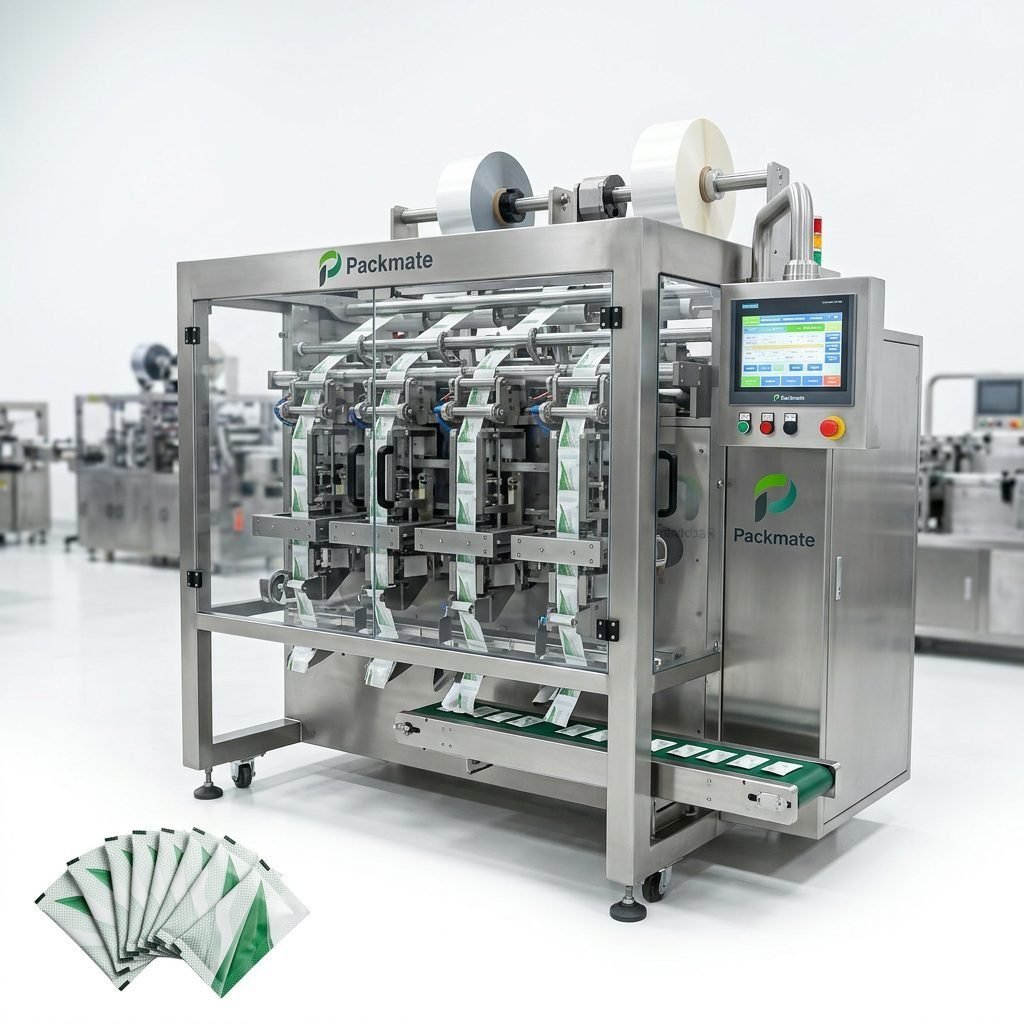
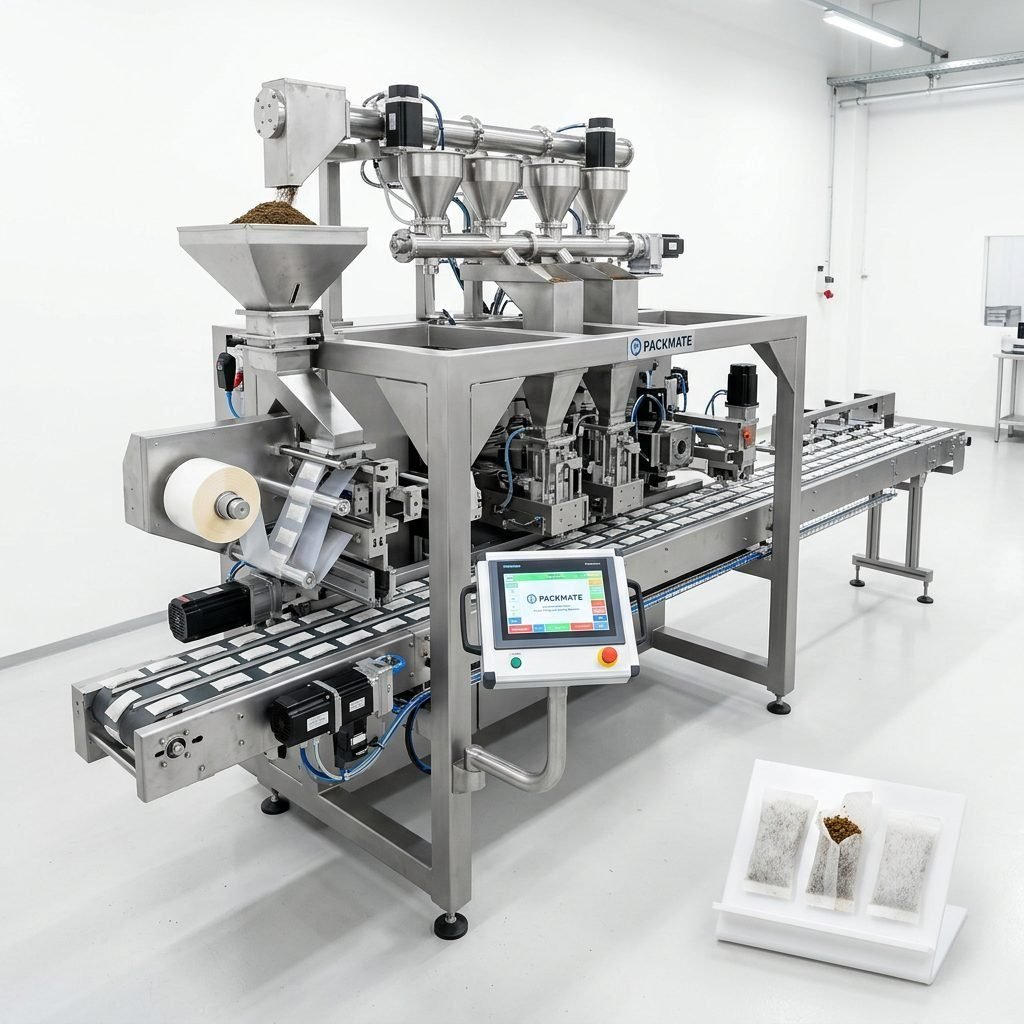
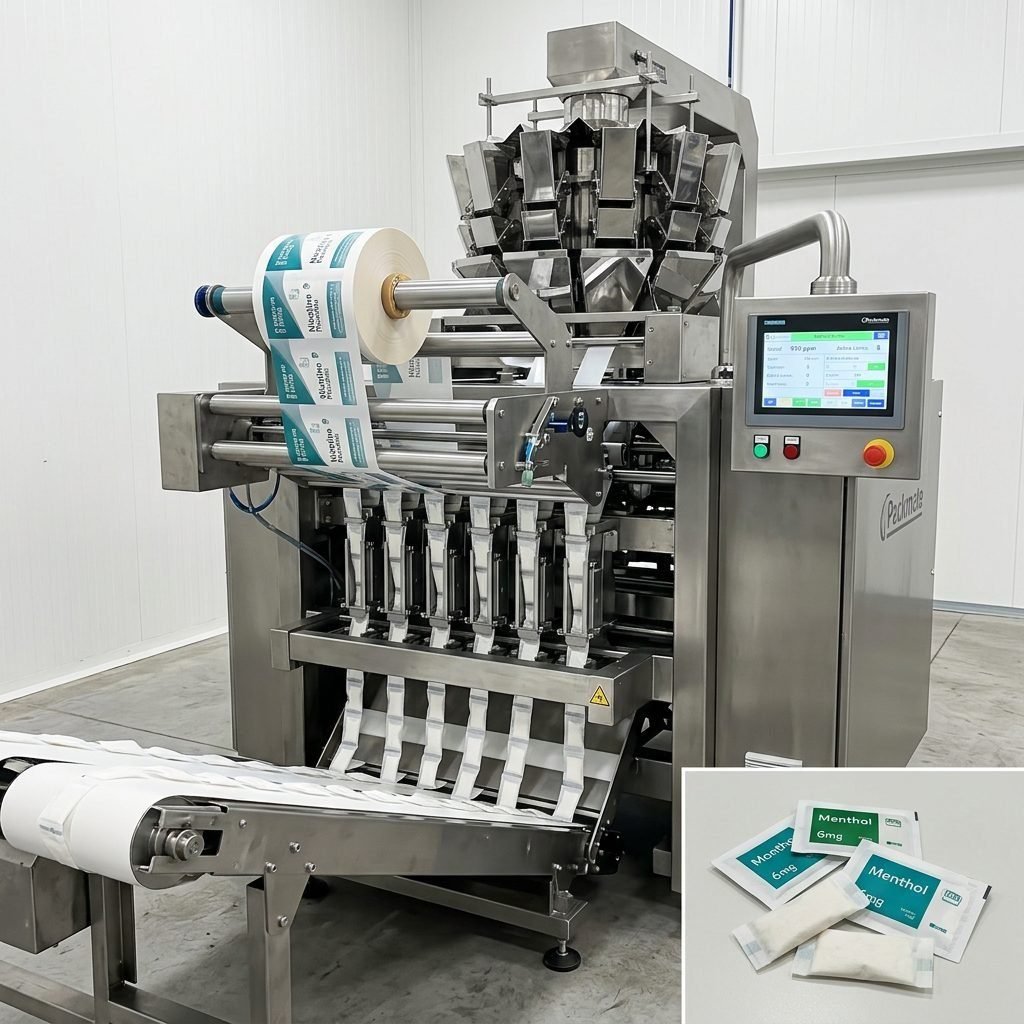
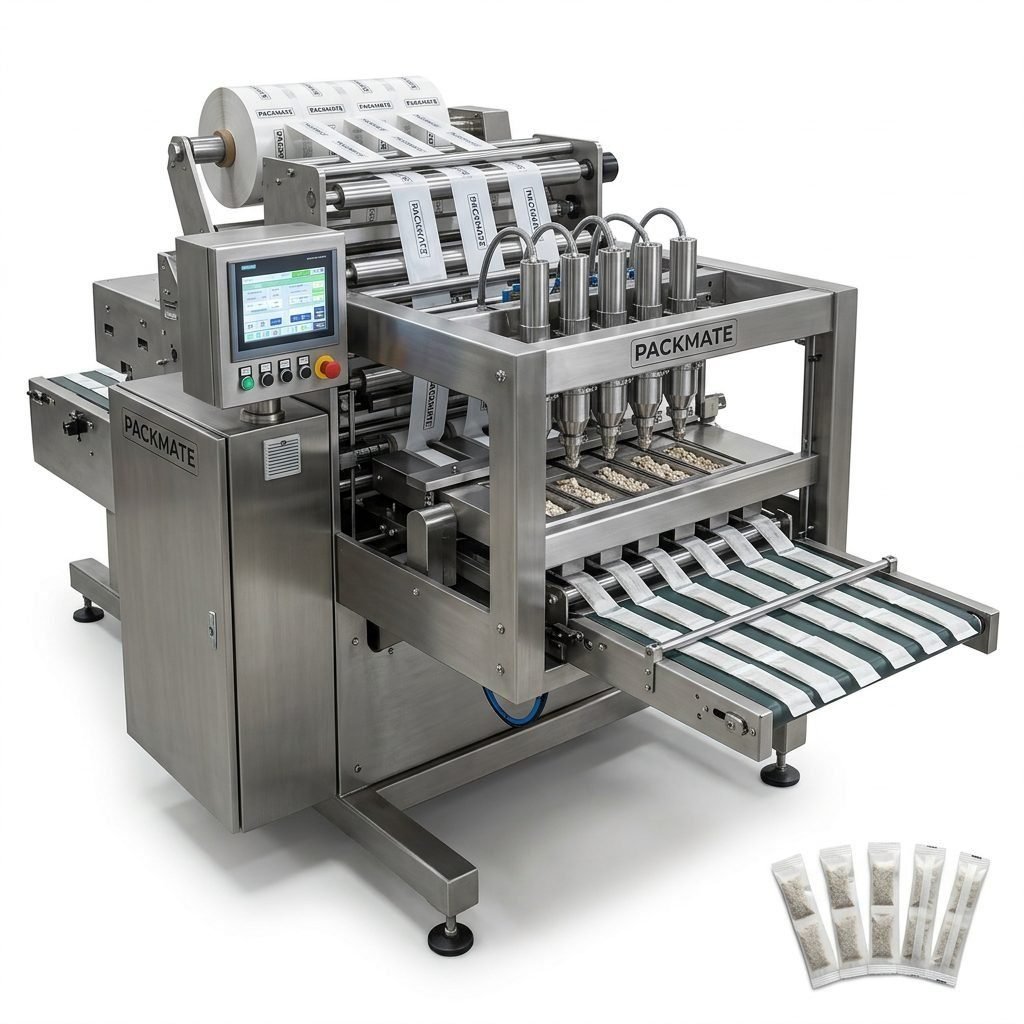
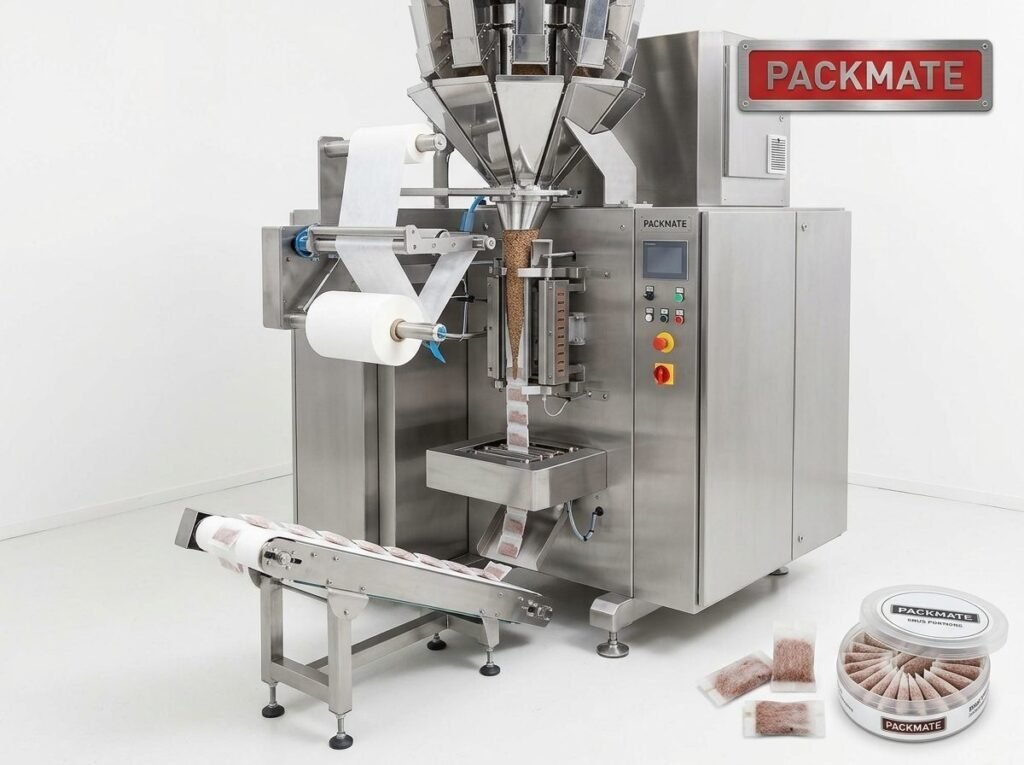
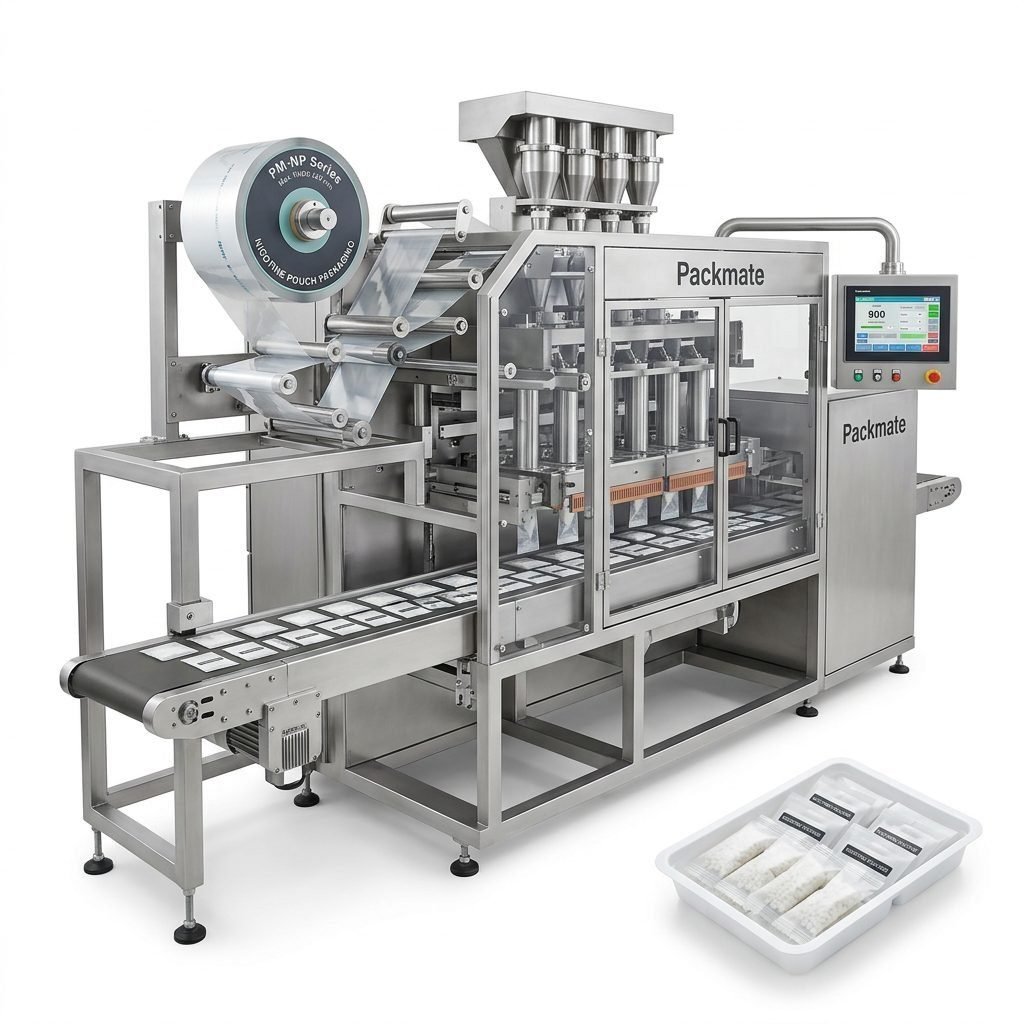
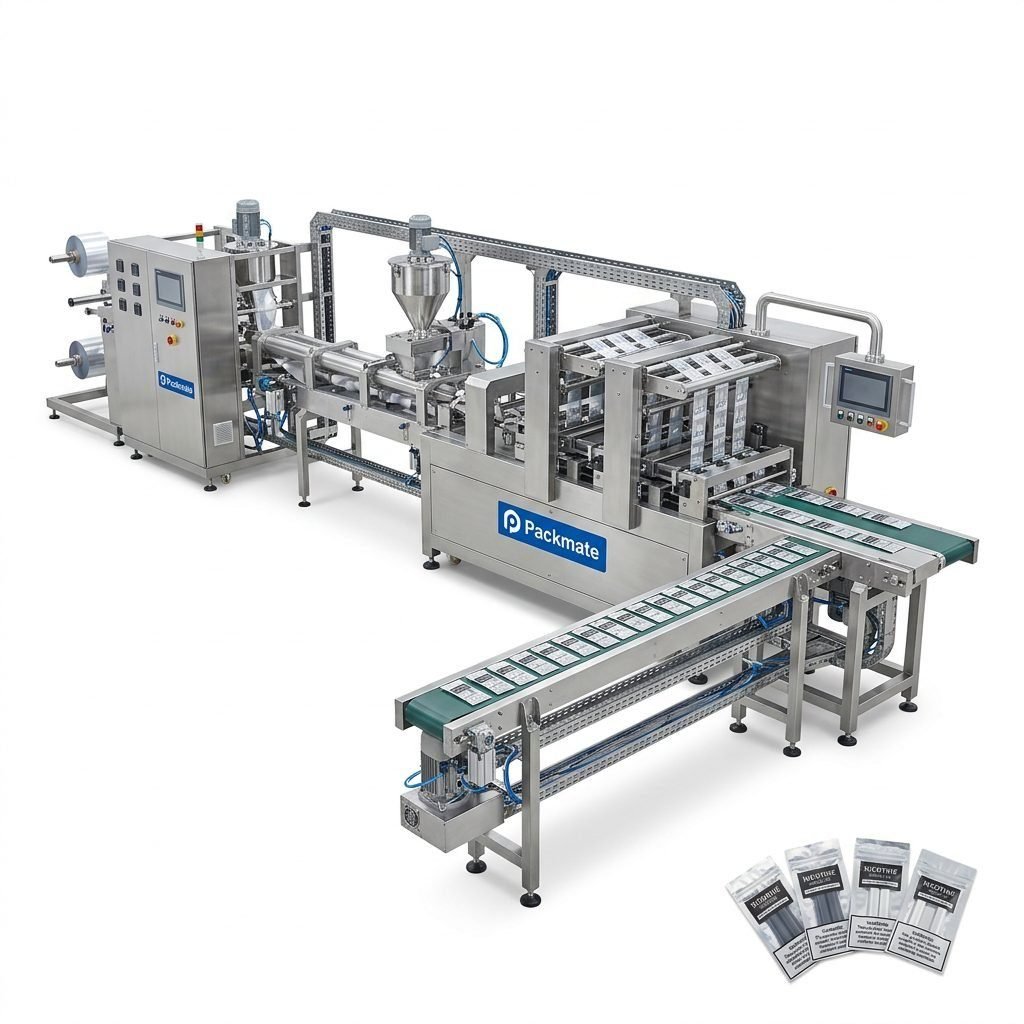
– Multilane snus/nicotine pouch packing machines for small-dose pouches.
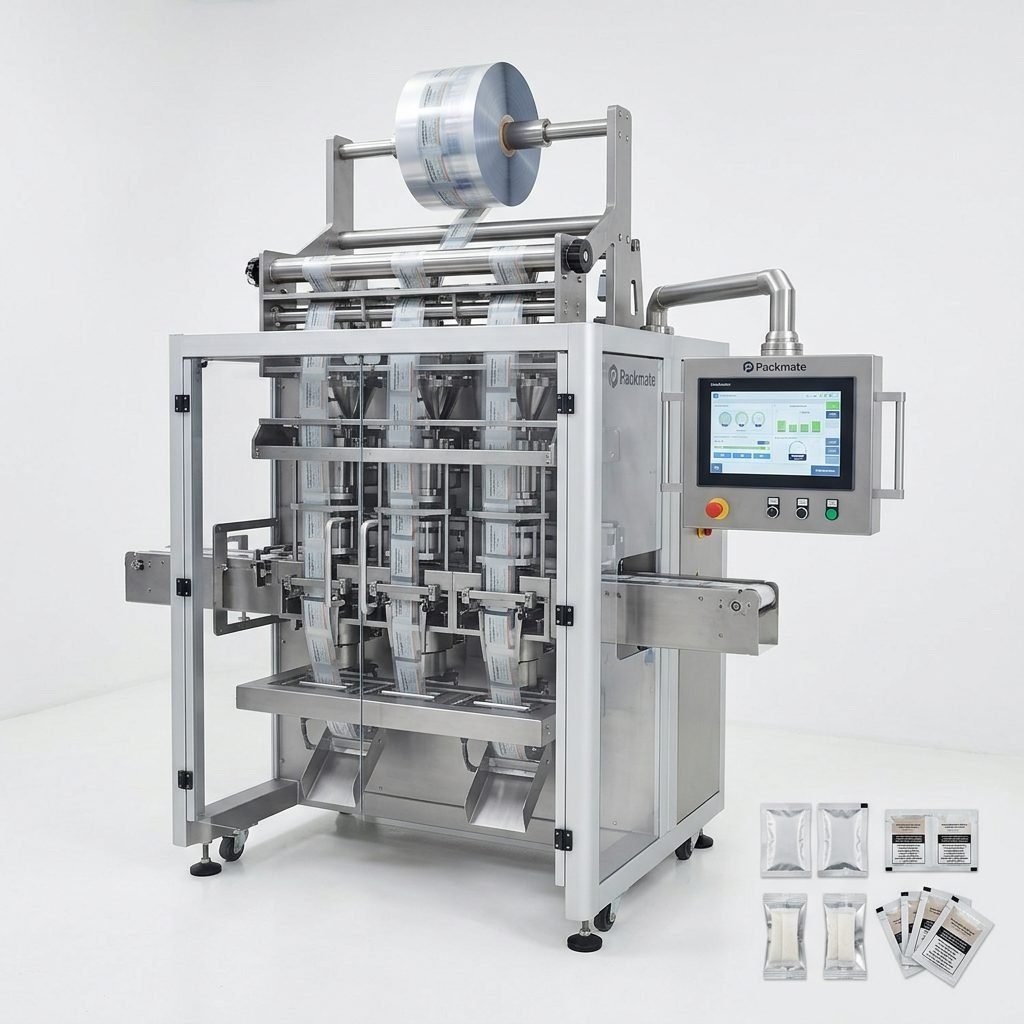
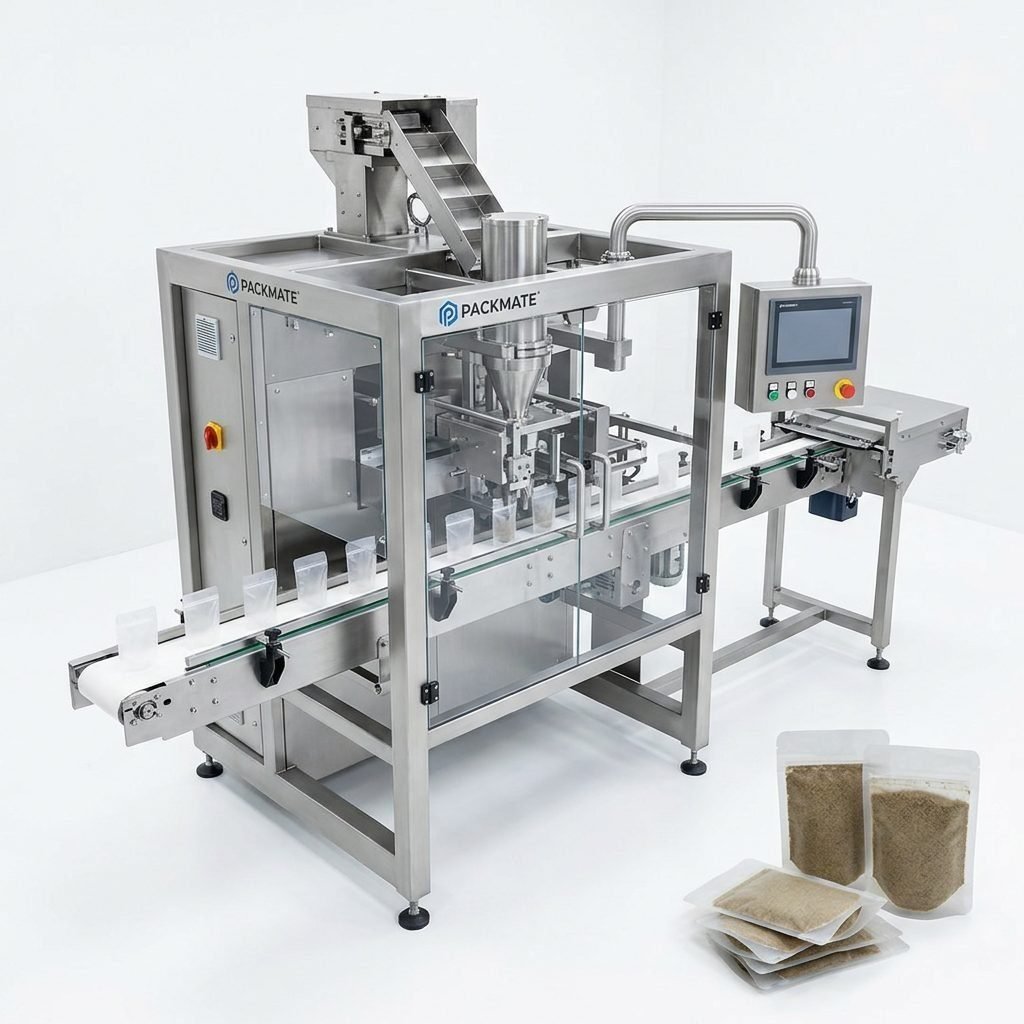
– Stick pack and sachet machines for single-serve formats.
– Form-fill-seal systems with modified atmosphere packaging (MAP) options.
– Integrated weighing and dosing systems for accuracy and waste reduction.
Evaluate Supplier Capabilities: What Matters Most
When narrowing suppliers, assess technical capacity, manufacturing standards, and the ability to support a customer in Jamaica. Below are elements to prioritize.
Engineering and product range
Choose suppliers who offer specialized nicotine/snuspouch packaging solutions rather than generalist equipment. A manufacturer with a focused product line is more likely to understand nuanced dosing, film handling, and multi-lane synchronization. For example, companies with a long history in snus and nicotine machines typically provide more mature multilane systems capable of stable small-dose pouch production.
Factory scale and quality control
Larger, well-equipped facilities with CNC machining and strict QC are indicators of consistent build quality and spare part availability. Facilities with ISO and CE compliance demonstrate adherence to international manufacturing and safety norms — critical when selling into international or regulated channels.
Tip: Look for suppliers who publish machine models, factory photos, certifications, and case studies — this builds confidence in their delivery capability.
Customization and turnkey solutions
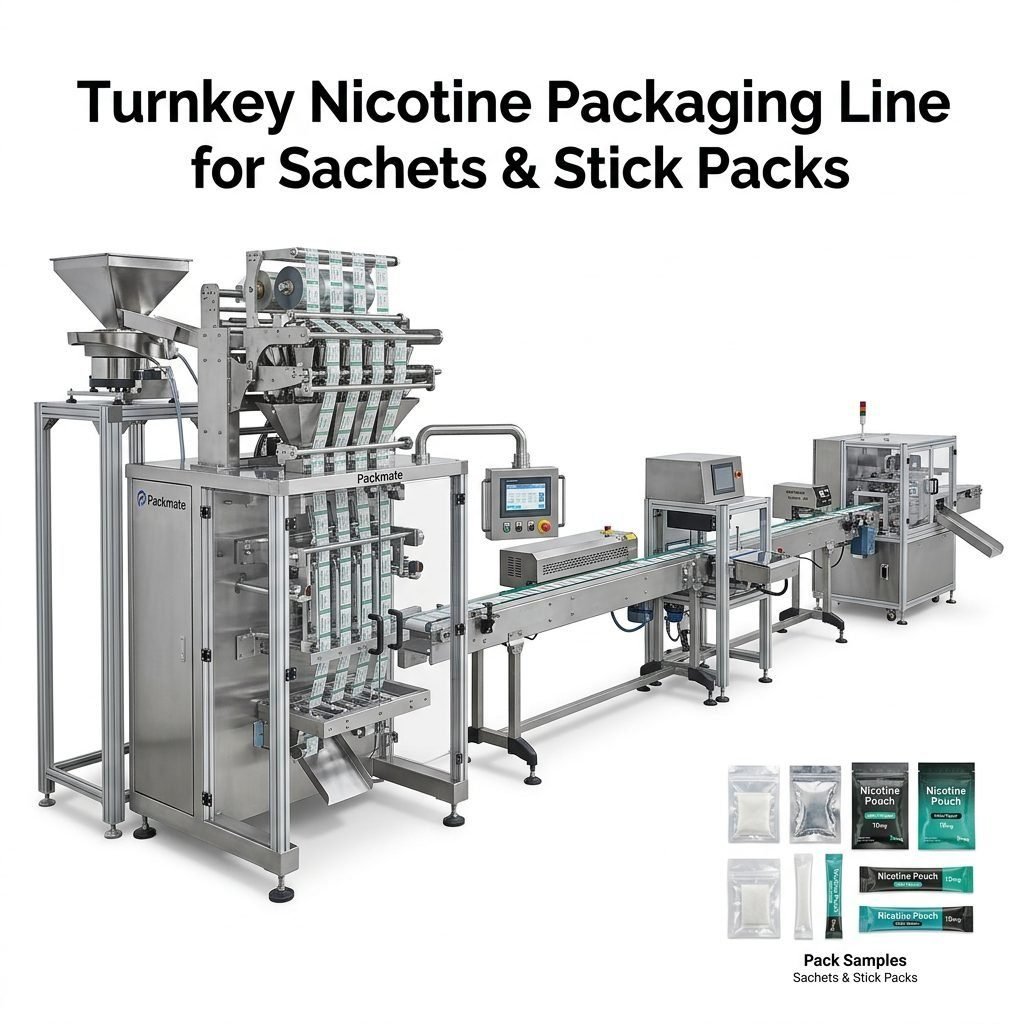
Jamaica’s market often requires flexibility: custom pack sizes, local labeling requirements, and integration into your existing line. Suppliers who provide turnkey solutions (design, installation, training, spare parts) reduce project risk and shorten time-to-market.
After-sales support and spare parts
Local presence or an established service network reduces downtime. Ask suppliers about lead times for spare parts shipping to Kingston or Montego Bay, availability of remote diagnostics, and field technician visits. If your supplier has experience exporting to the Caribbean, they’ll better anticipate customs paperwork and logistics.
Technical Features to Prioritize
The right technical features protect product quality and ensure reliable production in Jamaica’s environment.
Moisture control and sealing quality
Use machines with precision heat-sealing and options for MAP. Sealing integrity is critical in humid climates to prevent moisture ingress and maintain shelf life.
Multi-lane synchronization
For small-dose pouches, multi-lane systems increase throughput without increasing footprint. Ensure lane-to-lane consistency and easy changeover between formats.
Hygienic design and cleanability
Pharmaceutical-grade hygienic design reduces contamination risk and simplifies cleaning — an important factor if you plan to supply regulated retailers or export.
Must-have automation features:
⚙︎ Precise electronic dosing for consistent nicotine content.
⚙︎ Quick tool-less format changeovers for multiple SKUs.
⚙︎ PLC and HMI systems with remote access for diagnostics.
Quality, Certification and Compliance
Ensure the supplier’s equipment meets international safety and quality standards. CE and ISO certifications are baseline indicators. For export or regulated retail in Jamaica and neighboring markets, proper documentation (test reports, material certificates) is necessary.
If you plan to import machines, verify customs-classification support, country-of-origin documentation, and whether any special permits are needed for nicotine-related machinery. Suppliers experienced with Caribbean shipments can provide critical guidance.
Total Cost of Ownership (TCO) — Beyond the Purchase Price
Compare suppliers on TCO: initial investment, installation, training, spare parts, energy consumption, downtime risk, and expected lifespan. A lower upfront price can lead to higher long-term costs if the machine is less reliable or parts are hard to source in Jamaica.
Ask potential suppliers for: MTBF (mean time between failures) data, recommended spare parts list with lead times, and references from customers in similar climates or markets.
Assess Supplier Reputation and Case Studies
Request case studies, factory visit options, and references. A supplier with verified global installations, exhibition participations, and customer testimonials is a safer choice. If possible, see machines in operation or request video demonstrations showing continuous runs and product quality.
Reputable suppliers often maintain web pages with product details and case histories. Review their project portfolio and exhibition presence as an indicator of market acceptance.
View supplier case studies and ask for direct references from customers operating in tropical climates.
Logistics, Installation and Local Support in Jamaica
Plan shipping, customs clearance, installation, and training. Suppliers offering installation and commissioning services reduce your in-country workload. Confirm whether technicians will remain on-site for startup and how much operator training is included.
Practical logistics checklist:
✔︎ Confirm port of entry and local agent for customs.
✔︎ Verify crating and insurance for humid transit.
✔︎ Confirm onsite commissioning and training scope.
Negotiation Points and Contract Clauses
Negotiate warranty terms, spare parts packages, response times for service visits, and penalties for missed delivery dates. Include acceptance criteria for the machine (test runs at full speed with your actual product) as part of the contract.
Ask for a detailed installation and training plan, and include a clause for remote support and software updates. For Jamaica, shorter lead times for critical spares can be a competitive differentiator.
Payment and financing
Consider phased payments tied to milestones (factory acceptance test, shipping, on-site acceptance). Some suppliers provide financing or leasing options; compare these costs against your capital budget and cash flow.
How to Validate a Supplier Quickly
Follow a checklist to reduce risk:
Quick validation checklist:
1. Factory photos, certifications (CE/ISO) and machining capabilities.
2. Client references, preferably in similar climates or industries.
3. Clear spare parts list and shipping SLA to Jamaica.
4. On-site commissioning and operator training included.
5. Remote diagnostics and software support options.
Why Choose an Experienced Snus/Nicotine Packaging Manufacturer?
Manufacturers specialized in snus and nicotine pouch lines understand the delicate balance of dosing, film handling, and sealing in small-dose production. Their machines often include proven multi-lane technology, precise dosing, and robust sealing systems — features that pay dividends in yield and uptime.
If you want to explore field-tested options and product lines, review products such as Snus & Nicotine Packaging Machines, and related sachet or stick pack systems like those listed under Sachet & Stick Pack Machines.
Making the Final Decision
Rank suppliers based on technical fit, TCO, local support, and demonstrated experience in similar environments. Include a pilot run or trial production as a condition of acceptance. Ensure contract terms cover warranty, spare parts, training, and any agreed performance metrics.
For additional due diligence, request factory acceptance testing (FAT) videos or arrange an in-person FAT visit if practical. Suppliers that welcome FAT inspections and provide detailed acceptance testing protocols are often more transparent and reliable.
Local Business Etiquette and Relationship Building in Jamaica
Jamaican business culture values relationships and trust. Expect negotiations to involve relationship-building steps — regular communication, timely responses, and sometimes informal meetings. Demonstrating a clear plan, respect for timelines, and willingness to align with local logistics will help establish a strong partnership.
Useful Supplier Resources
Explore supplier resources to learn more about product lines, certifications, and services:
– Company background and manufacturing strength: About Packmate
– Service offerings and spare parts: Service
– Full product catalogs including filling and weighing lines: Catalog
Final practical checklist before signing:
✔︎ Confirm machine specs against your product (size, seal, speed).
✔︎ Review spare parts list and local shipping lead times.
✔︎ Verify warranty, training, and remote support terms.
✔︎ Ask for FAT or a live demo with your product.
Conclusion
Selecting the best nicotine packaging machinery supplier for Jamaica requires a blend of technical assessment, local logistics planning, and relationship-focused negotiation. Prioritize suppliers with proven snus/nicotine expertise, robust factory capabilities, clear service plans, and the willingness to support your operation through commissioning and beyond. Careful preparation — from defining production needs to verifying certifications and spare parts logistics — will help you secure a machine that performs reliably in Jamaica’s climate and market environment.
Frequently Asked Questions
Q1: What machine features are essential for Jamaica’s humid climate?
A: Prioritize high-quality heat sealing, moisture-barrier film compatibility, MAP capability, and hygienic machine design. Proper sealing and barrier films are critical to prevent moisture ingress and preserve shelf life.
Q2: How important is local support and spare parts availability?
A: Extremely important. Fast access to spare parts and field support reduces downtime. Evaluate supplier lead times for parts shipping to Kingston or Montego Bay and remote diagnostic capabilities.
Q3: Should I require a factory acceptance test (FAT)?
A: Yes. A FAT or on-site trial with your actual product validates machine performance and is often a contractual milestone for acceptance.
Q4: Are turnkey solutions worth the extra cost?
A: For first-time line installations or when integrating multiple machines, turnkey solutions reduce project complexity, ensuring coordinated installation, testing, and operator training.
Q5: Where can I review product models and case studies?
A: Review supplier product pages and case histories such as Snus & Nicotine Packaging Machines and the supplier’s case pages for real-world examples and specifications.