Choosing the right nicotine packaging machine supplier in Belgium requires a careful blend of technical knowledge, regulatory awareness, and local market insight. Whether you are producing snus, nicotine pouches, or stick packs for the Belgian market and other European customers, this guide walks you through the essential steps to identify a supplier who delivers reliability, compliance, and long-term value.
Understand the Belgian market and local habits
Belgium is a multilingual market (Dutch/Flemish, French, and a small German-speaking community). Buyers and regulators often expect documentation and support in the local language or in English. Nicotine pouch usage trends in Belgium mirror broader European patterns—growing demand for discreet, low-dose formats and high-quality, hygienic packaging. Retail channels include specialized tobacconists, pharmacies, e-commerce, and cross-border sales to neighboring countries like the Netherlands, France, and Germany.
Key regulatory considerations in Belgium and the EU
Belgium follows EU regulations on product safety and CE conformity for machinery. For nicotine products, packaging and labelling must comply with EU tobacco product directives and any national requirements on nicotine content, ingredient lists, and warnings. Always confirm local municipalities’ rules on sale and advertisement—these can vary. Expect customs documentation and potential testing for imports from non-EU countries.
Tip: Verify CE and ISO certifications early. Suppliers who can provide full compliance documentation and factory inspection reports save you significant time during import and approval processes.
Top selection criteria for a nicotine packaging machine supplier
1. Proven product experience and machine types
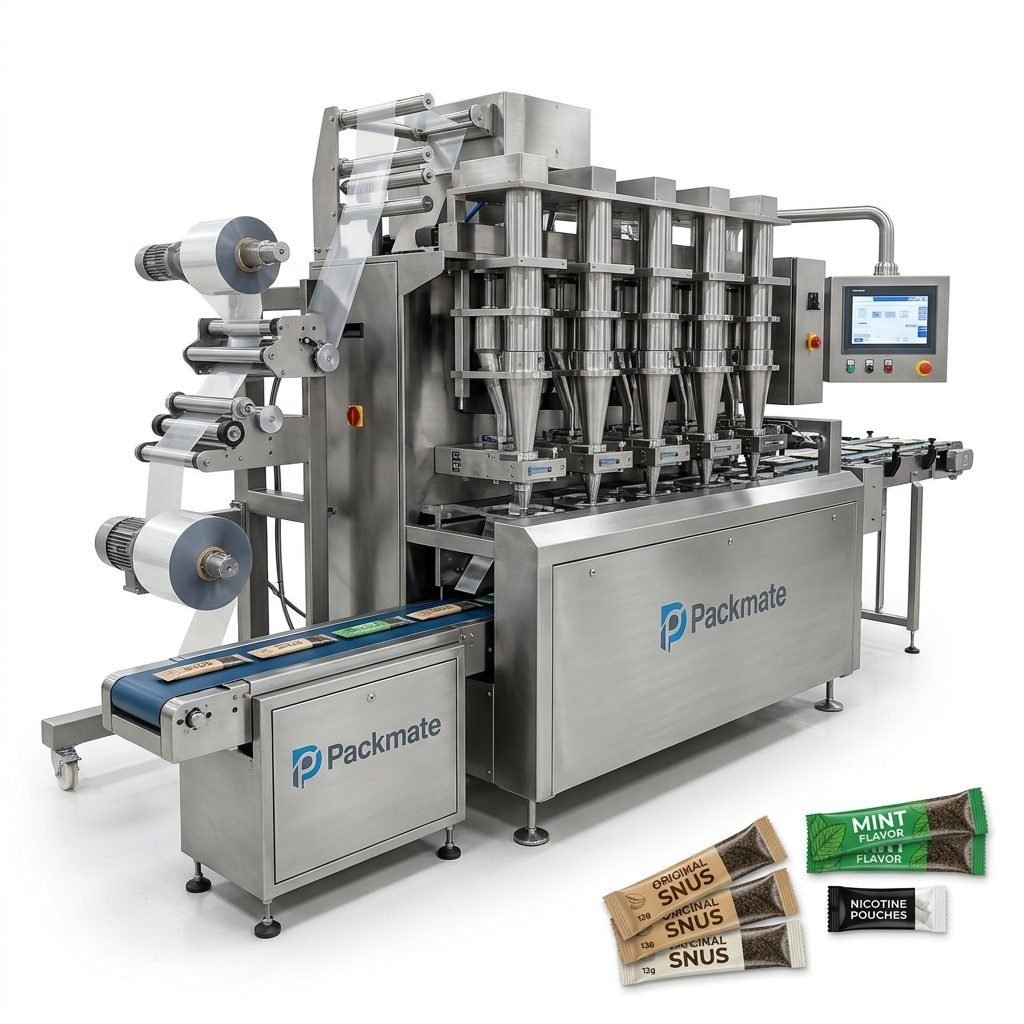
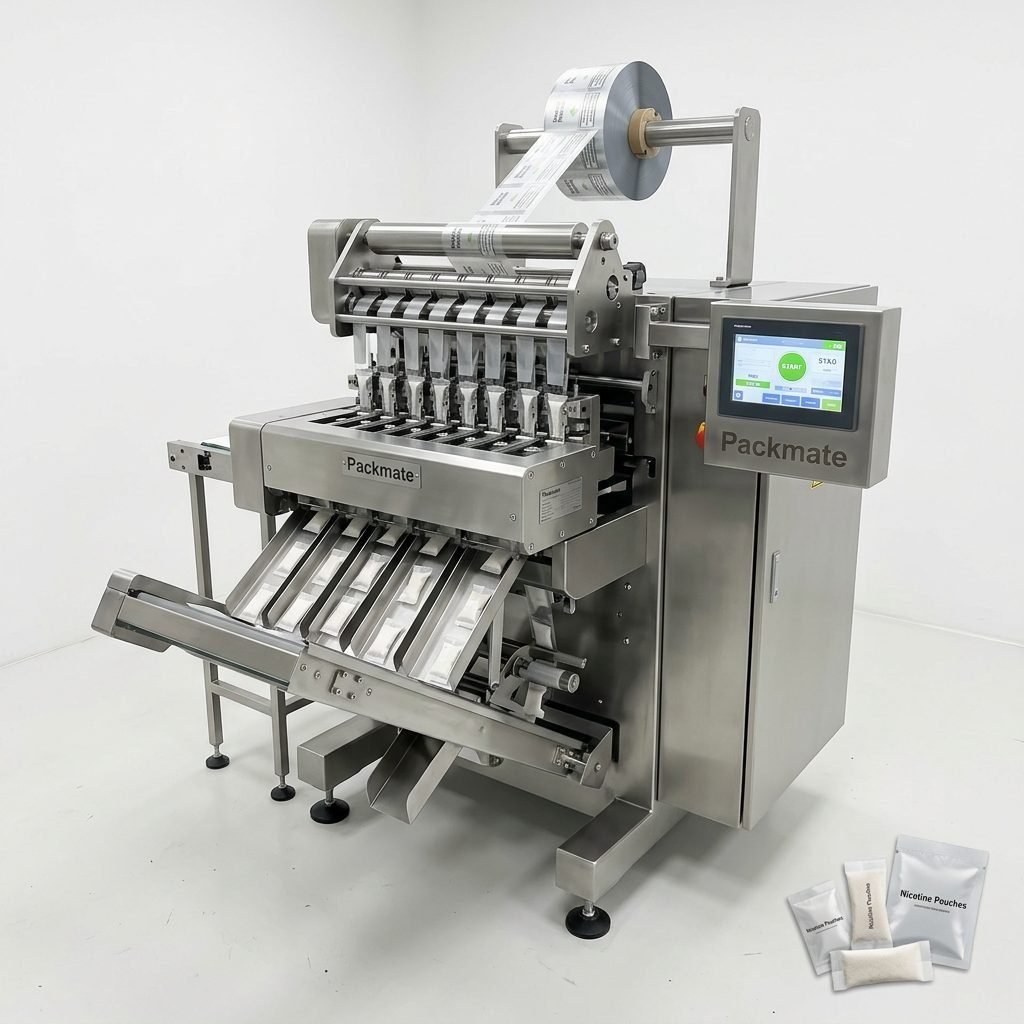
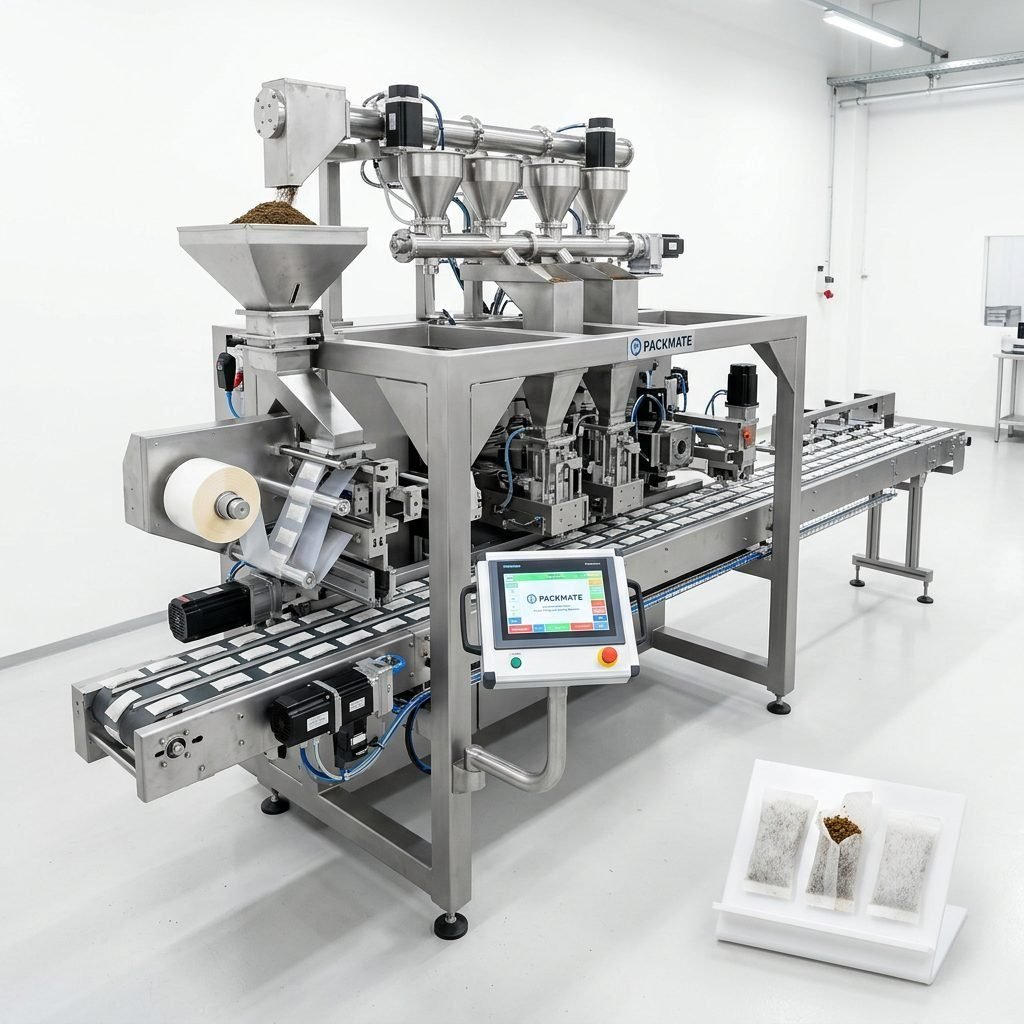
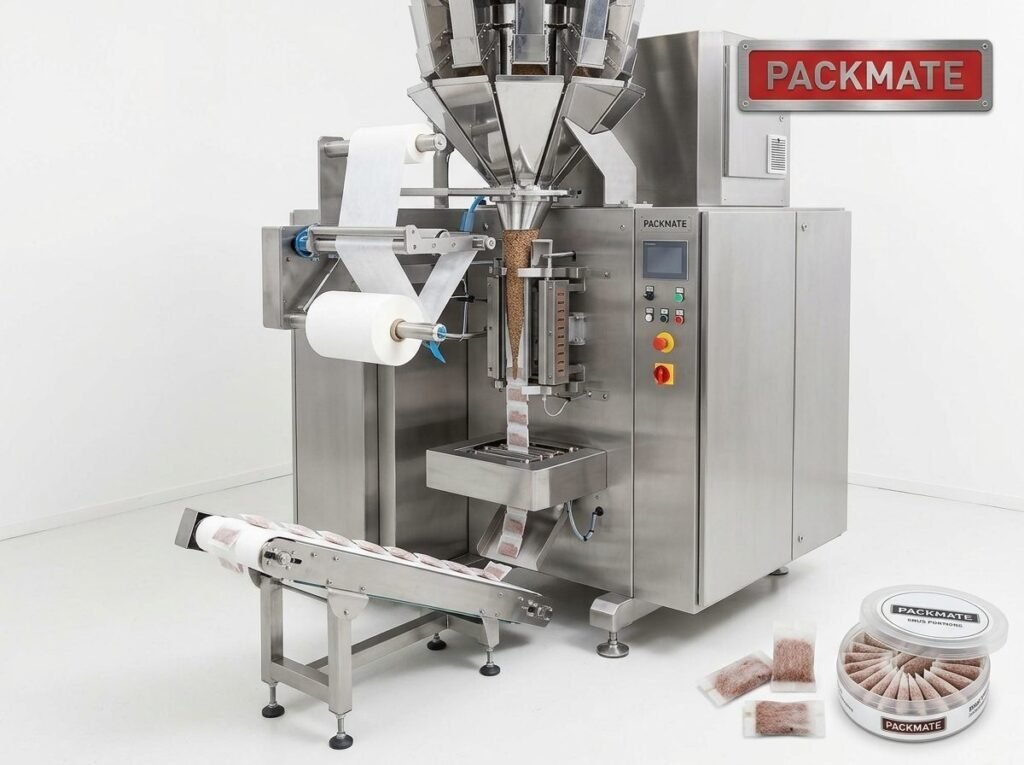
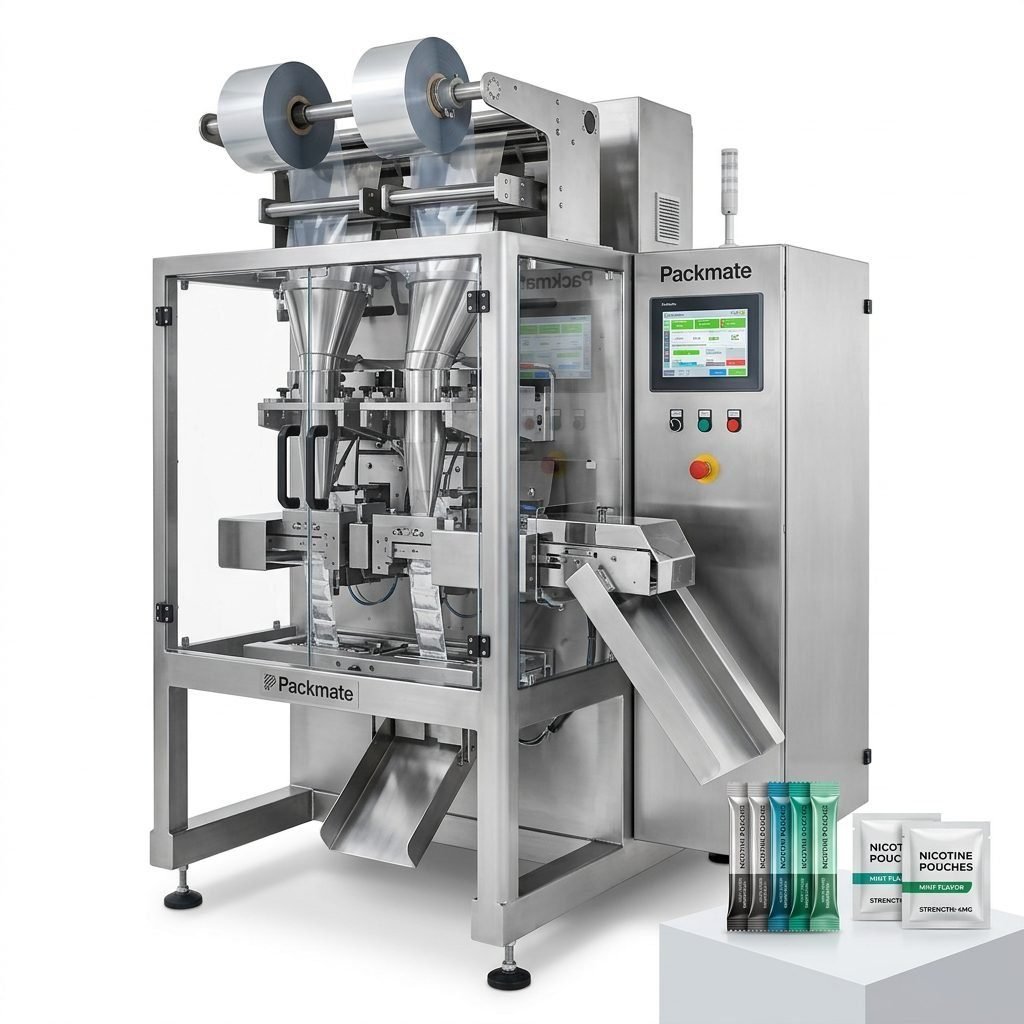
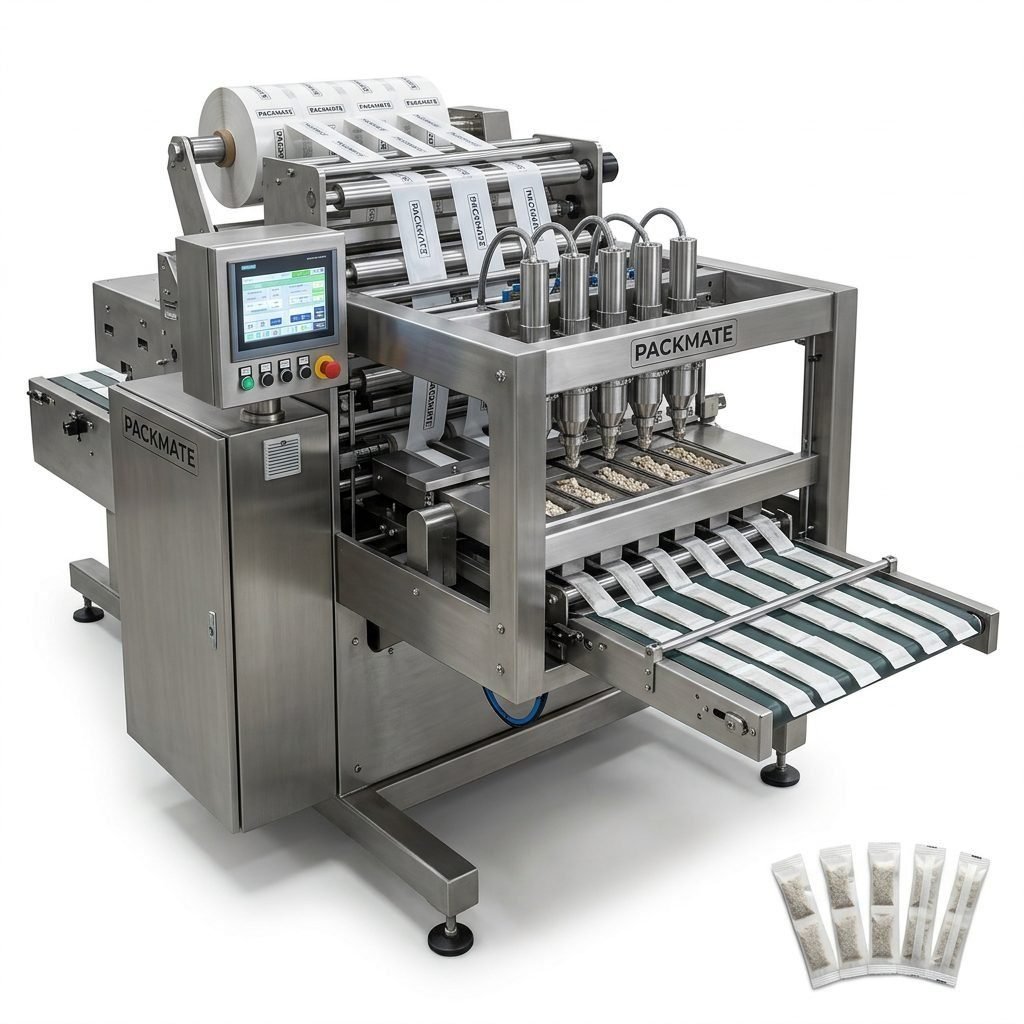
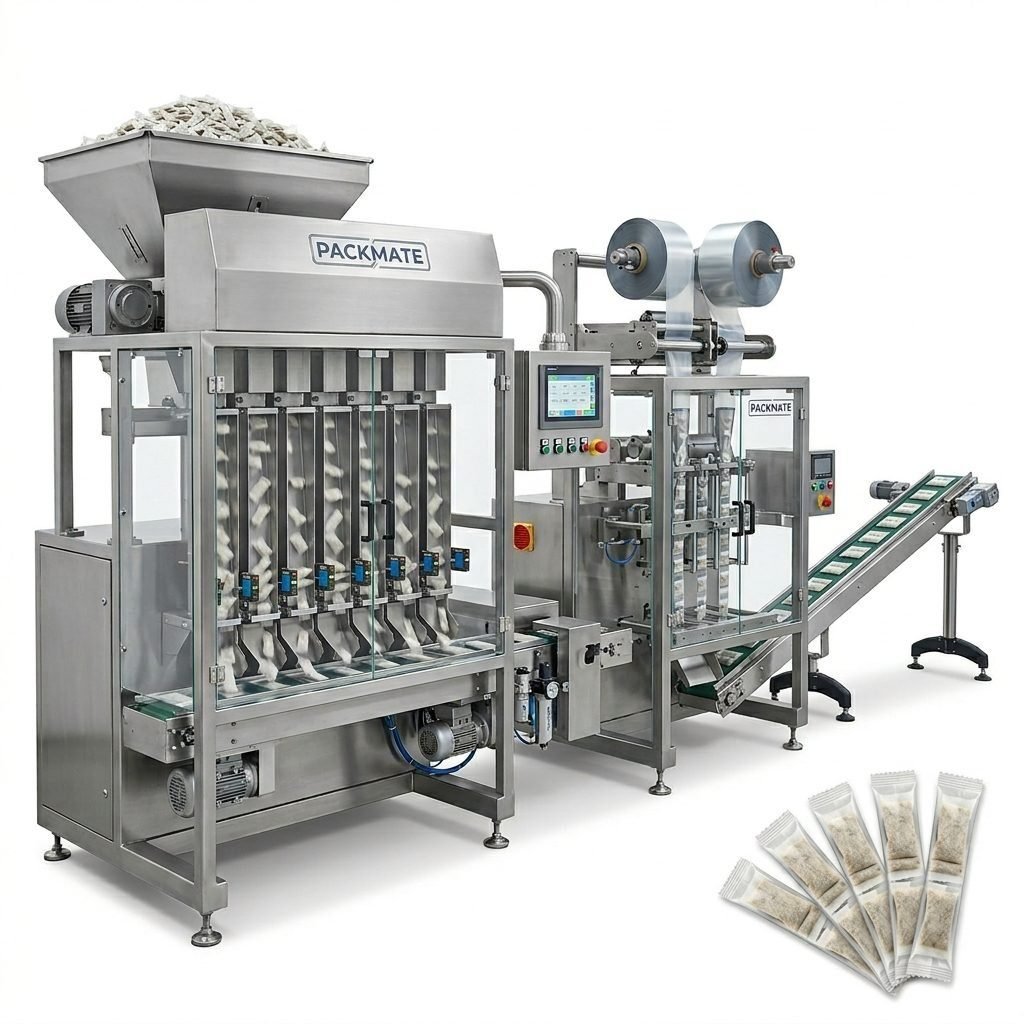
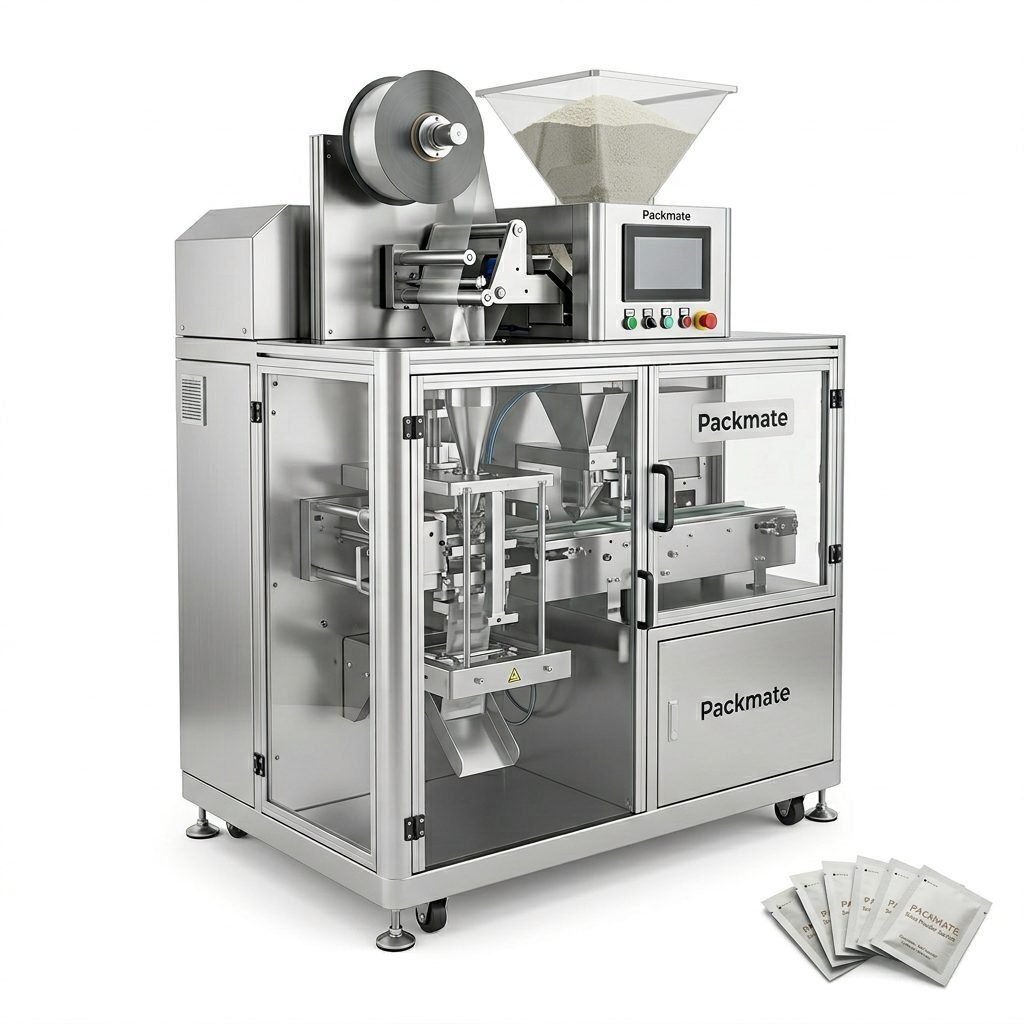
Look for suppliers with a track record in snus and nicotine pouch equipment. Common machine formats in Belgium include sachet & stick pack lines, multi-lane pouch machines for small-dose products, and vertical/horizontal filling units. A supplier offering a wide portfolio—such as Snus & Nicotine Packaging Machines and Bag & Pouch Packaging Machines—is often better positioned to tailor solutions to your product specs.
2. Manufacturing strength & quality control
Suppliers with large, modern factories and advanced CNC capabilities typically provide higher precision and stability. Ask for details about production capacity, CNC centers, testing rigs, and final acceptance tests. A strong factory footprint (for example, a 20,000㎡ plant) indicates reliable capacity for custom projects and spare parts stocking.
✔ Important: Request a factory tour or a virtual factory walkthrough. Seeing production practices and quality control first-hand is a decisive advantage.
3. Customization & flexibility
Belgian customers often require packaging tailored for retail presentation and multi-lingual labelling. Choose a supplier who can customize film width, pouch shape, printing registration, and dosing methods. Multi-lane systems and modular designs help scale production without replacing the entire line.
4. Certifications, testing and documentation
Ensure the supplier provides CE, ISO, and relevant test reports. For nicotine packs, hygienic design and food-contact component documentation may be requested. Well-documented equipment simplifies customs clearance and local compliance checks.
5. After-sales support, spare parts and training
Local or regional technical support shortens downtime. Ask about spare parts lead times, remote troubleshooting capabilities, and on-site commissioning visits. Suppliers offering user manuals and operator training in English and local languages add immediate value.
Technical considerations specific to Belgium operations
Belgium’s temperate climate still requires attention to humidity control in production areas to avoid caking or moisture uptake. Consider machines with precise dosing systems for low-dose nicotine pouches and systems that reduce cross-contamination—especially if you run multiple product flavors or nicotine strengths on the same line.
Machine capacity & layout
Determine your production targets (pieces per minute, lanes, and shift patterns). Multi-lane pouch machines increase throughput without demanding more floor space—an advantage in smaller Belgian facilities. Evaluate footprint, power requirements, and ventilation needs during the site planning phase.
Material compatibility & sustainability
Belgium has strong environmental sentiment among consumers. Suppliers who support recyclable or mono-material film formats and can adapt sealing parameters for thinner films will help future-proof your product lines.
⚠️ Sustainability note: Consider film suppliers and closure options that align with EU packaging directives and Belgian retailer expectations.
Commercial and logistical questions to ask potential suppliers
Pricing is important, but total cost of ownership (TCO) matters more. Discuss warranty length, spare part kits, annual maintenance contracts, training packages, and the supplier’s ability to supply consumables and tooling. Confirm shipping terms, delivery lead times, and customs paperwork for Belgium imports.
Ask these practical questions:
• What is the expected throughput for my product profile and film type?
• Can you provide performance data and customer references in Europe?
• What spare parts are included with delivery and what is the lead time for replacements?
• Do you provide on-site commissioning and operator training in Belgium or nearby countries?
• What remote diagnostic tools are available for real-time support?
Why visiting suppliers or exhibitions in Europe matters
Seeing machines run at exhibitions or during factory acceptance tests allows you to compare build quality, controls, and operator ergonomics. European exhibitions also let you network with film and component suppliers, easing supply-chain setup for Belgian distribution. Check suppliers’ exhibition schedules and live demos before you commit.
How a reliable supplier supports your Belgium business
A strong packaging partner will accelerate your time to market by offering turnkey solutions—filling, dosing, pouch forming, and final case packing. They will advise on labelling, film selection, and machine hygiene to match Belgian regulations and retailer expectations. Look for case studies and references that show successful EU deployments.
For example, trusted suppliers often publish project showcases and service pages detailing full lines and support offerings—these give you a practical sense of their capabilities. See examples on their site such as Case and information Service.
Evaluating Packmate as an option for Belgium
Packmate Snus Machine has decades of packaging engineering experience and a wide product range including snus and nicotine pouch lines. Their manufacturing capacity, multi-lane systems, and turnkey solutions make them a candidate for Belgian producers seeking robust equipment and comprehensive support. Learn more about their company background at About Packmate.
Quick checklist:
CE & ISO certificates, European references, spare part strategy, on-site training, and sustainability options.
Selecting the final supplier — a step-by-step approach
1) Define product specs and target output. 2) Shortlist suppliers with relevant nicotine/snusal experience. 3) Request technical proposals, PLC diagrams, and footprint plans. 4) Arrange factory inspection or video demo. 5) Negotiate warranty, acceptance tests, delivery, and training. 6) Confirm spare parts kits and remote-support options.
Important legal & import steps for Belgium
Ensure your supplier provides full declarations for customs and CE conformity. Work with a Belgian customs broker to classify the equipment and determine duties and VAT application. If you plan to place nicotine products on the market, consult Belgian authorities or a local legal adviser to confirm product-level requirements.
Final recommendations
Prioritize suppliers who combine technical expertise in snus/nicotine equipment, robust factory capabilities, and clear European references. Negotiate terms that include commissioning, training, and a spare-parts supply plan tailored to Belgium’s market needs. Long-term partnerships and transparent communication will protect your production lines from avoidable downtime.
Interested in machine models? Explore specific product lines like Sachet & Stick Pack Machines and full Filling & Packaging Lines to match your production plan.
Frequently Asked Questions
Q1: What certifications should I request from a nicotine packaging machine supplier?
A: Request CE declaration, ISO quality system certificates, material contact documentation (if applicable), and recorded factory acceptance test reports.
Q2: How do I ensure quick technical support in Belgium?
A: Choose suppliers that offer European regional agents, fast spare-parts shipping, remote diagnostics, and scheduled on-site service visits. Confirm lead times for critical components.
Q3: Can these machines handle multiple product formats?
A: Many modern systems are modular and can switch between pouch types, lane counts, and dosing ranges with change parts and PLC recipe management—confirm exact changeover times.
Q4: What is a realistic lead time for delivery to Belgium?
A: Lead times vary by customization level and spare-part availability. Standard models may ship faster, while turnkey lines often require several months for engineering, manufacturing, testing, and shipping.
Q5: Where can I find more supplier information and product pages?
A: Visit supplier product pages and company information such as their About page and specific product categories to compare machine specs and service offerings.