Choosing the right supplier for nicotine packaging machinery in Saudi Arabia can determine whether your production line runs smoothly or faces costly delays. This guide explains practical steps and local considerations to help manufacturing managers, procurement teams, and business owners identify the best partner for snus and nicotine pouch packaging machines in the Saudi market.
Understand the Saudi Context: Regulations, Culture, and Market Dynamics
The Saudi market has specific regulatory, cultural, and logistical factors. Regulatory compliance is essential — products and packaging must meet Saudi standards and any relevant SFDA or customs requirements. Language and labeling expectations typically include Arabic translations and local health warning formats. Consider also the seasonal rhythm of business: production planning should account for Ramadan schedules, Friday prayer breaks, and regional holidays that influence lead times and on-site availability.
Why local adaptation matters
A machine that performs optimally in a temperate workshop may struggle in hot, dusty environments. Choose a supplier who understands:
• Climate resilience (cooling, dust protection) • Arabic labeling and packaging formats • Local power standards and site logistics • Respect for local working patterns and security procedures
Quick tip: Ask whether the supplier has shipped to Saudi Arabia or GCC countries before, and if they can supply Arabic-capable HMI and documentation.
Step 1 — Verify technical capability and machine portfolio
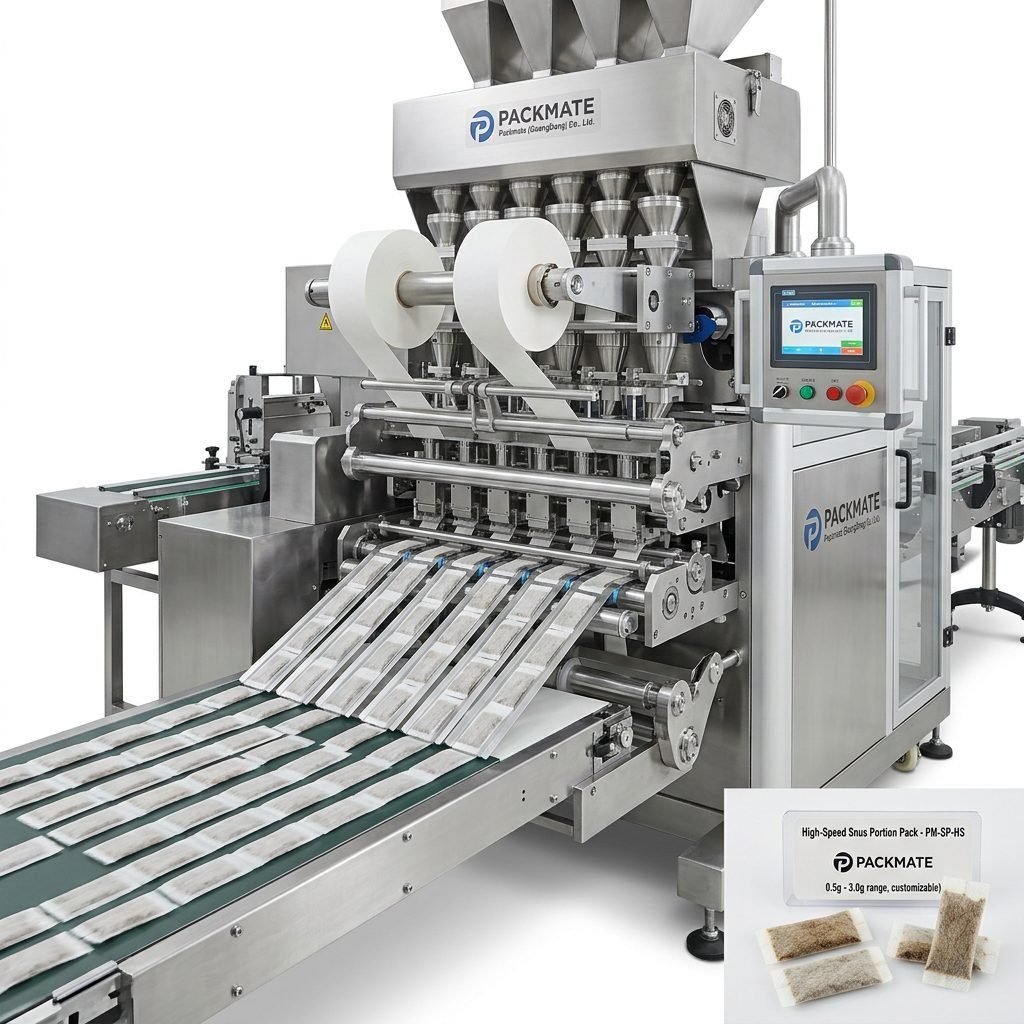
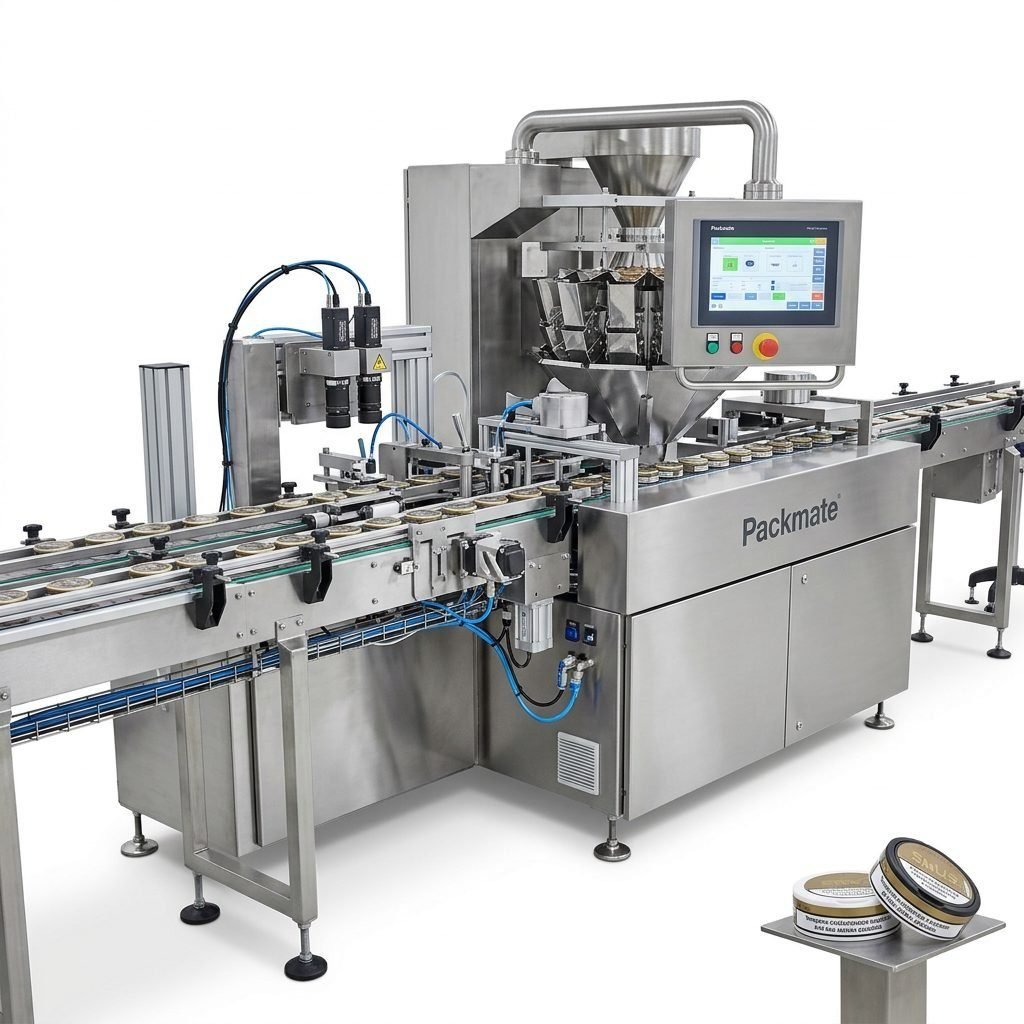
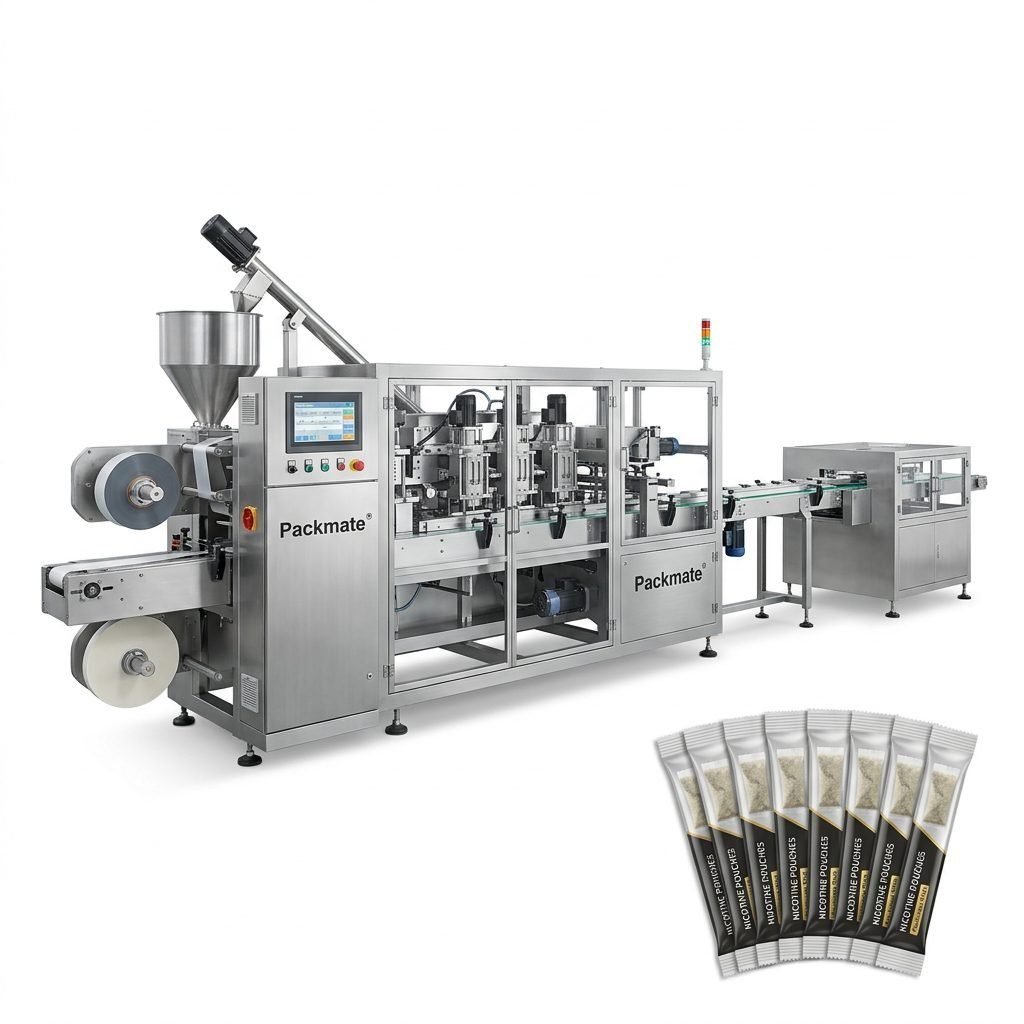
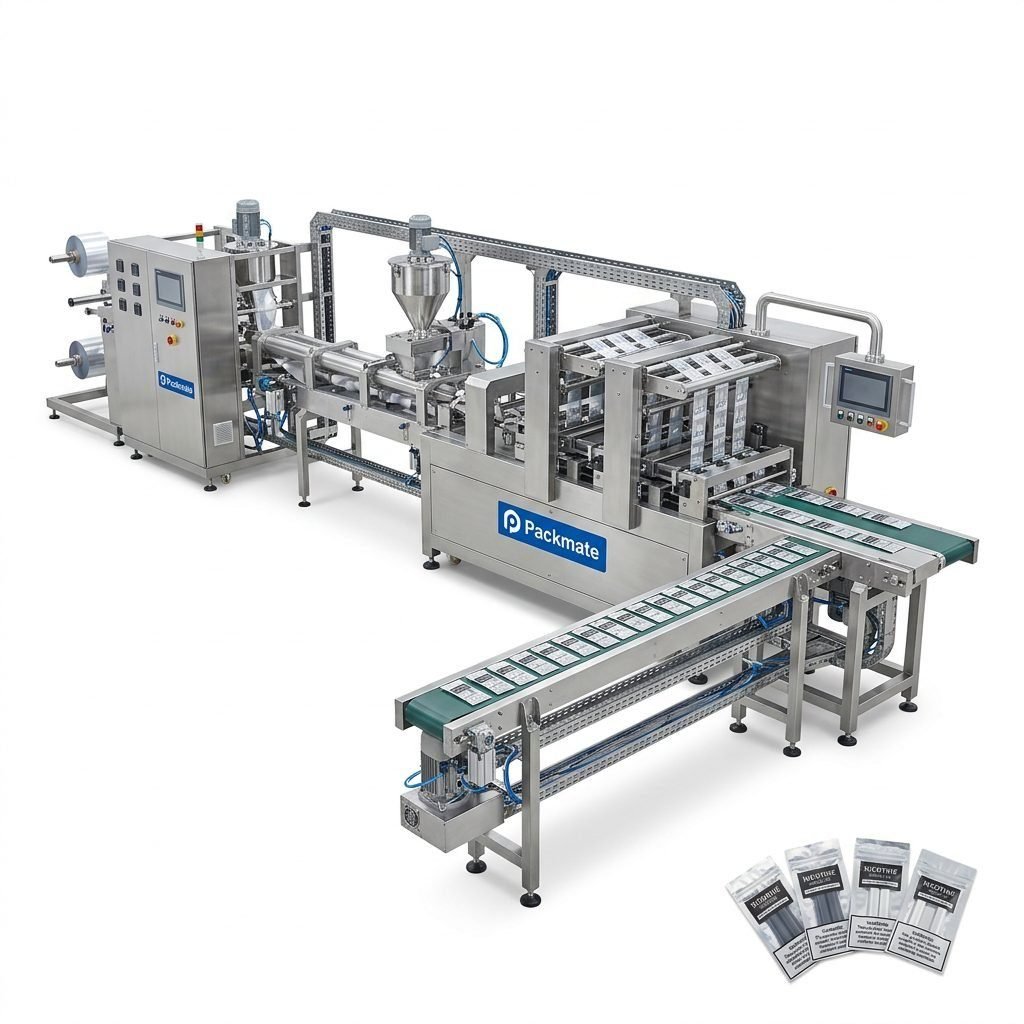
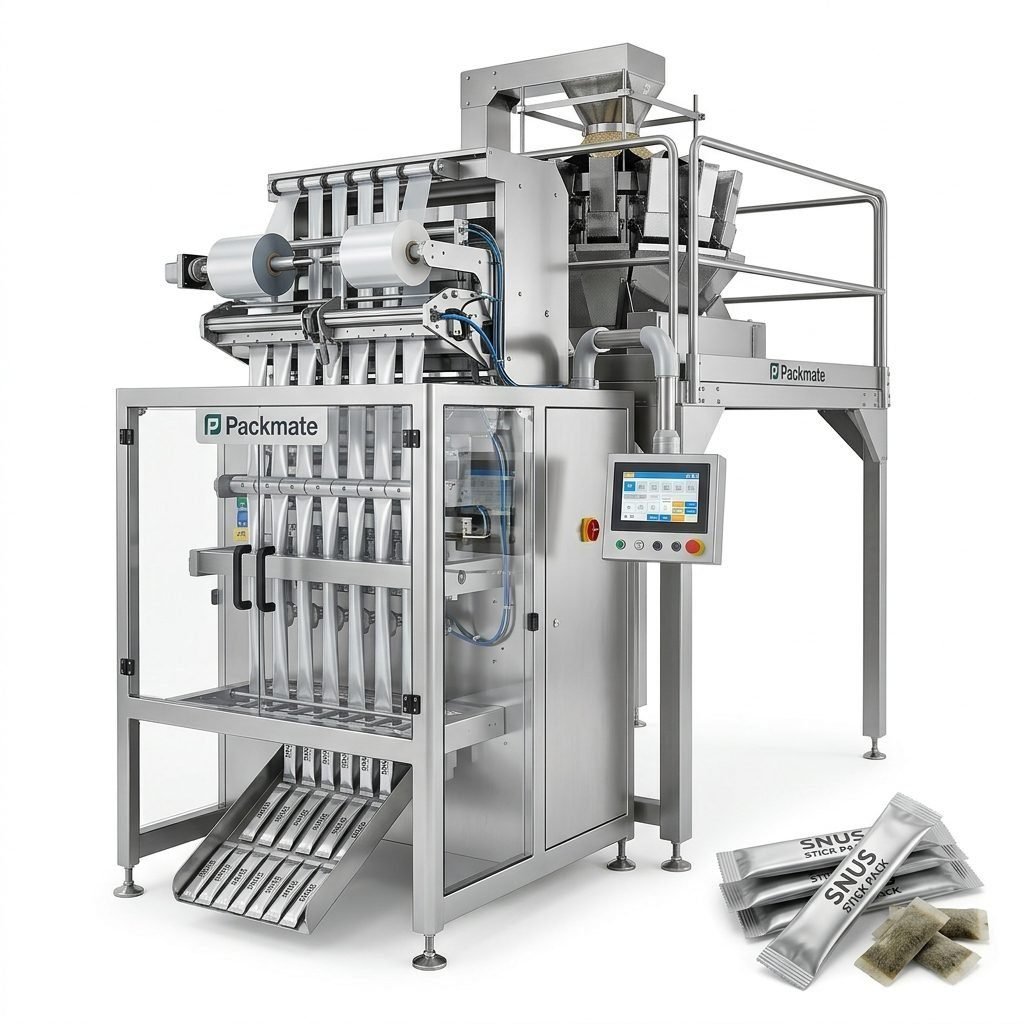
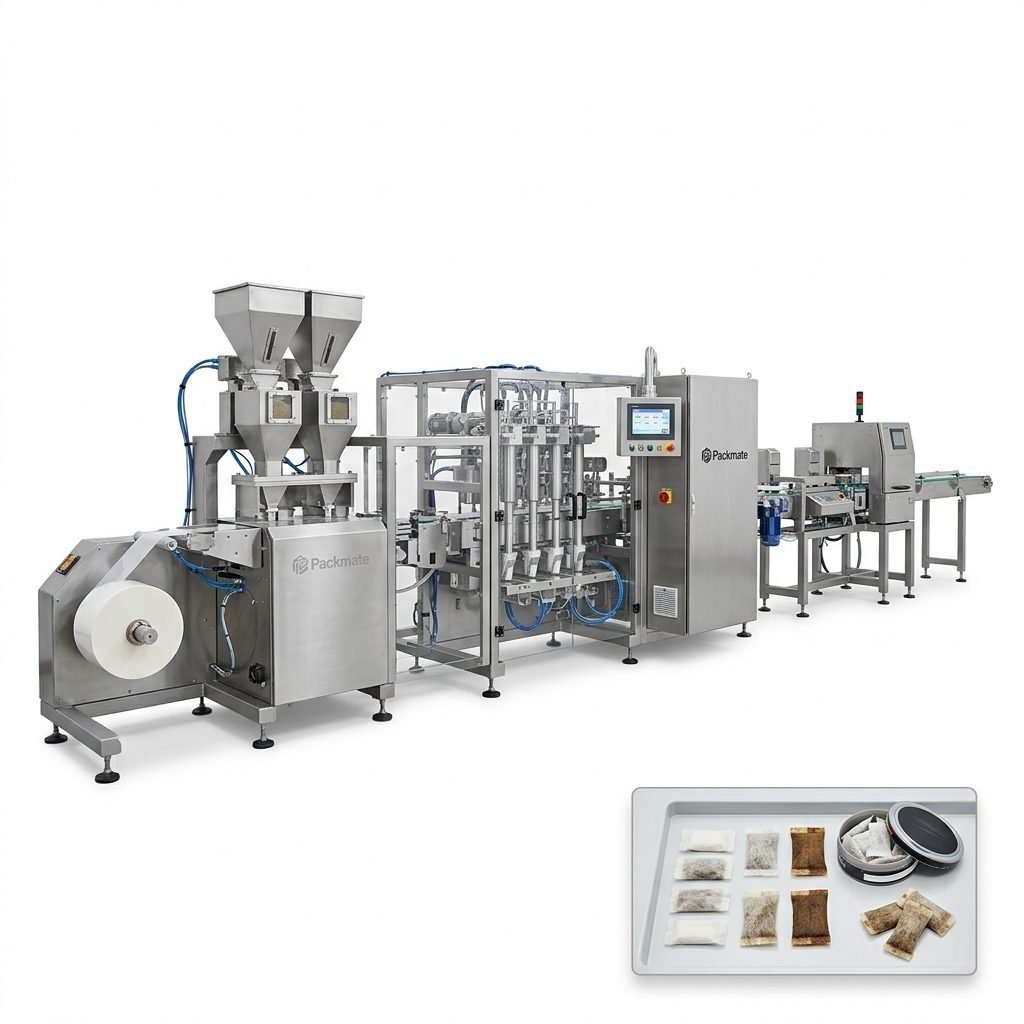
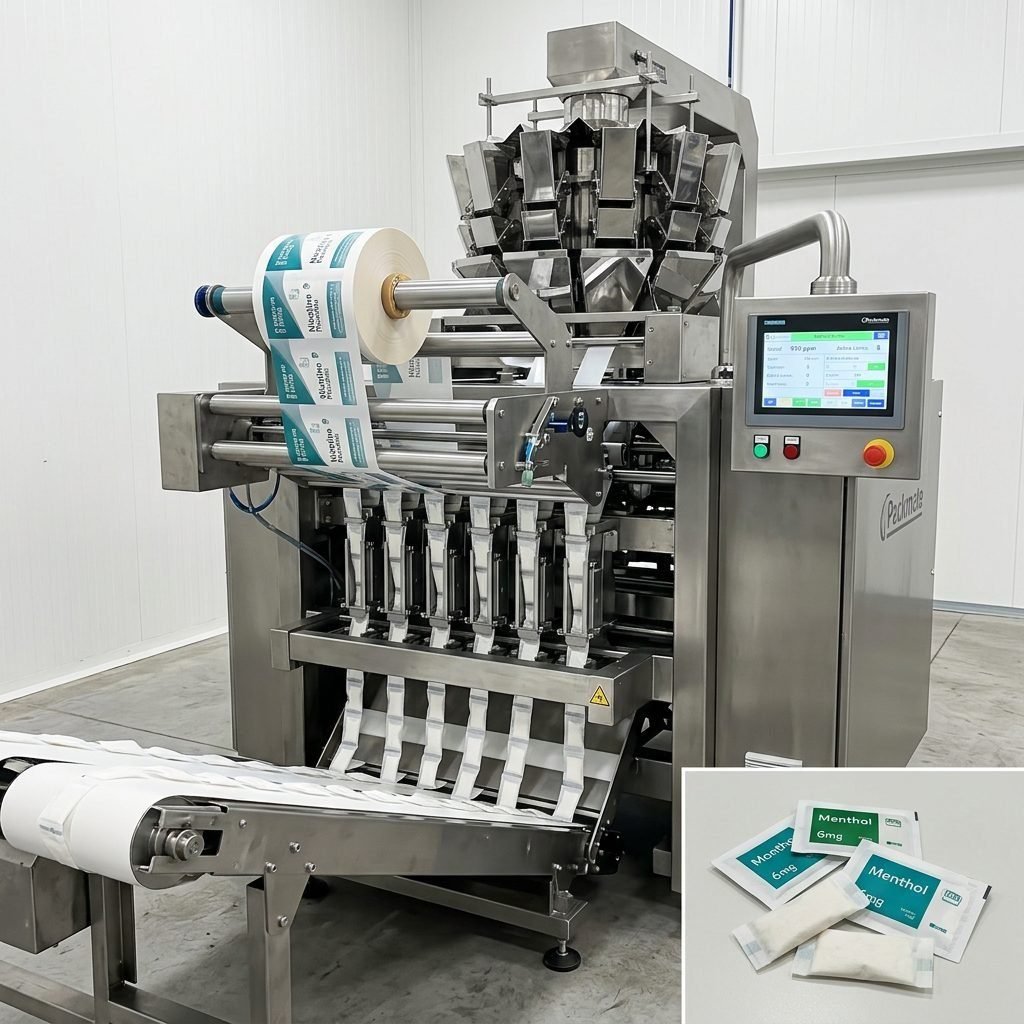
A strong supplier offers a broad range of machines and proven solutions. Look for vendors with dedicated snus and nicotine pouch experience, multi-lane systems, and hygiene-friendly designs for powder and particulate products. Important machine types include stick pack, sachet, multi-lane snus pouch machines, and complementary weighing or liquid filling lines.
Check product pages and technical specifications — reputable suppliers provide clear data on speeds (pouches/min), lane counts, filling accuracy, and changeover times. For reference, explore professional pages such as
Snus & Nicotine Packaging Machines
and
Sachet & Stick Pack Machines.
Key technical questions to ask
• What are the machine’s production rates under real conditions?
• Can the system handle multiple pouch sizes and dosing ranges?
• Is the machine constructed with food-grade materials and easy-to-clean components?
• How modular is the system for future upgrades or additional lanes?
Step 2 — Inspect factory strength, R&D and certifications
Manufacturing capacity, modern CNC capabilities, and documented quality systems indicate reliability. A factory with a large area and precision assembly lines typically delivers better consistency and quicker delivery times. Confirm the supplier’s certifications such as CE, ISO and any export compliance documentation relevant to Saudi import authorities.
Example: A supplier that lists factory facts like 20,000㎡ manufacturing area, CNC centers, and 50+ machine models demonstrates scale and R&D breadth.
Step 3 — Quality, testing and acceptance procedures
Strong quality protocols include pre-shipment FAT (Factory Acceptance Test), performance reports, and video demonstrations. If possible, request a remote or in-person FAT showing the machine running with your product or an equivalent. Acceptance criteria should be defined in the contract, covering throughput, accuracy, and mechanical stability.
Factory tests and commissioning
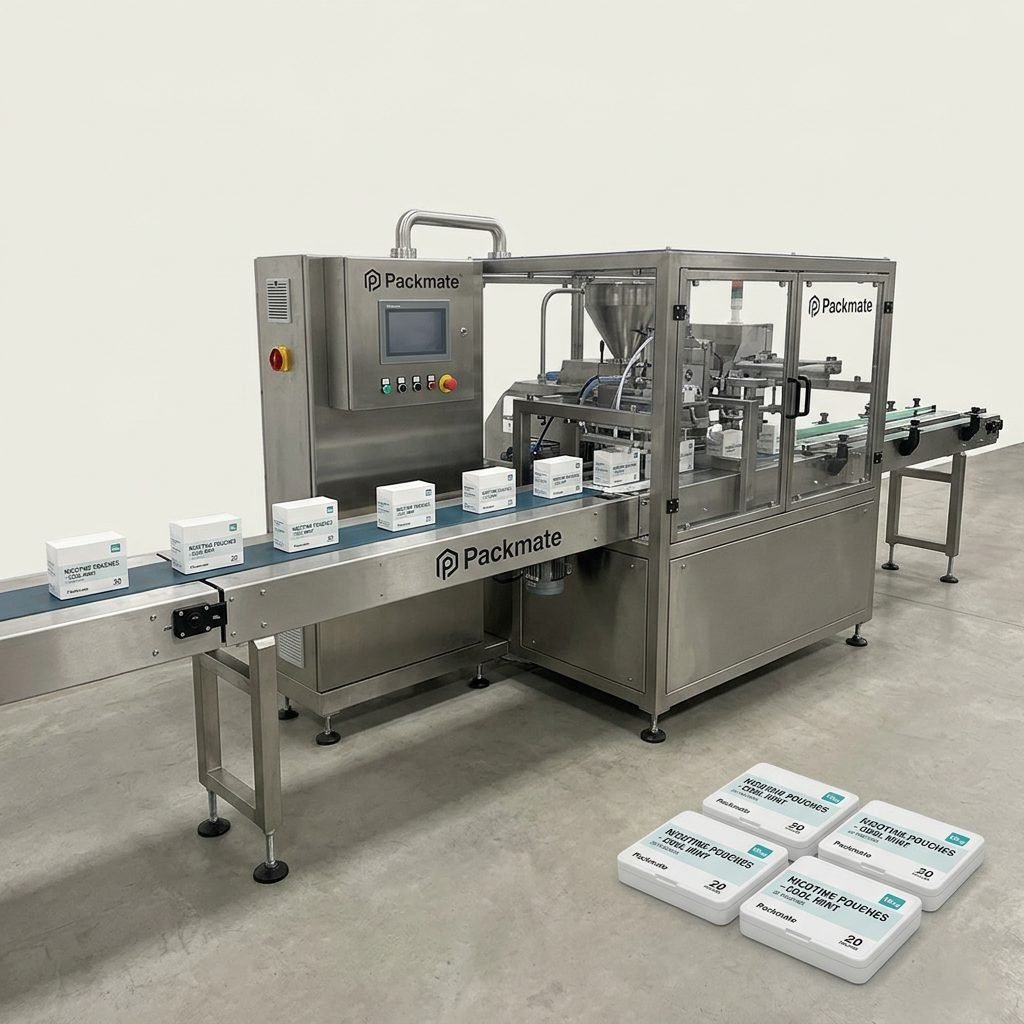
Confirm whether the supplier offers on-site commissioning in Saudi Arabia, spare parts kits, and training for local technicians. Suppliers that provide full turnkey lines including weighing and filling equipment often simplify integration — see their
Filling & Packaging Lines.
Step 4 — After-sales support and spare parts
In Saudi Arabia, rapid and reliable after-sales service matters. Confirm the supplier’s policies on:
• Local or regional spare parts inventory • Response times for remote troubleshooting • On-site engineer availability for installation and repairs • Training programs for maintenance staff
Suppliers with global service experience often maintain predictable spare parts lead times and offer remote diagnostics to minimize downtime.
Service pointer: Ask for a spare parts list and suggested stocking plan sized for the first 12 months of operation in Saudi Arabia.
Step 5 — Commercial terms, warranty and total cost of ownership
Consider the full cost of ownership beyond the machine price: installation, integration, spare parts, consumables, energy use, and expected lifespan. Clear warranty terms and defined responsibilities for installation and acceptance lower long-term risk.
Negotiate payment milestones tied to FAT completion and successful commissioning in Saudi Arabia. Clarify who handles customs clearance and local certifications to avoid surprise costs.
Step 6 — Local partnerships and cultural fit
A supplier who understands Saudi market etiquette and business culture will be easier to work with. Key considerations:
• Respect for appointment times and local holidays • Arabic language documentation and HMI options • Willingness to sign distributorship or service agreements with local partners • Ability to offer training sessions that respect local customs and schedules
Logistics and installation notes for Saudi sites
Shipping to Saudi Arabia often requires attention to crate sizes, import documentation, and Saudi customs rules. Confirm that the supplier coordinates with freight forwarders experienced in GCC imports. Also check whether the supplier can provide site surveys, CAD layout drawings, and 3-phase electrical specifications compatible with Saudi power standards.
Step 7 — References, case studies and live demonstrations
Always ask for customer references, ideally in the same product category. If the supplier has relevant case studies or exhibition presence, review them. Packmate-style suppliers often showcase case histories and exhibition demos — see their
Case
and
Our Exhibition
pages for real-world examples of installations.
Red flag: Vendors who refuse FATs, provide no performance videos, or cannot supply references should be treated with caution.
Step 8 — Contract details and intellectual property
Define acceptance tests, penalties for missed delivery, spare parts lead times, and terms for engineering changes. Protect your product formulas and brand with clear non-disclosure arrangements if the supplier will handle sensitive information.
Checklist: Practical questions to include in a supplier RFP
• Lead time and ability to meet batch dates
• FAT and SAT (site acceptance test) procedures
• Spare parts list and recommended stock levels
• Local language HMI and documentation availability
• Energy consumption, compressed air and utilities specs
• Warranty length and coverage details
• References in nicotine or similar industries
• Compliance documentation (CE, ISO, export certificates)
Working with an experienced supplier: what good looks like
A reliable supplier will offer transparent specifications, clear delivery milestones, comprehensive testing, robust after-sales support, and cultural sensitivity to Saudi business practices. They will share documentation, demonstrate previous successful installations, and provide a realistic total cost of ownership.
Example supplier strengths to prioritize
• Dedicated snus/nicotine packaging expertise • Turnkey solutions from weighing to final packing • Strong quality control and ISO/CE compliance • Proactive spare parts and training programs • Experience exporting to Middle East markets
If you want to explore a supplier’s full product range or technical resources, check out their
About Packmate
and
Contact Us
pages for additional company information and direct inquiries.
Final considerations before you sign
Before awarding a contract, confirm all technical, commercial and legal expectations in writing. Plan for an overlap between machine delivery and staff training to shorten ramp-up time. Ensure spare parts are available locally or shipped quickly, and that service agreements respect Saudi work rhythms and site access procedures.
Bottom line: The best supplier is not always the lowest price. Prioritize technical fit, regulatory knowledge, proven delivery, and after-sales reliability for long-term success in Saudi Arabia.
Frequently Asked Questions (FAQs)
Q1: What certifications should I require for nicotine packaging machinery shipped to Saudi Arabia?
A1: Require CE and ISO certificates for manufacturing quality. Additionally, ensure the supplier provides export documentation and any test reports relevant to product safety. Check with Saudi import authorities for specific documentation needs.
Q2: How important is on-site commissioning in Saudi Arabia?
A2: Very important. On-site commissioning ensures correct integration with your production lines, trains your staff, and validates performance under local conditions. Ask the supplier for a commissioning plan and trainer profile.
Q3: Can machines be adapted for Arabic labeling and local formats?
A3: Yes. Most experienced suppliers provide HMI language options and customizable printing/labeling modules to include Arabic text, barcodes and local warning formats.
Q4: What lead times should I expect for a turnkey snus packaging line?
A4: Lead times vary by complexity and customization. Standard modular lines may ship in a few months, while fully customized multi-lane turnkey lines can require longer lead times — always confirm FAT and shipping milestones in the contract.
Q5: How do I ensure fast spare parts support in Saudi Arabia?
A5: Negotiate spare parts kits with the initial purchase, request recommended stocking lists, and prefer suppliers with regional distributors or logistics partners who can expedite shipments into the GCC.