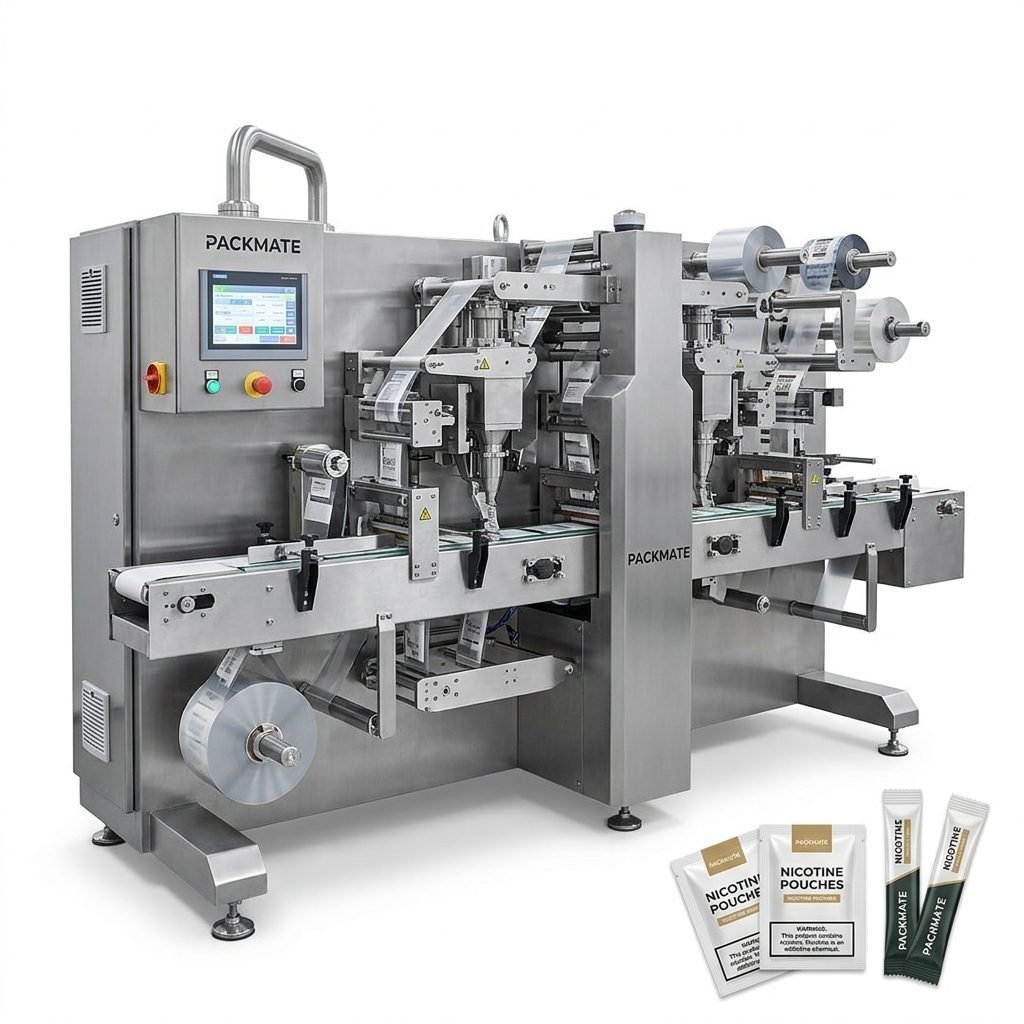
Choosing the right nicotine packaging machine manufacturer in Thailand is a strategic decision that affects product quality, compliance, production cost and time-to-market. Whether you are launching a new nicotine pouch brand or upgrading an existing production line, this guide walks you through the essential criteria, practical checks and negotiation tips to select a reliable partner. The content below is tailored for packaging managers, procurement teams and business owners seeking high-performance snus and nicotine pouch packaging solutions.
Why Thailand as a Manufacturing Base?
Thailand has become an attractive hub for packaging equipment and contract manufacturing because of its strategic location in Southeast Asia, skilled technical workforce and well-established supply chains. When evaluating a manufacturer with operations or service in Thailand, look for a blend of local responsiveness and access to global engineering standards. A manufacturer that can demonstrate both local market knowledge and international compliance will ease regulatory hurdles and shorten delivery times.
Key Decision Factors at a Glance
✔️ Technical expertise — Do they specialize in snus/nicotine pouch lines and multi-lane systems?
✔️ Quality & compliance — Are CE/ISO certifications available, and are appliances tested under real-world conditions?
✔️ After-sales service — Does the vendor provide spare parts, remote support and commissioning assistance?
✔️ Turnkey capability — Can they supply a complete line including weighing, filling and auxiliary equipment?
Understanding Machine Types & Technical Specs
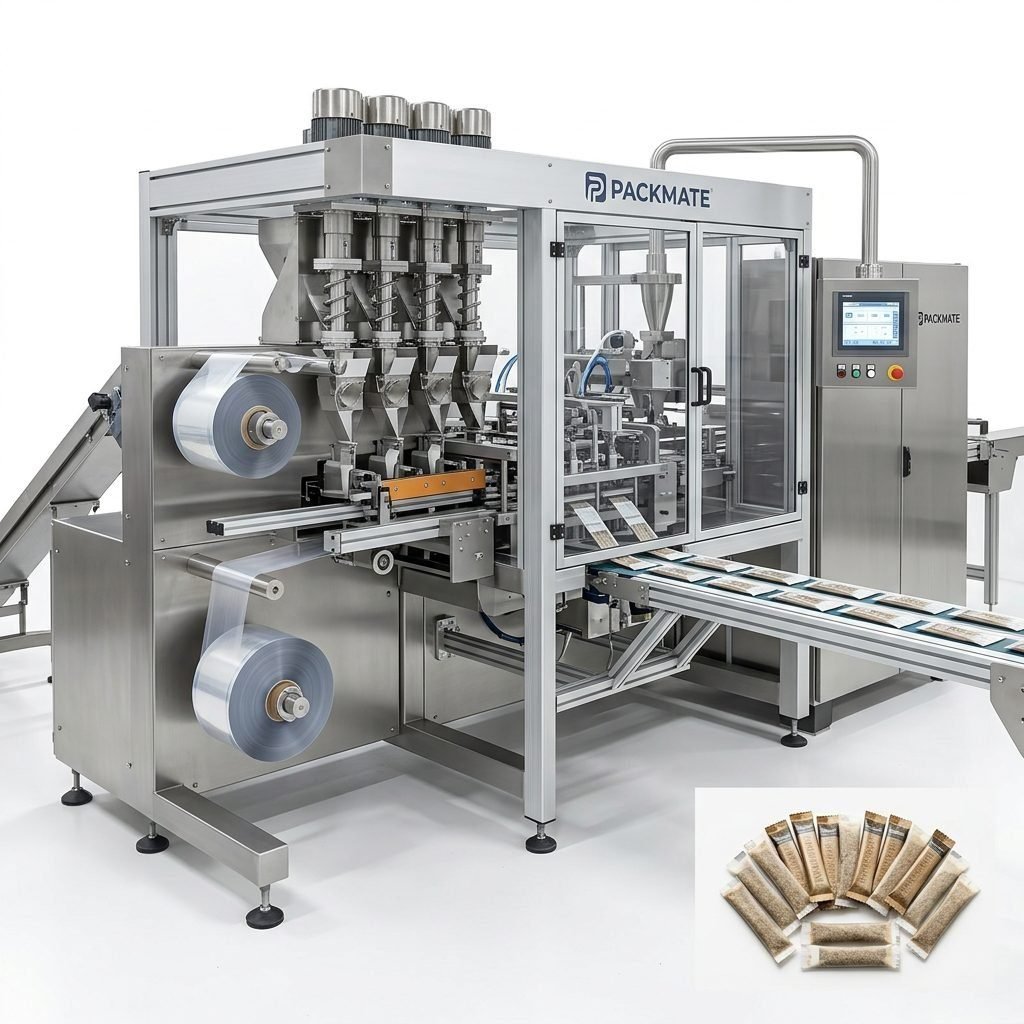
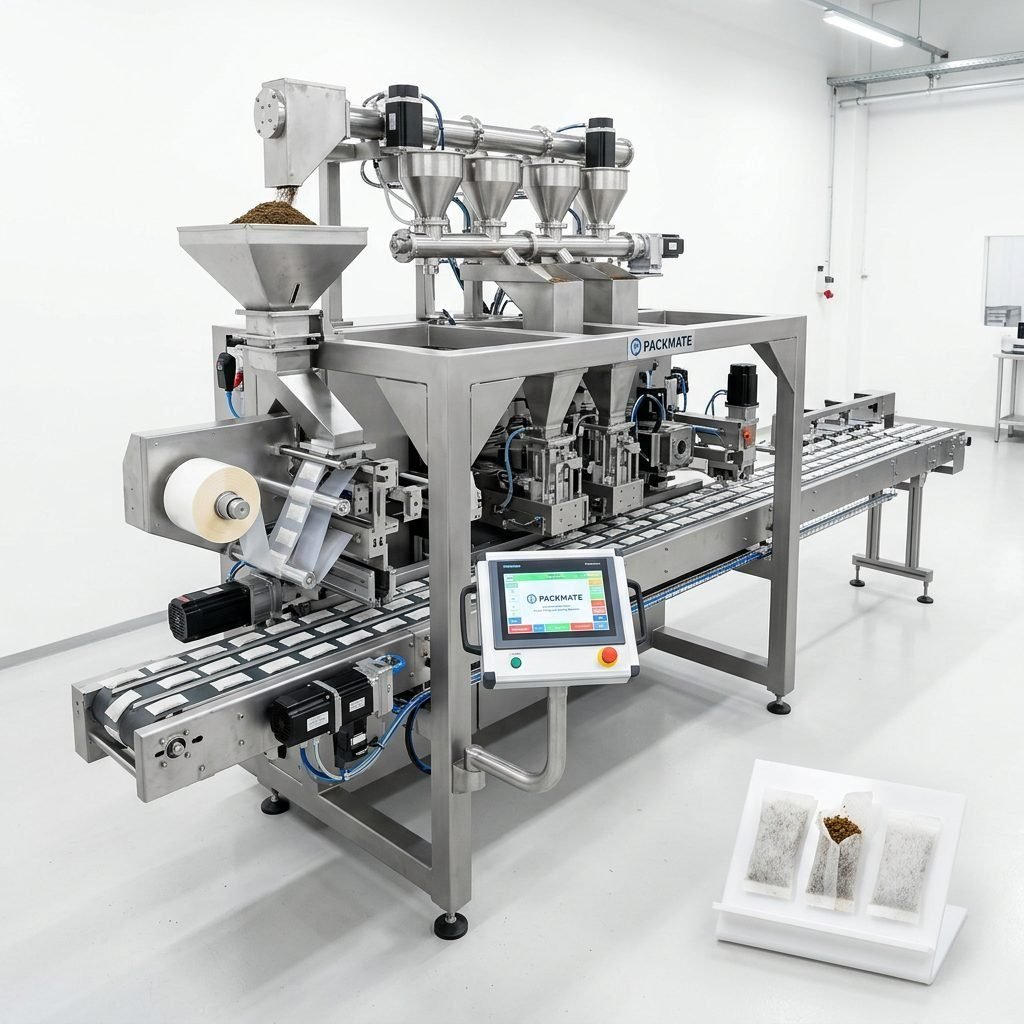
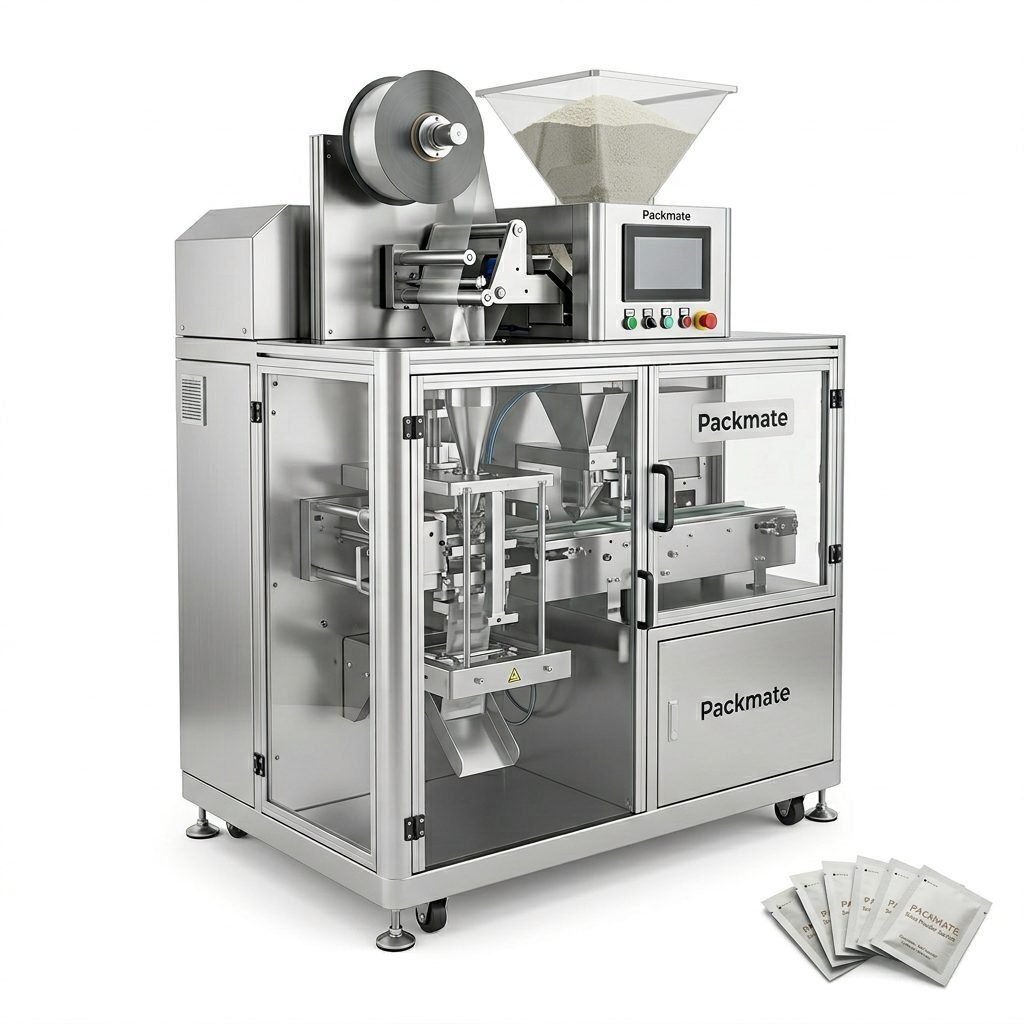
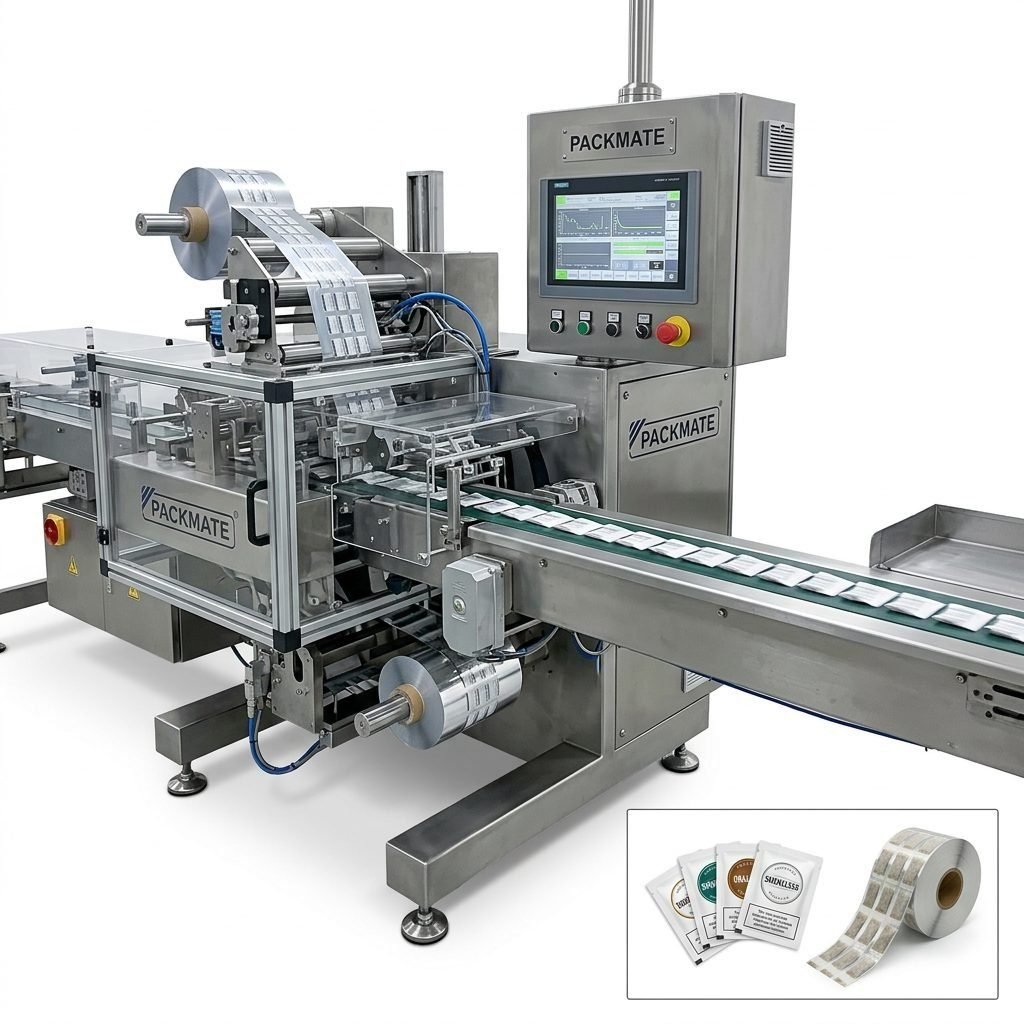
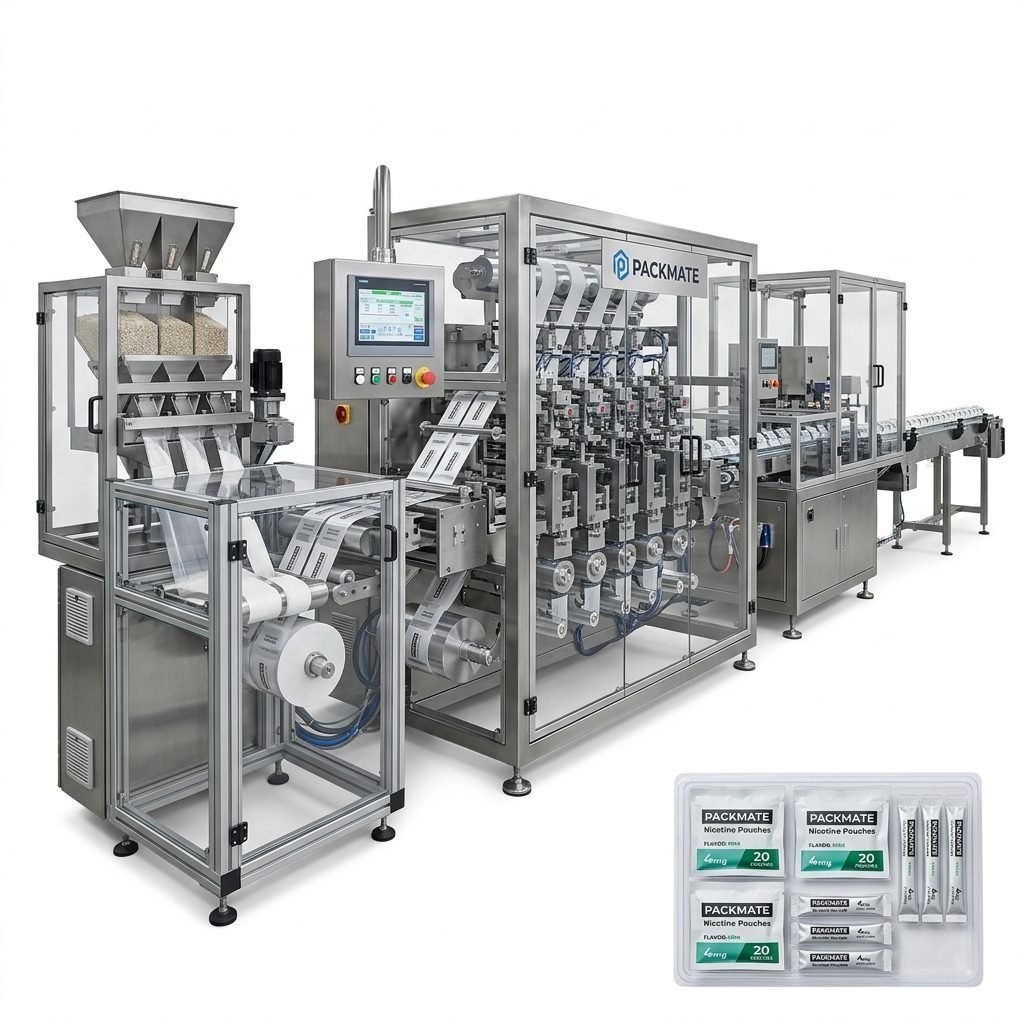
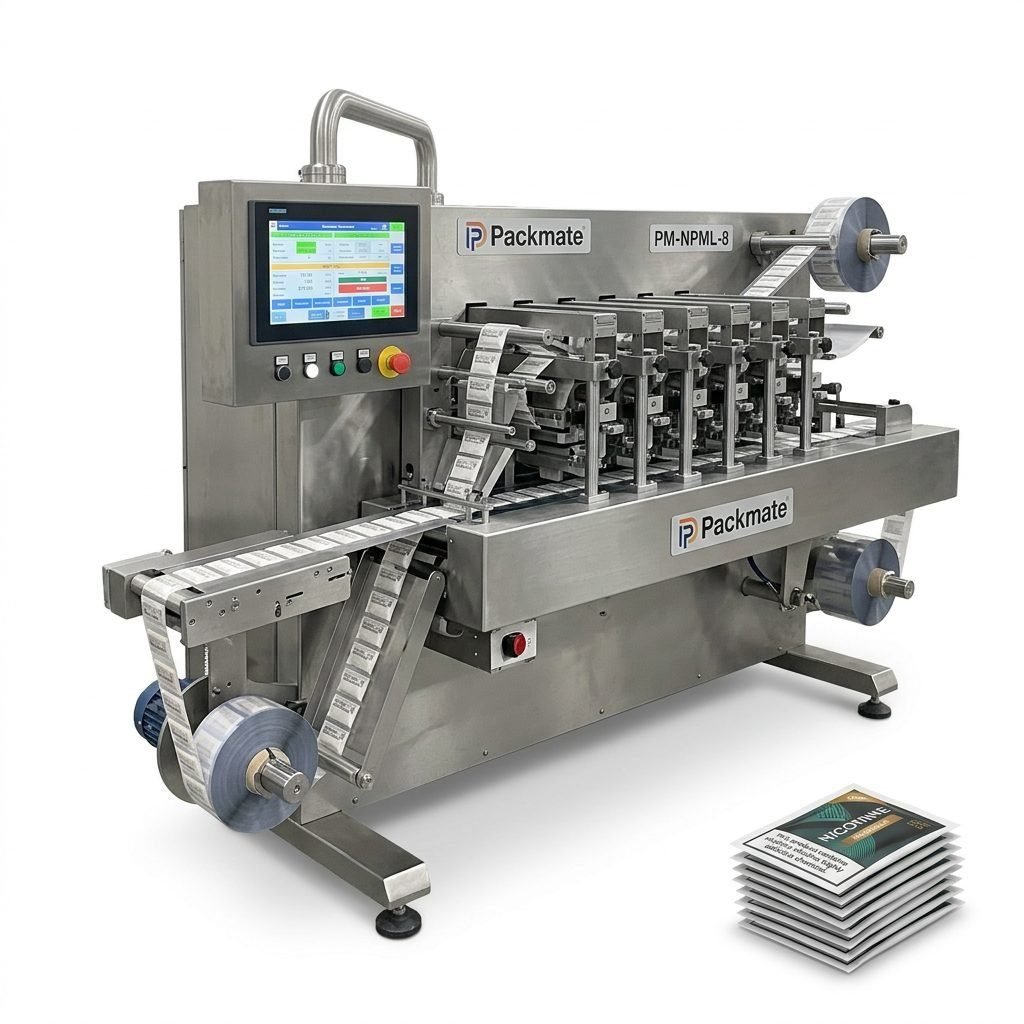
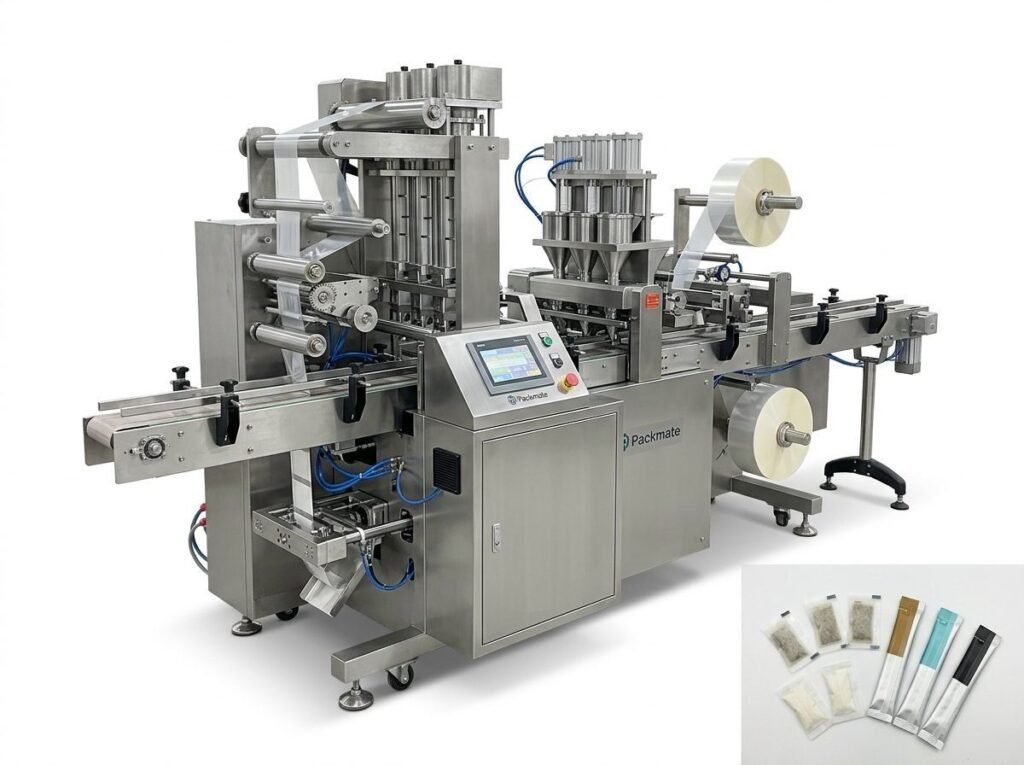
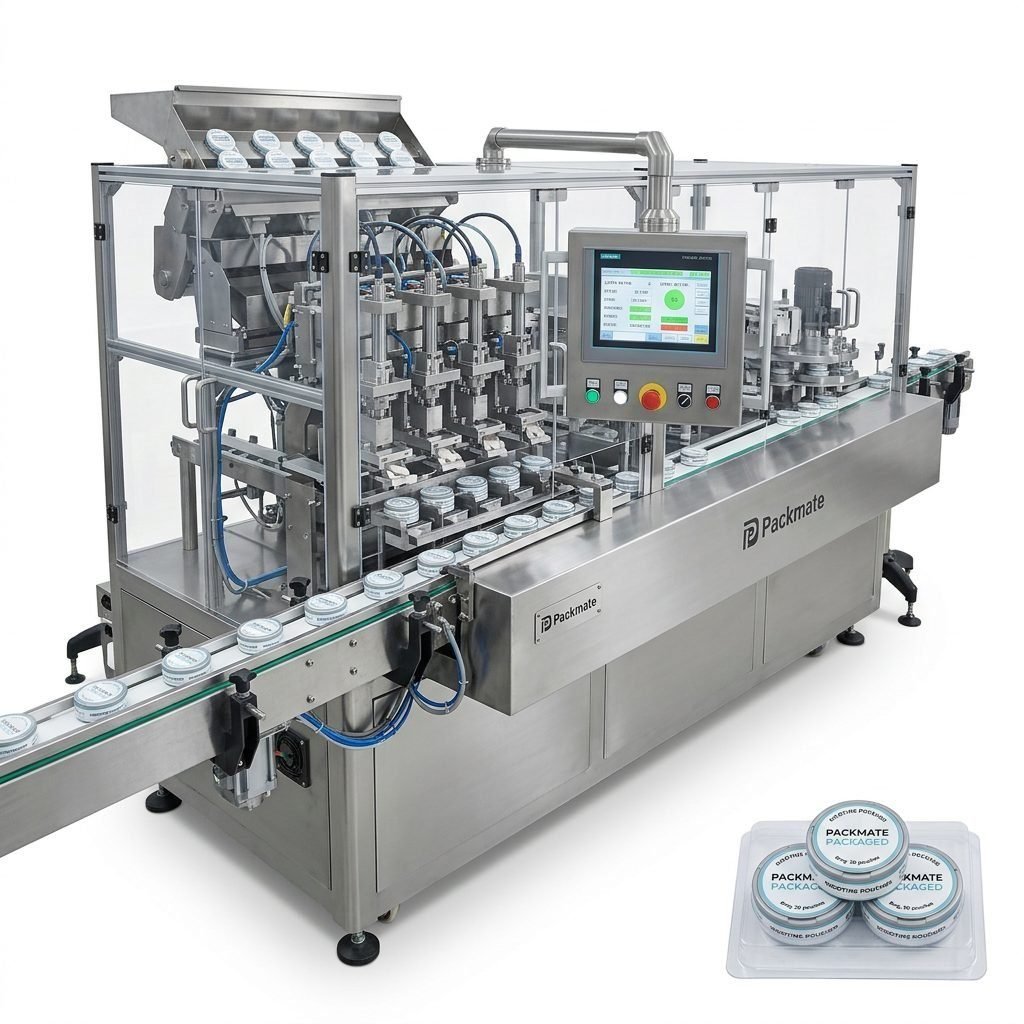
Nicotine pouch packaging requires specialized machines that handle small-dose pouches with high accuracy and hygiene standards. Typical machine types include stick pack, sachet, and multi-lane snus pouch machines. Evaluate the following technical specifications carefully:
- Filling accuracy and dosing repeatability (critical for nicotine content control)
- Multi-lane capability (lanes per machine to match your throughput needs)
- Changeover time (ease of switching sizes or formats)
- Material compatibility (film types, pouch materials, laminates)
- Sanitation and cleanability (important for consumer safety)
Learn more about specialized lines and product families such as Snus & Nicotine Packaging Machines and Sachet & Stick Pack Machines to align machine features with your product format.
Production Capacity & Factory Strength
A manufacturer’s factory footprint and equipment list are direct indicators of their ability to deliver on complex orders. When assessing a potential supplier in Thailand, confirm the following:
• CNC machining capabilities and precision tools (ensures tight tolerances).
• Dedicated test lines and final inspection areas for full-line verification.
• Number of models and customization history to evidence adaptability.
Quality, Certifications & Compliance
Ensure the manufacturer adheres to international standards. Ask for documentation proving CE, ISO and any region-specific approvals. Machines for nicotine pouch production must meet hygiene, safety and electrical standards—request test reports and sample production videos to validate performance.
Customization & Turnkey Solutions
A strong supplier offers not just a machine but a full production solution: feeding systems, scales, filling modules, sealing units, conveyors and packaging headers. If you require a fully integrated line, confirm the supplier’s experience in turnkey projects and their ability to integrate third-party components. For comprehensive offerings see Filling & Packaging Lines and Weighing & Packaging Systems.
Service Network & Spare Parts Availability
Downtime is costly. Verify the lead times for spare parts, the availability of local technicians and remote diagnostic capabilities. A reliable manufacturer will provide detailed service plans, parts lists and training packages. Check whether they maintain local stock or fast shipping channels to Thailand.
Cost Considerations and Total Cost of Ownership
Price is only one component of the decision. Evaluate the total cost of ownership (TCO), which includes installation, commissioning, training, spare parts, consumables, energy consumption and expected MTBF (mean time between failures). A cheaper upfront quote can become expensive over time if the equipment is unreliable or inefficient.
– Warranty coverage and response time.
– Recommended preventive maintenance schedule and costs.
– Energy efficiency and operating costs.
– Availability of consumables and spare parts.
How to Vet Manufacturers: A Practical Checklist
Before making a decision, perform a structured evaluation using the checklist below. Arrange a factory visit or request a virtual tour if a physical visit is not possible.
- Verify company history and engineering credentials (years in business, R&D investment).
- Inspect production lines, assembly stations and test protocols.
- Request references and visit existing customer sites if possible.
- Check spare parts logistics and warranty/service SLA documents.
- Request a FAT (Factory Acceptance Test) with sample materials and production speeds.
Documentation & Acceptance Tests
Ensure the contract includes clear acceptance criteria, performance guarantees and penalties for failing to meet agreed throughput or quality metrics. A thorough FAT should demonstrate consistent pouch weight, sealing integrity and multi-lane synchronization.
Negotiation & Contract Tips
• Delivery timeline and penalties for delay.
• FAT and SAT (Site Acceptance Test) criteria.
• Detailed spare parts list with lead times.
• Training provisions for operators and maintenance staff.
• Warranty terms and extended support options.
After-Sales Support & Training
Strong after-sales support differentiates top manufacturers. Confirm whether the vendor offers on-site commissioning, operator training, preventive maintenance schedules and remote troubleshooting. A manufacturer with an active exhibition schedule and published case studies is often more invested in long-term relationships—review their Case examples and exhibition presence at Our Exhibition.
Why Packmate-Style Suppliers Are Worth Considering
Suppliers with decades of experience, a wide range of machine models and dedicated manufacturing facilities are often better positioned to deliver reliable nicotine pouch packaging lines. Companies that emphasize precision engineering, CNC machining centers and a portfolio of solutions—snus packing, sachet and stick pack systems—bring both stability and innovation to projects. Check their company profile, certifications and mission details via links such as About Packmate and Certificate.
Practical Buying Steps — From Inquiry to Production
- Send a detailed RFQ including expected formats, materials and throughput.
- Request technical drawings, layout proposals and electrical/air requirements.
- Review commercial terms and schedule a FAT with your product samples.
- Agree acceptance tests, delivery, installation and training dates.
- Validate documentation, warranty and spare part terms before final payment.
Final Selection: Scorecard Approach
Use a weighted scorecard to compare suppliers across technical, commercial and service dimensions. Typical weightings might be: technical fit (35%), reliability & quality (25%), cost & payment terms (20%), after-sales & training (20%). Quantify each supplier’s offering against these criteria to make an objective decision.
Choosing the right nicotine packaging machine manufacturer in Thailand involves more than price comparison: it requires a careful assessment of engineering capability, factory strength, certification, support infrastructure and clear contractual protections. By following the checklist and negotiation tips above, you will reduce risk and secure a partner capable of growing with your business.
Frequently Asked Questions
Q1: How long does it typically take to install a nicotine pouch packaging line?
A1: Installation and commissioning usually range from 4 to 12 weeks depending on line complexity, site preparation and integration requirements. A full turnkey line with multi-lane systems and auxiliary equipment will take longer than a single machine installation.
Q2: What certifications should I demand from a manufacturer?
A2: At minimum request CE and ISO certificates. For food-contact or consumer-grade nicotine pouches, ask for material compatibility records, electrical safety tests and any regional approvals required by your market.
Q3: Are multi-lane snus machines worth the investment?
A3: Multi-lane machines increase throughput and reduce footprint compared with parallel single-lane machines. They are recommended if you expect to scale production and need consistent small-dose control across lanes.
Q4: How do I ensure fast spare parts delivery in Thailand?
A4: Negotiate spare part kits, local stocking agreements or express shipping terms in your contract. Ask the manufacturer about regional warehouses or authorized distributors with local inventory.
Q5: What is the best way to validate a supplier remotely?
A5: Request a virtual factory tour, recorded FAT with your product samples, references from local customers, and real-time video demonstrations. Combine these with a signed contract that includes detailed acceptance criteria to mitigate remote purchase risks.