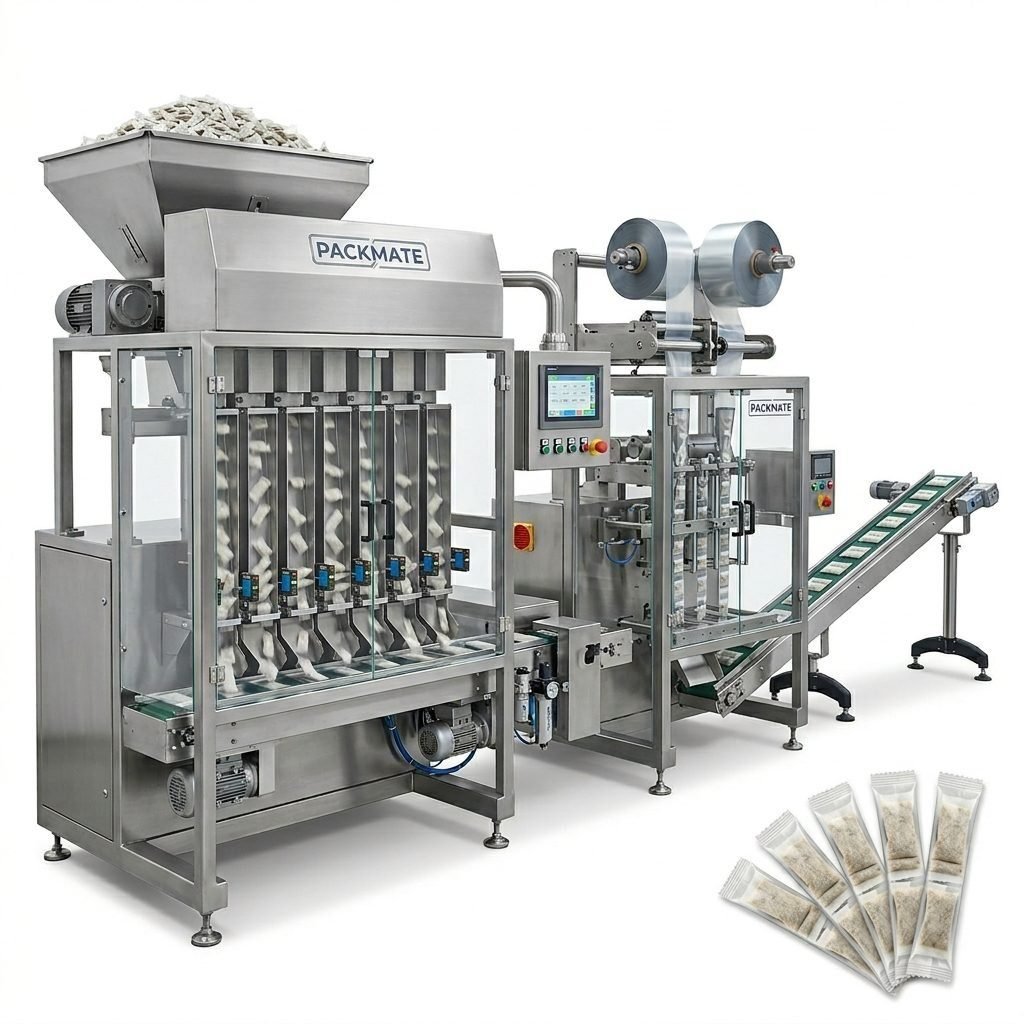
Choosing the right nicotine packaging machine manufacturer for your business in Ethiopia can determine production efficiency, regulatory compliance, and long-term profitability. This guide walks you through every critical factor — from machine types and production capacity to after-sales support and local compliance — so you can make an informed decision and secure a reliable packaging partner.
Understand Your Product and Packaging Needs
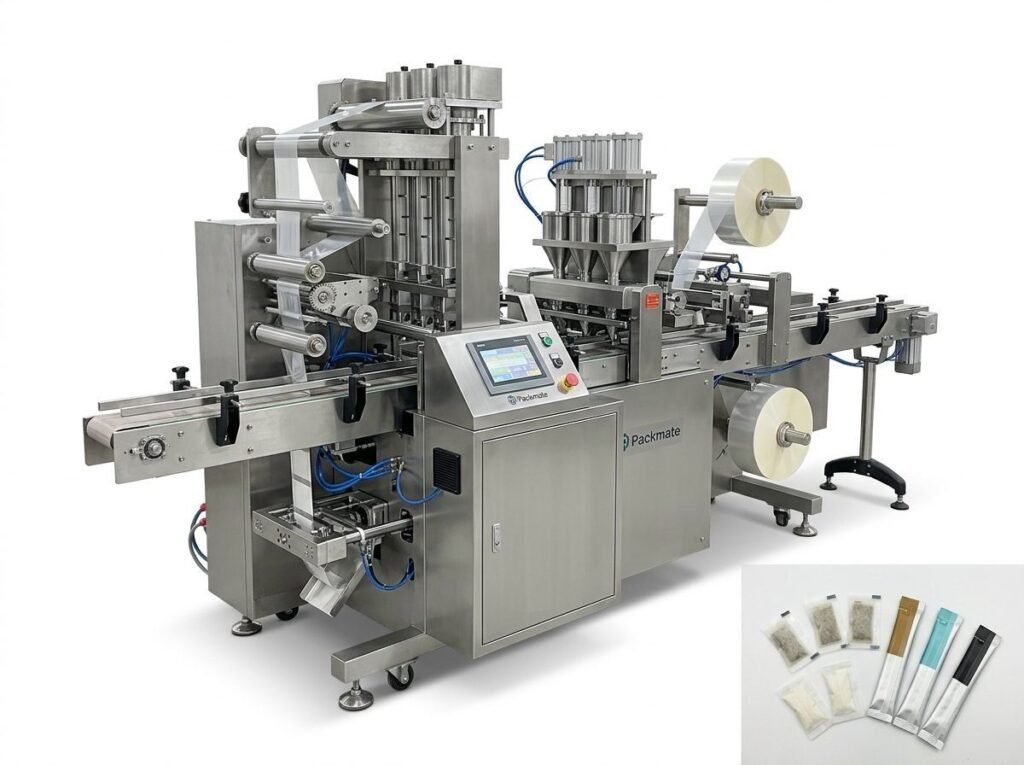
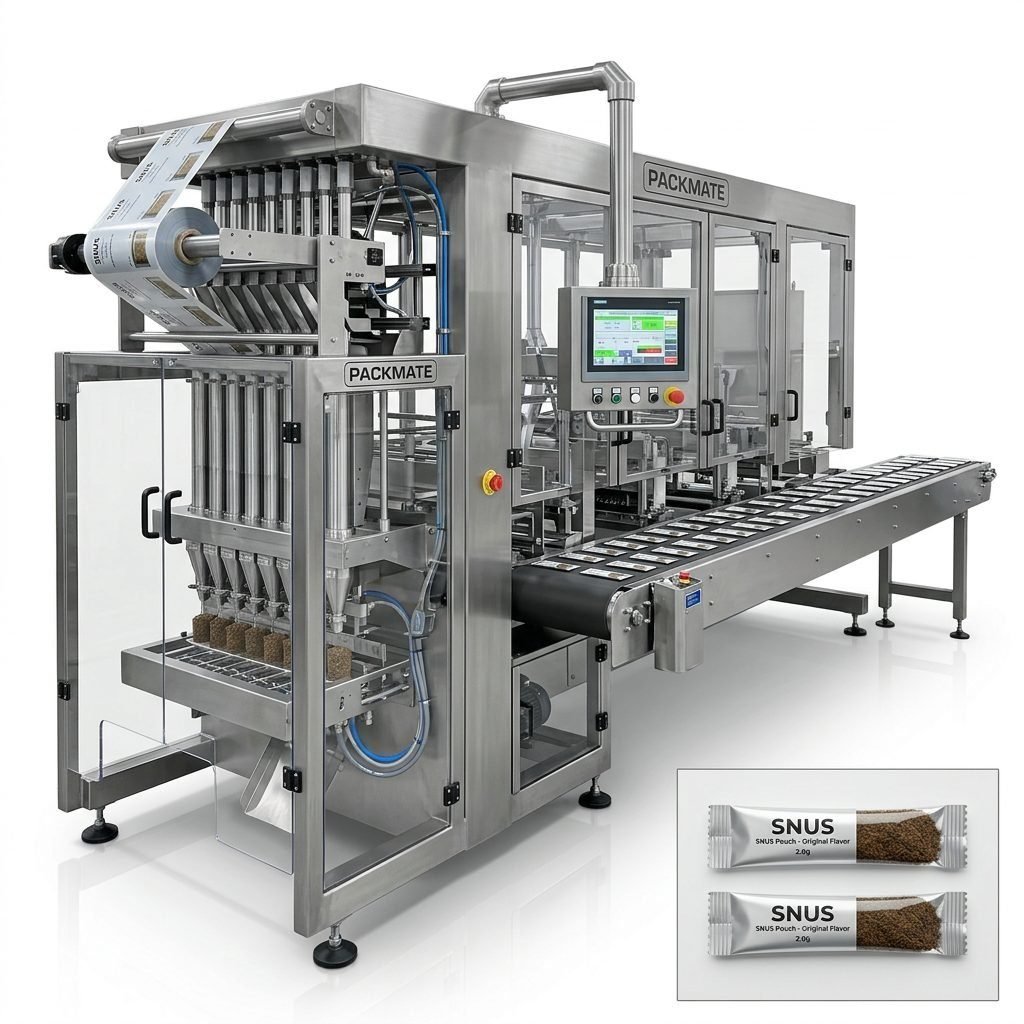
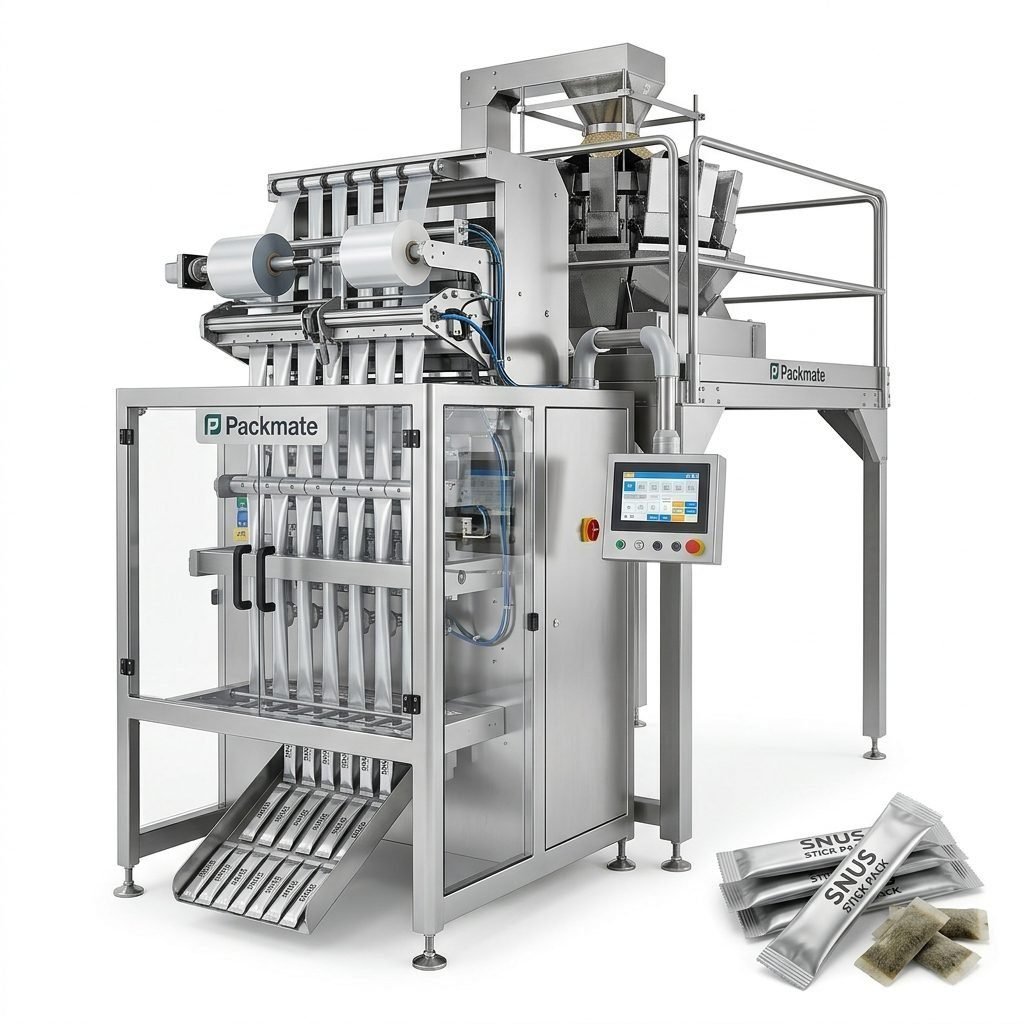
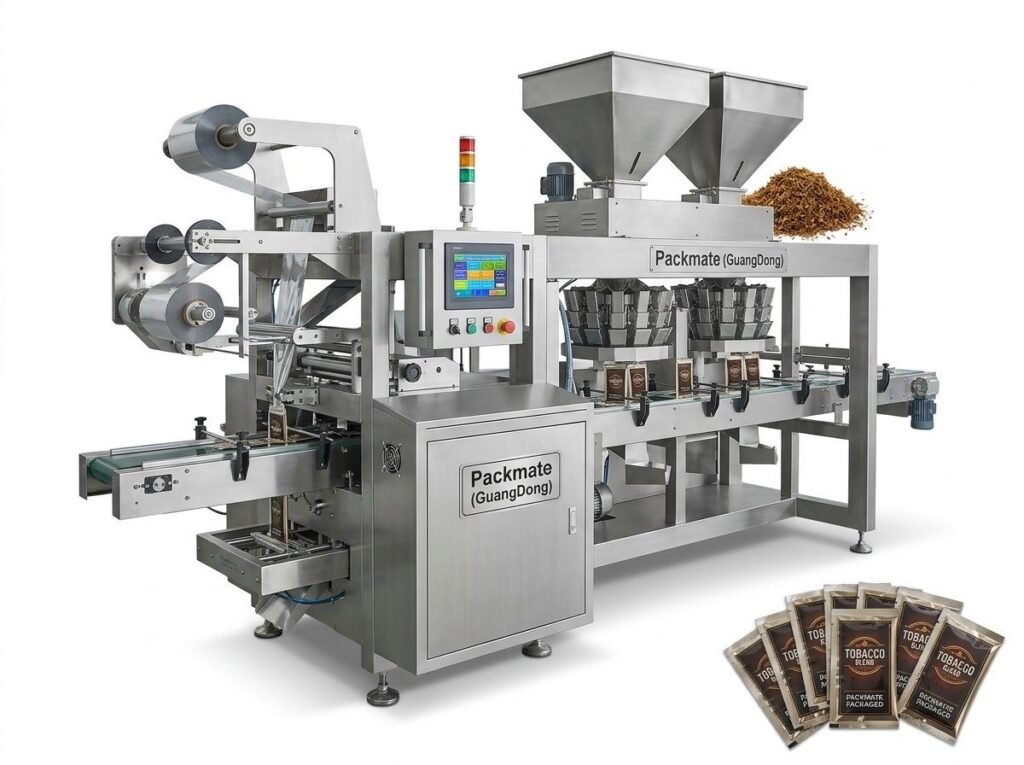
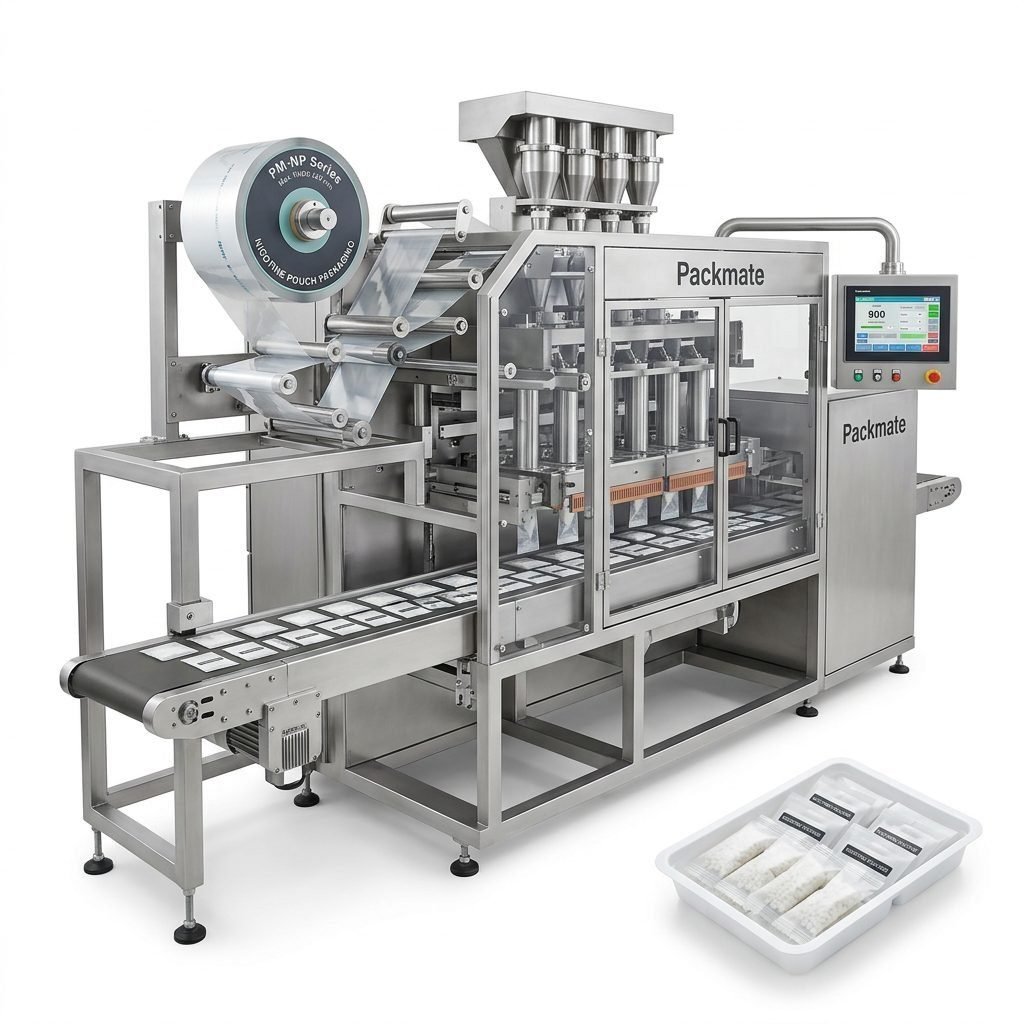
The first step is clarifying the exact product you plan to package. Nicotine pouches and snus come in many formats: single-dose sachets, multi-lane pouches, stick packs, small-dose tubs, and retail-ready boxes. Each format requires different machinery and peripheral equipment.
Tip: Map your product variables — pouch size, fill weight range, pouch material, sealing type, and target speed (pouches/min). This will narrow down suitable machine models quickly. ⚙️
Common packaging formats to consider
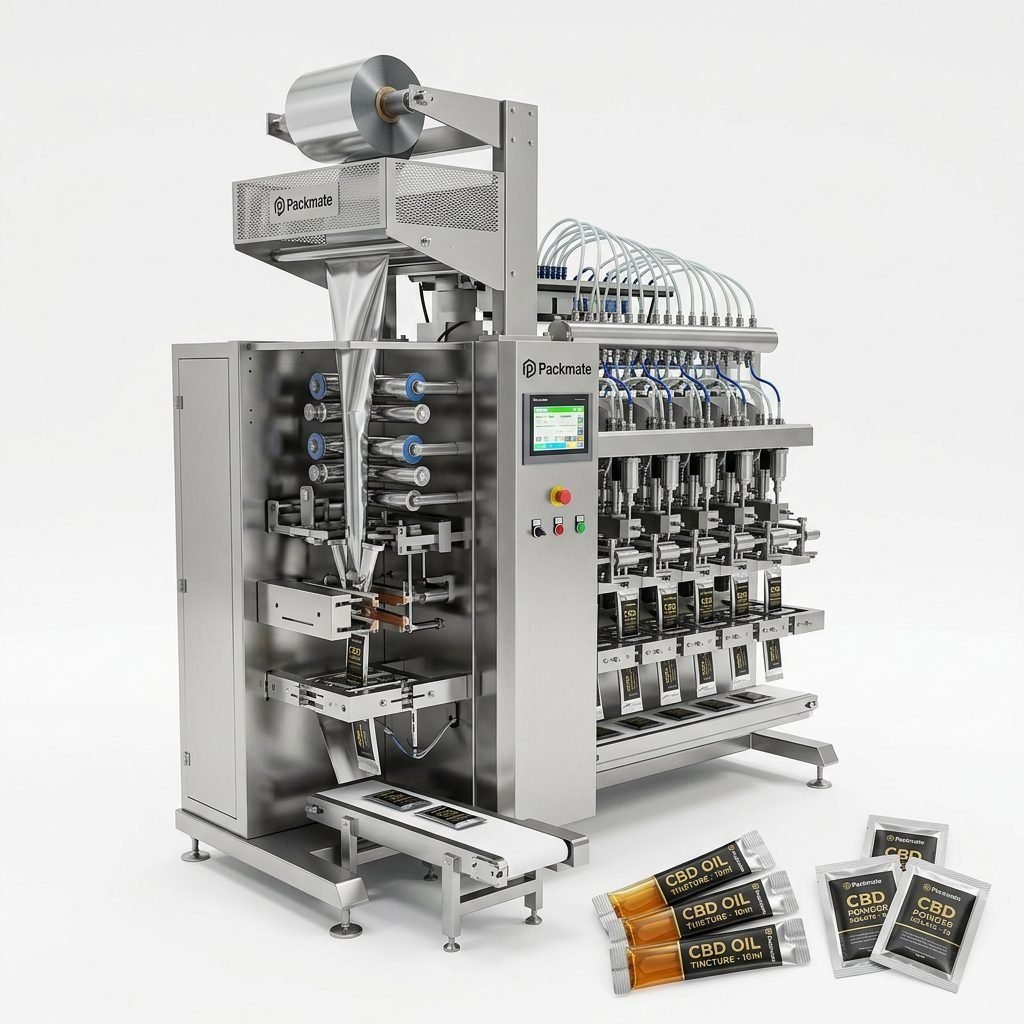
– Sachet & stick packs for single-dose convenience.
– Multi-lane pouch lines for high throughput production.
– Tub / can filling solutions for premium snus tubs.
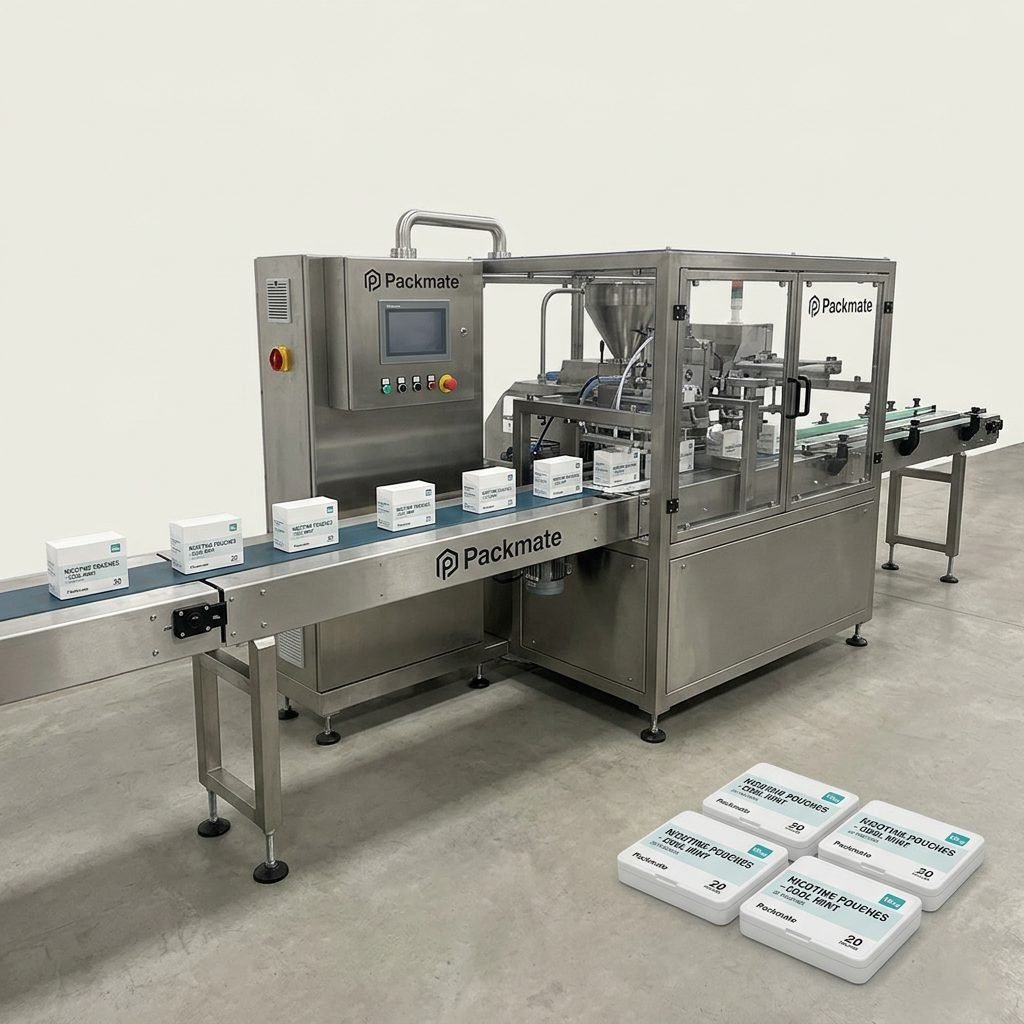
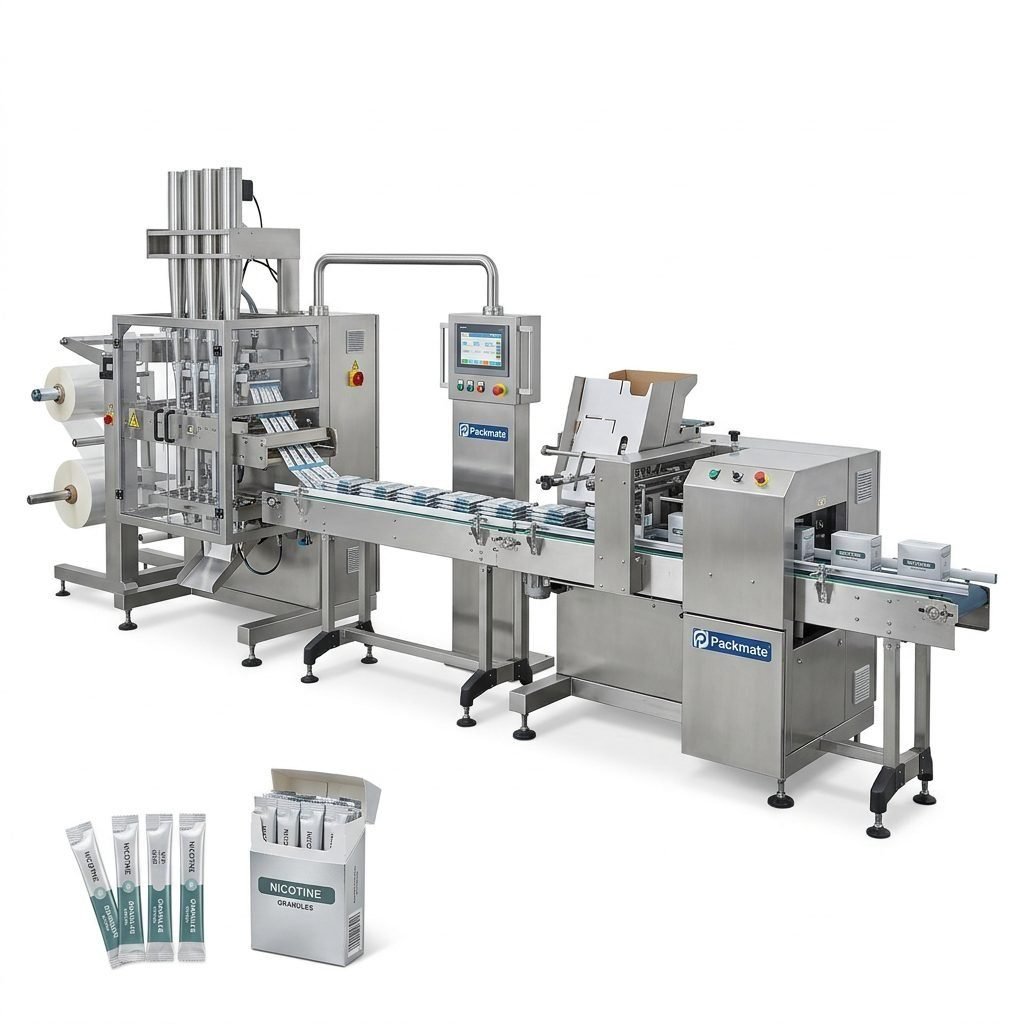
– Secondary packaging machines for cartons, shrink wrap, and case packing.
Evaluate Machine Performance and Technology
Look beyond advertised speeds. Assess real-world performance metrics: uptime, accuracy of dosing, film usage efficiency, and the machine’s ability to handle different materials. Modern machines offer servo-driven systems, modular design, and PLC controls for repeatable performance.
Key metrics to request: mean time between failures (MTBF), filling accuracy (±% range), changeover time, and verified production rates under customer-specific product tests. ✅
Check Manufacturer Experience and Factory Capabilities
Proven experience in nicotine and snus packaging is invaluable. Choose a manufacturer with a long track record of delivering snus/nicotine lines, strong engineering capabilities, and an established production facility. Look for companies with advanced CNC machining, dedicated assembly lines, and rigorous quality control systems.
For example, suppliers with 20,000㎡ factories and decades of R&D investment typically provide deeper engineering support, faster spare parts availability, and the ability to customize solutions for local market requirements.
What to verify during due diligence
– Years of experience in snus/nicotine machine design and delivery.
– Number of machine models and ability to customize.
– In-house manufacturing capabilities (CNC, assembly, testing).
– Case studies and references across regions similar to Ethiopia.
You can review product lines and case studies from the manufacturer’s site to validate fit: Snus & Nicotine Packaging Machines, Case.
Certifications and Compliance
International certifications matter, especially if you target export markets or must meet strict local health standards. Verify equipment complies with CE, ISO, or other relevant standards for mechanical safety, electrical systems, and hygienic design.
Ask the manufacturer for: copies of certificates, test reports, and traceability documentation for critical components. 🔎
After-Sales Service — The Most Critical Factor
A strong after-sales service network is crucial in Ethiopia. Downtime can be costly, and local technical support or fast spare parts shipment will minimize production losses. Evaluate the manufacturer’s global support footprint and their ability to provide remote troubleshooting, on-site installation, and operator training.
Check whether the supplier offers:
- Comprehensive commissioning and installation services.
- Operator and maintenance training at your site or at the factory.
- Fast spare parts delivery with clear parts numbering.
- Remote diagnostics and software support capabilities.
You can learn about typical services from the manufacturer’s service page: Service.
Customization and Turnkey Solutions
Nicotine pouch businesses often require tailored solutions — specific pouch sizes, multi-lane configurations, integrated dosing systems, or dust control for powder products. Opt for manufacturers who offer turnkey solutions including upstream weighing & dosing, packaging, and downstream secondary packaging.
Manufacturers that provide full lines (weighing, filling, packing) simplify project management and improve integration. See examples of integrated lines: Weighing & Packaging Systems and Filling & Packaging Lines.
Decision checkpoint: If you need future capacity growth, prioritize modular machines that scale by adding lanes or modules rather than replacing entire systems. 📈
Assess Total Cost of Ownership (TCO)
Price is only one component. Evaluate TCO by factoring in energy consumption, spare parts costs, maintenance requirements, expected lifetime, resin/film efficiency, and production yield. A lower upfront price may result in higher operating costs.
Request a detailed cost breakdown: machine price, shipping, installation, training, spare parts kit, warranty terms, and estimated annual maintenance costs. Comparing multiple detailed quotes side-by-side reduces surprises later.
Factory Acceptance Testing (FAT) and Site Acceptance Testing (SAT)
Ensure the manufacturer offers FAT with your specific product so you can validate machine performance before shipment. SAT at your facility confirms integration, electrical compatibility, and operator readiness.
Key points for FAT:
- Run your actual product and film to verify speed and quality.
- Document acceptance criteria and performance metrics.
- Record machine settings and create a master recipe for reproducibility.
Logistics, Installation, and Local Compliance in Ethiopia
Planning for customs clearance, local utilities, and plant layout is essential. Confirm the supplier’s experience exporting to Africa and ability to guide you through documentation, shipping terms (EXW, FOB, CIF), and installation needs (power, air, foundation).
Manufacturers with an export track record often assist with:
- Preparation of packing lists, certificates of origin, and CE documentation.
- Advice on site electrical requirements and pneumatic systems.
- Coordination of international shipping and local customs processes.
References, Case Studies, and Live Demonstrations
Always ask for customer references and case studies relevant to nicotine or similar powder/granule products. Visiting a live demo or watching video demonstrations can reveal build quality, hygiene features, and operator ergonomics.
Explore the manufacturer’s exhibition history and about page for credibility: Our Exhibition and About Packmate.
Practical test: Request a trial run of your product. Confirm pouch sealing integrity, dosing accuracy, and overall appearance before final acceptance. 📦
Spare Parts Strategy and Manuals
A clear spare parts list and recommended inventory reduce downtime. Ask for a spare parts catalog, lead times, and consumables list (belts, seals, cutting knives). Ensure operation manuals and electrical schematics are provided in English and, if needed, translated locally.
Warranty, Training, and Long-Term Partnership
Favor manufacturers who view sales as the start of a partnership. Comprehensive warranties, structured training programs, and a roadmap for future upgrades show commitment to customer success.
Confirm:
- Warranty coverage and exclusions.
- Availability of extended maintenance contracts.
- Options for remote upgrades, spare parts kits, and software updates.
Making the Final Decision — A Practical Checklist
Use a weighted checklist that includes: technical fit, proven productivity, after-sales support, TCO, certifications, references, and logistics. Assign higher weight to items that matter most for your operations (e.g., local service response time).
Sample weighted factors: After-sales (30%), Performance & Accuracy (25%), TCO (15%), Certifications (10%), Customization & Scalability (10%), References (10%). 🧾
Contacting the Manufacturer
Prepare a clear Request for Quotation (RFQ) that includes product specs, target capacity, expected uptime, preferred layout, and site utilities. Attach product samples or technical drawings if possible. A good supplier will respond with recommended models, performance guarantees, FAT options, and a detailed quotation.
For direct inquiries or to request a quote, you can use the manufacturer’s contact page: Contact Us.
Quick recap before you sign
– Validate machine capability with your product.
– Prioritize after-sales and spare parts availability in Ethiopia.
– Request FAT/SAT and documented performance metrics.
– Confirm certifications and export experience.
– Evaluate TCO, not just purchase price.
Why choose an experienced snus packaging specialist?
Specialists in snus and nicotine packaging bring focused R&D, suitable dosing systems for small-dose products, and proven multi-lane solutions that maximize output with minimal product loss. Their industry knowledge speeds up implementation and reduces the learning curve for operators.
Additional resources: Explore product families and auxiliary equipment for complete lines: Bag & Pouch Packaging Machines, Auxiliary Packaging Equipment.
Final thought
Investing in the right manufacturer is an investment in predictable production, regulatory compliance, and business growth. Take the time to vet technical capabilities, service commitments, and real-world performance so your nicotine pouch or snus operation in Ethiopia can scale reliably.
Frequently Asked Questions
Q1: What warranty and support should I expect?
A: Expect at least a 12-month basic warranty on manufacturing defects, plus options for extended service contracts. Confirm response times for remote support and on-site visits.
Q2: How important is FAT before shipment?
A: FAT is essential. It proves the machine performs with your product and allows adjustments before shipping. Request recorded test runs and documented settings.
Q3: Can machines be upgraded later for higher capacity?
A: Many modern systems are modular and can be upgraded (adding lanes or modules). Verify the manufacturer’s upgrade path and associated costs.
Q4: What spare parts should I stock initially?
A: Keep an initial kit of high-wear parts: seals, belts, cutters, sensors, and a recommended list from the vendor to cover the first 3–6 months of production.
Q5: How do I arrange a machine demo or visit?
A: Contact the manufacturer to schedule a factory visit or remote demonstration. Many manufacturers also attend global exhibitions where you can see live demos; check their events page for schedules.