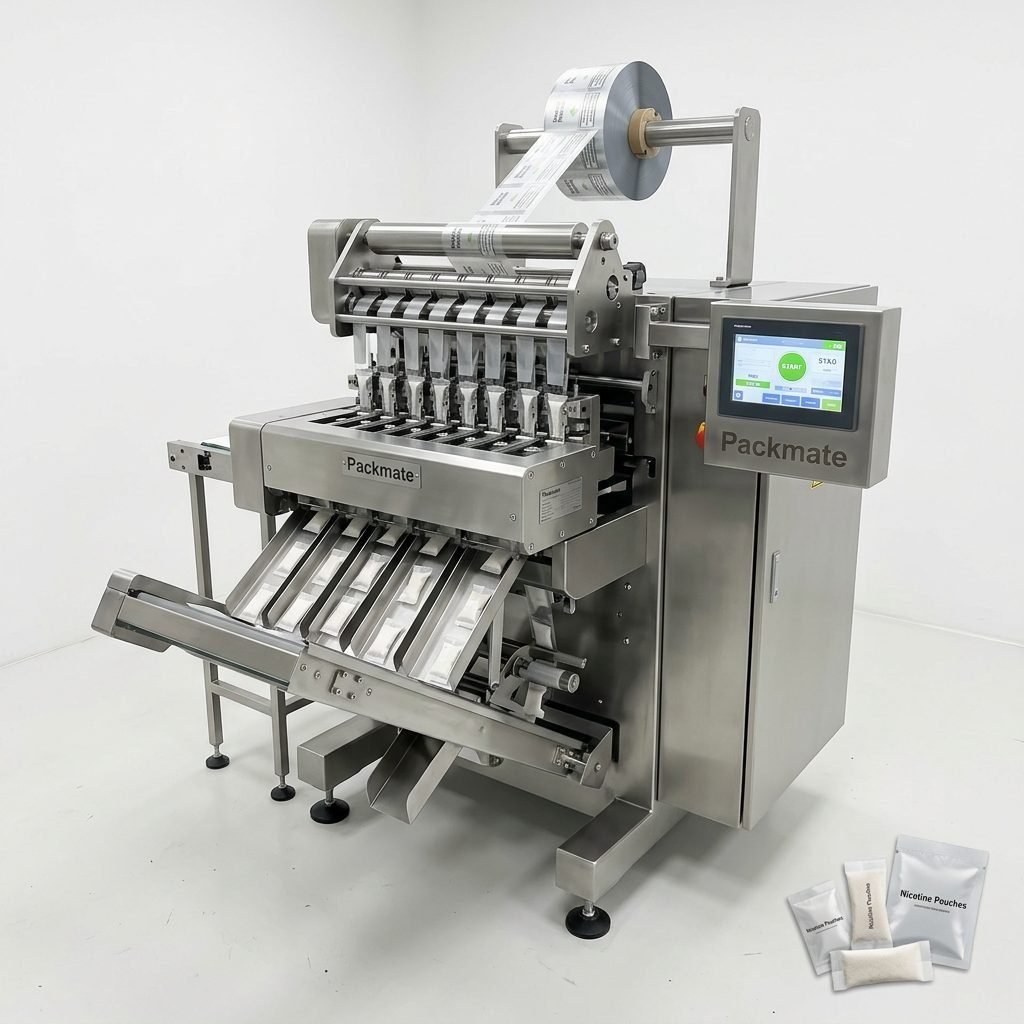
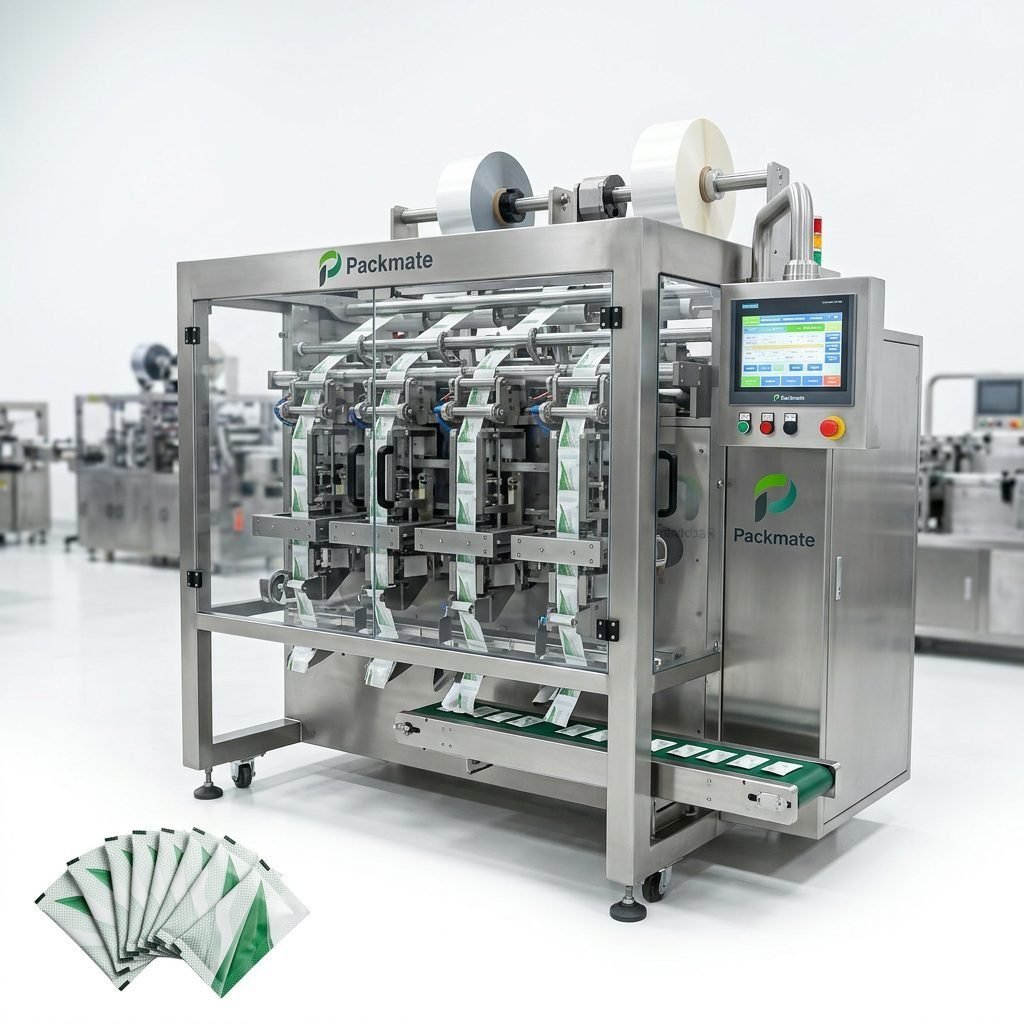
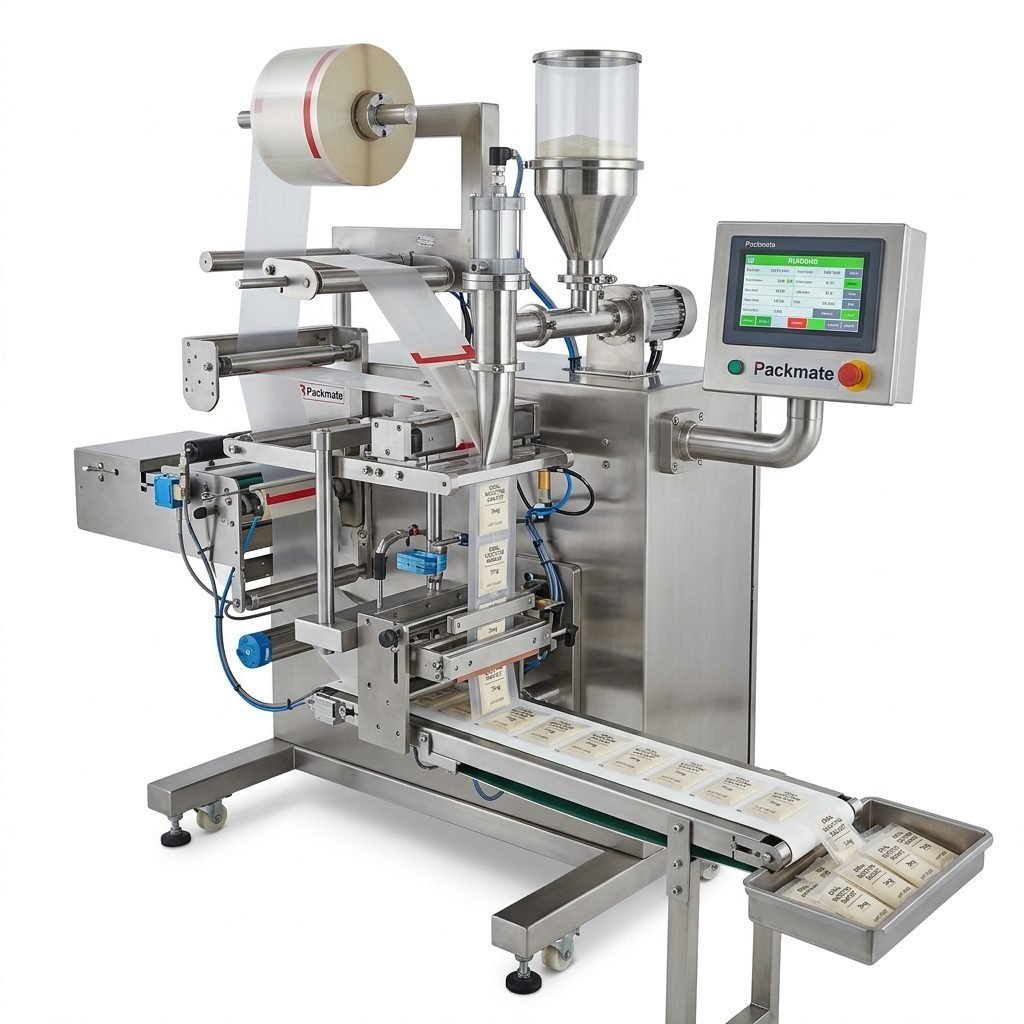
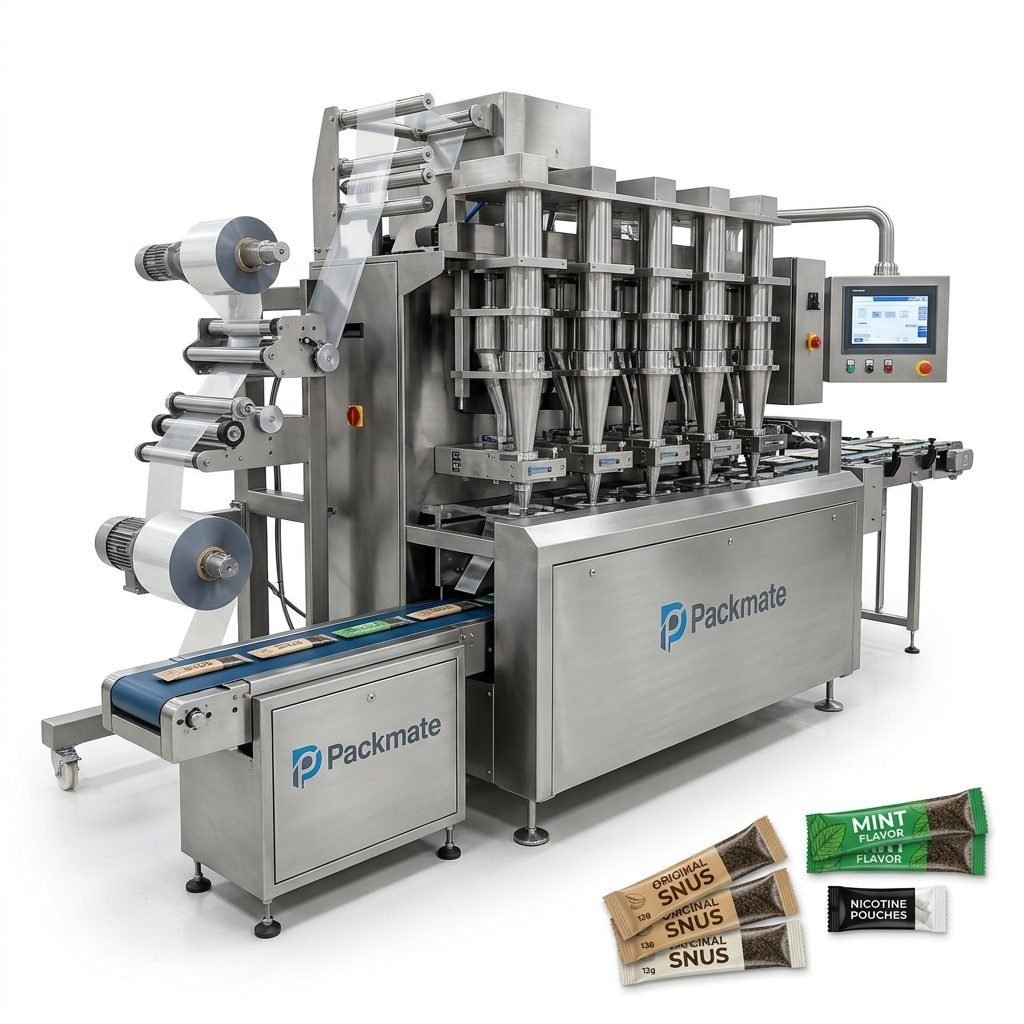
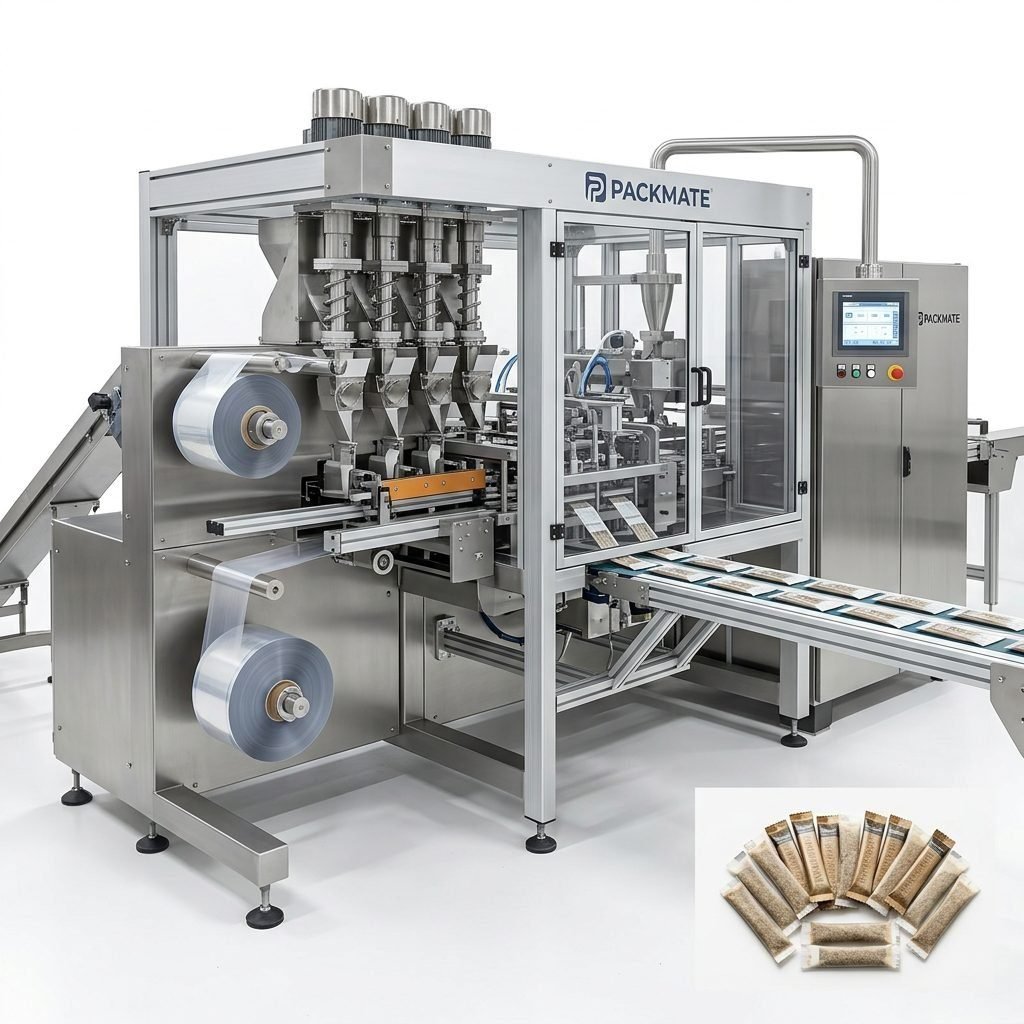
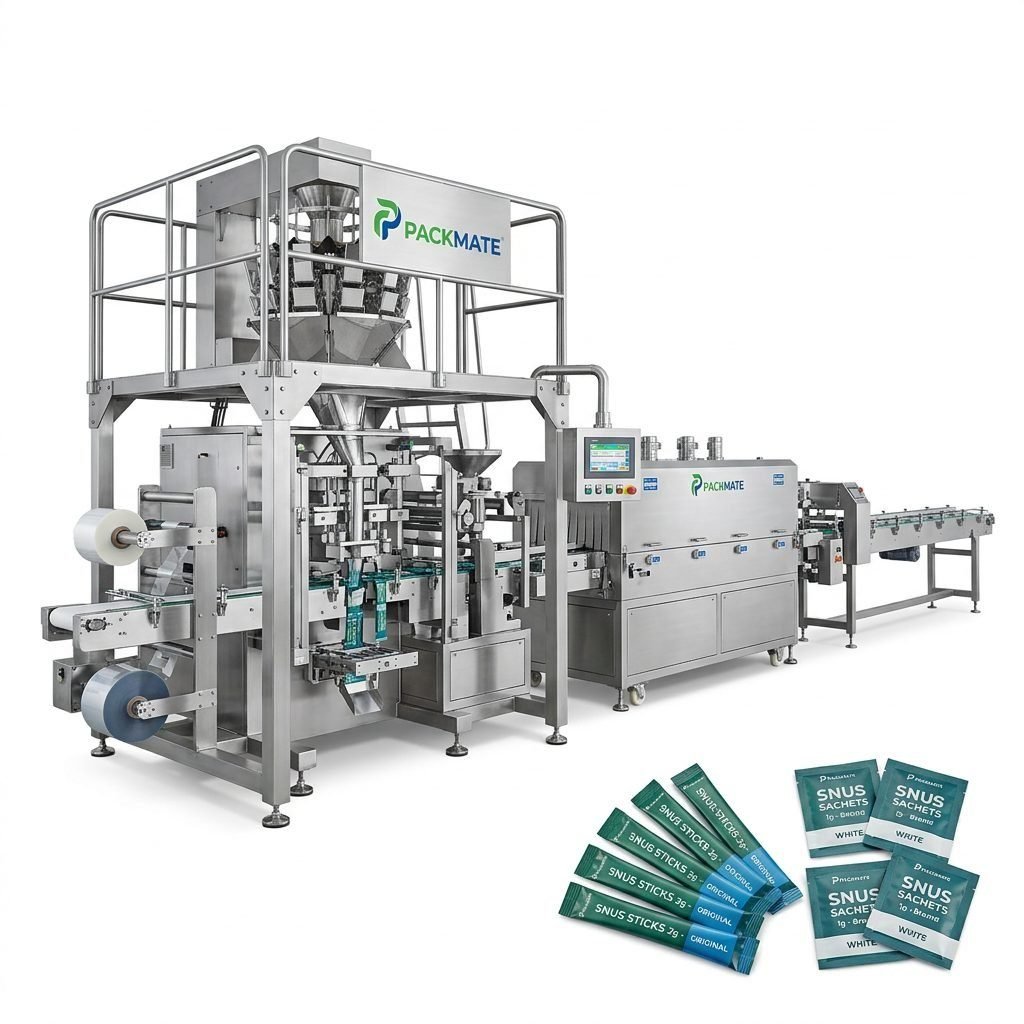
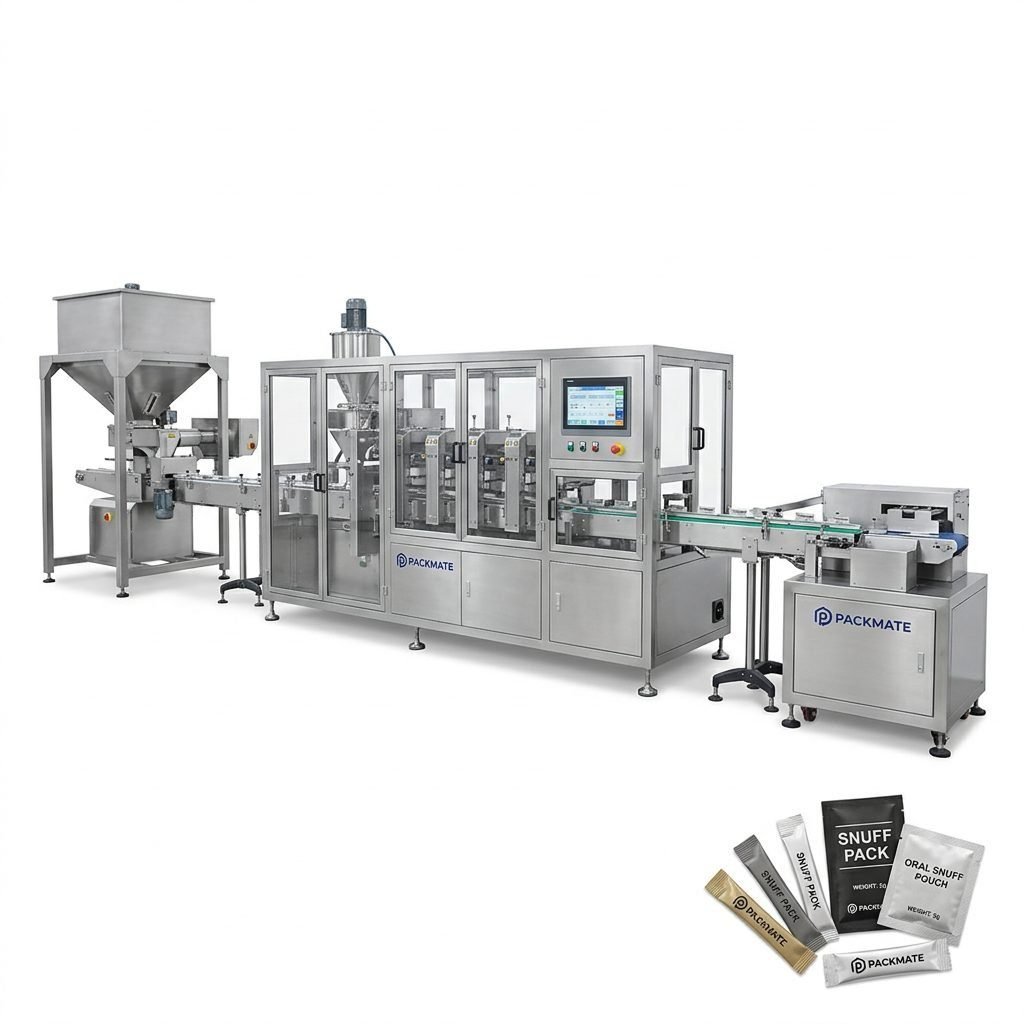
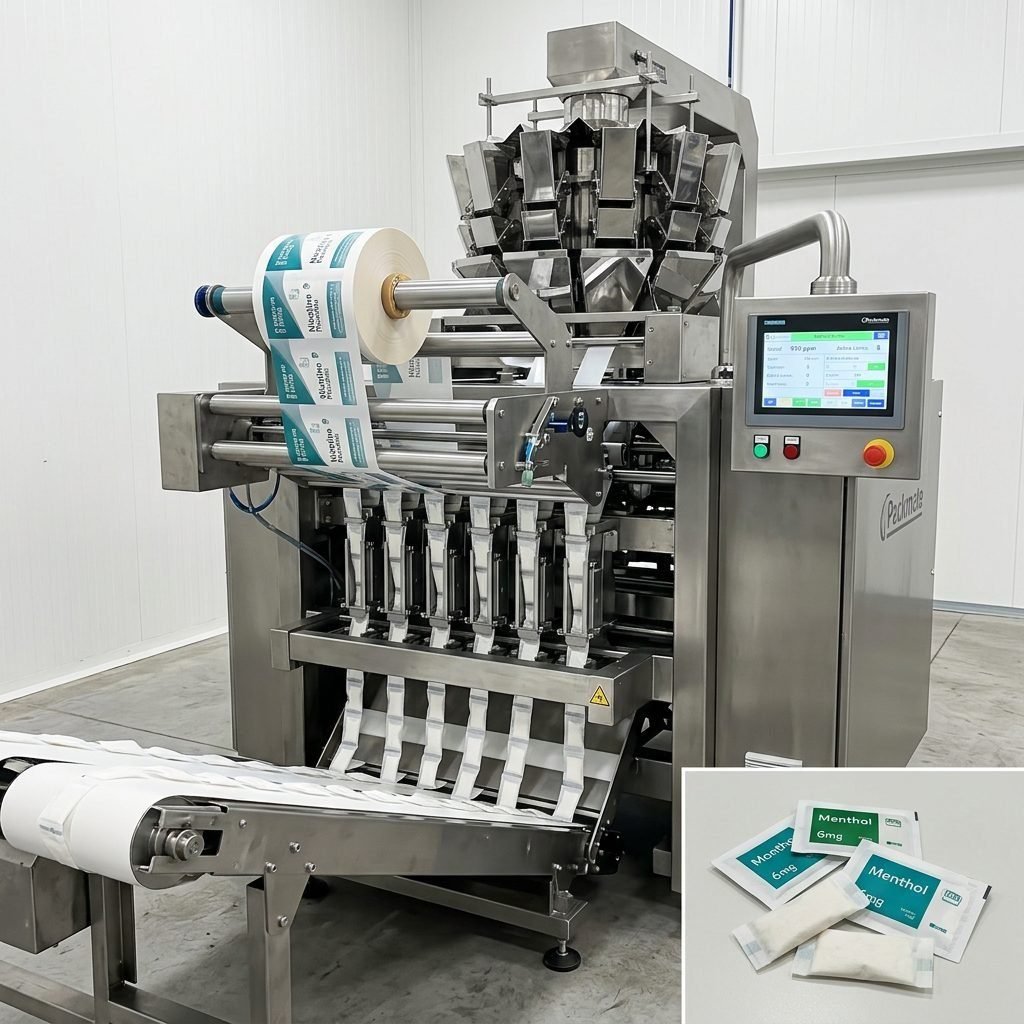
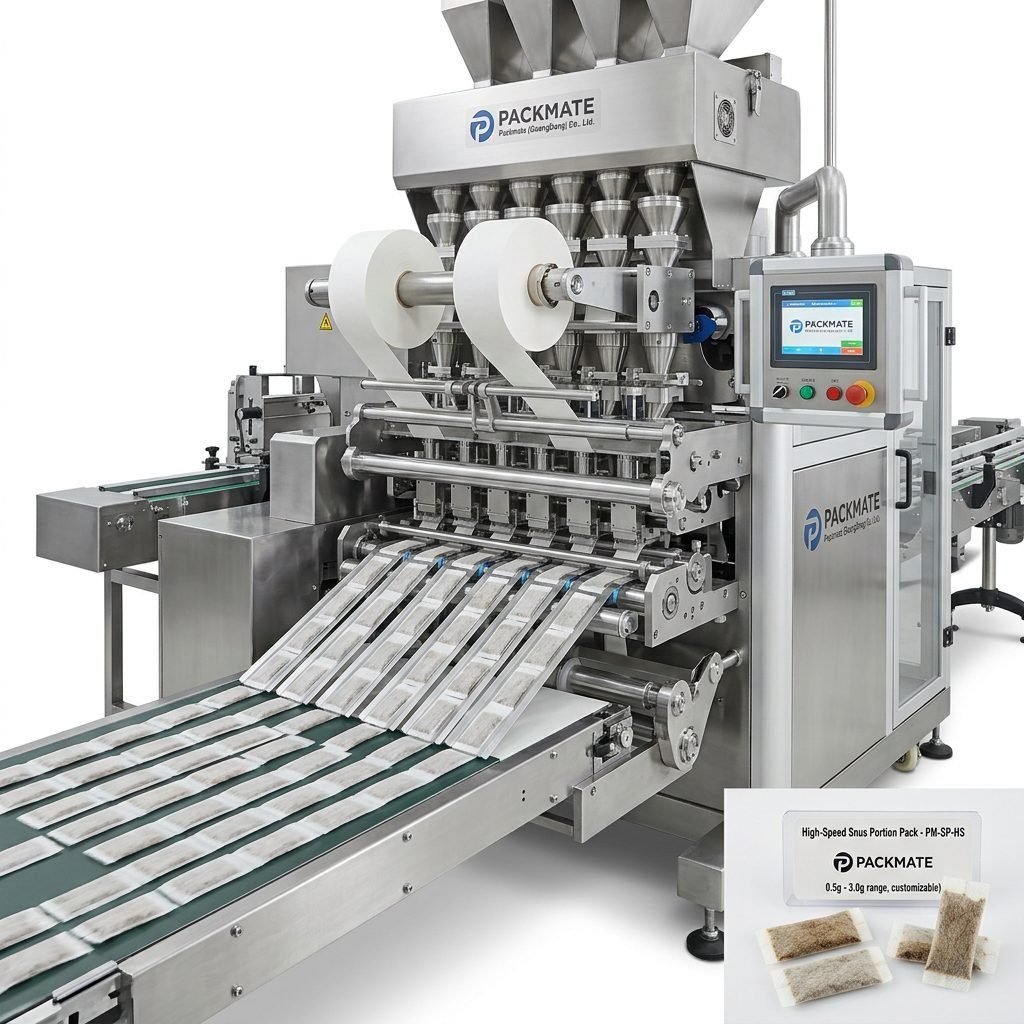
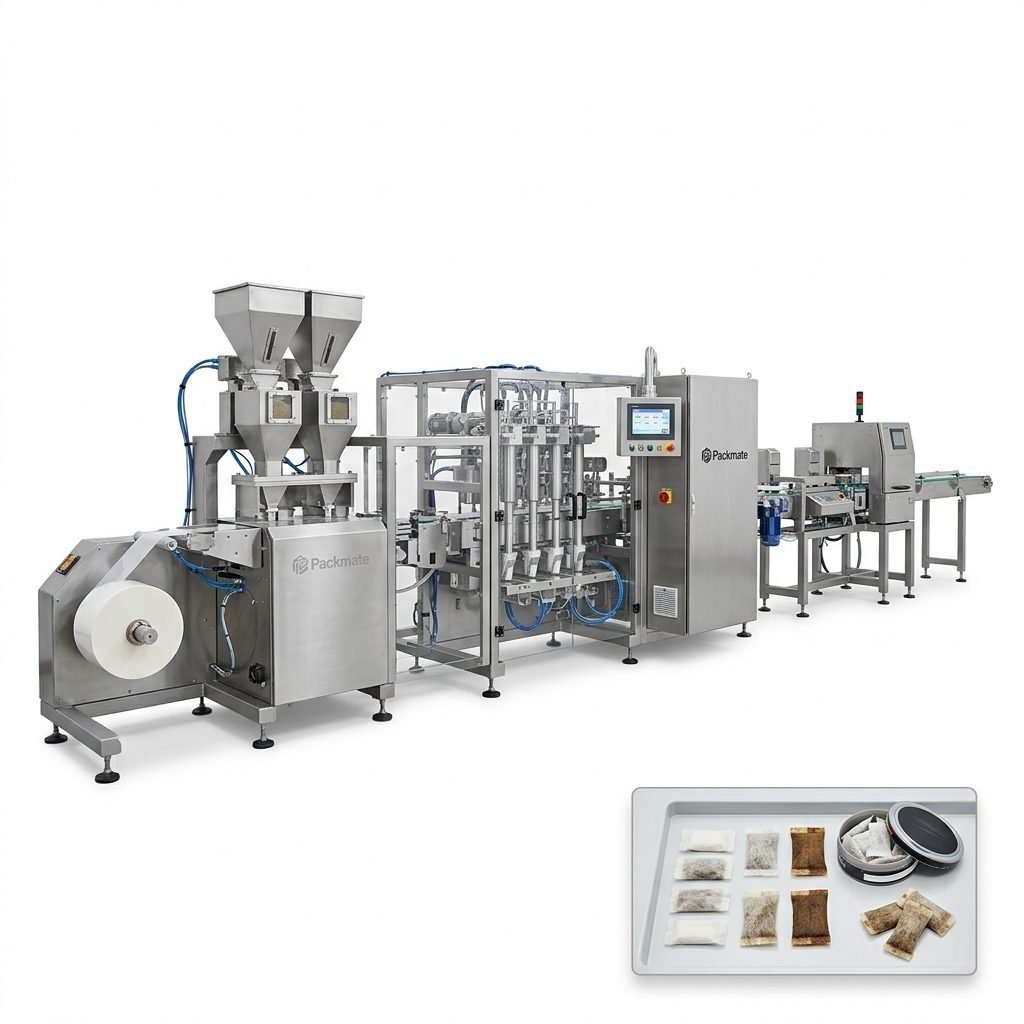
Choosing the right nicotine packaging machinery supplier in Botswana is a strategic decision that will affect product quality, production efficiency, compliance, and your brand’s reputation. This guide walks you through the practical considerations for Botswana-based businesses — from understanding local market habits and regulations to evaluating technical capabilities and after-sales support. Read on to learn how to select a supplier that fits your production goals and local needs.
Understand Botswana’s Market Context and Consumer Habits
Botswana’s consumer market is shaped by a mix of urban consumption centers (Gaborone, Francistown) and regional distribution networks. English is widely used for business, while Setswana is the national language commonly used in day-to-day commerce. When launching nicotine pouches or snus products locally, consider packaging formats, portion sizes, and labeling that resonate with local preferences and regulatory requirements.
Key local factors:
- Retail channel mix: convenience stores, supermarkets, and duty-free outlets near borders and airports.
- Labeling legibility: bilingual labeling (English and Setswana) improves shelf understanding and compliance.
- Portion sizes: smaller multi-dose pouches often perform well in price-sensitive markets.
Why Local Customs Matter
In Botswana, relationship-based business culture and trust are important. Suppliers who demonstrate long-term commitment, clear communication, and timely support will have an advantage. Consider suppliers with international experience and strong references, and prefer those able to provide tailored training for your operators in English or Setswana where possible.
Step 1 — Define Your Production Needs Clearly
Before contacting suppliers, document your production goals and constraints. A clear specification saves time and avoids costly misunderstandings.
📌 Essential specification checklist:
- Annual and daily output targets (pouches per minute/hour).
- Pouch format: snus/nicotine pouch, sachet, stick pack, multi-lane configuration.
- Dose size range, product type (powder, granule, liquid), and moisture sensitivity.
- Desired automation level: standalone machines or a turnkey production line.
- Budget, space constraints, and power supply details.
Step 2 — Evaluate Supplier Technical Capabilities
Technical robustness and adaptability are critical. Look for suppliers who offer machines proven for nicotine pouch production, with options for multi-lane systems and precise dosing.
What to verify:
- Machine models tailored to nicotine pouch/snustypes — do they offer stick pack, sachet, and multi-lane options?
- Accuracy & repeatability of dosing systems — vital for small-dose pouches.
- Production scalability — can the supplier upgrade systems as your demand grows?
- Certifications and compliance with international standards (CE, ISO).
✅ Example capability highlight to look for:
A supplier with a 20,000㎡ factory, advanced CNC machining, 30+ years of experience, and multiple machine models is more likely to provide durable, serviceable equipment and rapid spare part supply.
Step 3 — Inspect Quality, Testing & References
Quality assurance is more than a certificate. Request on-site or remote demonstrations and case studies specific to nicotine pouch packaging.
- Ask for video demos of the exact machine model running nicotine pouches.
- Request references from customers in similar markets or industries.
- Verify factory certifications and quality control processes.
For product-specific machine categories you can check:
– Snus & Nicotine Packaging Machines
– Sachet & Stick Pack Machines
– Filling & Packaging Lines
Factory Visits and Third-Party Tests
If possible, arrange a factory visit or request third-party inspection reports. For Botswana businesses, remote video inspections combined with documented QC reports can also be effective when travel is limited.
Step 4 — After-Sales Support, Spare Parts & Training
A supplier’s after-sales service is critical, especially when your factory operates far from manufacturer hubs. Confirm spare parts logistics, service response times, and available training.
🔍 Service checklist:
- Spare parts stock and shipping ETA to Botswana.
- Remote troubleshooting capabilities (video support, PLC remote access).
- On-site installation and operator training packages.
- Clear warranty terms and extended maintenance contracts.
Step 5 — Logistics, Customs and Local Compliance in Botswana
Importing machinery into Botswana requires attention to customs documentation, duty, and electrical standards. Work with a supplier experienced in exporting to Southern Africa or engage a local freight forwarder who understands Botswana’s import procedures.
Practical tips:
- Confirm the supplier provides detailed packing lists, certificates of origin, and machine manuals in English.
- Plan for inland transport — Ethiopia, Namibia, South Africa ports and cross-border logistics often affect lead times.
- Check local utility compatibility (voltage, frequency) and whether the supplier offers power conversion or local installation support.
Step 6 — Financial Terms and Risk Management
Negotiate clear payment terms that balance risk and cash flow. Common structures include partial upfront deposit, balance on delivery, or documentary letter of credit. Insist on clearly defined acceptance tests before final payment.
Risk-reduction suggestions:
- Define FAT (Factory Acceptance Test) criteria and SAT (Site Acceptance Test) after installation.
- Include spare parts list and lead times in the contract.
- Request indemnities or insurance cover for transport damage.
Technical Features to Prioritize for Nicotine Pouches
Certain machine features matter more for nicotine pouch production due to small-dose accuracy and product sensitivity.
- Precision dosing (gravimetric or volumetric) with minimal variance.
- Multi-lane synchronization for higher throughput without quality loss.
- Gentle product handling to avoid fines/moisture exposure.
- Hygienic design and easy-clean components for switchovers.
For a deep dive into machines that specialize in these capabilities, review suppliers’ product ranges such as their nicotine packaging machines and sachet & stick pack machines.
Turnkey Solutions vs. Single Machines
Decide whether you need a single machine (e.g., a pouch filler/sealer) or a turnkey line including weighing, conveying, packaging, and case packing. Turnkey solutions reduce integration risk but require larger initial investment and more complex logistics.
Why Choose an Experienced Global Supplier
Experienced global suppliers bring tested technology, international compliance knowledge, and mature after-sales systems. A supplier with multi-decade history and a broad product line is more likely to support product iterations, spare parts, and upgrades.
Explore the supplier profile and company information to verify longevity, manufacturing capacity, and exhibition presence. For instance, review the manufacturer’s company story and global case studies when making your choice: About Packmate and Case Studies.
📌 Quick supplier selection checklist:
- Proven nicotine pouch/snusequipment portfolio.
- Factory scale and quality systems (CNC, QC lines).
- Clear FAT/SAT testing and warranty plans.
- Responsive spare parts and remote service capabilities.
- References and export experience to African markets.
Negotiating the Purchase and Aftercare
When negotiating, be explicit about acceptance criteria, delivery schedules, spare part lists, and training. Include clauses for performance guarantees and clear escalation paths for technical issues. Maintain open communication channels and request direct contact with the engineer assigned to your project.
Local Partnerships and Service Agents
Consider whether the supplier has local agents or partner service providers in Southern Africa. A regional partner can expedite maintenance visits and spare part deliveries, reducing downtime risk for your Botswana operations.
Conclusion — Make a Decision Based on Fit, Support and Proven Results
Selecting the best nicotine packaging machinery supplier for your Botswana business is about more than price. Prioritize suppliers that demonstrate technical competence in nicotine pouch packaging, robust manufacturing and QC systems, clear after-sales support, and export/logistics experience to Southern Africa. Test their responsiveness, verify references, and demand transparent terms on FAT, spare parts, and warranty. With the right partner, you can build a reliable production line that supports growth and regulatory compliance in Botswana and beyond.
Need more supplier details?
If you want to contact a supplier directly for quotes, demos, or consultations, use their official contact channel: Contact Us. Explore product catalogs for model specifications: Catalog.
Frequently Asked Questions
Q1: How long does it typically take to import and install a packaging line in Botswana?
A1: Lead time varies by machine complexity and logistics. Expect 10–16 weeks for manufacture + shipping, plus 1–4 weeks for customs clearance and on-site installation. Suppliers with export experience to Southern Africa can shorten delays.
Q2: What warranty and spare part support should I require?
A2: Ask for at least a 12-month warranty on mechanical and electrical components, a clear spare parts price list, and defined shipping ETAs for critical parts. Remote support and video troubleshooting are valuable for minimizing downtime.
Q3: Are nicotine pouch machines compliant with international standards?
A3: Choose suppliers whose equipment complies with CE/ISO where applicable. Also verify hygienic design for food-contact parts and confirm documentation for local regulatory checks.
Q4: Can I start with a single lane and upgrade later?
A4: Many suppliers offer modular or multi-lane scalable systems. Confirm upgrade paths, compatibility, and conversion costs before purchase.
Q5: Where can I find real-world case studies?
A5: Review the supplier’s published case studies and exhibition records for similar projects: Case and Our Exhibition.